
REVIEW · GDAńSK TOURS
Cruises on the Motlawa River
See Gdansk from its working river. This short cruise gives you a fresh view of the old center, with the medieval Crane and waterfront gates rising above the Motlawa. I like the low price and the chance to see several major sights without a long commitment. I also like the retractable canopy, which can open up the boat for better photographs when the weather is kind. The main drawback is the small boat: sound from the English information may be hard to hear, and some departures rely on a printed information sheet instead.
At about 45 minutes, this is an easy addition to a day in Gdansk. You board at the Green Bridge, cruise along the Stara Motlawa, pass the marina and historic islands, then return to the same point. The boat holds no more than 10 people, so it feels personal, though the compact size also means less room and fewer ideal seats.
In This Review
- Key points to know before boarding
- Why a Motlawa cruise adds something to Gdansk
- Boarding at the Green Bridge
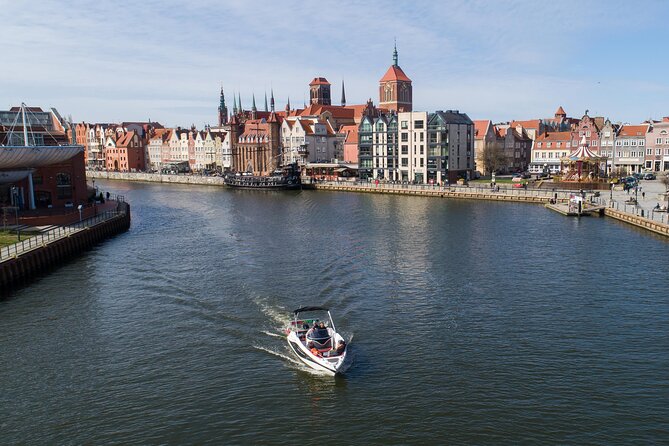
- Along the Long Embankment and its water gates
- The 15th-century Crane, Gdansk’s great waterfront symbol
- Church towers and St. John’s Church
- Granary Island and the preserved granary wall
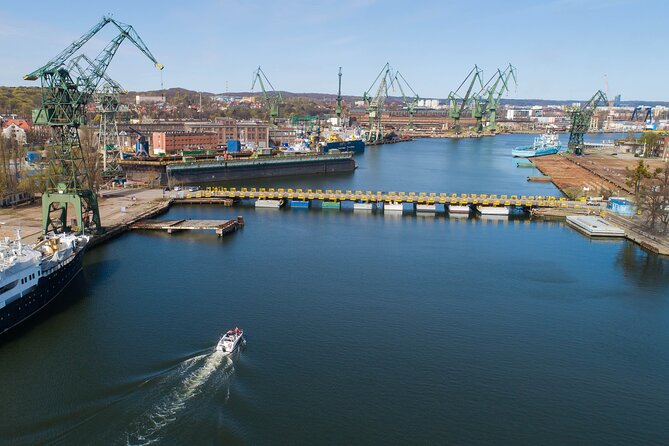
- Olowianka Island and the city’s working past
- Marina, Fish Market, and the return route
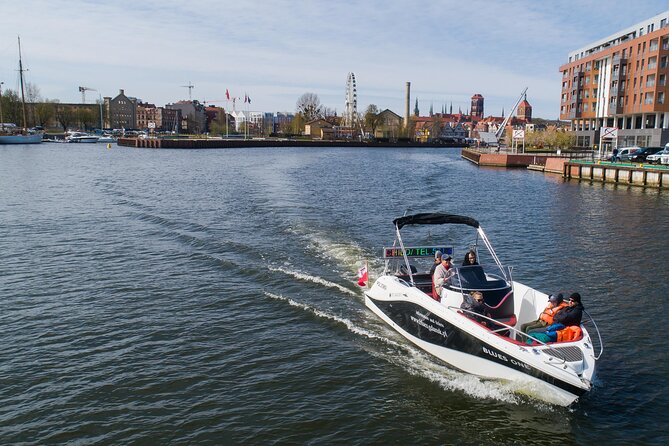
- What the small boat is really like
- Is $19.86 good value?
- Who should book this Motlawa cruise?
- Should you book it?
- FAQ
- Where does the Motlawa River cruise start?
- Where does the cruise end?
- How long does the cruise last?
- Is the cruise offered in English?
- What sights can I see from the boat?
- How many people can join the boat?
- Can I cancel for a full refund?
Key points to know before boarding
- The Green Bridge is both the start and finish: You board near the center of Gdansk and return to the same meeting point.
- The route focuses on the Motlawa waterfront: Expect views of the Long Embankment, historic water gates, the Crane, Granary Island, Olowianka Island, and the marina.
- The boat is small: The maximum group size is 10, which keeps the outing intimate but can make seating and hearing the guide more difficult.
- The canopy can retract: On a pleasant day, an open roof gives you a clearer view and better conditions for photographs.
- The experience is offered in English: Information may be spoken, printed, or both, depending on the departure.
- The price is modest for a guided city view: At $19.86 per person, it costs less than many nearby boat rental options described by one passenger.
Why a Motlawa cruise adds something to Gdansk
Gdansk is usually experienced on foot, with the Long Market, church towers, and waterfront streets viewed from between handsome facades. The Motlawa changes the angle. From the boat, the old riverfront becomes a connected scene rather than a series of separate monuments.
I find that especially useful early in a visit. You can see how the waterfront, islands, gates, granaries, churches, and port buildings fit together. It is not a long sightseeing voyage, and it does not attempt to cover the wider Baltic coast. Instead, it gives you a compact introduction to the part of Gdansk that grew around trade and water.
The cruise is also a welcome break from walking. You sit while the city passes by, with enough time to take photographs and pick out landmarks. The route is short enough that you can still fit in museums, churches, or a meal before and after it.
The experience is run by Blues and is available in English. The exact style of commentary may vary. One account describes a printed English sheet used to identify the sights, while another notes that the audio information was difficult to hear for the whole ride. You should treat the written material as useful backup rather than assuming every spoken explanation will be clear.
A few more Gdańsk trips worth weighing up
- Gdansk: City Cruise on Historical Polish Boat
★ 4.8 · 2,913 reviews - Gdańsk: Sunset Cruise on a Historic Polish Boat
★ 4.9 · 977 reviews - Gdańsk City Sights & History Guided Walking Tour in English
★ 4.8 · 876 reviews
Boarding at the Green Bridge
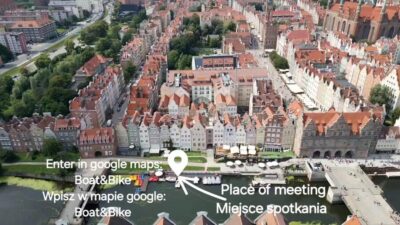
The meeting point is the Green Bridge over the Stara Motlawa in central Gdansk. This is a practical location because you are already near the historic waterfront and the main pedestrian areas.
Finding the exact boat can take attention. One family reached the wrong spot and had trouble locating the departure, so allow a few extra minutes rather than arriving at the last second. In that case, the captain called and waited, but you should not count on every departure being able to do the same.
The mobile ticket is convenient. One passenger described showing the ticket and boarding while people without advance arrangements were still asking about prices and paying. If you book ahead, keep the ticket ready on your phone.
Departure times are offered throughout the day, giving you room to place the cruise around lunch, church visits, or a museum. The attraction is usually booked about 20 days in advance, so reserving before your visit makes sense if you have a fixed schedule. Confirmation arrives at booking.
Along the Long Embankment and its water gates
After leaving the Green Bridge, the boat follows the Motlawa beside the Long Embankment, known in Polish as Dlugie Pobrzeze. This is one of Gdansk’s most recognizable waterfront stretches, lined with historic buildings and gates that once connected the river to the city.
From water level, you get a useful sense of how commercial Gdansk faced the river. The gates are not just decorative openings in the waterfront. They mark the points where goods, workers, and boats once moved between the city and the water.
The view is strongest when the boat is moving slowly enough for you to look up at the details. Keep your camera ready, but do not spend the whole ride staring at your screen. The best photographs often come when the boat reaches a clear angle toward the facades and the Crane.
This section can also be the hardest for listening. The riverfront may have enough background noise, and a small boat does not offer the same sound system you would find on a large sightseeing vessel. Sit close to the guide if spoken commentary matters to you, and use the printed English information when available.
The 15th-century Crane, Gdansk’s great waterfront symbol
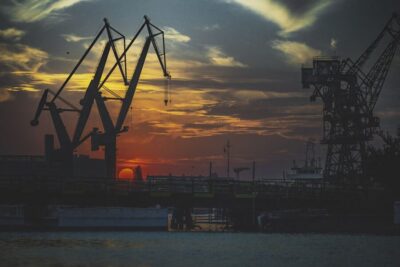
The highlight for many people is the Crane, the enormous medieval lifting structure beside the Motlawa. It is described as the largest medieval crane in Europe, and from the river its size becomes easier to understand.
The Crane was tied to the city’s trading life. Its broad wooden structure rises directly from the waterfront, making it one of the clearest examples of how Gdansk used engineering to handle cargo and ships.
A river view helps here because you see the Crane as working infrastructure, not just as a museum facade. The boat gives you time to photograph its timber frame, water-facing side, and position among the older waterfront buildings.
The cruise does not appear to include a stop or interior visit at the Crane. You see it from the boat, so plan a separate visit if you want to explore inside. As a sightseeing pass-by, though, this is one of the strongest parts of the route.
A completely different kind of day out in Gdańsk:
- Gdansk: Firearm Shooting Experience with Instructor
★ 4.8 · 866 reviews - Gdansk: Guided Round-Trip Cruise to Westerplatte
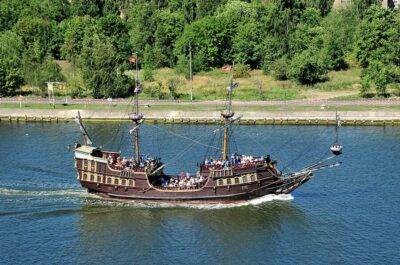
★ 4.3 · 865 reviews - Gdańsk: Sightseeing EcoCruise around the Old Town of Gdansk
★ 4.6 · 719 reviews - Main Town Gdańsk Walking Tour
★ 5.0 · 644 reviews
Church towers and St. John’s Church
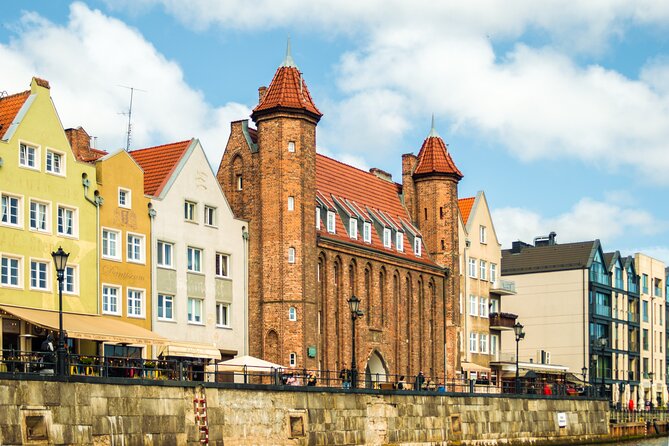
As the boat moves along the river, the towers of Gdansk’s churches and town hall rise above the waterfront. This changes the view from close-up river buildings to a wider look at the old center.
Behind St. John’s Church, you can see the world’s largest brick church. That church dominates the city skyline and is easier to appreciate from the water because the boat gives you some distance. From the river, its scale reads clearly against the lower buildings along the bank.
The route does not replace a walking tour through the old center. You will not get the same close look at doorways, street signs, or architectural details. But it gives you a helpful orientation, especially if you have just arrived and want to understand where the main towers sit in relation to the river.
If you enjoy taking skyline photographs, the retractable canopy matters. When it is open, you have fewer visual obstructions above you. If the roof is closed because of weather, you still get the views, but overhead photographs can be less clean.
Granary Island and the preserved granary wall
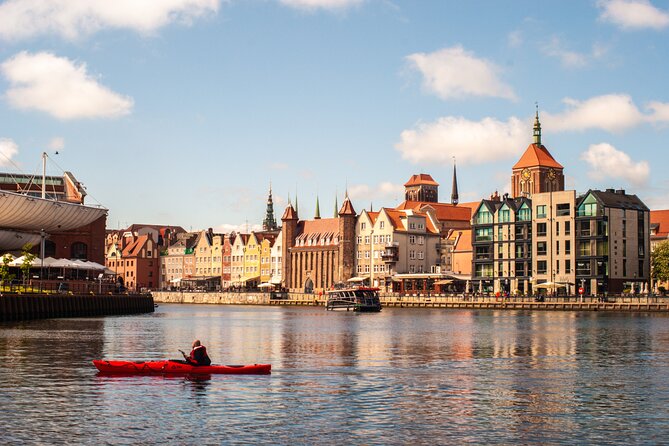
The cruise continues toward Granary Island, one of the most important parts of the route. You will see monuments connected with the island’s former granary district, including a preserved wall from the Long Way granary.
The surviving wall is a small piece of a much larger commercial story. Granaries were built beside the river because water made it easier to move and store grain. From the boat, you can connect the old wall with the river traffic that gave the island its purpose.
Stagiewna Street crosses Granary Island and begins at the Green Bridge. Seeing that connection from the water gives you a better sense of the island’s position between the historic center and the river channels.
Do not expect a complete tour of the island from the boat. You will see selected buildings and walls as the route passes, but the cruise is best used as an overview. Afterward, you can walk over the Green Bridge and explore the island at street level if you want more detail.
Olowianka Island and the city’s working past
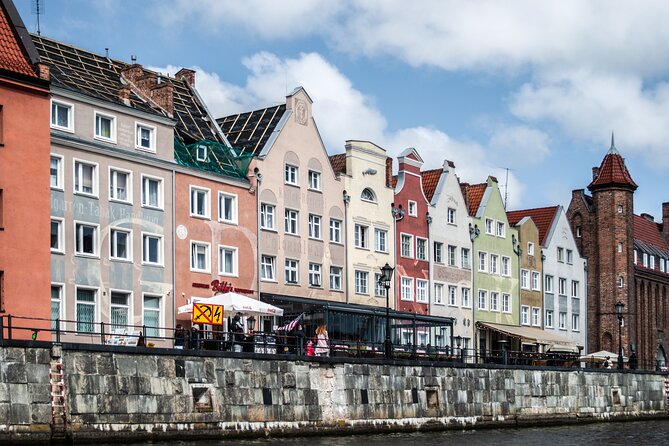
Olowianka Island is another central feature of the cruise. Its story connects the Teutonic Order with the economic life of Gdansk. The land originally belonged to the order and served as an economic base for the commander’s castle.
That background gives the island more weight than a simple scenic stop. From the boat, you can see how the island sits within the river system and why its position mattered. Urban power, storage, trade, and transport all met around these waterways.
The island is also a good reminder that Gdansk was shaped by more than its grandest streets. The riverfront includes evidence of administration, commerce, shipping, and food markets. A short cruise cannot explain every chapter, but it points out the places where those stories happened.
I would pay attention to the relationship between Olowianka and Granary Island. They are close together, yet each represents a different piece of the old waterfront economy. The view is more rewarding when you see the islands as connected working zones rather than isolated landmarks.
Marina, Fish Market, and the return route
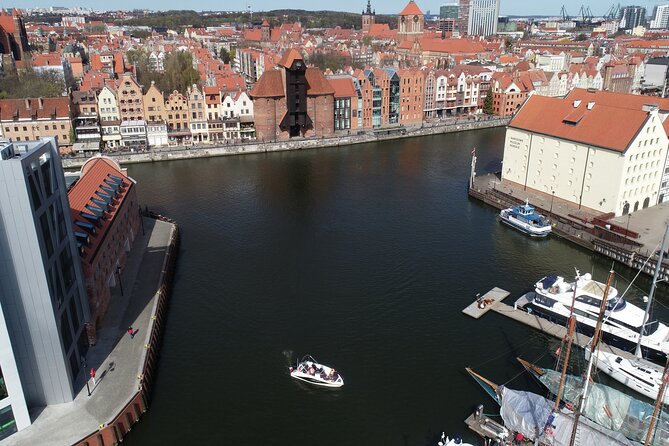
On the way back, the boat passes the Gdansk marina. This adds a more modern boating scene to the older waterfront architecture. You can compare today’s recreational boats with the working vessels and cargo activity that once shaped the river.
The route also provides a view of the Fish Market. Gdansk once had more fish markets, and this surviving reference adds another layer to the waterfront’s everyday life. It is a modest detail, but it helps you picture the river as a place where local food and trade were handled, not only a backdrop for grand buildings.
The boat eventually returns to the Green Bridge, passing the marina along the way. Since the activity ends where it begins, you do not need a separate return transfer or a plan for collecting luggage elsewhere.
The whole trip lasts approximately 45 minutes. One passenger described it as about 50 minutes, so allow a little flexibility if you are scheduling a tight connection. The timing makes it easy to pair with nearby sightseeing, but I would not book it immediately before a fixed-time event.
What the small boat is really like
The maximum group size is 10 people. That is a major advantage if you prefer a quieter outing and do not want to sit among a large crowd. A small boat also gives the captain room to provide a closer look at the riverfront rather than carrying a full sightseeing load.
The tradeoff is comfort and sound. A compact private motorboat has less space than a large cruise vessel, and the guide’s voice may not carry evenly. Some people received information on a printed English sheet, while spoken audio was not always audible throughout the route.
You can improve your experience by sitting near the guide, keeping the written information close, and choosing a clear-weather departure when the canopy can be opened. If you need a formal, amplified narration with every landmark explained in detail, this may feel basic.
The ride itself is described as soft and pleasant. Families are welcome, and children aged 3 and 9 were given life jackets. Blankets were also provided when wind picked up during one family’s trip. That suggests the crew pays attention to comfort, though you should still dress for changing conditions on the water.
Is $19.86 good value?
At $19.86 per person, the cruise offers solid value if you want a guided view of central Gdansk without committing to a longer excursion. The price includes the river ride, an English option, and a route covering several of the city’s most recognizable waterfront sights.
The value is clearer when compared with nearby boat rentals. One passenger found this cruise cost about a third as much as rental options next door and preferred it because the historical information was included. That comparison makes the cruise a sensible choice for a first look at the river.
You are paying for a short orientation, not a full museum tour or a detailed private guide. If the commentary is difficult to hear, the value depends more heavily on the route and the visual experience. Still, the Crane, islands, water gates, churches, marina, and granary remains would be difficult to combine so easily on foot in 45 minutes.
The rating is 4.7 out of 5, with 91 percent of customers recommending the experience. Those figures point to a strong overall experience, but the lower scores reveal the key weakness: communication on the boat can be inconsistent.
Who should book this Motlawa cruise?
I would choose this cruise if you are visiting Gdansk for the first time and want an easy introduction to the old waterfront. It also suits photographers, families, couples, and anyone who would appreciate a seated break between walking tours.
It is particularly useful for you if your day is tightly planned. With several departure choices and a short duration, you can fit it between major sights instead of losing half a day.
Families may also like the small group size and the crew’s attention to children’s safety. The supplied example included life jackets for young children and blankets when the wind became cold.
I would hesitate if you want a large, polished sightseeing boat with guaranteed audio at every seat. The small vessel and uneven sound are real considerations. You should also think twice about booking in poor weather, since the experience requires suitable conditions and the open-air views are one of its main pleasures.
Free cancellation is available up to 24 hours before the start time for a full refund. Changes or cancellations made less than 24 hours before departure are not accepted for a refund. If bad weather causes the operator to cancel, you are offered another date or a full refund.
Should you book it?
Yes, if you want a short, affordable river introduction to Gdansk and are comfortable with simple commentary. The route packs in the Crane, Granary Island, Olowianka Island, historic water gates, church towers, Fish Market, marina, and the old waterfront in less than an hour.
Book ahead, arrive early at the Green Bridge, and sit near the guide if you want to hear the explanation. Bring a phone with enough battery for photographs, and dress for wind. If you value atmosphere and city views more than a perfect audio presentation, this cruise is an easy choice. If detailed narration is your top priority, treat the printed information as essential backup.
FAQ
Where does the Motlawa River cruise start?
The cruise starts at the Green Bridge on the Stara Motlawa in Gdansk, Poland.
Where does the cruise end?
The activity ends back at the Green Bridge, at the same meeting point.
How long does the cruise last?
The listed duration is approximately 45 minutes. One account describes the trip as about 50 minutes, so allow a little extra time when planning your day.
Is the cruise offered in English?
Yes. The experience is offered in English. Information may be provided verbally, in printed English, or both.
What sights can I see from the boat?
The route includes the remains of the Teutonic Castle wall, the Long Embankment and its water gates, the 15th-century Crane, Olowianka Island, Granary Island, Stagiewna Street, the marina, Fish Market, church towers, and the town hall.
How many people can join the boat?
The activity has a maximum of 10 participants.
Can I cancel for a full refund?
Yes, if you cancel at least 24 hours before the experience start time. Cancellations or changes made less than 24 hours before the start time are not refunded. If poor weather causes the operator to cancel, you are offered another date or a full refund.
Just added around Gdańsk
- Gdańsk: Boat Cruise from Gdańsk Old Town to Sopot Marina★ 4.4 · 3 reviews
- Stutthof Concentration Camp and Museum of WWII: Private Tour★ 4.7 · 3 reviews
- Gdansk: Bubble Football with Hotel Transfers★ 5.0 · 3 reviews
- Gdansk: Oliwa Zoo with Tickets and Roundtrip Transportation★ 5.0 · 3 reviews
- Segway Tour Gdańsk: Shipyard Tour – 1,5-Hour of Magic!★ 5.0 · 3 reviews
- Gdansk: Escape Room Adventure★ 4.0 · 3 reviews
- Gdańsk : Catamaran River Cruise (group)★ 4.3 · 3 reviews
- Szymbark: Kashubian Switzerland 5-Hour Private Tour★ 3.7 · 3 reviews
Gdańsk Tours, compared.


Gdańsk City Sights & History Guided Walking Tour in English
Read our review →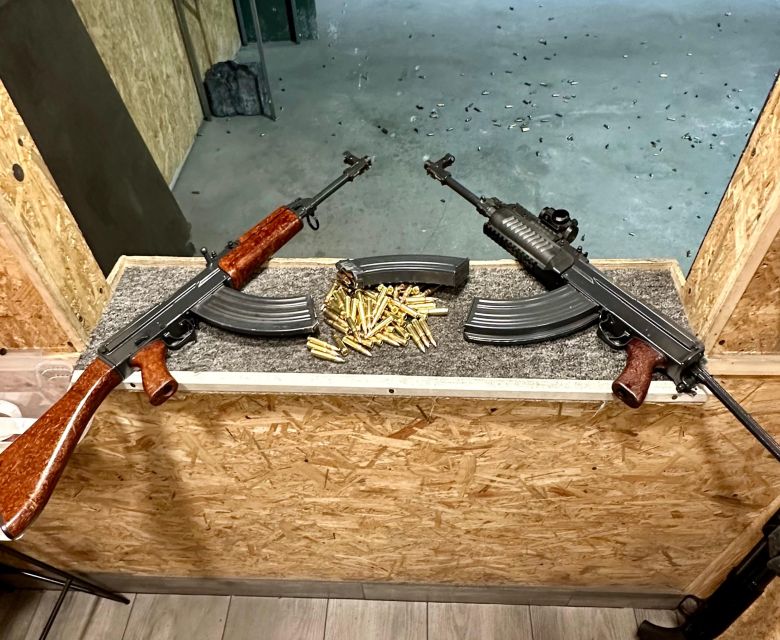
Sightseeing EcoCruise around the Old Town of Gdansk
Read our review →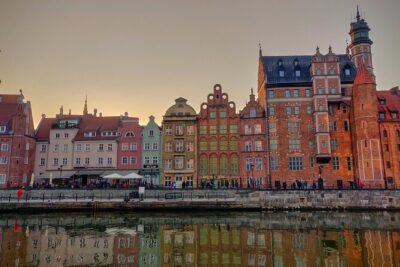

Browse the lists this tour appears in