
REVIEW · GDAńSK TOURS
Gdansk: European Solidarity Centre Guided Tour
Freedom has a meeting place in Gdańsk. At the European Solidarity Centre, you follow the rise of Poland’s Solidarity movement through recreated strikes, multimedia displays, and the famous round table negotiations. I especially like the way the tour connects Lech Wałęsa and Polish workers with wider struggles across Eastern Europe, and I like having a professional guide to explain the political stakes behind the displays. The main drawback is that the quality of the guiding may vary, and one piece of feedback specifically wished for a stronger guide.
I also like that this is not simply a museum visit that ends when you leave the final room. Workshops, films, and exhibits about social justice and human rights link the past to current debates. You should allow for 150 minutes, arrive at least 10 minutes early, and be ready for staircases, since the route involves climbing and descending.
In This Review
- Key points to know before you book
- Why the European Solidarity Centre matters
- Entering through strikes and worker resistance
- Following Lech Wałęsa and the wider Solidarity movement
- The round table negotiations and the move toward change
- How Solidarity influenced Eastern Europe
- More than a museum visit
- Is $83 a fair price?
- Timing, stairs, and what to bring
- Who will get the most from this tour?
- Should you book the European Solidarity Centre guided tour?
- FAQ
- Where is the European Solidarity Centre guided tour located?
- How long does the tour last?
- What is included in the price?
- Is transportation included?
- Are food and drinks included?
- Which languages are available?
- Is the experience wheelchair accessible?
- Can I bring luggage or a large bag?
- How early should I arrive?
- Can I cancel the booking?
Key points to know before you book
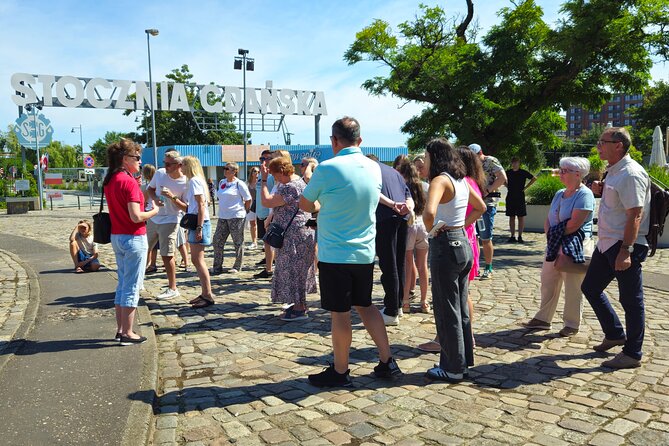
- The story begins with working people: The tour focuses on Polish workers, strikes, and the organized fight against communist rule.
- Lech Wałęsa is part of the central story: You follow his role alongside the wider Solidarity movement rather than treating him as an isolated political figure.
- The exhibits use more than written panels: Recreated events, multimedia displays, and a presentation of the round table negotiations give the history a physical and visual form.
- The message reaches beyond Poland: The centre shows how Solidarity influenced democratic movements across Eastern Europe.
- The tour lasts 150 minutes: That is long enough for a serious visit, but short enough to fit into a busy Gdańsk day.
- Practical planning matters: Large bags and luggage are not allowed, the meeting point can vary by booking option, and the route includes stairs.
Why the European Solidarity Centre matters
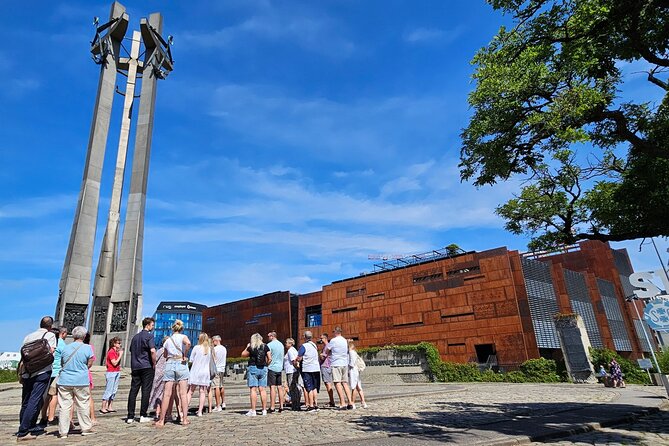
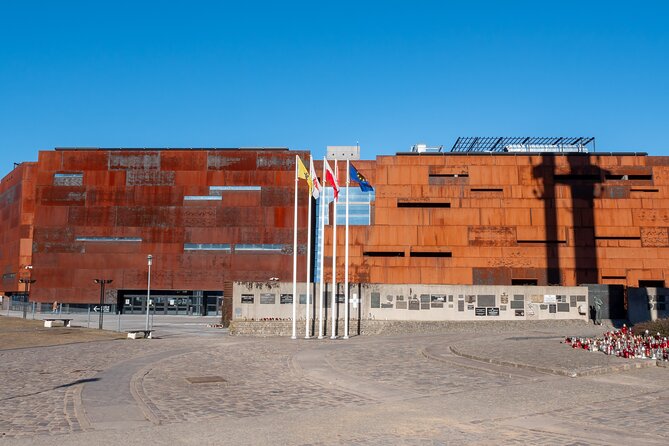
The European Solidarity Centre tells one of the most important modern stories in Gdańsk. This is the story of people challenging communist power through strikes, organization, negotiation, and persistence.
You are not being shown an abstract political timeline. The focus is on Polish workers and the choices they faced. That human scale gives the visit its force. The major political changes did not begin as a neat chapter in a textbook. They grew from pressure placed on a government by ordinary people who acted together.
A guide helps you place the exhibits in order. Without context, a display about a strike or a negotiation can feel like one more event in a complicated century. With the right explanation, you can see how separate actions fitted together and why certain moments mattered.
The centre also gives the story a wider reach. Solidarity was born in Poland, but its example traveled. The exhibits connect the Polish movement with changes across Eastern Europe, showing how one successful challenge to communist authority could encourage others.
That wider view is one of the best reasons to choose the guided option. You are not only learning what happened in Gdańsk. You are considering how ideas about freedom, collective action, and human rights can cross borders.
A few more Gdańsk trips worth weighing up
- Gdansk: City Cruise on Historical Polish Boat
★ 4.8 · 2,913 reviews - Gdańsk: Sunset Cruise on a Historic Polish Boat
★ 4.9 · 977 reviews - Gdańsk City Sights & History Guided Walking Tour in English
★ 4.8 · 876 reviews
Entering through strikes and worker resistance
The tour’s early sections focus on the fight against communism. Recreated strikes help you picture the pressure of that period in a way that a list of dates cannot.
These displays are valuable because strikes are presented as an act of organized resistance, not just a workplace dispute. Polish workers were pushing for change in a system that did not easily allow open opposition. The setting asks you to think about the personal risk behind public action.
I like this approach because it keeps the story grounded. You are not simply told that a movement became famous. You see how it gained force through people acting together.
The multimedia elements add another layer. They can make the visit easier to follow if you prefer images, sound, and reconstructed scenes to long blocks of text. They also help break up the political detail, which can become demanding during a visit of more than two hours.
Still, this is not a light museum stop. The subject includes oppression, conflict, and the difficult route toward political change. You should expect an emotional and serious experience rather than a quick collection of attractive displays.
Following Lech Wałęsa and the wider Solidarity movement
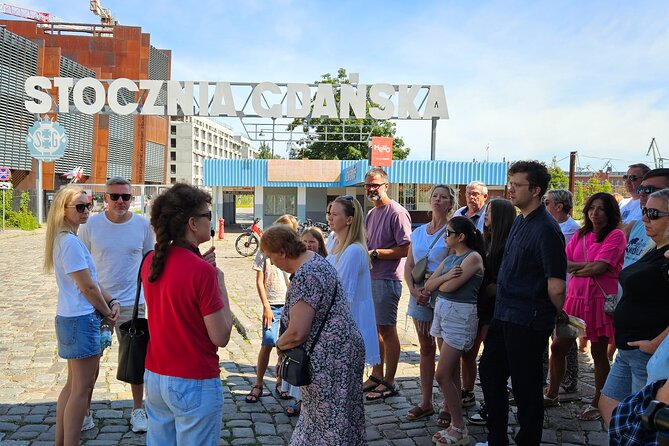
Lech Wałęsa is an important figure in the centre’s story, but the focus is broader than one leader. You follow him alongside Polish workers and the organized movement that gave Solidarity its power.
That distinction matters. Political history is often reduced to famous names. Here, the emphasis is on the relationship between leadership and mass participation. Wałęsa’s role becomes easier to understand when you see it within the pressure created by workers and supporters.
A guide can also help you avoid a simple hero story. The fight against communism involved disagreement, risk, compromise, and negotiation. The experience is strongest when it shows how a large movement depended on both visible leaders and people whose names never became famous.
One guide named Marta received especially warm praise for making the visit emotional, reflective, and memorable. Her name is useful to know if she happens to be assigned to your tour, but guide availability can change. The tour is offered in English or Polish, so check your selected option carefully.
The guiding experience may not be identical every time. One piece of feedback rated the centre highly but felt the guide could have been better, while another raised a concern about organization. I would book the tour for the centre and the added structure, but I would keep expectations realistic about the exact style of commentary.
The round table negotiations and the move toward change
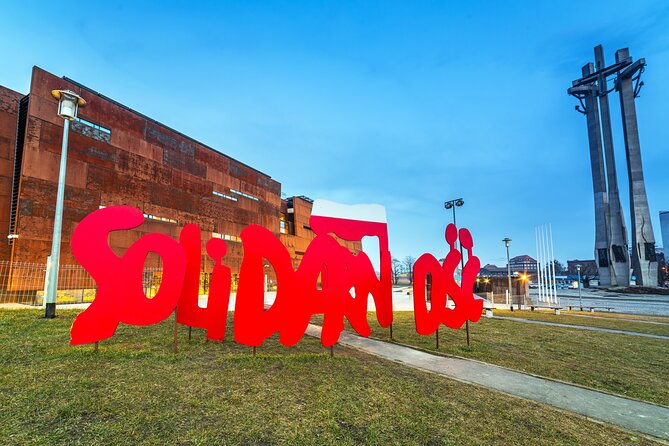
The round table negotiations are one of the most important parts of the visit. Their inclusion shows that political change did not come only through confrontation. Negotiation played a major role too.
The recreated setting gives you a point of reference for this transition. You can consider what it meant for opponents to sit together, discuss power, and attempt to shape a different future.
This is a useful section for visitors who already know something about twentieth-century Europe. It adds detail to the familiar idea that communism ended through a single dramatic collapse. The story presented here is more complicated. Pressure, protest, leadership, and talks all mattered.
For visitors with less background, the round table can also serve as a clear turning point. The tour moves from resistance toward the possibility of political reform. A good guide should explain why negotiations were significant and how they related to the broader Solidarity movement.
The format helps make a complicated political process easier to picture. You are given a physical symbol of discussion and compromise, not only an explanation of it.
A completely different kind of day out in Gdańsk:
- Gdansk: Firearm Shooting Experience with Instructor
★ 4.8 · 866 reviews - Gdansk: Guided Round-Trip Cruise to Westerplatte
★ 4.3 · 865 reviews - Gdańsk: Sightseeing EcoCruise around the Old Town of Gdansk
★ 4.6 · 719 reviews - Main Town Gdańsk Walking Tour
★ 5.0 · 644 reviews
How Solidarity influenced Eastern Europe
The centre does not treat Solidarity as a purely Polish event. Its exhibits explore the movement’s effect on other parts of Eastern Europe and its role in encouraging further challenges to communist rule.
This section increases the value of the visit. If you only focus on Gdańsk, you miss the movement’s wider importance. The centre asks you to see how a local struggle can become an example for people elsewhere.
I find this especially useful because it links Polish history to the political changes that reshaped the region. The experience helps explain why events in one country could have consequences far beyond its borders.
You may also come away with a more careful view of political change. Inspiration can travel, but each country faces its own conditions and risks. The centre’s broader displays encourage you to think about both the shared hopes and the different paths taken across Eastern Europe.
This makes the visit worthwhile even if you are not specifically interested in Gdańsk’s industrial or political past. It is also an introduction to a major European story.
More than a museum visit
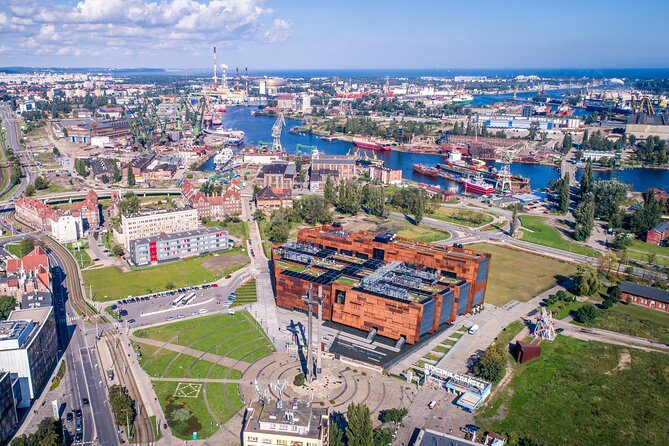
The European Solidarity Centre presents itself as a place for discussion as well as display. Workshops, film screenings, and exhibits about social justice and human rights extend the subject beyond the historical period.
You should not expect every part of this wider program to be included in your guided visit. The included elements are a professional guide and entrance tickets. Workshops and screenings are described as part of the centre’s activities, but the information here does not confirm that they form part of this specific 150-minute booking.
That distinction is important when planning your day. The guided tour gives you a structured visit to the centre, while the broader institution offers other ways to continue thinking about the issues.
I like this continuing focus because it prevents the Solidarity story from becoming a sealed historical episode. The fight for social justice and human rights is presented as ongoing. The centre invites you to consider what the legacy means now, not only what it meant decades ago.
For families with older teenagers, students, and visitors interested in civic life, this can add real value. The subject is serious, but the discussion-focused approach gives you something to think about after the tour ends.
Is $83 a fair price?
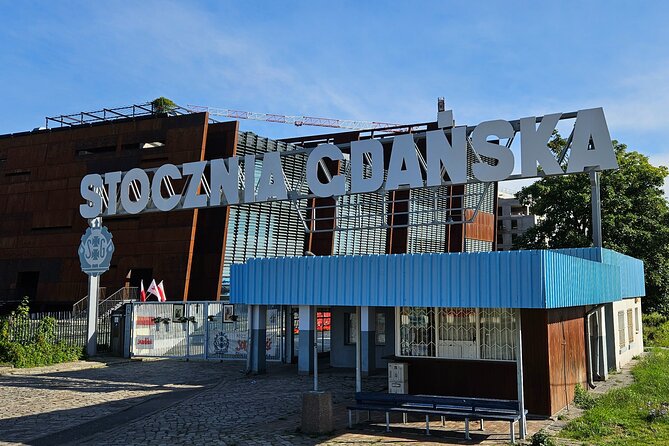
At $83 per person, this is not a cheap museum admission. The value depends on how much you want from the visit.
If you would be satisfied walking through the centre alone, paying for a guide may not be necessary. The attraction’s interactive displays and historical material are already the main draw. But if you want help connecting the strikes, Wałęsa, the round table negotiations, and the movement’s influence across Eastern Europe, the guided format makes more sense.
Your price includes entrance tickets and a professional guide. Transportation, food, and drinks are not included, so you need to make your own way to the meeting point and plan any refreshments separately.
The skip-the-ticket-line feature can also save time, though the exact meeting arrangements depend on the option you book. That matters if you have a tight schedule or are fitting the centre between other Gdańsk plans.
I would see the $83 price as reasonable for visitors who value interpretation and organization, but expensive for anyone mainly looking for a quick museum entry. The 150-minute duration gives the fee a stronger case than a short guided walk would.
Timing, stairs, and what to bring
The tour lasts 150 minutes, and starting times depend on availability. The start may shift slightly if guide availability changes, so avoid scheduling another important activity immediately afterward.
Arrive at the meeting point at least 10 minutes before the start. The meeting point may vary by booking option, so check your confirmation rather than assuming it will be at one standard place.
The route includes climbing and descending staircases. The activity is wheelchair accessible, but the stair information is still worth noting. If you have mobility concerns, confirm how the accessible route works for your selected option before booking.
Large bags and luggage are not allowed. I would leave suitcases at your accommodation or use an appropriate storage option before arriving. A small, practical bag is safer than turning up with airport luggage.
Because food and drinks are not included, plan those separately. The information provided does not specify refreshment arrangements during the tour, so do not count on a meal or drink stop being built into the 150 minutes.
Who will get the most from this tour?
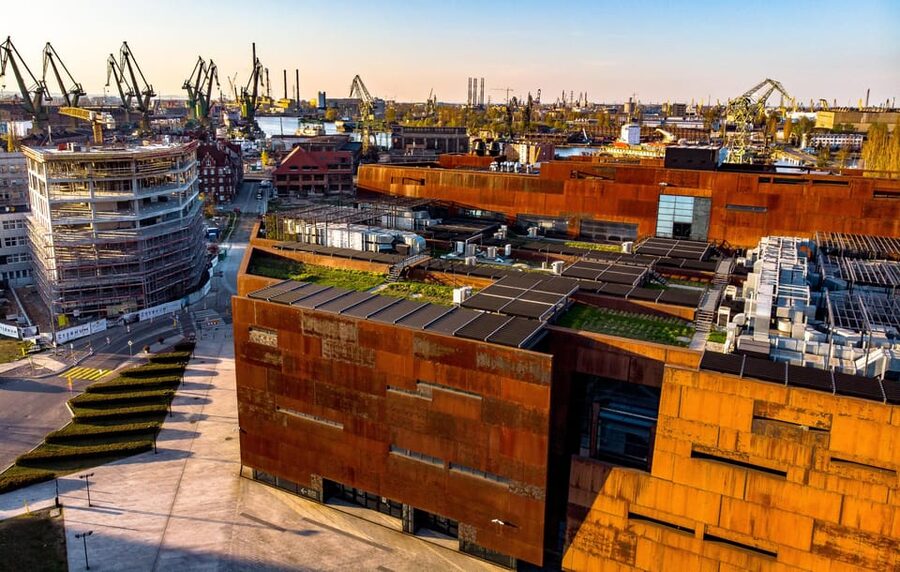
I would recommend this experience to you if you want more than a quick look at a museum. It suits visitors interested in Polish history, the end of communism, human rights, political movements, and the forces that changed Eastern Europe.
It is also a good choice if you prefer a clear route through complex material. A guide can help you understand how the separate displays fit together, especially if you do not already know the story of Solidarity.
Families with younger children may find the subject difficult, depending on their age and interest. The booking rules state that anyone under 18 must be accompanied by an adult, and the material is serious enough that older children and teenagers are likely to get more from it.
You should think twice if your schedule allows only a short stop, if you dislike guided visits, or if you are carrying large luggage. The experience asks for time, attention, and some physical movement through the building.
The language choice is straightforward: live guiding is available in English or Polish. Make sure your selected booking matches the language you want.
Should you book the European Solidarity Centre guided tour?
I would book this tour if the story of Poland’s fight against communism is central to your time in Gdańsk. The combination of recreated strikes, multimedia displays, round table negotiations, and wider Eastern European context gives the visit real substance.
The current rating is 4.9 from 14 ratings, and the strongest praise focuses on the centre’s emotional impact, modern presentation, organization, and one guide named Marta. There is also a useful caution: guide quality and organization may not be perfect every time.
Choose the guided option if you want historical context and a structured 150-minute visit. Skip it and visit independently if you prefer setting your own pace and want to keep the cost down.
Either way, do not treat the European Solidarity Centre as a minor indoor stop. It explains how workers and citizens challenged a powerful system, and why that effort still matters beyond Poland.
FAQ
Where is the European Solidarity Centre guided tour located?
The experience takes place in Gdańsk, in Poland’s Pomerania Province, at the European Solidarity Centre.
How long does the tour last?
The guided visit lasts 150 minutes.
What is included in the price?
The price includes entrance tickets to the European Solidarity Centre and a professional guide.
Is transportation included?
No. Transportation is not included, so you must arrange your own way to the meeting point.
Are food and drinks included?
No. Food and drinks are not included.
Which languages are available?
Live guiding is available in English and Polish.
Is the experience wheelchair accessible?
Yes, the activity is listed as wheelchair accessible. The route also involves climbing and descending staircases, so check the access arrangements for your chosen option if needed.
Can I bring luggage or a large bag?
No. Luggage and large bags are not allowed.
How early should I arrive?
You should arrive at the meeting point at least 10 minutes before the scheduled start.
Can I cancel the booking?
Yes. You can cancel up to 24 hours in advance for a full refund. The reserve now and pay later option is also available, so you do not have to pay at the time of booking.
Just added around Gdańsk
- Gdańsk: Boat Cruise from Gdańsk Old Town to Sopot Marina★ 4.4 · 3 reviews
- Stutthof Concentration Camp and Museum of WWII: Private Tour★ 4.7 · 3 reviews
- Gdansk: Bubble Football with Hotel Transfers★ 5.0 · 3 reviews
- Gdansk: Oliwa Zoo with Tickets and Roundtrip Transportation★ 5.0 · 3 reviews
- Segway Tour Gdańsk: Shipyard Tour – 1,5-Hour of Magic!★ 5.0 · 3 reviews
- Gdansk: Escape Room Adventure★ 4.0 · 3 reviews
- Gdańsk : Catamaran River Cruise (group)★ 4.3 · 3 reviews
- Artus Court and Gdansk Old Town Private Tour with Tickets★ 4.7 · 3 reviews
Gdańsk Tours, compared.


Gdańsk City Sights & History Guided Walking Tour in English
Read our review →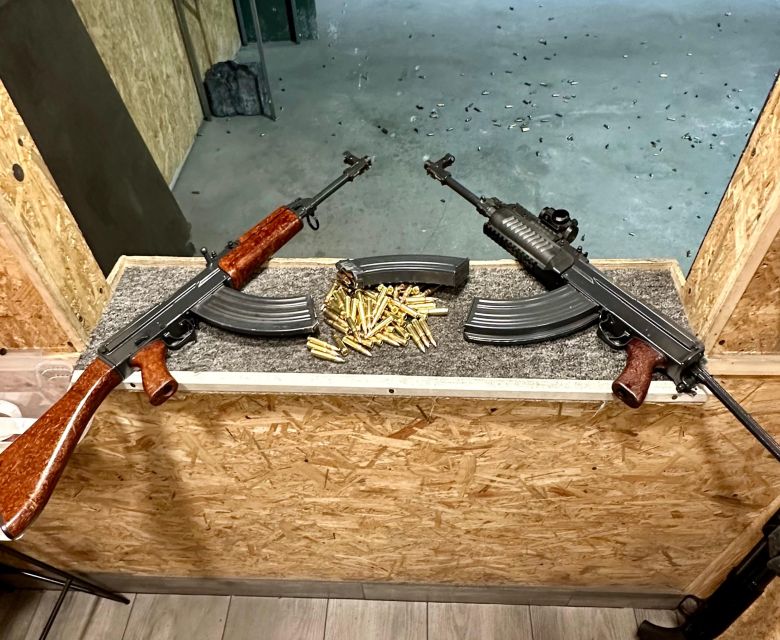
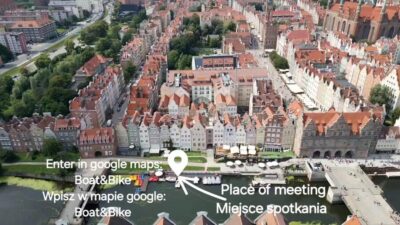
Sightseeing EcoCruise around the Old Town of Gdansk
Read our review →

Browse the lists this tour appears in