
REVIEW · GDAńSK TOURS
Gdańsk: World War II Tour
History began here.
Gdańsk’s wartime story is unusually personal, and this private tour gives you a clear route through the city’s most important sites. I like the pickup at your accommodation, which saves time, and I like the focus on Polish experiences rather than a broad, textbook account of the war. Guides such as Bożena, Roxana, and Sebastian have earned praise for their warmth, clear explanations, and pride in Gdańsk.
The main drawback is that the tour does not include the Museum of the Second World War. One review specifically wished for even a short visit there. You get a focused three-and-a-half-hour tour instead, with outdoor stops and the Museum of the Polish Post, so bring weatherproof clothing and expect some walking.
In This Review
- Key points to know before booking
- Why Gdańsk matters to the Second World War story
- Westerplatte: where the war story begins
- The Museum of the Polish Post in 30 minutes
- The Main City and Gdańsk’s tragic finale
- A private format with a practical route
- The missing Second World War Museum
- What the guides add to the experience
- Who should book this Gdańsk tour?
- Price, timing, and booking advice
- Should you book the Gdańsk World War II Tour?
- FAQ
- Where does the Gdańsk World War II Tour take place?
- How long does the tour last?
- Is transportation included?
- Is this a private tour?
- Which languages are available?
- Does the tour visit the Museum of the Second World War?
- How much time is spent at Westerplatte?
- How long is the visit to the Museum of the Polish Post?
- Is the tour suitable for people with mobility impairments?
- What should I bring?
- Can I cancel for a full refund?
Key points to know before booking
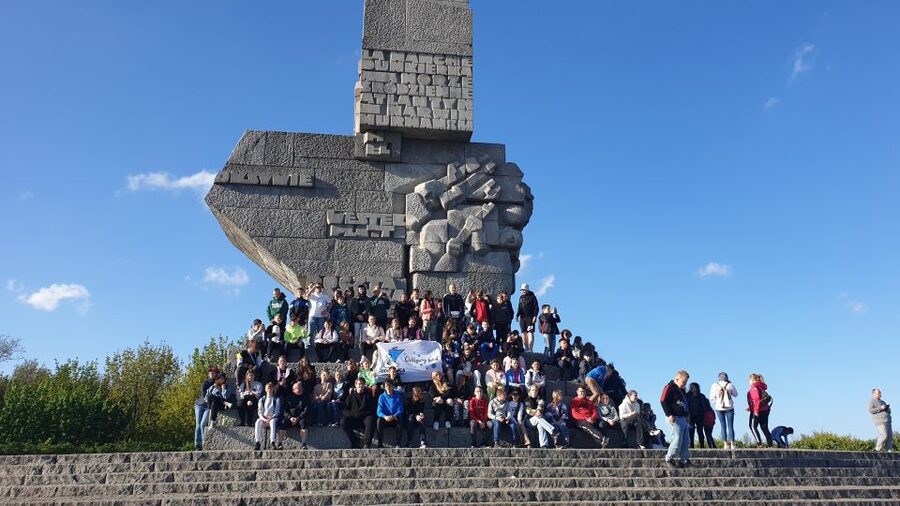
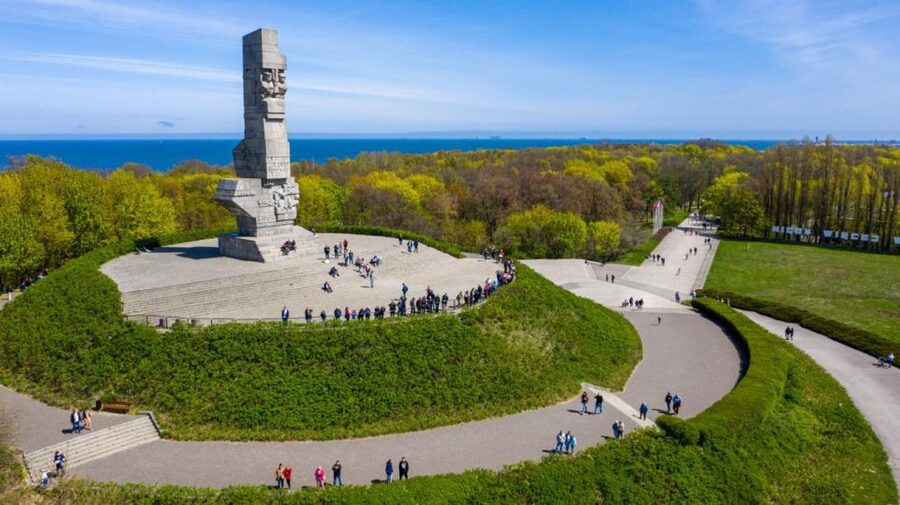
- Westerplatte is the central stop: Spend about an hour at the site linked with the opening of the Second World War.
- The Polish Post adds a human story: This 30-minute visit shifts attention from military strategy to civilian courage and tragedy.
- A private car or minivan keeps the tour flexible: Pickup and drop-off are included at your Gdańsk accommodation or a central location.
- The Main City connects war with daily life: The old center helps explain how Gdańsk changed from the Free City era through its destruction and rebuilding.
- The tour is Polish-centered: Your guide presents the conflict through the experiences of Poland and its people.
- The $195 price buys a private experience: It makes more sense for a small group that values personal guiding than for someone seeking the cheapest museum visit.
Why Gdańsk matters to the Second World War story
Gdańsk is not simply a backdrop for wartime history. It is one of the places where the political pressure that led to the Second World War became impossible to ignore.
Before the war, Gdańsk was the Free City of Gdańsk, an unusual political arrangement shaped by the aftermath of the First World War. The city had its own status and a complicated relationship with Poland and Germany. That tension is essential to understanding why Gdańsk became such a powerful symbol.
The war did not immediately bring large-scale military action to every part of the city. The tragic finale came in 1945, when the Red Army attacked and Gdańsk suffered widespread destruction. This tour links those two moments: the opening shots at Westerplatte and the later devastation of the city itself.
I like that the experience follows this wider arc. You are not shown one battlefield and sent home with a few dates. Instead, you move from a military outpost to a postal building and then into the historic center, where politics, ordinary life, destruction, and rebuilding come together.
The guide’s role matters here. The tour is offered in English or Polish, and the strongest praise has gone to guides who explain the past in a direct, human way. Bożena was singled out for being welcoming, prepared, and able to adjust to the group’s needs. Sebastian was praised for explaining Gdańsk’s history clearly and with real feeling for the city.
A few more Gdańsk trips worth weighing up
- Gdansk: City Cruise on Historical Polish Boat
★ 4.8 · 2,913 reviews - Gdańsk: Sunset Cruise on a Historic Polish Boat
★ 4.9 · 977 reviews - Gdańsk City Sights & History Guided Walking Tour in English
★ 4.8 · 876 reviews
Westerplatte: where the war story begins
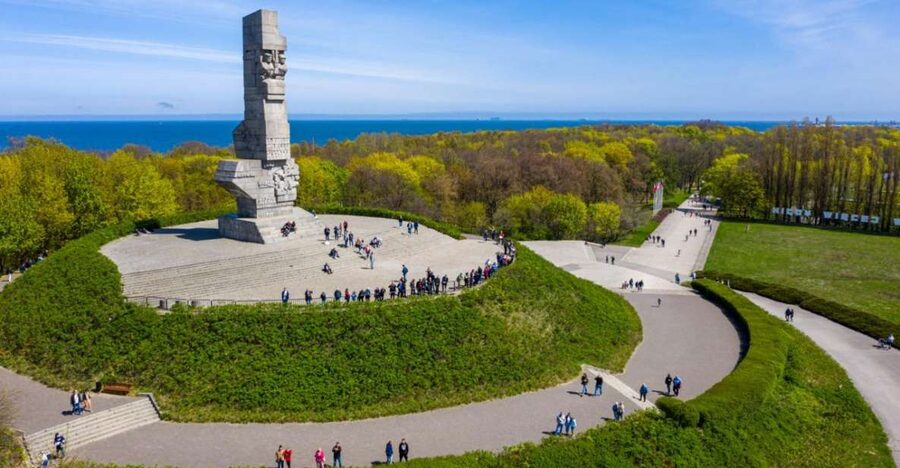
Westerplatte receives about one hour, making it the longest named stop on the tour. That is appropriate. This is the place where the experience puts the beginning of the Second World War into physical terms.
You will hear about the attack on the Polish garrison and the role Westerplatte played in the opening of the conflict. The stop is not just about a date in a schoolbook. It is about a small, heavily symbolic place where Polish resistance became part of the story of a war that soon spread across Europe.
The site also gives your guide room to explain the political setting around Gdańsk. Without that context, Westerplatte can feel like an isolated military memorial. With it, the stop helps you understand why this port city mattered so much to Poland, Germany, and the wider region.
Expect an outdoor visit, not a polished indoor attraction. That means the experience depends partly on the weather. The advice to bring clothing suitable for bad weather is practical, especially if you are visiting outside the warmer months. Comfortable shoes and a waterproof layer will make the hour easier.
The private vehicle is useful here. Westerplatte is separate from the Main City, and having transport included keeps you from spending part of your short tour working out local connections. Your guide can also frame the site before you arrive and carry the story forward when you leave.
One thing to keep in mind is the emotional tone. This is a place of conflict, sacrifice, and national memory. It is not a light sightseeing stop. I would schedule it when you have enough attention for serious history, rather than squeezing it between a large meal and a packed shopping afternoon.
The Museum of the Polish Post in 30 minutes
The Museum of the Polish Post gives the tour a different point of view. Westerplatte focuses on a military attack. The postal museum brings the war into an ordinary civic setting.
You have about 30 minutes with a guide here. That is short, so do not expect a full museum visit. Instead, think of this as a concentrated stop that adds a civilian and local dimension to the wider story.
The Polish Post is important because it helps show how the conflict affected people working in everyday public institutions. The setting makes the history more immediate than a list of troop movements. Your guide can explain what happened in Gdańsk through the people connected with the building and the Polish presence in the city.
This stop is especially useful if you prefer social history to military hardware. It gives the tour a human scale and helps balance the large events discussed at Westerplatte.
The short timing is both a strength and a weakness. It keeps the tour moving and prevents one stop from taking over the afternoon. But if you enjoy museums, you may want more time to study the displays. The schedule is designed for a guided overview, not a slow, independent visit.
That limitation is worth remembering when comparing this tour with a museum-focused day. You will get interpretation and context, but not a long period to read every panel or examine every object.
The Main City and Gdańsk’s tragic finale
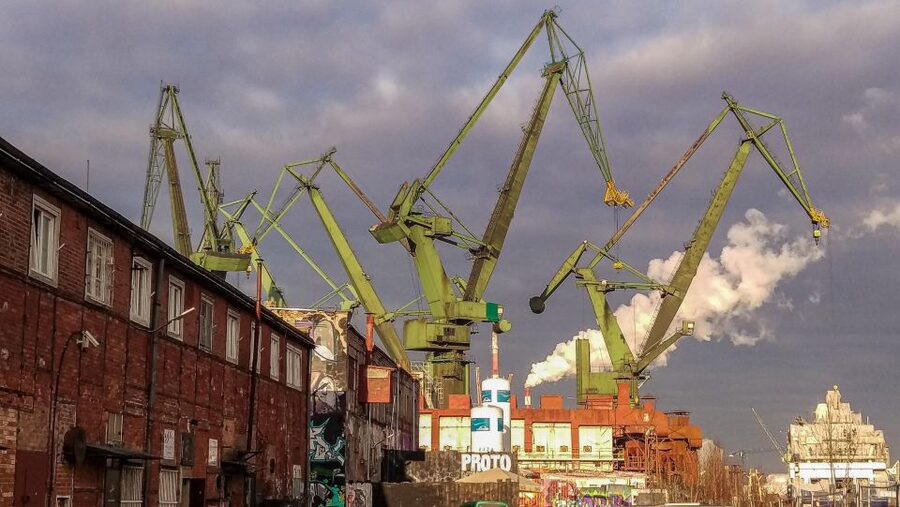
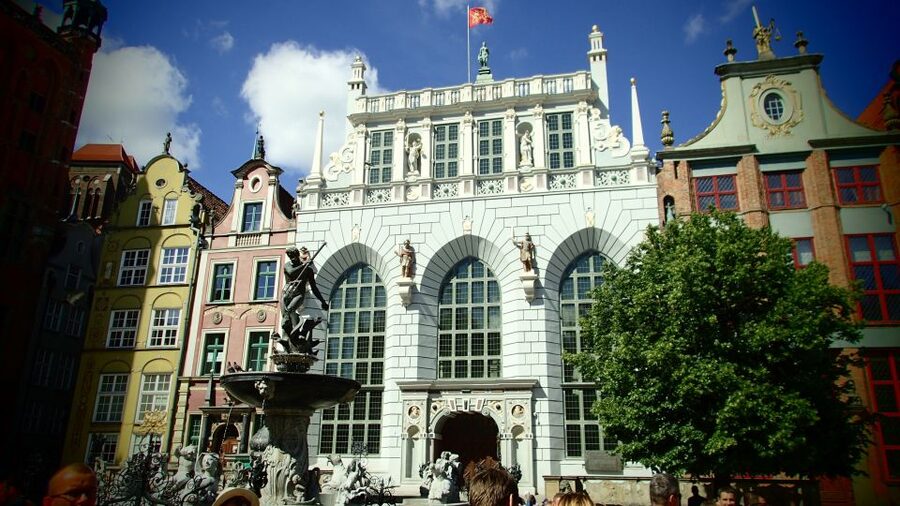
The final major section takes you into Gdańsk’s Main City for about an hour. This is where the tour connects wartime events with the city you see today.
The old center is not just a pretty setting for photographs. It helps your guide explain the city’s changing identity, the Free City period, the conflict between nations, and the damage suffered in 1945. The experience presents Gdańsk as a place that had to rebuild itself after a devastating end to the war.
The tour also refers to Gradowa Mountain as part of the wider journey through Gdańsk. Depending on the exact route and timing, your guide may use the city’s higher viewpoints and historic areas to help you understand the setting. The supplied schedule identifies the Main City as the one-hour guided visit, so I would not treat every named place as a guaranteed extended stop.
This portion is valuable because it moves beyond battlefield history. You begin to see how war affects streets, homes, public buildings, and a city’s sense of identity. The guide’s local perspective can make the rebuilding story feel less abstract.
A guide who loves Gdańsk can add a lot here. Yanu, who had visited Gdańsk before, described the tour as making the city feel new again. That is a useful way to think about this part of the experience. You may already know the Main City’s most photographed streets, but a wartime explanation can change how you read them.
Do not expect the Main City visit to be a complete general sightseeing tour. The focus remains the Second World War and its aftermath. You will hear less about every architectural detail, shopping street, or restaurant district than you would on a standard city tour.
A completely different kind of day out in Gdańsk:
- Gdansk: Firearm Shooting Experience with Instructor
★ 4.8 · 866 reviews - Gdansk: Guided Round-Trip Cruise to Westerplatte
★ 4.3 · 865 reviews - Gdańsk: Sightseeing EcoCruise around the Old Town of Gdansk
★ 4.6 · 719 reviews - Main Town Gdańsk Walking Tour
★ 5.0 · 644 reviews
A private format with a practical route
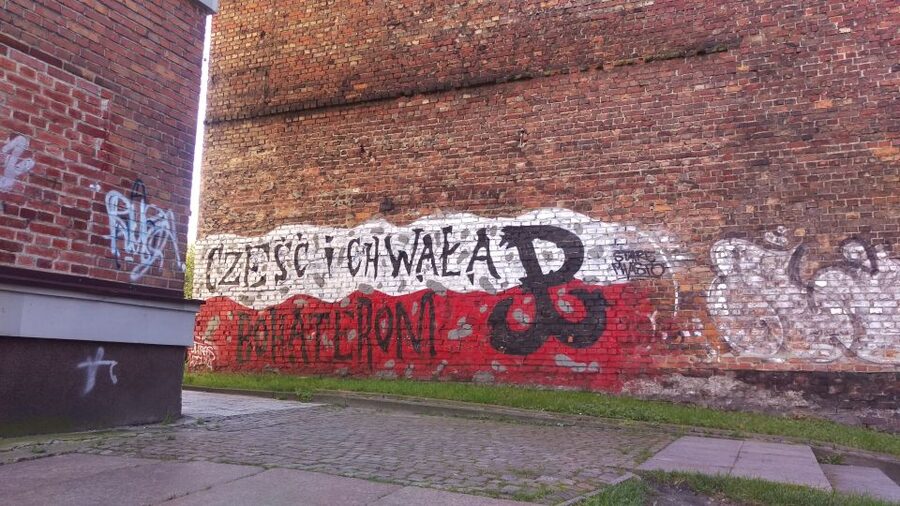
The tour lasts 210 minutes, or three and a half hours. That is enough time to cover three different settings without turning the day into an exhausting history lecture.
Pickup and drop-off are included at your accommodation in Gdańsk or at a central location. Transportation is provided by car or minivan, and water is included. Those details are simple, but they matter. You do not need to arrange a separate ride to Westerplatte, and you can finish near your accommodation rather than finding your way back after a serious day outdoors.
The private group format is the biggest practical advantage. You can ask questions without worrying about holding up a large coach group. A guide may also adjust the explanations to your interests, as Bożena did for one group. If you already know the military basics, you can ask more about civilian life, the Free City, or the destruction and rebuilding of Gdańsk.
The trade-off is price. At $195 per person, this is not a bargain sightseeing ride. Its value depends on how much you want personal guiding, door-to-door transport, and a Polish-centered account of the war.
For a small private group, the cost may feel reasonable because you are paying for a dedicated guide and vehicle rather than only admission to a site. For a solo visitor comparing it with public transport and independent museum visits, the price is harder to justify.
I would compare the cost with your priorities. If your main goal is to see Westerplatte and understand its setting, the private route is convenient. If your main goal is to spend hours inside major museums, you may get more from booking those separately.
The missing Second World War Museum
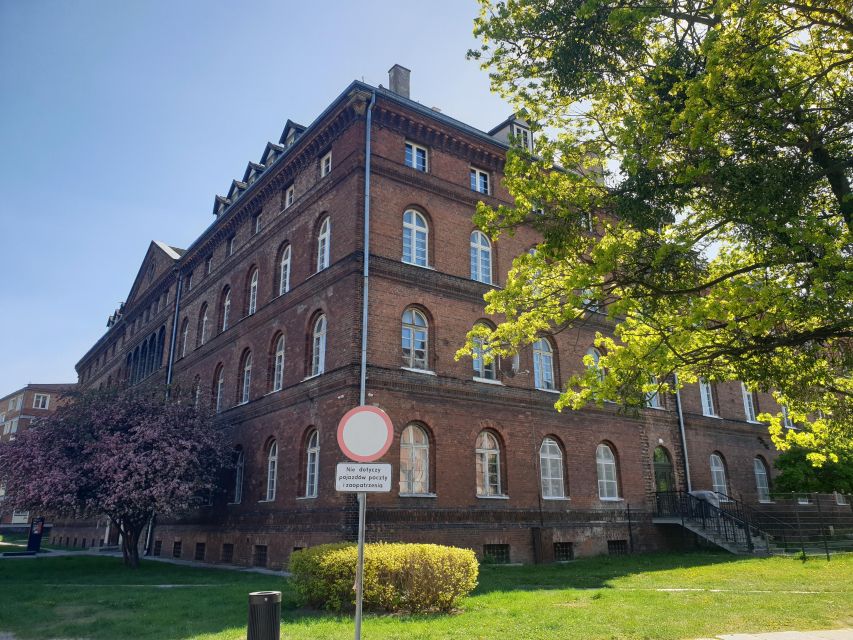
The most important limitation is clear: the Museum of the Second World War is not part of the route.
One person who took the tour felt that even a short visit should have been included. I agree that this is worth considering, especially if you are building your Gdańsk plans around wartime history.
The tour offers something the museum cannot fully provide: a guide moving with you through the actual city and connecting Westerplatte, the Polish Post, and the Main City. The museum offers a longer indoor experience with more exhibits and time for individual study. They are different products.
If you have only one half-day for World War II history, decide what kind of learning suits you. Choose this tour for a guided route, local interpretation, private transport, and places tied directly to Gdańsk. Choose a museum visit, or add one separately, if you want a large indoor collection and a broader account of the conflict.
The best plan for a history-minded visit may be to do both on separate days. The tour gives you the setting. A museum can give you more time with documents, objects, and wider European context. Just do not assume this three-and-a-half-hour experience includes both.
What the guides add to the experience
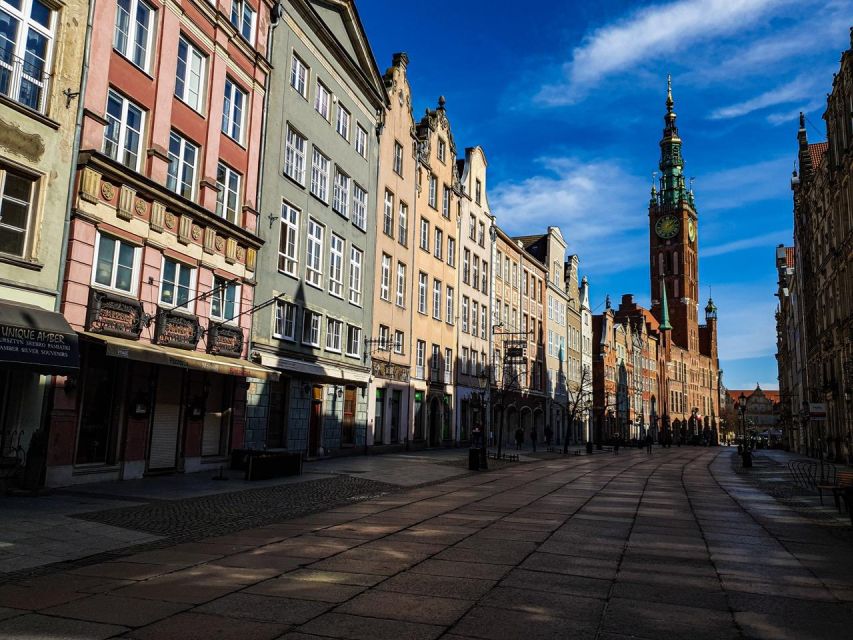
The guide is the part you cannot measure from the route alone. Several guides have received strong praise, with Bożena mentioned more than once.
Her strengths were described in practical terms: arriving on time, making the group feel welcome from the first minute, explaining the history clearly, and adjusting to individual needs. Another person who took an evening tour found her especially engaging. Those details suggest a guide who treats the experience as more than a fixed script.
Roxana was also praised for being pleasant and well informed, while Sebastian received credit for offering clear explanations and showing strong feeling for Gdańsk. The exact guide assigned to you may vary, but the experience clearly depends on having someone who can explain difficult material without making it feel dry.
I would ask questions as you go. The private format gives you a good chance to explore the parts that interest you most. You might ask how the Free City arrangement affected everyday life, how the 1945 destruction changed Gdańsk, or why Westerplatte became such a strong Polish symbol.
The tour is available in English and Polish. If you need a particular language, confirm availability when checking times.
Who should book this Gdańsk tour?
I would recommend it to you if you want:
- A serious history tour with a strong Polish viewpoint
- A private guide rather than a large shared group
- Transport between Westerplatte and central Gdańsk
- A blend of military, civic, and city history
- A compact experience lasting three and a half hours
- Help understanding places you might otherwise visit without context
It suits couples, families with older children, and small groups who want to ask questions along the way. It also works well for someone returning to Gdańsk who has already seen the main sights and wants a more focused subject.
I would hesitate if you have mobility impairments. The experience is not suitable for people with mobility limitations, and it includes an outdoor historical site where conditions may be uneven or affected by weather.
I would also hesitate if you dislike outdoor touring or want a slow museum day. Westerplatte requires suitable clothing, and the postal museum visit is brief. This is a moving, guided route, not a long indoor program.
Price, timing, and booking advice
The $195 per-person price includes pickup and drop-off, transport by car or minivan, a live guide, and water. The private format is the key reason to consider the cost. You are paying for convenience and personal attention, not simply entry to a collection.
The tour lasts 210 minutes, but allow a little mental space around it. The subject is heavy, and the experience moves between sites rather than offering a relaxed cafe-style afternoon. An evening departure is available at least sometimes, since one group took an evening tour, but you should check the current starting times.
Free cancellation is available up to 24 hours before the tour for a full refund. You can also reserve now and pay later, which is useful if your Gdańsk plans are still shifting.
Bring clothing suitable for bad weather. Since the route includes Westerplatte and the tour is not designed for people with mobility impairments, wear shoes that can handle a fair amount of walking.
Should you book the Gdańsk World War II Tour?
Book it if you want Gdańsk’s wartime story explained by a local guide while moving through the actual places connected with it. The combination of Westerplatte, the Polish Post, and the Main City gives you a clear three-part route, and the private vehicle makes the geography easy.
Do not book it expecting the Museum of the Second World War, a long museum visit, or the lowest possible price. Add the museum separately if it matters to you.
For the right audience, this is a thoughtful and well-organized way to understand why Gdańsk matters to Polish history. The strongest reason to go is not just the number of stops. It is the chance to connect the opening of the war, the experience of ordinary people, and the city’s painful rebuilding in one focused afternoon.
FAQ
Where does the Gdańsk World War II Tour take place?
The tour takes place in Gdańsk, in Poland’s Pomerania Province. The route includes Westerplatte, the Museum of the Polish Post, and the Main City.
How long does the tour last?
The tour lasts 210 minutes, or three and a half hours.
Is transportation included?
Yes. Transportation is provided by car or minivan, with pickup and drop-off at your accommodation or a central location in Gdańsk.
Is this a private tour?
Yes. It is offered for a private group.
Which languages are available?
The live tour guide is available in English or Polish.
Does the tour visit the Museum of the Second World War?
No. The route includes the Museum of the Polish Post, but not the Museum of the Second World War.
How much time is spent at Westerplatte?
The guided visit to Westerplatte lasts about one hour.
How long is the visit to the Museum of the Polish Post?
The guided visit to the Museum of the Polish Post lasts about 30 minutes.
Is the tour suitable for people with mobility impairments?
No. The experience is listed as unsuitable for people with mobility impairments.
What should I bring?
Bring clothing appropriate for bad weather. The tour includes an outdoor visit to Westerplatte.
Can I cancel for a full refund?
Yes. You can cancel up to 24 hours in advance for a full refund.
Just added around Gdańsk
- Gdańsk: Boat Cruise from Gdańsk Old Town to Sopot Marina★ 4.4 · 3 reviews
- Stutthof Concentration Camp and Museum of WWII: Private Tour★ 4.7 · 3 reviews
- Gdansk: Bubble Football with Hotel Transfers★ 5.0 · 3 reviews
- Gdansk: Oliwa Zoo with Tickets and Roundtrip Transportation★ 5.0 · 3 reviews
- Segway Tour Gdańsk: Shipyard Tour – 1,5-Hour of Magic!★ 5.0 · 3 reviews
- Gdansk: Escape Room Adventure★ 4.0 · 3 reviews
- Gdańsk : Catamaran River Cruise (group)★ 4.3 · 3 reviews
- Artus Court and Gdansk Old Town Private Tour with Tickets★ 4.7 · 3 reviews
Gdańsk Tours, compared.


Gdańsk City Sights & History Guided Walking Tour in English
Read our review →
Sightseeing EcoCruise around the Old Town of Gdansk
Read our review →

Browse the lists this tour appears in