
REVIEW · WROCłAW TOURS
III Reich & WW2 in Wroclaw. Monday, Wendsday, Friday regular tour
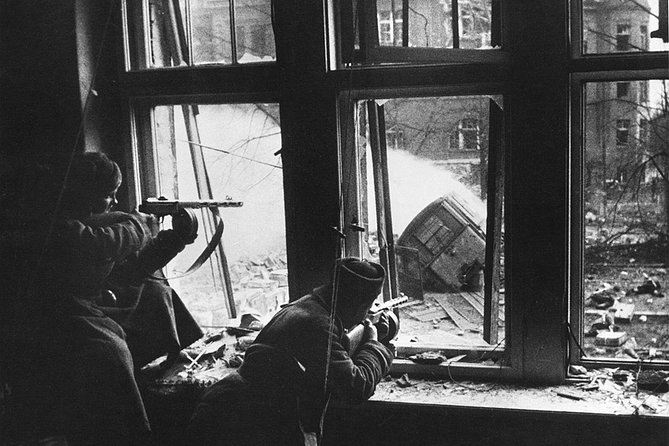
History changes when you see where it happened. This two-hour to two-and-a-half-hour walk links Wrocław’s Jewish heritage, Nazi rule, wartime destruction, and the city’s difficult first months after 1945. I like the compact route, which covers about 1.7 miles, and I like the way it moves beyond Hitler and military facts to include education, German opposition, Edith Stein, and daily life under siege. The main drawback is its fast pace, especially in cold or wet weather.
The walk is led in English and runs on Mondays, Wednesdays, and Fridays. Guide Michael, also called Michal, has earned especially strong praise for explaining local details and answering questions. Still, one account found the guiding flat and too general, so your experience may depend on the guide and the group’s energy.
In This Review
- Key points before you book
- Why Wrocław needs a World War II walking tour
- From Hotel Monopol to the destroyed New Synagogue
- Wolności Square and the beginning of the Nazi era
- White Stork Synagogue and Wrocław’s Jewish heritage
- Rynek, daily life, and the destruction of Festung Breslau
- The Dietrich Bonhoeffer Memorial and German opposition
- Wrocław University and education under the Third Reich
- The Parish of the Most Holy Name of Jesus
- Ossolineum and the fate of learning
- Market Hall and the siege of Breslau
- Sand Island and Edith Stein
- Cathedral Island and the final stories
- What the $32.20 price gets you
- Who should book this Wrocław tour?
- My booking verdict
- FAQ
- Where does the tour begin?
- Where does the tour end?
- How long does the tour last?
- Which days is the regular tour offered?
- What language is the tour offered in?
- How much does the tour cost?
- How many people can join the tour?
- Are admission tickets included?
Key points before you book
- About 1.7 miles on foot: You will cross central Wrocław from Hotel Monopol to Cathedral Island, with several short stops.
- A local view of World War II: The walk connects Nazi rule, the Holocaust, Festung Breslau, German opposition, and the postwar period.
- White Stork Synagogue is a major stop: This surviving synagogue anchors the section on Wrocław’s Jewish community and wartime persecution.
- Small group format: The maximum is 20 people, which gives you a better chance to hear the guide and ask questions.
- No major museum visit is promised: Several locations have no admission charge, while tickets are not included at Wrocław University, the Parish of the Most Holy Name of Jesus, and the Ossolineum.
- Good value for history fans: At $32.20 per person, the tour is reasonably priced for a focused guided walk, provided you want context more than interior visits.
Why Wrocław needs a World War II walking tour
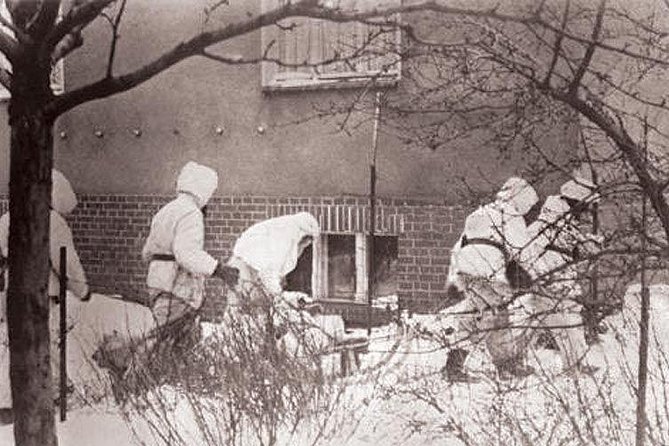
Wrocław can look, at first glance, like a handsome Central European city of market squares, churches, and restored façades. Its wartime story is harder to read. Before 1945, the city was German Breslau. After the war, it became Polish Wrocław, with much of the population replaced and large parts of the built city damaged or destroyed.
That change makes a guided walk useful. A map alone will not explain how Nazi power took hold, how Jewish life was attacked, why Breslau became a fortified city, or what ordinary life looked like during the siege. This tour gives you a connected story instead of isolated monuments.
I would choose it early in a Wrocław visit if World War II is one of your main interests. It can also help you understand later visits to the Old Town, Jewish Quarter, university buildings, and Cathedral Island.
A few more Wrocław trips worth weighing up
- Wroclaw: E-Car Tour and Audio Guide
★ 4.6 · 1,738 reviews - Wroclaw: 2-Hour Private Guided Tour by Electric Car
★ 4.8 · 805 reviews - Wrocław: Old Town and Ostrów Tumski Walking Tour in English
★ 4.8 · 311 reviews
From Hotel Monopol to the destroyed New Synagogue
The tour begins outside Hotel Monopol on Ulica Heleny Modrzejewskiej. This is a central starting point, close to public transportation and easy to pair with time in the city center.
The first walk leads to the site of the New Synagogue, destroyed in 1938. You will also hear about the former Gestapo building. The stop is short, around five minutes, but it sets the tone: Nazi persecution was not an abstract policy happening far away. It changed the streets and institutions of Breslau.
There is no admission charge here. The value comes from the explanation, since the physical site alone may not make the story obvious. I would pay close attention to the contrast between the modern city around you and the community that was targeted there.
Wolności Square and the beginning of the Nazi era
At Wolności Square, the guide explains the beginnings of the Nazi era in Germany. This helps place Wrocław within the wider political shift rather than treating the city as an isolated wartime setting.
The stop lasts about five minutes. That is enough for a clear introduction, but not enough for a full political lecture. If you want detailed discussion of elections, party organization, or local Nazi administration, ask questions as the group walks.
The short format works best when you see this as one piece of a larger story. The tour keeps moving, so you get a broad sequence of events rather than a long talk at one location.
White Stork Synagogue and Wrocław’s Jewish heritage
The White Stork Synagogue is one of the most important points on the route. Unlike the New Synagogue, it survived the war. It sits in the heart of the city’s Jewish district, making it a natural place to discuss local Jewish life, the Holocaust, and what was lost.
The stop lasts around ten minutes. That extra time matters because the subject needs more than a quick date and a name. The guide can connect the building to the wider community and show you why surviving architecture does not mean the old neighborhood survived unchanged.
No admission ticket is included in the tour details, so you should not assume that the walk includes an interior visit. The experience here is primarily a guided stop and explanation unless the operator confirms otherwise.
A completely different kind of day out in Wrocław:
- Wroclaw: Private Old Town Guided Walking Tour (2 hours)
★ 4.8 · 275 reviews - Old Town Wrocław Walking Tour
★ 5.0 · 249 reviews - Wroclaw: City Tour Sightseeing By Golf Cart Shared Or Privat
★ 4.8 · 189 reviews - Auschwitz-Birkenau Tour from Wrocław
★ 5.0 · 129 reviews
Rynek, daily life, and the destruction of Festung Breslau
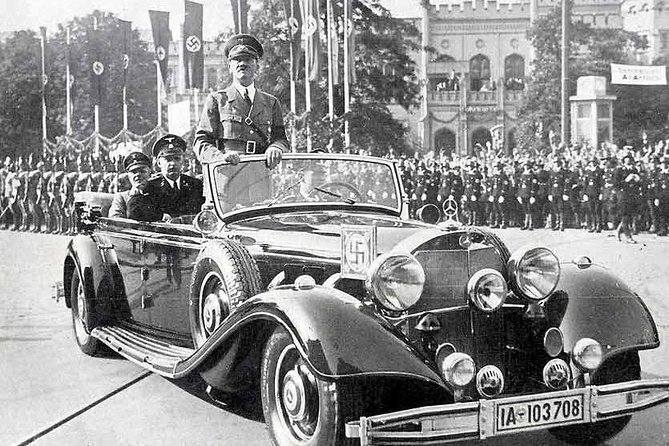
Wrocław’s main square, the Rynek, brings the wartime story into everyday surroundings. Here, the guide discusses daily life under the Nazi regime and the final battle for Festung Breslau.
Calling Breslau a fortress city was not just a military label. The city became a defensive position during the last phase of the war, and the fighting caused severe destruction. The tour uses the main square to explain how war affected civilians and the city itself.
This is one of the more useful stops for first-time visitors because you may otherwise see the Rynek only as a beautiful center for cafés and photographs. The short ten-minute talk adds a darker layer without turning the whole visit into a military timeline.
The Dietrich Bonhoeffer Memorial and German opposition
The Dietrich Bonhoeffer Memorial provides a brief look at German opposition to Nazism. Bonhoeffer was a German pastor and resistance figure, and his inclusion reminds you that opposition to Hitler did exist inside Germany, though it was dangerous and limited.
The stop lasts about five minutes. It is a quick pause rather than a full biography. If this subject interests you, ask Michael or Michal for more context during the walk.
I like this part of the route because it avoids a simple division between Germans and Poles. The history was more complicated. A good city tour should leave room for that complexity.
Wrocław University and education under the Third Reich
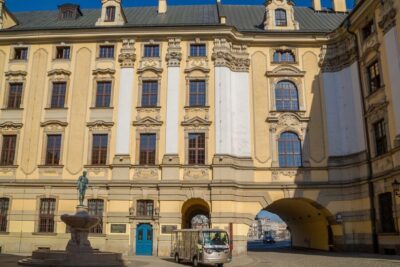
At Wrocław University, the focus shifts to education during the Third Reich and to Jewish scientists connected with the institution. This is a welcome change from battle history. Universities reveal how ideology entered professional and academic life.
The stop takes about ten minutes. Admission is not included, so check whether the group is viewing the building from outside or whether you need to pay separately for entry. The supplied information does not promise an interior tour.
This stop should appeal to you if you care about science, education, or the way political systems control institutions. It also helps explain why the Nazi period cannot be understood only through armies and leaders.
The Parish of the Most Holy Name of Jesus
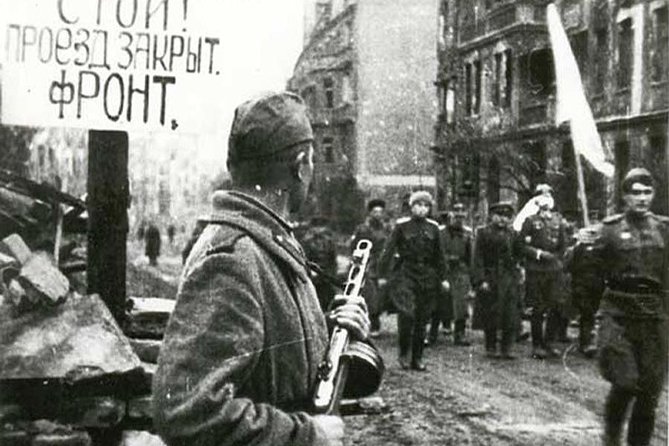
The Parish of the Most Holy Name of Jesus is used to discuss daily life during the siege and the first months after the war. That transition is important. The end of fighting did not mean that Wrocław instantly returned to normal.
The scheduled stop is about ten minutes, and admission is not included. Ask the guide whether the talk takes place outside or whether a separate ticket is needed for any interior access.
For me, this is the point where the tour’s time span becomes especially useful. You move from Nazi rule to the siege, then into the uncertain period after 1945. That broader frame helps you understand Wrocław as a city shaped by several political identities.
Ossolineum and the fate of learning
The Ossolineum stop returns to education under the Third Reich. The institution is linked to scholarship and books, so the conversation can widen from classrooms to the control and movement of knowledge.
About ten minutes are planned here, with admission not included. As with the university and parish, do not book the tour expecting a museum-style visit with extended indoor time.
The stop adds variety to the route. You are not simply moving from one war memorial to another. Instead, you hear how power affected schools, scientists, religious institutions, Jewish communities, and cultural collections.
Market Hall and the siege of Breslau
The Market Hall, or Hala Targowa, brings the siege back into daily urban life. The guide discusses the fighting and then allows a short break.
That pause is practical. The tour is continuous and covers a fair amount of ground, so ten minutes to catch your breath can make the final section easier. On a cold day, you will appreciate the break even more, though the information provided does not promise indoor shelter or refreshments.
The walk is not strenuous in the sense of a hike, but it is still a city walk. Comfortable shoes are a wise choice. One participant completed about 1.7 miles in freezing weather and still found the experience worthwhile, but that is a useful warning to dress for the season.
Sand Island and Edith Stein
On Sand Island, the guide returns to the siege and introduces Edith Stein. Her story adds another personal and religious angle to the tour’s discussion of Jewish identity, persecution, and the upheaval of the period.
This stop lasts roughly five minutes. It is brief, so you will get an introduction rather than a full account of her life. The setting near the river and historic churches also gives the route a change of mood after the denser central-city stops.
I find this kind of short personal story valuable. Large events can become a list of dates. A named individual gives the period a human focus.
Cathedral Island and the final stories
The walk ends on Ostrów Tumski, or Cathedral Island. This is a fitting place to finish because the area offers a calmer setting after the discussion of destruction, political control, and siege conditions.
The official end includes a few extra stories, and the scheduled stop lasts about ten minutes. The route finishes at Cathedral Island rather than returning to Hotel Monopol, so plan your next activity from there.
This ending works well for sightseeing. You can continue exploring the island after the tour, though no additional itinerary is specified. Since the walk finishes in a different part of Wrocław, you should also allow time to orient yourself before making a dinner reservation or catching transport.
What the $32.20 price gets you
At $32.20 per person, this is a fair price for a small-group, English-language walking tour lasting up to two and a half hours. You are paying for a guided narrative across eleven locations, not for a museum ticket or a vehicle ride.
The value is strongest if you would otherwise walk past these places without knowing what happened there. The New Synagogue site, Gestapo connection, Bonhoeffer Memorial, university, Ossolineum, and wartime siege story are easy to miss without local direction.
The value is weaker if you want long indoor visits or detailed architectural tours. Several stops are only five or ten minutes, and tickets are not included at three named locations. The route is also scheduled only on Mondays, Wednesdays, and Fridays, which limits flexibility.
Group discounts may be available, and the maximum group size is 20. That is not a private tour, but it is small enough to remain manageable if the guide projects clearly.
Who should book this Wrocław tour?
I would recommend it to you if you have a serious interest in World War II, Nazi Germany, the Holocaust, Jewish heritage, or the changing identity of Central European cities. It is also a strong choice if you want to understand Wrocław beyond its polished center.
History fans should especially appreciate the range. You get Nazi political beginnings, Jewish persecution, German opposition, academic life, the siege of Festung Breslau, Edith Stein, and the first postwar months.
You may want to skip it if you dislike walking, want a relaxed sightseeing pace, or prefer detailed entry into museums and historic buildings. The guide keeps moving, and one account found the information too general and the delivery lacking energy. That is worth keeping in mind, even though Michael or Michal is often praised for his clear explanations and willingness to answer questions.
The tour requires good weather and a minimum number of participants. If the operator cancels for either reason, you can choose another date or receive a full refund. You can cancel for a full refund up to 24 hours before the start time, but late cancellations and changes are not accepted.
My booking verdict
I would book this tour if World War II is a priority and you want local context in a short amount of time. The route covers subjects that standard Old Town sightseeing often skips, especially Jewish Wrocław, German resistance, education under Nazism, and the city’s postwar break with its German past.
Book it with sensible expectations: this is a brisk outdoor history walk, not a museum tour. Wear good shoes, dress for the weather, and ask about any interior access before you go. For $32.20, it offers solid value for a focused introduction, especially when Michael or Michal is guiding.
FAQ
Where does the tour begin?
The tour begins at Hotel Monopol, Ulica Heleny Modrzejewskiej 2, 50-071 Wrocław, Poland.
Where does the tour end?
The tour ends on Cathedral Island, also known as Ostrów Tumski, in Wrocław.
How long does the tour last?
The experience lasts approximately two hours to two hours and thirty minutes.
Which days is the regular tour offered?
The regular tour runs on Mondays, Wednesdays, and Fridays.
What language is the tour offered in?
The tour is offered in English.
How much does the tour cost?
The listed price is $32.20 per person.
How many people can join the tour?
The maximum group size is 20 travelers.
Are admission tickets included?
Admission is listed as free at several stops. Tickets are not included at Wrocław University, the Parish of the Most Holy Name of Jesus, and the Ossolineum.
Just added around Wrocław
- Wrocław: Following the dwarfs’. See the city differently! 2h★ 4.4 · 3 reviews
- Wroclaw to Rock City in Adsprach and Church of Peace in Świdnica Private Tour★ 5.0 · 3 reviews
- From Wroclaw: Full-Day Stolowe Mountains Trekking Tour★ 3.9 · 3 reviews
- Wroclaw: Skip the Line Panorama Raclawicka and Ostrow Tumski Guided Tour★ 4.5 · 3 reviews
- Wrocław: Polish Craft Beer Walking Tour with Tastings★ 4.1 · 3 reviews
- Segway Tour Wroclaw: Ostrów Tumski Tour – 1,5-Hours of Magic!★ 5.0 · 3 reviews
- Private Transfer from Wroclaw (WRO) Airport to Wroclaw city centre★ 5.0 · 3 reviews
- Wrocław: Ostrów Tumski and Old Town Highlights Private Tour★ 5.0 · 3 reviews
Wrocław Tours, compared.
Old Town and Ostrów Tumski Walking Tour in English
Read our review →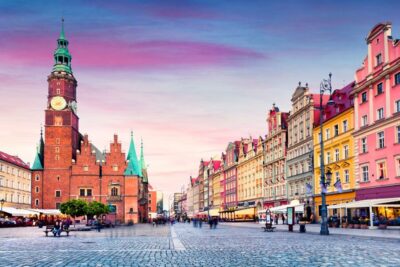
Private Old Town Guided Walking Tour (2 hours)
Read our review →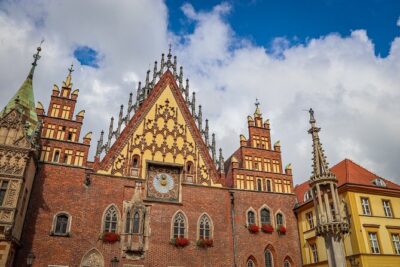
City Tour Sightseeing By Golf Cart Shared Or Privat
Read our review →

Browse the lists this tour appears in