
REVIEW · TRAIN EXPERIENCES
In 10 days around Poland – by train, with hotels and local tours
Poland rewards curious train travelers. This 10-day route links Warsaw, Gdansk, Malbork, Poznan, Wroclaw, and Krakow with first-class rail travel, centrally placed hotels, local guides, and station transfers. I like the mix of planned sightseeing and free afternoons, plus the personal help provided by tour manager Tomasz. I also like that the group is limited to 10 people, which should make transfers and questions easier.
The strongest feature is the practical setup: drivers meet you at stations, guides handle the key sights, and nine breakfasts are included. The main drawback is the pace. You change cities several times, and the $3,900 price excludes dinners. You should also confirm the arrival point before booking, since the program begins in Warsaw while the listed meeting point is Krakow Airport.
In This Review
- Key points to know before booking
- What this Poland rail tour is really offering
- Day 1: Arrival in Warsaw and a gentle landing
- Day 2: Warsaw’s royal center and green Lazienki
- Day 3: First-class rail travel to Gdansk
- Day 4: Gdansk’s old town and the Oliva organ concert
- Day 5: Malbork Castle, Poland’s great medieval stop
- Day 6: Poznan and a shorter guided introduction
- Day 7 and Day 8: Wroclaw’s river setting and old university quarter
- Day 9: Krakow’s Royal Route and the main square
- Day 10: Choose between Wieliczka, Auschwitz, and Kazimierz
- Why the guides and drivers matter
- Hotels, meals, and daily comfort
- Who should book this route?
- Should you book this Poland train tour?
- FAQ
- Where does the tour start?
- Where does the tour end?
- How long is the experience?
- Which cities are included?
- How do I travel between the cities?
- Are hotels included?
- Are meals included?
- What can I choose for the final excursion?
- How large is the group?
Key points to know before booking
- Six major Polish stops in 10 days: Warsaw, Gdansk, Malbork, Poznan, Wroclaw, and Krakow form a strong first visit route.
- First-class trains replace long road transfers: You travel between cities by direct train, with drivers meeting you at stations.
- Local guides give each city its own focus: Warsaw’s royal sights, Gdansk’s Solidarity story, Wroclaw’s cathedral district, and Krakow’s old town all receive guided time.
- Malbork Castle is a major highlight: The half-day visit reaches Poland’s largest medieval brick castle.
- You choose the final excursion: On Day 10, pick the Wieliczka Salt Mine, Auschwitz-Birkenau Museum, or Krakow’s Kazimierz district.
- Personal service is central to the experience: Tomasz is described as quick to answer questions and flexible when plans change.
What this Poland rail tour is really offering
At $3,900 per person, this is not a bare-bones rail pass with a few hotel bookings attached. It is a managed trip through Poland, with accommodation, first-class train tickets, drivers, local guides, and daily breakfast built into the price.
That matters most when you arrive in a new city. Instead of figuring out the station, finding a taxi, locating your hotel, and then arranging a walking tour, you are met by a driver and taken to a central hotel. You still have free time, but the awkward pieces are handled for you.
The tour is also small, with a maximum of 10 people. That is a useful size for station pickups and guided walks. It is small enough to ask questions without shouting across a coach, but it is still a group trip rather than a private holiday.
The cost is harder to judge without the exact hotel names and train schedule. Three-star and four-star hotels are included, along with nine breakfasts, but dinners are extra. One optional Krakow regional dinner with live music is priced at $45 per person. If you value convenience and support, the price can make sense. If you are comfortable booking trains and hotels yourself, you could probably create a less expensive trip, though you would take on all the planning.
A few more Warsaw trips worth weighing up
- Warsaw: Tour to Krakow and Auschwitz by Train with Pickup
★ 4.6 · 603 reviews - From Warsaw Auschwitz and Krakow one day tour by train with pick up and drop off
★ 4.5 · 267 reviews - From Warsaw: Auschwitz-Birkenau Guided Tour with Fast Train
★ 4.7 · 50 reviews
Day 1: Arrival in Warsaw and a gentle landing
Your Poland program begins with a welcome at Warsaw airport or train station, followed by a private transfer to a centrally located hotel. The first day is intentionally light, giving you time to rest after your journey.
That is a good choice. Poland’s cities reward walking, but jet lag and airport logistics can quickly drain your energy. A driver waiting for you is especially useful if you arrive with heavy luggage or late in the day.
There is one practical point to settle before paying. The meeting information lists John Paul II Krakow-Balice Airport as both the start and end point, while the itinerary describes arrival in Warsaw and departure from Krakow. Ask for written confirmation of your arrival airport, transfer arrangements, and final departure point. Do not leave this unclear.
Day 2: Warsaw’s royal center and green Lazienki
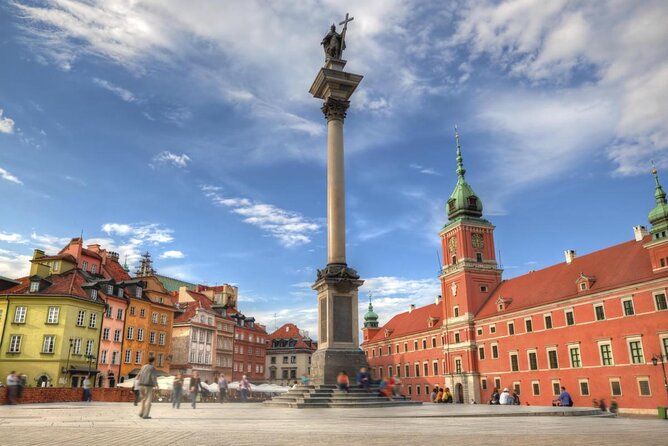
The half-day Warsaw tour covers the city’s most important central sights. You visit the Royal Castle, follow the Royal Route, walk through the Old Market Square, and see the Barbican and Krakowskie Przedmiescie.
The route then moves to Lazienki, a large park known for its gardens and Palace on the Water. This gives you a useful contrast: formal royal architecture in the center, followed by open space and elegant park scenery.
Five hours is enough for an introduction, though it will not cover every corner of Warsaw. The afternoon is free, which is valuable because you can slow down after the guided portion. You might use it for a private walk, a meal, or extra time in an area that catches your interest.
Warsaw can feel like a city of layers. The tour focuses on major landmarks rather than trying to explain every period at once. That is sensible for a first day, but you should expect an overview rather than a specialist visit.
Day 3: First-class rail travel to Gdansk
A driver takes you to Warsaw railway station, where you board a direct train to Gdansk. The train journey is listed at about four hours, followed by a station pickup and transfer to a central hotel.
This is where the trip’s rail design earns its keep. You avoid a long private drive and can sit back with your luggage rather than navigating a new road system. First-class tickets should make the journey more comfortable, though the precise seating and onboard services are not specified.
Gdansk gives the route a new character. It is a port city with ornate streets and a strong connection to the Solidarity movement. After check-in, the day is largely free, so you can get your bearings without another scheduled tour.
The hotel locations are described as central, but exact properties vary. Based on the program design, you should be able to walk to many sights or use nearby public transport. One person who adjusted plans during the trip found local transport easy to use, including the payment system.
A completely different kind of day out in Warsaw:
- Warsaw: Chopin Concert in the Old Town
★ 4.8 · 2,287 reviews - Warsaw: Traditional Galar Cruise on The Vistula River
★ 4.6 · 1,640 reviews - Warsaw: Old Town Highlights Walking Tour in English
★ 4.7 · 1,516 reviews - Warsaw Concert: Chopin – Painted by Candlelights with Wine
★ 4.8 · 1,442 reviews
Day 4: Gdansk’s old town and the Oliva organ concert
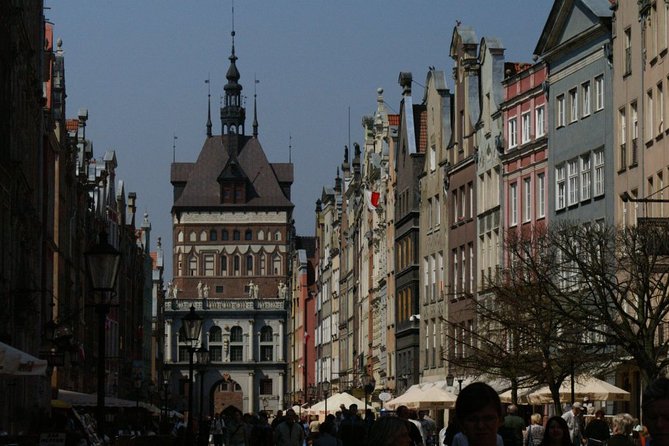
Gdansk receives a full guided sightseeing day, beginning with the Golden Gateway, Neptun’s Fountain, Artus Court, Uphagen House, and Dluga Street. Mariacka Street, the wooden Crane on the Motlawa River, and the Solidarity Monument at the Gdansk Shipyard are also included.
This is one of the best-balanced days in the program. The central streets show off Gdansk’s decorative architecture, while the shipyard visit adds modern political history. Solidarity began as a labor movement here, so the monument is more than a photo stop. It helps explain Poland’s path away from communist rule.
The afternoon visit to Oliva includes an organ music concert in the Oliva Dome. That is a welcome change from a standard city walk. It gives the day a cultural event with a fixed time and setting, rather than another list of buildings.
The schedule is described as a full-day tour, but the sightseeing details also show four-hour activity blocks and free time later. Clarify the exact timing if the concert matters to you, especially if you hope to arrange dinner or an independent visit afterward.
Day 5: Malbork Castle, Poland’s great medieval stop
Malbork is one of the strongest excursions on the route. You leave Gdansk for a half-day guided visit to the country’s largest medieval brick castle, then have the option of eating at the castle restaurant before returning to Gdansk.
The castle is an important reason to choose this itinerary over a route that only visits the largest cities. Its scale and brick construction make it a very different experience from the decorated streets of Gdansk. A guide is useful here because a large fortress complex can otherwise become a blur of courtyards, walls, and rooms.
The program lists the visit at about five hours, with admission marked as free in the schedule even though the overall tour says admission tickets are included for several activities. Ask exactly what the price covers, including the guided castle entry and lunch. Lunch is described as available, not included, so budget separately for it.
After returning to Gdansk, you have time for gifts, a private walk, or a quiet evening. That breathing room keeps the excursion from becoming an exhausting point-to-point day.
Day 6: Poznan and a shorter guided introduction
You return to the railway station for a direct train to Poznan. After arrival, a driver takes you to the hotel, followed by an afternoon tour of the city.
The guided visit includes the Cathedral, Renaissance Town Hall, and Baroque Church of St. Mary Magdalene. At about three hours, this is one of the shorter city tours, so you should expect a focused introduction rather than a full survey.
Poznan is presented as a major Polish and international fairs center, but the tour centers on architecture and religious landmarks. The shorter format may suit you after several active days. It also leaves time to explore at your own pace.
The transfer arrangement is slightly unusual in its wording: you check in, then are welcomed by a driver and transferred to a hotel. Confirm whether the station pickup goes directly to the hotel or includes a separate meeting point. Small clarifications like this help prevent confusion after a train ride.
Day 7 and Day 8: Wroclaw’s river setting and old university quarter
On Day 7, a driver takes you from the Poznan hotel to the station for a direct train to Wroclaw. At the other end, another driver meets you and transfers you to a hotel. The day is mainly for moving and resting.
That pause is welcome. The itinerary changes cities frequently, so not every day can carry a major tour. Wroclaw is worth giving time to, and the following morning provides it.
The guided Wroclaw visit begins at Ostrów Tumski, the cathedral island, with its cathedral among the main sights. You then visit the University and the Baroque Aula Leopoldina before ending around the Market Square, restored tenement houses, and Gothic City Hall.
This tour gives you three distinct views of the city: religious architecture, academic grandeur, and the public heart of the old town. A separate account of the trip also praised Wroclaw’s rivers and boat ride, though a boat trip is not part of this package. If that interests you, ask whether the afternoon free time could accommodate it.
You should also know that Wroclaw is a walking city on this schedule. The physical requirement is listed as moderate, and several days involve stations, old town streets, and extended guided visits. Comfortable shoes are more useful than formal clothes.
Day 9: Krakow’s Royal Route and the main square
A direct train carries you from Wroclaw to Krakow. After a station transfer and hotel check-in, you take a half-day guided tour through Krakow’s historic center.
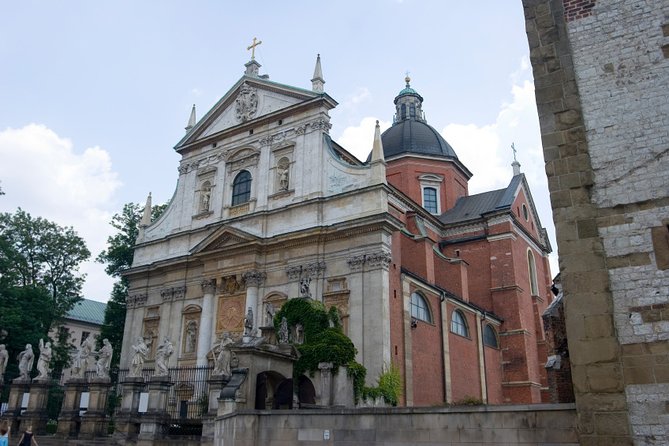
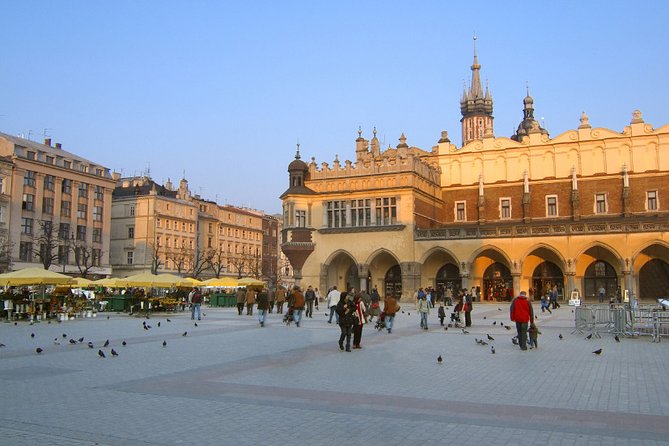
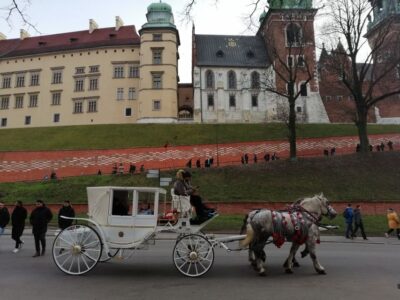
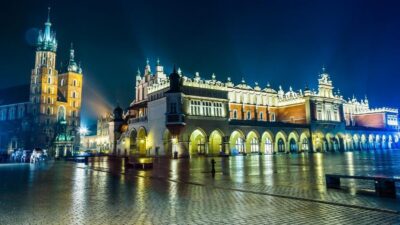
The route includes Rynek Glowny, the Cloth Hall, St Mary’s Basilica, the Royal Route, Wawel Hill, Wawel Cathedral, and the Royal Castle. It is a sensible first look at Krakow, where the main sights are close enough to connect on foot.
Krakow receives only one main city day before your final excursion, so the tour will feel brisk. The benefit is efficiency: you see the essential center with a guide, then keep the evening for your own walk.
An optional dinner with live regional music costs $45 per person. It may appeal if you want an organized final evening, but it is not required. Krakow has plenty of independent dining choices, and the free time lets you choose your own pace.
Day 10: Choose between Wieliczka, Auschwitz, and Kazimierz
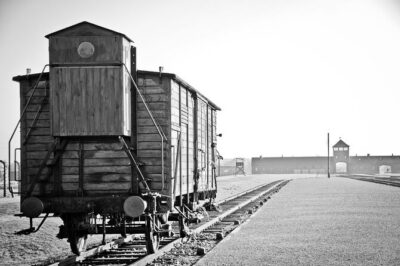
The final morning gives you a meaningful choice. You can visit the Wieliczka Royal Salt Mine, the Auschwitz-Birkenau Nazi German Camp Museum, or Kazimierz, Krakow’s Jewish district.
These are not interchangeable outings. Wieliczka is an unusual underground cultural site. Auschwitz-Birkenau is a serious memorial visit that requires emotional preparation. Kazimierz offers a closer look at Krakow’s Jewish quarter and can work well if you prefer a district-based city experience.
The flexibility is useful, but ask about the exact duration and meeting arrangements for your choice. The schedule describes a half-day regional tour lasting about five hours, followed by a transfer to Krakow Airport or the train station.
Because the package ends the same day, do not book an early departure without confirming the tour timing. The final transfer is included, but your departure time needs to leave room for the excursion.
Why the guides and drivers matter
The strongest personal-service element comes from Tomasz, the manager who arranged the trip. He is described as responsive, organized, and willing to adjust the route when plans changed. That kind of help matters on a multi-city rail journey, especially when you have questions about hotels, trains, or optional activities.
A guide named Jola also made a special airport pickup when an arrival airport created extra distance. That suggests the operation can respond to practical problems rather than simply pointing you toward a taxi rank.
There is also an important human detail in the service record. When one participant suffered a serious medical emergency unrelated to the tour, Tomasz and a Gdansk guide helped arrange the airport transfer and discussed credit for the unused portion. You should not treat that as a guarantee of a particular outcome, but it does indicate attentive support during a difficult situation.
The local guides are not presented as interchangeable. Each brings a different style, yet the overall pattern is friendly, helpful, and well prepared. That variety can be a strength because each city gets a local voice rather than one guide repeating the same format everywhere.
Hotels, meals, and daily comfort
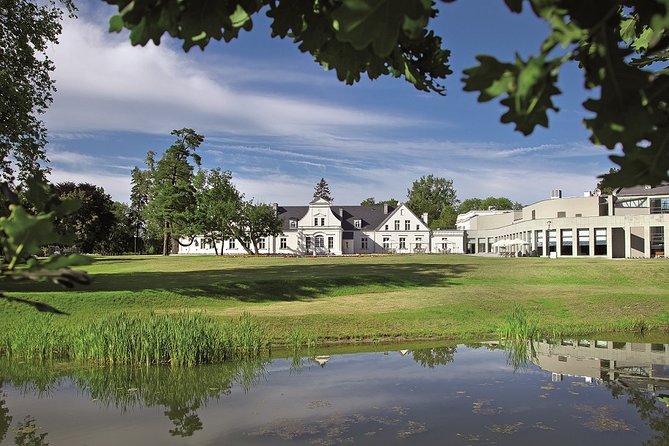
The hotels are three-star or four-star properties in central locations. Exact names are not supplied, and the standard varies somewhat from city to city, but the accommodation is described as modern and generally good.
Central hotels save time. You can often walk to the old town, reach public transport easily, and return between activities without arranging another ride. The tradeoff is that central locations can differ in size, noise, and facilities, so anyone seeking a specific hotel standard should request names before booking.
Nine breakfasts are included across the 10-day program. Dinners are not, which gives you freedom but adds to the final cost. I would budget for evening meals in every city and keep some flexibility for the optional Krakow dinner.
The program includes air-conditioned vehicles for transfers. Since most intercity movement is by train, the vehicles are mainly important at airports and stations. That is the right use of private transport: short, useful connections rather than sitting in a vehicle all day.
Who should book this route?
I would recommend this tour if you want to see several Polish cities without managing every reservation yourself. It suits you especially well if you like guided introductions, prefer first-class trains, and value having someone available when plans change.
It is also a good fit for a first visit to Poland. The route gives you royal Warsaw, port-city Gdansk, medieval Malbork, Poznan, riverfront Wroclaw, and cultural Krakow. You get a broad view of the country rather than spending all 10 days in one region.
I would hesitate if you dislike changing hotels or want long, unstructured stays. There are several train journeys and station transfers, and some city visits are brief. Independent walkers may also find the $3,900 price high if they can arrange their own hotels, rail tickets, and guides.
The maximum group size of 10 keeps the trip personal, but it is still a preset route. You can request changes, as Tomasz has shown flexibility in doing, but confirm any adjustment in writing before arrival.
The experience is non-refundable and cannot be changed for any reason after booking. That makes travel insurance and careful date planning sensible, especially for a trip involving several cities and transport connections.
Should you book this Poland train tour?
Book it if you want Poland made easy without reducing the trip to a coach tour. The rail travel, central hotels, station pickups, local guides, and free afternoons create a practical middle ground between independent travel and a fully escorted group holiday.
Before booking, confirm three things: the true starting airport, the exact hotel list, and what admission tickets are covered at Malbork and the final Krakow excursion. If those details suit you, this is a strong route for seeing Poland’s major cultural centers in one well-supported trip.
FAQ
Where does the tour start?
The daily program describes arrival at Warsaw airport or train station. The stated meeting point, however, is John Paul II Krakow-Balice Airport, so you should confirm the actual start point with GFP Travel before booking.
Where does the tour end?
The program ends with a transfer to Krakow Airport or Krakow train station. The listed meeting information names John Paul II Krakow-Balice Airport as the end point.
How long is the experience?
The trip lasts approximately 10 days, from arrival through departure on the final day.
Which cities are included?
The route includes Warsaw, Gdansk, Poznan, Wroclaw, and Krakow, with a day trip to Malbork Castle from Gdansk.
How do I travel between the cities?
Intercity journeys are made by direct train, and first-class train tickets are included. Drivers transfer you between railway stations and hotels.
Are hotels included?
Yes. Accommodation in three-star or four-star hotels is included. The properties are described as centrally located, though exact hotel names are not provided.
Are meals included?
Nine breakfasts are included. Dinners are not included. An optional Krakow regional dinner with live music costs $45 per person.
What can I choose for the final excursion?
On Day 10, you can choose the Wieliczka Royal Salt Mine, the Auschwitz-Birkenau Nazi German Camp Museum, or a half-day tour of Krakow’s Kazimierz Jewish district.
How large is the group?
The maximum group size is 10 people. A moderate level of physical fitness is recommended.
Just added around Warsaw
- Jewish heritage in Warsaw★ 4.5 · 3 reviews
- Warsaw Outdoor Paintball with Transfers (all year round)★ 5.0 · 3 reviews
- World War II Warsaw Old Town, Military Cemetery Walking Tour★ 4.7 · 3 reviews
- Warsaw: Wolf’s Lair & Swieta Lipka Small-Group Tour + Lunch★ 5.0 · 3 reviews
- Sunset Boat Tour with Unlimited Drinks in Warsaw★ 3.5 · 3 reviews
- Majdanek – German camp from II World War – Private Tour – 1 DAY TRIP FROM WARSAW★ 5.0 · 3 reviews
- From Warsaw: Guided Tour to Wieliczka Salt Mine and Krakow★ 4.5 · 3 reviews
- Warsaw Sightseeing with NEW Mercedes Sclass !!!★ 5.0 · 3 reviews
Train Experiences, compared.
Tour to Krakow and Auschwitz by Train with Pickup
Read our review →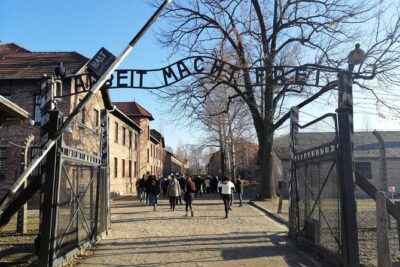
From Warsaw Auschwitz and Krakow one day tour by train with pick up and drop off
Read our review →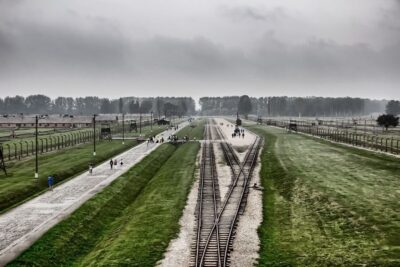
Auschwitz-Birkenau Tour with Premium Train Transportation
Read our review →Browse the lists this tour appears in