
REVIEW · CITY TOURS
Main City in Gdańsk – tour in Polish
Gdańsk reveals its best stories on foot. This 150-minute Polish-language walk links the Prison Tower and Torture Chamber with the Great Armory, Artus Court, and Main Town Hall, while explaining how merchants, war, amber, and politics shaped the city. I like the strong focus on the central sights, and I also like the guides’ lively style, praised for clear stories, humor, and thoughtful answers.
The main consideration is simple: this is a Polish tour, so it works best if you understand Polish well. The pay-what-you-see-fit format is also worth noting, since the $26 reservation price functions as a tip for the guide rather than a fixed admission fee for a museum visit.
In This Review
- Key points at a glance
- Why this Gdańsk walk is more than a landmark checklist
- Beginning at the Golden Gate on Dlugi Targ’s edge
- The Prison Tower and Torture Chamber: Gdańsk’s harder edge
- The Great Armory and the power of merchant money
- Artus Court: ceremony, business, and public life
- The Main Town Hall and the people behind Gdańsk
- From Napoleon and Danzig to the Polish Post Office
- Lech Wałęsa and the shipyard story
- The guides: lively, personal, and suited to questions
- Is $26 good value for 150 minutes?
- Who should book this Polish-language walk?
- Should you book it?
- FAQ
- Where does the tour meet?
- How long does the Gdańsk tour last?
- What language is the tour conducted in?
- Which main sights are included?
- Is the tour wheelchair accessible?
- What does the $26 price cover?
- Can I cancel or pay later?
Key points at a glance
- A compact route through central Gdańsk: In 150 minutes, you see several of the city’s most important landmarks without arranging separate visits.
- A serious look at a complicated city: The walk connects medieval trade, amber, the Free City of Danzig, World War II, Nazism, and the fall of communism.
- Meeting at the Golden Gate: Look for the guide’s yellow umbrellas at Złota Brama.
- Polish-language guiding: The tour is led live in Polish, with no other language listed.
- Strong guide personalities: Recent guide names include Kasia, known as Dynamit, Marcin, Klaudia, and others praised for energy, humor, and clear explanations.
- Flexible booking terms: You can cancel up to 24 hours before the walk for a full refund and reserve now while paying later.
Why this Gdańsk walk is more than a landmark checklist
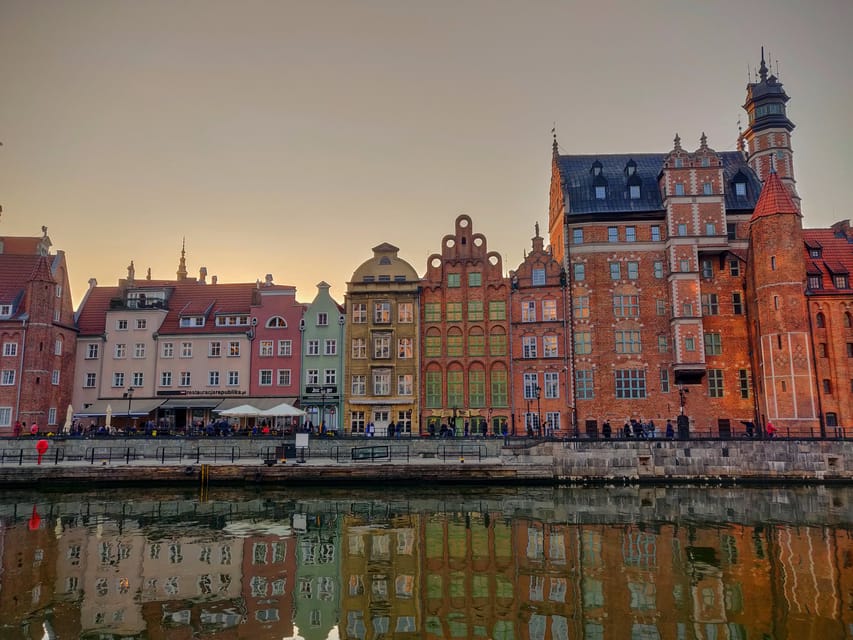
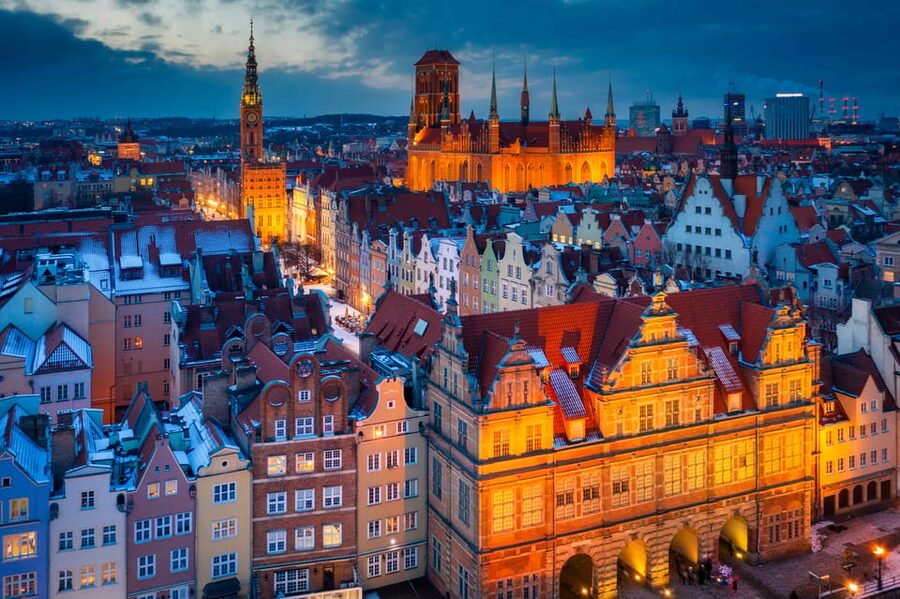
Gdańsk can look almost too polished at first glance. Its central streets have handsome façades, grand gates, and carefully restored civic buildings. A good guide helps you see that this beauty is only one layer of the city.
The place has carried several names and identities: Gdańsk, Gdanzc, Dantzk, Dantzig, and Danzig. Those names point to a city shaped by Polish, German, and wider European influences. Wealthy traders arrived from many corners of Europe, and the residents became known as Danzigers.
I like that this walk treats Gdańsk as an independent character rather than simply a pretty stop on the Baltic coast. The city grew through trade in grain, wood, and amber, often called the gold of the Baltic Sea. That commercial past helps explain the size and decoration of its public buildings.
The tour also gives you a useful timeline. Gdańsk was once the largest port on the Baltic Sea. Napoleon later created the first Free City of Danzig. During the Nazi period, Hitler turned the city into one of the largest Nazi centers in Europe, with the headquarters of the NSDAP there.
World War II began with conflict in and around the Free City. One early armed clash involved the defense of the Polish Post Office. Decades later, shipyard workers led by Lech Wałęsa helped begin the end of communism in this part of Europe.
That range is a major reason to choose this walk. You are not just collecting photographs. You are following the story of a port city that has repeatedly found itself at the center of European events.
A few more Gdańsk trips worth weighing up
- Gdansk: City Cruise on Historical Polish Boat
★ 4.8 · 2,913 reviews - Gdańsk: Sunset Cruise on a Historic Polish Boat
★ 4.9 · 977 reviews - Gdańsk City Sights & History Guided Walking Tour in English
★ 4.8 · 876 reviews
Beginning at the Golden Gate on Dlugi Targ’s edge
The meeting point is the Golden Gate, or Złota Brama. Look for the yellow umbrellas, which should make the group easier to find in a busy central area.
The gate is a fitting starting point because it introduces Gdańsk as a city built to impress. From here, the route leads into the historic center and toward the grand streets associated with the Main Town. The exact pace can depend on the group and the guide, but 150 minutes gives enough time for explanation rather than a rushed parade of photo stops.
I recommend arriving ready for a walking tour, not a short orientation. You will be outdoors for two and a half hours, and the January experience described by one participant included snow and strong wind. That same person still found the tour rewarding, largely because the guide kept the history engaging and answered questions fully.
Weather matters here. Gdańsk is on the Baltic, and conditions can change the feel of an outdoor walk quickly. Bring suitable layers and shoes, especially if your visit falls in colder months. The route is listed as wheelchair accessible, but if you need detailed information about surfaces, slopes, or access to individual interiors, ask the operator before booking.
The Prison Tower and Torture Chamber: Gdańsk’s harder edge
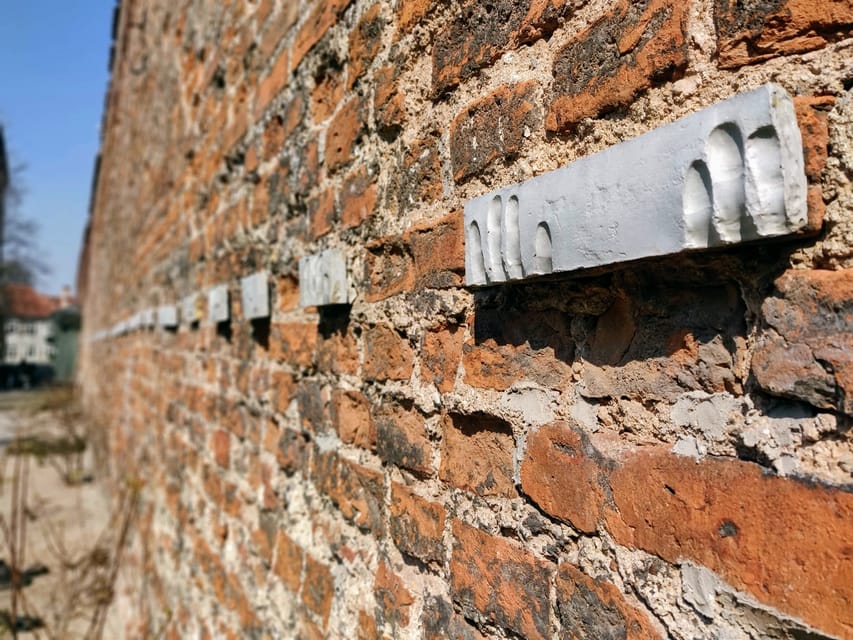
The Prison Tower and Torture Chamber add a darker note early in the walk. These buildings remind you that old European cities were not only places of trade and ceremony. They also had systems of punishment, confinement, and public control.
This stop can be especially useful if you tend to see Gdańsk only through its colorful façades. The prison complex gives the city a more human scale. Behind the grand civic image were people accused, judged, detained, and punished.
You should expect the guide to explain the function of the buildings and their place in the city’s past. The supplied information does not promise a full interior museum visit or special access, so think of this as a guided historical stop rather than a ticketed attraction with extended indoor time.
That distinction matters for value. You are paying for interpretation across several sites, not for a bundle of separate entry tickets. If your main goal is to spend a long time inside one museum, this is not that kind of experience. If you want the city’s major landmarks tied together by one story, it makes more sense.
The Great Armory and the power of merchant money
The Great Armory shows how trade wealth could be turned into architecture. Gdańsk’s merchants dealt in grain, timber, and amber, and the city’s public buildings reflected that prosperity.
I like this stop because it gives practical meaning to the phrase merchant city. You can look at the building as an ornate façade, but the guide’s explanation should help you connect its scale with the money and influence moving through the port.
Amber is an especially useful thread. The material was prized across Europe, and Gdańsk’s location helped make it central to Baltic trade. The city’s relationship with amber is not just a shopping theme for souvenir stalls. It is part of the economic story that helped create Gdańsk’s wealth and identity.
The Great Armory also helps balance the heavier subjects elsewhere on the route. After hearing about prisons and political violence, you see the confidence of a city that had the resources to build on a grand scale.
A completely different kind of day out in Gdańsk:
- Gdansk: Firearm Shooting Experience with Instructor
★ 4.8 · 866 reviews - Gdansk: Guided Round-Trip Cruise to Westerplatte
★ 4.3 · 865 reviews - Gdańsk: Sightseeing EcoCruise around the Old Town of Gdansk
★ 4.6 · 719 reviews - Main Town Gdańsk Walking Tour
★ 5.0 · 644 reviews
Artus Court: ceremony, business, and public life
Artus Court is one of the key stops, and it helps explain how public life worked among Gdańsk’s powerful merchants. The name brings to mind the medieval tradition of King Arthur and the fellowship of knights, but in Gdańsk the building served the city’s social and commercial elite.
This is where a good guide earns the tip. A building like Artus Court can be admired in seconds, but its purpose takes longer to understand. You want to know who gathered there, why the space mattered, and how trade and civic status were connected.
The city’s international character comes into sharper focus here. Gdańsk was not shaped by one isolated local tradition. Traders and residents brought customs from different parts of Europe, creating a city that was Polish in one context, German-speaking in another, and tied to wider Baltic networks throughout its history.
The supplied details do not confirm whether the tour includes entry inside Artus Court. Plan for a guided exterior explanation unless your booking information says otherwise. If you wish to visit the interior afterward, ask the guide for current advice.
The Main Town Hall and the people behind Gdańsk
The Main Town Hall is another major landmark and one of the clearest symbols of civic authority. Its role gives the guide a chance to explain how the city governed itself and how merchants influenced public decisions.
This is also a natural place to connect Gdańsk’s old prosperity with its famous residents. Daniel Fahrenheit, Arthur Schopenhauer, and Günter Grass were born in the city. Their lives belong to different periods and fields, but together they show the range of ideas and personalities associated with Gdańsk.
Günter Grass is particularly linked with the city through his writing about Gdańsk and Danzig. A guide can help you understand how literature, memory, and contested identity overlap here. The city has never had only one story, and the Town Hall is a good setting for that discussion.
I would not expect a detailed art-history lecture on every room or architectural feature. The value is broader. The walk uses the Town Hall to make the city’s institutions and personalities easier to understand within the larger route.
From Napoleon and Danzig to the Polish Post Office
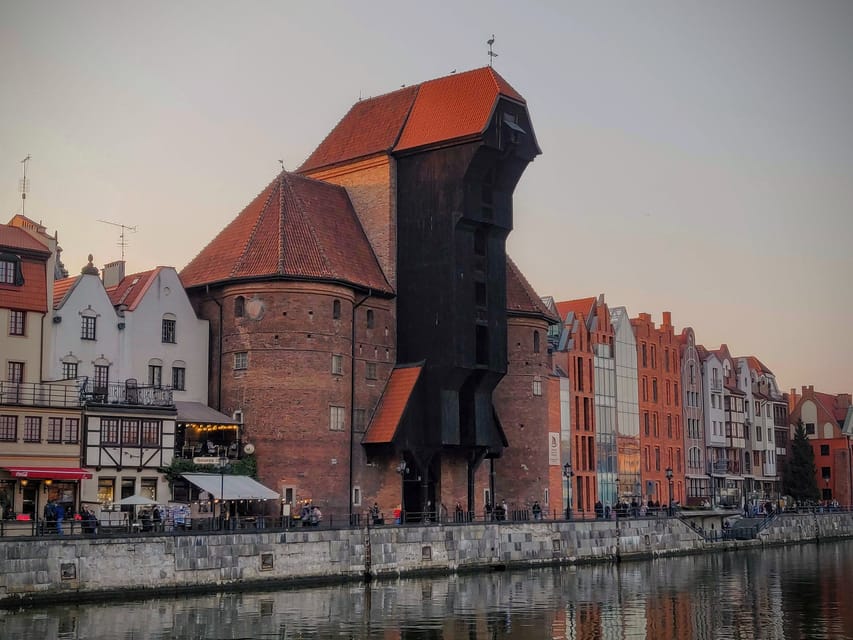
Gdańsk’s political story refuses to stay simple. Napoleon’s creation of the first Free City of Danzig showed how much importance powerful leaders placed on the city’s position. His statement that Gdańsk was the key to everything captures its strategic value, even if the city’s later history proved more complicated.
The Nazi period is treated as another major chapter. Hitler created one of the largest Nazi cities in Europe there, with the NSDAP headquarters in Gdańsk. This is difficult material, but it belongs in any honest account of the city.
The Polish Post Office is tied to one of the first armed clashes of World War II. Its defense in the Free City of Gdańsk gives the war a local face. Instead of discussing the conflict only through dates and national leaders, the guide can point you toward the people caught in the first hours of the fighting.
The information provided does not state that the route visits the Polish Post Office itself. It is best understood as historical context that may be explained during the central walk. If this site is a personal priority, check the exact route before you reserve.
Lech Wałęsa and the shipyard story
The final major thread is Gdańsk’s role in the end of communism. Shipyard workers led by Lech Wałęsa began a strike that helped change the political direction of this part of Europe.
This story gives the tour a modern finish. You move from medieval commerce and civic buildings to labor rights, political pressure, and a movement that affected far more than Gdańsk.
The city’s past therefore feels connected rather than sealed behind old walls. The same place that grew through trade became a target for military and political powers, then became a center of opposition to communist rule.
The information does not promise a visit to the shipyard or the European Solidarity Centre. Those are separate places you may want to add to your itinerary. This walk gives you the background needed to understand why they matter.
The guides: lively, personal, and suited to questions
The strongest praise focuses on the guides’ delivery. Kasia, also called Dynamit, is described as mixing humor with serious history and presenting the city’s main places in an engaging way. Marcin is praised for colorful, well-informed explanations.
Klaudia receives especially warm praise for her passion, expressive speaking style, positive energy, and steady contact with the group. That last point matters. A guide who keeps checking in with the group can make a long outdoor walk feel much easier.
One participant described asking many questions in difficult winter weather and receiving interesting, thorough answers. That suggests this is a good choice if you prefer a conversational walk instead of a fixed speech.
Guide assignments can change, so I would not book solely to meet one named person. Still, the repeated praise for humor, enthusiasm, and clear storytelling tells you what kind of guiding style to expect from Walkative Tours.
Is $26 good value for 150 minutes?
At $26 per person, the value depends on how you use the walk. You get two and a half hours with a live Polish-speaking guide and a route that connects several major central sights. For a first look at Gdańsk, that is a sensible use of time.
The pay-what-you-see-fit model needs careful reading. The reservation made through GetYourGuide includes a tip for the guide, so the displayed $26 is not best understood as a standard fixed tour fee with every possible attraction included. There is no indication that museum admission or other paid entries are part of the price.
I like the model when the guide is strong, because it places the focus on storytelling and group experience. You should simply budget with the right expectation: you are paying for the guided walk, not buying an all-inclusive sightseeing pass.
The flexible booking terms add some practical value. You can reserve now and pay later, and cancellation up to 24 hours before the start time allows a full refund. Check available start times before booking because the walk’s schedule is not fixed in the information provided.
Who should book this Polish-language walk?
I would choose this tour if you:
- Understand Polish comfortably.
- Want a first orientation to Gdańsk’s Main Town.
- Prefer history explained by a person rather than read from plaques.
- Enjoy a mix of architecture, politics, trade, war, and modern history.
- Have about 150 minutes for an outdoor guided walk.
- Want to ask questions and hear stories with humor and personality.
I would look elsewhere if you need English guiding, want a long indoor museum visit, or care most about visiting the shipyard, the Polish Post Office, or a specific museum. Those subjects may appear as context, but the listed highlights focus on the central historic landmarks.
Families with older children may find the range of subjects useful, though the material about torture, Nazism, and war is serious. Anyone with mobility needs can note that the activity is listed as wheelchair accessible, while still confirming the details of each stop.
Should you book it?
Book this walk if you want Gdańsk’s central sights to make sense as part of one long story. The route is compact, the price is reasonable for 150 minutes of live guiding, and the strongest praise goes to guides who are expressive, funny, patient, and ready for questions.
The key test is Polish ability. If you understand Polish well, this looks like a useful and lively introduction to a city with far more political weight than its pretty streets first suggest. If you do not, choose a tour in a language you follow easily, because the guide’s explanations are the main value.
FAQ
Where does the tour meet?
The meeting point is the Golden Gate, called Złota Brama in Polish. Look for the yellow umbrellas.
How long does the Gdańsk tour last?
The guided walk lasts 150 minutes, or two and a half hours.
What language is the tour conducted in?
The live tour guide speaks Polish. Polish is the only language listed for this activity.
Which main sights are included?
The tour highlights the Prison Tower and Torture Chamber, the Great Armory, Artus Court, and the Main Town Hall in Gdańsk.
Is the tour wheelchair accessible?
Yes. The activity is listed as wheelchair accessible.
What does the $26 price cover?
The tour operates on a pay-what-you-see-fit model. When you reserve through GetYourGuide, the payment is a tip for the guide. The information provided does not list separate museum admissions as included.
Can I cancel or pay later?
Yes. You can cancel up to 24 hours in advance for a full refund. The reserve-now, pay-later option lets you book without paying immediately.
Just added around Gdańsk
- Gdańsk: Boat Cruise from Gdańsk Old Town to Sopot Marina★ 4.4 · 3 reviews
- Stutthof Concentration Camp and Museum of WWII: Private Tour★ 4.7 · 3 reviews
- Gdansk: Bubble Football with Hotel Transfers★ 5.0 · 3 reviews
- Gdansk: Oliwa Zoo with Tickets and Roundtrip Transportation★ 5.0 · 3 reviews
- Segway Tour Gdańsk: Shipyard Tour – 1,5-Hour of Magic!★ 5.0 · 3 reviews
- Gdansk: Escape Room Adventure★ 4.0 · 3 reviews
- Gdańsk : Catamaran River Cruise (group)★ 4.3 · 3 reviews
- Artus Court and Gdansk Old Town Private Tour with Tickets★ 4.7 · 3 reviews
City Tours, compared.

City Sightseeing Tour Eco Electric Buggy Golf Cart
Read our review →


Gdańsk City Sights & History Guided Walking Tour in English
Read our review →
Extended City Sightseeing Tour – Eco Buggy Golf Cart
Read our review →
Browse the lists this tour appears in