
REVIEW · NOWA HUTA COMMUNISM TOURS
Nowa Huta – a guided tour of a utopian socialist city
A different Kraków waits beyond the old town. Nowa Huta offers a sharp look at Stalinist urban planning and the communist dream of building a new kind of citizen, while the stops connected with religion and Solidarity reveal how strongly that dream was resisted. I like the tour’s clear historical arc, from the grand Central Square to the church that challenged the idea of a godless city. I also like its modest two-hour length, though you must arrange your own transport from central Kraków and the $69 price is easier to justify if modern history interests you.
This is not a tour of pretty medieval streets. Nowa Huta can feel broad, stern, and heavily planned, but that is exactly the point. A recent booking praised both the guide and the area, and that matches the experience’s main strength: a good local guide turns large blocks and monumental buildings into a readable story about power, faith, work, and protest.
In This Review
- Key points about the Nowa Huta walk
- Why Nowa Huta feels so different from Kraków
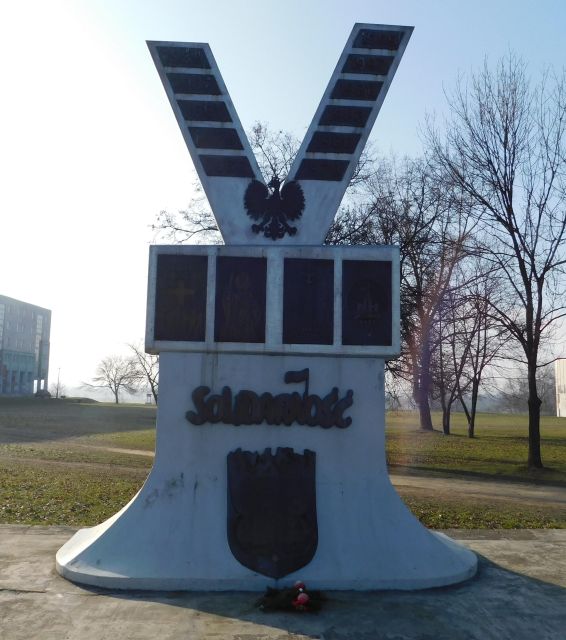
- Meeting at the Solidarity monument
- Central Square and the old Lenin connection
- Avenue of Roses and the planned public image
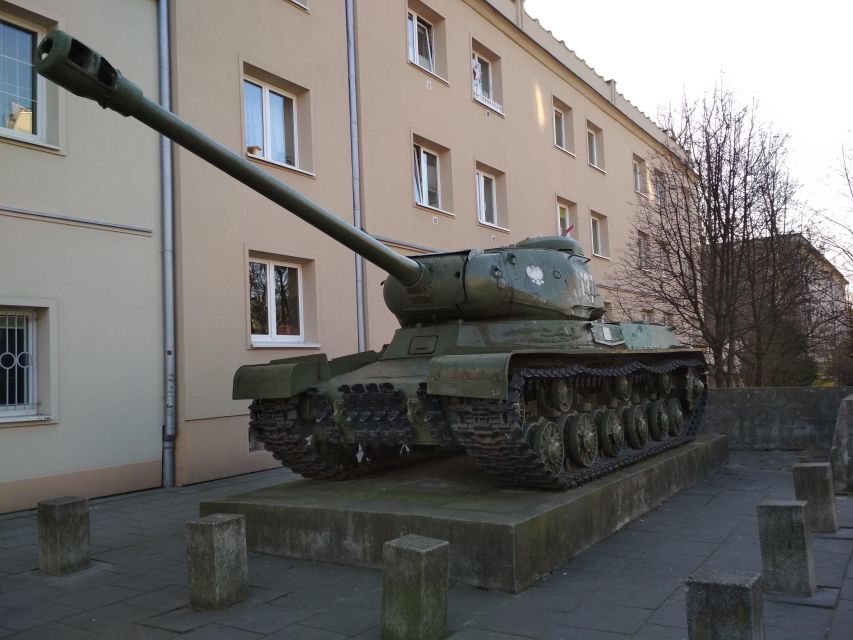
- The IS-2 tank and the symbols of power
- The battle for the cross and the first church
- Ludowy Theatre and the cultural side of socialism
- Solidarity and the walk back to the starting point
- Is $69 good value?
- Who should book this walk?
- Should you book the Nowa Huta tour?
- FAQ
- Where does the Nowa Huta tour start?
- How long does the tour last?
- What language is the tour conducted in?
- What is included in the price?
- Is transport from Kraków city centre included?
- How much does the tour cost?
- Which places are visited during the walk?
- Can I cancel for a full refund?
Key points about the Nowa Huta walk
- Central Square was once named for Lenin, giving the tour an immediate lesson in how public space carried political messages.
- Avenue of Roses was Nowa Huta’s representative street, designed to show the district at its most formal and impressive.
- The battle for the cross shows how local residents pushed back against the planned anti-religious identity of the new city.
- Our Lady Queen of Poland Church marks a major change in the district’s story: a church eventually took shape in a place intended to live without one.
- Solidarity links the past to modern Poland, with the route returning to the monument dedicated to faithfulness and perseverance.
- The $69 fee covers a private licensed guide, but not transport from Kraków city centre or gratuities.
Why Nowa Huta feels so different from Kraków
Kraków is often presented through its royal square, Gothic towers, old churches, and narrow streets. Nowa Huta tells a later, harder story. The communist government built this district after the Second World War around a huge steel mill, whose name translates as new steel mill.
The factory needed workers, so housing and public buildings followed. But the plan was not only practical. Nowa Huta was meant to contrast with old Kraków, a city associated with Catholic faith, inherited customs, and opposition to socialism.
The new district was supposed to produce new people. These citizens would trust communist ideals rather than religious belief, monarchy, or old social habits. That makes the tour more than a walk among concrete and stone. You are looking at a political experiment built into streets, squares, housing, theatres, and public symbols.
I find this context especially useful because Nowa Huta can seem confusing if you visit without a guide. Its monumental scale is deliberate. Its formal avenues are not random. Even the absence of certain buildings, especially churches in the earliest plan, carries meaning.
More Nowa Huta and communism tours:
- Krakow: Nowa Huta Guided Tour in Vintage Car
★ 4.9 · 277 reviews - Legendary Private Nowa Huta Communism Tour with Crazy Guides
★ 5.0 · 262 reviews - Nowa Huta: Steelworks Administration Buildings/Shelters Tour
★ 4.9 · 160 reviews
Meeting at the Solidarity monument
The tour begins by the monument titled Bądź wierny, idź, which translates roughly as Be faithful, go forward. You are told to look for the guide beside the Solidarity monument, so take care when locating the meeting point and allow enough time to get there.
Beginning here gives the walk a useful frame. Solidarity represents resistance to communist rule, while the surrounding district was created to express that rule. The starting point places those two forces side by side before you even reach the main square.
The guide is a licensed local professional and leads the tour in English. Since the experience is private, the pace can feel more focused than a large group walk, although the supplied details do not state the maximum group size.
Central Square and the old Lenin connection
Central Square receives about 40 minutes, making it the longest stop. That is sensible. This is where the scale and political purpose of Nowa Huta become easiest to read.
The square once carried Lenin’s name. That detail matters because communist cities used names, monuments, and public buildings to keep ideology visible in daily life. A central square was not just a place to cross on the way to work. It was a stage for the state.
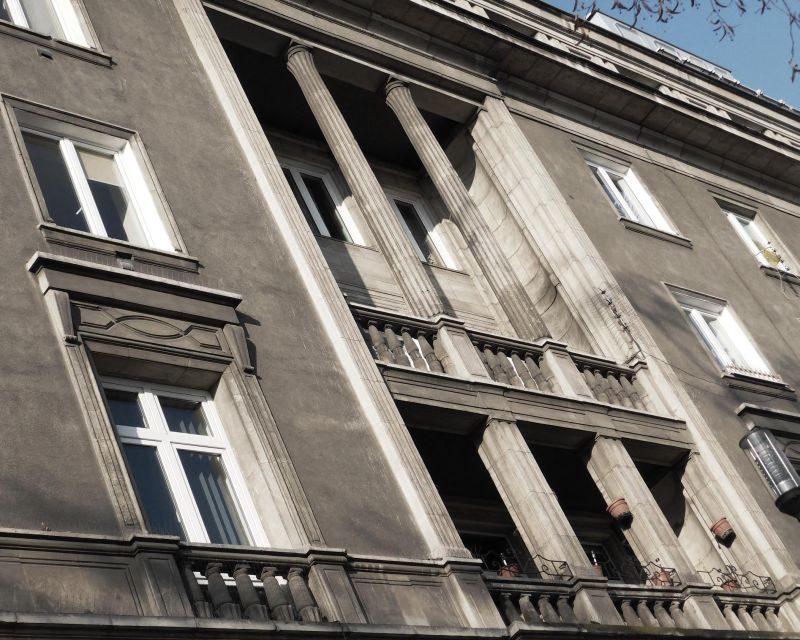
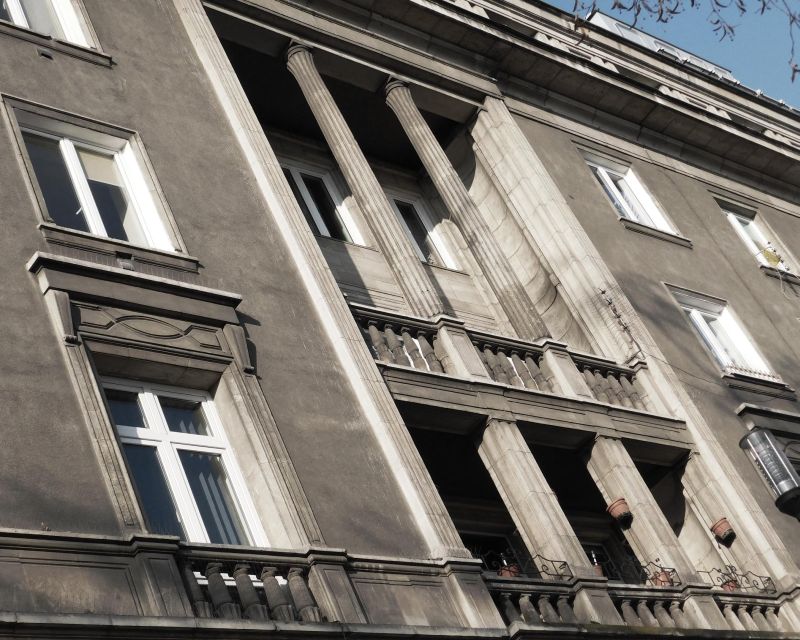
Expect the guide to explain the construction of the district and the utopian ideas behind it. The architecture here is described as monumental neo-classical work from the Stalinist period, with a formal appearance meant to suggest order, strength, and permanence.
I would pay attention to the contrast between the grand public design and the human reason for the district’s existence. The buildings served workers from the steel mill, yet the city was also built to reshape their values. That tension is one of Nowa Huta’s most interesting features.
The practical drawback is that architecture fans may want more time for photographs or closer study. Forty minutes gives the guide room to explain the square, but the full district cannot be covered in detail in a two-hour walk.
Avenue of Roses and the planned public image
Avenue of Roses receives around 15 minutes. It was the representative street of Nowa Huta, so this is where the district presented its most polished public face.
The name sounds gentle, but the avenue belongs to the same carefully controlled urban vision as Central Square. The contrast between roses and severe neo-classical buildings makes the place memorable. It also shows how public spaces could be designed to communicate confidence in the new political system.
This stop works best when you connect the street to the wider plan. Nowa Huta was not simply housing placed near a factory. It was intended to be a model socialist city, with streets and institutions arranged around a shared ideology.
You will not get a long pause here, so listen closely to the explanation and look beyond decoration. The important question is not only what the avenue looked like, but what it was meant to make people feel about the system that built it.
A few more Kraków trips worth weighing up
- From Krakow: Auschwitz-Birkenau Guided Tour & Hotel Pickup
★ 4.5 · 33,358 reviews - From Krakow: Auschwitz-Birkenau Guided Tour & Hotel Pickup
★ 4.5 · 29,340 reviews - Krakow: Auschwitz Guided Tour with Optional Hotel Pickup
★ 4.5 · 15,280 reviews - Krakow–Zakopane: Cable Car, Chocholow Baths, Cheese & Vodka
★ 5.0 · 10,720 reviews
The IS-2 tank and the symbols of power
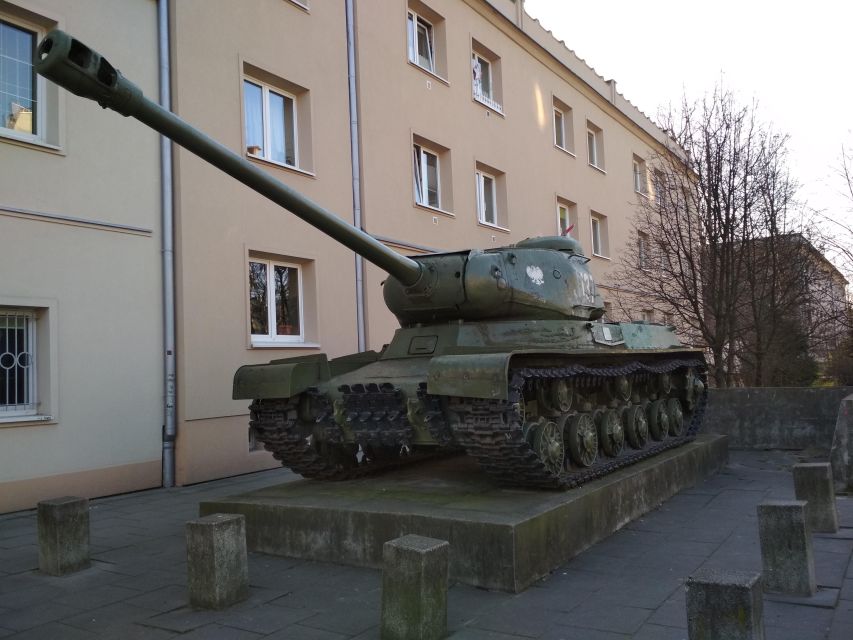
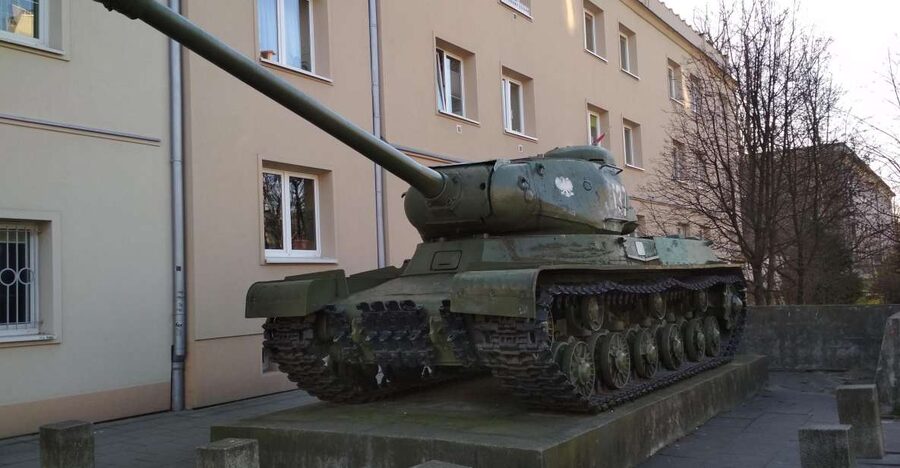
The route then reaches the IS-2 tank monument for about 10 minutes. The stop is brief, but it adds another layer to the political story.
A tank is an unmistakable symbol of military power and the Soviet victory narrative. Placed within a district built under communist authority, it connects Nowa Huta’s everyday life with the broader system that shaped postwar Poland.
This will not be a long military history lesson. Instead, the tank helps show how ideology appeared in public objects as well as street names and architecture. For anyone interested in how governments use monuments, it is a useful pause.
The short timing is appropriate for a quick explanation, though visitors who want detailed information about the tank itself may find this part limited. The tour’s focus is Nowa Huta as a social and political project, not military equipment.
The battle for the cross and the first church
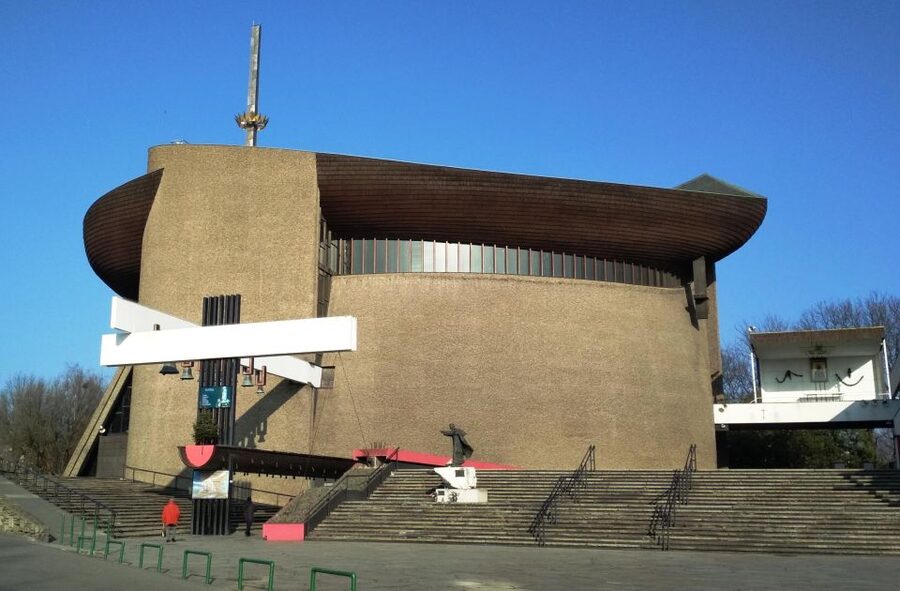
The visit to Our Lady Queen of Poland Church lasts about 20 minutes and is one of the most important parts of the walk. It brings the story of religion directly into a district designed to minimize or reject it.
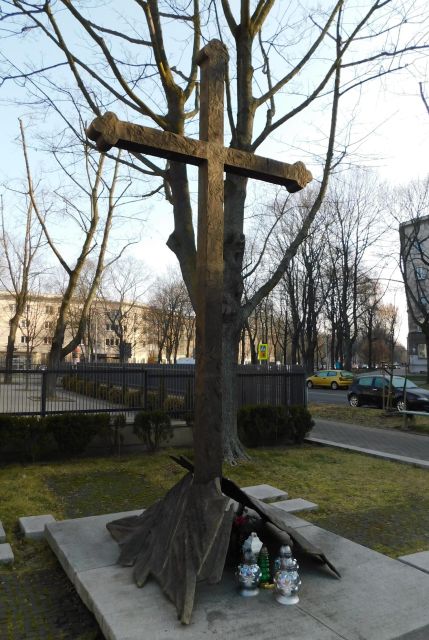
The church is connected with the battle for the cross, a conflict over the right to have a Christian symbol in Nowa Huta. This was not a minor disagreement about decoration. The cross represented the continued presence of Catholic belief in a city intended to create people without God.
The story also leads to the first church in the godless city. That phrase captures the central contradiction of Nowa Huta. The government could plan streets, factories, housing, and public buildings, but it could not simply erase religious identity from the people who lived there.
I like this part because it keeps the tour from becoming a dry architecture lesson. The buildings matter, but so do the people who challenged the plan. Here, Nowa Huta becomes a place of argument rather than a frozen example of communist design.
The supplied details do not specify whether the church interior is entered, so you should expect the guide to discuss the site and its importance rather than assume a full indoor visit. Even from outside, the location carries major historical weight.
Ludowy Theatre and the cultural side of socialism
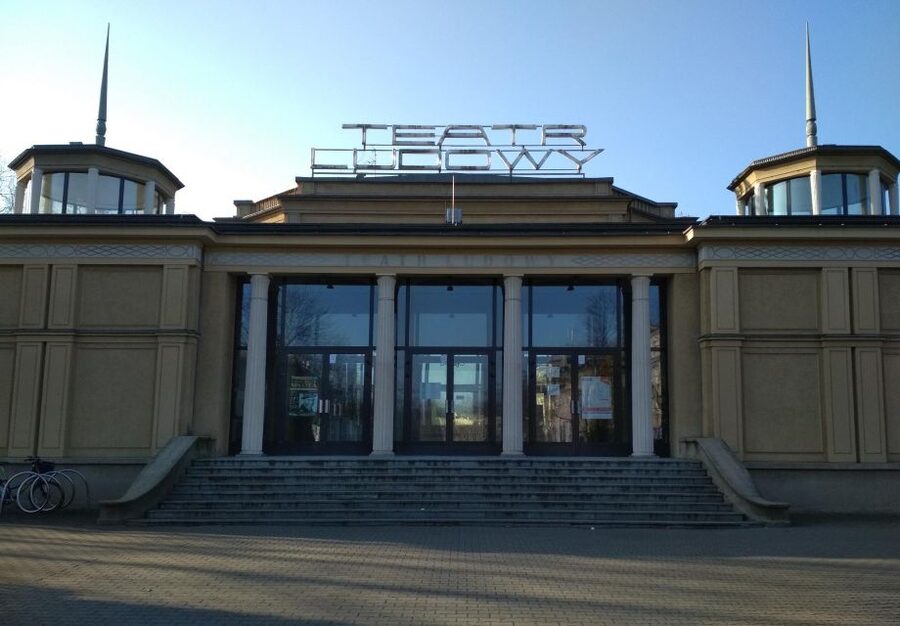
The Ludowy Theatre receives about 35 minutes, another substantial portion of the walk. This stop broadens the story beyond factories, churches, and protest.
A theatre in a planned socialist district was part of the effort to create a complete city. Workers needed more than housing near the steel mill. They also needed cultural institutions that reflected the values and ambitions of the new society.
The Ludowy Theatre helps explain how culture fit into the communist project. Public performance could educate, entertain, and shape ideas about citizenship. A theatre also gives you a reminder that socialist planning was not limited to heavy industry and apartment blocks.
This is a good place to consider the difference between a city built for people and a city built to represent an idea. Nowa Huta tried to do both. The guide can connect the theatre to the larger utopian plan and to the district’s changing identity after the political system began to weaken.
With 35 minutes here, the guide has time to give the stop real weight. Still, the exact performance history or interior access is not specified, so do not book this walk expecting a theatre show or a dedicated backstage visit.
Solidarity and the walk back to the starting point
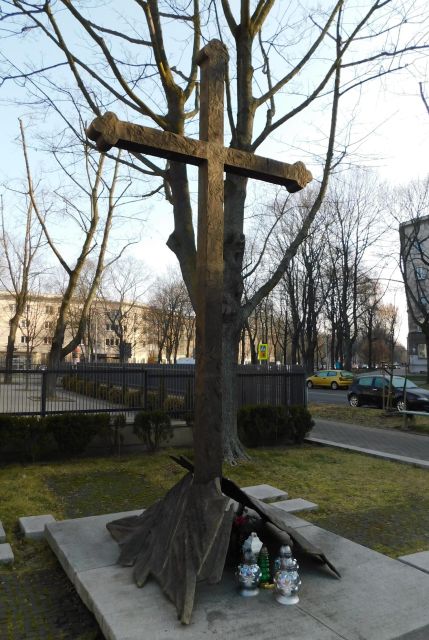
The tour returns to the Solidarity monument after visiting sites connected with the movement’s legacy and strikes. This brings the route full circle.
At the start, the monument introduces resistance to communist rule. By the end, you have seen the system’s ideals in architecture and public space, then followed the pressure points where residents resisted those ideals. The return is not just a matter of finding the meeting place again. It gives the walk a clear ending.
Solidarity is essential to understanding modern Polish identity, but the tour presents it through Nowa Huta’s local setting. That is useful because national political history can feel abstract. A square, a church, a theatre, and a workers’ district make the story easier to grasp.
The walk takes two hours in total. That is enough for a strong introduction, not enough for every chapter of Nowa Huta’s construction, labour history, religious conflict, and political change. I would see it as a focused first visit rather than a final word on the district.
Is $69 good value?
At $69 per person, this is not the cheapest way to see an outer district of Kraków. The price covers a licensed private guide, which is the central value of the experience. Without interpretation, you would see large squares, formal buildings, a tank monument, a theatre, and a church, but much of the political meaning would remain easy to miss.
The fee makes the most sense for you if you want context and direct explanation. It is less attractive if you only want to photograph communist-era architecture or take a quick look around the district independently.
Transport from Kraków city centre is not included. That means you must budget for getting to the meeting point by yourself, in addition to the tour price. Gratuities are also not included.
The short duration helps with value. You do not need to give up a full day in Kraków, and the route covers several connected themes in one compact outing. If your schedule is tight, two hours is manageable.
The experience has a 5 out of 5 rating based on three reviews, and the most specific praise is directed at the guide and the fascination of the area. That is the right emphasis. The success of this tour depends less on spectacle than on how clearly the guide explains what you are seeing.
Who should book this walk?
I would recommend it to anyone interested in communist history, modern Poland, architecture, religion and politics, or the social history of workers’ districts. It is also a good choice if you have already seen Kraków’s old centre and want a very different side of the city.
Students and history-minded visitors should get a lot from the route because it links ideology to physical space. You can see how a government tried to express its values through streets, names, buildings, and monuments.
The walk also suits people who prefer a focused experience rather than a full-day excursion. Two hours gives you a clear introduction without demanding a major time commitment.
I would be more cautious if your main interest is medieval Kraków, royal history, or attractive old streets. Nowa Huta’s appeal comes from its contrasts and political meaning. Its monumental architecture may feel severe, and the tour asks you to look closely at ideas as well as buildings.
Wear comfortable shoes for a walking route and arrive at the Solidarity monument with enough time to identify the guide. Since the starting point is outside the city centre, plan the journey before the tour begins.
Should you book the Nowa Huta tour?
Book it if you want Kraków to make sense beyond its famous old town. The tour shows you a city built around steel, communist ideals, and planned social change, then follows the religious and political resistance that challenged that design.
I especially recommend it for a first introduction to Nowa Huta, not for someone seeking a long specialist study. At $69, the guide must be the reason you book, and the strong rating plus recent praise for the guide suggest that this is where the experience earns its price.
If the words Stalinist architecture, Solidarity, and the battle for the cross catch your interest, this compact walk is a worthwhile addition to a Kraków visit. If they do not, you may find the district’s broad streets and monumental buildings less rewarding without that historical curiosity.
FAQ
Where does the Nowa Huta tour start?
The tour starts beside the Solidarity monument, titled Bądź wierny, idź. Look for the guide waiting by the monument.
How long does the tour last?
The guided walking tour lasts two hours.
What language is the tour conducted in?
The live tour guide provides the experience in English.
What is included in the price?
The price includes a licensed private guide.
Is transport from Kraków city centre included?
No. Transportation from the city centre to Nowa Huta is not included.
How much does the tour cost?
The listed price is $69 per person.
Which places are visited during the walk?
The route includes Central Square, Avenue of Roses, the IS-2 tank monument, Our Lady Queen of Poland Church, the Ludowy Theatre, and the Solidarity monument.
Can I cancel for a full refund?
Yes. You can cancel up to 24 hours in advance for a full refund. You can also reserve now and pay later.
Just added around Kraków
- Rynek Underground Museum & Wawel Castle, Cathedral – Cracow★ 5.0 · 3 reviews
- Schindler’s Factory, Ghetto and Plaszow Camp Guided Tour★ 4.7 · 3 reviews
- Krakow: Kazimierz by Golf Cart and Schindler’s Factory Tour★ 4.8 · 3 reviews
- Private Krakow City Tour by Car and Walk with private tour guide★ 5.0 · 3 reviews
- Krakow: Jewish Traces Private Electric Car Tour★ 4.1 · 3 reviews
- Discover the Jewish Quarter with a Bike Tour★ 5.0 · 3 reviews
- Krakow: Indoor Go-Karting (24-Minute Races)★ 4.8 · 3 reviews
- Krakow: Guided Wawel Tour, Lunch, and Vistula River Cruise★ 4.8 · 3 reviews
Nowa Huta Communism Tours, compared.
Legendary Private Nowa Huta Communism Tour with Crazy Guides
Read our review →
Nowa Huta: Steelworks Administration Buildings/Shelters Tour
Read our review →
Private Tour: Warsaw’s Communist History by Retro Fiat
Read our review →
Private Nowa Huta Adventure Tour in Communist Cars
Read our review →


Browse the lists this tour appears in