
REVIEW · SCHINDLER FACTORY TOURS
Schindler’s Factory, Ghetto and Plaszow Camp Guided Tour
Krakow’s wartime story is impossible to see in one room. This five-hour walking and museum tour connects Schindler’s Factory with the former Jewish ghetto and Płaszów Camp, giving you a clearer sense of how occupation changed daily life. I especially like the interactive museum exhibits and the chance to see the remaining ghetto wall, a small but powerful reminder of forced separation. The guide-led format also helps turn a difficult subject into a story you can follow.
I also like that the museum admission is included, so you avoid the trouble of arranging a separate ticket. The main consideration is the length and subject matter: five hours of walking, outdoor sites, and wartime history can feel demanding, especially in poor weather. The short review record is strongly positive, with a 4.7 rating, and Paulina receives particular praise for being friendly and informative.
In This Review
- Key points before you book
- Why this tour gives Krakow’s wartime story shape
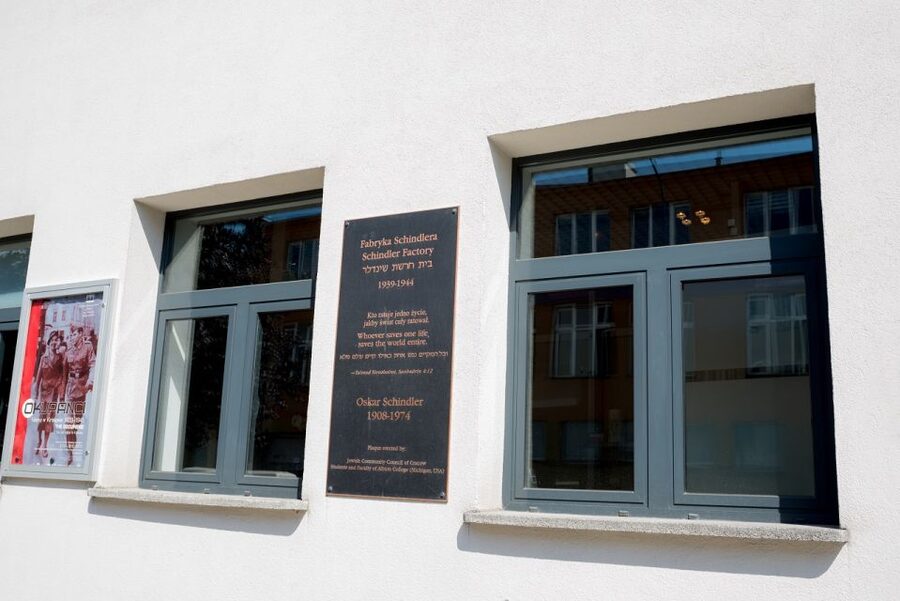
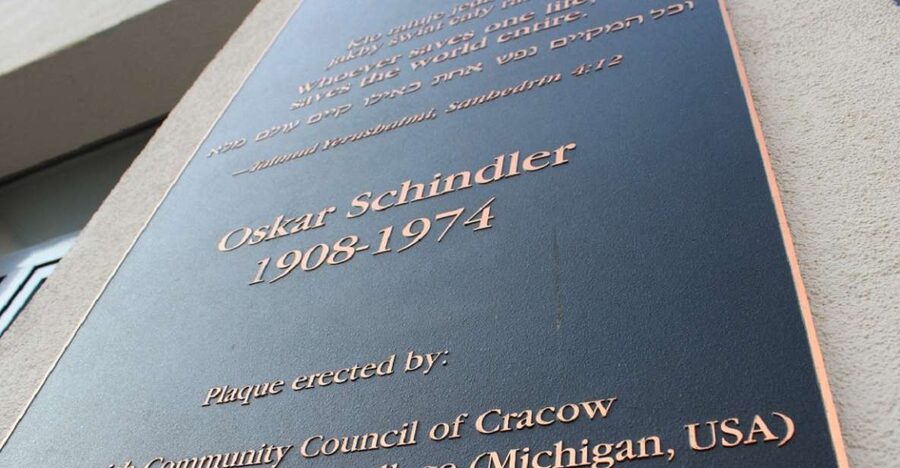
- Starting inside Oskar Schindler’s former factory
- Seeing the ghetto through surviving fragments
- The move from ghetto to Płaszów Camp
- What the guide adds to a difficult subject
- Five hours, transport, and the real cost
- Who will appreciate this experience most
- Small practical choices that improve the day
- Should you book Schindler’s Factory, Ghetto and Płaszów Camp?
- FAQ
- How long does the tour last?
- What language is the tour conducted in?
- Is admission to Schindler’s Factory included?
- Where does the tour start?
- How will I recognize the guide?
- Where does the tour end?
- Does the tour include the tram ticket?
- Are food and drinks included?
- What should I bring?
- Can I cancel the booking?
Key points before you book
- Schindler’s Factory begins the story: Explore an interactive museum inside the former enamel factory with an English-speaking guide.
- The ghetto wall still survives: See remaining sections of the wall that once enclosed Krakow’s Jewish ghetto.
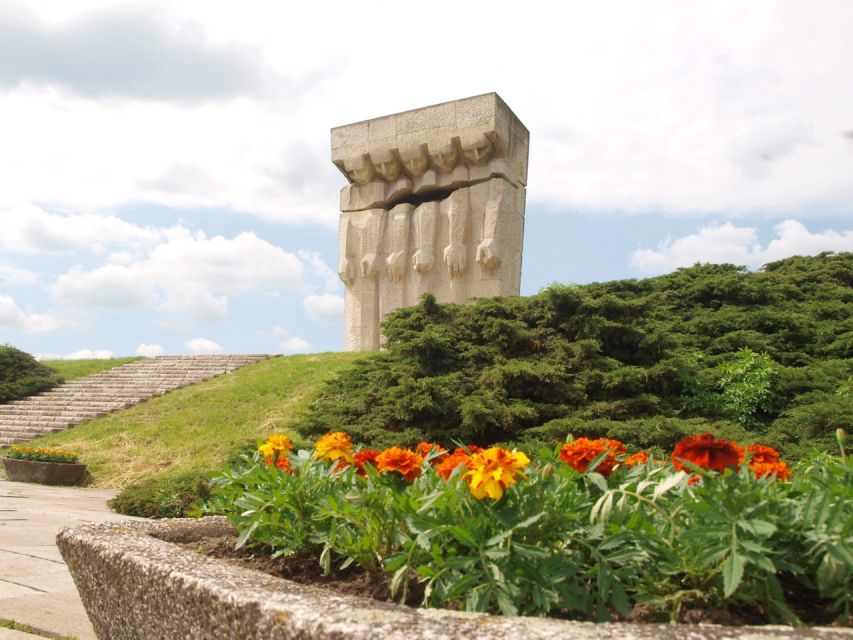
- Płaszów adds an outdoor dimension: Visit the former concentration camp and hear a detailed explanation of the site.
- Daily life gets attention: The tour focuses not only on major events, but also on housing, displacement, and ordinary life during occupation.
- Plan for five hours on your feet: Wear comfortable shoes and dress for the weather.
- Budget for transport: A tram ticket costs about 4 PLN and is not included, along with food and drinks.
Why this tour gives Krakow’s wartime story shape
Krakow’s occupation-era history can feel scattered if you visit sites on your own. One museum explains the city. A wall fragment suggests the scale of the ghetto. An open site outside the center gives you a sense of imprisonment and mass death. This experience links those pieces in one continuous route.
That structure matters. You begin at Schindler’s Factory, where the museum presents Krakow under German occupation and the story of the Jewish population. You then move through places tied to the ghetto before reaching Płaszów. The sequence follows the widening pressure placed on the city’s Jewish residents, from daily restrictions and displacement to the camp system.
I would not choose this tour for a light sightseeing afternoon. It is serious, sometimes upsetting, and designed for people who want context rather than a quick photograph. At the same time, the guide-led format can make the subject easier to understand than a visit based only on labels and memorial signs.
More Schindler Factory tours:
- Krakow: Oskar Schindler’s Factory Entry Ticket & Guided Tour
★ 4.2 · 3,793 reviews - Krakow: Schindler’s Factory Tour with Entrance Ticket
★ 4.5 · 3,182 reviews - Krakow: Schindler’s Factory Skip-the-Line Ticket
★ 4.4 · 3,105 reviews
Starting inside Oskar Schindler’s former factory
You meet your guide in front of the entrance to the Oskar Schindler’s Enamel Factory museum. Look for the guide holding an excursions.city sign. The activity ends at the same meeting point, which keeps the logistics simple even though the tour covers several locations.
The museum ticket is included in the price. That is useful here because you do not need to arrange admission separately or worry about finding a ticket on the day. The tour also includes skip-the-ticket-line access, so the group can focus on the visit rather than waiting at the entrance.
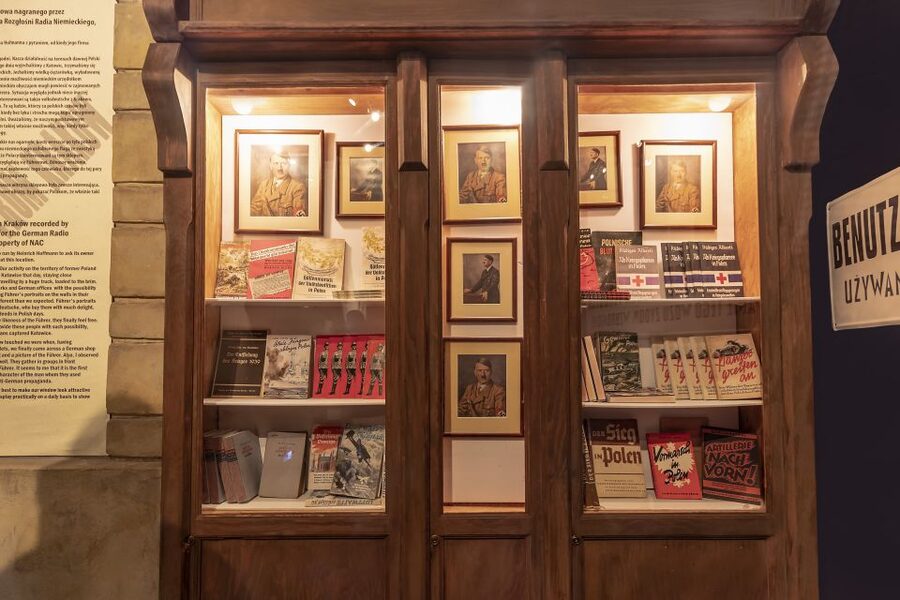
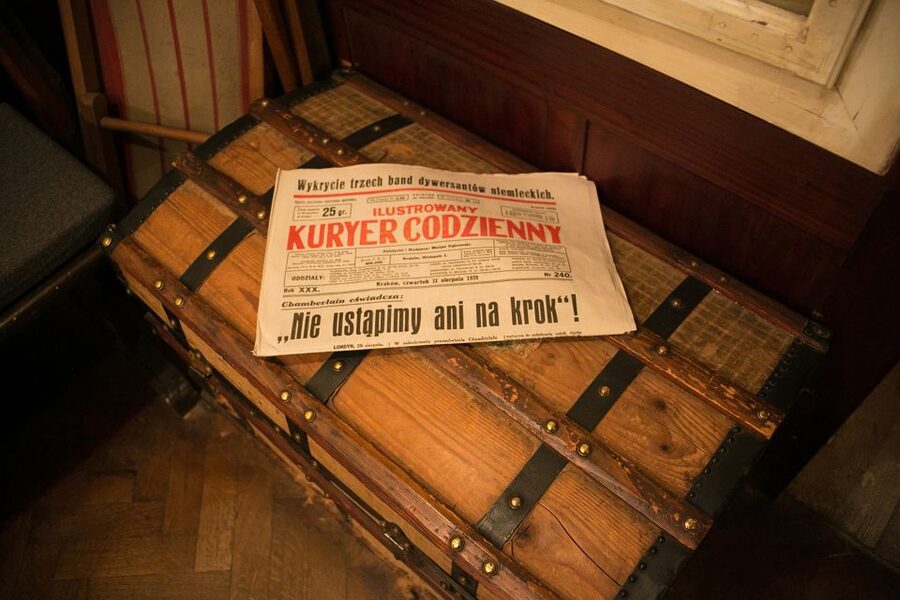
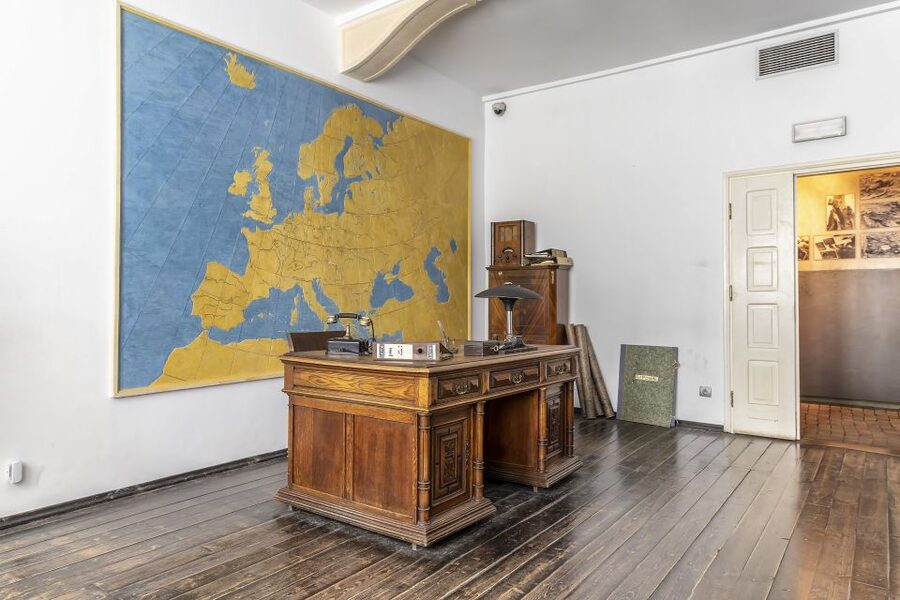
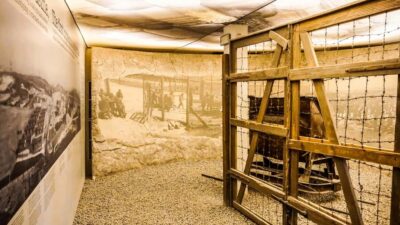
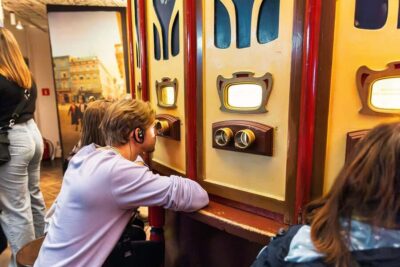
Inside, the museum uses interactive exhibitions to explain Krakow during the occupation. The focus is wider than Schindler himself. You learn about the city, the Jewish ghetto, and the effect of war on everyday life. That wider approach is important because it avoids turning the whole story into a single heroic biography.
Schindler’s name draws many people to this museum, but the stronger reason to visit is the way the exhibition connects personal experience with larger events. The tour asks you to think about where people lived, how they were displaced, and how official decisions changed the rhythm of ordinary life.
You should expect the guide to lead the interpretation rather than simply point out objects. A good guide can explain why a document, room, or display matters and connect it to the next stop. Paulina is singled out for being both friendly and informative, which is exactly the mix you want for a subject that needs care as well as facts.
Seeing the ghetto through surviving fragments
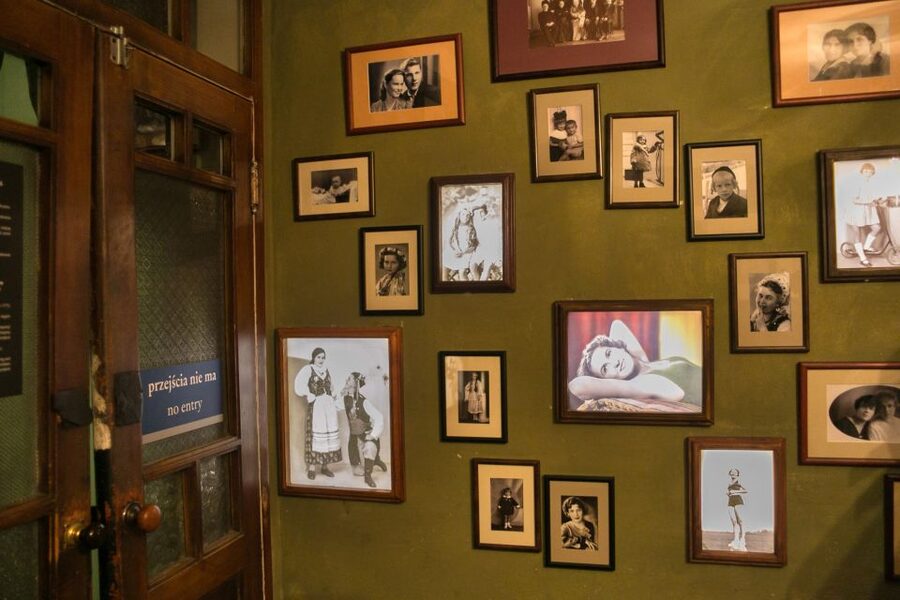
After the museum, the experience moves into the city and its former ghetto area. You walk past buildings where thousands of displaced Jewish people once lived. These structures are not just background scenery. They help show the cramped reality behind the word ghetto.
This part of the route is valuable because the history is connected to streets and buildings rather than kept behind glass. You can look at the urban setting and understand that the ghetto was a lived-in district, with families forced into a restricted area under brutal conditions.
The remaining sections of the ghetto wall are another key stop. Only pieces survive, but that is enough to make the boundary visible. A written description can sound abstract. A section of wall gives you a physical sense of enclosure, separation, and control.
Do not expect a large monument or a complete preserved district. The wall fragments are limited, and the surrounding city has changed. That can be a drawback if you want an untouched historical setting. Their value comes from what the guide adds: the fragments become evidence within a larger story, not a full attraction by themselves.
The walking route also helps you notice the contrast between present-day Krakow and the wartime past. You continue through an ordinary urban environment while learning about forced displacement and persecution. That contrast can be uncomfortable, but it is part of what makes the stop meaningful.
The move from ghetto to Płaszów Camp
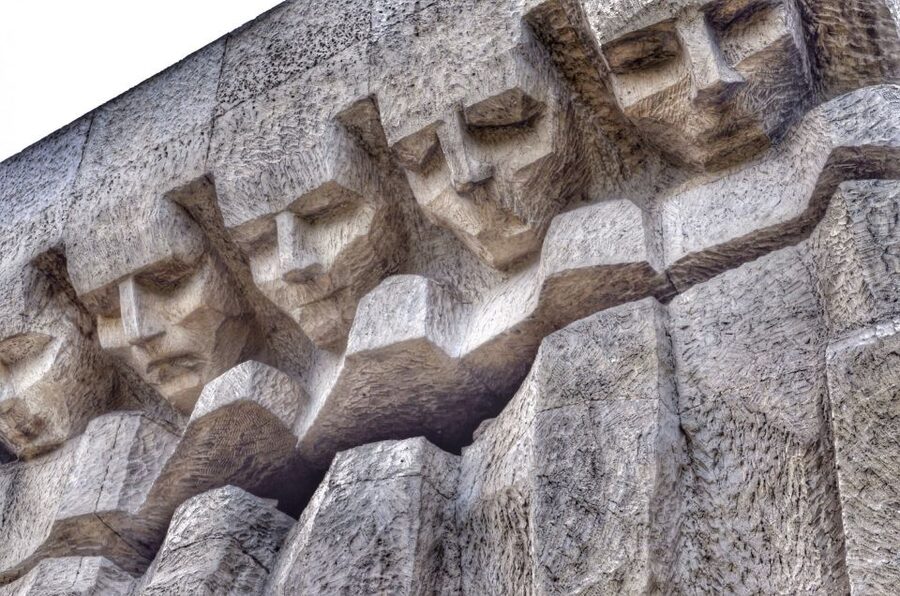
The tour then continues to the former Kraków-Płaszów concentration camp. This change in setting is important. The museum and ghetto stops show occupation within the city. Płaszów shows how the system moved people out of their homes and into a camp environment.
The camp visit takes place outdoors, so conditions matter. Comfortable shoes are essential, and weather-appropriate clothing is not optional advice. Rain, cold, heat, or uneven ground can change how you experience the final part of a five-hour tour.
The site does not function like a traditional indoor museum. You are visiting a former camp area and listening to the guide explain what happened there. That means you should not expect a large exhibition hall, a long list of preserved interiors, or a tightly controlled museum route.
This outdoor quality can feel less immediate than the museum, but it also leaves room for reflection. You are not moving from one display case to another. You are standing in a place connected to the camp system, with the guide helping you understand its role.
The guide at Płaszów receives particular praise for explaining the site accurately and treating the visit with kindness. That detail matters. The camp is the point where clear explanation and a respectful tone are most important. You want facts, but you also want the guide to understand that this is a place of suffering, not simply another sightseeing stop.
More Jewish heritage tours in Kraków:
- Krakow: Schindler’s Factory & Ghetto Guided Tour
★ 4.7 · 1,694 reviews - Krakow: Jewish Quarter and Former Ghetto Tour
★ 4.9 · 1,441 reviews - Krakow: Bike Tour of Old Town, Jewish Quarter and the Ghetto
★ 4.9 · 1,155 reviews - Krakow: Kazimierz Jewish Quarter Walking Tour
★ 4.8 · 571 reviews
What the guide adds to a difficult subject
The tour is conducted in English with a live guide. That is a major part of its value. You are not simply being transported between three historical points. You are given a sequence that links the museum, ghetto, and camp.
I would pay close attention to how the guide explains everyday life. The supplied description specifically highlights the realities of life in Krakow and the Jewish ghetto during occupation. That focus can make the subject more understandable than a tour that lists dates and political events without showing their effect on people.
The strongest praise is directed at the guides. Paulina is described as friendly and informative, while the Płaszów guide is praised for explaining everything accurately and clearly. Another short review simply gives the guides five stars. Since only three reviews are available, you should not treat the 4.7 rating as a large statistical guarantee. Still, the comments point to a consistent strength: the people leading the tour.
A guide also helps when the subject raises difficult questions. You can listen to the explanation in context rather than trying to work out how each place connects on your own. That is especially useful at Płaszów, where the physical remains may not explain themselves.
Five hours, transport, and the real cost
The listed price is $75 per person. I see that as reasonable if you want the museum admission, a live English-speaking guide, and a linked visit to several sites without building the route yourself.
The value is not just the ticket. You are paying for interpretation and for the time needed to connect locations that present different parts of Krakow’s wartime experience. A self-guided visit may cost less, but you would need to arrange the museum entry, research the route, and find enough context to connect the ghetto with Płaszów.
The price does not cover a tram ticket, which costs about 4 PLN, or food and drinks. Keep a little extra money available for transport and bring water or a small snack if you need one. The tour lasts five hours, so starting without food may be a mistake.
Starting times vary. You need to check availability for the date you want, rather than assume that the tour runs at a fixed hour. The meeting and ending point are the same, which makes the return simple.
The activity allows free cancellation up to 24 hours before the start for a full refund. You can also reserve now and pay later. Those options are useful if your Krakow schedule is still shifting, but the main decision is still whether you want to give five hours to a serious historical tour.
Who will appreciate this experience most
I would recommend it to you if you want a guided explanation of Krakow’s wartime sites and prefer a connected story to isolated visits. It suits history-focused visitors, people interested in Jewish heritage, and anyone who wants to understand how occupation affected both the city and its residents.
It is also a good choice if you have limited time in Krakow but want more than the central sights. The tour gathers several important locations into one half-day program. You do not have to spend a separate day researching how to reach the museum, ghetto remains, and Płaszów.
You should think twice if you dislike long walks, outdoor memorial sites, or emotionally heavy subjects. The five-hour duration is not a quick add-on between lunch and another attraction. The weather can also make the Płaszów section harder.
Families should consider the age and temperament of their children. The information provided does not give a minimum age or a child-specific format, so you would need to decide if your group is ready for the subject matter and length.
Small practical choices that improve the day
Wear shoes you can comfortably use for five hours. The tour includes museum time and movement through the city and an outdoor camp site, so style should take second place to support and comfort.
Dress for the forecast. Płaszów is an outdoor visit, and the tour continues even when the weather is less pleasant unless arrangements say otherwise. A light waterproof layer can be more useful than an umbrella in a walking group.
Arrive at the museum entrance with enough time to find the guide and the excursions.city sign. The meeting point is in front of the Oskar Schindler’s Enamel Factory museum, not simply somewhere in the wider neighborhood.
Bring money for the tram, since the roughly 4 PLN ticket is not included. Food and drinks are also your responsibility, so carry what you need for a five-hour activity.
Finally, leave mental space after the tour. The route deals with displacement, the ghetto, and a concentration camp. Scheduling a noisy attraction immediately afterward may not give you much time to process what you have seen.
Should you book Schindler’s Factory, Ghetto and Płaszów Camp?
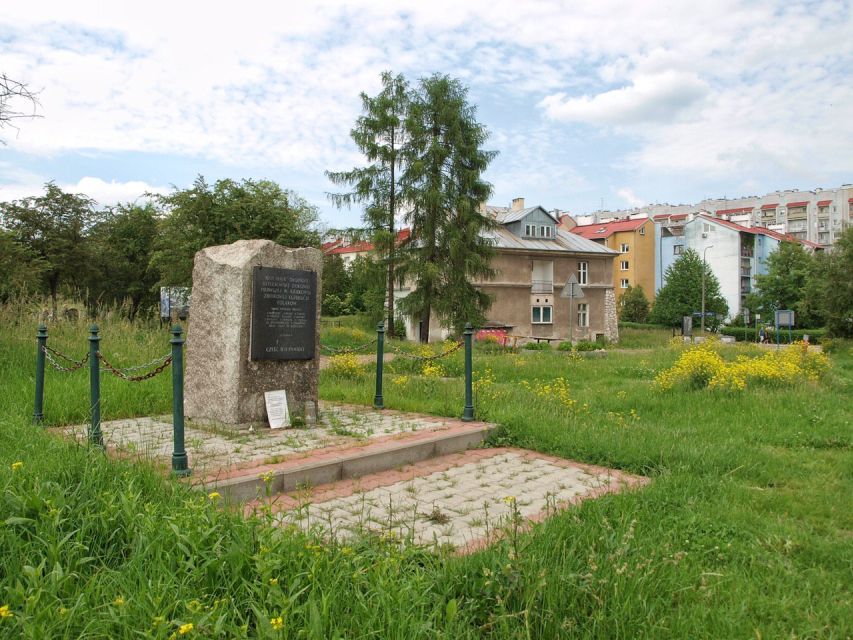
I would book this tour if you want Krakow’s occupation story explained by a guide who can connect indoor exhibits with real city locations and an outdoor camp site. The included museum ticket, skip-the-line entry, five-hour route, and strong praise for Paulina and the Płaszów guide make the $75 price defensible.
I would skip it if you are looking for a relaxed sightseeing trip or if five hours of difficult history feels too much for your schedule. This experience asks for attention and comfortable walking shoes, but it gives you something a quick museum visit cannot: a clearer link between Schindler’s Factory, the ghetto, and Płaszów.
FAQ
How long does the tour last?
The tour lasts five hours. Check availability for the exact starting time on your chosen date.
What language is the tour conducted in?
The live guided tour is conducted in English.
Is admission to Schindler’s Factory included?
Yes. The entrance ticket to Schindler Factory Museum is included.
Where does the tour start?
You meet your guide in front of the entrance to the Oskar Schindler’s Enamel Factory museum.
How will I recognize the guide?
The guide will be holding an excursions.city sign.
Where does the tour end?
The activity ends back at the original meeting point.
Does the tour include the tram ticket?
No. A tram ticket costs about 4 PLN and is not included.
Are food and drinks included?
No. You need to arrange your own food and drinks.
What should I bring?
Bring comfortable shoes and clothing suitable for the weather.
Can I cancel the booking?
Yes. You can cancel up to 24 hours in advance for a full refund. You can also reserve now and pay later.
Just added around Kraków
- Rynek Underground Museum & Wawel Castle, Cathedral – Cracow★ 5.0 · 3 reviews
- Nowa Huta – a guided tour of a utopian socialist city★ 5.0 · 3 reviews
- Krakow: Kazimierz by Golf Cart and Schindler’s Factory Tour★ 4.8 · 3 reviews
- Private Krakow City Tour by Car and Walk with private tour guide★ 5.0 · 3 reviews
- Krakow: Jewish Traces Private Electric Car Tour★ 4.1 · 3 reviews
- Discover the Jewish Quarter with a Bike Tour★ 5.0 · 3 reviews
- Krakow: Indoor Go-Karting (24-Minute Races)★ 4.8 · 3 reviews
- Krakow: Guided Wawel Tour, Lunch, and Vistula River Cruise★ 4.8 · 3 reviews
Schindler Factory Tours, compared.
Oskar Schindler’s Factory Entry Ticket & Guided Tour
Read our review →
Schindler’s Factory Tour with Entrance Ticket
Read our review →
Schindler’s Factory Tour with Entrance Ticket
Read our review →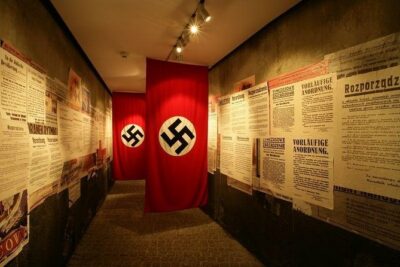
Schindler’s Factory in Krakow: Guided Tour & Skip the Line Ticket
Read our review →
Schindler’s Factory Ticket with Guided Tour Option
Read our review →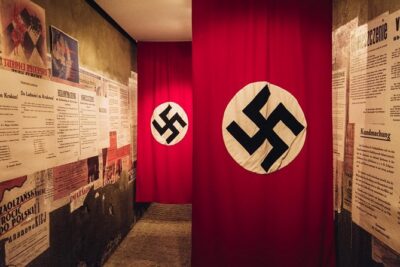
Krakow Schindler’s Factory Guided Tour with Admission Ticket
Read our review →Browse the lists this tour appears in