
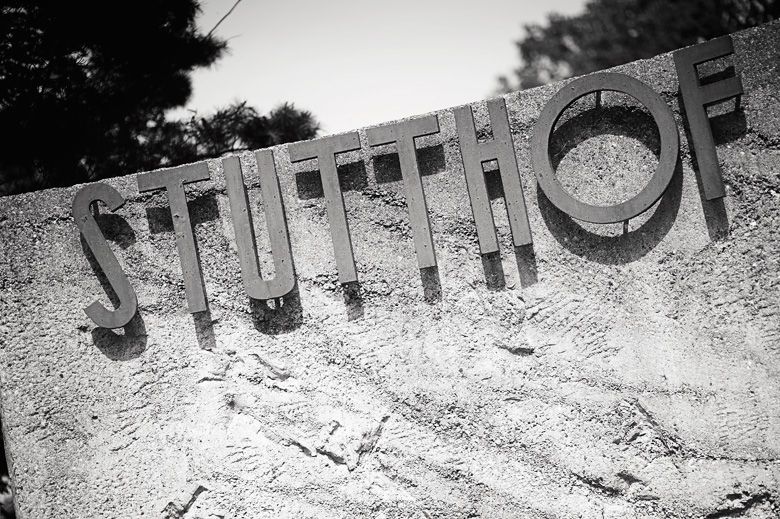
REVIEW · STUTTHOF MEMORIAL TOURS
Stutthof Concentration Camp Half-Day Private Tour
The past is impossible to ignore here. This private Stutthof tour combines door-to-door transport from Gdańsk with a careful visit to one of Poland’s most important memorial sites. I like the small-group format, which gives you room to ask questions, and I like that the tour covers both the camp grounds and the wider story of Nazi persecution in Pomerania. The main consideration is emotional: the gas chamber, crematorium, and stories of mass murder make this unsuitable for children under 13 and difficult for some adults.
You spend about five hours on the outing, including roughly an hour each way by van, two hours with a museum guide, and a short break. English, German, and Polish tours are available, and hotel pickup covers Gdańsk, Sopot, and Gdynia. The price of $461 per private group of up to three is not cheap, but it includes transport, parking, admission, and a private guide.
In This Review
- Key points to know before you go
- Why Stutthof matters in Pomeranian history
- The one-hour ride from Gdańsk
- Entering the old and new camp quarters
- The commander’s villa and the machinery of power
- Gas chamber and crematorium
- Paying respects at the victims’ monument
- A 30-minute break after the museum
- What the private price really buys you
- Guide quality and the benefit of a small group
- Who should book this Stutthof tour?
- Practical details that make the day easier
- Should you book it?
- FAQ
- Where does the Stutthof tour begin?
- How long does the full experience last?
- What is included in the price?
- What languages are available?
- How many people can join the private group?
- Is the tour suitable for children?
- Which places are visited at Stutthof?
- Can I cancel the booking?
Key points to know before you go
- Stutthof was the first Nazi concentration camp established on Polish territory, created in 1939.
- The five-hour trip includes pickup in Gdańsk, Sopot, or Gdynia, private transport, admission, and a private museum guide.
- You visit both the old and new camp areas, as well as the commander’s villa, gas chamber, crematorium, and victims’ monument.
- The private format is the strongest feature, especially if you want to ask questions or keep the pace quiet and personal.
- The subject matter is graphic and emotionally intense, so the museum recommends the experience for people aged 13 and above.
- The tour earns a 4.8 rating from 29 reviews, with especially strong praise for the guides, clean transport, and small-group setting.
Why Stutthof matters in Pomeranian history
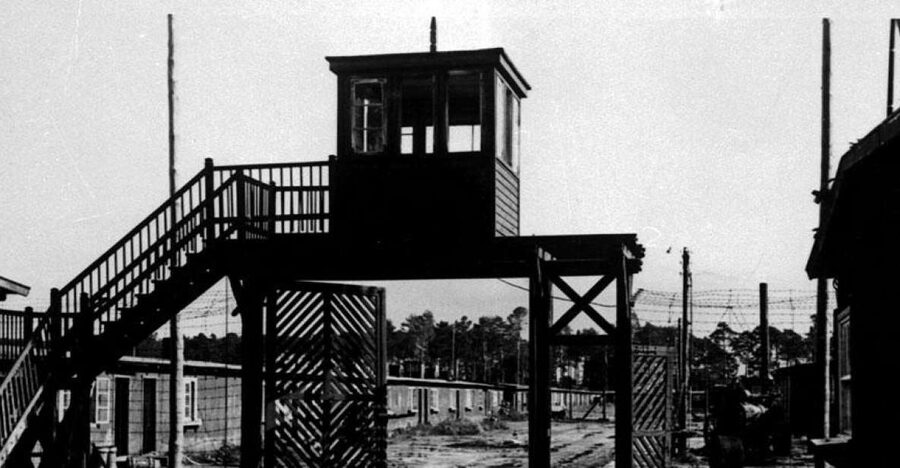
Stutthof was created in 1939, soon after Germany invaded Poland. It was the first Nazi concentration camp established on Polish territory and remained in operation longer than any other camp in occupied Poland.
At first, the camp was planned for about 3,000 prisoners. Its early targets included Jewish people and members of the Polish intelligentsia from Pomerania and the Free City of Gdańsk. The purpose soon expanded, and the camp became part of a much larger system of imprisonment, forced labor, starvation, torture, and killing.
More than 110,000 people from 26 countries passed through Stutthof. Many died from abuse, hunger, disease, exhausting labor, executions, or gassing. Knowing this before you arrive changes the way you see the site. You are not simply walking through old buildings. You are entering a place where administrative decisions became daily suffering for thousands of real people.
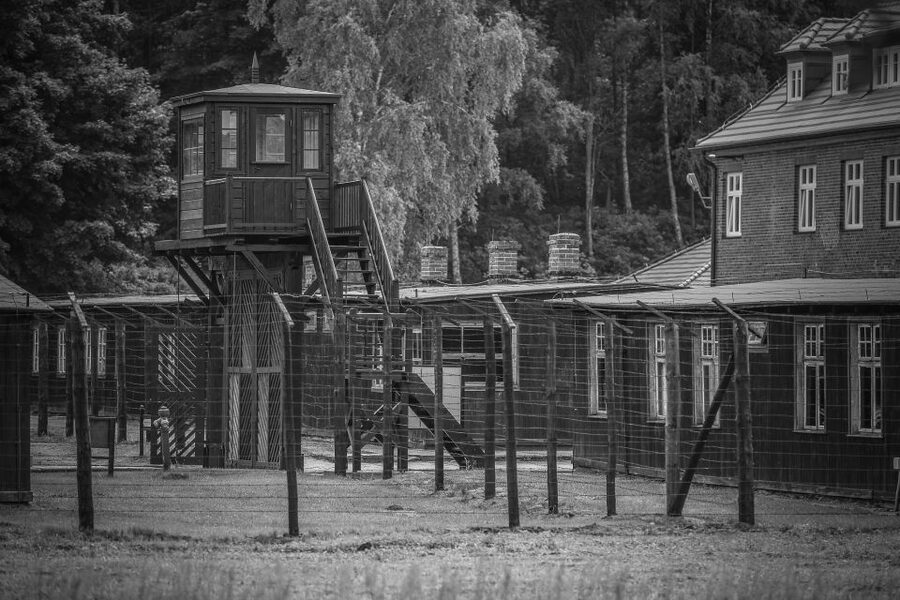
That context is one reason a private guide helps. The grounds can look quiet and ordinary at first. Clear explanation connects the buildings, fences, work areas, and memorials to the people who were held there.
More Stutthof memorial tours:
- Gdansk: Stutthof Concentration Camp Regular Tour
★ 4.7 · 361 reviews - Stutthof Concentration Camp English Tour with Gdansk Hotel pickup
★ 4.5 · 73 reviews - Stutthof Concentration Camp:Guided Tour with Transportation
★ 4.7 · 57 reviews
The one-hour ride from Gdańsk
Your pickup is available from a hotel or apartment in Gdańsk, Sopot, or Gdynia. The drive to Stutthof takes about one hour by van, followed by a similar return journey. Private transport saves you from arranging your own route to a museum outside the main city area, and it keeps the whole outing within a manageable half-day.
The drive also gives your guide time to explain the occupation of Pomerania and the setting of the camp. A particularly nice touch is the chance to hear about the surrounding area on the way there, rather than treating the ride as dead time. You may find this useful for understanding how the camp fitted into the region’s wartime story.
The vehicle is described as comfortable and well maintained. That matters more than it might sound. After a serious museum visit, a private ride lets you sit quietly on the way back instead of dealing with connections or a crowded public bus.
The main drawback is the time spent in transit. Of the roughly five hours, about two hours are spent driving. If you are looking for a longer museum visit with extensive time to read every panel, this schedule may feel tight. For a focused introduction to Stutthof from Gdańsk, however, the timing is sensible.
Entering the old and new camp quarters
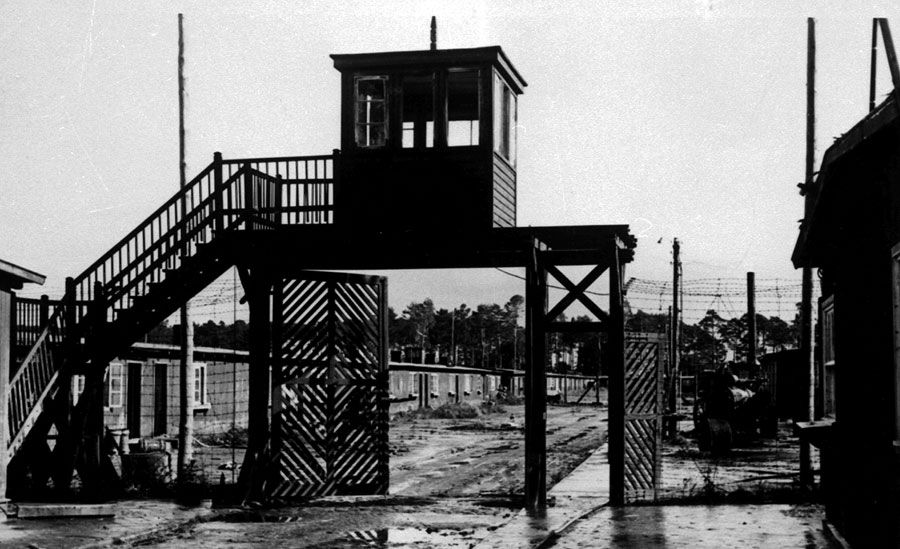
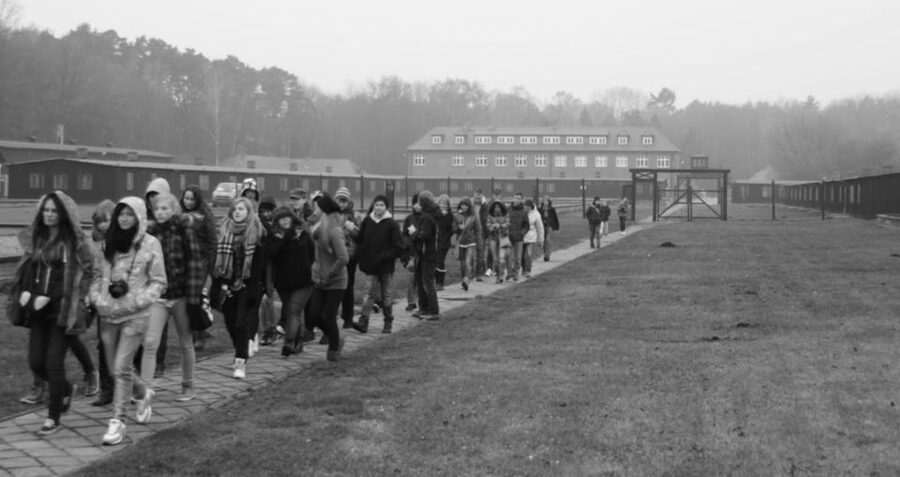
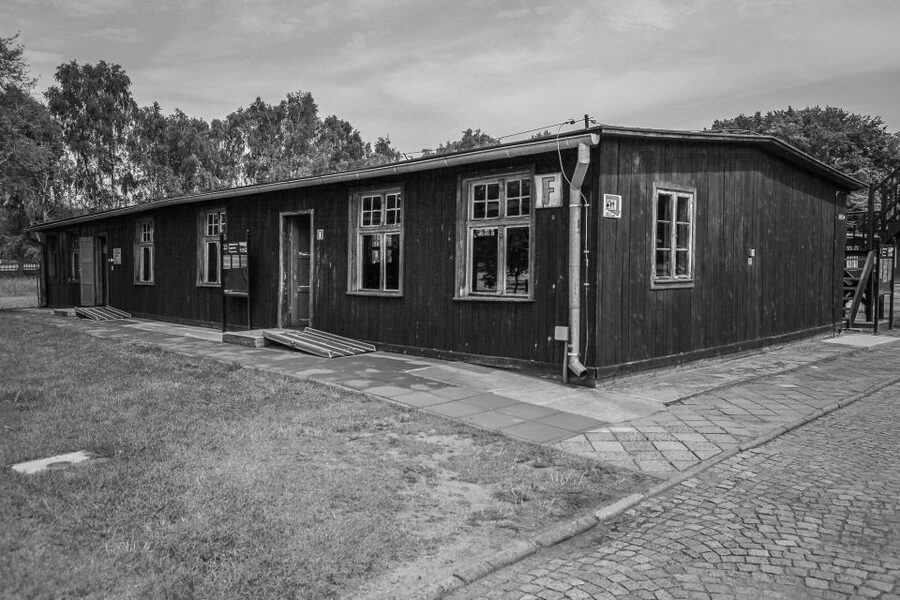
The guided visit at the Stutthof Museum lasts about two hours. This is the heart of the outing, and the guide leads you through the old and new camp quarters.
Seeing both areas helps you understand that Stutthof was not a single building or isolated prison block. It expanded over time as the prisoner population grew and the camp’s role changed. The division between older and newer quarters also shows how the site developed from its original plan into a much larger place of detention.
I would not rush this part. The value is in the guide’s explanation of what each area was used for and how the camp system operated. You may find that some details are easier to absorb when presented in a small group, since you can pause and ask for clarification rather than simply follow a large crowd.
The private format is especially helpful here. A small group can keep a respectful silence when needed, then ask direct questions when the guide finishes explaining a section. One Swedish visitor described a private group of four as a strong choice because it created a more personal feeling than a large tour. That is exactly the sort of setting this subject calls for.
The commander’s villa and the machinery of power
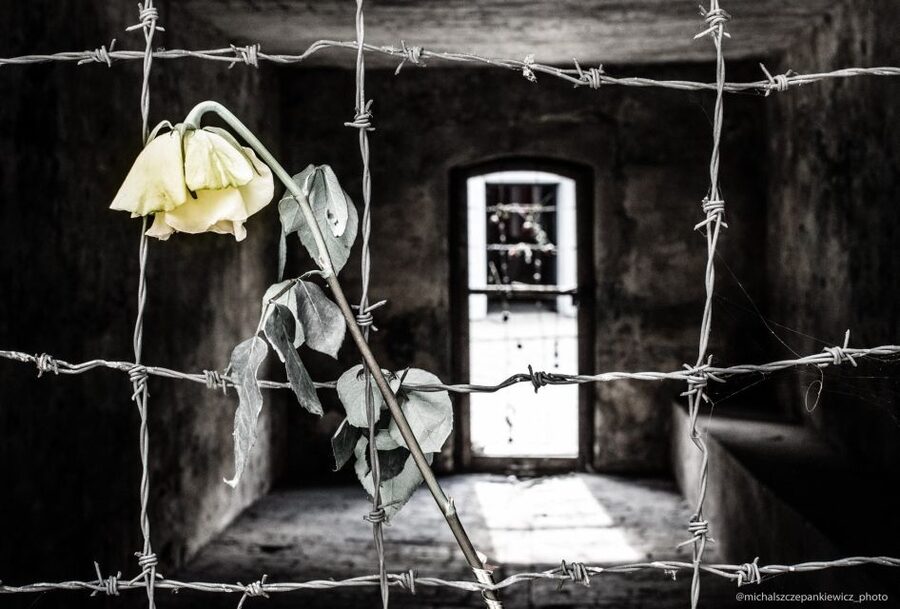
The commander’s villa is one of the tour’s most unsettling sights because of its ordinary appearance. It helps show the contrast between the lives of camp officials and the suffering imposed on prisoners nearby.
Your guide uses the building to explain the structure of authority at Stutthof. That is important. Concentration camps did not function through violence alone. They also depended on offices, orders, guards, records, routines, and people carrying out assigned tasks.
The villa adds a human scale to that system, though not a comforting one. You can better understand how cruelty became organized when you see both the places where prisoners were confined and the spaces occupied by those running the camp.
This is also an area where a guide’s tone matters. The strongest feedback about this tour focuses on the guides’ preparation, calm explanations, and ability to answer questions. One guide was praised for explaining the area during the drive, while the museum guide was singled out for giving clear background and making time for questions.
A few more Gdańsk trips worth weighing up
- Gdansk Old Town Half-Day Private Walking Tour
★ 4.9 · 62 reviews - From Gdansk: Malbork Castle Half-Day Private Tour
★ 4.8 · 29 reviews - Malbork Castle Half Day Private Tour
★ 5.0 · 8 reviews - From Krakow: Wieliczka Salt Mine Half-Day Guided Tour
★ 4.5 · 724 reviews
Gas chamber and crematorium
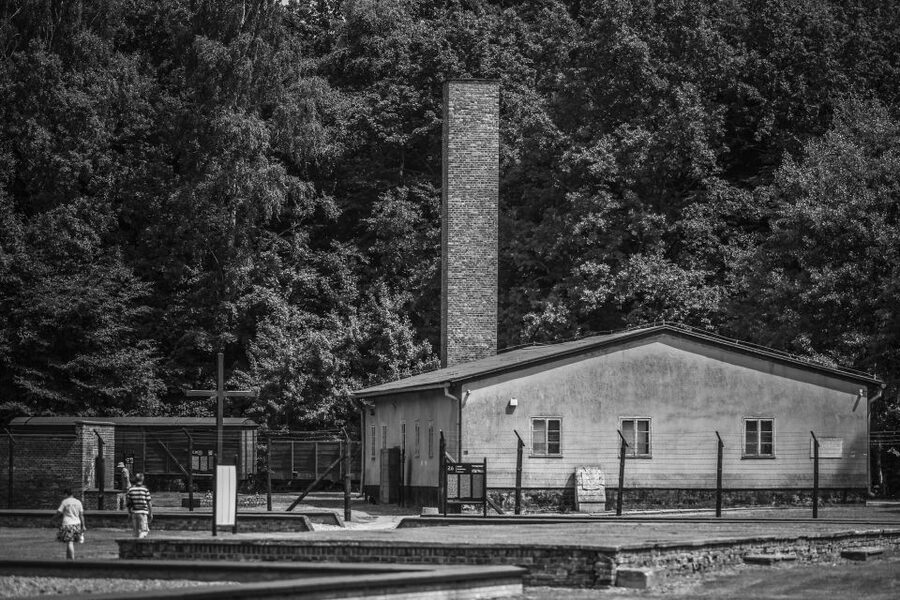
The gas chamber and crematorium are the most difficult parts of the visit. The tour includes both, along with an explanation of mass murder at Stutthof.
I want to be direct here: this is not a light historical excursion. The information can be graphic, and the site is intended for people aged 13 and above. Even adults who are prepared for the subject may find the visit upsetting.
That discomfort is also why the visit matters. The buildings give physical form to events that can otherwise seem distant or abstract. You are not being asked to watch a dramatic reenactment or follow a sensational presentation. You are being shown the places and told what happened there.
A private guide can help you control the pace of the conversation. If you need a moment of silence, the group is small enough for that to feel natural. If you have a serious historical question, you can ask it without worrying about taking up the time of a large party.
I would avoid scheduling this immediately before a cheerful, packed sightseeing plan. Give yourself some quiet time afterward. The tour includes a 30-minute break at Morska 32, but your emotional response may continue well beyond that pause.
Paying respects at the victims’ monument
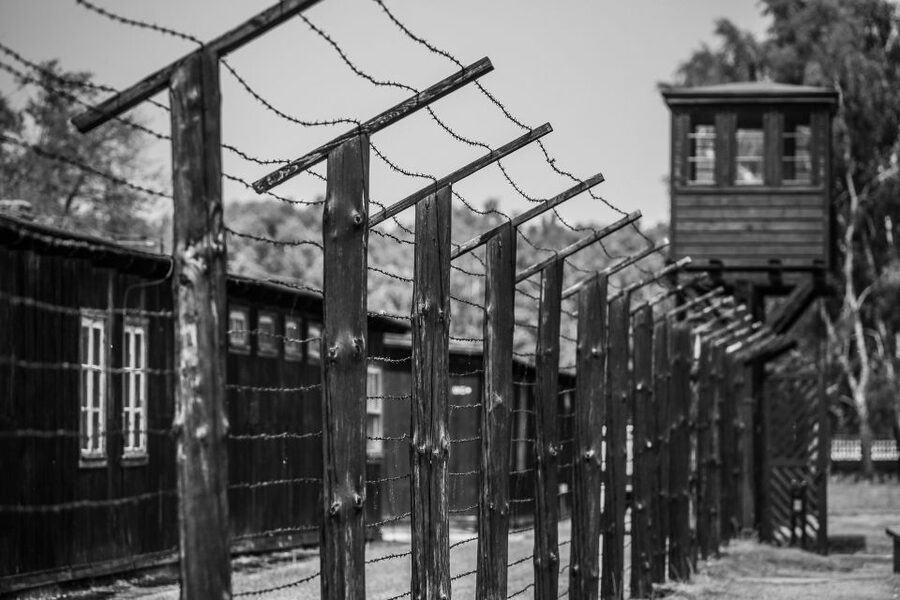
The visit to the monument to the camp victims provides a place to stop and reflect after the buildings and exhibits. It is not just another point on a route. It gives the tour a clear ending focused on the people who suffered and died here.
A good guide does more than list dates and names. The purpose of the memorial is to connect the facts to human lives without turning grief into a performance. The private setting helps preserve that tone.
You may find the monument especially meaningful if you have family connections to Poland, Pomerania, Jewish history, or the Polish resistance. You do not need a personal connection to benefit from the visit, though. The site asks you to consider how persecution took shape in one region and how quickly a prison camp grew into a place of mass death.
A 30-minute break after the museum
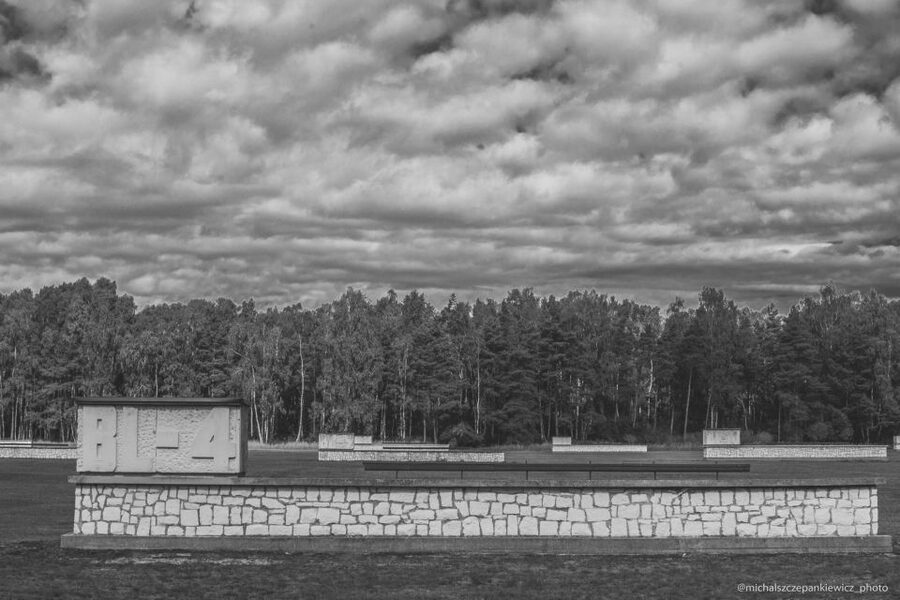
After the guided museum visit, the itinerary allows about 30 minutes at Morska 32. This is a practical pause after an intense two hours.
The break does not turn the outing into a relaxed food tour, and no meal is specified as included. Think of it as time to collect yourself, use the facilities if needed, and prepare for the ride back to Gdańsk.
Because the museum subject is so heavy, this short pause is useful. Still, you should not expect a long lunch or a separate sightseeing stop. The focus remains Stutthof.
What the private price really buys you
The listed price is $461 per group of up to three people. That works out to about $154 per person if three people share the booking. For one or two people, the per-person cost rises sharply.
The price includes private transport, a private museum guide, entrance tickets to the Stutthof Museum, and parking fees. You are paying for convenience as well as interpretation. There is no need to plan the route, arrange parking, buy museum admission separately, or find a way back after the visit.
The value is strongest when you care about personal attention. A larger group may offer a lower individual price, but a private tour gives you more freedom to ask questions about the occupation of Pomerania, the camp’s expansion, or the meaning of a particular building.
The price also makes more sense for three people sharing the vehicle. A couple might still prefer it for the comfort and privacy, especially if this is an important visit and you do not want to be part of a large group. Budget-minded visitors should compare the cost with other transport and guided options before booking.
Guide quality and the benefit of a small group
Guide quality is the most highly praised part of this experience. The available feedback repeatedly points to clear explanations, strong preparation, friendly service, and plenty of time for questions.
One Swedish booking described the driver as exceptionally pleasant and engaged, with useful information about the area on the journey. The museum guide was praised for explaining the background clearly and responding well to questions. Another small party highlighted the benefit of having a very informed guide who allowed space for questions as they arose.
The transport also receives positive attention. It is described as clean and fresh, which matters on a five-hour outing. A private driver and guide also reduce the small stresses that can distract from a memorial visit.
The group arrangement needs a little care when reading the price and practical details. The booking is private, with a maximum of three people at the stated rate, while one piece of feedback describes a group of six paying about 500 Swedish kronor per person. Confirm the exact group size and total price for your booking before you commit.
Who should book this Stutthof tour?
I would recommend this tour to you if you are staying in Gdańsk and want a serious, well-organized visit without arranging transport yourself. It suits people who value historical explanation, private discussion, and a quiet pace more than a low-cost day out.
It is also a good match for families with older teenagers, provided everyone understands the subject matter in advance. The museum recommends the experience for ages 13 and above, and I would take that guidance seriously.
This is less suitable if you want a cheerful half-day activity, a broad sightseeing route, or a long, leisurely museum visit. It is also not ideal for young children. The gas chamber, crematorium, and accounts of mass killing can be distressing.
The tour is available in English, German, and Polish. If language affects how comfortably you discuss difficult history, choose the option that lets you ask precise questions and follow explanations without strain.
Practical details that make the day easier
Pickup is available from hotels and apartments in Gdańsk, Sopot, and Gdynia. Give the exact pickup address when booking so the driver knows where to meet you.
The tour lasts approximately five hours, though the driving, guided visit, and break add up to about four and a half hours before small transition periods. Starting times depend on availability, so check the schedule before setting other plans for the day.
Admission to the Stutthof Museum is included. Parking is included as well, which removes two minor tasks from your list. An optional documentary screening about the camp’s history may also be available, but confirm whether it fits your chosen departure time.
Free cancellation is available up to 24 hours before the tour for a full refund. You can also reserve and pay later, which helps if your Gdańsk schedule is still changing.
Should you book it?
Book this Stutthof tour if you want a private, guided visit with transport from Gdańsk and enough personal attention for serious questions. The guides receive the strongest praise, and the clean vehicle, included admission, and parking make the day simple to arrange.
The price is high for one or two people, but reasonable for three people sharing the group rate. Most important, prepare yourself for an emotionally demanding visit. If you are ready to face the site with respect, this tour offers a focused way to understand Stutthof and the persecution that shaped Pomerania during the Nazi occupation.
FAQ
Where does the Stutthof tour begin?
Pickup is available from hotels or apartments in Gdańsk, Sopot, and Gdynia. You should provide your pickup address when booking.
How long does the full experience last?
The tour lasts approximately five hours. The journey to Stutthof takes about one hour, the guided museum visit lasts about two hours, and a 30-minute break is included before returning to Gdańsk.
What is included in the price?
The price includes private transport, a private museum guide, entrance tickets to the Stutthof Concentration Camp Museum, and parking fees.
What languages are available?
The tour is available with a live guide in English, German, or Polish.
How many people can join the private group?
The listed price of $461 applies to a private group of up to three people.
Is the tour suitable for children?
The experience is not suitable for children under 13. The museum and tour include graphic and emotionally intense material about imprisonment, torture, starvation, executions, gas chambers, and mass murder.
Which places are visited at Stutthof?
The guided visit includes the old and new camp quarters, the commander’s villa, the gas chamber, the crematorium, and the monument to the camp victims.
Can I cancel the booking?
You can cancel up to 24 hours in advance for a full refund. The tour also offers a reserve-now, pay-later option.
Just added around Gdańsk
- Gdańsk: Boat Cruise from Gdańsk Old Town to Sopot Marina★ 4.4 · 3 reviews
- Stutthof Concentration Camp and Museum of WWII: Private Tour★ 4.7 · 3 reviews
- Gdansk: Bubble Football with Hotel Transfers★ 5.0 · 3 reviews
- Gdansk: Oliwa Zoo with Tickets and Roundtrip Transportation★ 5.0 · 3 reviews
- Segway Tour Gdańsk: Shipyard Tour – 1,5-Hour of Magic!★ 5.0 · 3 reviews
- Gdansk: Escape Room Adventure★ 4.0 · 3 reviews
- Gdańsk : Catamaran River Cruise (group)★ 4.3 · 3 reviews
- Artus Court and Gdansk Old Town Private Tour with Tickets★ 4.7 · 3 reviews
Stutthof Memorial Tours, compared.
Stutthof Concentration Camp English Tour with Gdansk Hotel pickup
Read our review →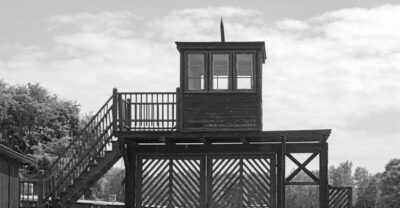
Stutthof Concentration Camp:Guided Tour with Transportation
Read our review →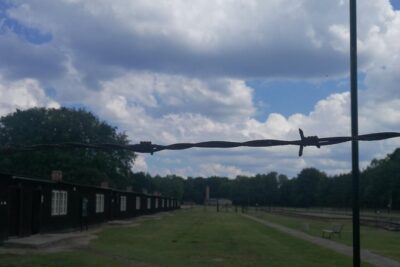
Stutthof Concentration Camp tour including transfer from Gdansk
Read our review →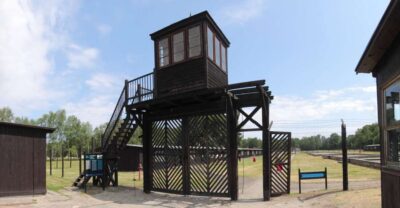
Private transportation to the Stutthof Concentration Camp 4h
Read our review →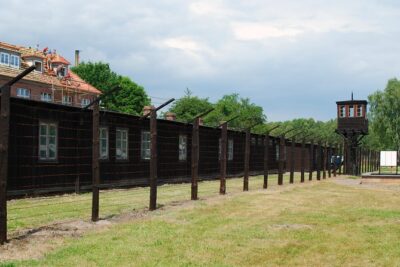
Stutthof Concentration Camp: Private Guided Tour with Transport
Read our review →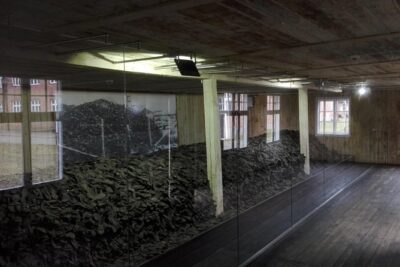
Stutthof Concentration Camp Regular Tour from Gdansk
Read our review →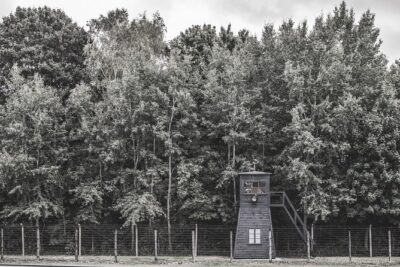
Stutthof Concentration Camp Private Tour from Gdansk
Read our review →Browse the lists this tour appears in