
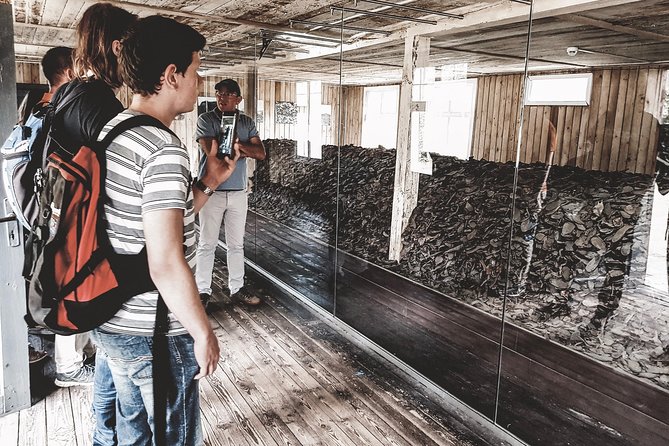
REVIEW · STUTTHOF MEMORIAL TOURS
Stutthof Concentration Camp English Tour with Gdansk Hotel pickup
Some places ask for silence before words. Stutthof offers a serious look at one of Poland’s most painful World War II sites, with hotel pickup, an English-speaking driver, and a guided visit inside the former camp. I like the door-to-door transport and the chance to learn from an official museum guide rather than trying to understand the site alone. I also like the short documentary at the start, which helps prepare you for what you are about to see.
The main drawback is time. The tour lasts about four to five hours, but the two-hour camp visit can feel tightly managed, leaving some people only 15 to 30 minutes to look around alone. If you want long, quiet periods with the displays, this may feel rushed. Wear warm clothes and sturdy shoes, since the site involves a good deal of walking and can be especially demanding in winter.
In This Review
- Key points to know before booking
- Why Stutthof is worth the half-day from Gdansk
- Hotel pickup makes the morning easy
- The drive from Gdansk to Sztutowo
- The documentary prepares you for the visit
- What happens during the two-hour camp visit
- The biggest weakness: not enough time alone
- What to wear and bring
- Is $147.23 a fair price?
- Who should book this experience?
- Booking and cancellation details
- My verdict on the Stutthof tour
- FAQ
- Where does the Stutthof tour begin?
- What time does pickup take place?
- How long does the complete tour last?
- How long is the guided visit at Stutthof?
- Is the tour conducted in English?
- Is transportation included?
- Can I be picked up in Sopot?
- Are meals and drinks included?
- Can I cancel for a full refund?
Key points to know before booking
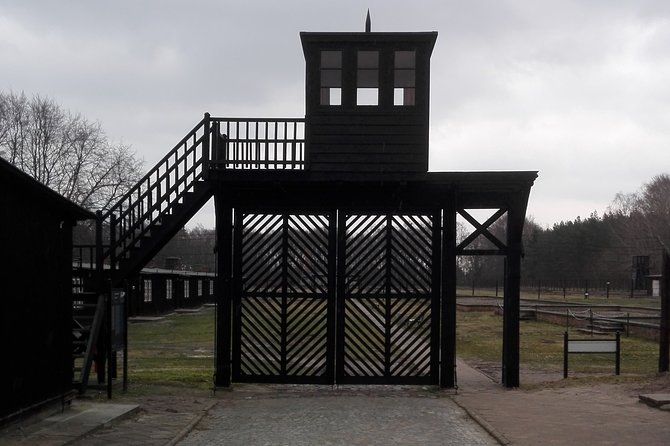
- Hotel pickup throughout Gdansk: You can usually begin at your accommodation instead of finding a city meeting point.
- Around 45 to 50 minutes each way: The drive makes Stutthof practical as a half-day visit from Gdansk.
- Two-hour guided visit: An English-speaking museum guide leads you through the camp and its major rooms.
- The pace may be brisk: Some people have had little time afterward to read displays or reflect alone.
- Maximum group size of 24: This is not necessarily a private tour, although some departures may feel smaller.
- A serious, emotional subject: This suits people who want a respectful history visit, not a light sightseeing outing.
Why Stutthof is worth the half-day from Gdansk
Stutthof is the first concentration camp in Poland, and visiting it gives you a direct connection to the wartime history of the region around Gdansk. The site is not presented as a casual attraction. You walk through a place preserved to explain what happened there, with original buildings, displays, and memorial spaces shaping the experience.
I would choose this tour if you want to visit Stutthof but do not want to work out the journey by local bus. The direct ride removes a layer of planning, especially if you are staying outside the central part of Gdansk or are unsure about transport connections.
The subject matter is grim. You will encounter the camp grounds, barracks, exhibitions, and references to the camp’s most brutal facilities, including the chamber and ovens mentioned by visitors. The point is not to collect dramatic photographs. It is to understand how prisoners were held and treated, and to remember the people who died there.
That makes the English guide important. A good guide can explain the daily operation of the camp and connect individual rooms to the wider story. Guides named in feedback include Marek, Michael, Tomas, Thomas, Anya, and others. Their quality appears to vary by departure, but several are praised for being respectful, clear, and deeply committed to the subject.
More Stutthof memorial tours:
- Gdansk: Stutthof Concentration Camp Regular Tour
★ 4.7 · 361 reviews - Stutthof Concentration Camp:Guided Tour with Transportation
★ 4.7 · 57 reviews - Stutthof Concentration Camp tour including transfer from Gdansk
★ 5.0 · 34 reviews
Hotel pickup makes the morning easy
Pickup is offered from hotels and accommodations across Gdansk. The stated pickup window is between 7:30 and 9:00 in the morning, with the exact time confirmed the day before. The booking information also gives an 8:00 start time, so you should keep your morning free rather than planning around a precise departure until the final pickup message arrives.
This is one of the strongest parts of the experience. You do not need to cross the city early in the morning to find a bus. The driver comes to your accommodation, and the return is normally to the same place or to one of several central drop-off points.
If your accommodation is not on the company’s regular pickup list, provide the full address when booking. The operator will check if the vehicle can reach it. A pickup from the Shakespeare Theater is also available as a meeting-point option.
Sopot may be possible, but it needs to be requested and comes at an additional cost. Do not assume the standard Gdansk price includes pickup there.
The vehicle is air-conditioned, and the group limit is 24 people. That is small enough to keep the transfer manageable, though it does not guarantee an intimate museum visit. The driver also handles the practical side of the day, including admission arrangements and the return journey.
The drive from Gdansk to Sztutowo
The ride to Stutthof generally takes about 45 to 50 minutes, according to the timing described by people on the tour. This gives you a useful transition from modern Gdansk to a place tied to the region’s wartime past.
The driver is not simply silent transport. Drivers such as Christopher and Simon are praised for speaking good English, answering questions, and pointing out places of interest along the way. One driver used the journey to discuss older local history as well as the places passed on the road.
That extra commentary can add real value. You begin the visit with some sense of the area rather than arriving cold at the museum entrance. Still, the driver is not the main historian for the camp itself. The formal camp tour is led by a museum guide once you arrive.
The return journey is also included, so you are not left arranging a taxi or checking bus times after an emotionally tiring visit. For many people, that convenience is worth a large part of the price.
The documentary prepares you for the visit
A short documentary film is shown at the beginning of the experience. This is a useful feature because Stutthof is not a place you want to approach without context.
The film gives you a basic framework before you begin walking through the grounds. It can help you understand the camp’s purpose, the people imprisoned there, and the significance of the buildings and exhibits that follow.
Do not expect the documentary to replace the guided visit. It is an introduction, not a full lesson. Its real value is practical: you arrive at the first buildings with some idea of what you are seeing and why the site matters.
Because the subject is difficult, this opening also gives you a moment to adjust emotionally. A concentration camp visit can feel abrupt if you move directly from a cheerful holiday morning into the camp’s displays. The film helps mark that change.
A few more Gdańsk trips worth weighing up
- Gdansk: City Cruise on Historical Polish Boat
★ 4.8 · 2,913 reviews - Gdańsk: Sunset Cruise on a Historic Polish Boat
★ 4.9 · 977 reviews - Gdańsk City Sights & History Guided Walking Tour in English
★ 4.8 · 876 reviews - Gdansk: Firearm Shooting Experience with Instructor
★ 4.8 · 866 reviews
What happens during the two-hour camp visit
The main visit lasts about two hours. An English-speaking museum guide leads you through important parts of the camp, including significant rooms and the museum displays.
Expect plenty of walking. The site is not experienced from one indoor building. You move between outdoor areas and preserved structures, so the weather matters. A winter visit in heavy snow can make the place feel even more stark, but it also makes warm clothing and proper footwear essential.
The guide’s role is to explain the place as you move through it. The strongest guides bring together the physical evidence and the human story. Michael is praised for explaining the camp, its prisoners, and its leaders clearly. Marek is described as highly informed about the site and effective at explaining its history. Other visitors found guides such as Anya and Tomas warm, respectful, and engaging.
English ability is not identical on every departure. One person found the guide’s English difficult and the presentation too repetitive. That appears to be an exception among the many positive accounts, but it is a fair reminder that a guided tour depends heavily on the individual assigned that day.
The museum also has information boards in English. This matters because you are not relying entirely on spoken commentary. If you miss a detail, the displays give you another way to follow the story.
The best approach is to listen closely but also keep your eyes moving. Notice the buildings, the arrangement of the grounds, and the objects in the exhibitions. The place itself carries much of the meaning, while the guide supplies context that you would not get from a quick walk around.
The biggest weakness: not enough time alone
The most consistent concern is the lack of independent time after the guided portion. The official description promises free time after the visit, but the amount can be limited. Some people had about 30 minutes. Others describe only 15 minutes before the vehicle left.
That may be enough to use the toilets, gather yourself, and glance at a few displays. It is not enough for everyone to reread all the information boards, revisit buildings, take photographs, and think quietly about what they have seen.
This is especially important if you prefer museums at your own pace. You may find the guide’s route useful but fast. One person felt unable to read or absorb the information before the group moved on. Another said the guide covered the main areas well but wished for 45 minutes to an hour and a half alone afterward.
I would not book this tour expecting an open-ended museum day. It is a guided introduction with transport, not a full-day research visit. The fixed schedule is part of what keeps the tour within four to five hours, but it limits your freedom.
If the guide moves too quickly, try to stay near the front of the group and ask when there will be a pause. You can also use the short free period at the end for the display or area that mattered most to you. The museum sets the schedule for its guides, so the driver and tour company may have little control over the pace inside.
What to wear and bring
This is a practical visit, and comfort affects how much you take in.
Wear comfortable shoes with good support. The walking can be tiring, and winter conditions may include heavy snow. Dress warmly in cold weather, since part of the tour takes place outdoors and the buildings may not feel warm.
A small bag with water is sensible, but meals and drinks are not included. The tour does not promise a full meal stop, so eat before pickup if you need breakfast. Keep your schedule flexible after the visit, since the emotional weight of the site may make you want a quiet afternoon rather than another packed activity.
Families should consider the physical layout before booking. Strollers are not permitted in most buildings, so a child carrier is a better choice for a small child. The tour is open to most people, but the amount of walking and the seriousness of the subject make it a better fit for older children and adults who can engage with the material.
Is $147.23 a fair price?
At $147.23 per person, this is not the cheapest way to reach Stutthof. The local bus is described as the budget option, so anyone focused mainly on saving money should compare that route before booking.
The price pays for more than admission. It includes hotel pickup, return transport, an air-conditioned vehicle, taxes and fees, insurance, the English-speaking guide, the documentary, and the extended two-hour visit. You are also paying for simplicity. There is no need to navigate public transport, locate the museum on your own, or arrange a return after a demanding visit.
For a couple or small group, the direct service can be worth the added cost. The driver commentary is another benefit, especially if you want to learn about the surrounding area during the journey. If you are confident using local transport and want to spend several extra hours at the museum, the cheaper independent option may suit you better.
The value depends on your priorities. Convenience and guided context are the selling points, not unlimited time at the site.
Who should book this experience?
I would recommend it to you if:
- You are staying in Gdansk and want a straightforward half-day visit.
- You prefer hotel pickup to figuring out local transport.
- You want an English-speaking guide at the camp.
- You have a serious interest in World War II history.
- You value transport and structure more than spending a long time alone in the museum.
- You are comfortable with an emotionally heavy experience.
I would hesitate if you need a slow, self-guided museum visit. The limited free time is a real issue, especially for readers who like to study every caption or revisit a room after hearing the guide’s explanation.
It is also worth thinking about the timing of your wider Gdansk trip. Do not place this tour immediately before a special evening if you know difficult historical visits affect your mood. The experience is respectful, but it is not light.
Booking and cancellation details
Confirmation is provided when you book. The tour requires a minimum number of participants, and if that minimum is not reached, you may be offered another date or experience, or receive a full refund.
You can cancel for a full refund up to 24 hours before the start time. Cancellations and changes made less than 24 hours before departure are not accepted for a refund. The cutoff follows local time.
Keep an eye out for the final pickup message the day before. That is when you should receive the exact time, particularly because the morning pickup range is broad.
My verdict on the Stutthof tour
I would book this tour if I wanted a well-organized, guided visit from Gdansk and did not want to handle the transport myself. The pickup service is convenient, the drivers often add useful local context, and the museum guides can make a difficult site easier to understand.
I would book it with one clear expectation: the two-hour visit is structured and may move quickly. You will probably see the key areas, but you may not have much time afterward to read every display in peace.
For a first visit to a concentration camp, this is a practical and respectful choice. For a detailed, slow study of Stutthof, look for a longer arrangement. Either way, come prepared for a quiet, serious day. This is a place to learn, remember, and give the subject the attention it deserves.
FAQ
Where does the Stutthof tour begin?
Pickup is offered from hotels and accommodations throughout Gdansk. There is also an option to meet at the Shakespeare Theater.
What time does pickup take place?
Pickups are scheduled between 7:30 and 9:00 in the morning. The exact time is confirmed the day before, although the listed start time is 8:00.
How long does the complete tour last?
The full experience takes approximately four to five hours, including transportation from Gdansk, the visit, and the return journey.
How long is the guided visit at Stutthof?
The included guided visit is scheduled for two hours.
Is the tour conducted in English?
Yes. An English-speaking driver provides the transfer, and an English-speaking guide leads the visit at the camp.
Is transportation included?
Yes. An air-conditioned vehicle provides pickup and drop-off. You can usually return to your pickup location or use a designated drop-off point in central Gdansk.
Can I be picked up in Sopot?
Pickup from Sopot may be possible if requested, but it involves an additional cost.
Are meals and drinks included?
No. Meals and drinks are not included in the price.
Can I cancel for a full refund?
Yes. You can cancel at least 24 hours before the experience starts for a full refund. Cancellations or changes made less than 24 hours before the start time are not accepted for a refund.
Just added around Gdańsk
- Gdańsk: Boat Cruise from Gdańsk Old Town to Sopot Marina★ 4.4 · 3 reviews
- Stutthof Concentration Camp and Museum of WWII: Private Tour★ 4.7 · 3 reviews
- Gdansk: Bubble Football with Hotel Transfers★ 5.0 · 3 reviews
- Gdansk: Oliwa Zoo with Tickets and Roundtrip Transportation★ 5.0 · 3 reviews
- Segway Tour Gdańsk: Shipyard Tour – 1,5-Hour of Magic!★ 5.0 · 3 reviews
- Gdansk: Escape Room Adventure★ 4.0 · 3 reviews
- Gdańsk : Catamaran River Cruise (group)★ 4.3 · 3 reviews
- Artus Court and Gdansk Old Town Private Tour with Tickets★ 4.7 · 3 reviews
Stutthof Memorial Tours, compared.
Stutthof Concentration Camp:Guided Tour with Transportation
Read our review →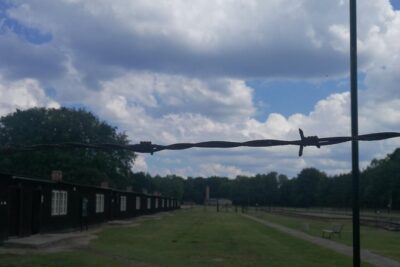
Stutthof Concentration Camp tour including transfer from Gdansk
Read our review →
Stutthof Concentration Camp Half-Day Private Tour
Read our review →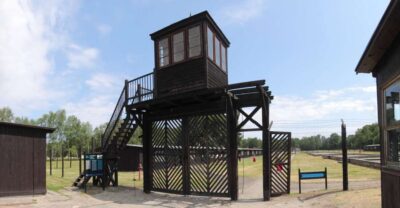
Private transportation to the Stutthof Concentration Camp 4h
Read our review →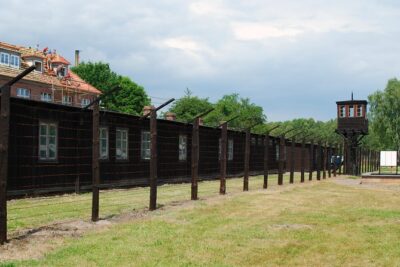
Stutthof Concentration Camp: Private Guided Tour with Transport
Read our review →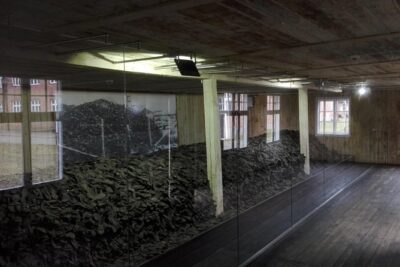
Stutthof Concentration Camp Regular Tour from Gdansk
Read our review →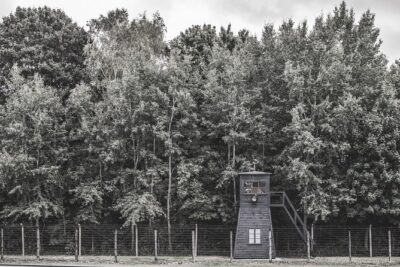
Stutthof Concentration Camp Private Tour from Gdansk
Read our review →Browse the lists this tour appears in