
REVIEW · POLISH FOOD TOURS
Warsaw: 4-Hour Polish Food Tour
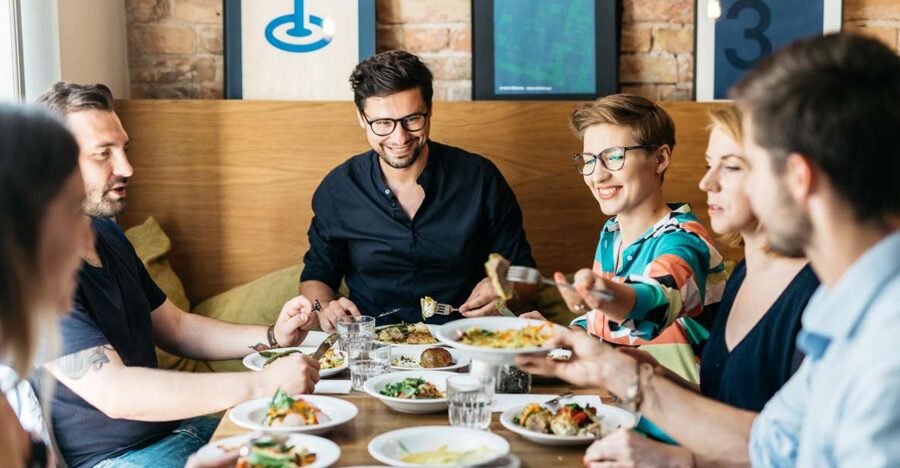
Pierogi are only the opening act. This four-hour Warsaw food tour moves beyond the familiar dumpling and introduces you to Polish cheeses, soups, pork dishes, desserts, food customs, and the stories behind them. I like the small group of up to eight and the plan to visit four to six carefully chosen places rather than sit in one restaurant all afternoon.
I also like that the tour serves about ten tastings, enough for the equivalent of a full meal, and that the guide offers useful advice for eating well during the rest of your stay. The main caution is simple: vegetarians may have limited choices, since Polish cooking relies heavily on pork, and the $115 price is not a bargain if you only want a few samples.
In This Review
- Key points about Warsaw’s Polish food tour
- Starting at Warsaw’s palm-tree roundabout
- Why pierogi are just the beginning
- Four to six stops and nearly a full Polish dinner
- Cheese, bread, and the food stories between bites
- Understanding a Polish dinner
- The Warsaw dessert with a bridge story
- What the drink option adds
- Is $115 a fair price?
- Vegetarian, allergy, and dietary advice
- The guide makes or breaks the afternoon
- Who should book this tour?
- Should you book Eat Polska’s Warsaw food tour?
- FAQ
- How long is the Warsaw Polish food tour?
- What time does the tour begin?
- Where is the meeting point?
- How many food stops are included?
- How much food is served?
- Are drinks included?
- Is there a non-alcoholic option?
- Can vegetarians join?
- Is the tour conducted in English?
- What happens if I need to cancel?
Key points about Warsaw’s Polish food tour
- About ten tastings make this a full meal: Expect starters, appetizers, soup, main courses, cheeses, and dessert rather than a few token bites.
- Four to six food stops keep the afternoon moving: You visit several establishments, with a mix of sit-down food and street-food-style experiences.
- The tour explains Polish dishes in context: You learn about pierogi, gołąbki, schabowy, bread, old-fashioned food habits, and dinner customs.
- The dessert has a bridge connection: One sweet course comes with a story linking a traditional Warsaw dessert to a bridge.
- The group is limited to eight people: That gives the guide room to answer questions and keep the tastings organized.
- A drink-pairing option is available: You can add three Polish drinks, while a non-alcoholic option is available for minors and anyone avoiding alcohol.
Starting at Warsaw’s palm-tree roundabout
The tour begins at 1:00 PM at the Charles de Gaulle roundabout, one of Warsaw’s easiest landmarks to spot because of the large palm tree in its center. You meet beside the monument showing a woman holding a wounded soldier, in the green square near the corner of Nowy Świat, Smolna, and Al. Jerozolimskie.
That meeting point matters. It is not a restaurant entrance or a hotel lobby, so give yourself time to identify the monument and square. The guide waits there, and the tour then continues on foot through central Warsaw.
You should wear comfortable shoes. Four hours of eating can sound sedentary, but the route includes enough walking to connect the food stops and help you manage what is, by Polish hosting standards, a generous amount of food.
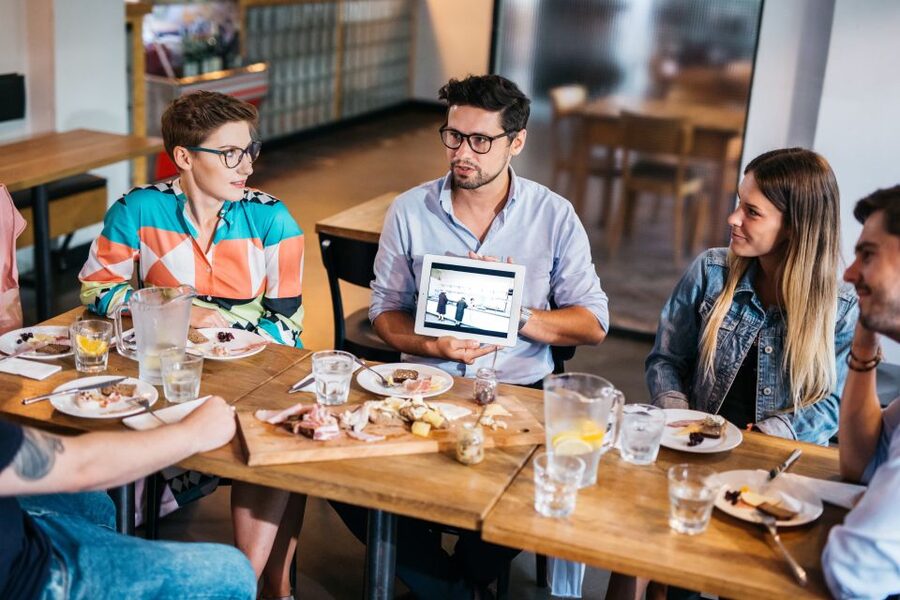
The group size is one of the tour’s strongest practical features. With no more than eight participants, you are less likely to feel lost in a crowd, and it should be easier to ask about ingredients, customs, or places to eat later. The guide may be Michal, Michas, Michael, Anna, Ana, or another member of the Eat Polska team. Several guides have been praised for their warmth, humor, patience, and command of both Warsaw and Polish food.
More Food Tours in Warsaw
- Warsaw: Polish Vodka Museum Tour with Tasting
★ 4.6 · 788 reviews - Warsaw’s No 1 cooking class-Polish dumplings with liqueur tasting
★ 5.0 · 576 reviews - Half-Day Polish Food Walking Tour with Guide and Dinner
★ 4.5 · 381 reviews
Why pierogi are just the beginning
Pierogi are the safe entry point into Polish cooking. Most visitors already know the potato-and-cheese version, since it appears on Polish menus around the world. This tour uses that familiarity as a starting point, then moves toward dishes you may not recognize at first glance.
You learn what pierogi, gołąbki, and schabowy are and how they fit into a Polish meal. Gołąbki are associated with stuffed cabbage, while schabowy is the pork cutlet often compared with schnitzel. The comparison is useful, but it also explains one possible disappointment: one participant felt the schnitzel-like dish was not uniquely Polish enough.
I would not treat that as a serious flaw, but it is a fair point. A food tour has limited time, and every dish included means another dish left out. Schabowy remains an important Polish comfort food, even if similar cutlets appear in many countries.
The value comes from the explanation around the plate. Your guide does not simply name the food and move on. The tour is designed to explain how these dishes relate to home cooking, Polish hospitality, and the idea of a proper dinner.
Four to six stops and nearly a full Polish dinner
The exact establishments can vary, but the structure is clear: you visit four to six food places and receive roughly ten tasting plates. The food covers starters, appetizers, soups, main dishes, cheeses, and dessert.
That range makes the tour more useful than a single restaurant meal. At one stop, you might find a small first course. At another, a soup or main dish. Later, the pace shifts to sweets or drinks. You get a broad introduction without having to order several full plates on your own.
The tour can include both sit-down restaurants and street-food settings. That mix is valuable because it shows two sides of Polish eating. A restaurant gives you a more settled look at dinner traditions, while a casual stop can show how Polish food works when you are eating quickly or informally.
You should plan your day around the food. The organizers specifically advise eating only breakfast beforehand and skipping lunch. That is not marketing fluff. Ten tastings, especially when they include soup and main courses, can leave you very full before dessert appears.
For a typical Polish host, serving too little food is worse than serving too much. The tour leans into that custom. I like the generosity, but you should not arrive expecting light grazing. If you have a small appetite, pace yourself and tell the guide early.
Cheese, bread, and the food stories between bites
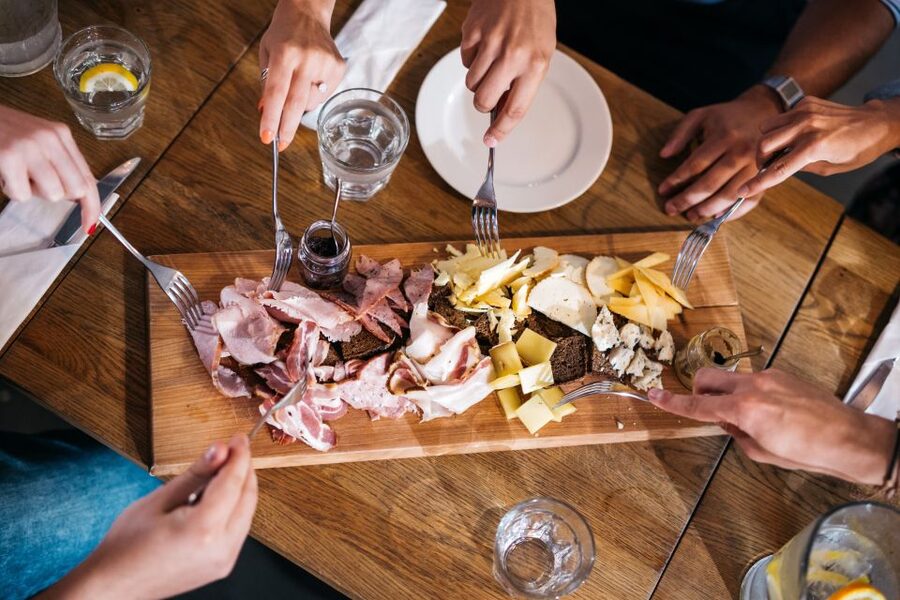
The cheese tastings add welcome variety. Polish food is often reduced to dumplings and meat, but the tour includes several Polish cheeses and uses them to broaden your sense of the country’s everyday food.
Bread is another subject that may surprise you. You learn why Polish people sometimes complain about bread quality, even though bread is central to the table. That small detail offers a useful look at local standards: something can be common, important, and still be criticized when it falls short.
The tour also touches on nostalgia for food produced in the 1970s. That does not mean every old product was better. It points to the way food memories work, especially for people who grew up with particular flavors, ingredients, or production methods.
These stories are part of the reason the tour earns strong marks. The guide connects food with daily life instead of treating each dish as an isolated sample. Several guides have also discussed Warsaw beyond the plate, giving the afternoon a wider sense of place.
More Polish Food Tours in Warsaw
- Warsaw Food Tasting Tour with Delicious Poland
★ 5.0 · 277 reviews - Warsaw: Polish Food Tour
★ 4.1 · 216 reviews - Warsaw Traditional Food Tour with Adrian
★ 5.0 · 113 reviews - Pierogi Class and Liquor Tasting with View on Warsaw
★ 5.0 · 71 reviews
Understanding a Polish dinner
One of the most useful parts of the tour is learning what a traditional Polish dinner consists of. You are not simply collecting names of dishes for a menu. You are learning how a Polish meal can unfold, what types of food appear together, and why portions are often so generous.
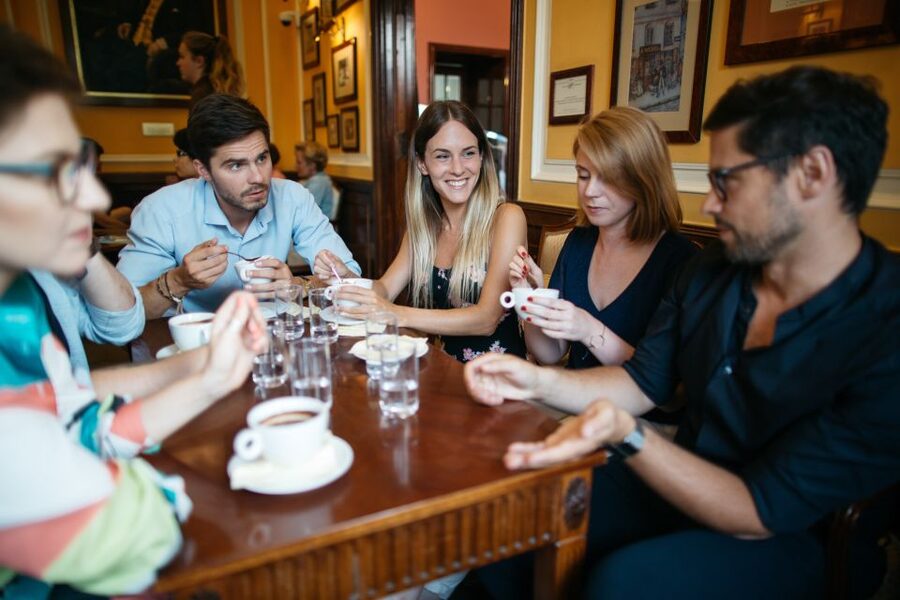
The tasting sequence includes the kinds of courses you would expect from a substantial meal: small starters, soup, a main course, and dessert. You also get drinks and cheese, depending on the booking option and the stops selected.
The guide can explain the difference between a dish you might order at a restaurant and the food connected with family meals or Polish hospitality. This is especially helpful if you plan to eat independently afterward. By the end, you should have a better sense of what to order and what questions to ask.
The warning about a cup of coffee is one of the tour’s more amusing cultural lessons. In Poland, an invitation for coffee may involve far more food than the words suggest. You should not assume it means a quick drink and a biscuit. It may be the beginning of serious feeding.
The Warsaw dessert with a bridge story
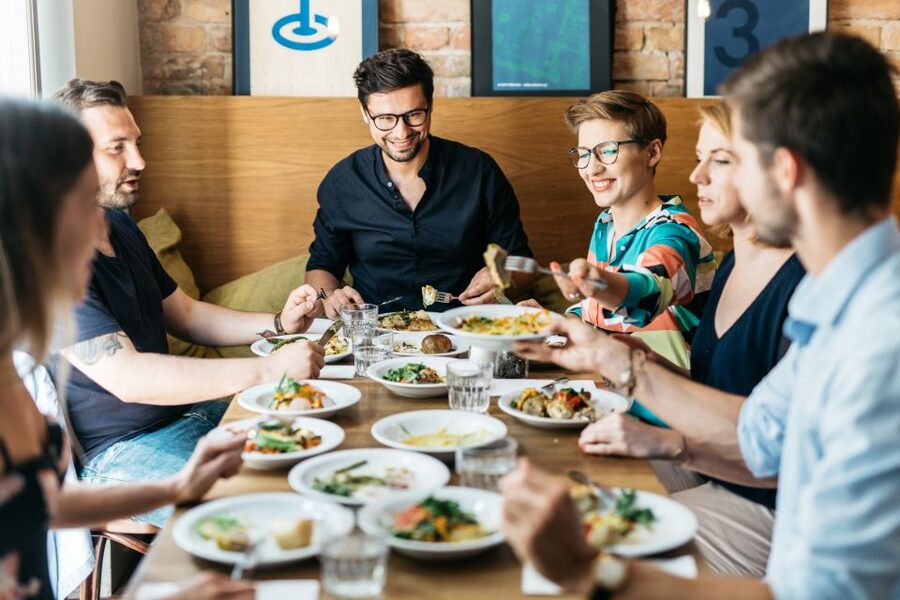
Dessert is not an afterthought here. The tour promises a traditional Warsaw sweet and explains its connection to a bridge.
The supplied details do not name the dessert, so I would avoid booking this tour expecting one specific pastry. The appeal is the story and the local connection. Food becomes more memorable when it is tied to a city landmark, a bit of language, or a piece of urban life.
Ending with dessert also helps the tour feel like a complete meal rather than a sequence of unrelated samples. Just remember that the sweet course arrives after you have already eaten a great deal.
What the drink option adds
Water is available at most venues. You can also choose an option that includes three Polish drink pairings. Since the standard inclusions list additional drinks as not included, check that you select the pairing option if tasting drinks is important to you.
A non-alcoholic choice is available, and minors are welcome. That makes the tour more flexible for families and for anyone who wants the food experience without alcohol.
The drink option can improve the meal because Polish dishes often make more sense alongside an appropriate local beverage. Still, the price difference is not provided here, so compare the options before booking rather than assuming the three drinks are part of the basic rate.
Is $115 a fair price?
At $115 per person, this is a premium food tour by Warsaw standards. The price makes more sense when you count what is included: about ten tastings, four to six stops, a guide for four hours, water at most venues, and a written summary with suggestions for places to eat afterward.
You are also paying for selection and organization. Finding several worthwhile food stops on your own takes time, and ordering ten separate items would create its own problems. A guide helps you sample widely without guessing at unfamiliar menus or ending up with several versions of the same dish.
The written recommendations add value after the tour. If you are staying in Warsaw for several days, the advice can help you choose what to try next and where to find it. One participant who brought two older parents and a teenage son felt the tour prepared the whole family to understand and order more Polish food during the rest of their visit.
The price may feel high if your goal is only to eat pierogi. It is also less appealing if you do not enjoy large meals or if pork is off your menu. For someone who wants a guided introduction, a full afternoon of food, and cultural explanation, the cost is easier to justify.
Vegetarian, allergy, and dietary advice
Polish cooking is based heavily on pork, and many dishes served on the tour will not suit vegetarians. You should contact the provider with allergy information in advance so the menu can be adjusted.
That adjustment should not be treated as a guarantee of a fully vegetarian tour. The information specifically warns that many dishes are unsuitable for vegetarians, so people following a strict meat-free diet should ask detailed questions before booking.
The tour is more naturally suited to omnivores who want to try classic Polish food. It can still work for some dietary needs if the guide receives clear information ahead of time, but you should not wait until the first stop to explain a serious allergy or restriction.
The guide makes or breaks the afternoon
Food tours depend heavily on the guide, and this one has received especially strong praise for its guiding. Michal and Michas are described as energetic, informed, and engaging. Anna and Ana have been praised for charm, patience, and a strong grasp of food and local culture. Michael has also been singled out for explaining much more than food.
That range matters because the tour covers many topics in four hours. A guide who only recites dish names would make the afternoon feel mechanical. A guide who can explain customs, history, ingredients, and restaurant etiquette gives the food a longer life after the tour ends.
The small group helps here. You have a better chance to ask why a dish is served a certain way, what to order later, or how a Polish host might serve it at home.
The guide can also help pace the meal. If you are already full halfway through, say so. The tour is designed to provide a lot of food, and clear communication will make the experience more comfortable.
Who should book this tour?
I would recommend it to first-time visitors who want a quick but substantial introduction to Polish food. It is also a good fit if you prefer learning the background of a dish instead of simply taking pictures of it.
Families can work well, especially because a non-alcoholic option is available. The experience has also suited a group ranging from a teenager to people in their seventies, although everyone should be comfortable walking between stops and eating a large meal.
Food-focused visitors will get the most from the tour. You can use the afternoon to identify dishes you want to order later, learn which Polish flavors appeal to you, and collect restaurant suggestions for the rest of your stay.
I would think twice if you are vegetarian, have a very small appetite, dislike group tours, or want only unusual dishes with no familiar choices. I would also compare the price with your own dining budget. The tour is about guided access and context, not a cheap lunch.
Booking can be made with payment later, and cancellation is free up to 24 hours before the start time. Hotel pickup and drop-off are not included, so you need to reach the Charles de Gaulle roundabout yourself.
Should you book Eat Polska’s Warsaw food tour?
Book it if you want a full Polish meal with an explanation, not just a pierogi snack. The combination of ten tastings, several venues, a group capped at eight, and guides praised for warmth and food knowledge gives the tour real substance.
Skip it if you mainly want a low-cost meal or if pork-heavy cooking does not suit you. For everyone else, the tour offers a practical way to get oriented at the start of a Warsaw visit, with enough food and advice to shape your next few meals.
FAQ
How long is the Warsaw Polish food tour?
The tour lasts four hours.
What time does the tour begin?
The meeting time is 1:00 PM. Starting times can vary, so check availability when booking.
Where is the meeting point?
Meet at the Charles de Gaulle roundabout beside the monument of a woman holding a wounded soldier. The monument is in the green square near Nowy Świat, Smolna, and Al. Jerozolimskie.
How many food stops are included?
The tour visits four to six carefully selected establishments.
How much food is served?
You receive approximately ten tasting plates, including starters, appetizers, soups, main courses, and dessert. The amount is intended to equal a full meal.
Are drinks included?
Water is provided at most venues. Three Polish drink pairings are available when you choose the pairing option. Additional drinks are not included.
Is there a non-alcoholic option?
Yes. A non-alcoholic option is available, and minors may join the tour.
Can vegetarians join?
Vegetarians can ask about adjustments, but many dishes are based on pork and will not be suitable. You should advise the provider about dietary needs before the tour.
Is the tour conducted in English?
The activity lists a live English-speaking guide. The included features also describe a bilingual guide, so confirm language details if another language is important to you.
What happens if I need to cancel?
You can cancel up to 24 hours in advance for a full refund. You can also reserve now and pay later.
Just added around Warsaw
- Jewish heritage in Warsaw★ 4.5 · 3 reviews
- Warsaw Outdoor Paintball with Transfers (all year round)★ 5.0 · 3 reviews
- World War II Warsaw Old Town, Military Cemetery Walking Tour★ 4.7 · 3 reviews
- Warsaw: Wolf’s Lair & Swieta Lipka Small-Group Tour + Lunch★ 5.0 · 3 reviews
- Sunset Boat Tour with Unlimited Drinks in Warsaw★ 3.5 · 3 reviews
- Majdanek – German camp from II World War – Private Tour – 1 DAY TRIP FROM WARSAW★ 5.0 · 3 reviews
- From Warsaw: Guided Tour to Wieliczka Salt Mine and Krakow★ 4.5 · 3 reviews
- Warsaw Sightseeing with NEW Mercedes Sclass !!!★ 5.0 · 3 reviews
Polish Food Tours, compared.
Krakow Food Tasting Tour with Delicious Poland
Read our review →
Half-Day Polish Food Walking Tour with Guide and Dinner
Read our review →
Pierogi Cooking Class with Market Shopping and Local Snacks
Read our review →
Warsaw Food Tasting Tour with Delicious Poland
Read our review →
Krakow Pierogi Cooking Class with Market Visit & Home-Cooked Meal
Read our review →
Half-Day Krakow Food Tour in Old Town and Kazimierz
Read our review →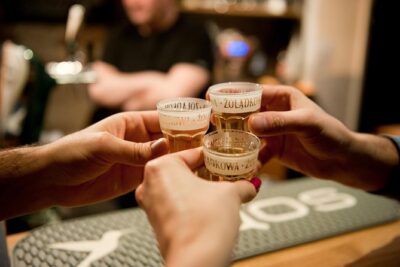
Food Tour of 10 Tastings with Pierogi, Vodka & More
Read our review →Browse the lists this tour appears in