
REVIEW · WROCłAW TOURS
Wroclaw: Day of WW2: Riese, Gross-Rosen, Ksiaz Castle
Three wartime sites, one very long day. This 10-hour trip from Wroclaw links the Osówka tunnels, the Gross-Rosen concentration camp, and Ksiaz Castle, giving you a sharp look at Lower Silesia’s secret wartime construction and Nazi terror. I like the strong mix of underground engineering and difficult memorial history, along with hotel pickup and a small group capped at eight people.
I also like that transport, fuel charges, taxes, insurance, and a live English-speaking guide are included in the $267 price. Driver-guide Jakub has earned particular praise for being punctual, helpful, and generous with local restaurant suggestions. The main drawback is the pace: three substantial sites in 10 hours leaves little room for lingering, and the English audio at Riese may be hard to follow in places.
In This Review
- Key points to know before booking
- Why this Wroclaw day trip is worth your time
- Entering the Osówka underground city
- Remembering prisoners at Gross-Rosen
- Seeing Ksiaz Castle beyond its grand rooms
- How the 10-hour schedule feels
- What the $267 price really includes
- Who should book this experience
- Should you book the Riese, Gross-Rosen, and Ksiaz tour?
- FAQ
- How long does the tour last?
- Where does the tour begin?
- What language is the live tour in?
- How many people are in the group?
- Is transportation included?
- What is Project Riese?
- Can I cancel the booking?
Key points to know before booking
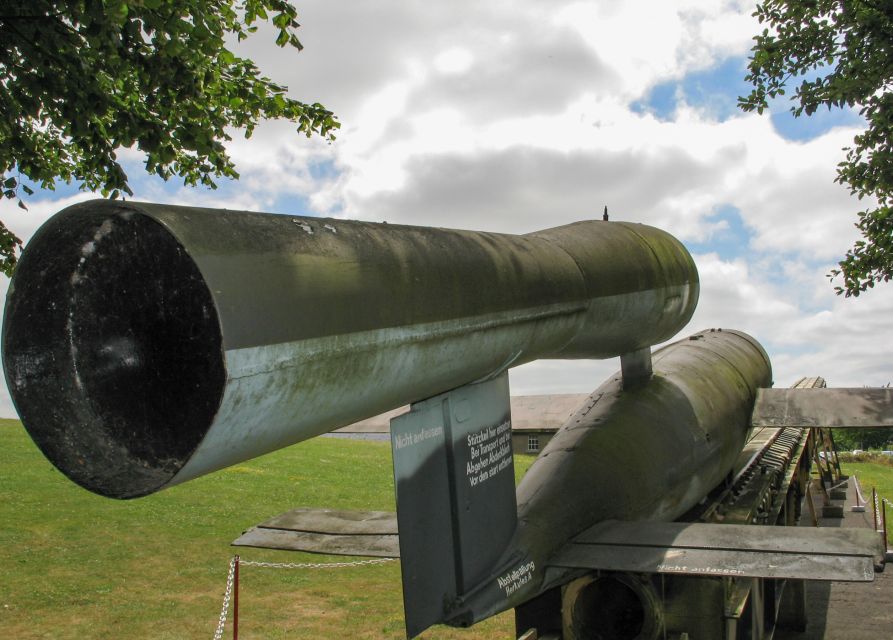
- Osówka is part of Project Riese, a vast Nazi construction effort carried out between 1943 and 1945, with underground sections that still leave important questions unanswered.
- Gross-Rosen is a serious memorial visit, centered on a concentration camp where around 40,000 prisoners died under brutal conditions and forced quarry labor.
- Ksiaz Castle combines beauty with wartime damage, offering grand rooms, forested surroundings, and underground work linked to Hitler’s planned headquarters.
- The $267 price covers the full day, including Wroclaw hotel or apartment pickup, private transport, guide services, fuel, fees, and trip insurance.
- A group of no more than eight matters here, since the day involves several transfers and emotionally demanding sites where a smaller setting is easier to manage.
- Audio guides are available in English, German, and Russian, though the live tour language is English and the Riese commentary may not always be easy to follow.
Why this Wroclaw day trip is worth your time
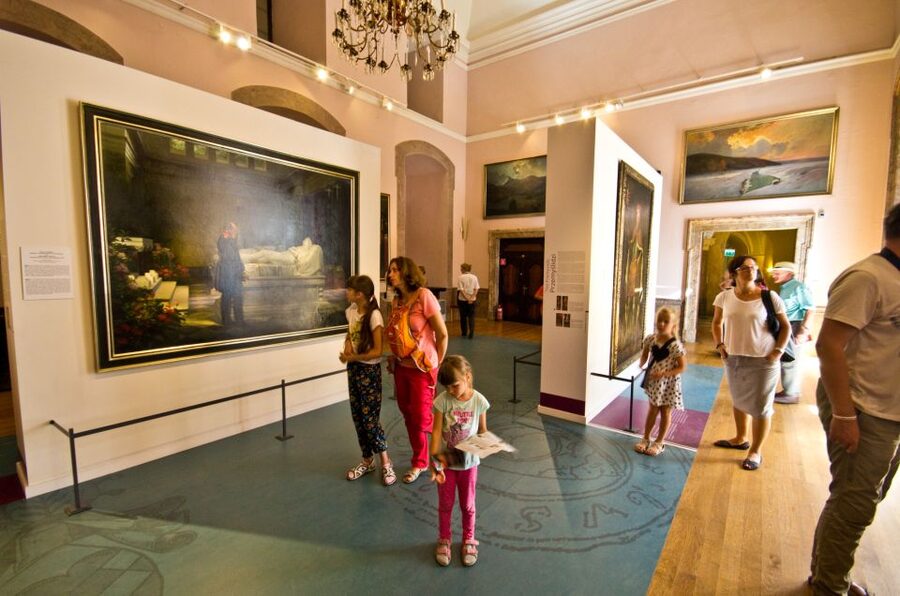
Lower Silesia is not simply a place for castle visits and pretty towns. During World War II, the region became a major construction zone for Nazi Germany. Factories, tunnels, military sites, prison camps, and proposed headquarters were spread across the hills.
This trip works because it places three very different sites in one story. At Riese, you confront the scale and secrecy of wartime construction. At Gross-Rosen, you face the human cost of the Nazi camp system. At Ksiaz, you see how a historic castle was pulled into Hitler’s plans.
I appreciate that the route does not reduce World War II to military hardware and grand strategy. The camp visit brings the victims and prisoners back into focus, while the castle and tunnels show how forced labor and Nazi ambition reshaped the area.
You should also understand the rhythm. This is not a slow, leisurely day with long café breaks. It is a packed excursion with several major stops, a lot of driving, and heavy subject matter. If you want a broad introduction to the wartime sites around Wroclaw, the format is useful. If you prefer to study one place in depth, separate visits would give you more time.
A few more Wrocław trips worth weighing up
- Wroclaw: E-Car Tour and Audio Guide
★ 4.6 · 1,738 reviews - Wroclaw: 2-Hour Private Guided Tour by Electric Car
★ 4.8 · 805 reviews - Wrocław: Old Town and Ostrów Tumski Walking Tour in English
★ 4.8 · 311 reviews
Entering the Osówka underground city
The Osówka Complex is the most mysterious stop on the route. It formed part of Project Riese, a Nazi undertaking that ran from 1943 to 1945. The name Riese means giant, and the scale of the work explains the choice.
The tunnels and underground structures are often described as a secret city beneath the hills. Much remains unfinished or unexplained, which gives the visit its unusual character. You are not entering a polished museum built around a tidy narrative. Instead, you encounter a stark wartime construction site whose full purpose has not been settled.
That uncertainty is part of the appeal, but it can also make the stop harder to understand. The English audio guide has been reported as incomplete in places and sometimes difficult to follow. I would treat the audio as useful support rather than the only source of information. Pay close attention to the live guide and ask questions when the sequence of rooms, tunnels, or construction phases becomes unclear.
The location also connects to the broader Riese network. Other installations, including Wlodarz and sites near Ksiaz, formed part of the same wartime effort. The goal was linked to major Nazi military and headquarters plans, but the exact functions of every section remain debated.
Your experience here is likely to feel more raw than a conventional historic attraction. The underground setting, unfinished structures, and unanswered questions create a strong sense of place. At the same time, the word mysterious should not make you forget the human cost. Prisoners were used as forced labor in these projects, and the grand engineering ambitions depended on cruelty.
Remembering prisoners at Gross-Rosen
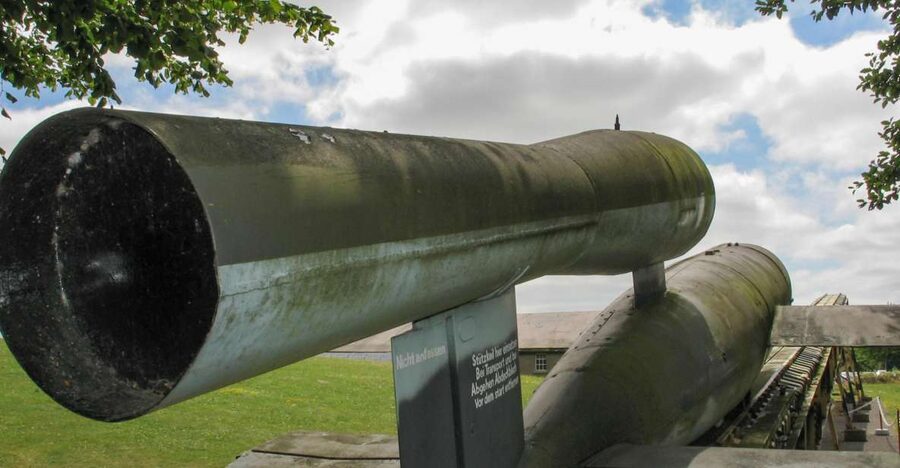
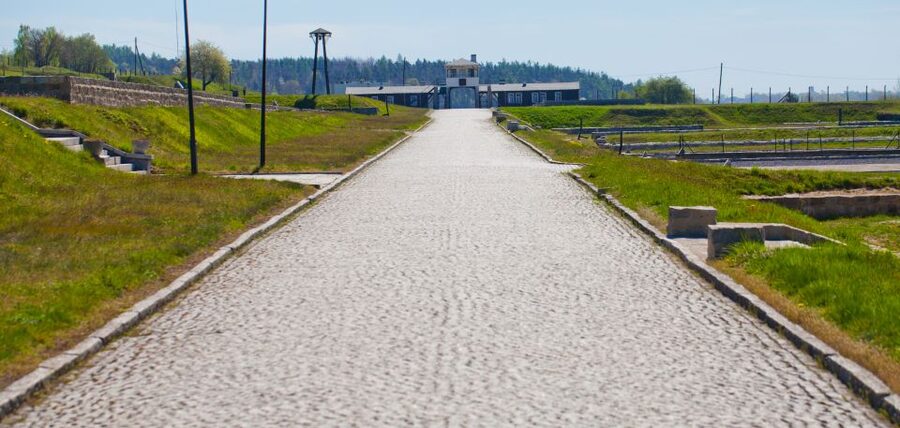
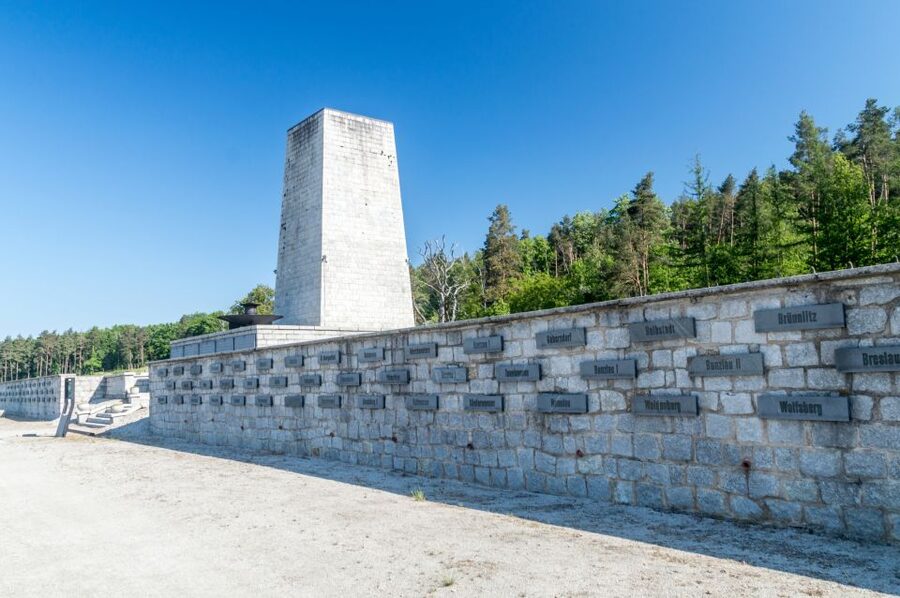
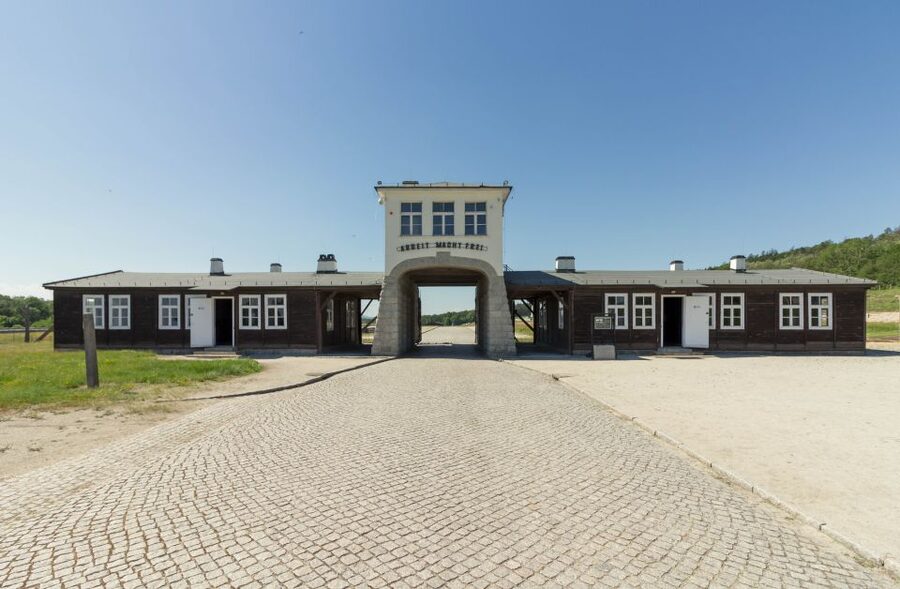
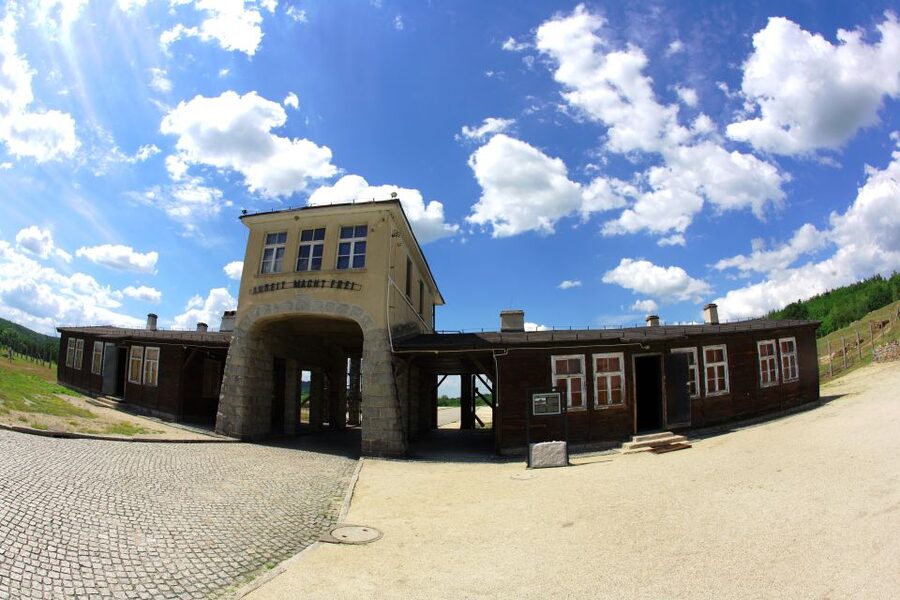
Gross-Rosen in Rogoźnica is the day’s most direct memorial visit. It was the largest Nazi-German concentration camp in Lower Silesia, known for harsh conditions and punishing quarry labor.
The camp’s motto was Vernichtung durch Arbeit, meaning annihilation through work. Around 40,000 prisoners died there, including Poles, Jews, Russians, French people, and Hungarians. Those figures are not background decoration. They are the reason to approach this stop with time, care, and respect.
The site changes the tone of the day. Riese and Ksiaz invite questions about construction, military plans, and architecture. Gross-Rosen demands attention to imprisonment, forced labor, hunger, violence, and death. It is the place where the wider wartime story becomes personal and moral.
I value the inclusion of Gross-Rosen because it prevents the excursion from becoming a tour of Nazi engineering alone. The tunnels and castle can attract attention through their scale, but the camp makes clear who paid for the regime’s ambitions.
You may find this stop emotionally difficult. That is not a flaw in the experience, but you should prepare for it. The full day already requires concentration, and the sequence of dramatic sites can feel heavy by the final hours. A small group helps keep the visit more respectful than a large coach outing, but the schedule still leaves limited space for quiet reflection.
The guide’s role matters particularly here. An English-speaking guide can provide the historical framework that audio material cannot always offer. Driver-guide Jakub has been singled out for answering questions carefully and helping with practical needs throughout the day. That kind of support is valuable when the subject matter is complex and serious.
Seeing Ksiaz Castle beyond its grand rooms
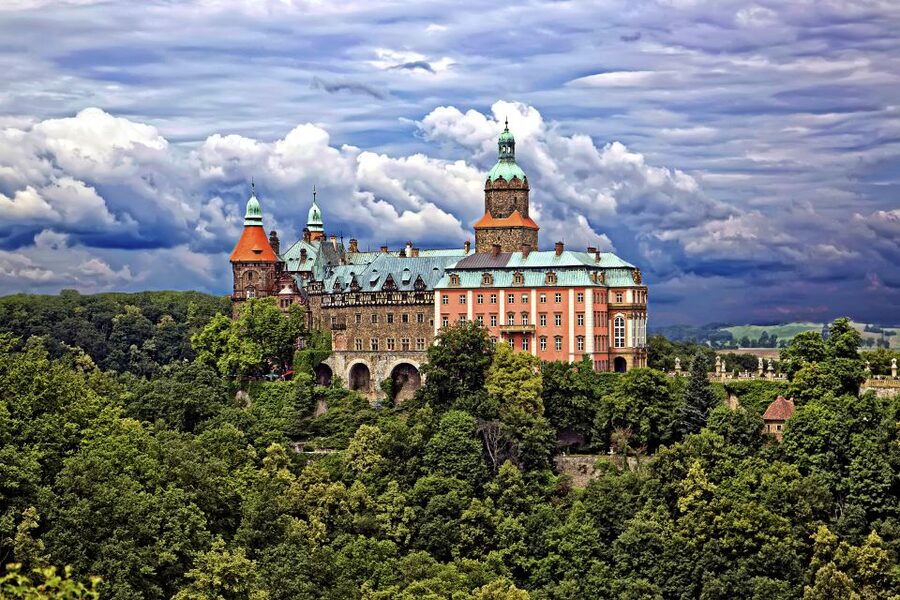
Ksiaz Castle is the visual change of pace. Set on a rocky cliff beside the Pelcznica River, the castle sits about 395 meters above sea level and is surrounded by forest. It is known as the Pearl of Lower Silesia and is the third-largest castle in Poland.
The setting is a major part of the visit. You get the unusual combination of a large historic residence, wooded surroundings, and steep ground above the river. It is an impressive location even before the wartime story enters the picture.
That story is what makes Ksiaz more than a castle stop. In 1943, Hitler’s paramilitary organization began construction on one of his main headquarters here. The work was connected to the wider Riese complex, including the sites near Osówka and Wlodarz.
The castle therefore carries two different identities. One is the long-established aristocratic residence with grand architectural appeal. The other is the altered wartime site, tied to military planning and underground construction. Seeing both sides gives the stop more weight than a standard palace tour.
I like the contrast between Ksiaz and Gross-Rosen. One shows power from above, through a major castle and strategic location. The other exposes the suffering forced beneath that power. The contrast is uncomfortable, but it helps you understand how the region’s buildings and infrastructure were used during the war.
You should not expect Ksiaz to feel like a purely peaceful sightseeing stop. Its beauty is real, but the wartime construction changed its meaning. The castle is also one of the larger stops on the route, so keep an eye on the time. With three sites in one day, you may need to move on before you have explored every corner.
A completely different kind of day out in Wrocław:
- Wroclaw: Private Old Town Guided Walking Tour (2 hours)
★ 4.8 · 275 reviews - Old Town Wrocław Walking Tour
★ 5.0 · 249 reviews - Wroclaw: City Tour Sightseeing By Golf Cart Shared Or Privat
★ 4.8 · 189 reviews - Auschwitz-Birkenau Tour from Wrocław
★ 5.0 · 129 reviews
How the 10-hour schedule feels
The advertised duration is 10 hours, with pickup and return at your Wroclaw hotel or apartment. That door-to-door setup is one of the tour’s strongest practical features. You do not need to work out separate train, bus, and taxi connections to sites spread across Lower Silesia.
The transport is by private vehicle, and the group is limited to eight participants. That is a much better arrangement for this route than a large bus. A smaller vehicle makes transfers easier, and you can ask the driver questions without trying to speak over a crowd.
Still, you should be realistic about the day. Three major places require a brisk schedule. You will spend time traveling between them, and each site has a different pace and emotional demand. The experience is best viewed as a carefully packed overview, not a relaxed day in the countryside.
Starting times depend on availability. Since pickup is arranged at your accommodation, confirm the start time and make sure your hotel or apartment details are correct when booking. The activity ends back at the same meeting point, which is convenient after a long day.
English is the live tour language. Audio guides are also available in English, German, and Russian. The extra language options are helpful for mixed groups, but the live commentary itself is listed as English.
What the $267 price really includes
At $267 per person, this is not a budget day trip. The value comes from the amount of planning and transport bundled into the price.
Included are hotel pickup and drop-off in Wroclaw, a private vehicle, driver or pilot, fuel surcharge, taxes, handling charges, and trip insurance. You are also paying for a live English guide and a small-group format.
That matters because these sites are spread out and not simple to combine independently. If you hired separate transport or tried to piece together public connections, you would spend time managing logistics instead of learning about the places. The private vehicle also removes the worry of returning to Wroclaw after a long day in remote areas.
The price makes the most sense for you if you have only one day available and want all three sites. It is less compelling if you plan to spend several days around Lower Silesia and are happy to arrange separate visits at your own pace.
Free cancellation up to 24 hours before departure and the option to reserve now and pay later add flexibility. These terms are useful when your Wroclaw plans are still shifting, but they do not change the basic question: can you handle a full day of history, driving, and difficult subject matter?
Who should book this experience
I would recommend this trip to anyone with a serious interest in World War II, Nazi construction projects, concentration camp history, or the wartime use of historic buildings.
It also suits you if you value convenience. Hotel pickup, a private vehicle, and a maximum group size of eight remove much of the effort involved in reaching Osówka, Gross-Rosen, and Ksiaz.
The experience may appeal to castle lovers too, but only if you are comfortable sharing the day with demanding memorial sites. Ksiaz is not the whole focus. The route is built around the relationship between the castle, Riese, and the Nazi occupation of the region.
I would be more cautious about recommending it to young children or anyone who wants a light sightseeing day. The camp visit is distressing, the schedule is long, and the subject matter deserves maturity.
For the best experience, go with patience and good questions. Ask the guide to explain how Riese, Ksiaz, and Wlodarz fit together. At Osówka, do not expect every mystery to have a clear answer. At Gross-Rosen, give the memorial setting the respect it requires. At Ksiaz, look beyond the attractive rooms and consider what wartime construction did to the site.
Should you book the Riese, Gross-Rosen, and Ksiaz tour?
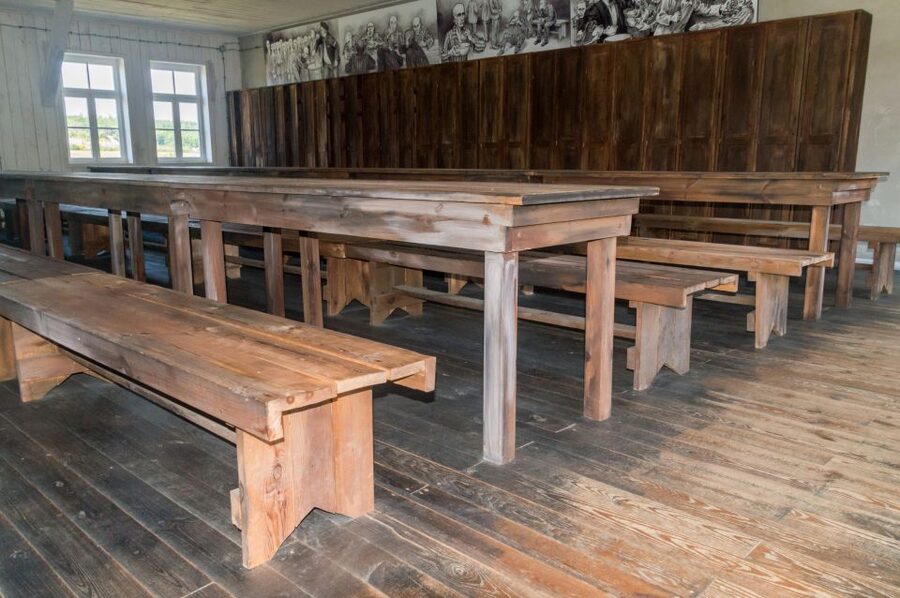
Book it if you want a single, well-organized day that connects three important Lower Silesian sites. The strongest features are the small group, private transport, hotel pickup, and the route itself. Driver-guide Jakub’s friendly, practical help is another encouraging sign, especially for visitors who want answers and local advice rather than a silent transfer.
Do not book it expecting a slow castle outing or a perfectly polished presentation at every stop. The Riese audio may be difficult to follow, and the 10-hour schedule is demanding. But if you accept those limits, this is a valuable way to understand how Nazi plans, forced labor, imprisonment, and historic architecture collided in one part of Poland.
FAQ
How long does the tour last?
The experience lasts 10 hours, including the visits to Osówka, Gross-Rosen, and Ksiaz Castle. Starting times depend on availability.
Where does the tour begin?
Pickup is provided at your hotel or apartment in Wroclaw. The activity ends back at the same meeting point.
What language is the live tour in?
The live tour guide speaks English. Audio guides are available in English, German, and Russian.
How many people are in the group?
The group is limited to eight participants.
Is transportation included?
Yes. The price includes transport by private vehicle, hotel pickup and drop-off from Wroclaw, fuel surcharge, taxes, fees, and handling charges.
What is Project Riese?
Project Riese was a Nazi German construction project carried out between 1943 and 1945. The Osówka Complex formed part of it, and the underground structures are still not fully understood.
Can I cancel the booking?
You can cancel up to 24 hours in advance for a full refund. You can also reserve now and pay later.
Just added around Wrocław
- Wrocław: Following the dwarfs’. See the city differently! 2h★ 4.4 · 3 reviews
- Wroclaw to Rock City in Adsprach and Church of Peace in Świdnica Private Tour★ 5.0 · 3 reviews
- Wroclaw: Skip the Line Panorama Raclawicka and Ostrow Tumski Guided Tour★ 4.5 · 3 reviews
- From Wroclaw: Full-Day Stolowe Mountains Trekking Tour★ 3.9 · 3 reviews
- Wrocław: Polish Craft Beer Walking Tour with Tastings★ 4.1 · 3 reviews
- Segway Tour Wroclaw: Ostrów Tumski Tour – 1,5-Hours of Magic!★ 5.0 · 3 reviews
- Private Transfer from Wroclaw (WRO) Airport to Wroclaw city centre★ 5.0 · 3 reviews
- Wrocław: Ostrów Tumski and Old Town Highlights Private Tour★ 5.0 · 3 reviews
Wrocław Tours, compared.
Old Town and Ostrów Tumski Walking Tour in English
Read our review →
Private Old Town Guided Walking Tour (2 hours)
Read our review →
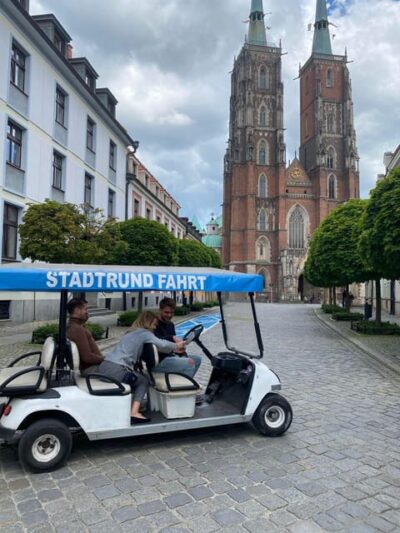
City Tour Sightseeing By Golf Cart Shared Or Privat
Read our review →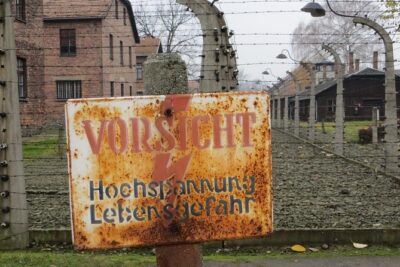

Browse the lists this tour appears in