
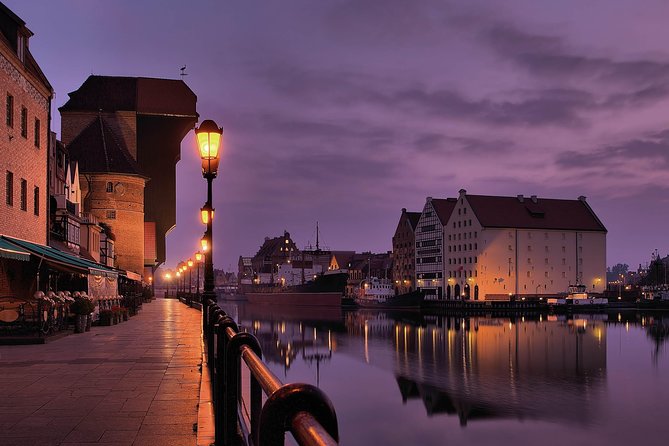
REVIEW · WARSAW TOURS
6 Day Private Tour in Poland with Hotels
Poland packs a lot into six days. This private tour links Warsaw, Krakow, Auschwitz, and Zakopane with a dedicated driver-guide, hotels, breakfasts, and five dinners. I like the door-to-door format and the mix of royal sights, religious places, painful history, mountain views, and Polish food. I also like the flexibility of a private group, especially when guides such as Rafal, Sebastian, and Marcin can adjust the pace or add family connections to the route.
The main drawback is the price: $4,700 per person is a serious investment, and the schedule is full. You will cover long distances and spend up to eight hours sightseeing on some days, so this suits someone who wants to see the major sights efficiently rather than linger in one city. The non-refundable booking rule also calls for careful planning.
In This Review
- Key Points to Know Before Booking
- What Six Days in Poland Really Gives You
- Warsaw Begins With Chopin and a Rebuilt Old Town
- Czestochowa Makes Faith Central on Day Two
- Krakow Connects Market Square and Wawel Hill
- Three Hours Beneath the Ground at Wieliczka
- Auschwitz and Wadowice Bring Two Very Different Stories
- Zakopane Adds Mountain Views and Highland Style
- Tyniec Offers a Quiet Final Morning
- Guides, Hotels, and the Private Format
- Meals, Timing, and What to Pack
- Who Will Get the Most From This Tour
- Should You Book the Six-Day Poland Tour?
- FAQ
- Where does the six-day Poland tour start?
- Where does the tour finish?
- How much does the tour cost?
- Is this a private tour?
- Are hotels included?
- Are meals included?
- Is admission included at all attractions?
- How much time is spent at Auschwitz?
- Can the booking be canceled or changed?
Key Points to Know Before Booking
- Warsaw to Krakow by private transport: You avoid arranging several intercity transfers while moving through Poland’s main cultural centers.
- Five dinners and five breakfasts included: This adds useful value and gives you a taste of Polish hospitality without finding every meal yourself.
- Auschwitz and Birkenau receive a full six-hour visit: Expect the most emotionally demanding part of the trip to receive proper time.
- Wieliczka Salt Mine includes three hours underground: You see chapels, chambers, and salt sculptures at a UNESCO-listed site.
- Private guide-driver service: Your group travels alone, with room for questions and some adjustment to your needs.
- The tour ends near Krakow with an airport transfer: This is handy if you plan to fly out after the final morning.
What Six Days in Poland Really Gives You
This is not a slow country stay. It is a tightly planned introduction to Poland, beginning in Warsaw and finishing near Krakow after a route through Czestochowa, the Krakow region, Auschwitz, Wadowice, Zakopane, and Tyniec.
The format works because Poland’s major sights are spread across different parts of the country. Private transportation saves you from piecing together trains, taxis, and local excursions. Your guide-driver handles the movement between stops, while local guides take over at places where detailed interpretation matters.
You get accommodation, five breakfasts, and five dinners. Lunch is not listed as included, so you should budget for it each day. The price also includes fees, taxes, local guides, and airport transfer service on the last day. Tips are extra.
At $4,700 per person, the value depends on how much you prize convenience. Solo visitors and couples may find the cost steep. A family or small group can spread the private transport and guide cost across several people, making the arrangement easier to justify. The strongest value comes from the amount of ground covered without having to organize the logistics yourself.
Other Warsaw trips people book alongside this one:
- Warsaw: Chopin Concert in the Old Town
★ 4.8 · 2,287 reviews - Warsaw: Traditional Galar Cruise on The Vistula River
★ 4.6 · 1,640 reviews - Warsaw: Old Town Highlights Walking Tour in English
★ 4.7 · 1,516 reviews
Warsaw Begins With Chopin and a Rebuilt Old Town
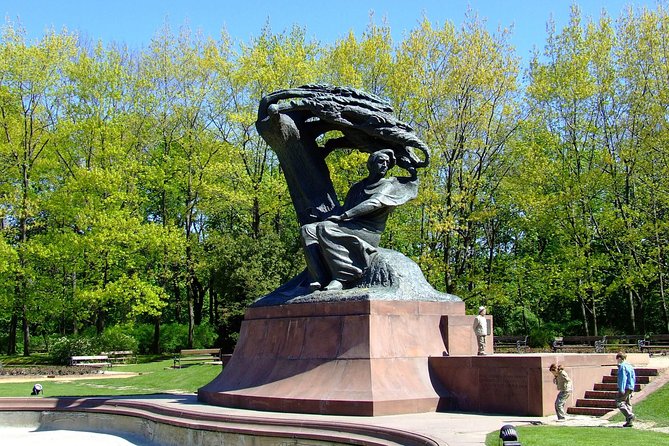
Your first day starts at 9:00 a.m. with Warsaw’s Łazienki Garden. A guided walk leads you to the Palace and the monument to Frederick Chopin, Poland’s famous composer. The garden gives you a gentler opening than a packed museum schedule, with formal grounds and an important link to Polish music.
After a short lunch break, you continue into Warsaw’s Old Town. The area was rebuilt after World War II, so its beauty carries a powerful story of destruction and restoration. The Royal Castle anchors the visit. It served as the seat of Poland’s kings and is also linked to the Constitution of May 3, 1791, described here as the second-oldest constitution after the United States Constitution.
The listed sightseeing time is five hours, even though the day is described as a full-day Warsaw tour. Plan for a substantial morning and afternoon, but do not assume every minute is guided sightseeing. The short lunch break is not included, so you will choose and pay for that meal yourself.
I like this opening because it gives you three sides of Warsaw at once: royal power, national culture, and wartime rebuilding. If you prefer museums and long indoor visits, ask how much time is planned inside the Royal Castle. The supplied details confirm the visit, but not the exact amount of interior touring.
Czestochowa Makes Faith Central on Day Two
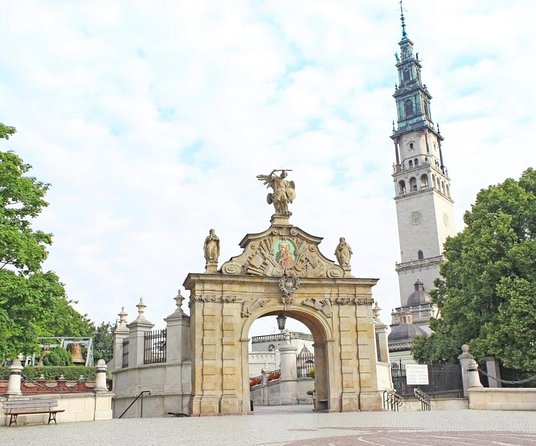
Day two takes you to Jasna Gora monastery in Czestochowa, home of the Black Madonna. This is Poland’s most important pilgrimage center, and the visit is built around its religious meaning rather than a quick photo stop.
A local monk guides you through the Basilica, Treasury, and Museum. You may also participate in Mass, which makes this stop especially suitable if religious sites are an important part of your trip. If you are not Catholic, the visit still offers a direct look at Polish devotional life, but you should approach it respectfully and follow local guidance during services.
The visit lasts about three hours. Admission is listed as free. The shorter day may sound easy after Warsaw, but the religious setting creates a different kind of experience. This is not simply another historic building to check off. It asks you to pay attention to ritual, art, and the role of Jasna Gora in Polish life.
Krakow Connects Market Square and Wawel Hill
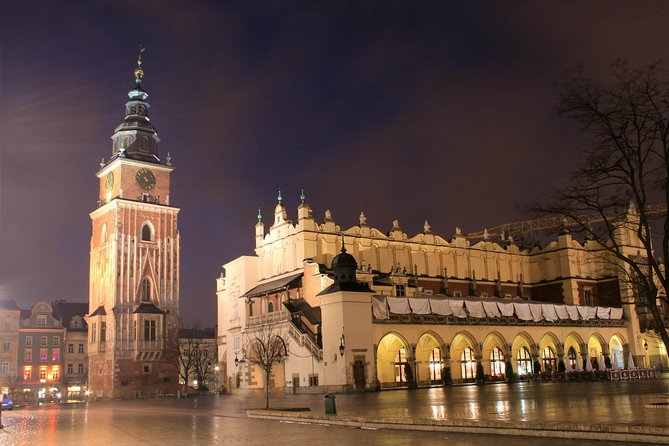
Day three shifts to Krakow, Poland’s great historic city. The four-hour guided visit begins around the Main Market Square, where you see St. Mary’s Basilica and the Cloth Hall. These are the city’s essential first sights, and the central location makes it easy to understand Krakow’s old civic and commercial heart.
The route then follows the Royal Route to Wawel Hill. There you visit the Renaissance Royal Castle and Wawel Cathedral. The combination gives you a clear sense of Krakow as a center of royal power, religion, and public life.
This is a half-day city tour, not a detailed exploration of every Krakow museum. I would treat it as an introduction and make a note of anything you want to revisit during free time. One practical benefit is that the hotel is described in one booking account as being near the center square, with a short walk to major sights. Exact hotel names are not provided, so confirm the property and location before you book if central access matters to you.
A few more Warsaw trips worth weighing up
- Warsaw Concert: Chopin – Painted by Candlelights with Wine
★ 4.8 · 1,442 reviews - Warsaw: City Sightseeing Hop-On Hop-Off Bus Tour
★ 3.6 · 1,415 reviews - Warsaw: POLIN Museum of the History of Polish Jews Ticket
★ 4.7 · 1,142 reviews - #1 Pub Crawl Warsaw with Optional Premium 1 Hour Open Bar
★ 5.0 · 790 reviews
Three Hours Beneath the Ground at Wieliczka
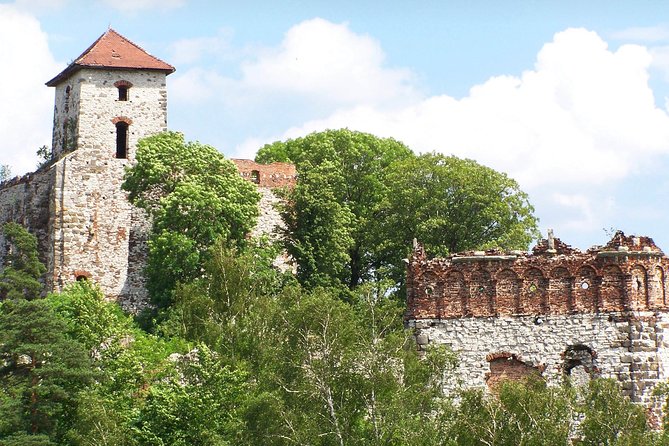
After Krakow, the tour heads to the Wieliczka Salt Mine. Three hours underground lets you see numerous chambers, chapels, and sculptures made from salt. The mine is listed as a UNESCO World Heritage site and offers one of the most unusual settings on the route.
The length matters. A brief visit could make the mine feel like a novelty, but three hours allows time to appreciate the scale and the workmanship. You should be ready for an enclosed environment and a substantial walking visit, although the supplied information does not specify the exact number of stairs or the full physical requirements.
This is another day with a lot packed into it: four hours in Krakow and three hours at the mine, plus transport between sites. You will want sensible shoes and a willingness to keep moving. The mine admission is included, which removes one extra cost from an already busy day.
Auschwitz and Wadowice Bring Two Very Different Stories
Day four is the emotional center of the tour. You spend six hours at Auschwitz and Birkenau, the former German Nazi camps built during World War II. Today the site is a museum and a place of remembrance for the Holocaust.
The six-hour allocation is a strength. Auschwitz should not be squeezed into a rushed morning, and the schedule gives you time to confront the site with appropriate care. This is not light sightseeing. The buildings, grounds, and museum displays recall mass murder and human suffering. You may find this day difficult, and it is worth leaving mental space for it rather than treating it as just another stop.
The tour then continues to Wadowice, birthplace of Pope John Paul II. You visit the Basilica where he was baptized and his family home. The two-hour visit creates a sharp contrast with Auschwitz: one stop focuses on the darkest chapter of modern European history, while the other centers on a major religious figure and local identity.
If your interest in World War II is especially strong, the Auschwitz visit may be the main reason to choose this tour. One past booking included a visitor with a degree in Holocaust studies, and the route was chosen in part to understand that history firsthand. You do not need a specialist background, but you should be prepared for a serious and demanding day.
Zakopane Adds Mountain Views and Highland Style
Day five brings a change of mood in Zakopane, a mountain town known for wooden architecture and the Zakopianski style. The design blends local building traditions with the surrounding Tatra setting, and similar forms have been copied elsewhere in Poland.
You visit the Jaszczurowka Chapel, a notable example of local wooden architecture, followed by the Sanctuary of Our Lady of Fatima at Krzeptowki. The sanctuary was built by people from Zakopane in gratitude for the survival of Pope John Paul II after an attempt on his life.
The schedule also includes Gubalowka Mountain, where you can admire views of the Tatras, plus time to shop for Highlander arts and crafts. This is the most scenic day of the trip, but weather can affect how much you see. The information does not promise clear conditions, so treat the mountain views as a major possibility rather than a guarantee.
The five-hour visit balances buildings, religious sites, scenery, and shopping. If you want authentic local goods, ask your guide to explain which crafts are made by local Highlanders, known as Gorale. The shops are part of the experience, but you should not feel pressured to buy.
Tyniec Offers a Quiet Final Morning
The final day visits the Benedictine Abbey of Tyniec near Krakow. It is described as the oldest abbey in Poland, and the visit lasts about two hours. Afterward, private transport takes you to Krakow airport.
This is a sensible final stop. After several intense days, a historic abbey gives you a quieter closing chapter before your flight. The admission fee is included, and the airport transfer means you do not need to arrange a separate ride after the visit.
Check your flight time carefully. The tour starts each day at 9:00 a.m., but the exact airport arrival time is not provided. You need enough margin for check-in and any other airport procedures. Ask GFP Travel to confirm the planned transfer time before you finalize your flight.
Guides, Hotels, and the Private Format
The guide-driver is one of the most important parts of this experience. Names connected with past tours include Rafal, Sebastian, and Marcin. Feedback gives special credit to their care, communication, local insight, and willingness to do more than simply follow a route.
One group was able to visit places connected with its grandparents, including a local church and cemetery. That kind of adjustment is a useful reason to choose a private tour. It does not mean every personal request can be added, but it shows what you should ask about before booking.
Tomasz handles the company’s communication and planning. Several accounts praise his prompt, efficient replies and careful scheduling. That matters when a six-day trip involves multiple hotels, cities, guides, and major admission sites.
The accommodation is included, but hotel names and star ratings are not provided. One past arrangement used a hotel near Krakow’s central square, while another note acknowledges that Polish hotels can range from modern properties to more retro options. If room style, elevator access, air conditioning, or a central address matters to you, request those details in writing.
The group is private, meaning only your party participates. That gives you more control than a coach tour and lets you ask questions without holding up strangers. It also means the $4,700 per-person price should be judged against your group size and the amount of planning you would otherwise do yourself.
Meals, Timing, and What to Pack
Five breakfasts and five dinners are included. That is helpful on days when transport and sightseeing leave little time for restaurant research. It also gives you a planned introduction to Polish meals and hospitality.
Lunch is not included. Set aside money and time for it, especially on the Warsaw day and during the long Auschwitz visit. The schedule says short break for lunch in Warsaw, but it does not identify restaurants or the exact meal arrangements elsewhere.
The tour offers pickup and a mobile ticket. It is near public transportation, though the private vehicle remains the main way to move between cities and sites. Most people can participate, but the supplied details do not provide a precise accessibility statement for the salt mine, abbey, castle visits, or mountain stop.
Pack comfortable shoes, modest clothing for churches and sanctuaries, and layers for the mine and Zakopane. Those suggestions follow the type of visits included, not a promise about specific conditions. You should ask GFP Travel about current weather and site requirements before departure.
Who Will Get the Most From This Tour
I would recommend this tour to you if you want a strong first look at Poland and prefer having transport, guides, hotels, and major visits arranged together. It fits families, small groups, people with Polish heritage, and anyone who wants to connect Warsaw and Krakow with the country’s best-known sites.
It is also a good match if your interests stretch beyond pretty squares. You get royal residences, Catholic pilgrimage sites, Jewish and World War II remembrance, folk architecture, mountain scenery, and a working religious tradition.
I would be more cautious if you want long free periods, nightlife, independent restaurant hunting, or detailed museum time. The route is busy, and the $4,700 cost leaves little room for a casual change of plans. The experience is non-refundable and cannot be changed after booking, so check dates, passports, hotel needs, and flight plans before paying.
Should You Book the Six-Day Poland Tour?
Book it if you value efficient private transportation and strong local support more than a low-cost, independent trip. The route covers an impressive amount in six days, and the mix of Warsaw, Krakow, Wieliczka, Auschwitz, Zakopane, Czestochowa, Wadowice, and Tyniec gives you a broad picture of Poland.
Before booking, ask for the hotel list, the exact driving plan, the airport transfer timing, and how much flexibility is possible for family-history stops. If those details suit you, GFP Travel offers a practical way to see Poland without spending your holiday solving transport problems. If you prefer to travel slowly and choose each stop yourself, build your own itinerary instead.
FAQ
Where does the six-day Poland tour start?
The tour is based in Warsaw and starts at 9:00 a.m. Pickup is offered.
Where does the tour finish?
The final day includes a visit to Tyniec near Krakow, followed by a transfer to Krakow airport.
How much does the tour cost?
The listed price is $4,700 per person.
Is this a private tour?
Yes. Only your group participates in the activity.
Are hotels included?
Yes. Accommodation at hotels is included, although specific hotel names and ratings are not provided.
Are meals included?
Five breakfasts and five dinners are included. Lunches are not listed as included.
Is admission included at all attractions?
The tour includes all fees and taxes. Specific admission is listed as included for Warsaw’s Old Town visit, Wieliczka Salt Mine, Wadowice’s John Paul II family home, and Tyniec Abbey. Admission is listed as free for Czestochowa, Krakow, Auschwitz, and Zakopane.
How much time is spent at Auschwitz?
The Auschwitz and Birkenau visit lasts about six hours.
Can the booking be canceled or changed?
No. The experience is non-refundable and cannot be changed for any reason.
Just added around Warsaw
- Jewish heritage in Warsaw★ 4.5 · 3 reviews
- Warsaw Outdoor Paintball with Transfers (all year round)★ 5.0 · 3 reviews
- World War II Warsaw Old Town, Military Cemetery Walking Tour★ 4.7 · 3 reviews
- Warsaw: Wolf’s Lair & Swieta Lipka Small-Group Tour + Lunch★ 5.0 · 3 reviews
- Sunset Boat Tour with Unlimited Drinks in Warsaw★ 3.5 · 3 reviews
- Majdanek – German camp from II World War – Private Tour – 1 DAY TRIP FROM WARSAW★ 5.0 · 3 reviews
- From Warsaw: Guided Tour to Wieliczka Salt Mine and Krakow★ 4.5 · 3 reviews
- Warsaw Sightseeing with NEW Mercedes Sclass !!!★ 5.0 · 3 reviews
Warsaw Tours, compared.

Traditional Galar Cruise on The Vistula River
Read our review →
Warsaw Concert: Chopin – Painted by Candlelights with Wine
Read our review →

POLIN Museum of the History of Polish Jews Ticket
Read our review →
#1 Pub Crawl Warsaw with Optional Premium 1 Hour Open Bar
Read our review →