
REVIEW · WALKING TOURS
A unique walking tour of Jewish Warsaw — past and present
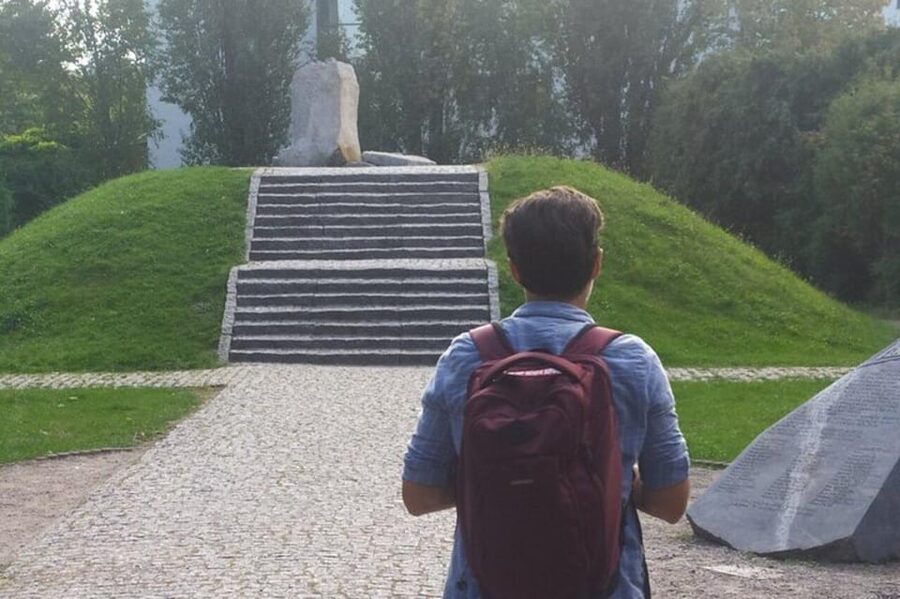
Warsaw’s Jewish story is still written into its streets. This three-hour walking tour connects the few surviving buildings and memorials with the story of a community that once made up about one third of Warsaw’s population. You move from the Nożyk Synagogue to former ghetto ground, the Ringelblum Archive memorial, POLIN Museum, Miła 18, and finally Umschlagplatz.
I like the small group of up to 10 people, which should make it easier to hear the guide and ask questions. I also like the way the route joins the past to the present, covering Jewish life in Poland, the Warsaw Ghetto, the 1943 uprising, and today’s Jewish community. The main drawback is physical: the walk covers about 4.5 to 5 kilometers, and much of its value comes from paying attention outdoors, so it may feel demanding if long walks are difficult for you.
In This Review
- Key points about the Warsaw Jewish history walk
- Why Jewish Warsaw needs a walking tour
- Starting at Sienna 53 and finding the group
- Nożyk Synagogue, one of Warsaw’s rare survivors
- Hala Mirowska and the everyday city
- Muranów, where the city carries the scars
- The Ringelblum Archive memorial and the power of testimony
- POLIN Museum and the longer Jewish story
- Miła 18 and the Warsaw Ghetto Uprising
- Umschlagplatz, a difficult but essential ending
- Oliwia’s guiding style and the role of the guide
- Is $32 a fair price?
- Who should book this walk?
- FAQ
- How long does the Jewish Warsaw walking tour last?
- How far do participants walk?
- What language is the tour conducted in?
- How large is the group?
- Is the tour wheelchair accessible?
- Are Nożyk Synagogue and POLIN Museum admission fees included?
- Where does the tour meet and finish?
- Should you book the Jewish Warsaw walking tour?
Key points about the Warsaw Jewish history walk
- A rare surviving synagogue: Nożyk Synagogue is the only prewar Warsaw synagogue still functioning and remaining in the city.
- A route through former ghetto ground: Muranów gives you a direct sense of how the old Jewish quarter was reshaped after the war.
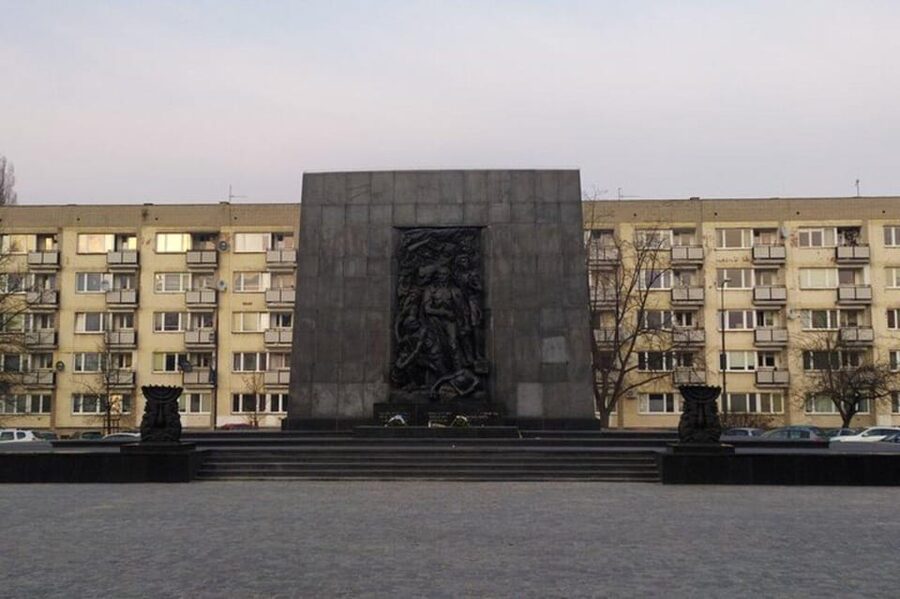
- A painful final stop: Umschlagplatz marks the place from which roughly 300,000 Jews were deported to Treblinka.
- A small-group format: With no more than 10 participants, the tour is set up for conversation rather than a large crowd.
- A guide-led historical explanation: Oliwia receives especially strong praise for her clear storytelling, careful detail, humor, and expressive delivery.
- Useful planning help: You receive a pre-tour information pack, visual aids, and suggestions for other places to visit, eat, and drink.
Why Jewish Warsaw needs a walking tour
Warsaw’s Jewish past is easy to miss if you only visit the rebuilt Old Town and the main city center. Much of the physical Jewish quarter was destroyed, altered, or covered by later development. The surviving traces can feel scattered unless someone explains how they fit together.
This tour gives you that structure. It begins with the arrival and settlement of Jews in Poland, then follows the growth of Jewish Warsaw, the destruction brought by World War II, the ghetto uprising, and the quieter return of Jewish life in the city today.
I find that order especially helpful because it avoids reducing Jewish Warsaw to a story of death alone. You learn about a living community first, then see how war and genocide destroyed it, while also hearing about the people and institutions that continue into the present.
The subject is serious, and some sections are emotionally heavy. That is not a flaw, but you should choose this walk when you have the attention and energy to listen. This is not a light sightseeing stroll with occasional historical facts. It asks you to think about people, choices, resistance, and loss.
More Walking Tours in Warsaw
- Warsaw: Old Town Highlights Walking Tour in English
★ 4.7 · 1,516 reviews - Warsaw: Old Town Guided Walking Tour
★ 4.9 · 599 reviews - Half-Day Polish Food Walking Tour with Guide and Dinner
★ 4.5 · 381 reviews
Starting at Sienna 53 and finding the group
The meeting point is in front of Baguette Mi restaurant at Sienna 53. Look for a guide holding a white and green umbrella. That detail matters in a city where a meeting point can otherwise be easy to miss.
The tour is conducted in English and lasts about three hours. The group size is limited to 10 participants, a useful balance for a walking tour that includes personal accounts and complex historical explanations.
You should wear comfortable shoes and allow enough time to walk between stops. The route is wheelchair accessible, but the distance still matters. If you have problems with long walks, this may not be the right format, even if you can manage the individual locations.
Nożyk Synagogue, one of Warsaw’s rare survivors
The first major stop is Nożyk Synagogue, the only Warsaw synagogue that survived the war and remains in the city today. You receive a guided visit of about 15 minutes, although admission is not included in the tour price.
This is an important place to begin because it gives the story a physical and spiritual anchor. Instead of starting only with ruins or memorials, you see a functioning Jewish site connected to Warsaw’s prewar community and present-day Jewish life.
The synagogue helps set up one of the tour’s central ideas: Jewish Warsaw was not created by the war, and it was not defined only by the ghetto. Jewish residents built families, businesses, religious institutions, and cultural life in Poland over many centuries.
You will need to pay the entry fee separately. The supplied details do not specify the amount, so check before you go if you are planning your budget closely.
Hala Mirowska and the everyday city
The route continues to Hala Mirowska, with about 10 minutes of guided explanation. A market hall may seem less dramatic than a memorial, but that is exactly why this stop has value.
Places tied to everyday life can help you picture a community beyond famous names and tragic dates. Markets, streets, and commercial spaces point toward ordinary routines: shopping, working, meeting people, and taking care of a household.
The stop is brief, so do not expect a long visit or a separate market tour. Its purpose is to add texture to the wider story of Jewish Warsaw and to show that the city’s Jewish presence was part of normal urban life, not isolated from the rest of Warsaw.
A completely different kind of day out in Warsaw:
- Warsaw: Chopin Concert in the Old Town
★ 4.8 · 2,287 reviews - Warsaw: Traditional Galar Cruise on The Vistula River
★ 4.6 · 1,640 reviews - Warsaw Concert: Chopin – Painted by Candlelights with Wine
★ 4.8 · 1,442 reviews - Warsaw: City Sightseeing Hop-On Hop-Off Bus Tour
★ 3.6 · 1,415 reviews
Muranów, where the city carries the scars
Muranów receives the longest single section of the route, about 30 minutes. This district is central to understanding the former Warsaw Ghetto and the physical changes imposed on the city after the war.
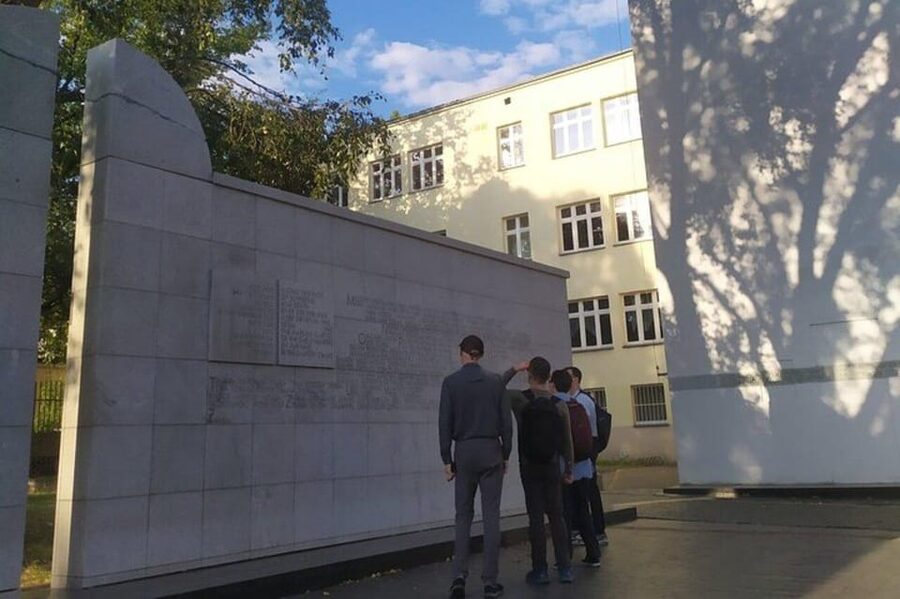
Here, the guide helps you connect present-day streets with the boundaries and events of the wartime ghetto. One of the few remaining sections of the ghetto wall is included among the tour’s highlights. It is a small surviving fragment, but its size does not lessen its importance. A short stretch of wall can make the confinement of the ghetto more concrete than a page of statistics.
Muranów also gives the tour room to explain why the Jewish Uprising began in 1943, even though those trapped inside knew they were unlikely to defeat German forces. That question is one of the strongest reasons to take this tour with a guide. The answer involves dignity, resistance, despair, and the refusal to let deportation happen without a fight.
You should expect this part to be emotionally difficult. The route does not treat the uprising as a simple military episode. It places the decision within the terrible conditions facing the ghetto’s residents.
The Ringelblum Archive memorial and the power of testimony
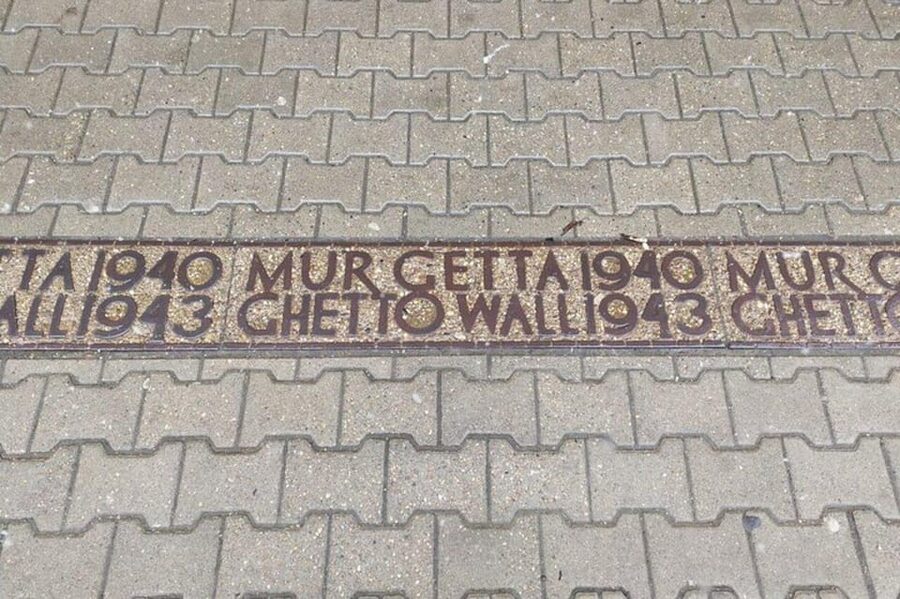
The memorial to the Ringelblum Archive receives about 10 minutes. This stop introduces an important form of resistance: preserving evidence and personal accounts during the Holocaust.
The archive is closely tied to the effort to document life in the ghetto from within. That changes the way you think about historical records. You are not only hearing what happened after the war, when others reconstructed events. You are also considering the work of people who recorded their own world while living through persecution and mass murder.
The tour includes first-hand accounts from Jewish survivors. Those accounts add a human scale to the route. Numbers such as 300,000 deported to Treblinka are necessary, but individual voices help you understand what those numbers meant for families and neighbors.
The stop is short, so the guide’s presentation matters greatly here. Oliwia is praised for her delivery, intonation, and ability to explain details without making the material feel flat. That style is useful for a subject where too many dates can blur together.
POLIN Museum and the longer Jewish story
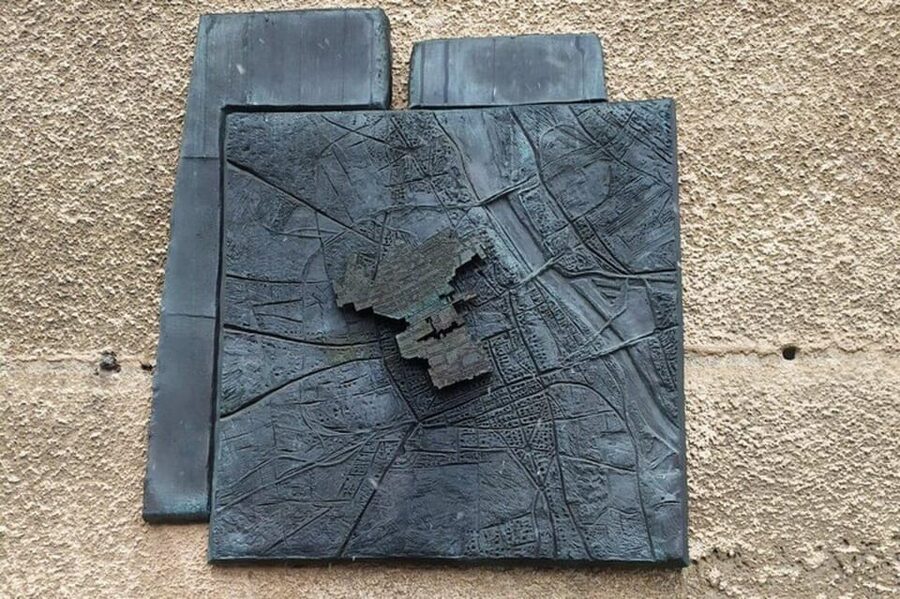
The tour pauses at POLIN Museum of the History of Polish Jews for about 10 minutes. This portion is a guided exterior or orientation stop rather than a full museum visit, and museum admission is not included.
The museum is an excellent companion to the walking tour because it covers the broader story of Jewish life in Poland. The tour itself gives you selected places and a clear route. POLIN can give you more time with objects, exhibits, and historical periods that cannot fit into a three-hour walk.
You should not expect to see the museum in 10 minutes. Think of this stop as a useful introduction and a chance to decide if you want to return for a separate visit. If you already plan to visit POLIN, this walking tour can provide context before you enter. If you have limited time in Warsaw, you may need to choose between adding the museum afterward or keeping the rest of your day open.
The extra admission cost is another factor in your budget. The tour price does not cover it.
Miła 18 and the Warsaw Ghetto Uprising
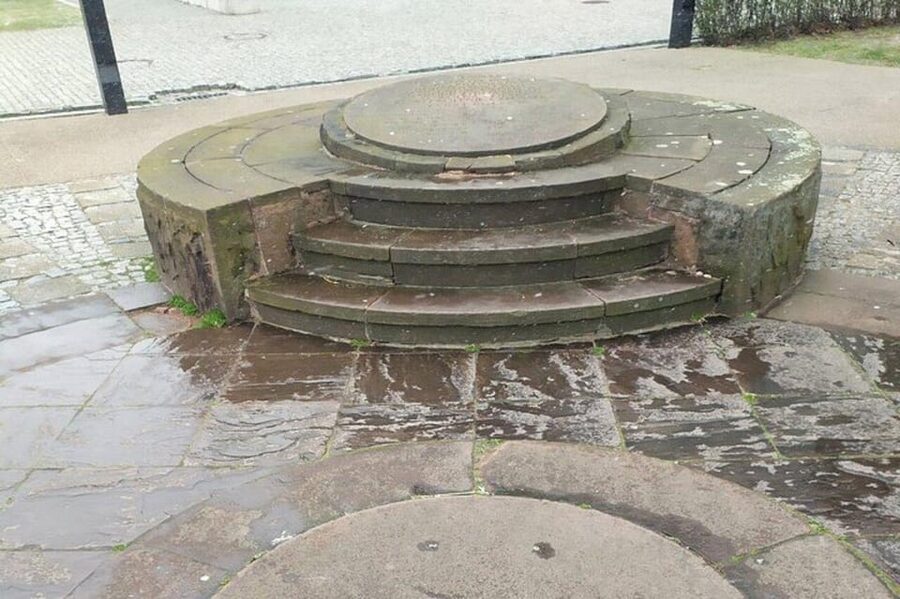
Miła 18 is one of the route’s most important memorial locations, with about 10 minutes of guided explanation. The site is linked to the leadership of the 1943 Warsaw Ghetto Uprising and has become a key place for remembering the people who resisted.
This is where the earlier discussion of the uprising becomes more focused. You can consider not only what happened, but why people made the choices they did when escape and victory were nearly impossible.
A guide adds real value here because a memorial site can otherwise be easy to pass without understanding its importance. The tour explains the location as part of the wider story of resistance and remembrance, rather than presenting it as a quick photo stop.
The location also fits the tone of the whole route. Jewish Warsaw is represented not only by destruction, but by courage, documentation, memory, and the continuing effort to tell the story accurately.
Umschlagplatz, a difficult but essential ending
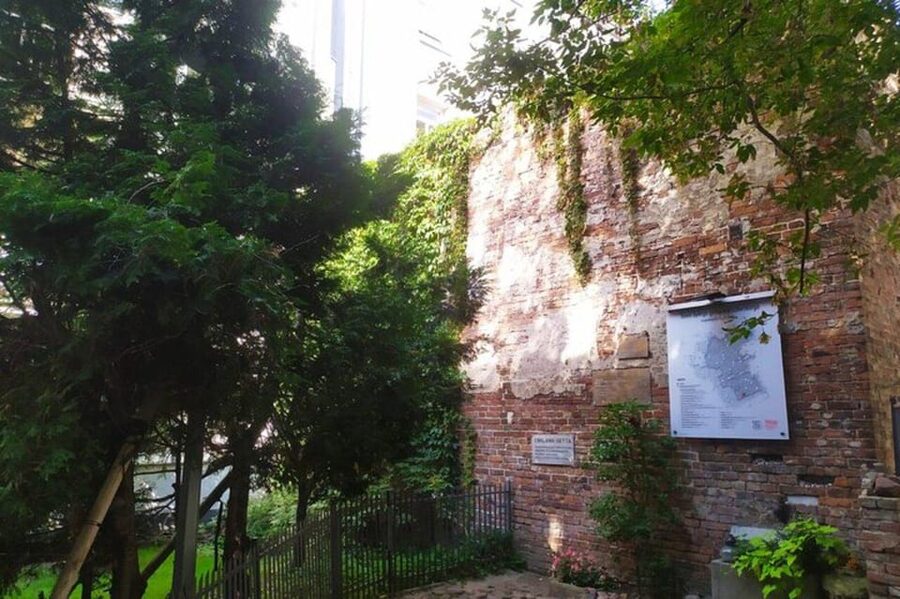
The walk finishes at Pomnik Umschlagplatz, the memorial marking the place from which around 300,000 Jews were transported to Treblinka.
Ending here gives the route a clear emotional direction. You begin with Jewish life and continuity, move through the ghetto and its resistance, and finish at the point of mass deportation. It is a hard ending, but it reflects the historical sequence the tour is trying to explain.
Because this is the final stop, you may want to avoid scheduling something rushed immediately afterward. The activity ends here rather than returning you to the starting point. Take note of that when planning your next stop.
Umschlagplatz is not a place for casual sightseeing. You will get more from it if you allow yourself a quiet moment after the guide finishes.
Oliwia’s guiding style and the role of the guide
The strongest praise connected with this experience centers on Oliwia. Her delivery is described as clear, expressive, and memorable, with a touch of humor used carefully. Her detailed understanding of the ghetto and her way of explaining each part of the walk have earned repeated approval.
That matters because this route contains difficult material and many connected events. A guide needs to explain the setting without overwhelming you, and also avoid turning suffering into a list of facts. The feedback points to Oliwia’s ability to keep the experience interesting while treating the subject with care.
The small group should help. A limit of 10 people gives you a better chance to hear personal accounts, follow visual aids, and ask about details that interest you. It also makes the walk less anonymous than a large coach group.
Of course, guide quality can vary by date and assignment. Still, Oliwia is the specific guide name associated with the strongest praise, so it is worth checking the booking details if you particularly want to know who leads your departure.
Is $32 a fair price?
At $32 per person, the tour is fairly priced for a three-hour, English-language walk with a small group and a specialist route. You are paying mainly for the guide’s explanation and the careful connection between sites, not for a long list of included admissions.
The value is strongest if you are new to Warsaw’s Jewish history. Without a guide, you might see the synagogue, a wall fragment, a memorial, or POLIN Museum as separate points. This route shows how they relate.
The price does not include entry to Nożyk Synagogue or POLIN Museum. That keeps the basic cost clear, but you should add those fees if you want to enter both. The tour also includes a pre-tour information pack, visual aids, and recommendations for further places to visit, eat, and drink. Those extras are practical rather than flashy, and they can help you plan the rest of your stay.
Free cancellation up to 24 hours before the tour and the option to reserve now and pay later make the booking less rigid. For a short city visit, that flexibility is useful.
Who should book this walk?
I would recommend it to you if you want more than a quick memorial circuit. It suits visitors who want a clear explanation of Jewish settlement in Poland, the growth of Jewish Warsaw, the Holocaust, the ghetto uprising, and the city’s current Jewish community.
It is also a good choice if you prefer learning through streets and places instead of spending the entire morning indoors. The route gives you a strong introduction before a separate visit to POLIN Museum.
You should think twice if you dislike walking, find wartime history too upsetting, or want a relaxed sightseeing tour. This is a serious experience, and the final stops require attention.
The route is also useful early in your Warsaw visit. The information pack and recommendations may help you choose other museums, memorials, restaurants, and cultural sites later.
FAQ
How long does the Jewish Warsaw walking tour last?
The tour lasts approximately three hours.
How far do participants walk?
The route covers approximately 4.5 to 5 kilometers.
What language is the tour conducted in?
The live guided tour is conducted in English.
How large is the group?
The group is limited to 10 participants.
Is the tour wheelchair accessible?
Yes, the activity is listed as wheelchair accessible. However, it is not recommended for people who have problems walking long distances.
Are Nożyk Synagogue and POLIN Museum admission fees included?
No. Entry fees for Nożyk Synagogue and POLIN Museum are not included in the tour price.
Where does the tour meet and finish?
The group meets in front of Baguette Mi restaurant at Sienna 53. Look for a guide with a white and green umbrella. The tour finishes at Pomnik Umschlagplatz.
Should you book the Jewish Warsaw walking tour?
Book it if you want a focused, well-explained introduction to Jewish Warsaw and can manage a five-kilometer walk. The route covers rare surviving sites, the ghetto wall, the Ringelblum Archive memorial, Miła 18, POLIN Museum, and Umschlagplatz in a logical order.
I especially like the combination of small-group discussion and powerful first-hand accounts. Oliwia’s clear, expressive style is another strong reason to choose this experience when she is leading it. Just budget separately for the synagogue and museum, wear comfortable shoes, and leave yourself time to reflect at the end. This is one of the more useful ways to understand Warsaw beyond its rebuilt façades.
Just added around Warsaw
- Jewish heritage in Warsaw★ 4.5 · 3 reviews
- Warsaw Outdoor Paintball with Transfers (all year round)★ 5.0 · 3 reviews
- World War II Warsaw Old Town, Military Cemetery Walking Tour★ 4.7 · 3 reviews
- Warsaw: Wolf’s Lair & Swieta Lipka Small-Group Tour + Lunch★ 5.0 · 3 reviews
- Sunset Boat Tour with Unlimited Drinks in Warsaw★ 3.5 · 3 reviews
- Majdanek – German camp from II World War – Private Tour – 1 DAY TRIP FROM WARSAW★ 5.0 · 3 reviews
- From Warsaw: Guided Tour to Wieliczka Salt Mine and Krakow★ 4.5 · 3 reviews
- Warsaw Sightseeing with NEW Mercedes Sclass !!!★ 5.0 · 3 reviews
Walking Tours, compared.




Gdańsk City Sights & History Guided Walking Tour in English
Read our review →


Browse the lists this tour appears in