
REVIEW · NOWA HUTA COMMUNISM TOURS
Communist Krakow – Nowa Huta Walking Tour in English
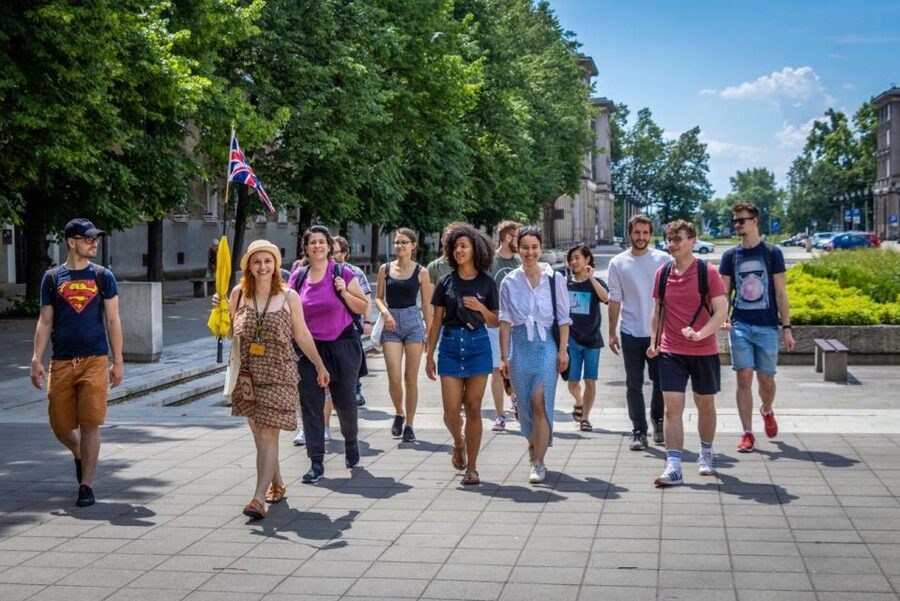
Krakow has a second story beyond the Old Town. Nowa Huta offers a clear look at postwar Poland, from Stalinist city planning and steel production to Catholic resistance and the daily lives of Polish workers. I like the tour’s focus on real people, not just grand political events, and I like that it takes you into a part of Krakow largely untouched by mass tourism.
The guides also earn strong praise for their storytelling. Jakob, Chris, Ania, Damian, and others have been singled out for making difficult history easy to follow, often adding personal connections to the district. The main consideration is that this is a history-heavy walking tour, and one participant wanted more stories specific to Nowa Huta rather than wider Polish politics.
In This Review
- Key points at a glance
- Why Nowa Huta belongs on your Krakow plans
- Central Square and the Avenue of Roses
- From steelworks propaganda to ordinary life
- The Ark of the Lord and Catholic resistance
- A neighborhood away from the Old Town circuit
- What the guiding makes worth the price
- Timing, walking effort, and practical planning
- Who will enjoy this walk most?
- Should you book Communist Krakow?
- FAQ
- Where does the Communist Krakow tour take place?
- How long does the tour last?
- What language is the tour in?
- How much does the tour cost?
- What is included in the tour?
- Is hotel pickup included?
- Are snacks included?
- Is the tour wheelchair accessible?
- How early should I arrive?
- Can I cancel for a full refund?
Key points at a glance
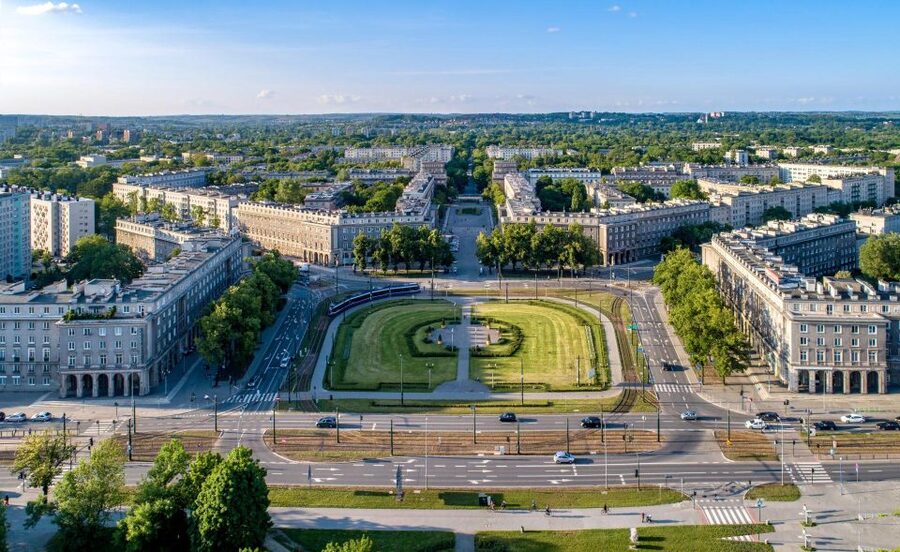
- A purpose-built socialist city: See the monumental Central Square and Avenue of Roses, planned as the public face of communist Nowa Huta.
- The Ark of the Lord church: Enter a remarkable church built as a symbol of Catholic resistance to the communist authorities.
- A different side of Krakow: Trade Old Town crowds for broad avenues, residential streets, public spaces, and a working district with its own identity.
- History told through daily life: The best guides connect government policy with homes, work, faith, protests, and ordinary routines.
- A 150-minute English walk: The pace gives you enough time for context without taking up a full day.
- Good value at $26: The price covers the reservation and guide’s payment within a general pay-as-you-wish tour format.
Why Nowa Huta belongs on your Krakow plans
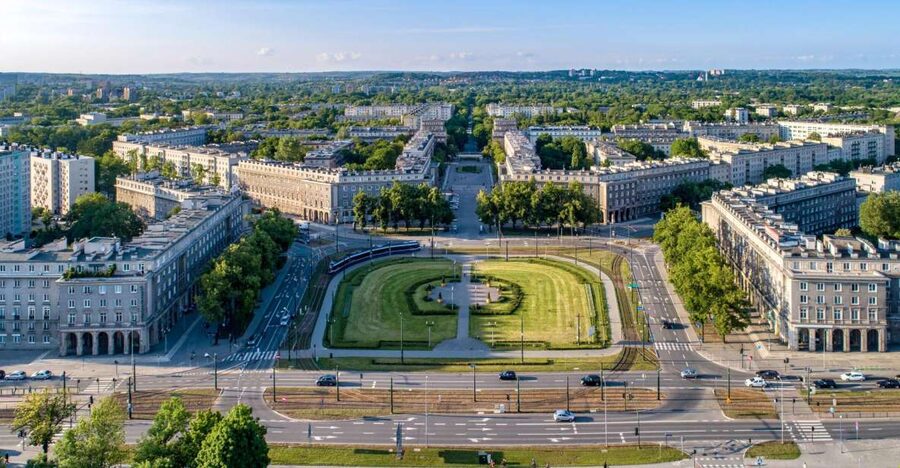
Nowa Huta means New Steelworks. The name tells you much of the story. After World War II, Poland’s communist government planned this district around a huge steelworks and presented it as a model socialist city.
The plan was practical, political, and theatrical. Workers would live near industry. Wide avenues and monumental public spaces would express the power of the state. The district would help create a new industrial society and serve as useful propaganda for Joseph Stalin’s communist system.
That makes Nowa Huta a sharp contrast with Krakow’s medieval center. In the Old Town, you read centuries of monarchy, religion, and trade through churches and stone facades. In Nowa Huta, you read the twentieth century through urban design, factories, housing, political symbols, and conflicts over religious freedom.
I find that contrast especially useful. If you only visit Krakow’s historic center, you can leave with a polished but incomplete picture of the city. Nowa Huta shows how Poland changed after the war and how political ideas reached right into the streets where people lived.
The district is also not presented as a frozen museum. It remains a lived-in neighborhood. That matters because you are not simply looking at preserved communist architecture. You are seeing a place that has continued to change while keeping visible traces of its original purpose.
More Walking Tours in Kraków
- Old Town Krakow & Wawel Castle Walking Tour
★ 5.0 · 1,508 reviews - Creepy Krakow: 2-Hour City Walking Tour
★ 4.7 · 1,131 reviews - Krakow: The Old Town Walking Tour
★ 4.8 · 794 reviews
Central Square and the Avenue of Roses
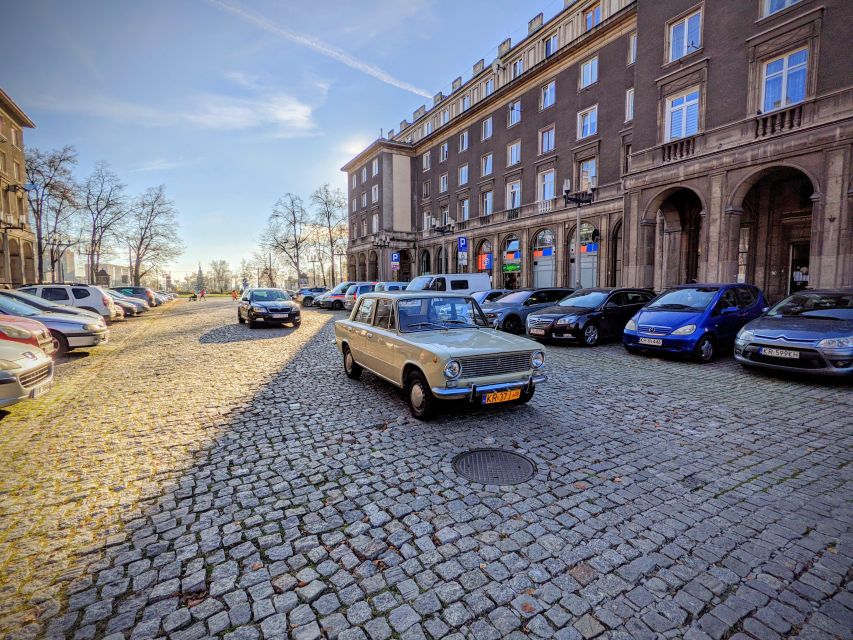
The tour’s main architectural lesson comes through the representative parts of Nowa Huta, especially Central Square and the Avenue of Roses.
Central Square was designed on a grand scale. Its size and formal arrangement reflect the confidence of the communist state, which wanted public space to communicate order, strength, and collective purpose. The design is useful evidence of how architecture can serve politics.
Your guide can explain what the planners wanted the square to say and how residents experienced it in practice. That difference is central to the tour. A government may design a space to represent ideology, but people use it for everyday errands, meetings, celebrations, demonstrations, and quiet routines.
The Avenue of Roses offers another layer. Its name sounds gentle, yet the avenue was part of a carefully planned district with a strong political message. It helps you picture how the area was meant to look and feel when the government presented Nowa Huta as a model city.
These broad spaces can be difficult to understand on your own. You might see large buildings and long sight lines, then simply move on. A guide gives the design a purpose and explains how public architecture related to power.
The tradeoff is that this is not a route built around a long list of indoor attractions. Much of the experience comes from reading streets and buildings. Bring curiosity and comfortable shoes, and expect the guide’s explanation to provide much of the meaning.
From steelworks propaganda to ordinary life
Nowa Huta was not only a planning project. It was also tied to the enormous industrial effort that shaped postwar Poland. The steelworks gave the district its name and its political importance.
The government wanted industrial workers to represent the future of socialism. That ideal often collided with the realities of housing, shortages, political control, and religious belief. The most useful parts of the tour connect those broad pressures to the ordinary lives of residents.
Chris has been praised for mixing historical facts with personal memories of growing up in the area. That kind of detail can change the tone of a walk. Instead of hearing only about policies from above, you get a sense of how the district felt to someone who knew it as home.
Ania has also been praised for combining precise historical detail with strong storytelling. Damian has been noted for finding a good balance between serious subjects and lighter stories. Those qualities matter here because the material can become dry if it is reduced to dates and official plans.
You should also expect the tour to cover Poland’s wider postwar story. One guide made a point of explaining that communism was imposed from outside rather than being a simple expression of local popular feeling. That wider context helps explain why Nowa Huta became such a charged political and social setting.
Still, keep your expectations specific. If you want a tightly focused account of one neighborhood’s streets, every stop may not satisfy you equally. One participant felt the tour spent too much time on general Polish history and wanted more Nowa Huta stories. I would treat that as a useful warning for history specialists, not a reason to dismiss the walk.
The Ark of the Lord and Catholic resistance
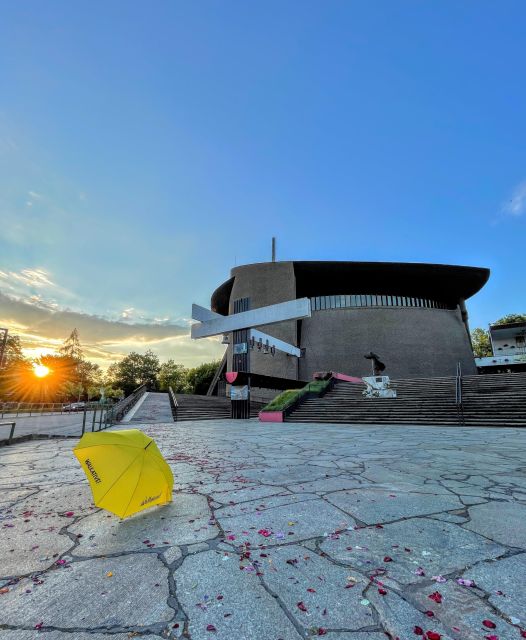
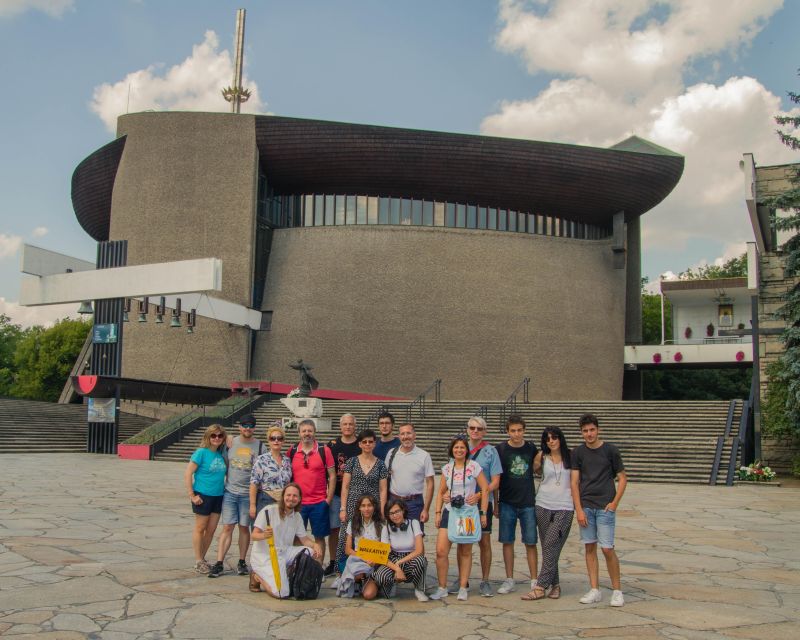
The Ark of the Lord is likely to be the emotional center of the tour. You enter one of Poland’s most unusual churches, a building linked to the spiritual resistance of Catholic workers against the communist party.
Its importance is not only religious. The church represents a long struggle over whether Nowa Huta would have a Catholic place of worship. In a city designed around socialist ideals, a church carried political meaning as well as spiritual meaning.
The building’s architecture is described as especially distinctive. That gives the stop a strong visual element, but the story behind it is what makes it matter. You are looking at a place where faith, workers’ identity, state power, and local resistance met.
This is also where the tour moves beyond architecture. Poland’s conflict with communist rule was not fought only through speeches and official politics. It was expressed through religious practice, community life, and the refusal to let the state define every part of public identity.
Allow time to listen here. The church is not just another photo stop, and the guide’s explanation is more valuable than a quick look at the exterior. Since the walk is in English, you can ask questions and follow the political background without having to rely on a guidebook translation.
More Nowa Huta and communism tours:
- Krakow: Nowa Huta Guided Tour in Vintage Car
★ 4.9 · 277 reviews - Legendary Private Nowa Huta Communism Tour with Crazy Guides
★ 5.0 · 262 reviews - Nowa Huta: Steelworks Administration Buildings/Shelters Tour
★ 4.9 · 160 reviews - Krakow: Private Nowa Huta Adventure Tour in Communist Cars
★ 4.9 · 114 reviews
A neighborhood away from the Old Town circuit
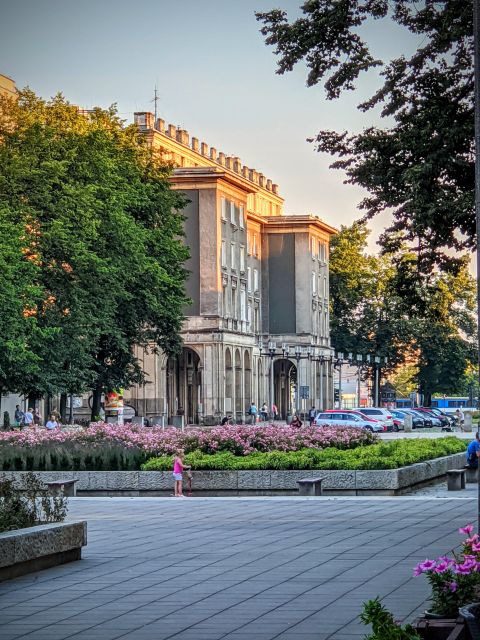
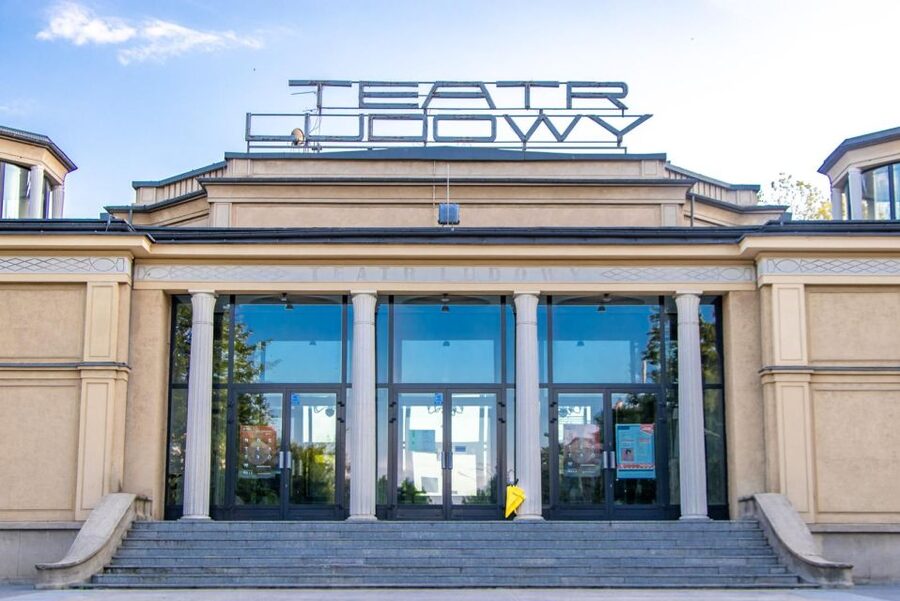
Nowa Huta gives you a break from Krakow’s most familiar route. The tour includes the Nowa Huta Cultural Centre and Ronald Reagan Plaza, along with the district’s main public spaces.
The Cultural Centre helps show that Nowa Huta is not simply a relic of the communist era. It is part of present-day city life and culture. Ronald Reagan Plaza adds another layer to the changing public memory of the district, linking its older socialist identity with later political and historical shifts.
The district’s atmosphere differs sharply from the Old Town. You should expect a setting shaped by planned avenues, large open spaces, and residential life rather than tightly packed medieval streets. That difference is the point.
You may find the area more rewarding after spending time in central Krakow first. The contrast makes both places easier to understand. Old Town shows the long sweep of Krakow’s earlier past, while Nowa Huta shows the ambitions and tensions of the postwar decades.
One guide also reassured the group that the area is interesting and not dangerous. That is useful if you have heard vague warnings about visiting a district outside the usual sightseeing zone. The tour gives you a structured way to get your bearings, and you can decide afterward if you want to see more.
One participant planned to return for the bunkers and additional parts of Nowa Huta. Those areas are not listed as part of this 150-minute walk, so think of the tour as an introduction rather than a complete district tour.
What the guiding makes worth the price
The listed price is $26 per person. For a 150-minute guided walk, that is a fair price if you value explanation and context rather than just seeing the buildings.
The fee has an unusual format. You join a general pay-as-you-wish tour, but the amount paid at booking covers the reservation fee and the guide’s payment. The description also says guests may reward the guide according to their preference, so check the current payment wording carefully before booking.
At this price, the main value is the guide’s narrative. You are paying for a constructed account of Nowa Huta, not for admission to a large collection of attractions. The tour includes the English-speaking guide, historical explanation, and storytelling. Snacks and hotel pickup are not included.
The strongest guides add more than memorized facts. Jakob was praised for building a clear picture of Polish history while watching the group’s wellbeing. Chris brought personal experience of the area. Ania’s passion and Damian’s balance between breadth and detail were also highlighted.
Guide quality can vary because the names are not guaranteed. That is normal for a general walking tour. The overall rating is 4.9 from 34 reviews, and the repeated praise for storytelling gives you a good reason to expect a solid experience, while still leaving room for differences in style.
A direct booking through the tour company’s own website may also send more of the proceeds to the guide, according to one booking note. If that matters to you, compare the available booking options and payment terms.
Timing, walking effort, and practical planning
The experience lasts 150 minutes, or two and a half hours. That is long enough to build a clear story, but short enough to fit beside other Krakow plans.
Arrive at the meeting point 10 minutes early. Hotel pickup and drop-off are not included, so you need to make your own way to the start. The exact meeting point should be checked when you book, especially since the named locations include the Nowa Huta Cultural Centre, Rynek Główny, Ronald Reagan Plaza, Central Square, and the Avenue of Roses.
Wear comfortable shoes. The route is a walking experience through a large district, and the outdoor portions may involve steady time on streets and public spaces. Bring water if you like, since snacks are not included.
The tour is wheelchair accessible. That is a useful feature, though you should still confirm the current route and any specific access needs before arrival, since outdoor conditions and individual buildings can affect ease of movement.
English is the only listed tour language. The live guide format suits you best if you want to ask questions and hear the story as you move through the district.
Cancellation is free up to 24 hours before the activity for a full refund. You can also reserve now and pay later, which helps if your Krakow schedule is still shifting.
Who will enjoy this walk most?
I would choose this tour if you want to understand Poland after World War II, not just photograph attractive buildings. It suits people interested in politics, architecture, religion, urban planning, workers’ movements, and twentieth-century Europe.
It is also a good choice if you have already seen Krakow’s Old Town and want a different side of the city. The district’s distance from the standard sightseeing circuit is part of its appeal.
Families with older children may find the contrast between the planned city and the medieval center especially useful. The tour can turn abstract ideas such as propaganda or state control into visible streets and buildings.
It may be less suitable if you want a relaxed stroll with little historical explanation. The subject is serious, and the tour’s value depends on listening. I would also think twice if you have limited time in Krakow and prefer the city’s most famous landmarks.
For history specialists, ask yourself how much general context you want. The tour covers the wider political background, and one experience suggested that the Nowa Huta-specific material could have gone further. You can always use the walk as a foundation and return later for the bunkers and other parts of the district.
Should you book Communist Krakow?
Book it if you want a thoughtful change from Krakow’s Old Town and care about how politics shaped real neighborhoods. The Ark of the Lord, Central Square, and the Avenue of Roses give the walk strong focal points, while the best guides bring the human side into view.
The tour’s great strength is storytelling, especially when a guide such as Chris adds personal memories or when Ania and Damian connect facts with feeling. Its main weakness is that the amount of specifically local detail may depend on the guide and the group’s interests.
At $26, two and a half hours is good value for an English history walk, especially with free cancellation up to 24 hours before departure and reserve-now, pay-later terms. I would book this for a first introduction to Nowa Huta, then return independently if the district catches your interest.
FAQ
Where does the Communist Krakow tour take place?
The tour takes place in Nowa Huta, a district of Krakow in Lesser Poland, Poland.
How long does the tour last?
The walking tour lasts 150 minutes, or two and a half hours.
What language is the tour in?
The live tour guide conducts the experience in English.
How much does the tour cost?
The listed price is $26 per person.
What is included in the tour?
An expert local guide and a constructed historical narrative are included. The experience also includes history and storytelling at locations in Nowa Huta.
Is hotel pickup included?
No. Hotel pickup and drop-off are not included.
Are snacks included?
No. Snacks are not included.
Is the tour wheelchair accessible?
Yes, the activity is listed as wheelchair accessible.
How early should I arrive?
You should arrive at the meeting point 10 minutes before the activity begins.
Can I cancel for a full refund?
Yes. You can cancel up to 24 hours in advance for a full refund.
Just added around Kraków
- Rynek Underground Museum & Wawel Castle, Cathedral – Cracow★ 5.0 · 3 reviews
- Schindler’s Factory, Ghetto and Plaszow Camp Guided Tour★ 4.7 · 3 reviews
- Nowa Huta – a guided tour of a utopian socialist city★ 5.0 · 3 reviews
- Krakow: Kazimierz by Golf Cart and Schindler’s Factory Tour★ 4.8 · 3 reviews
- Private Krakow City Tour by Car and Walk with private tour guide★ 5.0 · 3 reviews
- Krakow: Jewish Traces Private Electric Car Tour★ 4.1 · 3 reviews
- Discover the Jewish Quarter with a Bike Tour★ 5.0 · 3 reviews
- Krakow: Indoor Go-Karting (24-Minute Races)★ 4.8 · 3 reviews
Nowa Huta Communism Tours, compared.
Legendary Private Nowa Huta Communism Tour with Crazy Guides
Read our review →
Nowa Huta: Steelworks Administration Buildings/Shelters Tour
Read our review →
Private Tour: Warsaw’s Communist History by Retro Fiat
Read our review →
Private Nowa Huta Adventure Tour in Communist Cars
Read our review →


Browse the lists this tour appears in