
REVIEW · WARSAW TOURS
From Warsaw: Treblinka Camp 6-Hour Private Tour
Treblinka asks for your attention. This private six-hour trip combines a quiet memorial visit with a guide-led explanation of one of World War II’s most important sites. I especially like the hotel pickup and the time set aside for personal reflection. The included lunch at a local restaurant also gives the long day a welcome pause.
The main drawback is the drive: about 90 minutes each way from central Warsaw, leaving roughly three hours at the site. This is also a serious history tour, not a light sightseeing outing. Children under 14 are not accepted, and you should expect a moderate amount of walking.
In This Review
- Key points at a glance
- Why Treblinka is a different kind of day trip
- The 90-minute journey from central Warsaw
- Treblinka I, the penal labor camp
- Treblinka II and the symbolic railway ramp
- The Museum of Struggle and Martyrdom
- A private guide changes the tone
- Lunch at a local restaurant
- Timing, walking, and emotional preparation
- How the $205 price measures up
- Who should book this Treblinka tour?
- Practical details before you go
- Should you book it?
- FAQ
- How long is the tour from Warsaw to Treblinka?
- Is hotel pickup included?
- What languages are available?
- Does the tour visit both Treblinka camps?
- Is lunch included?
- Is the tour suitable for children?
Key points at a glance
- A 90-minute drive from Warsaw: Central hotel pickup makes the trip simple, but the distance takes up a large part of the six-hour schedule.
- Treblinka I and Treblinka II: You visit both the penal labor camp and the extermination camp, giving the tour a broader historical frame.
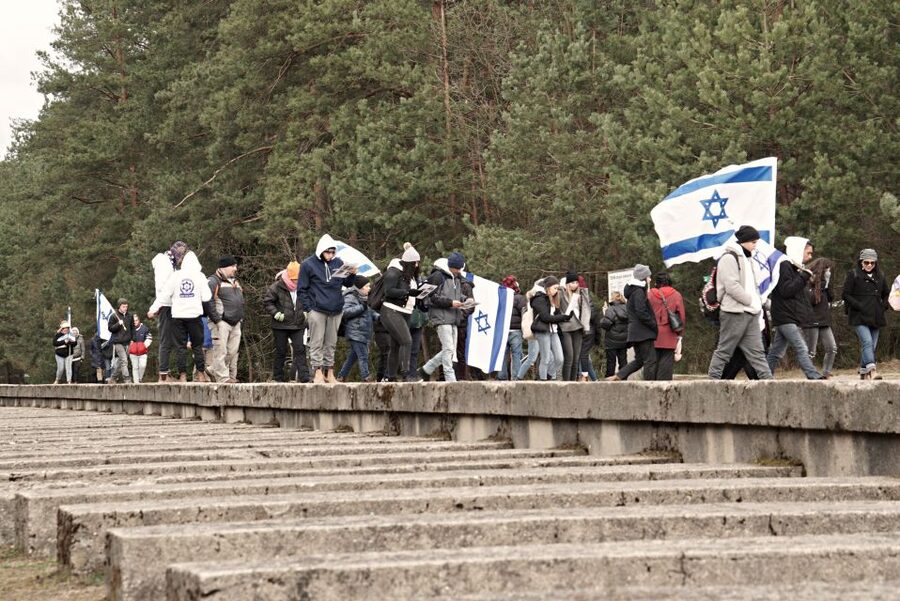
- A symbolic railway ramp: This important site helps explain how people arrived at Treblinka and what the railway meant within the camp system.
- Museum objects and survivor testimony: The museum includes a camp model, personal items found on site, and a short film with survivor accounts.
- Private guiding with time to think: Guides including Konrad and Marcin have been praised for clear explanations, personal stories, and a respectful pace.
- Lunch and all main admissions included: At $205 per person, the price covers transport, guide service, food, and entry fees in one package.
Why Treblinka is a different kind of day trip
Many day trips from Warsaw focus on grand buildings, royal history, or pretty old towns. Treblinka offers none of that. You come here to understand a crime, remember the people murdered here, and think about how ordinary systems were turned toward mass killing.
Treblinka was both a Nazi penal labor camp and an extermination camp. Treblinka I operated as a forced labor camp, while Treblinka II was built for mass murder. Seeing both sites helps you understand that the name Treblinka refers to more than one camp and more than one part of the Nazi camp system.
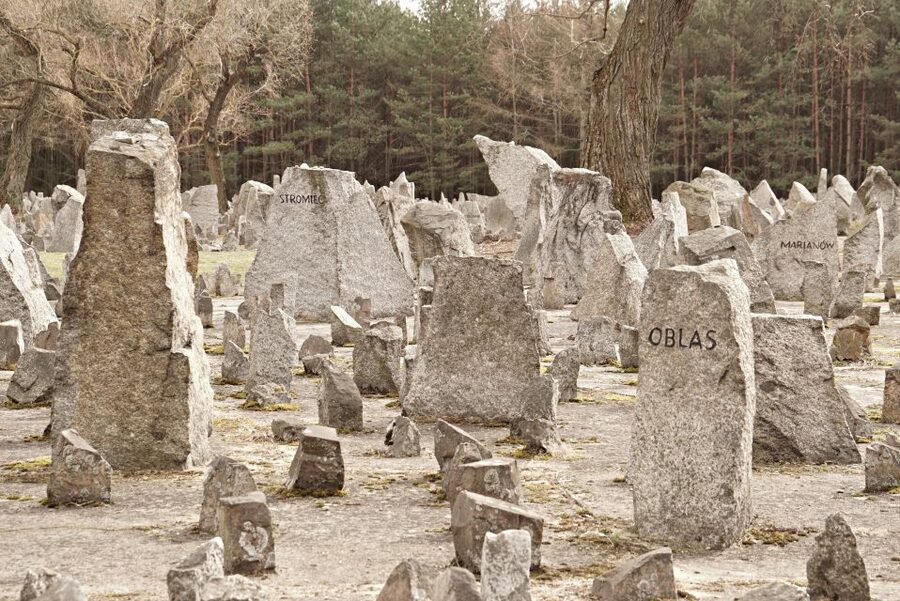
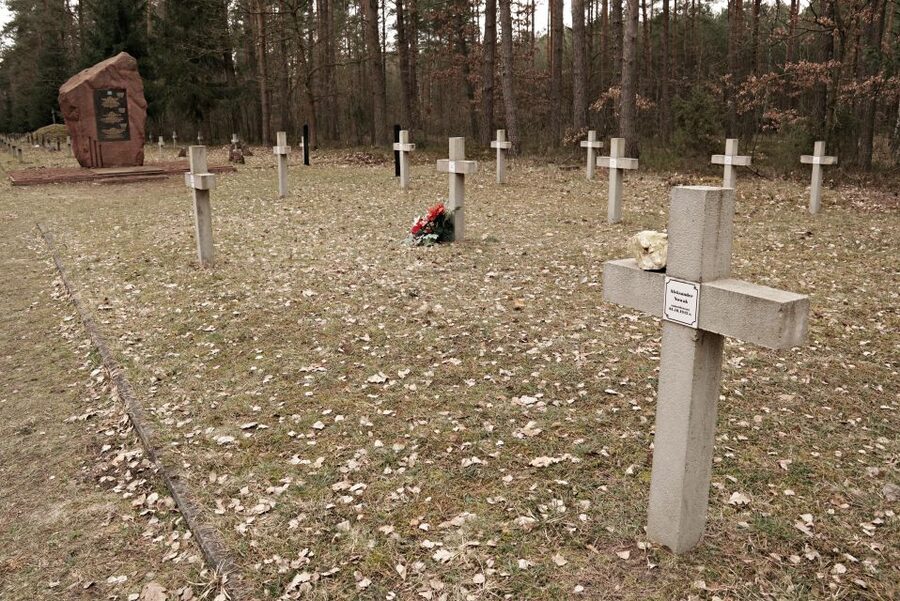
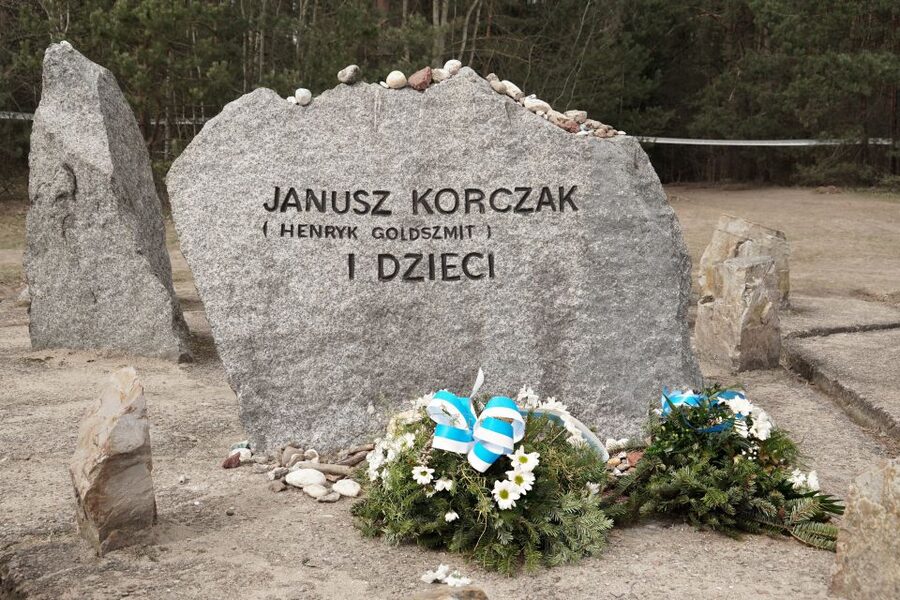
The place is especially affecting because so little of the original camp remains. You do not walk through preserved barracks or enter surviving gas chambers. Instead, the empty grounds, memorial stones, museum displays, and symbolic markers ask you to build an understanding from evidence and explanation.
That can be harder than visiting a site with intact buildings. It can also make the experience more reflective. You are not simply moving from room to room. You are looking at a place that has been deliberately marked and remembered.
A few more Warsaw trips worth weighing up
- Warsaw: Chopin Concert in the Old Town
★ 4.8 · 2,287 reviews - Warsaw: Traditional Galar Cruise on The Vistula River
★ 4.6 · 1,640 reviews - Warsaw: Old Town Highlights Walking Tour in English
★ 4.7 · 1,516 reviews
The 90-minute journey from central Warsaw
The tour begins with pickup from your hotel lounge, but there is an important limit: pickup is only available from centrally located hotels. If you are staying outside central Warsaw, you should confirm the meeting arrangement before booking.
The drive to Treblinka takes about 1.5 hours. Transport is by luxury van, and the same vehicle brings you back to Warsaw after the visit. For a private group, this is much easier than arranging separate public transport connections to a rural historical site.
The journey also gives the guide time to set the context. Sanna from Sweden particularly valued the explanations and anecdotes that began while passing through Warsaw. That detail matters because Treblinka makes more sense when you understand how the camp fit into the wider events of World War II.
Your guide is also the driver. Guides named in the feedback include Konrad and Marcin, both praised for clear, detailed presentations. Marcin was singled out for his professional approach, while Konrad was praised for giving a strong explanation throughout the visit.
Because the driver is also leading the tour, this is not the same setup as having a separate chauffeur and museum specialist. Still, the private arrangement lets you ask questions directly and keeps the day focused on your group.
Treblinka I, the penal labor camp
The first part of the visit includes Treblinka I, the Nazi penal labor camp. The camp’s purpose was forced labor, punishment, and terror. Including it in the tour gives you a fuller picture of Nazi persecution than a visit limited only to the extermination camp.
You should not expect a preserved camp complex. The site is presented through its grounds, memorial markers, museum material, and the guide’s explanation. That means your guide is important here. A good explanation helps you understand what happened in a place where the physical evidence is less obvious.
The absence of original structures may frustrate anyone hoping for a conventional museum visit. At the same time, the open setting leaves room for thought. The tour does not rely on dramatic scenery or a large collection of buildings to create an emotional response.
This part is best approached slowly. Comfortable shoes are essential, and you should plan for a moderate amount of walking. The site is not designed as a quick stop where you take a few pictures and move on.
Treblinka II and the symbolic railway ramp
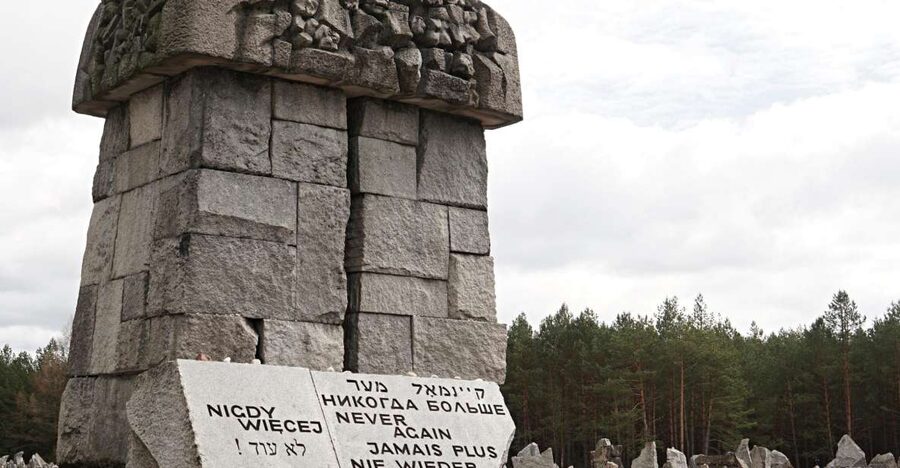
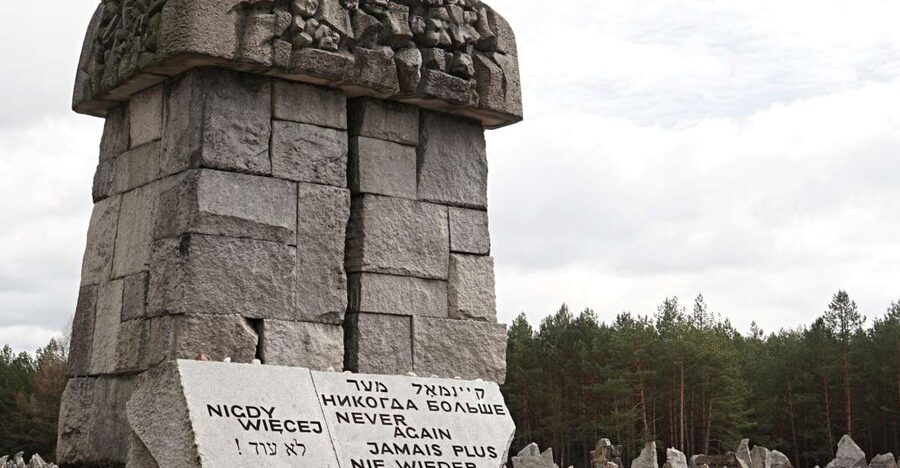
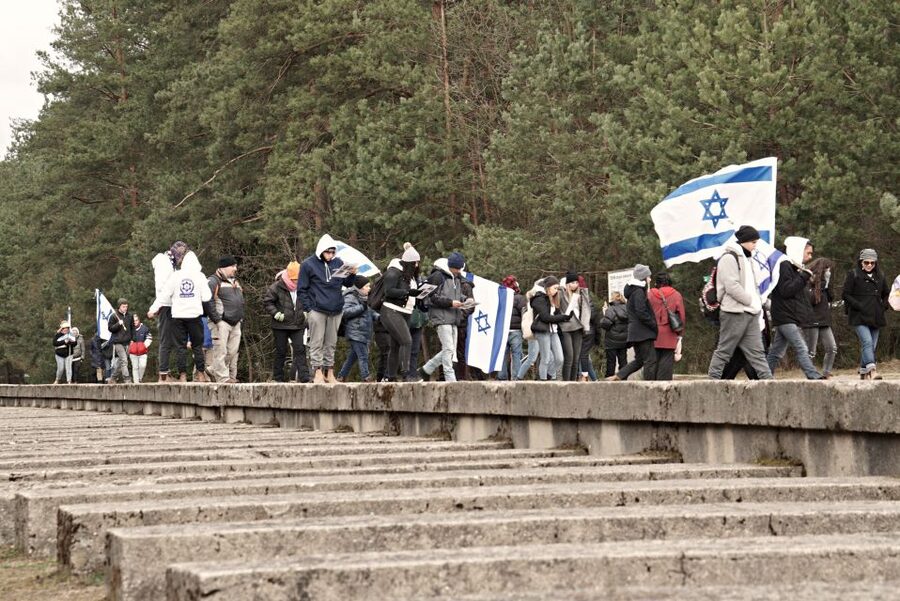
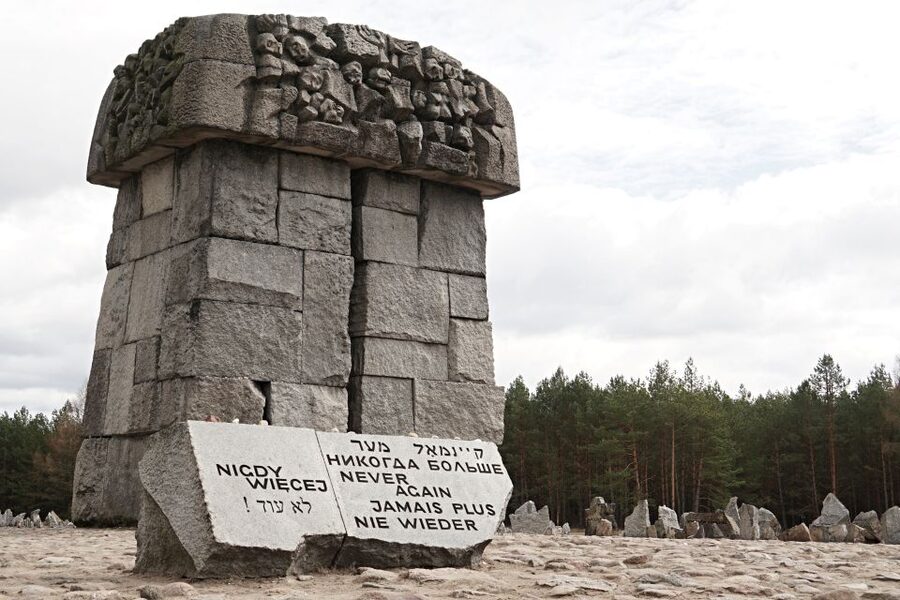
Treblinka II was the extermination camp, and it is the central focus of the visit. The symbolic railway ramp is one of the key points on the grounds. It helps explain the arrival process and the role of the railway in transporting victims to the camp.
The word symbolic is important. The original camp structures are not preserved, so the experience depends on memorial design, historical evidence, and careful narration. The railway ramp is not a working station or an intact historical platform. It is a marker that helps you picture the machinery of deportation.
This is where a private tour has a clear advantage. You can ask your guide to explain the sequence of events, clarify the difference between Treblinka I and II, or pause without worrying about a large group waiting. You also have more control over the emotional pace of the visit.
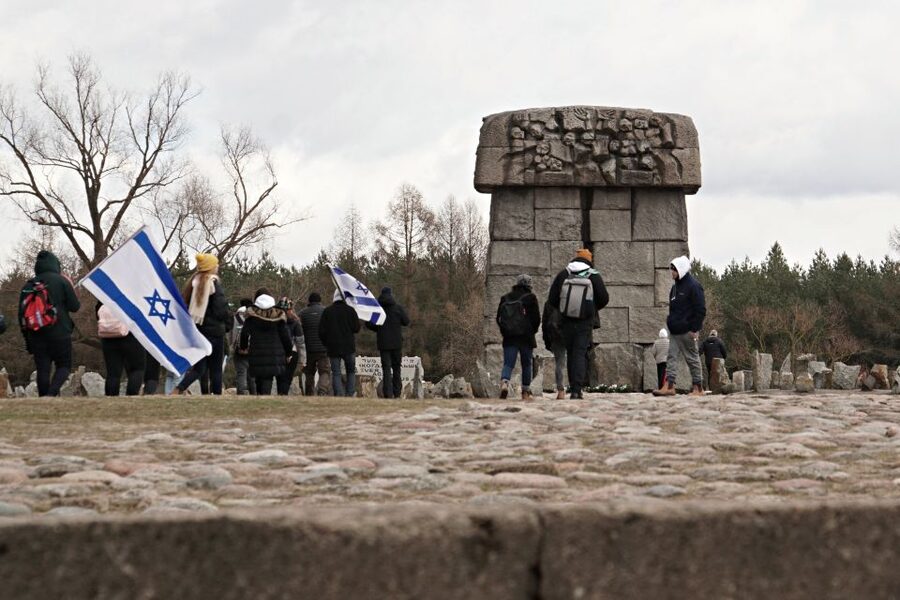
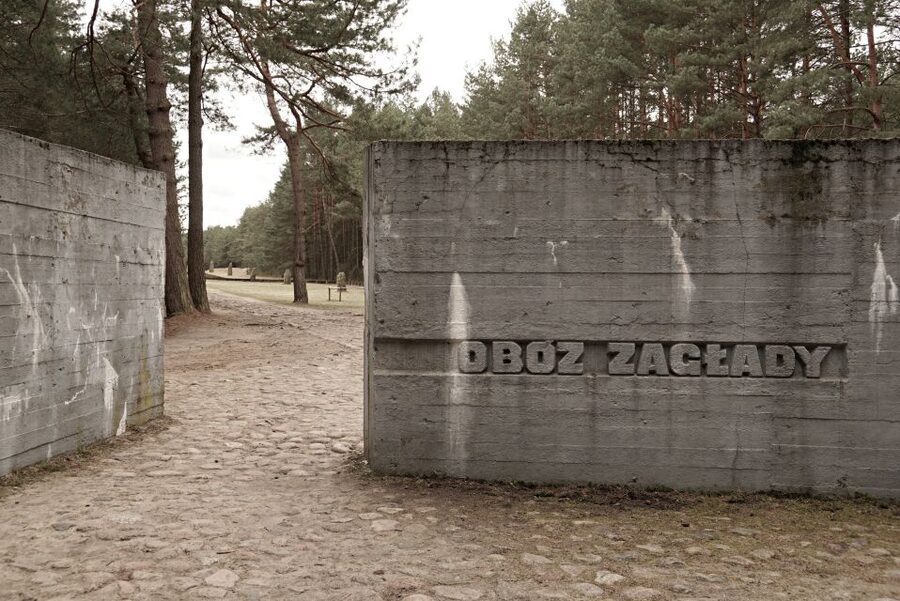
The memorial area includes stones and plaques connected with the people and communities destroyed at Treblinka. You are given time for private reflection, which is one of the strongest features of this experience. The site is difficult, and a rushed visit would make it harder to take in what you are seeing.
A completely different kind of day out in Warsaw:
- Warsaw Concert: Chopin – Painted by Candlelights with Wine
★ 4.8 · 1,442 reviews - Warsaw: City Sightseeing Hop-On Hop-Off Bus Tour
★ 3.6 · 1,415 reviews - Warsaw: POLIN Museum of the History of Polish Jews Ticket
★ 4.7 · 1,142 reviews - #1 Pub Crawl Warsaw with Optional Premium 1 Hour Open Bar
★ 5.0 · 790 reviews
The Museum of Struggle and Martyrdom
The museum provides the evidence and structure that the open site cannot. Inside, you see a model of Treblinka I and Treblinka II, along with personal items found around the camp.
The model is useful because it shows how the two camp areas related to one another. It also helps you understand the scale and organization of the site. After walking across the grounds, a model can give you a clearer sense of the place as a whole.
The personal objects are particularly important. They bring the history down from numbers and military terms to individual lives. A shoe, tool, piece of luggage, or other personal item can say more than a long list of statistics because it points to the people who carried those things before they were murdered.
The museum also presents a short film with testimonies from survivors. This adds a human voice to the history and helps prevent the visit from becoming only a lesson in dates and structures. The film is brief, but it forms an important part of the museum stop.
You should allow yourself time to look carefully rather than treating the museum as a waiting room between outdoor stops. The combination of the model, objects, and testimony gives you three different ways to understand Treblinka: through layout, material evidence, and personal memory.
A private guide changes the tone
This is a private group tour with an English-speaking live guide. That setup suits a site where questions and pauses matter. You can ask for more detail when a subject is unclear, or spend longer at a memorial area if you need a quiet moment.
The guides have received especially strong praise for their preparation and manner. Konrad was described as an excellent guide who shared many useful details. Marcin was praised for his professionalism and ability to explain the history well. Another guide was described as friendly, informative, and willing to share stories during both the drive and lunch.
The best part of those comments is not simply that the guides know the facts. It is that the guiding begins before arrival and continues after the formal site visit. That creates a connected day instead of a transfer followed by a separate museum stop.
A private guide can also make difficult history easier to discuss. You are not raising sensitive questions in front of a busload of strangers. For some people, that personal setting will be worth more than a lower-cost shared excursion.
The tradeoff is price. At $205 per person, this is not a budget outing. You are paying for private transport, a dedicated guide, hotel pickup and drop-off, the main admissions, and lunch. The value improves if you are traveling with several people who can share the private vehicle, but the published price is still per person.
Lunch at a local restaurant
Lunch with drinks at a local restaurant is included. It breaks up a serious day and removes the need to search for food in an area where dining choices may be limited.
The meal also gives you a chance to continue the conversation with your guide. One account describes a good lunch followed by more useful discussion. That is a small but meaningful detail: the meal is not simply fuel between attractions.
Do not expect lunch to turn the day into a food tour. The main reason to book this experience is Treblinka, not the restaurant. Still, having lunch arranged is practical, especially after walking outdoors and concentrating on difficult material.
Timing, walking, and emotional preparation
Six hours sounds generous, but the 90-minute drive in each direction uses about half of the tour. The remaining time covers Treblinka I, Treblinka II, the memorial, the museum, the guided explanation, personal reflection, and lunch.
That makes the tour efficient rather than leisurely. You should have enough time for the main areas, but you should not expect an unstructured full-day visit. If you want to read every museum panel slowly or spend a long period alone at the memorial, you may need to manage your time carefully.
Wear comfortable shoes. The tour requires a moderate amount of walking, and the site visit includes outdoor areas. Wheelchair access is available, but the physical details of every path are not provided, so anyone with specific mobility needs should confirm the arrangements in advance.
The emotional side deserves equal attention. Treblinka is not suitable for young children, and the tour is not recommended for anyone 14 or younger. Even older teenagers may need preparation before visiting a place connected with mass murder.
You may find the memorial more powerful than the museum because the site is quiet and stripped of distraction. Or you may prefer the museum because the objects and survivor testimony provide a clearer historical framework. The tour includes both, allowing you to process the subject in different ways.
How the $205 price measures up
The $205 per-person price needs to be judged as a private full-service day trip, not as a museum admission. It includes central hotel pickup and drop-off, luxury van transport, an English-speaking guide, lunch with drinks, and admission to Treblinka I, Treblinka II, and the Treblinka Memorial.
That package saves you from arranging a rental car, navigating the route, finding the site, organizing tickets, and locating lunch. More important, you receive historical explanation throughout the day. For a remote and emotionally complex place, that support has real value.
The price is harder to justify if you are traveling alone and mainly want transport. It becomes more attractive for couples, families with older children, or a small group that wants a private schedule and direct access to a guide.
I would also consider the cost of getting the history wrong. Treblinka is not a place where a quick, unsupported visit gives you the full picture. The museum helps, but a guide who can explain the two camps and the meaning of the memorial adds a useful layer.
Who should book this Treblinka tour?
I would recommend this tour to you if you are staying in central Warsaw and want a serious, guided visit without handling rural transport yourself. It is also a strong choice if you prefer a private setting, want to ask questions, or value a guide who can speak with you during the drive and lunch.
It suits:
- Adults with a strong interest in World War II history
- Visitors who want to see both Treblinka I and Treblinka II
- Small private groups that prefer a dedicated guide
- People who want hotel pickup and a planned lunch
- Visitors who appreciate time for quiet reflection
I would think twice if you want a light day trip, dislike long drives, or prefer preserved buildings and highly visual attractions. Treblinka is intentionally restrained. You will not find a reconstructed camp village or a conventional sightseeing atmosphere.
The tour also may not suit anyone under 14, since children in that age group are not accepted. Even for older children, consider the subject carefully before booking.
Practical details before you go
Pickup is included from the hotel lounge, but only from centrally located Warsaw hotels. The tour is conducted in English, and the group remains private.
Free cancellation is available up to 24 hours before departure for a full refund. You can also reserve now and pay later, which helps if your Warsaw plans are still changing.
Bring comfortable shoes and be prepared to walk. Pets are not allowed. Wheelchair access is available, but you should confirm any particular mobility requirements before the day of departure.
The experience has a perfect rating from 18 verified bookings, with repeated praise for the guides, clear communication, hotel pickup, local lunch, and time for reflection. The consistency of that praise is useful, especially because the guide plays such a large role in making Treblinka understandable and respectful.
Should you book it?
Book this tour if you want a carefully organized and personal visit to Treblinka, and if you understand that the day will be solemn rather than entertaining. The private van, English-speaking guide, museum admission, lunch, and hotel service make the $205 price reasonable for people who value ease and context.
Skip it if you are short on patience for a 90-minute drive each way, need a casual outing, or want a site filled with original structures. Treblinka asks more from you than a typical attraction, but the combination of both camp sites, the museum, survivor testimony, memorial stones, and quiet reflection gives the visit real purpose.
FAQ
How long is the tour from Warsaw to Treblinka?
The complete tour lasts six hours. The drive from Warsaw to Treblinka takes about 1.5 hours each way.
Is hotel pickup included?
Yes. Pickup and drop-off are included from centrally located Warsaw hotels. The guide collects you from the hotel lounge.
What languages are available?
The tour is conducted in English with a live guide.
Does the tour visit both Treblinka camps?
Yes. Admission includes Treblinka II, Treblinka I, and the Treblinka Memorial.
Is lunch included?
Yes. Lunch with drinks at a local restaurant is included in the price.
Is the tour suitable for children?
The tour is not suitable for children under 14 and is not recommended for children 14 or younger. It also requires a moderate amount of walking.
Just added around Warsaw
- Jewish heritage in Warsaw★ 4.5 · 3 reviews
- Warsaw Outdoor Paintball with Transfers (all year round)★ 5.0 · 3 reviews
- World War II Warsaw Old Town, Military Cemetery Walking Tour★ 4.7 · 3 reviews
- Warsaw: Wolf’s Lair & Swieta Lipka Small-Group Tour + Lunch★ 5.0 · 3 reviews
- Sunset Boat Tour with Unlimited Drinks in Warsaw★ 3.5 · 3 reviews
- Majdanek – German camp from II World War – Private Tour – 1 DAY TRIP FROM WARSAW★ 5.0 · 3 reviews
- From Warsaw: Guided Tour to Wieliczka Salt Mine and Krakow★ 4.5 · 3 reviews
- Warsaw Sightseeing with NEW Mercedes Sclass !!!★ 5.0 · 3 reviews
Warsaw Tours, compared.

Traditional Galar Cruise on The Vistula River
Read our review →
Warsaw Concert: Chopin – Painted by Candlelights with Wine
Read our review →

POLIN Museum of the History of Polish Jews Ticket
Read our review →
#1 Pub Crawl Warsaw with Optional Premium 1 Hour Open Bar
Read our review →