
REVIEW · WARSAW TOURS
Jewish Legacy in Warsaw. Private Tour with the best local specialist.
Warsaw’s Jewish story is written in fragments. This private tour links those fragments across the city, from the surviving Nożyk Synagogue and the former ghetto wall to Umschlagplatz, the Mila 18 bunker site, and streets connected with The Pianist. I especially like the private format, which lets your group focus on the places that matter most, and the wide range of stops, which gives you both memorial sites and living traces of Jewish Warsaw. The main consideration is reliability: one booking ended with no guide appearing, although the refund arrived within one business day.
This is a serious, emotionally demanding morning rather than a light city outing. You will see sites tied to Nazi persecution, deportation, armed resistance, and murder. A local specialist can help connect the scattered locations, but you should allow time afterward if you need a quieter pace.
In This Review
- Key points at a glance
- Why a private Jewish Warsaw tour can work well
- Nożyk Synagogue and the surviving center of Jewish life
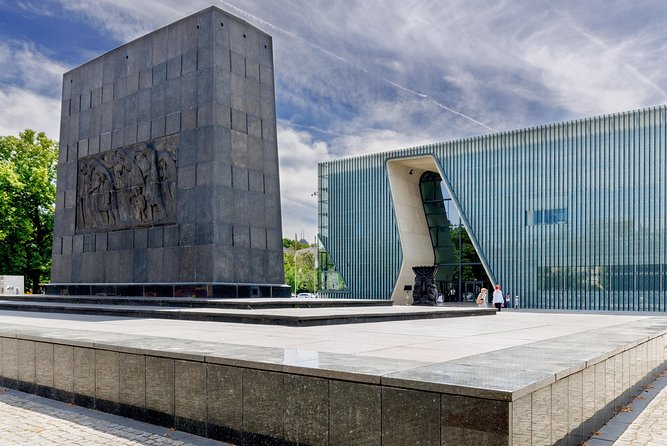
- POLIN Museum and a quick look at its design
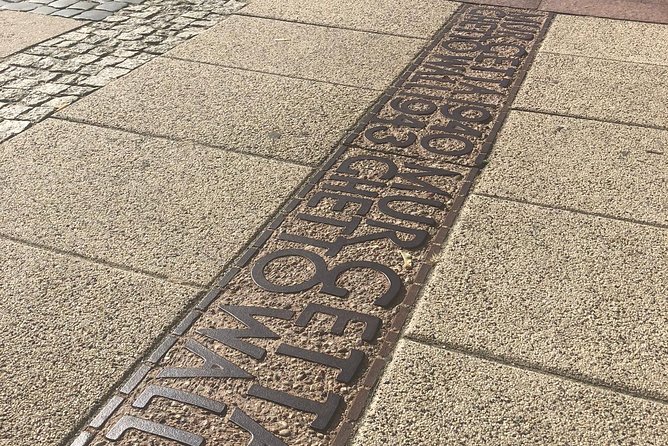
- The wall fragment at Złota 60
- Umschlagplatz and the road to Treblinka
- Mila 18 and the 1943 uprising
- The Warsaw Ghetto Heroes Monument
- Chłodna Street and the divided ghetto
- Praga and film locations from The Pianist
- Timing, pickup, and the practical details
- Reliability and the refund warning
- Who should book this tour?
- Final call: a strong route with one practical caveat
- FAQ
- How much does the private Warsaw Jewish legacy tour cost?
- How many people can join the tour?
- What time does the tour begin?
- Is pickup available in Warsaw?
- Is the tour offered in English?
- Does the tour include a full visit to POLIN Museum?
- Can I cancel for a full refund?
Key points at a glance
- Private pickup throughout Warsaw: Your group of up to three can be collected anywhere in Warsaw, with a 9:00 am start.
- Nożyk Synagogue: Spend about 20 minutes at Warsaw’s oldest surviving synagogue.
- Former ghetto sites: The route includes the remaining wall fragment, Umschlagplatz, Mila 18, Chłodna Street, and the Warsaw Ghetto Heroes Monument.
- POLIN Museum setting: You get a 50-minute visit around the museum and a quick look at its interior design, but the schedule does not describe a full museum visit.
- Jewish and Polish memory together: The Willy Brandt monument and the Warsaw Ghetto Heroes Monument show how remembrance has changed over time.
- Praga film locations: The final section includes streets used for The Pianist and an optional look at the villa connected with The Zookeeper’s Wife.
Why a private Jewish Warsaw tour can work well
Warsaw’s former Jewish quarter is not a single preserved district. Much of the prewar city was destroyed, rebuilt, or covered by later streets and apartment blocks. That can make independent sightseeing difficult. A memorial may sit beside an ordinary road, and the meaning of a place is not always obvious from its appearance.
I like the way this tour gathers the important points into one route. You are not simply checking off monuments. You are moving between places that explain different parts of the story: religious life before the war, the confinement of the ghetto, deportation to Treblinka, the 1943 uprising, and later acts of remembrance.
The private setup matters here. With only your own group, you can ask direct questions and spend a little more time at a memorial if it affects you. The stated capacity is three people, so this is best for a couple, a family, or a very small group rather than a large party.
The advertised cost is $361.23 per group. For three people, that works out to about $120.41 each. For two people, it is about $180.62 each, so the value improves greatly when you fill all three places. Pickup across Warsaw is included, which also makes the price easier to judge if you would otherwise arrange taxis between several outlying stops.
A few more Warsaw trips worth weighing up
- Warsaw: Chopin Concert in the Old Town
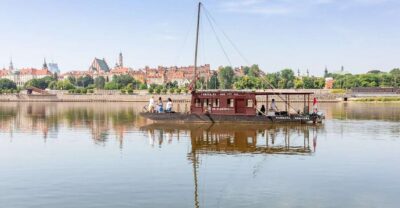
★ 4.8 · 2,287 reviews - Warsaw: Traditional Galar Cruise on The Vistula River
★ 4.6 · 1,640 reviews - Warsaw: Old Town Highlights Walking Tour in English
★ 4.7 · 1,516 reviews
Nożyk Synagogue and the surviving center of Jewish life
The tour begins at Nożyk Synagogue on Twarda Street, with about 20 minutes at the site. It is described as the oldest existing synagogue in Warsaw, and it survived the Nazi period partly because of its location and later practical use during the final chapter of the ghetto.
That short stop gives you an important starting point. Before you see the ghetto’s destruction, you see a building connected with Jewish worship and community life. The synagogue is not just a surviving structure. It helps you picture Warsaw as a major center of Jewish culture before the war.
Twenty minutes is enough for an introduction and exterior or brief site visit, but not a long religious or architectural study. If synagogue design is your main interest, you may want to ask in advance how much time will be spent inside and what access is available on the day.
POLIN Museum and a quick look at its design
The next stop is the POLIN Museum of the History of Polish Jews on Mordechaja Anielewicza Street. The scheduled time is 50 minutes, including a visit to the museum’s setting and a quick look at the interior design.
This is an important distinction. Fifty minutes is not enough for a full visit to the museum’s permanent exhibition. The building presents the subject of Jewish life in Poland on a large scale, and a complete museum visit would require much longer than this tour allows. Here, the museum functions more as a key landmark and orientation point within the wider route.
I see that as both a strength and a limitation. The strength is that you get the museum’s context without giving up the rest of the morning. The limitation is that you may leave wanting more. If POLIN is your central reason for visiting Warsaw, plan a separate admission and several additional hours on another day.
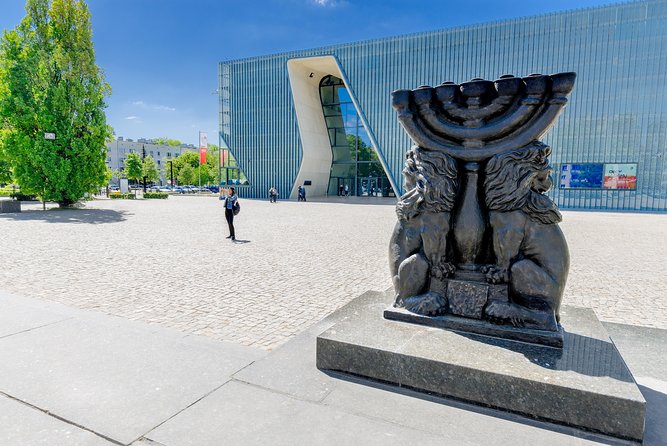
Near the museum, you also pass the monument connected with Willy Brandt. It commemorates the German chancellor’s gesture of kneeling before the Warsaw Ghetto Heroes Monument, a moment associated with apology and reconciliation. This brief pass-by adds a postwar layer to the tour: the route is not only about what happened during the occupation, but also about how Poland, Germany, and the Jewish community have remembered it.
The wall fragment at Złota 60
At Złota 60, you see a remaining fragment of the Warsaw Ghetto wall. The scheduled stop lasts about 20 minutes.
This is one of the most powerful kinds of historical site because it is so small. You are not looking at a complete fortification or a grand ruin. You are looking at a surviving piece of the barrier that confined Jewish residents in the ghetto. The surrounding city makes the contrast sharper, since present-day Warsaw continues around it.
The fragment was officially recognized by Chaim Herzog in 1992 and is visited by thousands each year. Because the stop is brief, listen closely to the explanation of where the wall once ran and how the ghetto was divided. Without that context, a short section of brick can be easy to miss.
A completely different kind of day out in Warsaw:
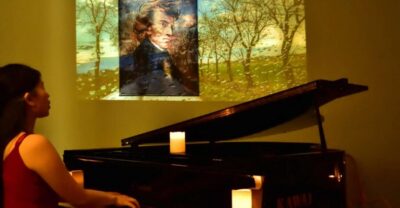
- Warsaw Concert: Chopin – Painted by Candlelights with Wine
★ 4.8 · 1,442 reviews - Warsaw: City Sightseeing Hop-On Hop-Off Bus Tour
★ 3.6 · 1,415 reviews - Warsaw: POLIN Museum of the History of Polish Jews Ticket
★ 4.7 · 1,142 reviews - #1 Pub Crawl Warsaw with Optional Premium 1 Hour Open Bar
★ 5.0 · 790 reviews
Umschlagplatz and the road to Treblinka
The route then reaches Umschlagplatz, at the corner of Stawki and Dzika Streets. The name refers to the cargo railroad terminal used as the departure point for Jews taken from the ghetto to the Treblinka extermination camp. The planned stop is 20 minutes.
This is a place where the physical setting carries a hard, direct meaning. People were assembled here before being loaded onto trains. The site is not a museum with a long indoor visit, so the guide’s explanation matters greatly.
You may find this stop especially difficult because it connects the ghetto’s daily confinement with the organized process of deportation. The short visit is enough to understand its role, but it can feel compressed. If you prefer time for quiet reflection at memorial sites, tell the guide early in the morning.
Mila 18 and the 1943 uprising
At the corner of Mila and Dubois Streets, the tour stops for about 20 minutes at the Mila 18 memorial. The site marks the location of the largest bunker in the Jewish ghetto. Mordechaj Anielewicz, leader of the Jewish Fighting Organization, hid there with nearly 30 other members.
Mila 18 is tied to the Warsaw Ghetto Uprising of 1943. The site does not offer the visual drama of a preserved building. Its force comes from knowing what happened below the ground and understanding the decision to resist despite overwhelming odds.
I appreciate that the route includes both Umschlagplatz and Mila 18. One explains deportation and mass murder. The other shows organized resistance. Together, they prevent the story from being reduced to suffering alone.
The timing is again 20 minutes. That is enough for the basic account, but not for a long historical lecture. If you have read about Anielewicz or the uprising, this is a good place to ask focused questions.
The Warsaw Ghetto Heroes Monument
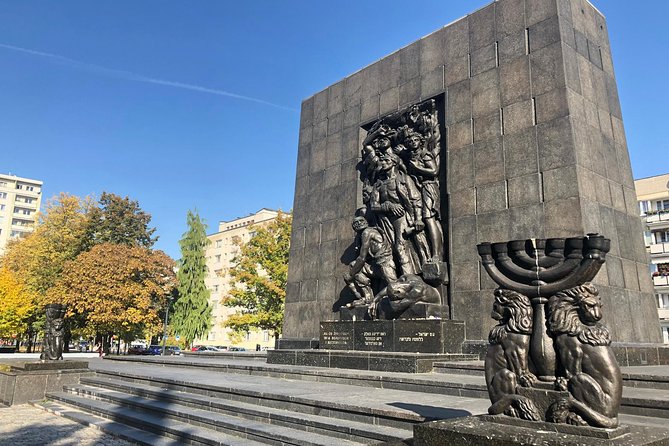
The Warsaw Ghetto Heroes Monument receives about 50 minutes, making it one of the longer stops. It honors the Jews who lived through the nightmare of the ghetto and is located near the POLIN Museum.
This extra time makes sense. The monument is a major place of remembrance, and its relationship with the museum gives you a chance to connect public memorial art with historical interpretation. You can expect the guide to explain the monument’s meaning and its connection to the uprising.
The nearby Willy Brandt monument also gains more meaning here. One memorial recalls Jewish resistance and loss. The other recalls a later German gesture of remorse. Together, they show how this part of Warsaw became a place where memory, responsibility, and reconciliation meet.
The monument area can feel formal and open, unlike the small wall fragment at Złota 60. Give yourself permission to slow down. This is one of the stops where the private format may be most useful, since your group does not need to move on simply because a large tour is ready to leave.
Chłodna Street and the divided ghetto
Chłodna Street is a short 10-minute stop. The location recalls the footbridge that once linked the smaller ghetto section with the larger one. It was also described as one of the liveliest and most dangerous parts of the ghetto.
The stop is brief, but the subject is important. The bridge symbolized separation within an already confined population. It also shows how ordinary city infrastructure was adapted to the cruel demands of Nazi control.
Do not expect a preserved footbridge. The value is in understanding the former layout and how the ghetto functioned. This is exactly the kind of place where a guide’s explanation can turn an ordinary street into a meaningful historical location.
Praga and film locations from The Pianist
The final stop takes you to Praga Północ, including streets used for scenes in Roman Polański’s film The Pianist. The planned time is about 40 minutes.
Praga offers a different visual experience from the memorial sites. You are seeing streets selected for their period appearance and connection with the film, not a preserved section of the ghetto itself. That distinction matters. Film locations can help you picture wartime Warsaw, but they are an interpretation of the past rather than direct evidence of every event shown on screen.
The tour also offers an optional visit connected with the villa from the book The Zookeeper’s Wife. The information says this depends on your interest, so ask about it at the beginning if it is important to you. It should not be treated as guaranteed access.
Ending in Praga gives the morning a change of pace. After several memorials, the film connection may feel easier to absorb. Still, if your priority is strictly Jewish history, the earlier stops are the heart of the tour, while Praga adds cultural and cinematic context.
Timing, pickup, and the practical details
The stated start time is 9:00 am, with pickup available from anywhere in Warsaw. That is convenient for a private tour covering several separate areas. You avoid arranging transport between Nożyk Synagogue, the former ghetto sites, and Praga.
The listed stop times add up to roughly 230 minutes, or just under four hours, before counting driving, pickup, and movement between sites. Plan for a substantial morning rather than a quick two-hour outing. The exact end time is not provided, so avoid scheduling a tight lunch reservation immediately afterward.
The tour is offered in English and uses a mobile ticket. It is near public transportation, though pickup is offered. Most people can participate, and service animals are allowed. The supplied details do not explain the amount of walking, the availability of seating, or the accessibility of every memorial, so ask the provider if mobility is a concern.
The tour is private, but the available information does not name the individual guide. The description promises a local specialist, which is useful for a subject that needs careful explanation, but you should confirm the meeting details and guide contact before the morning begins.
Reliability and the refund warning
There is one serious practical concern. In one booking, the guide did not arrive at the 9:00 am pickup. The customer waited until 9:15, called the local number twice without an answer, and then contacted the booking platform. The money was refunded within one business day, which is a positive response, but the missed tour could still disrupt a limited stay in Warsaw.
I would confirm the pickup location and phone number shortly before the tour. Keep the confirmation message available on your phone, and do not assume that a lack of contact means the guide is simply running a few minutes late. This is especially important because the tour is often booked about nine days ahead, leaving little reason to wait until the last minute to check details.
The overall rating is 4.6 from nine ratings, but the small number means you should not treat that figure as a guarantee. The private structure and carefully chosen route are appealing. Provider communication is the point that deserves the most attention.
Who should book this tour?
I would choose this tour if you want a focused introduction to Jewish Warsaw and prefer a private vehicle-based route. It suits first-time visitors who want the major memorial sites explained in one morning, couples who prefer a personal pace, and families with older children who already understand that the subject is difficult.
It is also useful if you have limited time. You can see sites spread across Warsaw without spending the morning navigating between them.
I would hesitate if your main goal is a full POLIN Museum visit. The schedule allows a quick look, not a complete museum experience. I would also hesitate if you want a leisurely, reflective pace at every memorial, since the route covers many stops in one morning.
Book only after confirming the pickup. Free cancellation is available until 24 hours before the 9:00 am start, with a full refund if you cancel on time. Changes or cancellations within 24 hours are not accepted for a refund.
Final call: a strong route with one practical caveat
This tour offers a thoughtful route through Warsaw’s Jewish legacy. Nożyk Synagogue, the wall fragment, Umschlagplatz, Mila 18, Chłodna Street, and the major memorials each add a different piece. The Praga film locations and optional villa visit broaden the morning beyond memorials alone.
The value is strongest for three people sharing the $361.23 group price. I would book it for the route, privacy, and convenience, but I would confirm the guide and pickup details before the cancellation deadline. If you want the full POLIN Museum, schedule that separately. If you want a clear, guided introduction to the city’s Jewish sites in one morning, this is a worthwhile choice, provided the provider confirms your appointment.
FAQ
How much does the private Warsaw Jewish legacy tour cost?
The price is $361.23 per private group of up to three people. The per-person cost depends on how many people are in your group.
How many people can join the tour?
The tour is private and allows up to three people per group. Only your group participates.
What time does the tour begin?
The stated start time is 9:00 am.
Is pickup available in Warsaw?
Yes. Pickup is offered from all around Warsaw.
Is the tour offered in English?
Yes. English is one of the stated language options.
Does the tour include a full visit to POLIN Museum?
The schedule includes a visit to the museum’s location and a quick look at its interior design for about 50 minutes. It does not state that a full permanent exhibition visit is included.
Can I cancel for a full refund?
Yes, if you cancel at least 24 hours before the local start time. Cancellations or changes made less than 24 hours before the tour are not accepted for a refund.
Just added around Warsaw
- Jewish heritage in Warsaw★ 4.5 · 3 reviews
- Warsaw Outdoor Paintball with Transfers (all year round)★ 5.0 · 3 reviews
- World War II Warsaw Old Town, Military Cemetery Walking Tour★ 4.7 · 3 reviews
- Warsaw: Wolf’s Lair & Swieta Lipka Small-Group Tour + Lunch★ 5.0 · 3 reviews
- Sunset Boat Tour with Unlimited Drinks in Warsaw★ 3.5 · 3 reviews
- Majdanek – German camp from II World War – Private Tour – 1 DAY TRIP FROM WARSAW★ 5.0 · 3 reviews
- From Warsaw: Guided Tour to Wieliczka Salt Mine and Krakow★ 4.5 · 3 reviews
- Warsaw Sightseeing with NEW Mercedes Sclass !!!★ 5.0 · 3 reviews
Warsaw Tours, compared.

Traditional Galar Cruise on The Vistula River
Read our review →
Warsaw Concert: Chopin – Painted by Candlelights with Wine
Read our review →

POLIN Museum of the History of Polish Jews Ticket
Read our review →
#1 Pub Crawl Warsaw with Optional Premium 1 Hour Open Bar
Read our review →