
REVIEW · NOWA HUTA COMMUNISM TOURS
Nowa Huta Steel Mill Administration Buildings and Shelters with local NGO
The Cold War still has rooms here. This Nowa Huta tour takes you inside the former Lenin Steelworks administration buildings, where Socialist Realist architecture meets abandoned offices, preserved objects, underground shelters, and recorded voices from the plant’s radio station. It offers a close look at how communist Poland organized work, power, and daily life.
I like the rare access to buildings that remain almost untouched, and I like the guides’ clear passion for Nowa Huta’s past. The main consideration is the setting: this is a long visit through aging, partly abandoned buildings, not a polished museum. Some displayed objects were gathered into an exhibition rather than left exactly where they were used.
- Two steelworks administration buildings: See the S and Z buildings connected with the Sendzimir, formerly Lenin, Steelworks.
- Cold War shelter access: Walk through underground spaces built for protection during the nuclear age.
- 1950s Socialist Realist design: Study grand interiors planned to express the ideals of communist industry.
- Historic radio recordings: Hear tapes from the steelworks radio station during the visit.
- Small groups: The maximum group size is 15 people, which suits the detailed subject.
- Strong guide-led experience: Guides such as Mateusz are praised for personal knowledge, clear explanations, and enthusiasm.
In This Review
- Why Nowa Huta Tells a Different Krakow Story
- Inside the S and Z Administration Buildings
- Socialist Realism You Can Walk Through
- Down Into the Cold War Shelter
- The Worker’s Theater and Steelworks Radio
- Guides Who Make the History Work
- What the Two Hours Feel Like
- Is $27.63 a Fair Price?
- Who Will Like This Visit Most
- Practical Advice Before You Go
- Should You Book the Nowa Huta Steelworks Tour?
- FAQ
- Where does the tour start?
- Where does the tour end?
- How long does the tour last?
- What language is the tour offered in?
- What buildings will I visit?
- Is the former Lenin Steelworks part of the tour?
- Is hotel pickup included?
- How many people can join the tour?
- Is the tour suitable for children?
- Can I cancel for a refund?
Why Nowa Huta Tells a Different Krakow Story
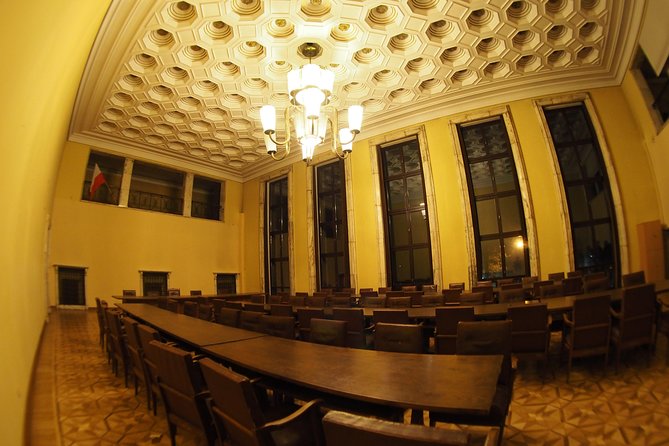
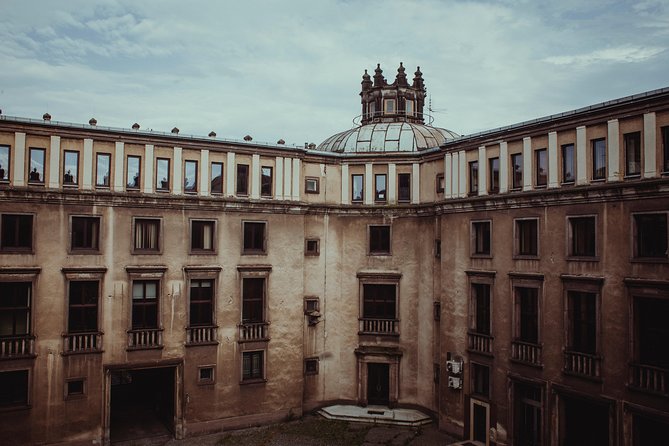
Krakow is often sold through its medieval center, royal castle, and old Jewish quarter. Nowa Huta gives you another Poland entirely. It was planned as an industrial city built around a giant steelworks, with broad avenues, monumental buildings, workers’ housing, and architecture shaped by the politics of the communist period.
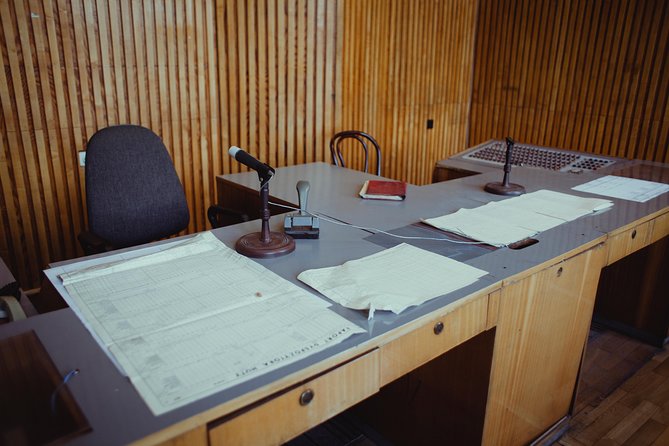
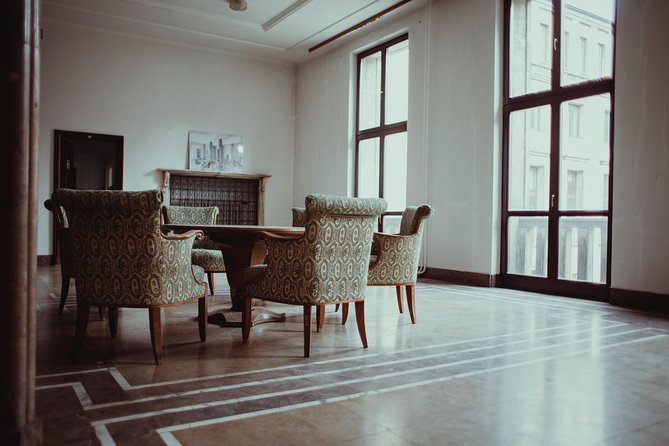
The steelworks administration buildings were not ordinary offices. Their design reflected the importance given to heavy industry and the workers who powered it. You can expect large rooms, formal meeting spaces, old furnishings, and details that reveal how the plant presented itself to officials, managers, and employees.
The tour is valuable because it joins architecture with political history. You are not only looking at a building from the 1950s. You are examining how a government wanted industrial progress to look and feel.
The site is connected with the Lenin Steelworks, later known as the Sendzimir Steelworks. That name change itself reflects Poland’s shifting political period. The buildings continued in use into the 2000s, so the objects and rooms do not belong to one single decade. You may see items from the 1950s through the 2000s, which gives the visit a broader, less tidy view of the site’s working life.
Inside the S and Z Administration Buildings
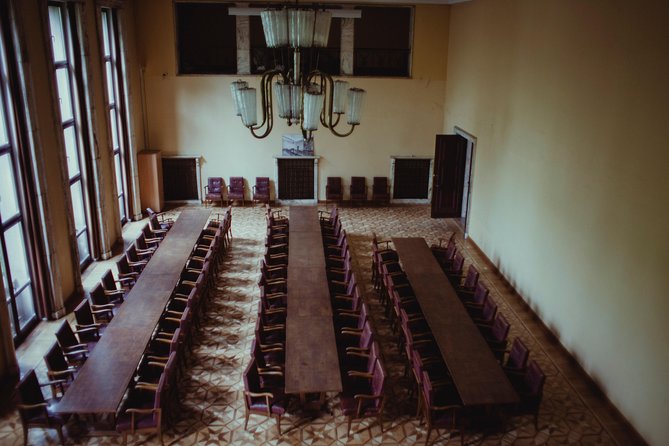
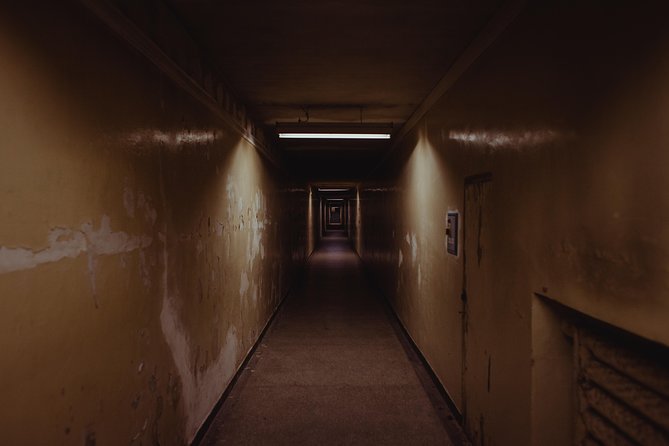
The main visit covers the steelworks administration buildings, including both the S and Z buildings. The setting is one of the tour’s biggest strengths. Much of the architecture remains in place, while years of limited use have left the rooms with a worn, time-stopped appearance.
I would come prepared to look closely. A doorway, office layout, meeting room, or decorative detail may tell you as much as a formal display panel. The guide explains why certain architectural choices were made and how the buildings related to the way the plant operated.
You may also encounter rooms that have been used as film locations. Their faded condition adds to the atmosphere, but you should not expect every object to be original to its exact room. The local NGO has gathered and arranged some items as an exhibition. That is useful for understanding the period, though it means the site is not a perfectly preserved time capsule.
This distinction matters. The building itself offers authentic physical evidence, while some objects provide historical illustration. A good guide helps you separate the two. The strongest part of the visit is the combination of both.
The tour is not limited to a quick look at a lobby. It is described as an extensive walk through offices and meeting rooms, with time to hear the story of the plant and its place in Nowa Huta. At around 90 minutes to two hours, it gives the subject room to breathe.
More Nowa Huta and communism tours:
- Krakow: Nowa Huta Guided Tour in Vintage Car
★ 4.9 · 277 reviews - Legendary Private Nowa Huta Communism Tour with Crazy Guides
★ 5.0 · 262 reviews - Nowa Huta: Steelworks Administration Buildings/Shelters Tour
★ 4.9 · 160 reviews
Socialist Realism You Can Walk Through
Nowa Huta is a classic example of Socialist Realist architecture, and the administration buildings let you see that style from inside rather than only from a street corner. The architecture was meant to communicate order, purpose, dignity, and industrial strength.
The guide explains how design differed between spaces connected with management and those intended for workers. That comparison can be revealing. One useful point to keep in mind is that architectural differences should not be blamed on communist planning alone. They also reflect hierarchy, function, money, and the design choices made in industrial workplaces across different political systems.
That balance makes the subject more interesting. The buildings show ideology, but they also show practical workplace structure. The tour gives you a chance to ask how much of what you see was political theater and how much was simply the normal division between public rooms, offices, and service areas.
The scale and formality may appeal to anyone interested in architecture, urban planning, political history, or industrial design. You do not need to know much about Poland before arriving. The guide provides the background as you move through the rooms.
Down Into the Cold War Shelter
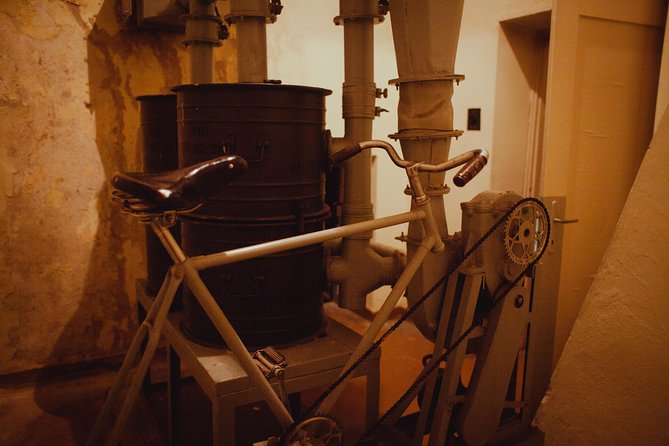
The underground shelter is one of the most memorable parts of the visit. It gives the tour a physical link to Cold War fear, when nuclear conflict was treated as a real possibility and major workplaces prepared for emergency conditions.
Walking through the tunnels and bunker changes the mood. Above ground, the administration rooms show how the steelworks presented authority and progress. Below ground, the shelter reflects anxiety and survival planning. These two worlds belong to the same institution, and seeing them together adds depth to the story.
The shelter is not just a display case. You enter the underground spaces and move through them as part of the tour. That makes the visit more demanding than a standard museum stop. You need a moderate level of physical fitness, and children must be accompanied by an adult.
The provided details do not specify the exact number of stairs, surface conditions, or lighting, so anyone with mobility concerns should ask the organizer before booking. The tour is near public transportation, but hotel pickup and return are not included.
The Worker’s Theater and Steelworks Radio
The steelworks was more than furnaces, offices, and production targets. The tour also includes references to a worker’s theater, showing how cultural life formed around the industrial complex.
That detail helps correct a common misunderstanding about large communist-era workplaces. They were places of employment, but they also supported social and cultural activity. A theater connected to the plant suggests an effort to shape community life around the workplace.
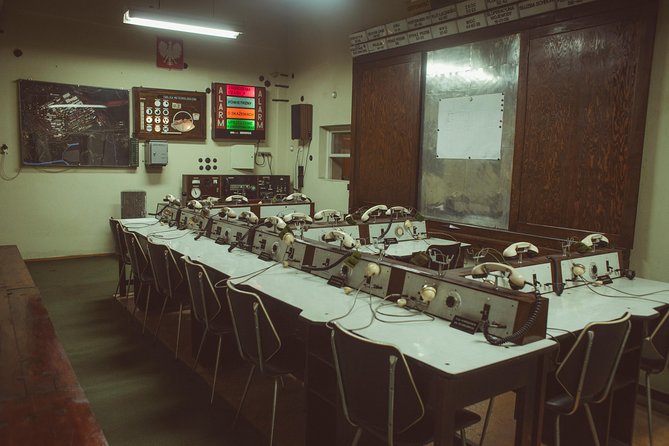
Historic recordings from the steelworks radio station add another layer. Hearing old broadcasts can make the institution feel less abstract. Instead of only reading about official messages and workplace routines, you hear the kind of communication that once reached employees inside the plant.
The information provided does not give a full list of recordings or performances, so you should not expect a complete radio archive or a staged theater event. Think of these elements as part of the wider story told during the guided visit.
A few more Kraków trips worth weighing up
- From Krakow: Auschwitz-Birkenau Guided Tour & Hotel Pickup
★ 4.5 · 33,358 reviews - From Krakow: Auschwitz-Birkenau Guided Tour & Hotel Pickup
★ 4.5 · 29,340 reviews - Krakow: Auschwitz Guided Tour with Optional Hotel Pickup
★ 4.5 · 15,280 reviews - Krakow–Zakopane: Cable Car, Chocholow Baths, Cheese & Vodka
★ 5.0 · 10,720 reviews
Guides Who Make the History Work
This experience depends heavily on the guide. The subject includes architecture, industrial history, communist politics, Cold War planning, and the changing life of Nowa Huta. Without clear explanation, a walk through old rooms could become confusing.
Mateusz receives particular praise for his detailed knowledge, friendly manner, and family connection to the plant. That personal link can give the tour a strong sense of place. Other comments describe guides as enthusiastic and easy to understand, with a good command of the subject without becoming overbearing.
That is exactly the right balance for this kind of visit. You want enough context to understand the buildings, but not a lecture that ignores the rooms around you. The best moments come when the guide connects a design feature or old object with the lives of the people who worked there.
One unusual touch mentioned in connection with the visit is a guide giving a lift in a Lada. You should not count on this as part of the standard service, but it hints at the personal, informal character of a small local operation.
Because the group limit is 15 people, the guide can usually speak to the group without the scale of a large sightseeing outing. The tour is offered in English.
What the Two Hours Feel Like
Plan for about one hour and 30 minutes to two hours. The longer timing is more realistic if the guide spends time explaining the buildings, pausing in rooms, and taking the group through the shelter.
The pace is likely to feel steady rather than rushed. You will be walking through administrative spaces, examining architecture, listening to historical material, and moving underground. This is not a quick photo stop.
The setting also affects the pace. Aging buildings can have uneven surfaces, worn interiors, and rooms that feel more like an urban exploration site than a conventional attraction. That quality is part of the appeal, but it may not suit anyone seeking comfort, bright displays, or a highly polished presentation.
Wear practical shoes and allow enough time to find the meeting point. The starting and ending address is Ujastek 1, 31-752 Krakow, Poland. The meeting point is described as being opposite the site across the street, so check the exact map location carefully before setting out.
The tour begins and ends at the same place. Hotel pickup and drop-off are not included, but the location is near public transportation.
Is $27.63 a Fair Price?
At $27.63 per person, this is not the cheapest way to spend two hours in Krakow. It is also not a routine city walk. You are paying for access to a restricted and unusual site, a local guide, historical interpretation, and entry to underground Cold War spaces.
I consider the price fair for anyone who has a serious interest in 20th-century Poland, industrial sites, architecture, or communist-era history. The value is strongest because the buildings are difficult to understand on your own. An unguided visit would give you old rooms, but not the political and social connections that make them meaningful.
The small maximum group of 15 also helps. You are not paying for a giant coach outing with a short scripted stop. You have time to hear explanations and ask questions.
Group discounts may reduce the cost for larger parties. Confirmation is provided at booking, mobile tickets are available, and the tour is offered in English. It is booked an average of 19 days in advance, so I would not leave it until the final day of a Krakow stay.
Free cancellation is available if you cancel at least 24 hours before the start time. Changes or cancellations made less than 24 hours before the experience are not eligible for a refund.
Who Will Like This Visit Most
I would recommend this tour to you if you enjoy:
- Communist and Cold War history
- Industrial architecture and abandoned buildings
- Local guides with a strong connection to the subject
- Political history told through physical places
- Small-group walking tours
- Unusual Krakow sights beyond the historic center
It is especially useful after you have seen central Krakow and want to understand the city’s postwar development. Nowa Huta is not simply an add-on suburb. It represents a major attempt to build a planned industrial society around steel production.
Families can attend, but children must stay with an adult. Younger children may find the detailed history and office interiors less exciting than Krakow’s castles or interactive museums. The underground shelter may hold their attention, though the overall visit is built for people who want explanation and context.
I would think twice if you dislike abandoned buildings, long guided visits, or places that show visible age. One part of the appeal is precisely that the buildings are not fully restored. If peeling surfaces and gathered exhibits sound disappointing rather than atmospheric, choose a more traditional museum.
Practical Advice Before You Go
Book ahead, especially since the tour is commonly reserved more than two weeks in advance. Confirm the exact meeting position at Ujastek 1 because the instructions place it opposite the site across the street.
Allow close to two hours rather than assuming the shortest advertised time. The tour can include extensive explanations, several rooms, the shelter, the worker’s theater, and the radio material.
Wear shoes suitable for walking through old interiors and underground passages. Bring patience as well as curiosity. The buildings are not presented as a flawless museum, and some objects have been gathered to help explain the site rather than preserved in their original locations.
If you want the richest version of the visit, ask whether Mateusz is guiding your departure. His family connection to the steelworks is a special asset, though guide assignments can change.
Should You Book the Nowa Huta Steelworks Tour?
Book it if you want Krakow with the easy polish removed. The former steelworks administration buildings offer rare access to a part of Poland’s past that is easy to miss if you stay within the old town.
The strongest reasons to go are the nearly untouched offices, Socialist Realist interiors, underground shelter, historic radio recordings, and guides who care deeply about the subject. The main limits are the aging condition of the buildings, the partly assembled nature of the exhibits, and the need for moderate physical fitness.
At $27.63, I see this as a good-value specialist tour rather than a general sightseeing bargain. If communist Poland, industrial history, or Cold War architecture interests you, book ahead and give it the full two hours. If your ideal Krakow outing involves grand churches, cafés, and restored interiors, this may feel rough around the edges, but that roughness is exactly what makes Nowa Huta worth seeing.
FAQ
Where does the tour start?
The tour starts at Ujastek 1, 31-752 Krakow, Poland. The instructions identify the meeting point as opposite the site across the street.
Where does the tour end?
The tour ends at the same address where it begins, Ujastek 1.
How long does the tour last?
The visit lasts approximately one hour and 30 minutes to two hours.
What language is the tour offered in?
The tour is offered in English.
What buildings will I visit?
You will visit the Nowa Huta steelworks administrative buildings, including the S and Z buildings, along with an underground Cold War era shelter.
Is the former Lenin Steelworks part of the tour?
Yes. The visit explains the history of the former Lenin Steelworks, also associated with the later Sendzimir Steelworks.
Is hotel pickup included?
No. Hotel pickup and drop-off are not included.
How many people can join the tour?
The tour has a maximum group size of 15 people.
Is the tour suitable for children?
Children may attend, but they must be accompanied by an adult.
Can I cancel for a refund?
Yes. You can receive a full refund if you cancel at least 24 hours before the experience start time. Cancellations or changes made less than 24 hours before the start time are not refunded.
Just added around Kraków
- Rynek Underground Museum & Wawel Castle, Cathedral – Cracow★ 5.0 · 3 reviews
- Schindler’s Factory, Ghetto and Plaszow Camp Guided Tour★ 4.7 · 3 reviews
- Nowa Huta – a guided tour of a utopian socialist city★ 5.0 · 3 reviews
- Krakow: Kazimierz by Golf Cart and Schindler’s Factory Tour★ 4.8 · 3 reviews
- Krakow: Jewish Traces Private Electric Car Tour★ 4.1 · 3 reviews
- Private Krakow City Tour by Car and Walk with private tour guide★ 5.0 · 3 reviews
- Discover the Jewish Quarter with a Bike Tour★ 5.0 · 3 reviews
- Krakow: Indoor Go-Karting (24-Minute Races)★ 4.8 · 3 reviews
Nowa Huta Communism Tours, compared.
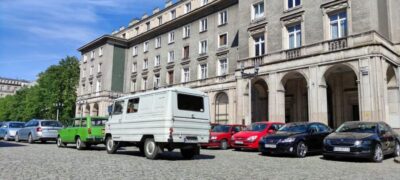
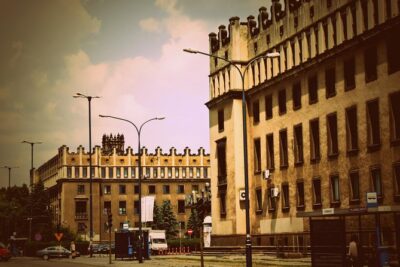
Legendary Private Nowa Huta Communism Tour with Crazy Guides
Read our review →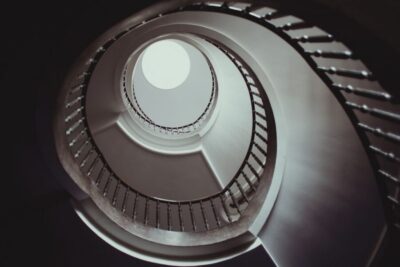
Nowa Huta: Steelworks Administration Buildings/Shelters Tour
Read our review →
Private Tour: Warsaw’s Communist History by Retro Fiat
Read our review →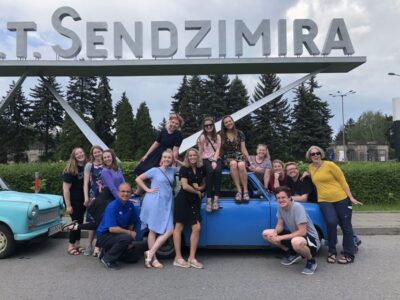
Private Nowa Huta Adventure Tour in Communist Cars
Read our review →


Browse the lists this tour appears in