
REVIEW · AUSCHWITZ-BIRKENAU MEMORIAL TOURS
Krakow: Auschwitz-Birkenau Guided Tour Pickup/Lunch Options
Some places demand your full attention. This Krakow day trip takes you to Auschwitz I and Birkenau, where expert museum guides explain how the Nazi camp system worked and where more than one million people were murdered. I especially like the careful two-part visit and the strong English-language guiding. The main drawback is the fixed museum pace, which can leave you wishing for more time with the exhibits.
The trip lasts about eight hours, including roughly three hours on the road. You get round-trip transport, admission, and a licensed museum guide for about $200 per person. That is not a budget outing, but it buys a simple way to handle transport, timed entry, and the distance from Krakow in one day. Read the pickup instructions closely, bring identification, and do not count on a proper meal unless you plan ahead.
In This Review
- Key points to know before booking
- The long road from Krakow
- Finding the pickup without unnecessary panic
- Auschwitz I: The museum inside the original camp
- Birkenau: Scale that photographs cannot convey
- Breaks, food, and the lunchbox choice
- How the guide shapes the visit
- Group size, security, and walking demands
- Is $200 per person good value?
- Who should choose this Auschwitz day trip?
- Should you book it?
- FAQ
- How long does the Auschwitz-Birkenau tour take?
- How much time is spent at Auschwitz I?
- How much time is spent at Birkenau?
- Is transportation from Krakow included?
- Is lunch included?
- What identification do I need?
- Can children join the tour?
- What should I wear and bring?
Key points to know before booking
- Two camps, two very different impressions: Auschwitz I contains the main museum buildings and permanent displays, while Birkenau shows the huge scale of the extermination camp.
- The tour is emotionally heavy: You will see prisoners’ belongings, barracks, camp structures, and a gas chamber. This is not a casual sightseeing stop.
- The start time is flexible but not guaranteed: Your preferred departure could change, with possible starts between 5:30 in the morning and 3:00 in the afternoon.
- The guide makes a major difference: Guides such as Leah and Robert have received very different personal reactions, but the strongest praise goes to guides who explain clearly, answer questions, and handle the subject with care.
- Bring food and dress for the day: Museum rules do not allow food or drinks inside the camps, and the supplied lunchbox is optional. Comfortable shoes and weather-ready clothing matter.
- Pickup needs attention: Several tour companies may gather at the same meeting points, and staff may call names aloud. Arrive early and keep your phone nearby.
The long road from Krakow
The transfer from Krakow takes about an hour and a half each way. That makes this an eight-hour commitment, not a quick half-day outing. The drive is part of the practical tradeoff: you give up a large part of your day, but you avoid arranging separate trains, buses, museum tickets, and local transfers.
Transport quality can vary by departure. Some groups have used a clean, comfortable coach with a documentary playing on the onboard screen. Others have found a small van short on legroom. A few passengers also found the driving fast or the bus ride uncomfortable, while others praised the driver as safe, friendly, and efficient.
I would treat the vehicle as functional rather than guaranteed luxury. If you are tall or prone to motion sickness, the long ride deserves thought. One person became very travel sick, and the road portion can feel tiring before the museum visit even begins.
Your exact pickup time is confirmed separately, usually the day before. The time you select at booking is only a preference, and the final departure may move considerably. Do not schedule a tight Krakow activity for the same morning or evening.
More Auschwitz-Birkenau memorial tours:
- From Krakow: Auschwitz-Birkenau Guided Tour & Hotel Pickup
★ 4.5 · 33,358 reviews - From Krakow: Auschwitz-Birkenau Guided Tour & Hotel Pickup
★ 4.5 · 29,340 reviews - Krakow: Auschwitz Guided Tour with Optional Hotel Pickup
★ 4.5 · 15,280 reviews
Finding the pickup without unnecessary panic
Pickup is one of the weaker parts of the arrangement. Krakow meeting points can be shared by several companies, sometimes with multiple buses arriving close together. Staff may call out names, but this can be difficult to hear, especially when vehicles and groups gather at once.
Arrive early and have your booking details ready. Check the confirmed meeting point, look for the correct vehicle, and keep an eye on messages from the operator. The exact pickup information matters more here than it does on a simple city walking tour.
The listed drop-off points include Kiss&Ride, several hotels, and central addresses such as Wielopole 2 and Starowiślna 65. This can be useful if one of those stops is close to your accommodation. The return is not a private door-to-door service, so choose your lodging with the drop-off list in mind.
Auschwitz I: The museum inside the original camp
The first museum visit takes around two to two and a half hours. This is Auschwitz I, the older camp complex and former administrative center. You enter through the main area and move among original brick buildings, many of which now hold permanent exhibitions.
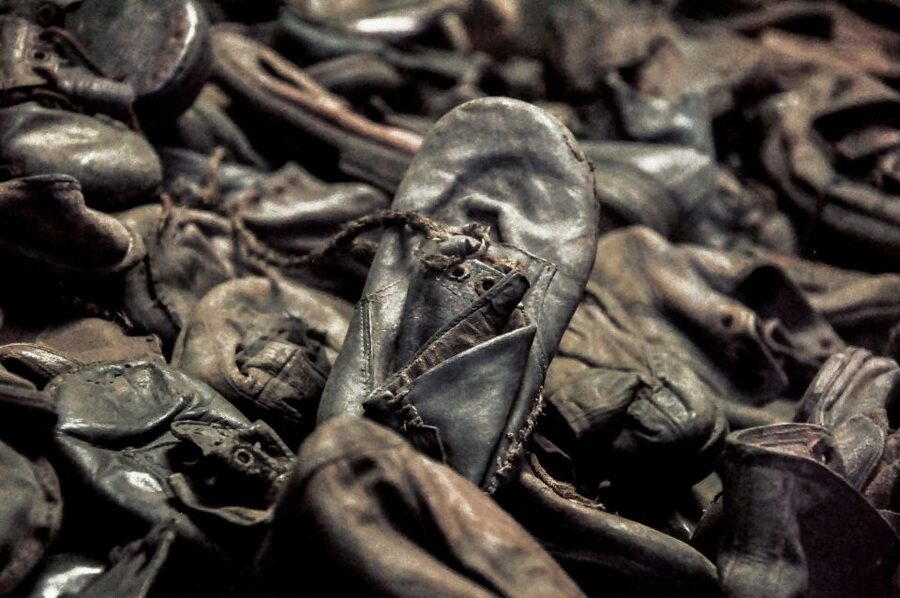
This section gives the clearest introduction to the camp system. The buildings show how the site operated, while the displays focus on the people imprisoned there. You may see photographs, documents, luggage, shoes, clothing, and other personal possessions taken from prisoners.
These objects are difficult to look at, but they also prevent the subject from becoming an abstract lesson. A pile of shoes or suitcases connects the camp’s machinery to individual lives. A guide can provide the context that a display label alone cannot.
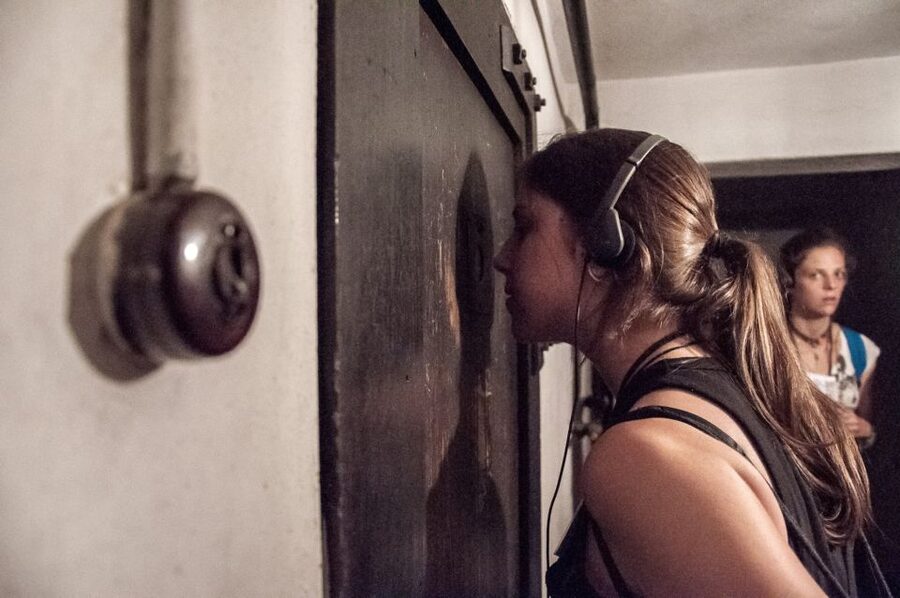
The tour may also enter a gas chamber. That moment can be particularly painful, and you should not expect the guide to soften the facts. The best guiding here is calm, clear, and restrained. Leah has been singled out for delivering difficult information with care, while other guides have earned praise for answering questions and explaining small details that are easy to miss.
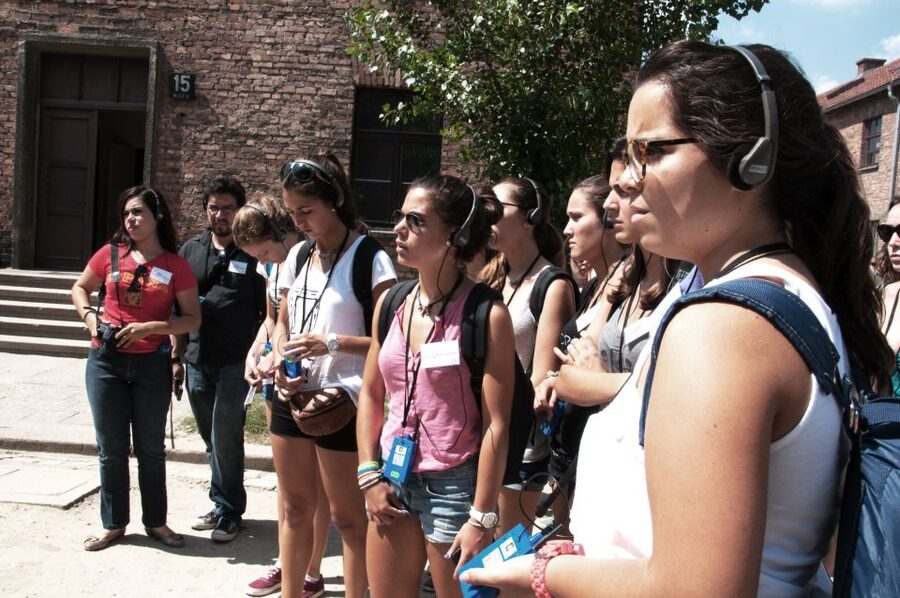
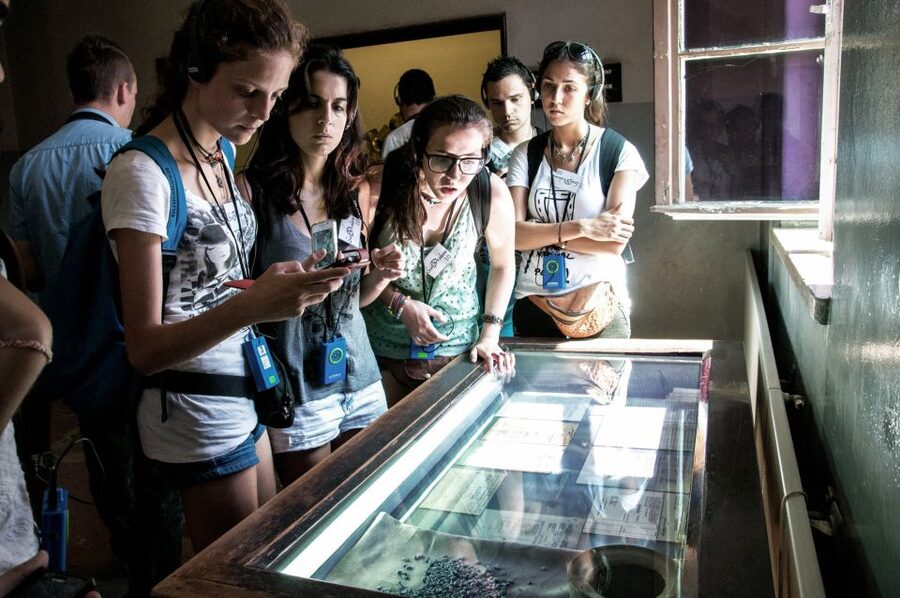
You will listen through a headset in at least some tour groups. This helps when several groups are moving through the same buildings, though reception can occasionally crackle or drop. Stay close enough to your guide for visual cues, and tell the guide promptly if you cannot hear.
A common complaint is the pace. The museum can be crowded, and the group must follow the official route and schedule. You may want extra time in the room with prisoners’ photographs, or more minutes to read the displays, but the guide must keep the group moving.
That is the central compromise of a guided visit. You gain structure and explanation, but you lose freedom to linger. If reading every panel is your priority, this format may feel rushed. If you want a clear account of how the camp functioned, the guide is a strong advantage.
Birkenau: Scale that photographs cannot convey
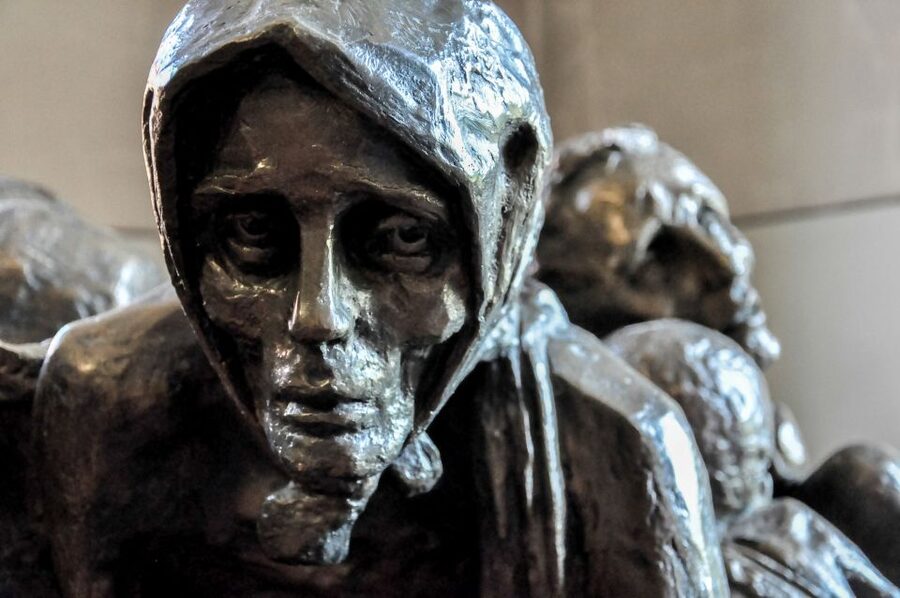
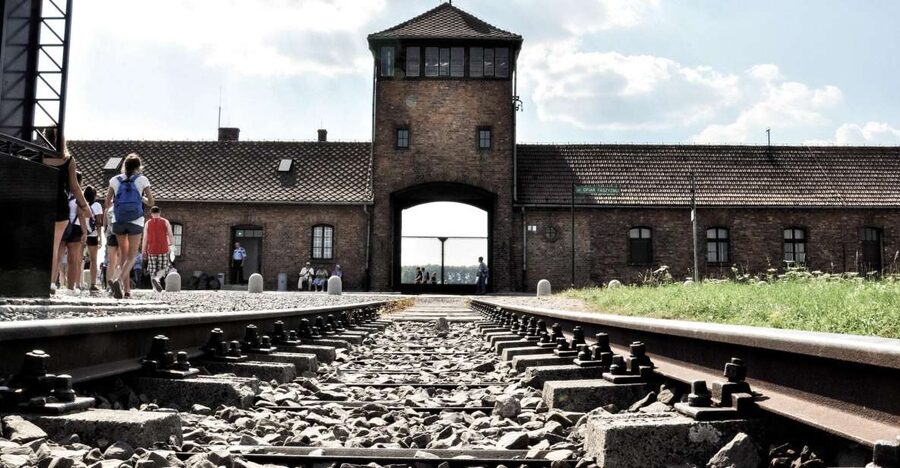
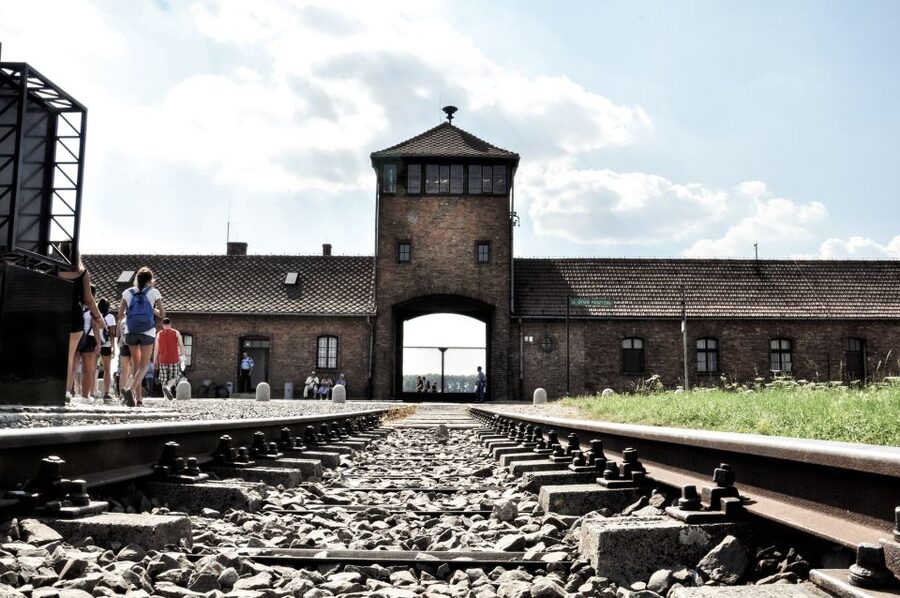
After a short break, the group continues to Auschwitz II, known as Birkenau. This portion lasts about one hour. Birkenau was the extermination camp, and its size changes your understanding of what you have seen at Auschwitz I.
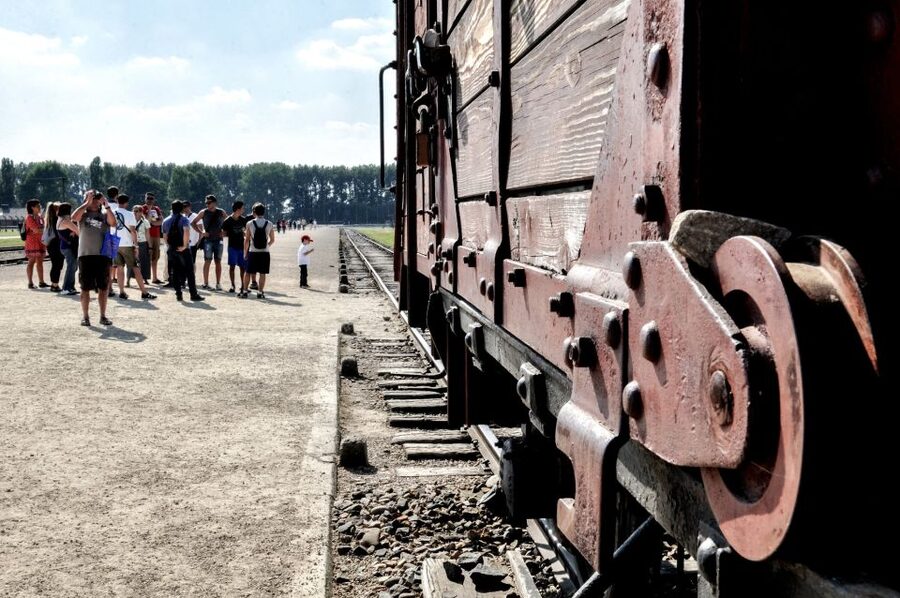
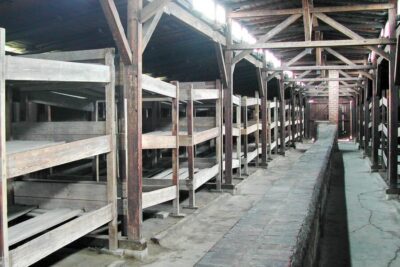
Here, the open grounds, railway approach, barracks, and remaining camp structures show the scale of the operation. The original buildings and ruins are spread across a much larger area, so you spend more time outdoors and walking between points.
The guide explains the barracks and the conditions prisoners faced. You will also see the remains of the gas chambers and crematories. The site is stark, and weather can change the experience quickly. In winter, snow, wind, and temperatures well below freezing can make the outdoor hour physically hard. In wet weather, the ground may be uneven and muddy.
Wear shoes that can handle a long walk over rough surfaces. Choose warm layers or rain protection according to the forecast. Sleeveless shirts are not permitted, and respectful clothing is expected.
Birkenau is where the numbers become physical. The distance between structures and the repeated rows of barracks make the camp’s scale easier to grasp. You do not need dramatic presentation from the guide here. A measured explanation, combined with the site itself, carries more than enough force.
A few more Kraków trips worth weighing up
- Krakow: Auschwitz-Birkenau Guided Tour with Pickup & Lunch
★ 4.5 · 9,800 reviews - Krakow: Auschwitz Guided Tour with Pickup and Optional Lunch
★ 4.4 · 2,649 reviews - Krakow: Auschwitz-Birkenau & Wieliczka Salt Mine with Lunch
★ 4.1 · 214 reviews - Zakopane Tour from Krakow with Transfers and Lunch Option
★ 5.0 · 174 reviews
Breaks, food, and the lunchbox choice
There are three scheduled breaks. The first lasts about 10 to 20 minutes after arriving from Krakow. A second break of roughly 10 to 15 minutes comes before the transfer to Birkenau, and a final break of 10 to 20 minutes takes place before the return drive.
These pauses are useful for toilets, water, and a moment to collect yourself. They are not a full restaurant meal. Museum rules mean you cannot eat or drink inside either camp, and there is no normal lunch break built into the museum visit.
You can select an optional lunchbox, but the quality may not justify treating it as the highlight of the day. One person found the packed lunch poor and wished for better food options. Another practical complaint was the lack of a proper meal area, with vending machines providing the main alternative.
If your tour permits you to bring food for the designated break, pack something simple before leaving Krakow. Do not assume you can eat on the bus or inside the museum grounds. One winter group was especially frustrated by being unable to eat or drink during transport in severe cold, so check the operator’s current instructions and carry water for approved break periods.
How the guide shapes the visit
A good guide is the best reason to choose this tour instead of arranging everything alone. The subject requires accuracy, restraint, and a clear sense of timing. The strongest guides have been praised for excellent command of the camp’s history, friendly manners, and sensitive delivery.
Leah has been especially well received for explaining the subject with care. Other guides have made the day memorable through strong facts and a calm presentation. Headsets help smaller groups hear without the guide shouting, and some groups have been divided into units of fewer than 15 people.
The experience is not identical for every departure. Some guides may be less comfortable with questions or less attentive to group comfort during ticket collection and waits. One guide, Robert, was criticized for leaving people standing in the rain and for not responding well to questions. That does not define the whole tour, but it is a reminder that the individual guide matters.
You should also expect a formal museum visit rather than a private conversation. The guide has to follow museum rules and keep to the assigned route. Questions may be welcome, but time is limited and the pace is controlled by the museum.
Group size, security, and walking demands
Before entering, you pass through security screening similar to an airport check. Museum staff check identification and tickets, so the name on your booking must match the name on your passport or ID. Every participant must provide a full name and contact details during booking.
Large bags and luggage are not allowed. Bring only what you need for the day, and keep your belongings compact. Pets are also prohibited.
The walking is steady and sometimes demanding. You will move in and out of buildings, use stairs, and cross uneven ground. The activity information gives conflicting accessibility details: it is described as wheelchair accessible in one place, but wheelchair users are also listed as unsuitable in the additional information. I would not book this assuming reliable wheelchair access. Contact the operator directly before paying if mobility is an issue.
Children under 14 are not considered suitable for this tour. That age guidance makes sense given the subject, the walking, and the lack of a relaxed meal period. Older teenagers and adults who are prepared for a serious memorial visit are the better fit.
Is $200 per person good value?
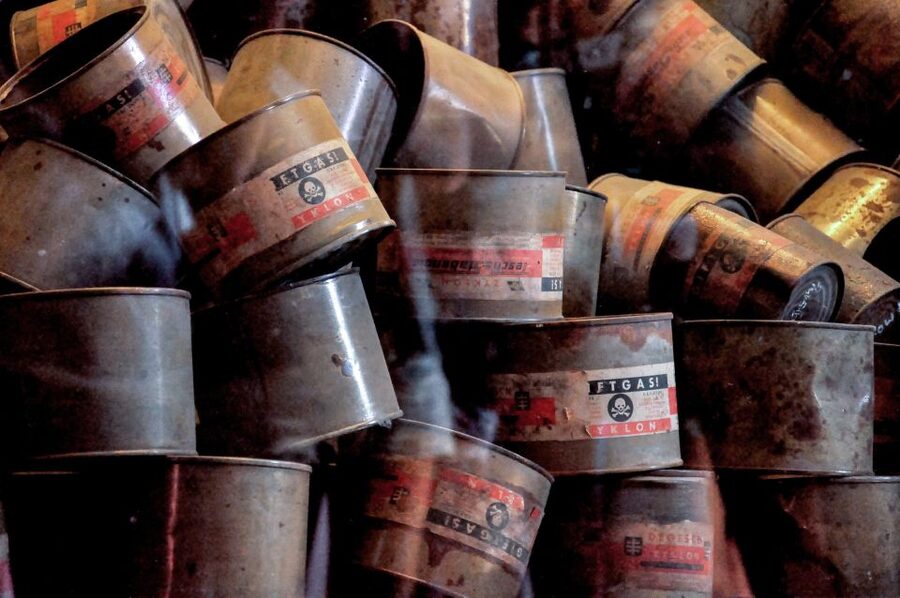
At $200 per person, this is a fairly expensive day trip from Krakow. The price includes transportation, entrance tickets, a licensed English-speaking guide, both camp visits, and a lunchbox only if you choose that option.
You are paying for convenience and coordination. Auschwitz tickets are time-sensitive, transport requires planning, and the two sites are far enough from Krakow that a poorly arranged day can become stressful. A guided visit also gives you a framework for understanding what you are seeing.
The value depends on your priorities. If you want the simplest all-in-one plan and prefer not to manage public transport or museum entry, the price can be reasonable. If you are comfortable planning independently and want to read every display at your own pace, you may find the cost harder to defend.
Some people have found cheaper options for what appeared to be a similar visit. That does not automatically make this tour poor value, but it means you should compare the vehicle, pickup arrangement, guide language, meal policy, and included admission before booking. A low price is less useful if it leaves you struggling with transfers or uncertain entry.
Who should choose this Auschwitz day trip?
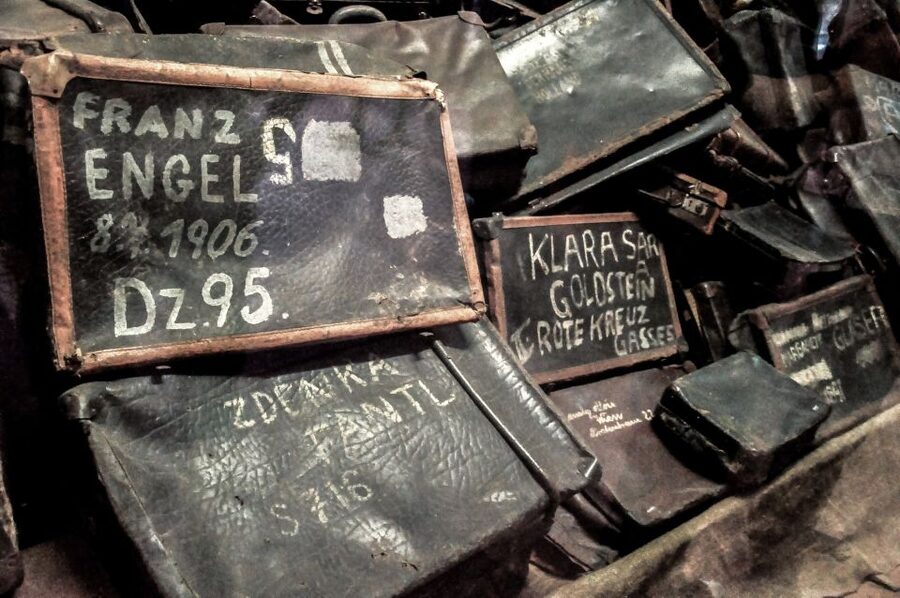
I would recommend it to you if you are staying in Krakow, want both Auschwitz sites in one day, and value a guide’s explanation more than complete independence. It also suits first-time visitors who want a clear schedule and transportation arranged from start to finish.
You should think twice if you need a guaranteed departure time, have limited tolerance for long drives, or want extended time with every exhibition. The possible start window from 5:30 in the morning to 3:00 in the afternoon is wide, and the final time arrives only shortly before the trip.
This is also not a good choice for anyone expecting light sightseeing. The visit is emotional, physically tiring, and deliberately serious. Give yourself quiet time afterward rather than planning a packed evening.
Should you book it?
Book this tour if you want an organized, English-language visit to both Auschwitz I and Birkenau, with tickets and transport handled for you. The strongest guides and drivers make the day orderly and meaningful, and the two-site format gives you a fuller understanding than seeing only the main museum.
Before booking, confirm the final pickup point, prepare for a variable departure time, bring identification, and arrange your own food for the scheduled breaks if needed. If you require wheelchair access or more freedom to read displays, contact the operator first or consider an independent visit.
For many people in Krakow, Auschwitz-Birkenau is an essential day of remembrance. This tour offers a practical way to make that visit, provided you accept the tight schedule, uncertain pickup timing, and emotionally demanding subject.
FAQ
How long does the Auschwitz-Birkenau tour take?
The full activity lasts about eight hours, including approximately one and a half hours of travel each way between Krakow and the museum complex.
How much time is spent at Auschwitz I?
The guided visit at Auschwitz I lasts about two to two and a half hours, depending on the official museum schedule.
How much time is spent at Birkenau?
The guided visit at Auschwitz II-Birkenau lasts about one hour.
Is transportation from Krakow included?
Yes. Round-trip transportation from Krakow is included, with pickup and drop-off arranged according to the selected option and confirmed separately before the tour.
Is lunch included?
A lunchbox is included only if you select that option. A normal lunch break is not part of the museum visit, and food and drinks are not allowed inside the camps.
What identification do I need?
Bring your passport or ID card. The name on your booking must match the name on the identification document used for entry.
Can children join the tour?
The activity is not suitable for children under 14.
What should I wear and bring?
Wear comfortable shoes and clothing suited to the weather. Sleeveless shirts, pets, luggage, and large bags are not allowed.
Just added around Kraków
- Schindler’s Factory, Ghetto and Plaszow Camp Guided Tour★ 4.7 · 3 reviews
- Rynek Underground Museum & Wawel Castle, Cathedral – Cracow★ 5.0 · 3 reviews
- Nowa Huta – a guided tour of a utopian socialist city★ 5.0 · 3 reviews
- Krakow: Kazimierz by Golf Cart and Schindler’s Factory Tour★ 4.8 · 3 reviews
- Krakow: Jewish Traces Private Electric Car Tour★ 4.1 · 3 reviews
- Private Krakow City Tour by Car and Walk with private tour guide★ 5.0 · 3 reviews
- Discover the Jewish Quarter with a Bike Tour★ 5.0 · 3 reviews
- Krakow: Indoor Go-Karting (24-Minute Races)★ 4.8 · 3 reviews
Auschwitz-Birkenau Memorial Tours, compared.

Auschwitz-Birkenau Guided Tour & Hotel Pickup
Read our review →Auschwitz-Birkenau Guided Tour & Hotel Pickup
Read our review →
Auschwitz Guided Tour with Optional Hotel Pickup
Read our review →
Auschwitz-Birkenau Guided Tour with Pickup & Lunch
Read our review →
Krakow to Auschwitz Birkenau Guided Tour with Transfer and Ticket
Read our review →
Browse the lists this tour appears in