
REVIEW · MUSEUMS
Kraków: Guided Tour of the Torture Museum
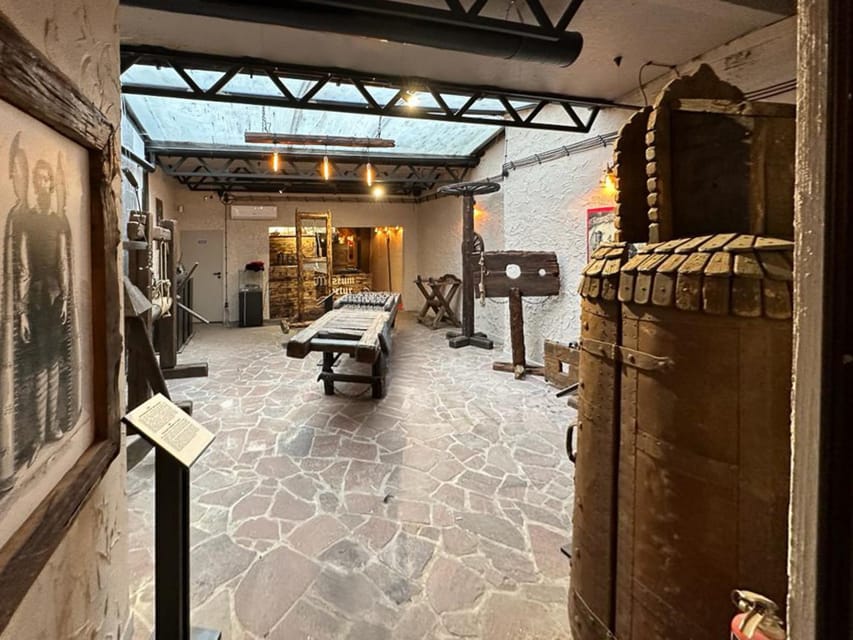
Prepare for a very dark hour. Krakow’s Torture Museum offers a compact, theatrical look at punishment through the ages, with grim devices, a sarcastic guide, and an executioner guarding the door. I like the small groups of up to 10 and the way the tour moves from medieval tools to modern punishment. I also like the low $9 price, which makes this an easy add-on near Krakow’s Old Town.
The main drawback is the subject itself. This is not a gentle history stop, and the displays are designed to shock as much as inform. If graphic stories or mock executions are not your thing, you may find the hour more uncomfortable than entertaining.
In This Review
- Key points to know before you go
- Finding the Torture Museum at Floriańska 10
- Meeting the executioner and entering the dark story
- Medieval devices and the machinery of punishment
- The guillotine and the move into modern times
- Why the guide matters more than the objects
- One hour, 10 people, and a clear format
- Is $9 good value in Krakow?
- Who should choose this unusual Krakow stop?
- Booking flexibility and useful planning details
- What makes this different from an ordinary museum?
- Should you book the Torture Museum?
- FAQ
- Where is Krakow’s Torture Museum located?
- How much does the guided Torture Museum tour cost?
- How long is the Torture Museum experience?
- What language is the tour conducted in?
- How many people can join the small group?
- Can I cancel the booking or pay later?
Key points to know before you go
- The museum sits at Floriańska 10, a central Krakow address that fits easily into an Old Town walking day.
- The tour lasts one hour from the moment you activate your ticket, so you get a focused visit rather than a half-day commitment.
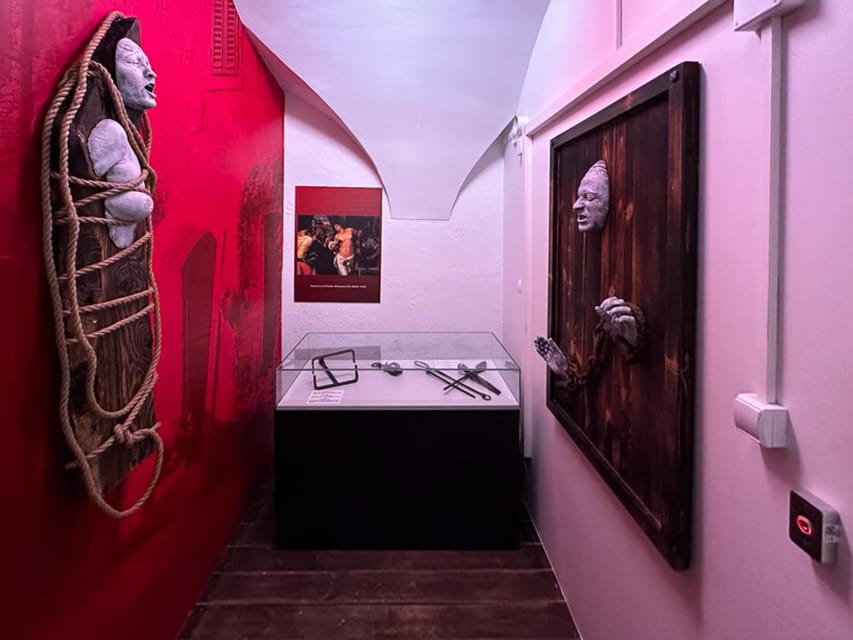
- The collection spans medieval to modern punishment, including reconstructions of devices and the guillotine linked with the French Revolution.
- The English-speaking guide is part of the show, using dark sarcasm and audience involvement to explain the exhibits.
- Kamil has earned special praise for his delivery, drawing people into the explanations and making the visit memorable.
- Admission costs $9 per person, with free cancellation up to 24 hours ahead and a reserve-now, pay-later option.
Finding the Torture Museum at Floriańska 10
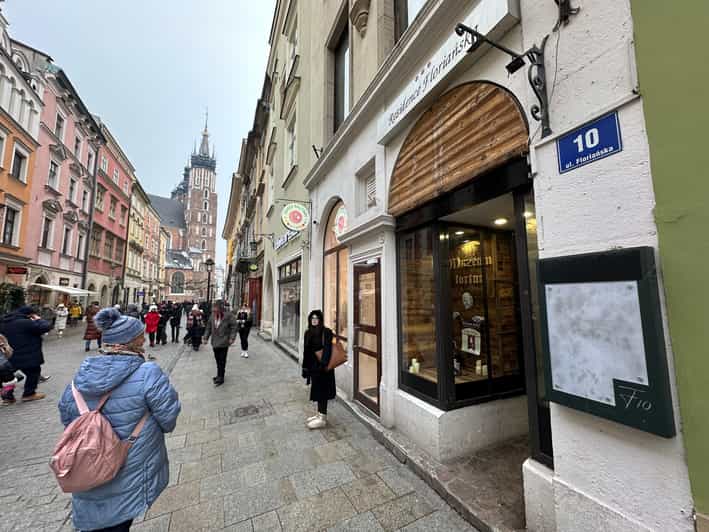
The first practical advantage is the address. The Torture Museum is on Floriańska 10, making it a convenient stop if you are already walking through Krakow’s central streets.
You do not need to build a full day around this experience. The ticket is valid for one hour from first activation, so you can place it between other Old Town plans without giving up a large block of time.
That short format also shapes the visit. You will not get a long academic lecture or a sprawling museum route. Instead, you get a concentrated presentation built around objects, stories, and the mood of the place.
I would think of it as a one-hour historical curiosity rather than a traditional museum afternoon. It works best when you want something unusual between Krakow’s churches, squares, and grand civic buildings.
More Museum Visits in Kraków
- Auschwitz-Birkenau Museum and Memorial Guided Tour from Krakow
★ 4.5 · 1,510 reviews - Krakow: Rynek Underground Museum Guided Tour
★ 4.6 · 1,122 reviews - Krakow Schindler’s Factory Museum Guided Tour in English
★ 4.5 · 650 reviews
Meeting the executioner and entering the dark story
The museum presents itself as a theatrical experience. An executioner and his aides guard the attraction, giving the entrance a staged, macabre quality before the explanations even begin.
That mood matters here. The displays are not presented as neutral furniture behind glass. The setting aims to make you feel the fear and cruelty associated with punishment, while the guide uses humor to keep the experience moving.
The host is described as thrillingly sarcastic, which gives the tour a particular tone. You should expect grim facts delivered with a sharp joke or an ironic aside, not a solemn school lesson.
This style will suit you if you like history with personality. It may not suit you if you want quiet reflection or a strictly serious presentation of suffering.
The humor also serves a practical purpose. Torture is difficult material, and a guide who can control the mood helps keep the hour from becoming relentlessly bleak. Still, the jokes do not remove the disturbing subject matter. They simply give you a way to process it.
Medieval devices and the machinery of punishment
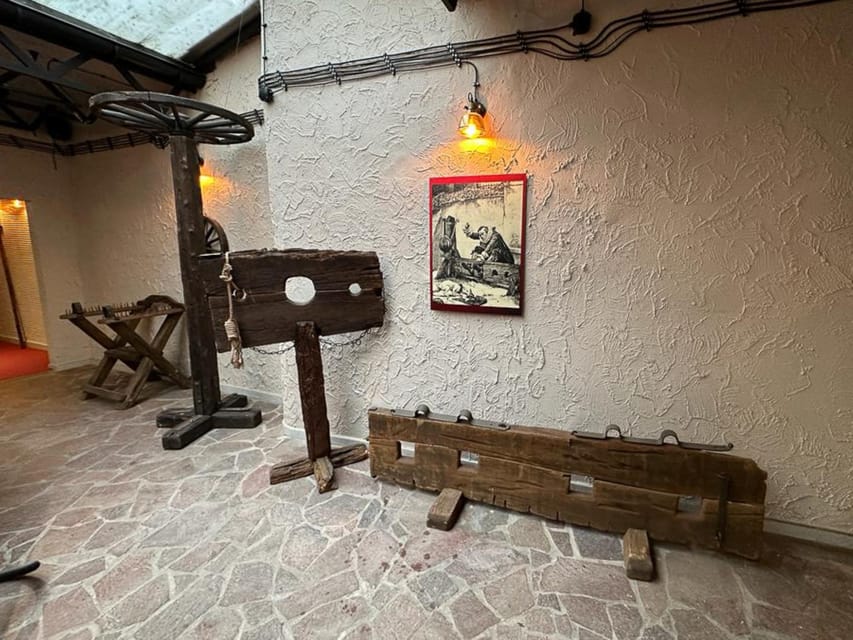
The central attraction is the collection of torture devices, presented through detailed reconstructions. The displays cover punishment from medieval times into the modern period, allowing you to compare how cruelty changed while its basic purpose remained familiar.
You can expect to see devices associated with medieval torture, including the infamous iron maiden. The museum’s presentation focuses on how each instrument was used and what it reveals about the methods of punishment.
The value is not just in seeing strange iron shapes. The guide helps turn the objects into part of a larger story about fear, control, confession, and public punishment. You are encouraged to consider how authorities used pain and spectacle to enforce power.
The phrase about a person being able to perish in 1000 ways is deliberately dramatic, but it captures the museum’s approach. The visit piles up examples to show the wide range of methods humans created for harming one another.
You should also keep your expectations realistic. The available information does not promise original medieval objects, and the collection is described in terms of reconstructions. That does not make the displays uninteresting, but it means you are paying for interpretation and atmosphere as much as for rare artifacts.
The guillotine and the move into modern times
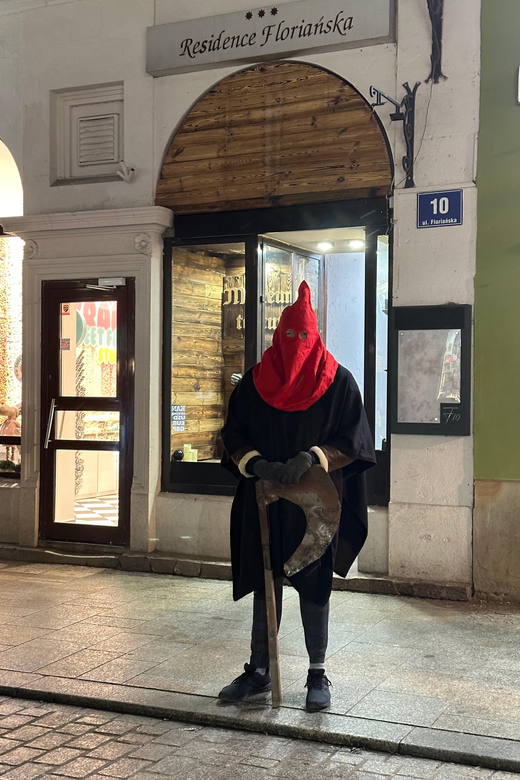
One of the clearest reference points is the guillotine used during the French Revolution. It gives the tour an object that many people recognize immediately, while also marking a shift from medieval punishment toward more organized and efficient forms of execution.
The guillotine is often remembered for its mechanical simplicity. In this setting, it helps show that modern methods did not necessarily mean humane methods. The machinery could be presented as rational and efficient while still producing a brutal result.
The museum’s broader theme is the evolution of punishment. You will see how the story moves beyond the medieval period and continues into modern times, rather than treating torture as something that ended with castles and dungeons.
That wider time span makes the visit more useful than a collection of old horrors alone. It asks you to notice the difference between primitive-looking devices and later systems that appear more controlled or scientific.
The tour does not provide a full history of every legal system or political period. Its strength is sharper and simpler: it shows a sequence of methods and lets the guide connect them with stories and commentary.
A completely different kind of day out in Kraków:
- From Krakow: Auschwitz-Birkenau Guided Tour & Hotel Pickup
★ 4.5 · 33,358 reviews - From Krakow: Auschwitz-Birkenau Guided Tour & Hotel Pickup
★ 4.5 · 29,340 reviews - Krakow: Auschwitz Guided Tour with Optional Hotel Pickup
★ 4.5 · 15,280 reviews - Krakow–Zakopane: Cable Car, Chocholow Baths, Cheese & Vodka
★ 5.0 · 10,720 reviews
Why the guide matters more than the objects
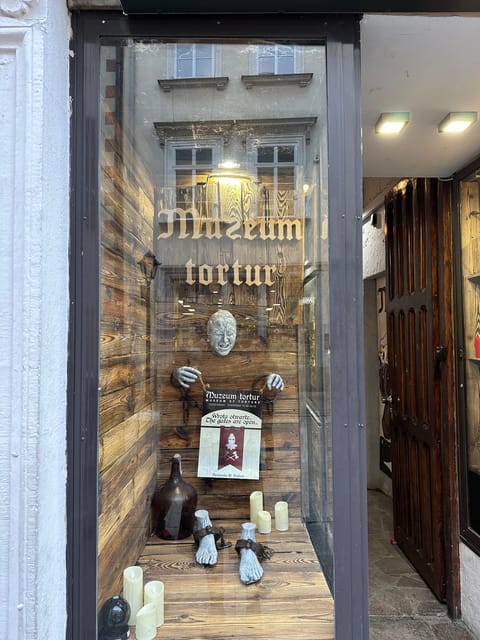
I would place a lot of weight on the guide when deciding if this tour suits you. The displays create the setting, but the explanations and timing give the visit its energy.
Kamil is specifically praised for being fun, involving the group, and explaining the different types of torture clearly. That is useful information because an experience like this can easily become a row of grim objects with labels.
A guide who asks you to take part can make the hour feel more personal. You are not simply walking past devices. You may be drawn into the explanations, asked to think about what you are seeing, or encouraged to react to the strange logic behind the methods.
I also like that the guide’s humor appears to be part of the intended format rather than an accidental extra. The sarcastic delivery gives the museum a recognizable personality.
Still, guide-led experiences can vary in tone. If you prefer a calm, self-paced museum visit, the performance element may feel too strong. If you want a memorable story told by a lively host, it is one of the best reasons to choose this attraction.
One hour, 10 people, and a clear format
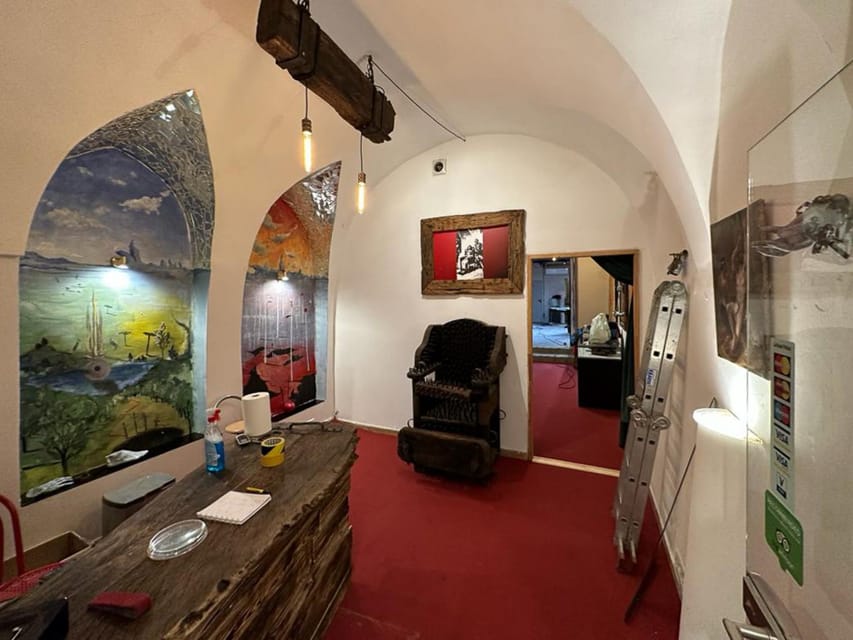
The small-group limit is 10 participants. That is a useful middle ground: large enough to create some group energy, but small enough for the guide to involve people more easily than in a crowded tour.
The one-hour duration keeps the experience manageable. You can take in a lot of unsettling material without spending an entire afternoon surrounded by it.
The ticket becomes valid for one hour from first activation. Pay attention to that wording when planning your day, since the clock relates to activation rather than simply the date of purchase.
The tour is conducted in English with a live guide. That makes the quality of the spoken presentation important, especially because the humor and explanations are central to the experience.
The museum is wheelchair accessible, which makes it a more practical choice for a wider range of visitors. The available details do not describe every route feature, so anyone needing very specific access information should confirm those points before booking.
Is $9 good value in Krakow?
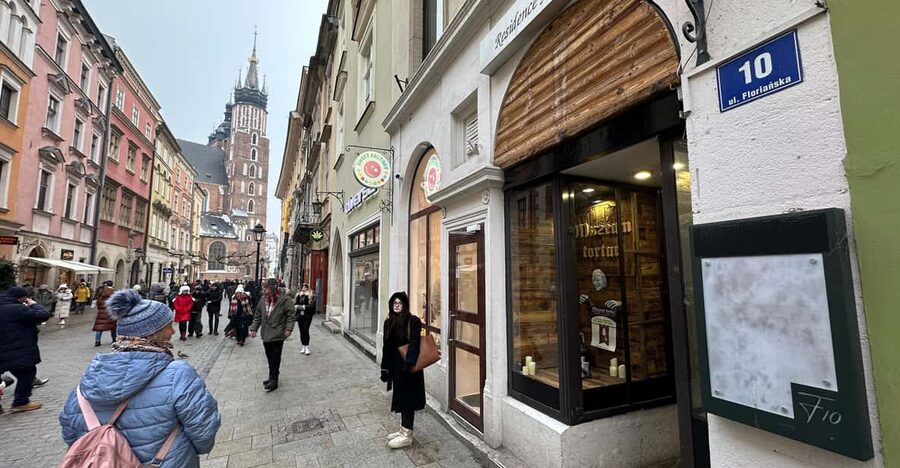
At $9 per person, this is one of the easier Krakow attractions to fit into a sightseeing budget. You are paying for a guided hour, a themed collection, and a theatrical presentation in a central location.
The strongest value comes from the combination. A self-guided display of torture devices might take less time and offer less context. Here, the English-speaking host adds stories, sarcasm, and group interaction, which helps the museum feel like an experience rather than a quick look at props.
The price also makes the attraction low risk. If you are curious about unusual museums, $9 is a modest way to try something different. You do not need to sacrifice a major Krakow landmark or commit to an expensive evening activity.
Value depends on your taste, of course. If you dislike dark humor or graphic historical subjects, no low price will make the visit worthwhile. You may leave feeling that the hour was more theatrical than educational.
For the right audience, though, the cost is fair. It is especially reasonable for couples, friends, and families with older children who want an offbeat stop close to the center.
Who should choose this unusual Krakow stop?
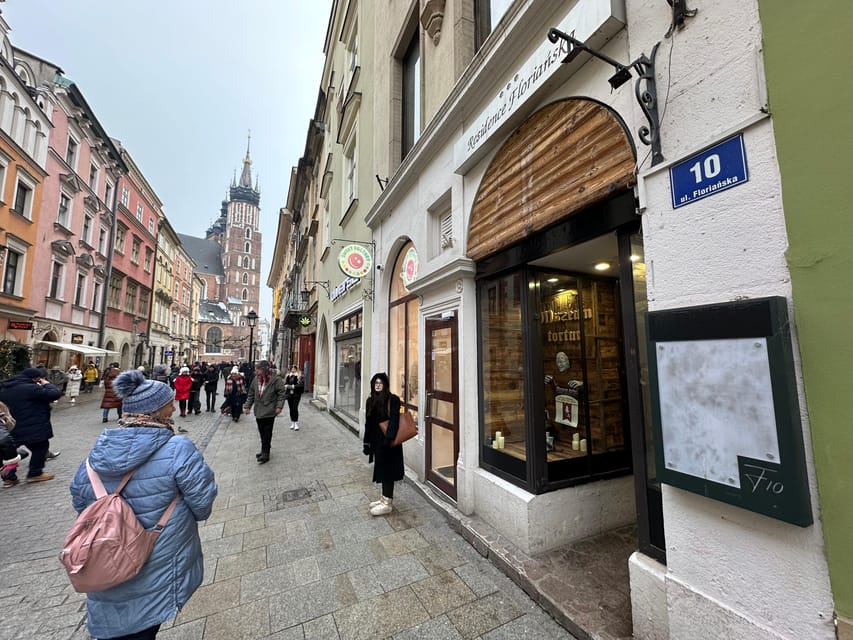
I would recommend the museum to you if you enjoy macabre history, unusual collections, and guides who play a strong role in the presentation.
It is a good match for:
- People who want a break from standard art and church visits
- Visitors interested in the history of punishment
- Small groups who enjoy dark humor
- Anyone looking for a short attraction near Floriańska Street
- People who like interactive explanations rather than silent display cases
I would think twice if you are sensitive to depictions of cruelty or prefer museums that avoid theatrical staging. The language about gruesome deaths and 1000 ways to perish is a clear warning about the tone.
Families should make the decision based on the maturity of their children. The supplied details do not give an age recommendation, so you will need to judge whether the subject and humor are suitable for your group.
This is also not the best pick if your Krakow schedule is packed with major historical landmarks and you want more traditional cultural context. The museum offers a narrow theme, presented for impact, rather than a broad account of the city.
Booking flexibility and useful planning details
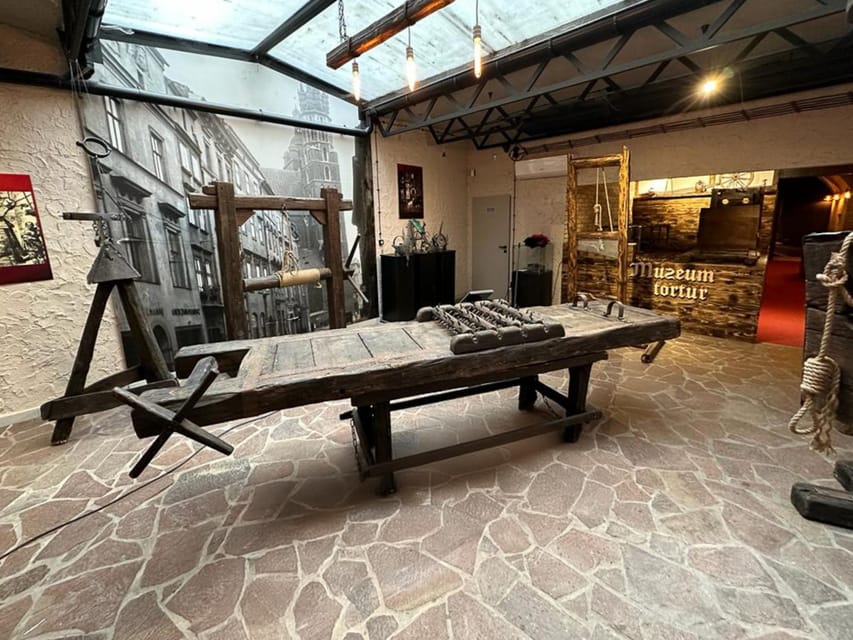
The ticket includes free cancellation up to 24 hours before the scheduled experience, which gives you some room if your Krakow plans change. You can also reserve now and pay later, so you do not have to pay at the time of booking.
These terms are useful for a short city break. Krakow days often shift around weather, meals, church services, and other timed activities. Having the option to adjust this one-hour stop can make planning easier.
The group is limited to 10 participants, and the live tour is in English. If you want the guide’s jokes and explanations to carry the experience, make sure English is comfortable for you.
I would also allow a little time to reach Floriańska 10 and get oriented before activation. The actual visit is only an hour, and activating too early could reduce the time you have inside.
What makes this different from an ordinary museum?
The museum’s appeal is its combination of fact, performance, and controlled shock. You are not simply being shown old devices. You are placed inside a story about the ways societies have punished bodies and displayed power.
The executioner and aides create an immediate sense of theater. The sarcastic guide gives the material a human voice. The reconstructions provide the visual impact, while the shift from medieval tools to the French Revolution guillotine gives the tour a simple historical arc.
That combination explains why the experience can be memorable even though it lasts only an hour. You leave with strong images, a few grim stories, and a better sense of how punishment changed over time.
It is also a useful contrast with Krakow’s more polished attractions. After admiring grand architecture and religious art, you can spend one hour looking at the less comfortable side of European history.
I appreciate that contrast. A city visit should not show only beauty and triumph. This attraction is narrow and theatrical, but it asks you to confront what people have done in the name of law, order, and control.
Should you book the Torture Museum?
Book it if you want a short, affordable, English-guided attraction with a macabre edge. The $9 admission, central Floriańska 10 location, one-hour format, and small groups make it easy to add to a Krakow itinerary.
I would choose it for the guide-led experience, especially if Kamil is hosting. His lively delivery and ability to involve the group appear to be a major part of what makes the tour work.
Skip it if you are uncomfortable with gruesome subjects, sarcastic humor, or theatrical displays of punishment. This is not a quiet history museum, and the tone is designed to unsettle you.
For everyone else, it is a memorable change of pace. You may not leave feeling cheerful, but you will have seen a side of human history that most Krakow sightseeing routes leave out.
FAQ
Where is Krakow’s Torture Museum located?
The museum is located at Floriańska 10 in Krakow, Poland.
How much does the guided Torture Museum tour cost?
Admission costs $9 per person.
How long is the Torture Museum experience?
The ticket is valid for one hour from the moment you first activate it.
What language is the tour conducted in?
The live guided tour is conducted in English.
How many people can join the small group?
The group is limited to 10 participants.
Can I cancel the booking or pay later?
Yes. You can cancel up to 24 hours in advance for a full refund, and you can reserve your place and pay later.
Just added around Kraków
- Rynek Underground Museum & Wawel Castle, Cathedral – Cracow★ 5.0 · 3 reviews
- Schindler’s Factory, Ghetto and Plaszow Camp Guided Tour★ 4.7 · 3 reviews
- Nowa Huta – a guided tour of a utopian socialist city★ 5.0 · 3 reviews
- Krakow: Kazimierz by Golf Cart and Schindler’s Factory Tour★ 4.8 · 3 reviews
- Private Krakow City Tour by Car and Walk with private tour guide★ 5.0 · 3 reviews
- Krakow: Jewish Traces Private Electric Car Tour★ 4.1 · 3 reviews
- Discover the Jewish Quarter with a Bike Tour★ 5.0 · 3 reviews
- Krakow: Indoor Go-Karting (24-Minute Races)★ 4.8 · 3 reviews
Museums, compared.
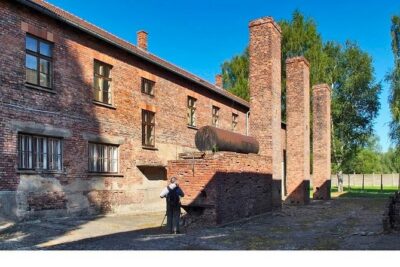
Auschwitz-Birkenau Museum and Memorial Guided Tour from Krakow
Read our review →
POLIN Museum of the History of Polish Jews Ticket
Read our review →


Krakow Schindler’s Factory Museum Guided Tour in English
Read our review →
Auschwitz Birkenau Museum Guided Tour with Pickup
Read our review →
Browse the lists this tour appears in