
REVIEW · MUSEUMS
Krakow: Museum of Jan Matejko Entry Card (3-Day Krakow Card)
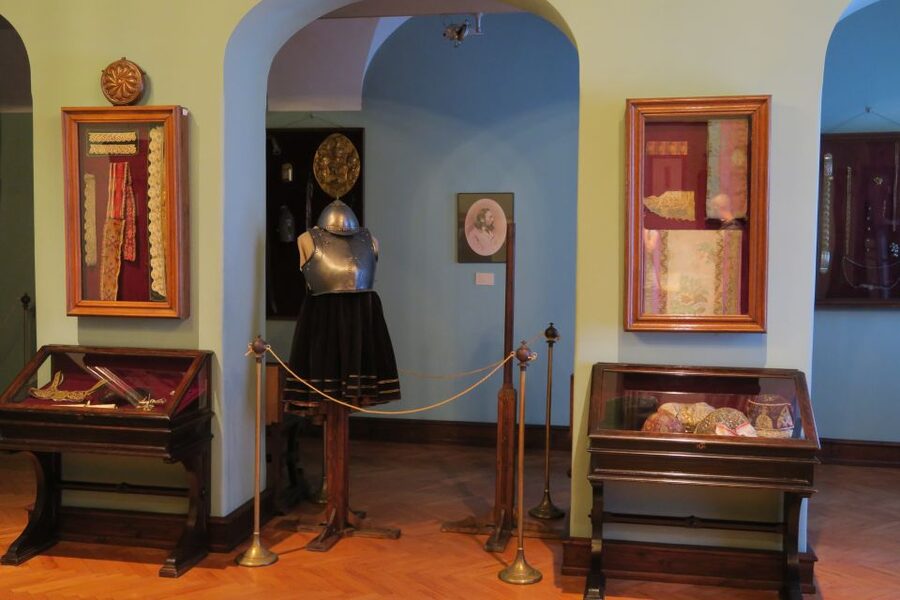
Step inside a painter’s family home. This experience pairs entry to the Jan Matejko House with a city card for Krakow museums. I like the chance to see the Polish national painter’s private rooms, furniture, art objects, fabrics, weapons, and family keepsakes. I also like the freedom to build your own museum route instead of following a fixed group itinerary.
The main concern is the validity information. The description says both two days and three days, while the highlights and inclusions promise three days. You should confirm the exact period at booking or when collecting the card. The card must also be picked up in person at Sienna 17 before you can use it.
In This Review
- Key points at a glance
- Why Jan Matejko’s house is worth your time
- What you can expect inside the museum
- Building your own three-day museum route
- Art and famous collections
- Jewish Krakow and wartime memory
- Archaeology, folklore, and local stories
- Fortifications and civic landmarks
- Is the $53 price good value?
- The two-day or three-day problem
- Collecting the card at Sienna 17
- Who will enjoy this experience most?
- Practical tips for a better visit
- Should you book the Jan Matejko House and Krakow Card?
- FAQ
- Where do I collect the Krakow Card?
- How many museums does the card include?
- How long is the card valid?
- Does validity begin by the hour?
- Does the card include Wawel Cathedral?
- Are guided tours and transportation included?
Key points at a glance
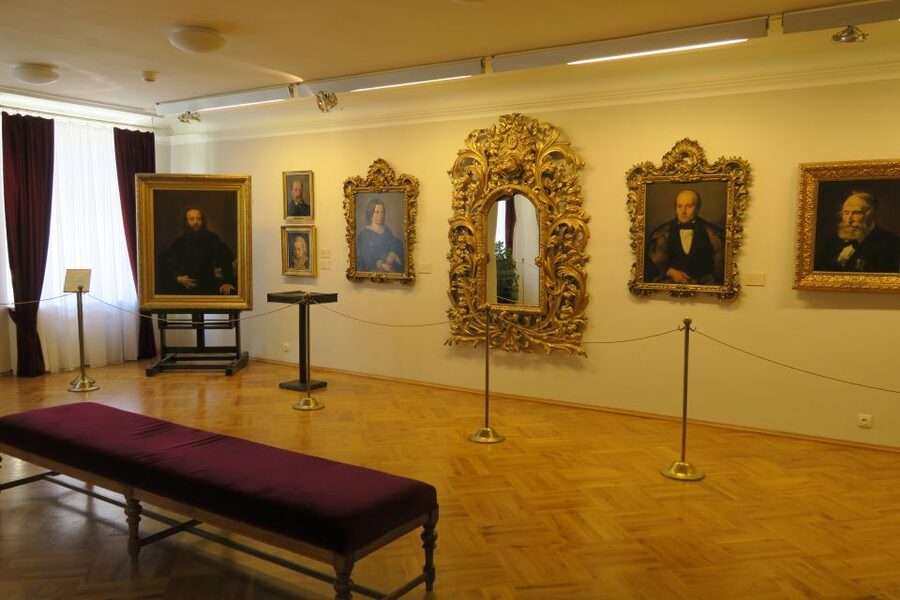
- Jan Matejko’s family home: See the birthplace, living spaces, first workshop, and personal objects connected with Poland’s best-known historical painter.
- A broad Krakow museum pass: The card includes the Jan Matejko House plus 36 other museums, for 37 museums in total.
- Flexible sightseeing: You choose which museums to visit and in what order, with no guide or group schedule included.
- Strong value for museum fans: At $53 per person, the card makes the most sense if you visit several included sites during its active period.
- Important timing issue: The information gives both two-day and three-day validity, so check this before planning your museum schedule.
- Easy city-center collection: Pick up the card at Krakville Tours, Sienna 17, between 10:00 AM and 7:00 PM daily.
Why Jan Matejko’s house is worth your time
Jan Matejko is best known for paintings that show Poland’s rulers and major historical events. His work helped ordinary people picture kings and national figures as real human beings, not distant names from a textbook. The museum gives you a more personal way into that work.
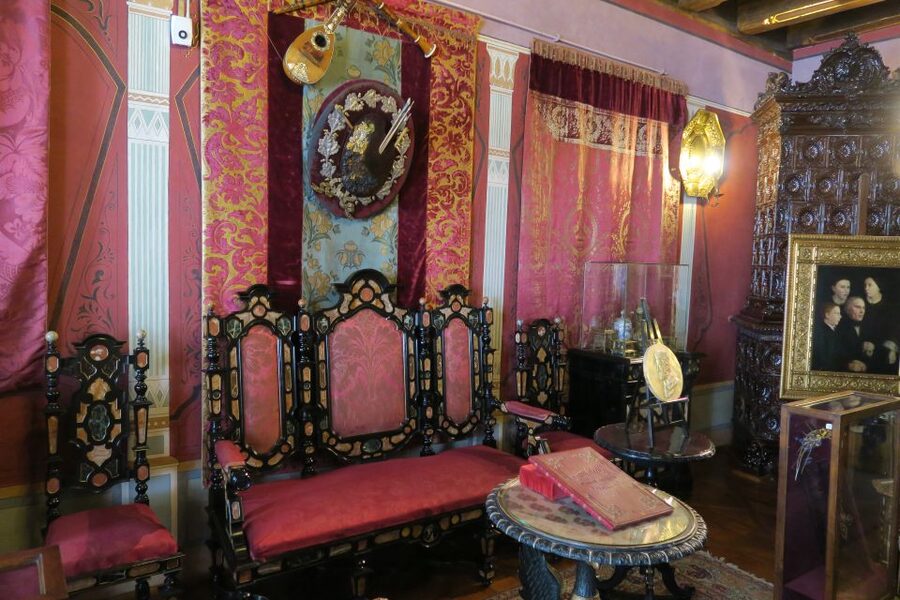
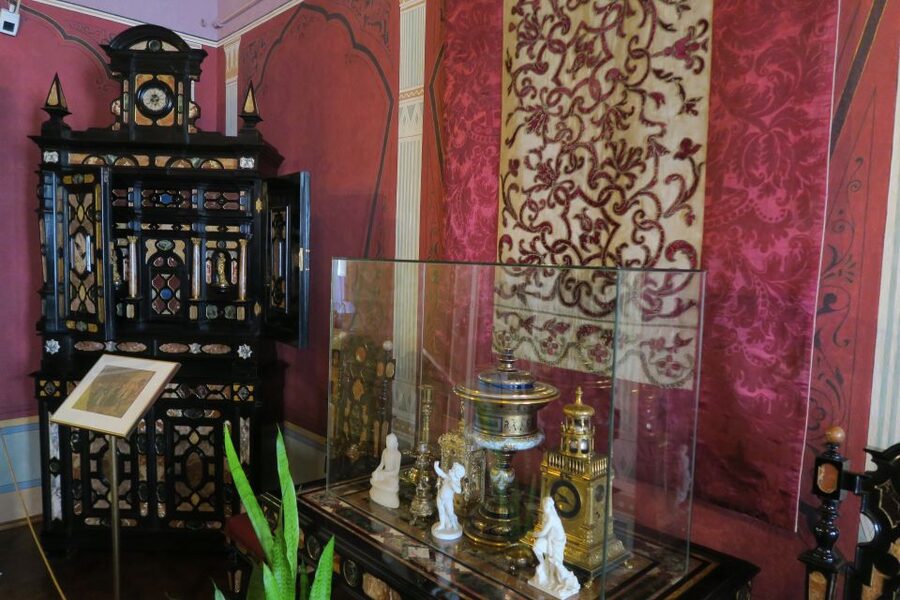
Instead of seeing only finished paintings in a large gallery, you walk through the home where Matejko lived and worked. That setting helps you think about the painter as a family man, collector, and working artist. One especially appealing part of the visit is the sense of daily life: furniture, family memorabilia, household objects, and items preserved from his relatives.
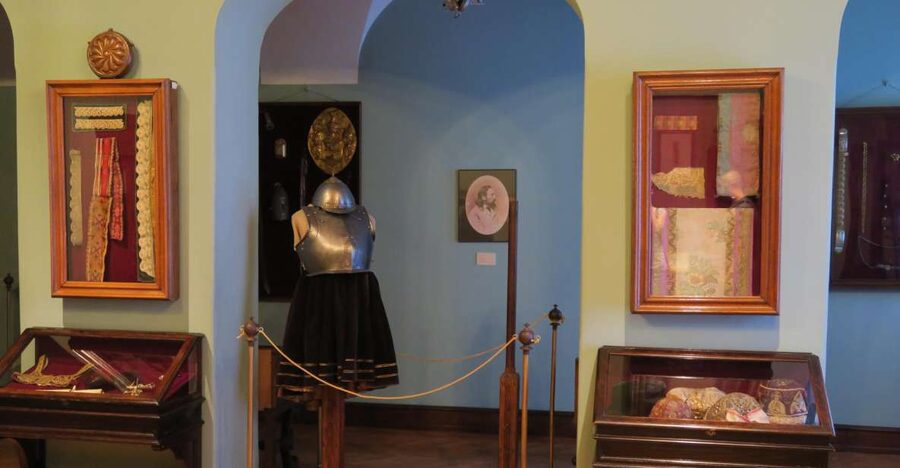
I would allow time to look beyond the headline attraction. The museum’s displays include artistic crafts, fabrics, weapons, and ethnographic souvenirs gathered by Matejko. These objects help show the interests and surroundings that shaped his work. They also make the visit useful for people who are curious about Polish culture but do not know much about the painter beforehand.
The house is not simply a room filled with famous names. It is a chance to see where Matejko’s private and professional lives met. The strongest praise for the experience focuses on this exact quality: knowing that the painter lived and created there makes his family routine easier to picture.
More Museum Visits in Kraków
- Auschwitz-Birkenau Museum and Memorial Guided Tour from Krakow
★ 4.5 · 1,510 reviews - Krakow: Rynek Underground Museum Guided Tour
★ 4.6 · 1,122 reviews - Krakow Schindler’s Factory Museum Guided Tour in English
★ 4.5 · 650 reviews
What you can expect inside the museum
Your first stop is the Jan Matejko House, the main experience included with the card. You will see the family home and his first workshop, then move through exhibitions devoted to his life and work.
The objects matter because they add context to the paintings. Furniture can suggest how the household was arranged. Personal keepsakes connect the public figure with his relatives. Fabrics, weapons, and collected craft items point toward the visual material that interested him.
Do not expect a guided explanation at every display. Guided tours are not included, so you should be prepared to read the exhibitions at your own pace. That can be a benefit if you prefer quiet looking and flexible timing, but it means you need to bring your own curiosity and perhaps read about Matejko before arriving.
Comfortable shoes are a sensible choice. The card encourages you to visit several museums around Krakow, and a full museum day can involve plenty of walking. Large bags and luggage are not allowed, and pets and smoking are also prohibited.
Building your own three-day museum route
The city card gives you access to 37 museums in Krakow, including the Jan Matejko House. The list covers art, Jewish heritage, archaeology, military history, local legends, aviation, and Krakow’s old defensive structures.
You do not need to see everything. In fact, trying to visit all 37 sites would turn a cultural visit into a race. I would choose a small group based on your interests and location, then leave room for meals, churches, public squares, and ordinary city wandering.
Here are the main groups of museums included:
Art and famous collections
The Princes Czartoryski Museum is one of the biggest draws because it includes Leonardo da Vinci’s Lady with an Ermine. The Main Building of the National Museum, the Gallery of 19th-Century Polish Art in the Sukiennice, the Szołayski House, the Hipolit House, and the museums devoted to Jan Matejko, Józef Mehoffer, and Stanisław Wyspiański offer more Polish art.
MOCAK gives the card a modern art option. Cricoteka, which includes the Centre for Documentation of the Art of Tadeusz Kantor, adds another contemporary and archival stop. The Emeryk Hutten-Czapski Museum and the Bishop Erazm Ciołek Palace round out the art-focused choices.
I like this range because it lets you balance famous works with smaller, more focused collections. If you want a day centered on Polish painting, you can stay close to that theme. If one museum feels too formal, you can switch to archaeology or local culture without buying another ticket.
A completely different kind of day out in Kraków:
- From Krakow: Auschwitz-Birkenau Guided Tour & Hotel Pickup
★ 4.5 · 33,358 reviews - From Krakow: Auschwitz-Birkenau Guided Tour & Hotel Pickup
★ 4.5 · 29,340 reviews - Krakow: Auschwitz Guided Tour with Optional Hotel Pickup
★ 4.5 · 15,280 reviews - Krakow–Zakopane: Cable Car, Chocholow Baths, Cheese & Vodka
★ 5.0 · 10,720 reviews
Jewish Krakow and wartime memory
Schindler’s Factory is one of the most recognizable museums on the list. The Galicja Jewish Museum, the Old Synagogue, and the Eagle Pharmacy add further perspective on Krakow’s Jewish community and wartime experience.
These museums cover different subjects, so I would not treat them as interchangeable. The card gives you access, but you still need to plan around opening hours and the emotional weight of some exhibits. A schedule packed with difficult wartime material may be tiring, especially if you are visiting with children.
The Pomorska Street museum and the Museum of the Home Army dedicated to General Emil Fieldorf Nil provide additional wartime and military context. Together, these sites can help you understand Krakow through more than its postcard center.
Archaeology, folklore, and local stories
The Archaeological Museum’s main building, its Nowa Huta Branice branch, and the underground site beneath the Church of Saint Adalbert offer different ways to explore the area’s past. The Seweryn Udziela Ethnographic Museum, including Esterka’s House, focuses on Polish customs and everyday culture.
The Legends of Cracow museum adds a lighter local angle. It can work well if you want something connected to Krakow’s stories rather than another traditional gallery. The range is useful for families and mixed-interest groups because not every stop demands the same kind of concentration.
The card also includes the Krzysztofory Palace and the Town Hall Tower. These locations help connect museum visits with the city center itself. You can combine them with a walk through the Market Square rather than setting aside an entire day for museums alone.
Fortifications and civic landmarks
The City Defence Walls, the Barbican, the Arsenal, the Celestat, and the Town Hall Tower show Krakow as a defended medieval and early modern city. The Kościuszko Mound adds another major Krakow sight to the card’s list.
The Wawel Cathedral buildings are not included and require an extra fee. That is an important limitation because you may naturally expect the city card to cover every major Wawel attraction. It does not, so budget separately if the cathedral is on your must-see list.
The Archdiocese Museum, the Zwierzyniec House, the Podgórze Museum, and the Centre of Documentation sites give you more choices in different parts of the city. Since transportation is not included, check the location of each museum before setting your daily plan.
Is the $53 price good value?
At $53 per person, this is not an automatic bargain. The value depends on how many included museums you actually visit and how much you enjoy museum-based sightseeing.
I would consider it a good buy if you plan to visit the Jan Matejko House plus several major museums, such as Schindler’s Factory, the Princes Czartoryski Museum, the Rynek Underground Museum, and the National Museum. It becomes less appealing if Matejko’s home is your only planned stop.
The card can save you from paying separate admission at each included museum. It also gives you a simple way to change plans during the active period. If rain arrives or you finish one museum early, you have other options without another ticket purchase.
The value is weaker for a visitor who prefers outdoor sights, cafés, churches, and long walks. The card does not include transportation, guided tours, or Wawel Cathedral buildings. You should compare your personal museum list with the separate admission prices before booking.
There is also a practical cost in time. A card encourages you to use it, but you should not visit a museum simply because entry is free. Pick the sites that interest you, and let the rest go.
The two-day or three-day problem
The supplied information contains a real conflict. The duration is described as valid for two days from first activation, and the additional information repeats that the card is counted in days, not hours. Yet the highlights and inclusions describe three days of access.
This matters because the card is valid until the end of the stated day, not for a rolling number of hours. If you activate it late in the afternoon, that day still counts as the first day. A late start could reduce the practical value, especially if the correct period is only two days.
I would collect the card early, then activate it when you are ready to begin your main museum schedule. Do not assume that activating it at pickup is always the best choice. Most important, ask Discover Cracow or the collection desk to confirm whether your purchase provides two days or three.
Some museums close on Mondays, and opening hours can change. Last admission to other exhibitions is usually 90 minutes before closing. Check each museum’s official opening hours before setting out, since the card does not remove the need for planning.
Collecting the card at Sienna 17
The stated collection point is Krakville Tours at Sienna 17, open daily from 10:00 AM to 7:00 PM. This is a separate step from entering the Jan Matejko House, so build it into your first day.
The activity begins and ends at the meeting point in the practical sense that no transportation or guided route is supplied. You make your own way between museums. That independence is useful, but you should keep your phone, map, and opening-hour notes handy.
The card is intended to help you skip the ticket line. That does not mean every museum will have identical entry arrangements, and it does not guarantee that an exhibition is open. Follow the instructions given with the card at collection.
Who will enjoy this experience most?
I would recommend it most strongly to people who already want to visit several Krakow museums. Art lovers, Polish culture enthusiasts, and visitors interested in wartime and Jewish history can all create a worthwhile route from the list.
It also suits independent sightseeing. You choose your stops, decide how long to stay, and avoid a guide setting the pace. The tradeoff is that you do not receive commentary or transport, so the experience rewards visitors who enjoy planning.
Families can use the range of subjects to mix serious museums with legends, aviation, defensive walls, or the Town Hall Tower. Children under three receive free admission to all museums and public transportation, although the activity is not considered suitable for children under three. That wording is worth clarifying if you are traveling with a very young child.
The card is less suitable if you want a single guided tour, a fixed schedule, or a completely effortless day. It is also a poor match if your main goal is Wawel Cathedral, since its buildings require a separate payment.
Practical tips for a better visit
Start with the museum that matters most to you. If Jan Matejko’s home is the reason you are booking, make it an early priority rather than leaving it until the final afternoon.
Group museums by area as much as possible. Transportation is not included, and unnecessary crossings can eat into the card’s active days. The list includes sites in the center as well as locations such as Nowa Huta and Podgórze, so a little planning will help.
Check Monday closures before activation. Also confirm last admission times, especially if you plan to fit a smaller museum into the end of the day.
Wear comfortable shoes and avoid bringing luggage or a large bag. A city card is most useful when you can move lightly from one stop to the next.
Finally, remember that the card offers access, not a complete Krakow itinerary. Leave time for the streets, squares, food, and churches between museums. The best use of the card is a balanced schedule, not a contest to collect entrances.
Should you book the Jan Matejko House and Krakow Card?
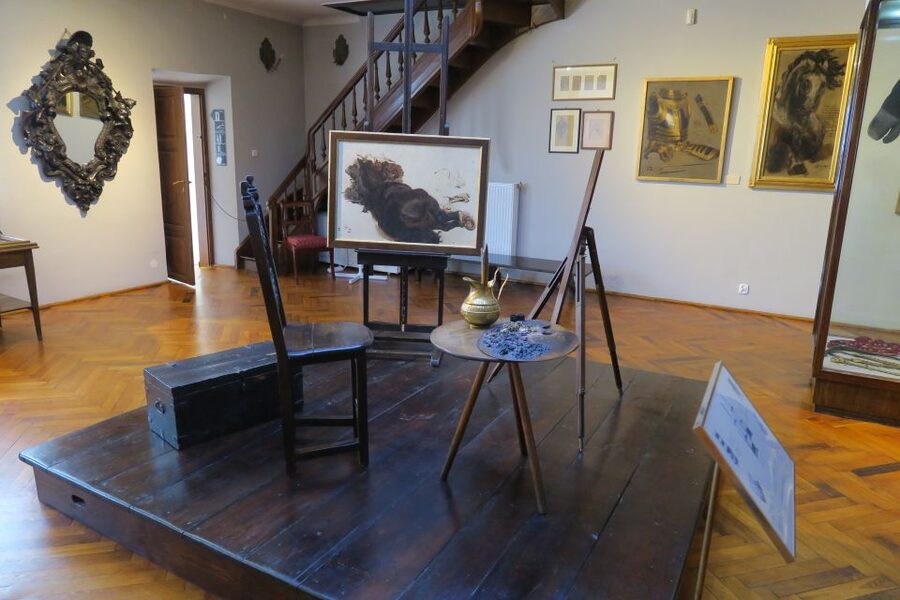
Book it if you want Jan Matejko’s personal setting plus at least three or four other included museums. The private-home atmosphere, family objects, and first workshop give the experience a human focus, while the wider card lets you explore Krakow at your own pace.
I would pause before booking if you plan only one museum, dislike self-guided sightseeing, or need transportation and Wawel Cathedral included. The $53 price can be worthwhile, but only when you use the pass actively.
Before paying, confirm the two-day versus three-day validity. Once that point is clear, collect the card at Sienna 17, check museum schedules, and build a route around the places you genuinely want to see.
FAQ
Where do I collect the Krakow Card?
You collect it at Krakville Tours, Sienna 17, between 10:00 AM and 7:00 PM daily.
How many museums does the card include?
The card provides free entry to 37 museums in Krakow, including the Jan Matejko House.
How long is the card valid?
The supplied information gives conflicting details. It describes the card as valid for two days from first activation, while other details say three days. Confirm the exact validity when booking or collecting the card.
Does validity begin by the hour?
No. The card is counted by days, not by a rolling number of hours. It remains valid until the end of the applicable day.
Does the card include Wawel Cathedral?
No. Admission to Wawel Cathedral buildings requires an additional fee.
Are guided tours and transportation included?
No. Guided tours and transportation are not included. You plan and make your own way between the museums.
More 3-Day Experiences
- Ultimate Krakow & More 3 Day Private Tour
★ 5.0 · 4 reviews - Kraków: Jewish Quarter, Auschwitz, And Salt Mine 3-Day Tour
★ 4.8 · 5 reviews
Just added around Kraków
- Rynek Underground Museum & Wawel Castle, Cathedral – Cracow★ 5.0 · 3 reviews
- Schindler’s Factory, Ghetto and Plaszow Camp Guided Tour★ 4.7 · 3 reviews
- Nowa Huta – a guided tour of a utopian socialist city★ 5.0 · 3 reviews
- Krakow: Kazimierz by Golf Cart and Schindler’s Factory Tour★ 4.8 · 3 reviews
- Private Krakow City Tour by Car and Walk with private tour guide★ 5.0 · 3 reviews
- Krakow: Jewish Traces Private Electric Car Tour★ 4.1 · 3 reviews
- Discover the Jewish Quarter with a Bike Tour★ 5.0 · 3 reviews
- Krakow: Indoor Go-Karting (24-Minute Races)★ 4.8 · 3 reviews
Museums, compared.
Auschwitz-Birkenau Museum and Memorial Guided Tour from Krakow
Read our review →
POLIN Museum of the History of Polish Jews Ticket
Read our review →


Krakow Schindler’s Factory Museum Guided Tour in English
Read our review →
Auschwitz Birkenau Museum Guided Tour with Pickup
Read our review →
Browse the lists this tour appears in