
REVIEW · WALKING TOURS
Krakow: Plaszow Concentration Camp Walking Tour
History is still visible here. Krakow-Plaszow is not a polished museum complex, but a former Nazi camp where memorials, quarries, open ground, and scattered traces ask you to picture what once happened. I like the small-group feel reported by several participants, and I like that the tour connects the camp to Oskar Schindler and the filming of Schindler’s List. The main consideration is simple: this is an outdoor site, and much of it requires interpretation because little of the original camp remains.
The two-hour walk is led by a licensed guide in English, German, French, Russian, Italian, or Spanish. Guides named in the feedback include Krysztof, Phil, Anna, and Barbara, with particular praise for their warmth, clarity, and ability to explain a difficult subject without rushing. I would add this tour after visiting Auschwitz, not instead of it, since Plaszow offers a different and more local view of Nazi persecution in Krakow.
- Forced labor became a concentration camp: Learn how Plaszow opened in 1940 and changed in 1941.
- The quarry reveals the camp’s brutal work system: Hear about labor at the quarry and military factories.
- Krakow’s Jewish community was deported here: The tour places the camp within the destruction of the Krakow ghetto from 1942.
- Memorials give the visit a place for reflection: You stop at several sites dedicated to the victims.
- Schindler’s story is tied to the actual area: Discuss Oskar Schindler and the nearby Liban Quarry film set.
- The $23 price includes a live guide: You need to arrange your own tram ticket to reach the meeting point.
In This Review
- Why Plaszow Matters in Krakow
- What Remains at the Former Camp
- Following the Camp’s Work and Deportation System
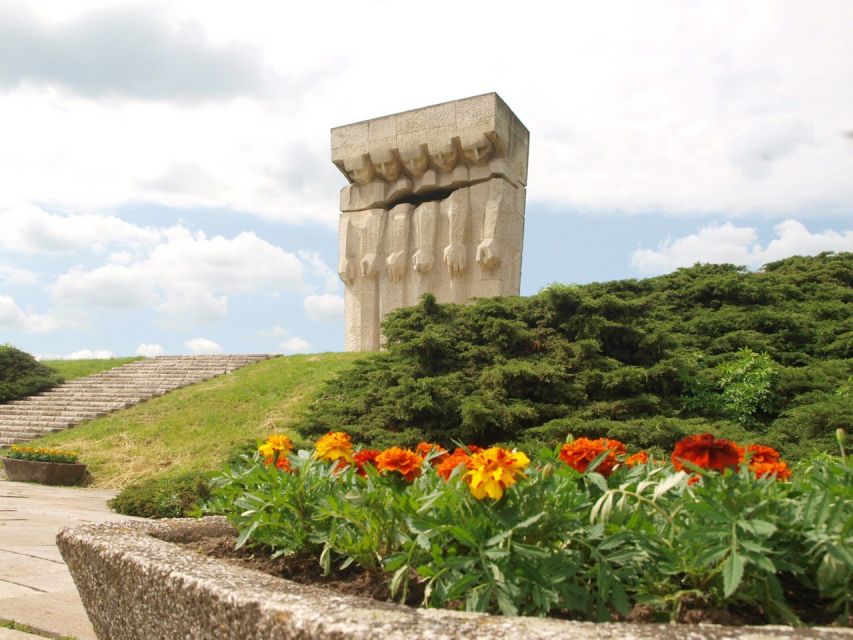
- Memorials That Slow the Pace
- Oskar Schindler and the Film Connection
- The Guide Makes the Two Hours Count
- Getting There and Planning the Visit
- Is $23 a Fair Price?
- Who Should Book This Walk?
- My Verdict on Krakow-Plaszow
- FAQ
- How long does the Krakow-Plaszow walking tour last?
- What is included in the tour price?
- Is public transportation included?
- Where does the tour start?
- Where does the tour finish?
- What languages are available?
- Is the tour wheelchair accessible?
Why Plaszow Matters in Krakow
Plaszow helps you understand that Nazi persecution was not confined to distant killing centers. This camp operated close to Krakow, within the city’s wider system of forced labor, deportation, imprisonment, and murder.
The camp opened in 1940 as a forced labor camp. In 1941, it was converted into a concentration camp. From 1942, Jews from the Krakow ghetto were deported there, making Plaszow part of the wider destruction of Krakow’s Jewish population.
That timeline gives the walk its shape. You are not simply looking at an old site and hearing dates. You are following the camp’s change from a labor site into a place of far greater Nazi control and terror.
I find this setting especially valuable for visitors who want to understand Krakow beyond its handsome Old Town and restored Jewish quarter. Plaszow connects the city you see today with the choices and crimes that shaped its wartime past.
What Remains at the Former Camp
You should set your expectations before arriving. Plaszow does not offer the preserved barracks, exhibition halls, and large indoor displays associated with Auschwitz. Much of the former camp is now open ground, and the physical remains can be hard to read without help.
That is exactly why the guide matters. A good guide points out the different areas of the former camp and explains what took place there. Without that context, you might see a quarry, a memorial, or an ordinary-looking stretch of land without understanding its place in the camp system.
One participant put the practical point plainly: there is not much left of the former site, so a guide makes it possible to find the history among the remaining traces. I would treat this as an interpretive walk rather than a museum visit. You come for the story, the setting, and the memorials, not for a large collection of original objects.
The outdoor format also changes how you prepare. The entire experience takes place outside, so weather matters. Wear shoes suited to a two-hour walk and check the forecast before setting out. The tour is listed as wheelchair accessible, but the available information does not describe every surface or route condition, so you may want to confirm practical details when booking.
More Walking Tours in Kraków
- Old Town Krakow & Wawel Castle Walking Tour
★ 5.0 · 1,508 reviews - Creepy Krakow: 2-Hour City Walking Tour
★ 4.7 · 1,131 reviews - Krakow: The Old Town Walking Tour
★ 4.8 · 794 reviews
Following the Camp’s Work and Deportation System
A strong part of the tour is the explanation of labor. Plaszow was not only a place of confinement. People were forced to work at the quarry and in military factories, under the wider machinery of Nazi rule.
The quarry is an important stop because it makes the labor system easier to understand. You hear how work was organized and why the site mattered to the Nazis. The stone cutting and industrial activity were not background details. They were part of the camp’s purpose and part of the suffering imposed on prisoners.
The guide also explains how Jews were deported from the Krakow ghetto beginning in 1942. This gives you a clearer sense of how the camp related to the surrounding city. The history is not presented as an isolated episode. It is tied to the removal of people from their homes, the reshaping of Krakow’s Jewish community, and the use of prisoners as forced labor.
For me, this is one of the tour’s strongest features. A memorial can help you mourn, but the explanation of deportation and work helps you understand the system that caused the suffering.
Memorials That Slow the Pace
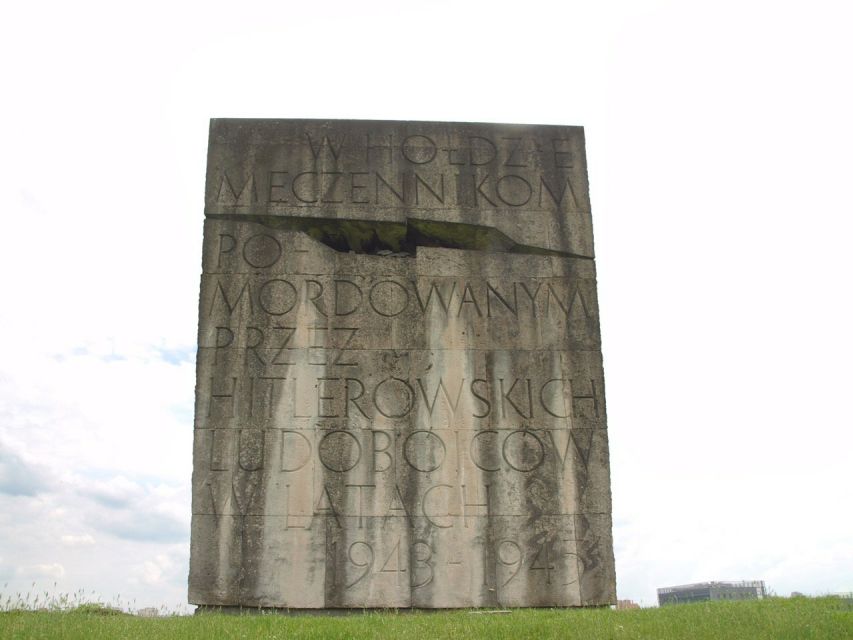
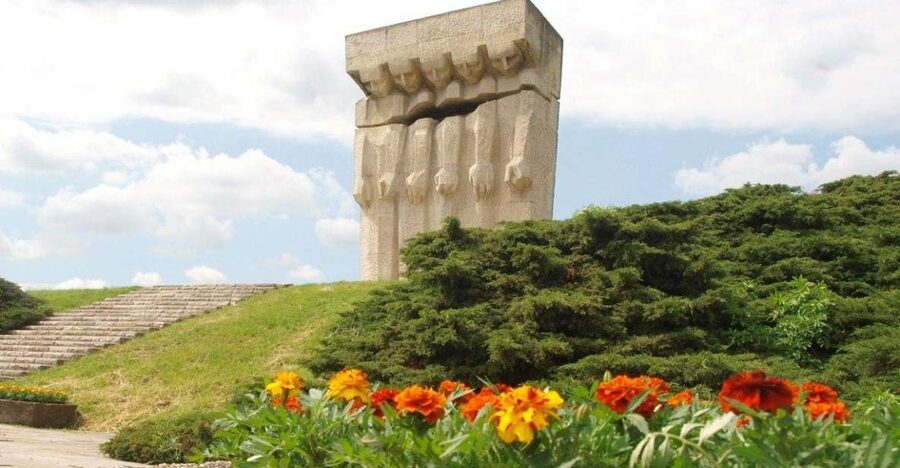
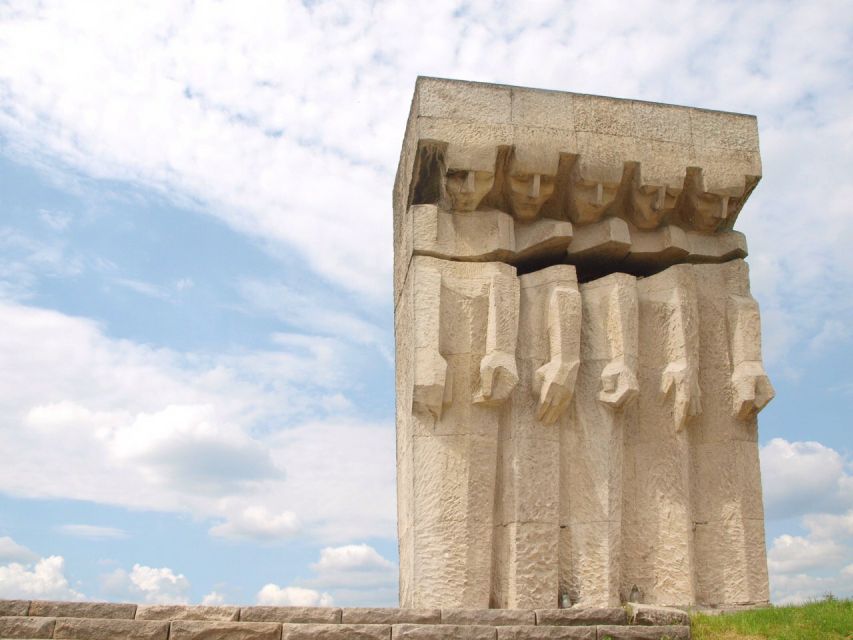
The memorials are where the walk becomes most reflective. You visit several places dedicated to the victims and have time to pay your respects.
Do not expect a fast sequence of photo stops. The subject calls for attention, and the best guides allow space for silence as well as explanation. Barbara, one of the named guides, was praised for giving participants time to take in the former camp and reflect. That balance matters at a site where a rushed presentation would feel out of place.
The memorials also help you grasp the scale of the crime. Since much of the camp itself has disappeared, these markers are essential points of reference. They give the former site a human focus and remind you that this was a place where individuals and families suffered, not merely a location in a history book.
I would plan to keep the visit solemn. This is not a casual sightseeing stop, and the guide’s role is partly to help you approach the site with care.
Oskar Schindler and the Film Connection
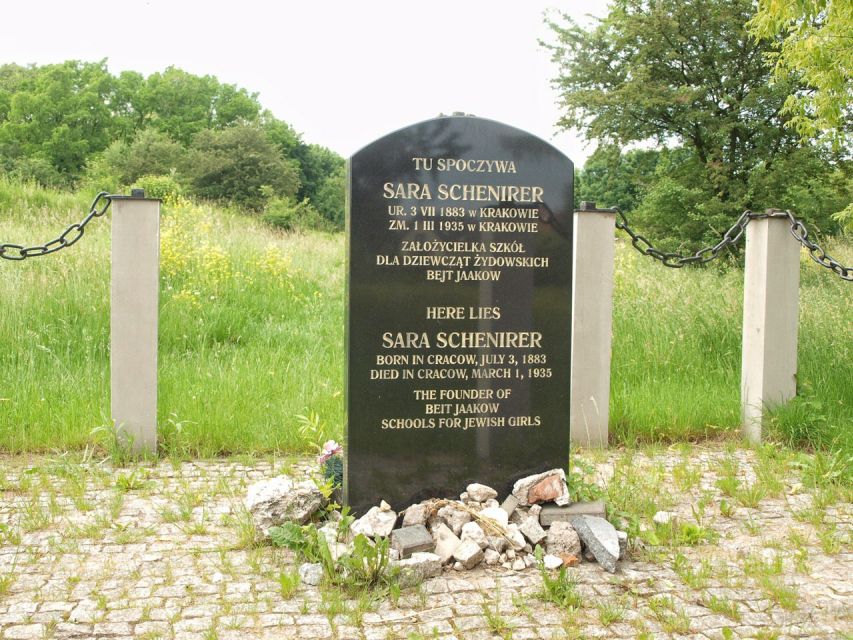
The tour adds a familiar thread through its discussion of Oskar Schindler. You learn about Schindler’s life and his connection to the wartime history of Krakow. You also hear how Plaszow featured in Steven Spielberg’s 1993 film Schindler’s List.
The film connection can help first-time visitors place the area, but it should not take over the visit. The real value is seeing how cinema used the site and then returning attention to the actual people and events represented there.
About a hundred meters from the former camp is the Liban Quarry, where a replica of the camp was built under Spielberg’s direction for the film. Visiting that replica adds a useful comparison. You can consider how a movie recreates a historical place, while the surrounding former camp carries the weight of the real events.
This part should suit anyone interested in film locations, but I would keep the order of importance clear. The movie is an entry point. The victims, the camp system, and Krakow’s wartime history are the reason to come.
A completely different kind of day out in Kraków:
- From Krakow: Auschwitz-Birkenau Guided Tour & Hotel Pickup
★ 4.5 · 33,358 reviews - From Krakow: Auschwitz-Birkenau Guided Tour & Hotel Pickup
★ 4.5 · 29,340 reviews - Krakow: Auschwitz Guided Tour with Optional Hotel Pickup
★ 4.5 · 15,280 reviews - Krakow–Zakopane: Cable Car, Chocholow Baths, Cheese & Vodka
★ 5.0 · 10,720 reviews
The Guide Makes the Two Hours Count
The guide is the central part of this experience. The site needs someone who can connect scattered physical details with a clear account of what happened.
The strongest feedback focuses on guides who were informed, friendly, and easy to understand. Phil was praised for being informative and good company. Anna was valued for relating wider events to the camp. Barbara was described as kind and highly informed, while Krysztof received warm praise for making the visit memorable.
Those comments point to an important difference between a useful historical walk and a basic site orientation. You need more than dates. You need a guide who can explain how Nazi rule affected Krakow, how the camp changed over time, and how the quarry and factories fit into the system.
The reported small group size is another plus. A smaller group makes it easier to hear, ask questions, and pause at the memorials. It also helps the guide keep the tone measured. Since the tour covers a serious subject in only two hours, clear pacing is important.
Guide quality can never be guaranteed in advance, but the praise for several different guides is encouraging. The experience provider, excursions.city, supplies the licensed guide, and the available languages make this a practical choice for many international visitors.
Getting There and Planning the Visit
The meeting point is in Krakow, and you should look for the guide holding an excursions.city sign. A tram ticket is not included, so you need to arrange and pay for that separately.
The tour lasts two hours and ends back at the meeting point. That return makes it easier to fit into a day of sightseeing, but the emotional weight of the subject may make it feel longer than an ordinary city walk.
Check the available starting times before booking. The exact departure time is not fixed in the information provided, so your daily plan should remain flexible until you see the options for your date.
Because the site is outdoors, weather is a real factor. Bring suitable clothing and footwear, and avoid scheduling the walk too tightly against another appointment. You want enough time to arrive at the meeting point, locate the guide, and take the final memorial stops at a respectful pace.
The tour is wheelchair accessible according to the activity details. If you need specific information about surfaces or access between individual stops, ask before booking, since those route details are not provided.
Is $23 a Fair Price?
At $23 per person, this is a good-value tour if you want the former camp explained properly. The fee includes a licensed guide, which is the part that gives the visit its meaning. You are not paying for a museum ticket or a large indoor collection, because neither is part of the experience.
The value comes from interpretation. A self-guided visit may cost less, but you could easily miss the purpose of the quarry, the location of former camp areas, and the link between Plaszow, the Krakow ghetto, forced labor, and the film set.
The price also looks reasonable for visitors who want a focused two-hour activity rather than a full-day excursion. You pay extra for the tram, but that is a separate local transport cost rather than a hidden charge for the tour itself.
I would consider the tour particularly worthwhile if you have already seen the main sights in central Krakow and want a more serious historical experience. If you expect preserved buildings and extensive museum displays, the price will not solve that limitation. The site itself remains largely open and interpreted through the guide.
You can reserve now and pay later, and cancellation is free up to 24 hours before the start for a full refund. Those terms are useful when weather or a busy Krakow schedule may change your plans.
Who Should Book This Walk?
I would recommend Plaszow to you if you want to understand Krakow’s wartime history at the actual former camp site. It suits adults, older children who can engage with the subject, film fans who want to look beyond Schindler’s List, and anyone adding a second Holocaust-related visit after Auschwitz.
It is also a good choice if you prefer a short, guided walk to a long coach excursion. The two-hour length gives you a focused look at the site without taking an entire day.
You may want to skip it if you want a conventional museum visit, indoor shelter, or a large display of artifacts. The camp is largely gone, and the experience depends on listening, looking carefully, and accepting a quieter form of historical sightseeing.
The tone is serious throughout. That is appropriate, but it means you should not place the tour between lighthearted activities if you want time to process what you have seen.
My Verdict on Krakow-Plaszow
I would book this tour if you want the former camp explained by a guide rather than viewed as an empty patch of Krakow. Its strongest points are the licensed guides, the clear links to deportation and forced labor, the memorial stops, and the connection to Oskar Schindler and Spielberg’s filming.
The main limitation is also clear: little of the original camp remains, and the whole visit is outdoors. Go prepared for a reflective historical walk, not a museum. At $23, it offers solid value, especially for anyone who wants to place Krakow’s Jewish wartime history in its real setting.
FAQ
How long does the Krakow-Plaszow walking tour last?
The tour lasts two hours.
What is included in the tour price?
A licensed guide is included.
Is public transportation included?
No. A tram ticket is not included, so you need to arrange that separately.
Where does the tour start?
Meet at the stated meeting point and look for the guide holding an excursions.city sign.
Where does the tour finish?
The activity ends back at the meeting point.
What languages are available?
The live guide may conduct the tour in English, German, French, Russian, Italian, or Spanish.
Is the tour wheelchair accessible?
Yes, the activity is listed as wheelchair accessible. The available details do not specify the exact surface conditions at every stop, so ask for route information if needed.
Just added around Kraków
- Schindler’s Factory, Ghetto and Plaszow Camp Guided Tour★ 4.7 · 3 reviews
- Rynek Underground Museum & Wawel Castle, Cathedral – Cracow★ 5.0 · 3 reviews
- Nowa Huta – a guided tour of a utopian socialist city★ 5.0 · 3 reviews
- Krakow: Kazimierz by Golf Cart and Schindler’s Factory Tour★ 4.8 · 3 reviews
- Krakow: Jewish Traces Private Electric Car Tour★ 4.1 · 3 reviews
- Private Krakow City Tour by Car and Walk with private tour guide★ 5.0 · 3 reviews
- Discover the Jewish Quarter with a Bike Tour★ 5.0 · 3 reviews
- Krakow: Indoor Go-Karting (24-Minute Races)★ 4.8 · 3 reviews
Walking Tours, compared.




Gdańsk City Sights & History Guided Walking Tour in English
Read our review →


Browse the lists this tour appears in