

REVIEW · MUSEUMS
Krakow: The Ethnographic Museum ticket
Krakow’s folk life is waiting indoors. The Ethnographic Museum gives you two things I especially like: a close look at Polish folk culture and a useful glimpse of how Krakow artists viewed rural traditions around 1900. The Town Hall exhibition is a strong starting point, while the collection’s size gives you plenty to examine beyond the usual old-town sights.
I also like the low price, about $4.81 per person, and the chance to use the ticket across one or two days, depending on the option available. The main consideration is that no guide is included, so you need to read, look closely, and make sense of the exhibits on your own. Temporary displays can also change, especially in Esterka’s House.
In This Review
- Key points to know before you go
- Why Krakow’s Ethnographic Museum matters
- Starting with the Town Hall exhibition
- Seweryn Udziela and the museum’s original purpose
- Moving to Esterka’s House
- What the collection can show you
- How much time should you allow?
- Is the $4.81 ticket good value?
- Practical details that affect your visit
- Who will enjoy this museum most?
- Should you book the Ethnographic Museum?
- FAQ
- Where is the Ethnographic Museum experience located?
- What does the ticket include?
- Is a guide included?
- What can I see in the Town Hall section?
- What is shown at Esterka’s House?
- How large is the museum collection?
- How long is the ticket valid?
- Can I take photographs inside?
- Can I cancel the booking?
Key points to know before you go
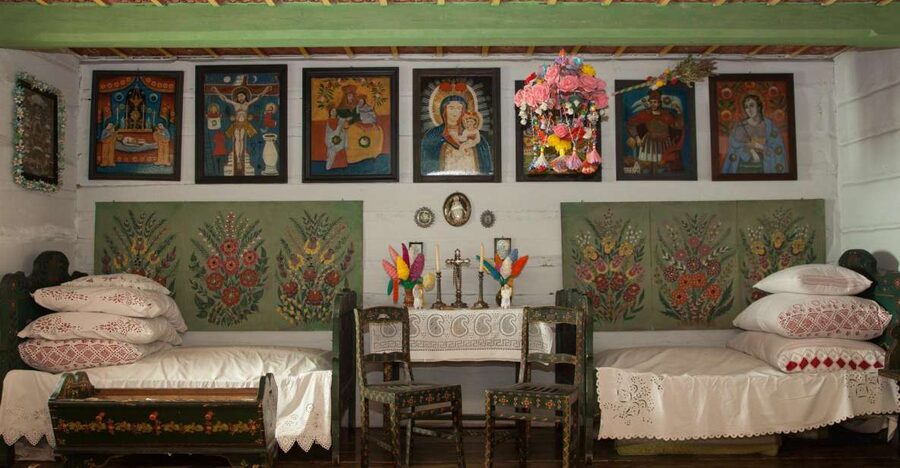
- Two buildings tell different parts of the story: The Town Hall section presents Polish folk culture, while Esterka’s House holds temporary displays in a vaulted cellar.
- The collection began with Seweryn Udziela: A teacher, amateur ethnographer, and collector, Udziela founded the museum in 1911.
- Around 80,000 objects fill the museum: Most date from the late 19th and early 20th centuries, when artists and intellectuals took a new interest in rural traditions.
- The final floors may surprise you: Paintings and sculptures are part of the visit, not just folk objects.
- The price is easy on a Krakow budget: At about $4.81, this is an inexpensive cultural stop, especially if you have time for both buildings.
- Plan for independent viewing: Entry is included, but food, drinks, and a guide are not.
Why Krakow’s Ethnographic Museum matters
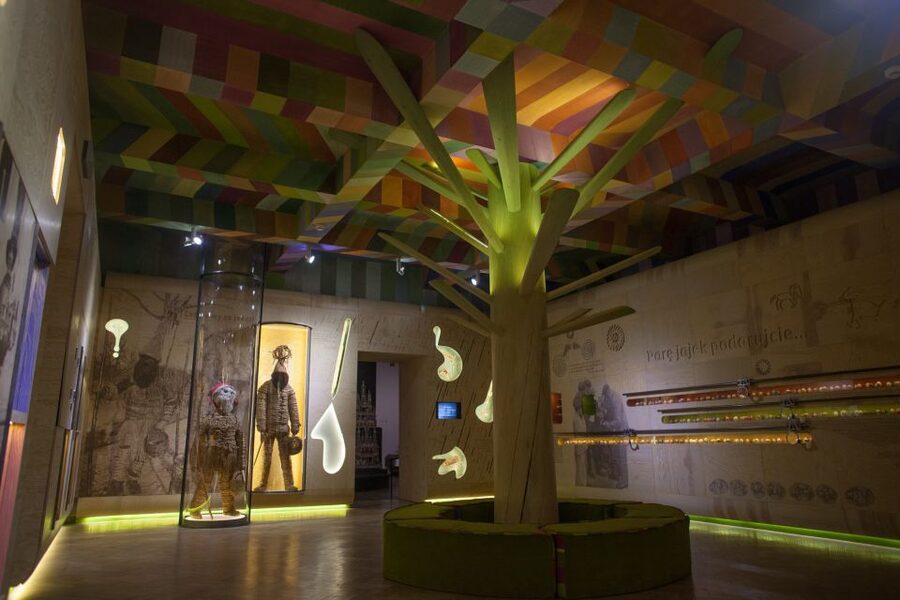
Krakow is famous for its medieval center, churches, and royal connections. The Ethnographic Museum gives you a different Krakow, one tied to villages, craft traditions, clothing, rituals, and the creative energy of the early 20th century.
The museum was created in 1911 through the work of Seweryn Udziela. He was a teacher, amateur ethnographer, and collector who built the first collection from a much smaller group of objects. That starting point matters because the museum grew from personal curiosity rather than from a royal treasury or a grand state project.
Today, the collection includes about 80,000 pieces. Most come from the end of the 19th century and the beginning of the 20th century, giving you a clear window into the period when Polish folk culture began to attract serious attention from artists and intellectuals.
I find the museum most interesting when I look beyond the objects themselves. The displays also explain why artists in Krakow turned toward folklore. Rural life offered color, movement, craft, and local identity at a time when parts of the Polish intelligentsia felt stuck in a cultural crisis.
That makes this more than a collection of old village items. You are seeing how folk culture helped shape artistic thinking in Krakow.
More Museum Visits in Kraków
- Auschwitz-Birkenau Museum and Memorial Guided Tour from Krakow
★ 4.5 · 1,510 reviews - Krakow: Rynek Underground Museum Guided Tour
★ 4.6 · 1,122 reviews - Krakow Schindler’s Factory Museum Guided Tour in English
★ 4.5 · 650 reviews
Starting with the Town Hall exhibition
The Town Hall section is the natural place to begin. It highlights Polish folk culture and gives you the basic framework for understanding the museum’s wider collection.
You might find objects connected with everyday rural life, local customs, and artistic traditions. The supplied information does not list every individual display, so I would avoid arriving with a fixed checklist. Instead, give yourself time to notice how practical objects can also carry strong visual and cultural meaning.
The Town Hall exhibition is especially useful if this is your first visit to an ethnographic museum. You can begin with the broad idea of folk culture, then let the individual pieces show you how that culture appeared in daily life and artistic work.
The display is arranged across several floors. That means the visit is not just one room with a quick circuit. One particularly worthwhile detail is that the upper or final section includes paintings and sculptures. I would save enough energy for this part instead of assuming the visit ends with traditional objects.
For many people, the paintings and sculptures may be the unexpected highlight. They help connect folk traditions with the artists who found inspiration in them. If you are interested in Krakow’s art scene around the turn of the 20th century, do not rush past this section.
Seweryn Udziela and the museum’s original purpose

Seweryn Udziela gives the museum a human starting point. He was not simply an official collecting objects for an institution. He was a teacher with a strong personal interest in ethnography, and his collection grew from careful attention to Polish culture.
His work also reflects a wider concern of the period. Artists and intellectuals in Krakow were drawn to the freshness of village traditions. Folklore offered an alternative to what they saw as cultural stagnation among the Polish intelligentsia.
That context changes how you look at the displays. A piece of folk art is not only a craft object. It can also show what educated urban Poles wanted to recover, protect, or reinterpret during a period of cultural uncertainty.
I like this historical angle because it gives the museum a clear purpose. You are not just looking at attractive patterns or handmade items. You are seeing the meeting point between peasant culture and modern artistic interest.
The museum’s collection is large, but you do not need to treat the visit like a test. Focus on the objects and themes that hold your attention. The size of the collection is an advantage, yet it can also feel like a lot if you try to examine everything in detail.
Moving to Esterka’s House
The museum’s second building is known as Esterka’s House. It contains temporary exhibitions in a beautifully vaulted cellar, giving this part of the visit a different feel from the Town Hall section.
The cellar is important for two reasons. First, it adds architectural variety. Second, temporary displays let the museum show subjects that may not be part of the main permanent presentation.
Because these exhibitions change, your experience here depends on what is scheduled during your visit. I would treat Esterka’s House as an extra reason to check the current details before booking, rather than assuming it will repeat the same material found in the Town Hall.
The vaulted setting may make the temporary displays feel more intimate. At the same time, you should remember that the temporary exhibition is not guaranteed to be the same from one visit to another. If one particular subject interests you, confirm that it is on view.
The two-building format also affects your timing. This is not necessarily a quick stop where you walk through one gallery and leave. The ticket is valid for one or two days depending on the selected option, which gives you more flexibility to split the visit if your schedule allows.
A completely different kind of day out in Kraków:
- From Krakow: Auschwitz-Birkenau Guided Tour & Hotel Pickup
★ 4.5 · 33,358 reviews - From Krakow: Auschwitz-Birkenau Guided Tour & Hotel Pickup
★ 4.5 · 29,340 reviews - Krakow: Auschwitz Guided Tour with Optional Hotel Pickup
★ 4.5 · 15,280 reviews - Krakow–Zakopane: Cable Car, Chocholow Baths, Cheese & Vodka
★ 5.0 · 10,720 reviews
What the collection can show you
The museum’s approximately 80,000 objects come mainly from the late 19th and early 20th centuries. That period is the heart of the visit. It places the displays close to the time when Udziela was building the collection and when Krakow artists were turning toward folklore.
You can expect the museum to present Polish culture through material objects and artistic work. The key value is not any single item. It is the range of ways rural traditions could be expressed and understood.
Look for connections between practical life and art. A handmade object can reveal design choices, local identity, and a sense of how people used materials around them. Paintings and sculptures then show how artists translated those ideas into their own work.
I would also pay attention to contrasts. The museum is described as a haven for the peasant culture of Krakow, yet the reason artists were interested in that culture was partly urban and intellectual. That tension is worth noticing. The displays preserve rural traditions, but they also show how those traditions were viewed from outside village life.
This is why the museum can appeal to more than specialists. You do not need advanced knowledge of Polish art or ethnography to appreciate the objects. You only need patience and curiosity.
How much time should you allow?
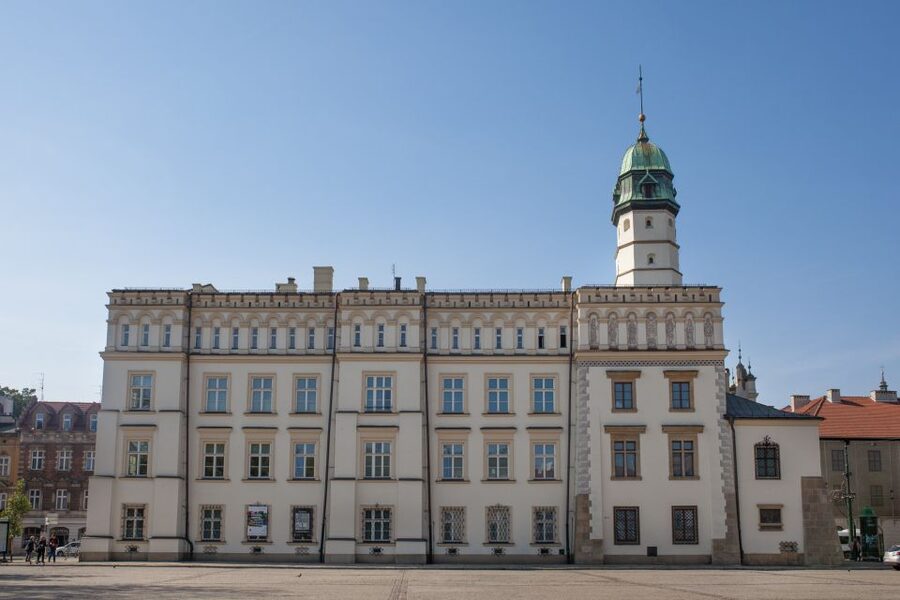
The ticket is valid for one or two days, with starting times depending on availability and the option you choose. That makes the experience easier to fit into a busy Krakow visit.
I would not plan the museum as a rushed gap between major sights. The Town Hall building covers several floors, and the paintings and sculptures near the end deserve attention. Esterka’s House adds another stop, especially if the temporary exhibition interests you.
If you have limited time, concentrate on the Town Hall exhibition and continue through the floors rather than trying to inspect every object. If you have more room in your schedule, use the flexible ticket period to return or split the visit between the permanent and temporary displays.
The duration is not fixed in the information provided, so I would avoid assigning an exact number of hours. Your visit will depend on how closely you read the displays and how much time you give to the paintings, sculptures, and temporary exhibition.
The main practical point is simple: do not treat the low price as a sign that this is a five-minute attraction. The museum has enough material for a thoughtful cultural outing.
Is the $4.81 ticket good value?
At about $4.81 per person, this is one of the easier Krakow activities to justify. The value comes from the combination of two buildings, a collection of roughly 80,000 objects, and access to Polish folk culture that you will not get from a standard walk around the Old Town.
The ticket is especially good value if you care about art, local traditions, or the period around 1900. It also works well for a rainy afternoon or for a day when you want something quieter than Krakow’s most famous attractions.
The price does not include a guide, food, or drinks. That keeps the entry cost low, but it means you are responsible for setting your own pace and drawing connections between the displays.
If you prefer a tightly explained tour with a guide leading you from object to object, this may feel less satisfying. If you enjoy looking closely and forming your own impressions, the modest price leaves room in your budget for another Krakow activity.
I also like the one or two-day validity. A flexible ticket has real value in a city where you may want to combine museums, meals, churches, and walks without watching the clock too closely.
Practical details that affect your visit
The meeting point can vary depending on the option booked. Check the details attached to your selected ticket so you know where to begin.
This is an entry ticket, not a guided tour. You will not receive food or drinks as part of the activity, so plan refreshments separately.
Flash photography is not allowed. Bring that rule to mind before entering, especially if you usually use your phone camera in dark interiors. You can still focus on looking rather than trying to photograph every display.
Free cancellation is available up to 24 hours in advance for a full refund. You can also reserve now and pay later, which is useful if your Krakow schedule is still changing.
Because starting times depend on availability, check the available options before you finalize your plans. The ticket may be valid for one or two days, but the exact conditions depend on the booking choice.
Who will enjoy this museum most?
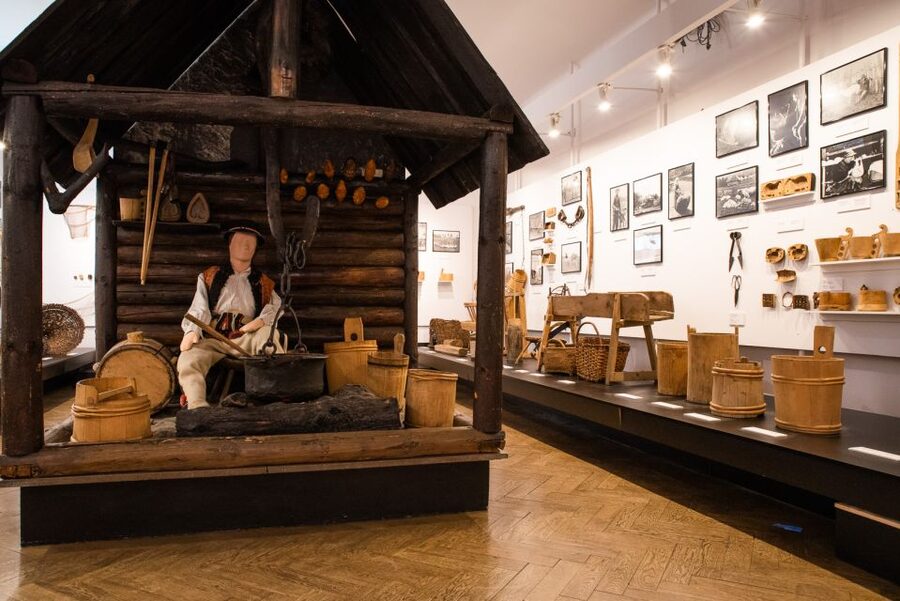
I would recommend the Ethnographic Museum to anyone who wants a break from Krakow’s royal and religious sights. It suits you especially well if you are interested in Polish art, village traditions, collecting, or the cultural debates of the early 20th century.
Families with older children may also find it worthwhile if they enjoy objects, pictures, and independent exploration. The several-floor layout gives the visit some variety, though younger children may not connect with every historical explanation.
Art lovers should make a point of reaching the section with paintings and sculptures. It is easy to assume that an ethnographic museum will focus only on tools, clothing, or household items. Here, the connection with Krakow’s artists gives the visit a broader artistic reach.
This is less ideal for you if you want a guide, a fixed route, or a short attraction with one obvious highlight. The collection is extensive, and the reward comes from giving it time.
Should you book the Ethnographic Museum?
I would book it if you want an inexpensive, flexible way to see a less familiar side of Krakow. The Town Hall exhibition, the several-floor layout, the paintings and sculptures, and the temporary displays at Esterka’s House give the ticket more substance than its low price suggests.
Go with realistic expectations. You are buying entry, not a guided interpretation, and the temporary exhibition may vary. Still, the museum offers a thoughtful look at Polish folk culture and explains why it mattered so much to Krakow artists around 1900.
For art-minded visitors, culture seekers, and anyone who has already seen the city’s headline sights, this is a smart addition. I would put it on your Krakow list, especially if you can use the one or two-day validity to visit without rushing.
FAQ
Where is the Ethnographic Museum experience located?
It is located in Lesser Poland, Poland, in Krakow.
What does the ticket include?
The ticket includes entry to the Ethnographic Museum.
Is a guide included?
No. A guide is not included with the entry ticket.
What can I see in the Town Hall section?
The Town Hall section features an exhibition focused on Polish folk culture.
What is shown at Esterka’s House?
Esterka’s House contains temporary exhibitions in a beautifully vaulted cellar.
How large is the museum collection?
The museum’s current exhibitions include around 80,000 objects, most dating from the late 19th and early 20th centuries.
How long is the ticket valid?
The ticket is valid for one or two days, depending on the option booked. Check availability for the exact conditions and starting times.
Can I take photographs inside?
Flash photography is not allowed.
Can I cancel the booking?
Yes. You can cancel up to 24 hours in advance for a full refund. You may also reserve and pay later, depending on the booking option.
Just added around Kraków
- Rynek Underground Museum & Wawel Castle, Cathedral – Cracow★ 5.0 · 3 reviews
- Schindler’s Factory, Ghetto and Plaszow Camp Guided Tour★ 4.7 · 3 reviews
- Nowa Huta – a guided tour of a utopian socialist city★ 5.0 · 3 reviews
- Krakow: Kazimierz by Golf Cart and Schindler’s Factory Tour★ 4.8 · 3 reviews
- Krakow: Jewish Traces Private Electric Car Tour★ 4.1 · 3 reviews
- Private Krakow City Tour by Car and Walk with private tour guide★ 5.0 · 3 reviews
- Discover the Jewish Quarter with a Bike Tour★ 5.0 · 3 reviews
- Krakow: Indoor Go-Karting (24-Minute Races)★ 4.8 · 3 reviews
Museums, compared.
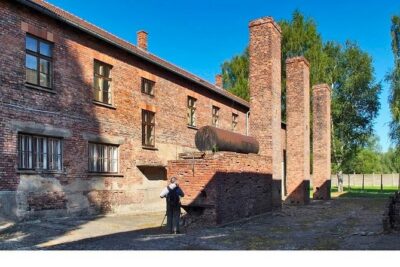
Auschwitz-Birkenau Museum and Memorial Guided Tour from Krakow
Read our review →
POLIN Museum of the History of Polish Jews Ticket
Read our review →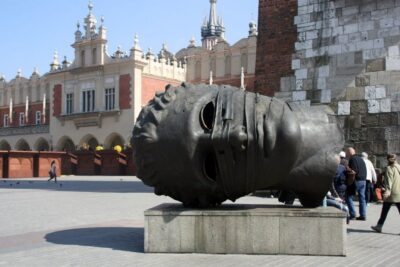


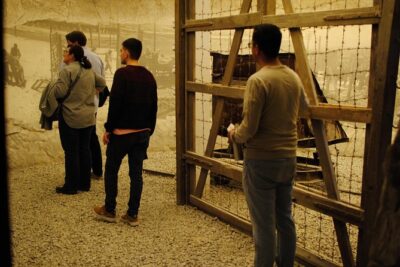
Krakow Schindler’s Factory Museum Guided Tour in English
Read our review →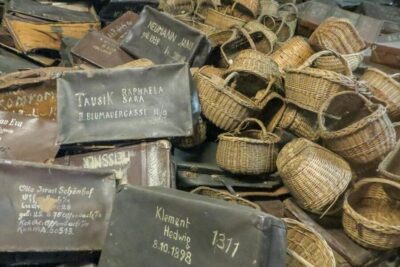
Auschwitz Birkenau Museum Guided Tour with Pickup
Read our review →
Browse the lists this tour appears in