
REVIEW · WALKING TOURS
World War II in Krakow Walking Tour in English
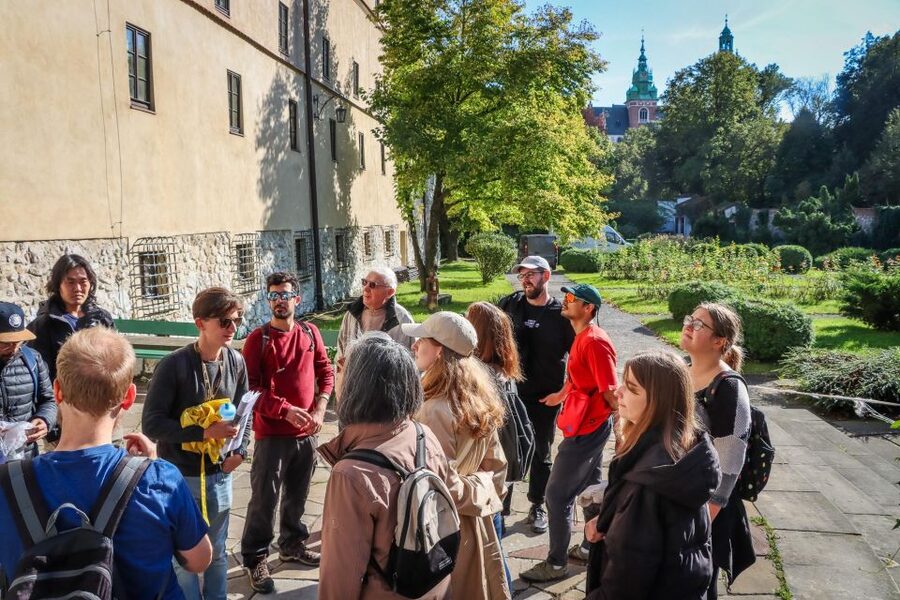
History leaves marks. This 150-minute Krakow walking tour follows the streets, walls, and prison cells linked to the German occupation, showing how the war changed daily life in the city. I like the focus on real choices made by ordinary people, and I like that the route includes places such as the Nazi prison cells and Park Krakowski bomb shelters rather than staying only at grand monuments. The main consideration is its serious subject matter, so this is not a light sightseeing walk.
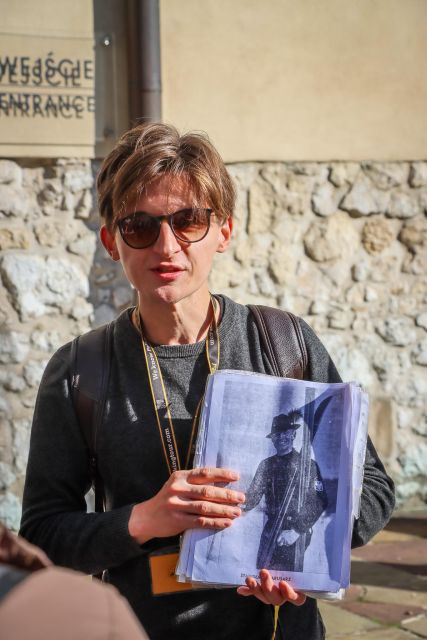
I also appreciate the expert local guide and the compact format. At $26 per person, the price is fair for a focused English tour with a carefully built narrative, though you should know that it operates as a general pay-as-you-wish tour, with your booking fee covering the reservation and the guide’s payment. Recent praise for Tomasz, known as Big Tomasz, highlights his warmth, humor, local knowledge, and strong command of the subject.
In This Review
- Key points at a glance
- Why Krakow’s World War II story needs a walking tour
- Starting beside Wawel Hill on Grodzka Street
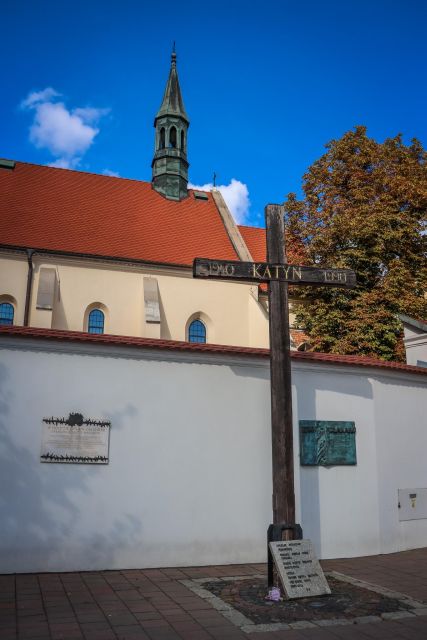
- The Katyń wooden cross and the weight of remembrance
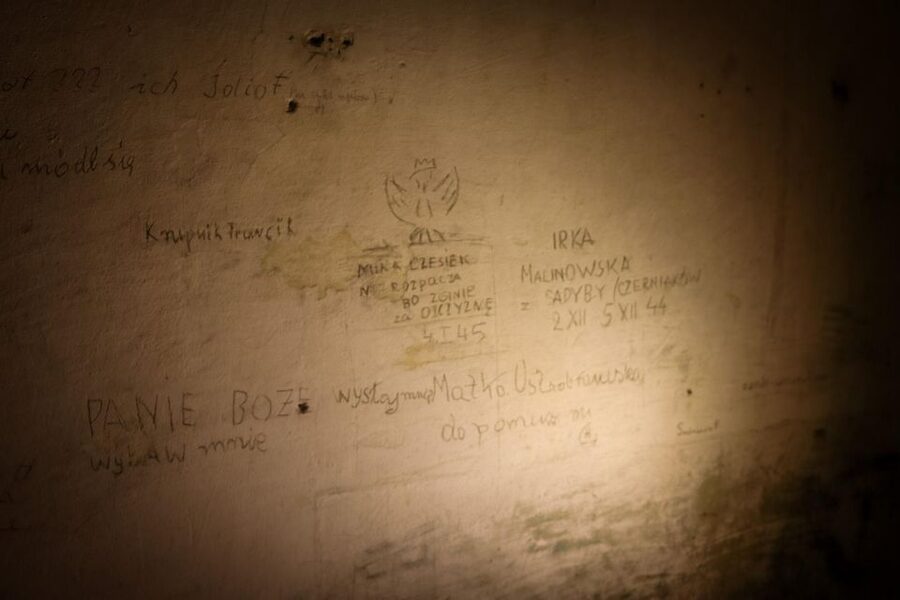
- St. Michael’s prison cells and messages on the walls
- The Gestapo headquarters and the machinery of repression
- Resistance stories and the courage of ordinary people
- Park Krakowski bomb shelters and civilian fear
- A guide makes or breaks this kind of history walk
- Is $26 a fair price?
- Who will get the most from this tour?
- Practical advice before you go
- Should you book the World War II in Krakow Walking Tour?
- FAQ
- How long does the World War II in Krakow Walking Tour last?
- What language is the tour conducted in?
- Where does the tour meet?
- Which places are included on the route?
- Can I see Nazi prison cells on the tour?
- Is the walking tour wheelchair accessible?
- Can I cancel for a full refund?
Key points at a glance
- Nazi prison cells and wall inscriptions: See the St. Michael’s prison cells and read messages left by people held there.
- A route through occupation-era Krakow: Follow sites connected with repression, resistance, fear, and sacrifice.
- Four notable stops: The walk includes the Katyń wooden cross, St. Michael’s prison, Gestapo headquarters, and bomb shelters in Park Krakowski.
- A guide-led historical story: The tour links places together through a carefully constructed narrative rather than offering isolated facts.
- English and wheelchair accessible: The experience is conducted in English and is listed as wheelchair accessible.
- Flexible booking: You can cancel up to 24 hours before the tour for a full refund and reserve now while paying later.
Why Krakow’s World War II story needs a walking tour
Krakow is easy to admire for its handsome squares, churches, and old streets. Yet the city also carries memories of German occupation, repression, resistance, and loss. Those memories are not confined to a distant battlefield. They are tied to buildings, walls, streets, and places where people faced frightening decisions.
That makes a walking tour useful. You are not simply receiving a list of dates and military events. You are being asked to notice how occupation entered ordinary urban life. A street could be a route to work, a place of surveillance, or the setting for an act of courage. A building could serve one purpose in peaceful times and another under the Nazi regime.
The tour also looks at the human side of the period. It covers the most brutal Nazi officers and the tools used to repress victims, but it gives equal attention to people who resisted in quiet or dramatic ways. The central question is uncomfortable and worthwhile: what would you do when even a small decision could have grave consequences?
That approach gives the experience more weight than a standard city walk. You will still see Krakow, but the familiar streets may look different after you understand what happened there.
More Walking Tours in Kraków
- Old Town Krakow & Wawel Castle Walking Tour
★ 5.0 · 1,508 reviews - Creepy Krakow: 2-Hour City Walking Tour
★ 4.7 · 1,131 reviews - Krakow: The Old Town Walking Tour
★ 4.8 · 794 reviews
Starting beside Wawel Hill on Grodzka Street
The meeting point is a triangle-shaped square beside Wawel Hill, at the end of Grodzka Street. This is a practical starting place because Wawel and the old route along Grodzka are easy to identify, but you should still allow time to find the exact square.
Arrive 10 minutes before the scheduled start. That matters on a walking tour with a fixed narrative. Arriving late can mean missing the opening explanation, and the first part helps frame everything that follows.
The meeting point also places you near one of Krakow’s most recognizable areas. That contrast is useful. You begin among the city’s best-known historic sights, then move toward places that reveal a darker side of the same city. The shift from postcard Krakow to occupation-era Krakow is part of the experience.
You will not receive hotel pickup or drop-off, and snacks are not included. Plan this as a walking activity beginning at the stated meeting point, not as a door-to-door excursion.
The Katyń wooden cross and the weight of remembrance
The Katyń wooden cross is one of the stops on the route. Even without a long list of details, its presence signals that the tour is concerned with remembrance as well as military history.
A memorial can say something that a lecture cannot. It asks you to pause and consider the people represented by the place, rather than treating wartime suffering as an abstract subject. The cross helps set the emotional tone for the rest of the walk.
This is also where the tour’s broader method becomes clear. It does not look only at German actions or official institutions. It also considers memory, mourning, and the way later generations carry the consequences of the war. The experience is therefore about Krakow during the occupation, but also about how the city remembers that period.
St. Michael’s prison cells and messages on the walls
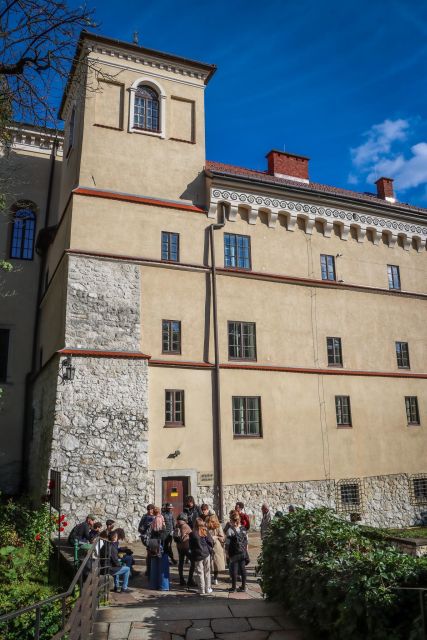
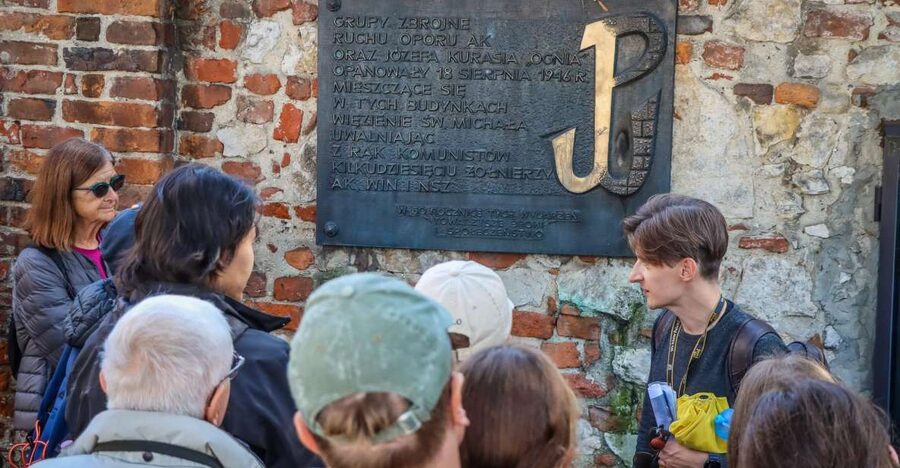
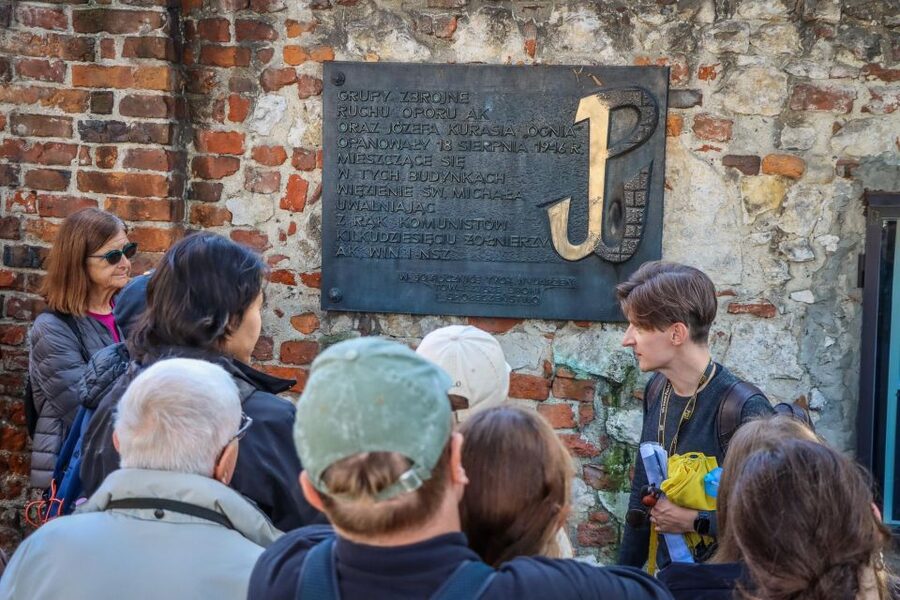
The Nazi prison cells at St. Michael’s are likely to be the most direct and affecting part of the route. You can see the cells and read inscriptions left on the walls by victims. Those marks give the site a human scale that polished displays often lack.
Written names, notes, or other inscriptions can make the past feel immediate. You are not just hearing that people were imprisoned. You are confronting traces left by people who knew they were in danger and still found a way to leave something behind.
The setting may also be difficult for some people. Prison cells connected with wartime persecution are not casual sightseeing stops, and the subject matter includes fear, suffering, and death. If you prefer lighter historical tours, this section may feel intense. If you want a direct connection with the people affected by occupation, it is one of the strongest reasons to book.
The guide’s role matters here. A good explanation should provide context without turning the cells into a spectacle. The praise for Tomasz points to the kind of guiding that suits this subject: warm, engaged, and serious, with enough humor to keep the walk human without making light of the events.
A completely different kind of day out in Kraków:
- From Krakow: Auschwitz-Birkenau Guided Tour & Hotel Pickup
★ 4.5 · 33,358 reviews - From Krakow: Auschwitz-Birkenau Guided Tour & Hotel Pickup
★ 4.5 · 29,340 reviews - Krakow: Auschwitz Guided Tour with Optional Hotel Pickup
★ 4.5 · 15,280 reviews - Krakow–Zakopane: Cable Car, Chocholow Baths, Cheese & Vodka
★ 5.0 · 10,720 reviews
The Gestapo headquarters and the machinery of repression
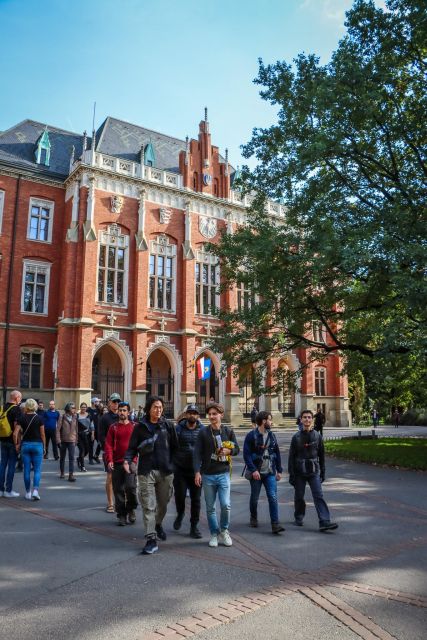
The Gestapo headquarters is another key stop. Here the tour shifts from personal traces in prison cells to the wider system used to control and punish people.
The experience covers some of the most brutal officers in the Nazi machine and the methods used to repress victims. That wording suggests a focus on how occupation worked in practice. You will hear about institutions, authority, fear, and the tools that made daily life dangerous.
This is important context for the resistance stories. Acts of opposition can sound heroic when separated from their setting. The tour places them against the threat of arrest and punishment, helping you understand why even a small act could require courage.
The exact balance between building, street, and storytelling will depend on the guide and the conditions on the day. Still, the stated route makes clear that the headquarters is not treated as an isolated address. It forms part of a connected story about power, surveillance, and the choices facing people under occupation.
Resistance stories and the courage of ordinary people
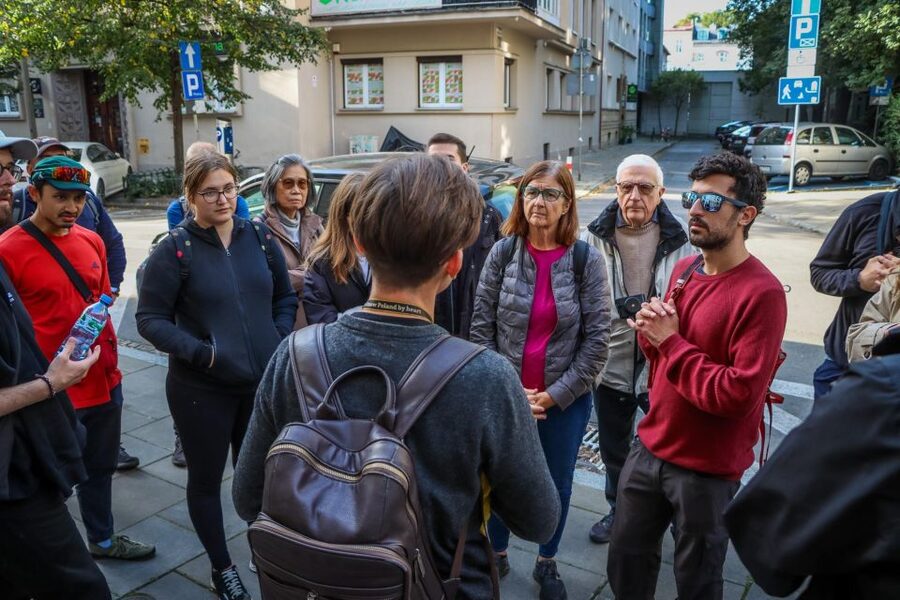
The walk gives special attention to people who opposed the Nazi regime. Some were part of organized groups. Others became what the tour describes as silent heroes through everyday choices and acts of resistance.
I value this focus because wartime history can become too centered on commanders and battle plans. Krakow’s occupation story also belongs to civilians, prisoners, families, and people who had to decide how much risk they could accept. The tour aims to show both spectacular resistance actions and quieter forms of opposition.
You should expect moral questions rather than a simple story of good and bad decisions. The experience asks you to consider fear, treason, sacrifice, and courage. It also points out that these questions still touch human behavior today.
That can make the walk more engaging, but it also means you should listen actively. This is not a tour built around quick photo stops and a cheerful stream of facts. You will get more from it if you give the guide your attention and allow time for the difficult questions to sink in.
Park Krakowski bomb shelters and civilian fear
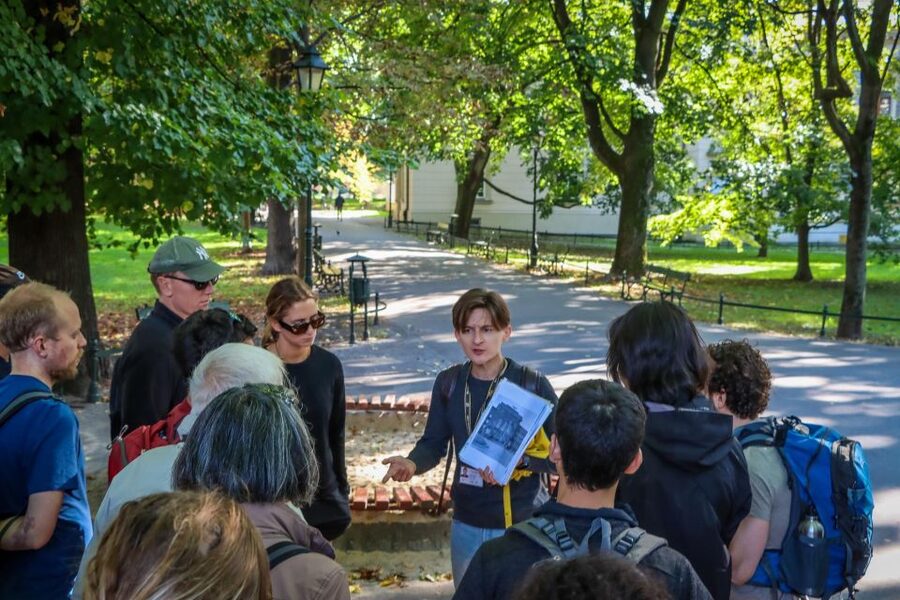
The bomb shelters in Park Krakowski add another part of the wartime picture. The prison and Gestapo stops show organized repression. The shelters point toward the danger faced by civilians when war reached the city.
A bomb shelter is a practical place, but it also reveals how conflict changes daily habits. People have to find safety, wait, worry, and carry on. Including the shelters keeps the story from focusing only on prisons and officials. It reminds you that occupation affected the wider population.
Park Krakowski also gives the route a change of setting after more confined or institutional sites. You can expect the guide to connect the shelter location with the broader effect of the war on Krakow rather than treating it as a stand-alone attraction.
The information provided does not specify how long the group spends at each stop or whether every shelter area is entered. Keep that in mind when planning expectations. The confirmed point is that bomb shelters in the park form part of the walking route.
A guide makes or breaks this kind of history walk
The tour includes a live English-speaking local guide, and that is a major part of its value. A subject this serious needs clear explanation, careful pacing, and the ability to connect a place with a person or event.
Tomasz, also called Big Tomasz, has received particularly strong praise for being warm, engaging, passionate, and insightful. His good humor and local knowledge are useful qualities on a long, serious walk. Humor has to be handled carefully here, but a personable guide can help the group stay focused through difficult material.
The tour provider is Walkative Tours. The experience includes an expert local guide and a thoroughly constructed narrative. That second point matters. The route is designed to build a story, moving from remembrance and occupation to imprisonment, repression, resistance, and civilian danger.
The group size is not provided, so I would not assume a small private walk. You will be joining the provider’s general pay-as-you-wish tour. That format can offer an easy way to meet other people, but the feel of the walk may depend on the size and pace of the group on your date.
Is $26 a fair price?
At $26 per person, the tour offers reasonable value for a 150-minute English walking experience with a local guide and access to significant wartime sites. You are paying for interpretation and structure, not transport, food, or a long list of admissions.
The pay-as-you-wish arrangement needs a clear explanation. This is a general pay-as-you-wish tour, but your booking payment covers the reservation fee and the guide’s payment. In practical terms, you should not treat the $26 as a small placeholder followed by an entirely separate expected payment. Read the booking terms carefully so you understand what your payment covers.
The value is strongest if you want context. If you already know Krakow’s World War II story well, you may find the route less essential. If you are seeing the city for the first time and want to understand the occupation beyond museum exhibits, the price is easier to justify.
At 150 minutes, the tour is long enough to develop a serious narrative without taking your entire day. You can fit it into a morning or afternoon plan, though the subject may leave you wanting quiet time afterward rather than an immediate run to a cheerful café.
Who will get the most from this tour?
I would choose this walk if you want:
- A focused World War II experience rather than a general introduction to Krakow.
- Personal stories and moral questions, not just military dates.
- A local English-speaking guide who can explain how the sites connect.
- Historic places with physical traces, especially prison cells and wall inscriptions.
- A moderate time commitment of two and a half hours.
- A route suitable for wheelchair users, since the activity is listed as wheelchair accessible.
Families should consider the age and sensitivity of younger participants. The subject includes Nazi repression, prison, victims, fear, and death. The supplied information does not give a minimum age, so you may want to ask the provider if you are bringing children.
This tour also suits visitors who have already seen Krakow’s major sights. Wawel Hill and Grodzka Street are familiar to many people, but the walk offers a different way to read the city. You may come away with a stronger sense of how ordinary streets carry difficult memories.
Practical advice before you go
Wear comfortable shoes and bring water. The tour lasts 150 minutes, and the route includes several outdoor locations. Food and snacks are not included, so eat beforehand or plan something afterward.
Arrive at the triangle square 10 minutes early. The meeting point is beside Wawel Hill, at the end of Grodzka Street. Booking your start time in advance is sensible because the available starting times vary.
Keep your schedule flexible after the walk. One person who joined the experience had to leave early to catch a train and still found the tour worthwhile, but missing the final section would be frustrating. If you want the full story, avoid placing a tight rail connection immediately afterward.
The walk is conducted in English. If you need a different language, this particular experience is not the right choice because English is the listed language.
Free cancellation is available up to 24 hours before the activity for a full refund. You can also reserve now and pay later, which helps if your Krakow plans are still changing.
Should you book the World War II in Krakow Walking Tour?
Book it if you want to see Krakow through the experience of occupation, resistance, imprisonment, and remembrance. The route includes meaningful sites, the prison cells offer a rare physical connection with victims, and the guide-led story gives the stops a clear purpose.
The strongest reason to choose it is the combination of place and human drama. You are not simply told that the war was terrible. You are asked to think about how people acted when fear, pressure, and danger shaped every decision.
Skip it if you want a light city walk, a broad overview of Krakow, or a tour with plenty of food and free time. This is a serious history experience. For visitors ready to listen, reflect, and walk for two and a half hours, $26 is a sensible price for a more meaningful view of the city.
FAQ
How long does the World War II in Krakow Walking Tour last?
The tour lasts 150 minutes, or two and a half hours.
What language is the tour conducted in?
The tour is conducted in English with a live English-speaking guide.
Where does the tour meet?
The meeting point is at a triangle-shaped square beside Wawel Hill, at the end of Grodzka Street.
Which places are included on the route?
The tour includes the Katyń wooden cross, St. Michael’s prison, the Gestapo headquarters, and bomb shelters in Park Krakowski.
Can I see Nazi prison cells on the tour?
Yes. The route includes the Nazi prison cells at St. Michael’s, where you can read inscriptions left on the walls by victims.
Is the walking tour wheelchair accessible?
Yes. The activity is listed as wheelchair accessible.
Can I cancel for a full refund?
Yes. You can cancel up to 24 hours before the activity and receive a full refund.
Just added around Kraków
- Rynek Underground Museum & Wawel Castle, Cathedral – Cracow★ 5.0 · 3 reviews
- Schindler’s Factory, Ghetto and Plaszow Camp Guided Tour★ 4.7 · 3 reviews
- Nowa Huta – a guided tour of a utopian socialist city★ 5.0 · 3 reviews
- Krakow: Kazimierz by Golf Cart and Schindler’s Factory Tour★ 4.8 · 3 reviews
- Private Krakow City Tour by Car and Walk with private tour guide★ 5.0 · 3 reviews
- Krakow: Jewish Traces Private Electric Car Tour★ 4.1 · 3 reviews
- Discover the Jewish Quarter with a Bike Tour★ 5.0 · 3 reviews
- Krakow: Indoor Go-Karting (24-Minute Races)★ 4.8 · 3 reviews
Walking Tours, compared.




Gdańsk City Sights & History Guided Walking Tour in English
Read our review →


Browse the lists this tour appears in