
REVIEW · AUSCHWITZ-BIRKENAU MEMORIAL TOURS
Auschwitz – Birkenau from Katowice
Some places demand your full attention. This Auschwitz-Birkenau tour from Katowice combines hotel pickup, air-conditioned transport, and guided entry to one of Europe’s most important memorial sites. I like the door-to-door transport and the professional English-speaking guide with headphones, which make a difficult day easier to manage. The main drawback is that pickup times can arrive late or change, and the visit may feel rushed in a large group.
The tour lasts about five and a half hours, with roughly two hours at Auschwitz and about an hour and a half at Birkenau. Piotr receives especially warm praise for his thoughtful, well-informed guiding, while drivers such as Kamila have helped make the long day smooth. Bring your own water and confirm the pickup time directly, since both details have caused confusion.
In This Review
- Key points to know before booking
- Why this day trip matters
- Leaving Katowice and meeting your driver
- Entering Auschwitz and seeing the permanent exhibition
- Crossing to Birkenau for the second part
- How the guided format works
- Timing, walking, and emotional preparation
- Is $109.33 a fair price?
- The most praised part: careful coordination
- Who should book this tour?
- Should you book the Katowice Auschwitz-Birkenau tour?
- FAQ
- Where does the tour pick up?
- What is the destination of the tour?
- How long does the experience last?
- Is museum admission included?
- Is a guide included?
- Are headphones provided?
- Is transportation included?
- Is lunch included?
- Do I need identification?
- How many people can join the tour?
- Can I take photographs?
- What happens if bad weather cancels the tour?
Key points to know before booking
- Pickup from Katowice hotels: Transport is provided from your hotel, with a central office meeting point at Mariacka 11 for Airbnb and private-apartment stays.
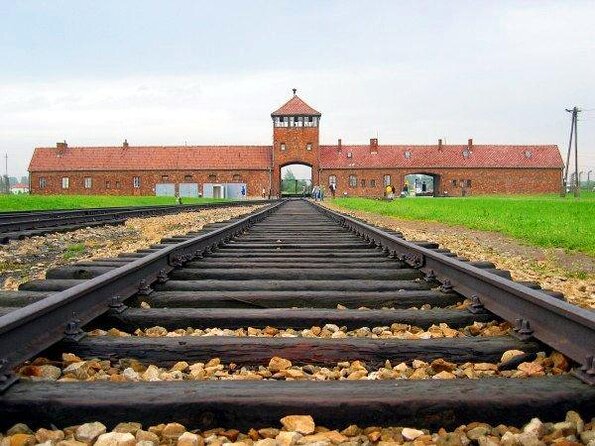
- Two separate camp visits: You see the original buildings and permanent exhibition at Auschwitz, then the major surviving buildings and objects at Birkenau.
- Guided entry included: Museum admission, a professional guide, audio receivers, and headphones are included.
- About 30 people maximum: This is not a private tour, so the pace is structured and questions may be limited.
- Plan for an emotional, walking-heavy day: The subject is harrowing, and the full visit lasts several hours with little room for wandering.
- Confirm the details in advance: Pickup times may be adjusted by the museum, and bottled water listed as included has not always been offered.
Why this day trip matters
Auschwitz-Birkenau is not a standard sightseeing stop. You come here to look directly at the machinery of Nazi persecution and the evidence left behind. The buildings, photographs, personal belongings, gas chambers, cremation areas, and railway facilities make the subject painfully concrete.
That is also why a guide matters. A good guide places the camp within its political and social setting instead of simply pointing out buildings. Piotr is singled out for explaining the history with care and for drawing on years spent speaking with survivors who returned to the site.
You should expect a serious tone from the beginning. This is a place for quiet attention, not light conversation or casual entertainment. The tour format helps by giving you a clear route and historical explanation, though the fixed schedule can limit time for private reflection.
The attraction is listed with a Krakow location, but this particular departure is arranged from Katowice. The journey includes pickup in Katowice, transport to the memorial, and return to the same pickup point after the visit.
More Auschwitz-Birkenau memorial tours:
- From Krakow: Auschwitz-Birkenau Guided Tour & Hotel Pickup
★ 4.5 · 33,358 reviews - From Krakow: Auschwitz-Birkenau Guided Tour & Hotel Pickup
★ 4.5 · 29,340 reviews - Krakow: Auschwitz Guided Tour with Optional Hotel Pickup
★ 4.5 · 15,280 reviews
Leaving Katowice and meeting your driver
Hotel pickup is one of the strongest practical features. You do not need to find a railway connection or arrange a separate taxi to the memorial. The air-conditioned vehicle takes you there and back, and several accounts describe drivers arriving promptly and helping with the handoff to the museum guide.
The service is not always perfectly clear before departure. Pickup times have sometimes been difficult to obtain, particularly when the museum changes the assigned entry schedule. I would contact Silesia Trip & Hotels before the day of the tour and ask for the exact pickup time, location, and return arrangements.
If you stay in an Airbnb or private apartment, pickup is not listed as door-to-door. Your meeting point is the Silesia Trip & Hotels office at Mariacka 11 Street. This small detail matters, especially if you have luggage, mobility concerns, or an early start.
One driver reportedly called when a participant got lost in Katowice and even helped locate a poncho during rainy weather. That kind of support is valuable on a tightly timed day. Still, service can vary, and one account raised concerns about a driver using a mobile phone while driving. The company’s strongest praise concerns coordination and punctuality, but sensible driving should always be part of the basic standard.
Entering Auschwitz and seeing the permanent exhibition
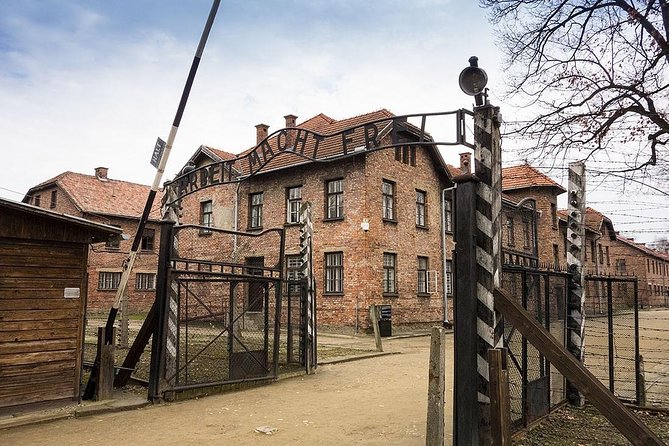
The first part of the memorial is Auschwitz, also called Auschwitz I. You spend about two hours here, visiting original camp buildings and the permanent exhibition with a museum guide.
The buildings give the site a grim physical presence. You move through rooms and corridors where prisoners were confined, then see displays that explain the camp system and the daily conditions imposed on those held there. Photographs and preserved objects add human scale to statistics that can otherwise feel distant.
The gas chambers and cremation areas are among the most difficult parts of the visit. The power of the site comes from the fact that you are not simply hearing about an event in a classroom. You are standing among original structures and surviving evidence.
Admission is included, and the tour uses a skip-the-line ticket arrangement for quicker entry. That is useful because the museum handles many scheduled groups. The benefit is less time waiting outside and more time following the guided route.
The two hours can feel short. One participant found the Auschwitz portion rushed, especially with a group of roughly 24 to 30 people and many other groups moving through the same spaces. Your guide must keep everyone together and stay on the museum’s schedule, so this is not the setting for long, open-ended discussion.
You are allowed to take photographs within the museum. That permission does not make every area suitable for casual pictures, so follow the guide’s instructions and the memorial’s posted rules.
Crossing to Birkenau for the second part
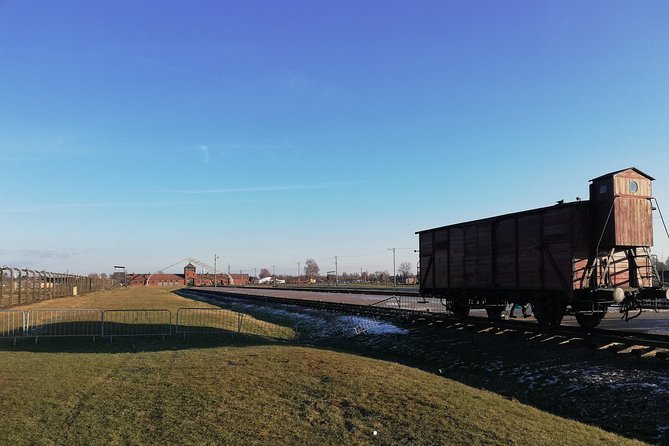
Birkenau, also known as Auschwitz II, gives the visit a different scale. The open grounds, railway approach, barracks, and remaining structures show how large the killing center became. The original objects and surviving buildings here help explain the system beyond the first camp’s enclosed blocks.
The planned visit to Birkenau lasts about an hour and a half in the stated schedule, though one detailed account describes about 60 minutes with the guide and extra time afterward. The exact timing can depend on the museum’s operating plan and the group’s entry schedule.
You may use the free shuttle between Auschwitz and Birkenau, which runs about every 15 minutes according to the tour information. This is important because the camps are separate areas, not two rooms within one museum. Follow your driver or guide carefully, since a misunderstanding about returning to the vehicle caused one participant to miss the guided portion at Birkenau.
That incident is a useful warning: do not leave your group until the guide clearly explains the next meeting point. If you are told to return to the transport, confirm whether the vehicle is moving to Birkenau or whether you should take the museum shuttle with the group.
The Birkenau section can feel less supported than Auschwitz because the tour does not list a separate audio guide for the second camp. Your museum guide leads the group, but after the guided portion you may have some free time without recorded commentary. A little reading before you go will help you understand what you are seeing.
A few more Kraków trips worth weighing up
- Krakow–Zakopane: Cable Car, Chocholow Baths, Cheese & Vodka
★ 5.0 · 10,720 reviews - Krakow: Auschwitz-Birkenau Guided Tour with Pickup & Lunch
★ 4.5 · 9,800 reviews - From Krakow: Wieliczka Salt Mine Tour
★ 4.6 · 9,393 reviews - Krakow: Auschwitz-Birkenau Guided Tour Pickup/Lunch Options
★ 4.5 · 9,057 reviews
How the guided format works
The tour includes a professional museum guide, audio receivers, and headphones. This setup lets you hear the explanation while standing with a group, even when other parties are nearby.
The guide’s quality makes a major difference. Piotr is praised for combining strong historical knowledge with a respectful tone. His discussions of the political and social conditions behind the camps reportedly added depth beyond the buildings themselves. Other accounts describe the museum educator as friendly, professional, and clear.
You should not expect a private seminar. The maximum group size is 30, and the route is structured. There may not be many chances to stop and ask questions, particularly inside crowded exhibition areas. If you want more context, read about the camp system before arrival and note questions for the guide when the group pauses.
One account criticized a guide for being overly dramatic and making the audience feel somehow responsible for the crimes. That is not the general picture, but it shows how important tone is at a memorial. The best guiding here should be firm, factual, and respectful rather than theatrical.
Timing, walking, and emotional preparation
The advertised duration is about five hours and 30 minutes. The camp visit itself is described as five to six hours, with around two hours at Auschwitz and around one and a half hours at Birkenau. The remaining time covers pickup, transport, entry coordination, and moving between the sites.
You should prepare for a full day with steady walking. The tour information does not give a precise walking distance or a detailed break schedule, so ask before booking if you need regular rest stops. Most people can participate, but the subject matter and the amount of time on site can be demanding.
Weather matters. The experience requires good weather, and cancellation for poor conditions leads to another date or a full refund. Even in decent weather, bring suitable outdoor clothing. Much of Birkenau is outside, and rain can make the visit more tiring.
Take care with food and drink planning. Lunch is not included. Bottled water is listed among the inclusions, but at least two participants said no water was offered. I would carry your own bottle and a small snack if permitted by the site rules. Do not count on lunch being arranged during the tour.
The emotional weight is the larger issue. You may find the first camp’s preserved rooms especially intimate, while Birkenau’s open scale can produce a different kind of shock. Give yourself quiet time afterward if possible. The return drive is included, but you may not feel ready for a busy evening immediately after.
Is $109.33 a fair price?
At $109.33 per person, the tour costs more than simply finding your own way to the memorial. You are paying for transport from Katowice, return transport, museum admission, a reserved entry arrangement, a professional guide, audio equipment, and coordination between the two camps.
For many people, that package is worth the extra cost. Katowice is not the museum entrance, and the transport removes the need to work out the route, parking, tickets, and meeting points independently. The skip-the-line element also has real value when the museum is busy.
The value is strongest if you want a guided visit and are staying at a Katowice hotel. It is less compelling if you prefer to set your own pace, ask many questions, or spend a long time at individual displays. A group of up to 30 means you receive an organized introduction rather than a personal historian.
The missing lunch is reasonable for a half-day tour, but the uncertain water supply is worth noting. Bring your own. The advertised price also does not protect you from every coordination problem, so confirm the pickup details before you pay or as soon as your booking is accepted.
Confirmation is promised within 48 hours, subject to availability. You need an ID card or passport. The tour is often booked about 17 days ahead, which suggests that planning early is sensible, especially around holidays and busy museum dates.
The most praised part: careful coordination
The strongest positive pattern is not just the memorial itself. It is the way the better days are handled from hotel door to hotel door.
Drivers have been praised for arriving on time, driving safely, explaining what to do at the museum, and waiting through the visit before taking people back. Kamila receives particular praise for friendly transport and for making sure the group met its guide at both camps.
The museum handoff is useful. You are not simply dropped at a large entrance and told to find your own way. The driver or tour coordinator helps you reach the right meeting area and connects you with the English-language museum tour.
That said, communication before pickup needs improvement. The confirmation may not show a clear departure time, and some people had to message the operator the night before. This is easy to fix on your side: send a short message asking for the precise time and location, then keep the answer available on your phone.
Who should book this tour?
I would recommend it to someone staying in Katowice who wants a serious, guided first visit without arranging transport alone. It suits people who value a clear route, included admission, and an English-speaking museum guide.
It is also a good fit for a first visit because the site can be confusing in scope and meaning. The guide helps connect the preserved buildings and objects to the wider system of persecution. You will leave with a clearer sense of what each camp represents.
You may prefer another arrangement if you want a private guide, generous time for photographs, or a flexible schedule. The visit is structured, the group may include up to 30 people, and the Auschwitz portion can feel compressed.
Families should consider the age and temperament of everyone attending. The tour information says most people can participate, but the content is severe. The memorial deserves quiet behavior and emotional readiness from every member of your party.
Should you book the Katowice Auschwitz-Birkenau tour?
For most people based in Katowice, I think this is a worthwhile and practical choice. The memorial visit itself is essential for anyone who wants to understand this part of European history, and the included transport removes much of the day’s practical stress.
Book it if you want an organized half-day with museum admission, headphones, and a guide who can provide context. Before departure, confirm your pickup time, verify the exact meeting point, bring water, carry your passport or ID card, and listen carefully when the group moves from Auschwitz to Birkenau.
Do not book it expecting a relaxed outing or a private conversation with a historian. This is a large, emotionally difficult memorial visit on a fixed schedule. At $109.33, the convenience and coordination make sense, but only if you accept the group format and prepare for a powerful day.
FAQ
Where does the tour pick up?
Pickup is offered from hotels in Katowice. For Airbnb stays, private apartments, and similar accommodations, the meeting point is the Silesia Trip & Hotels office at Mariacka 11 Street.
What is the destination of the tour?
The tour visits the Auschwitz-Birkenau Memorial and Museum, including Auschwitz I and Birkenau.
How long does the experience last?
The tour lasts approximately five hours and 30 minutes. The memorial visit itself is described as about five to six hours, with roughly two hours at Auschwitz and about one and a half hours at Birkenau.
Is museum admission included?
Yes. Museum admission and the skip-the-line ticket arrangement are included.
Is a guide included?
Yes. A professional museum guide leads the visit, and the tour is offered in English.
Are headphones provided?
Yes. Audio receivers and headphones are provided for the guided museum visit.
Is transportation included?
Yes. Air-conditioned transportation to and from the memorial is included, with drop-off at the original pickup point in Katowice.
Is lunch included?
No. Lunch is not included.
Do I need identification?
Yes. An ID card or passport is required.
How many people can join the tour?
The maximum group size is 30 people.
Can I take photographs?
Yes. Photography is allowed within the museum, subject to the site’s rules and any instructions from staff or your guide.
What happens if bad weather cancels the tour?
If the tour is canceled because of poor weather, you will be offered a different date or a full refund. The experience itself is otherwise non-refundable and cannot be changed for any reason.
Just added around Kraków
- Rynek Underground Museum & Wawel Castle, Cathedral – Cracow★ 5.0 · 3 reviews
- Schindler’s Factory, Ghetto and Plaszow Camp Guided Tour★ 4.7 · 3 reviews
- Nowa Huta – a guided tour of a utopian socialist city★ 5.0 · 3 reviews
- Krakow: Kazimierz by Golf Cart and Schindler’s Factory Tour★ 4.8 · 3 reviews
- Private Krakow City Tour by Car and Walk with private tour guide★ 5.0 · 3 reviews
- Krakow: Jewish Traces Private Electric Car Tour★ 4.1 · 3 reviews
- Discover the Jewish Quarter with a Bike Tour★ 5.0 · 3 reviews
- Krakow: Indoor Go-Karting (24-Minute Races)★ 4.8 · 3 reviews
Auschwitz-Birkenau Memorial Tours, compared.

Auschwitz-Birkenau Guided Tour & Hotel Pickup
Read our review →Auschwitz-Birkenau Guided Tour & Hotel Pickup
Read our review →
Auschwitz Guided Tour with Optional Hotel Pickup
Read our review →
Auschwitz-Birkenau Guided Tour with Pickup & Lunch
Read our review →
Auschwitz-Birkenau Guided Tour Pickup/Lunch Options
Read our review →
Krakow to Auschwitz Birkenau Guided Tour with Transfer and Ticket
Read our review →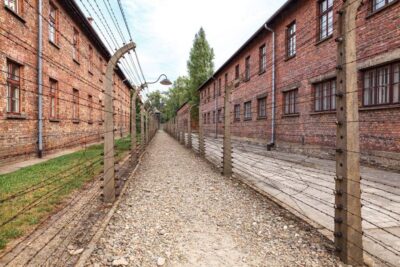
Browse the lists this tour appears in