
REVIEW · AUSCHWITZ-BIRKENAU MEMORIAL TOURS
Exclusive Small Group Auschwitz-Birkenau Guided Tour from Krakow
Some places demand your full attention. This seven-and-a-half-hour Auschwitz-Birkenau tour combines round-trip transport from Krakow with a licensed museum guide, so you can focus on the history instead of wrestling with tickets and connections. I like the early start option, which can get you inside near opening time, and I like the packed lunch, water, and small snack offered on many departures. The main concern is group size: the experience is promoted as intimate, yet some departures have carried 20 to 30 people.
The visit is quiet, serious, and physically tiring. You will walk across two large camp sites, take only short breaks, and see objects and places connected to mass murder. This is not a casual day trip, but it is a carefully organized way to visit a difficult place with context and guidance.
In This Review
- Key points at a glance
- Why this Auschwitz visit matters
- Leaving Krakow in a shared minibus
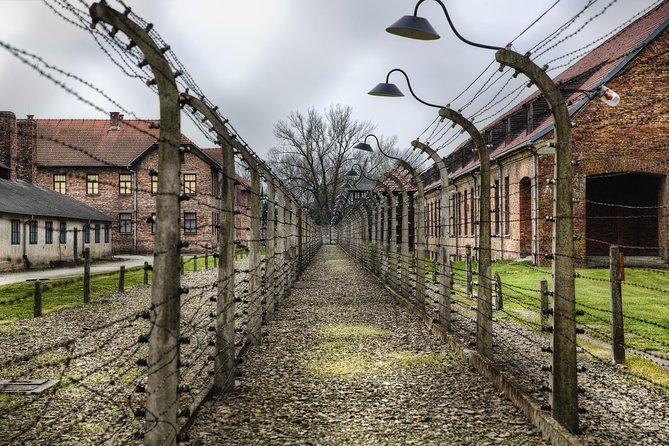
- Auschwitz I, the original camp
- The move to Birkenau
- How the guide shapes the day
- Lunch, short breaks, and the practical rhythm
- Price and value at $168.10
- The group-size question
- Who should book this experience
- My booking verdict
- FAQ
- How long does the Auschwitz-Birkenau tour from Krakow last?
- How much time is spent at Auschwitz and Birkenau?
- Is admission to Auschwitz and Birkenau included?
- Is the tour suitable for children?
- What clothing is required at the museum?
- Do I need identification for the visit?
Key points at a glance
- Two camp sites in one visit: Spend about two hours at Auschwitz I, then roughly one hour and 20 minutes at Birkenau.
- Prepaid entry: Skip the long ticket line and go through the entrance with an assigned museum time.
- Strong museum guides: The best guides explain the Nazi system, wartime Poland, and survivor stories with care rather than simply reading facts.
- Transport from Krakow: Ride in an air-conditioned van or minibus from a meeting point near the Old Town or, when possible, your hotel.
- Food and water may be supplied: A packed lunch is included in the stated package, while some departures provide Polish cake and bottled water instead.
- Check the group size: The advertised small group may be up to 10, but some departures have been much larger.
Why this Auschwitz visit matters
Auschwitz is not a normal sightseeing stop. You are visiting the largest former Nazi concentration and extermination camp complex, where more than a million people were murdered during the Second World War. The museum preserves the grounds, buildings, belongings, photographs, documents, and evidence of the killing process.
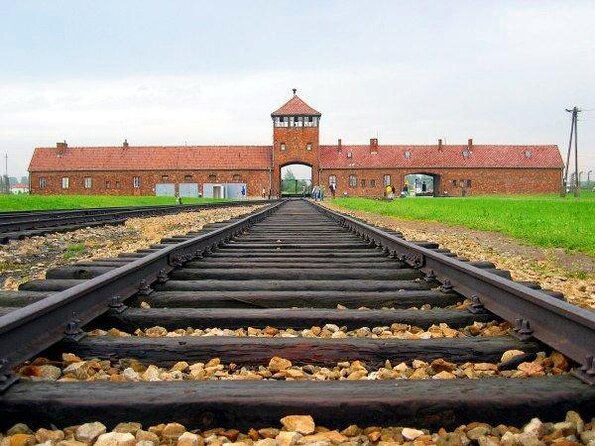
That context matters because the sites can otherwise be hard to understand. A barracks may look like an old brick building. A railway ramp may look like an empty stretch of track. A guide connects those spaces to the people who were forced into them and explains how the camp system worked.
I value the presence of a professional educator here. The strongest guides on this tour do more than recite dates. One guide was praised for sharing survivor stories she personally knew, while another was described as compassionate, fluent, and open to questions. That personal approach can make the visit easier to follow, though the subject remains heavy.
You should also set your expectations before leaving Krakow. This is a place for attention and respect, not cheerful group banter or a quick photo stop. Some people find the visit deeply upsetting. That is not a flaw in the experience, but it is part of what you are signing up for.
More Auschwitz-Birkenau memorial tours:
- From Krakow: Auschwitz-Birkenau Guided Tour & Hotel Pickup
★ 4.5 · 33,358 reviews - From Krakow: Auschwitz-Birkenau Guided Tour & Hotel Pickup
★ 4.5 · 29,340 reviews - Krakow: Auschwitz Guided Tour with Optional Hotel Pickup
★ 4.5 · 15,280 reviews
Leaving Krakow in a shared minibus
The day begins at a designated meeting point near Krakow’s Old Town. Pickup from a hotel may be possible, but it is not guaranteed, and some departures require you to walk about 10 minutes beyond the central Old Town area. Read the pickup message carefully and allow extra time, especially for an early departure.
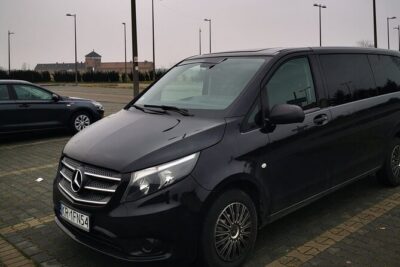
The trip uses an air-conditioned shared vehicle, usually a van or minibus. The stated tour duration is about 7 hours and 30 minutes, including the drive to the museum, time on site, and the return to central Krakow.
An early start can work in your favor. One departure collected people at 6 a.m. and reached the museum for opening time, allowing the group to enter without a long wait. That timing also gives you more breathing room before the return to Krakow. The drawback is obvious: some people had to wake around 3:45 a.m. to reach the pickup point by public transport.
Pickup times need special care. Some passengers received a 6 a.m. meeting time, while the vehicle arrived at 6:15. That delay was frustrating because the instructions warned that the driver would leave promptly. I recommend standing at the exact meeting point early, but also keeping the local operator’s phone number available in case the vehicle is late.
During the ride, some groups watch an introductory video and receive a short explanation of the day. The quality of the driver experience can vary. Several drivers were praised for being kind, helpful, and attentive, while one was criticized for being unfriendly and for giving little information. The ride is mainly a practical transfer, so your main reason for booking is the museum visit, not entertainment on the road.
Auschwitz I, the original camp
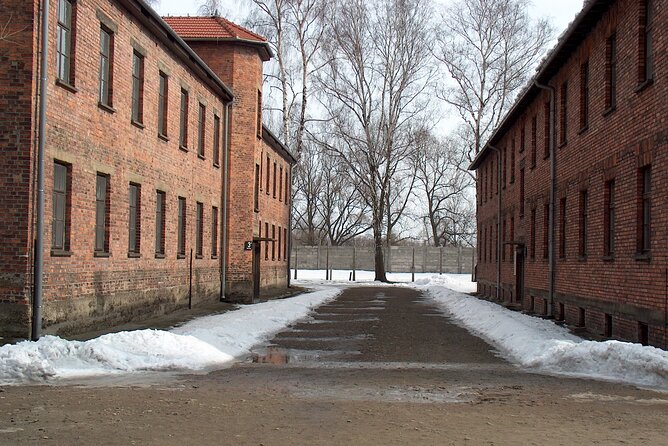
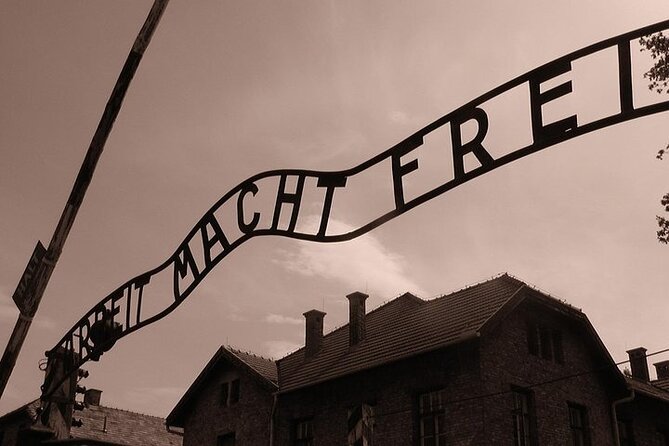
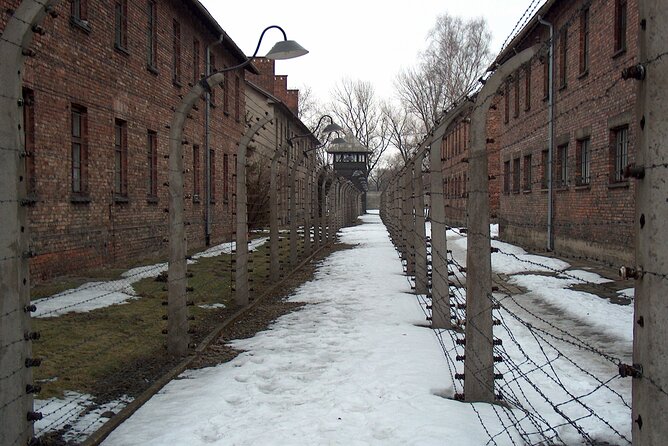
The first guided section lasts about two hours at Auschwitz I. This is the older camp, with brick barracks arranged along orderly paths. You enter beneath the infamous Arbeit macht frei gate, then move through buildings that now form part of the state museum.
The setting can feel deceptively neat. That is part of the power of the visit. The preserved blocks and roads show the organized nature of the camp, while the exhibits explain the machinery of imprisonment, forced labor, selection, and murder.
Inside the buildings, expect photographs, documents, and personal belongings taken from prisoners. These displays are among the hardest parts of the visit because they connect the camp to individual lives. Shoes, luggage, and other possessions are not abstract evidence. They show how people arrived with ordinary hopes, often believing they were being relocated or resettled.
The tour includes the original barracks, the bathhouse, the crematorium, the gas chamber, and the Death Wall. The guide explains how each location fit into the wider camp system. You will not simply walk from one room to another without context.
A strong guide is especially important in the museum blocks. The best presentation is clear and restrained, giving you time to look while explaining what you are seeing. One highly praised guide answered questions about the Nazi regime, Polish wartime history, Jewish persecution, and the operation of the camp. That wider explanation helps you understand that Auschwitz was not an isolated event. It was part of a planned system supported by ideology, administration, transport, and violence.
The museum experience also requires emotional stamina. Breaks are short, usually no more than 10 minutes, and the schedule keeps moving. If you need a long pause after a difficult exhibit, this format may feel rushed.
The move to Birkenau
After Auschwitz I, the group transfers to Auschwitz II-Birkenau. The ride between the two areas is brief compared with the whole day, but the change in setting is striking.
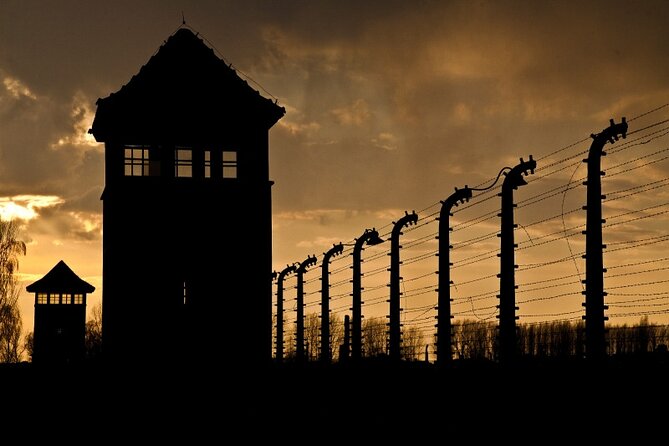
Birkenau is much larger and more open. The railway unloading ramp, watchtowers, original wooden barracks, and remains of the mass extermination facilities show the scale of the operation. The open ground makes the site feel vast, and that physical scale helps explain why the camp could hold so many people.
The Birkenau section lasts about one hour and 20 minutes. You will see the entry gate and watchtowers, walk near the unloading ramp, enter surviving barracks, and learn about the conditions imposed on prisoners. The guide also explains the destruction left by the Nazis when they tried to hide evidence of the killing.
This part involves walking outdoors, often across uneven ground and exposed areas. The tour operates in all weather, so bring suitable clothing and shoes. A coat, rain layer, and comfortable footwear are sensible choices even if Krakow looks pleasant when you leave.
The watchtower offers a useful visual sense of the camp’s size, but the most meaningful moments often come from smaller details: the cramped barracks, the harsh living conditions, and the remains of the extermination buildings. You need time to look and listen. Do not expect a leisurely café break between the two camp sites.
A few more Kraków trips worth weighing up
- Krakow–Zakopane: Cable Car, Chocholow Baths, Cheese & Vodka
★ 5.0 · 10,720 reviews - Krakow: Auschwitz-Birkenau Guided Tour with Pickup & Lunch
★ 4.5 · 9,800 reviews - From Krakow: Wieliczka Salt Mine Tour
★ 4.6 · 9,393 reviews - Krakow: Auschwitz-Birkenau Guided Tour Pickup/Lunch Options
★ 4.5 · 9,057 reviews
How the guide shapes the day
The guide is the heart of this experience. Transport gets you there, and prepaid admission gets you through the gate, but the guide gives the place meaning.
The licensed museum educator leads the official guided visit, which lasts up to 3.5 hours across both camp sites. Some guides speak in a quiet, serious way. That tone suits the subject, but it can create a practical problem when several groups are nearby.
Headsets are supplied for groups of 10 or more. They should help, but the number of surrounding tours still matters. One group reported difficulty hearing even an excellent guide because other guides were speaking nearby. If you are hard of hearing, position yourself close to the guide and ask for a headset if one is available.
The strongest feedback centers on clear explanations, compassion, and subject knowledge. Guides have been praised for using survivor stories, answering questions, and explaining both the camp and wartime Poland. That is the level of presentation you should hope for.
Still, the actual guide may change by departure. No individual guide is guaranteed by the supplied tour information, so you should judge the experience as a guided museum visit rather than booking it to meet a named person.
Lunch, short breaks, and the practical rhythm
The package includes a delicious packed lunch, and the stated inclusions also allow up to 30 minutes of extra free time for reflection or a bookstore visit. In practice, food arrangements appear to vary between departures.
Some people received bottled water and a Polish cake, described as a delicious snack. Another group understood that no food or drink was included, then received water and a biscuit. The safest approach is to carry a small bottle of water and a simple snack if you need one, while respecting museum rules.
Breaks are limited to 10 minutes during the main schedule. That is enough for a toilet stop or quick refreshment, but not enough for a slow meal. If you buy a hot drink during a break, check whether you can take it with you before ordering. One group had to discard or quickly finish drinks when the tour resumed.
The added time for reflection or the bookstore can be valuable after such an intense visit. Even 20 or 30 quiet minutes can help you process what you have seen. Do not count on a long restaurant stop unless the operator confirms it directly.
Price and value at $168.10
At $168.10 per person, this is not the cheapest way to reach Auschwitz from Krakow. The price needs to be measured against what is included: round-trip shared transport, prepaid museum entry, a licensed guided visit at both camp sites, and a full day of coordination.
For many people, that package is worthwhile. You avoid arranging public transport, matching your arrival to a museum admission time, and finding your way between Auschwitz I and Birkenau. The guide also gives the visit a structure that is difficult to create on your own.
The value is strongest if you want a direct, organized trip from central Krakow and prefer not to manage the details yourself. It is weaker if you specifically expect a private experience, a guaranteed group of 10, or hotel pickup with no walking.
Group discounts may reduce the cost for larger parties. Book well ahead if your dates are fixed, since this experience is often reserved about 30 days in advance. The booking confirmation is subject to availability and may arrive within 48 hours.
The non-refundable policy is important. You cannot change or cancel the booking for a refund, except if the operator cancels because the minimum number of participants has not been reached. In that case, you are offered another date or experience, or a full refund.
The group-size question
The phrase small group needs a careful reading. The experience is described as a group of up to 10 people at the Krakow meeting point, while the inclusions also describe groups usually limited to 12, with a maximum of 20.
Actual departures have not always matched the smallest description. Some people found themselves on a bus with 20 to 24 people, and another group counted roughly 25 to 30. The museum guide group may also be larger than expected.
That difference affects the day. A small group is easier to hear, quicker through doorways, and more personal during questions. A large group can stretch out across paths and make the guide harder to hear, even when the guide is excellent.
If a group of 10 or fewer is essential, contact Escape2poland before paying and ask for written confirmation of the vehicle and museum group size. If your priority is simply getting to Auschwitz with transport and a licensed guide, the larger-group risk may be acceptable.
Who should book this experience
I would choose this tour if you want a structured visit from Krakow and value a guide more than independent flexibility. It suits first-time visitors who want the history explained at each location and who prefer prepaid admission over arranging separate tickets.
It is also a good fit for adults and older teenagers who can manage several hours of walking and a difficult subject. The museum does not recommend the visit for children under 14, and children who do attend must be accompanied by an adult.
You need moderate physical fitness. The visit covers two large sites, includes outdoor walking, and allows only short breaks. Wear comfortable shoes and dress modestly. Shorts and sleeveless tops are not allowed at the museum, and staff may refuse entry if you do not follow the dress rules.
This tour is less suitable if you want a relaxed day, long meal stops, or a guaranteed private guide. It may also disappoint you if you dislike early starts or are uncomfortable with shared transport.
My booking verdict
I would book this tour for the convenience, the included museum guide, and the chance to visit both Auschwitz I and Birkenau in one well-planned day. The most praised part is clearly the guided museum experience, especially when you receive an educator who explains the evidence with care and compassion.
Before booking, I would confirm three points: the exact pickup location, the actual group size, and what food is supplied on your departure. I would also bring identification, since every person needs a valid ID or passport at the museum, and personalized tickets require each passenger’s full name.
Book it if you want a serious, guided introduction to Auschwitz with transport handled for you. Skip it only if you need a truly private small group or more control over the pace. Either way, allow time afterward in Krakow to be quiet. This is a day that deserves more than a quick return to sightseeing.
FAQ
How long does the Auschwitz-Birkenau tour from Krakow last?
The full experience lasts about 7 hours and 30 minutes, including round-trip transport from Krakow and the visit to both camp sites.
How much time is spent at Auschwitz and Birkenau?
The guided visit lasts up to 3.5 hours in total. Auschwitz I takes about two hours, and Birkenau takes about one hour and 20 minutes, with transfer time between the sites.
Is admission to Auschwitz and Birkenau included?
Yes. The price includes entrance tickets and a licensed guided tour at both parts of the Auschwitz State Museum.
Is the tour suitable for children?
Children must be accompanied by an adult. The museum does not recommend that children under 14 visit Auschwitz.
What clothing is required at the museum?
Shorts and sleeveless tops are not allowed. You should dress appropriately for a serious memorial site and prepare for outdoor walking in all weather.
Do I need identification for the visit?
Yes. Each person must bring a valid ID or passport. You must also provide the full name of every person booking because the museum tickets are personalized.
Just added around Kraków
- Rynek Underground Museum & Wawel Castle, Cathedral – Cracow★ 5.0 · 3 reviews
- Schindler’s Factory, Ghetto and Plaszow Camp Guided Tour★ 4.7 · 3 reviews
- Nowa Huta – a guided tour of a utopian socialist city★ 5.0 · 3 reviews
- Krakow: Kazimierz by Golf Cart and Schindler’s Factory Tour★ 4.8 · 3 reviews
- Krakow: Jewish Traces Private Electric Car Tour★ 4.1 · 3 reviews
- Private Krakow City Tour by Car and Walk with private tour guide★ 5.0 · 3 reviews
- Discover the Jewish Quarter with a Bike Tour★ 5.0 · 3 reviews
- Krakow: Indoor Go-Karting (24-Minute Races)★ 4.8 · 3 reviews
Auschwitz-Birkenau Memorial Tours, compared.

Auschwitz-Birkenau Guided Tour & Hotel Pickup
Read our review →Auschwitz-Birkenau Guided Tour & Hotel Pickup
Read our review →
Auschwitz Guided Tour with Optional Hotel Pickup
Read our review →
Auschwitz-Birkenau Guided Tour with Pickup & Lunch
Read our review →
Auschwitz-Birkenau Guided Tour Pickup/Lunch Options
Read our review →
Krakow to Auschwitz Birkenau Guided Tour with Transfer and Ticket
Read our review →
Browse the lists this tour appears in