
REVIEW · AUSCHWITZ-BIRKENAU MEMORIAL TOURS
From Krakow: Auschwitz-Birkenau Memorial and Museum Tour
Some places demand your full attention. This seven-hour Auschwitz-Birkenau tour from Krakow combines transport, museum entry, and a guided visit to Auschwitz I and Auschwitz II-Birkenau, making a difficult day easier to arrange. I like the clear historical guidance and the chance to see both camp sites rather than only one. I also like that the tour can include an English, French, Spanish, Dutch, or Italian-speaking guide. The main drawback is the pace: you will walk a lot, spend much of the day outdoors, and may have little time to pause or take photographs.
This is not a light sightseeing outing. Auschwitz is a place of murder, grief, and remembrance, and the visit can be emotionally heavy. I would plan carefully, bring food and water, and treat the day with the seriousness it requires. Guide Jacek received especially warm praise for thoughtful planning, while Sylvie and Joanna were also singled out for clear, sensitive explanations.
In This Review
- Key points to know before booking
- Why this seven-hour visit matters
- Leaving Krakow in an air-conditioned vehicle
- Auschwitz I: prison blocks, exhibitions, and evidence
- Birkenau: scale, barracks, and the memorial
- A guide makes the difficult material easier to follow
- The 15-minute break requires planning
- Is the $81 price good value?
- Who should book this experience?
- Should you book the Auschwitz-Birkenau tour from Krakow?
- FAQ
- How long does the Auschwitz-Birkenau tour from Krakow last?
- What languages are available for the live guide?
- Is hotel pickup included?
- What should I bring to the museum?
- Can I bring a large backpack?
- Can children or wheelchair users join?
Key points to know before booking
- Two separate camp sites: You visit Auschwitz I, with its prison blocks and exhibitions, then Auschwitz II-Birkenau, the much larger site with barracks, fences, watchtowers, and memorial areas.
- Seven hours from Krakow: The day includes air-conditioned transport, guided touring, a short break, and travel time between Krakow and the museum.
- A guide adds vital context: The tour explains the Holocaust, individual prisoner stories, the camp system, and the liberation in 1945.
- Pack very lightly: Bags larger than 30 by 20 by 10 centimeters must remain on the bus, and flash photography is forbidden.
- Food is not included: Bring a snack and a reusable water bottle, since the scheduled break is only 15 minutes.
- Names must match identification: You must provide your full name and contact details, and the name on the booking must match your passport or ID.
Why this seven-hour visit matters
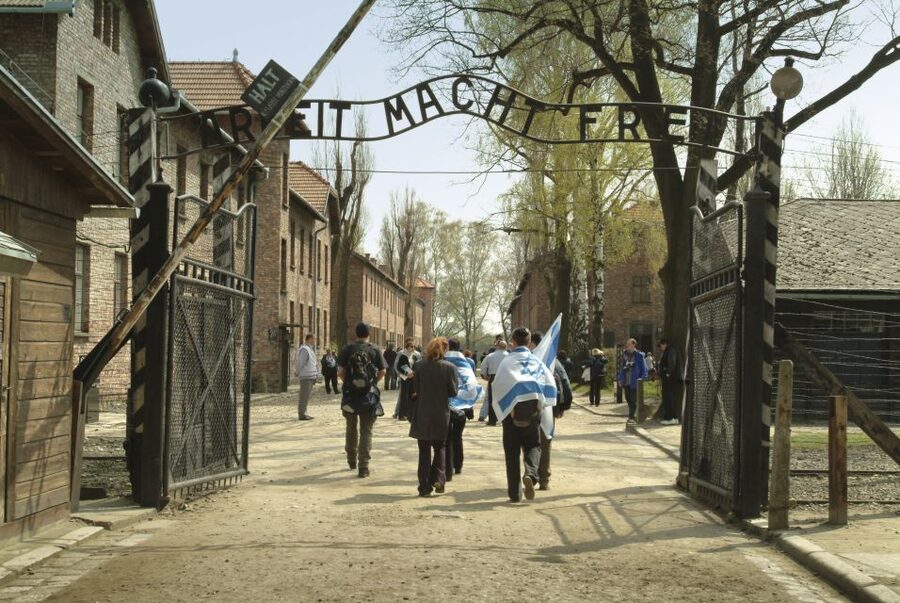
Auschwitz is not simply a collection of old buildings. It was created by Nazi Germany in 1940 near the Polish city of Oświęcim, which the German authorities had incorporated into the Third Reich. From 1942 onward, it became one of the main sites used in the Nazi plan to murder Europe’s Jews.
The camp also held Polish political prisoners, Roma and Sinti people, Soviet prisoners of war, and others persecuted by the Nazi regime. The museum and memorial preserve the site as evidence of what happened and as a place to remember those killed there.
I value this tour because it connects the broad facts of the Holocaust with the physical remains of the camp. A guide can explain how the two sections differed, point out the function of buildings, and bring attention to individual prisoners rather than leaving you to interpret everything alone.
The visit includes a documentary film about the first moments after liberation in 1945. That material helps explain the condition in which the camp was found and gives historical context before or during the museum visit.
The UNESCO World Heritage listing, awarded in 1978, is not the reason to visit, but it signals the international importance of preserving this place. The real value lies in seeing the evidence directly and giving the site your time and attention.
More Museum Visits in Kraków
- Auschwitz-Birkenau Museum and Memorial Guided Tour from Krakow
★ 4.5 · 1,510 reviews - Krakow: Rynek Underground Museum Guided Tour
★ 4.6 · 1,122 reviews - Krakow Schindler’s Factory Museum Guided Tour in English
★ 4.5 · 650 reviews
Leaving Krakow in an air-conditioned vehicle
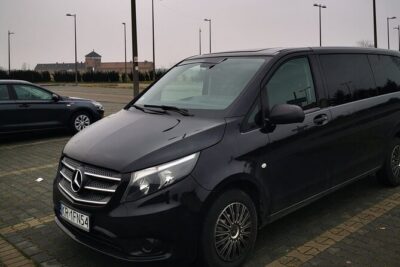
The trip from Krakow is arranged by air-conditioned vehicle, with an English-speaking professional driver included. WiFi is also provided on board, although the day is primarily about the museum rather than staying connected.
The total duration is seven hours. Departure times are not always fixed at the exact time you first select. The operator may schedule departures from Krakow between 6 AM and 3 PM, so check the confirmed time carefully before the day of the tour.
Pickup can be optional, depending on the booking choice. If you want complementary hotel pickup, contact the operator no later than 24 hours before departure. The meeting point can vary, so do not assume every booking begins at the same place in Krakow.
The transport is useful here. You avoid arranging a separate bus or train journey and can use the ride to prepare yourself for the visit. One guide, Andriani reported, explained information about the monuments during the bus ride and shared additional thoughts on the return journey. That kind of introduction can help you arrive with a better sense of what you are about to see.
The return may be after dark, depending on the departure time and traffic. A past booking had a taxi arranged back to the hotel after a late return, but do not treat that as a standard promise. Confirm your own drop-off arrangements if you are concerned about getting back to your accommodation.
Auschwitz I: prison blocks, exhibitions, and evidence
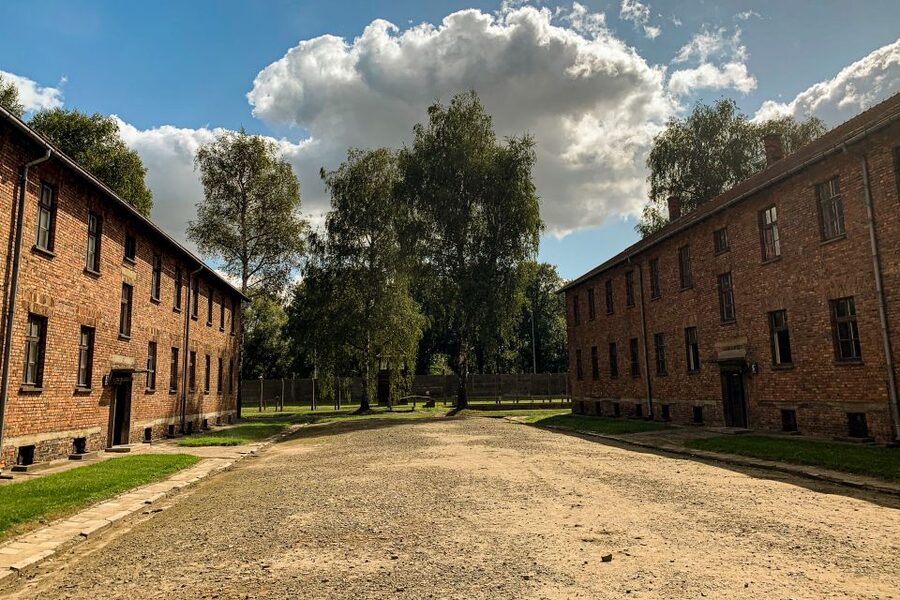
Auschwitz I is the older and more compact part of the complex. This section contains the former prison blocks, exhibitions, prison facilities, and other surviving structures connected with the camp.
The guide leads you through the buildings and explains how the site functioned. You may see former dormitories and prison spaces, along with exhibitions that document the lives and deaths of those held there. The tour also includes the gas chambers at Auschwitz I.
The indoor exhibitions are important because they move the visit beyond architecture. Buildings can seem abstract when you only see their walls, but personal objects, records, and prisoner stories make the human cost harder to ignore. The supplied information specifically highlights tracing individual prisoners, which gives the guide a chance to place names and lives at the center of the visit.
Auschwitz I can feel crowded, especially when several groups move through the same buildings. Malcolm found the site too busy at times, with groups close to one another. Gianmarco also found the tour a little tight and said there was not always time to stop for photographs.
That limitation is worth accepting before you arrive. This is a guided museum visit with a set route, not a private walk where you can linger wherever you choose. You may need to keep moving, listen carefully, and save questions for suitable pauses.
Photography is allowed only in selected parts of the museum. Flash photography is forbidden inside the buildings. You should follow the guide and museum signs rather than trying to photograph every room.
Birkenau: scale, barracks, and the memorial
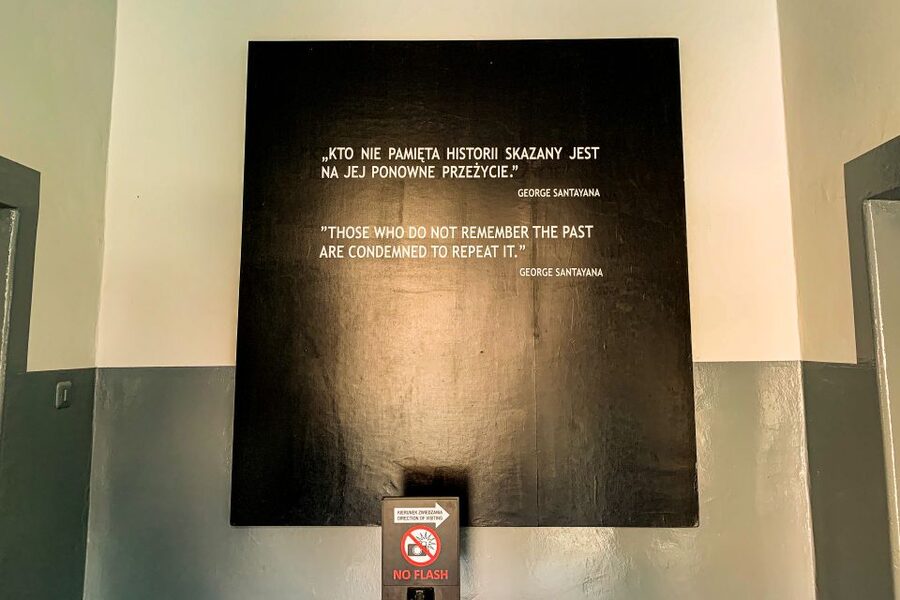
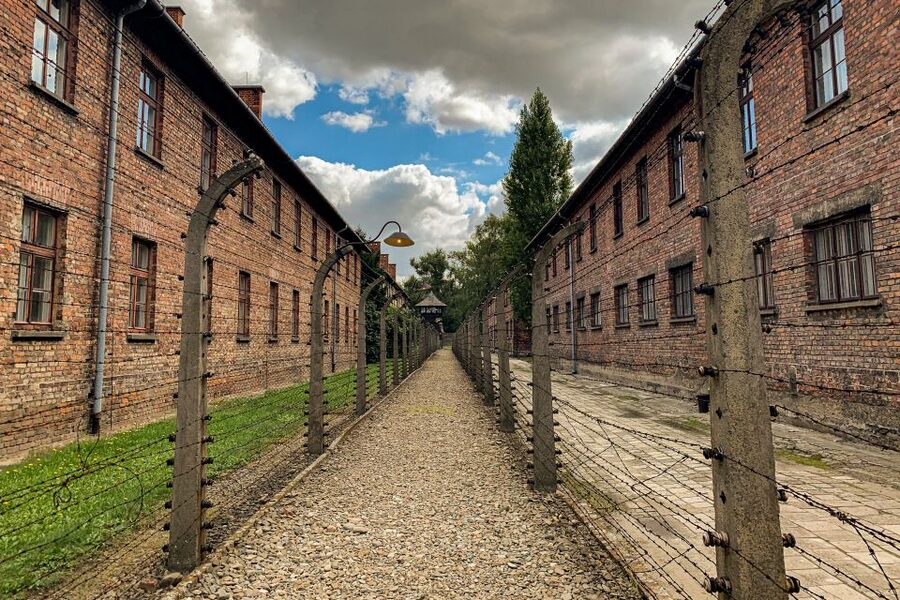
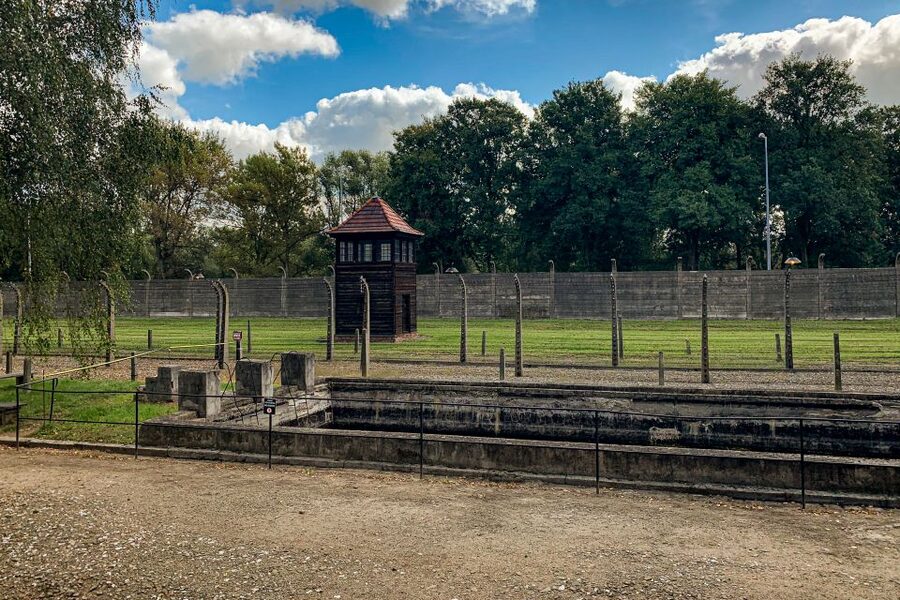
Auschwitz II-Birkenau gives the day a different physical scale. The site is much more open, with long lines of fences, watchtowers, barracks, railway-related camp remains, and the ruins or remnants of gas chambers.
The size of Birkenau is one of the hardest facts to grasp from a book or screen. Walking through the grounds helps you understand how extensive the killing center was and how the camp system operated across a large area. Malcolm described the scale of Birkenau as horrifying, and that response is easy to understand once you see how far the site extends.
You will spend considerable time outside here. Weather matters in every season, and the ground can require steady walking. Teresa’s advice is simple and useful: wear comfortable shoes and bring a jacket. I would add a water bottle and weather-appropriate clothing, both of which the operator specifically recommends.
The barracks and fences show the planned, controlled nature of the camp. The watchtowers remind you that prisoners were held within a system built to prevent escape. The memorial areas invite a quieter kind of attention, with less emphasis on individual buildings and more on the victims as a whole.
Birkenau can feel less crowded than Auschwitz I because it is larger and more open, but the tour still follows a schedule. Do not count on wandering freely for hours. The guide must keep the group together and complete both parts of the museum within the seven-hour outing.
More Auschwitz-Birkenau memorial tours:
- From Krakow: Auschwitz-Birkenau Guided Tour & Hotel Pickup
★ 4.5 · 33,358 reviews - From Krakow: Auschwitz-Birkenau Guided Tour & Hotel Pickup
★ 4.5 · 29,340 reviews - Krakow: Auschwitz Guided Tour with Optional Hotel Pickup
★ 4.5 · 15,280 reviews - Krakow: Auschwitz-Birkenau Guided Tour with Pickup & Lunch
★ 4.5 · 9,800 reviews
A guide makes the difficult material easier to follow
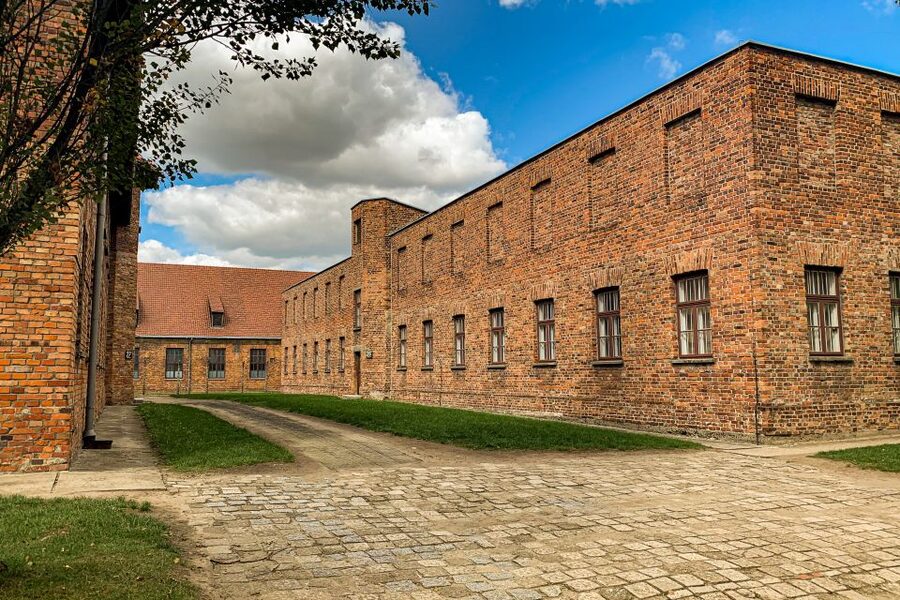
The strongest part of this experience is the guiding. Past visitors gave high marks to Jacek, Sylvie, Joanna, and other guides for clear explanations, careful organization, and a sensitive manner.
That sensitivity matters. Auschwitz is not a place for casual jokes, loud conversation, or rushed sightseeing. Elizabeth appreciated that her guide handled difficult issues with care and never made the explanations feel dull or hurried. Tania found the visit emotionally powerful and connected the guide’s comments with human suffering, resilience, and the need to prevent such crimes from happening again.
You should expect a serious tone. One assessment described the guide as somewhat downbeat, but also noted that this was understandable given the subject. I agree with that balance. A cheerful presentation would feel wrong here, while a calm and respectful guide helps you process what you are seeing.
The tour explains the Holocaust and the Nazi camp system, but it also covers the liberation of Auschwitz in 1945. The documentary film presenting the first moments after liberation adds another layer to the historical account.
Guided visits are especially useful if you have read about the Holocaust but want to understand the site itself. Dave already knew many of the basic facts, yet found that seeing the camp and experiencing the place with others changed his understanding. That is a good reason to choose a guide rather than simply arriving without preparation.
The 15-minute break requires planning
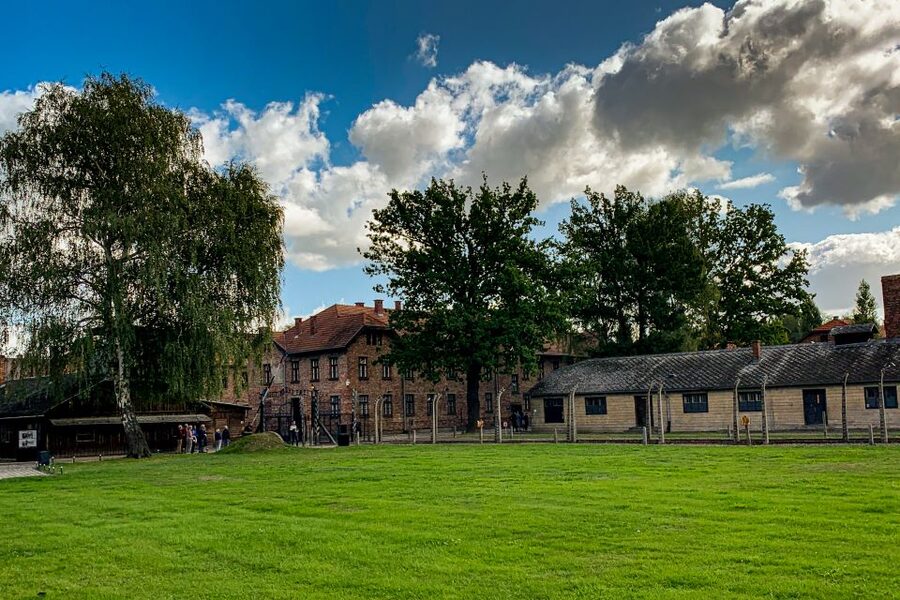
Food and drink are not included. There is a 15-minute break when you can eat a snack and drink, so bring something with you rather than assuming you will have time to buy lunch.
This detail is easy to overlook and can affect the whole day. One booking had breakfast at 7 AM and no chance to eat or drink again until much later because the group did not want to delay the bus. Bring a sandwich, fruit, or another simple snack, plus a reusable water bottle.
You also need to pack light. The museum does not permit backpacks or handbags larger than 30 by 20 by 10 centimeters inside. Larger bags must stay on the bus. A small day bag is the safest choice, and you should avoid arriving with a large camera bag or full-size backpack.
The walking and outdoor exposure make practical clothing more important than appearance. Comfortable shoes are essential, and a jacket or rain layer is sensible. The museum recommends weather-appropriate clothing, and that advice is not decorative. You may spend a substantial part of the visit outside.
Is the $81 price good value?
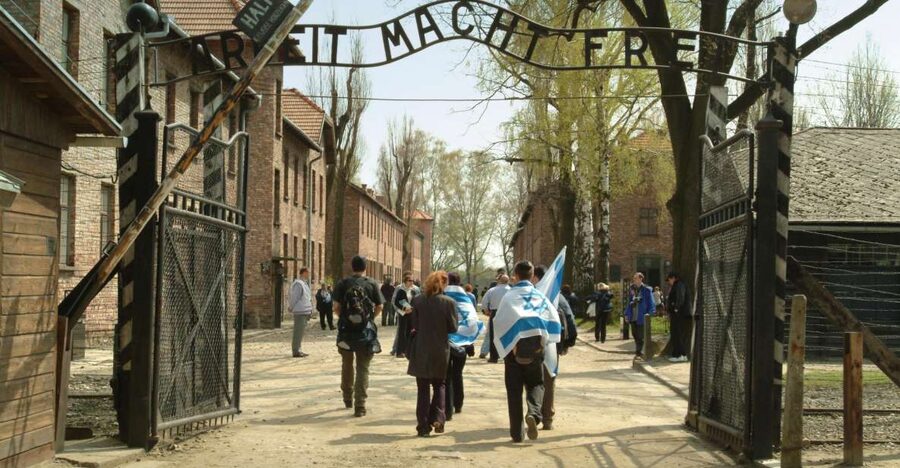
At $81 per person, the tour is not the cheapest way to reach the museum, but it includes several useful pieces: air-conditioned transport, a professional driver, museum access, a live guide, and WiFi on board.
I think the price makes sense if you value a coordinated day and expert explanation. You do not need to work out separate transport between Krakow and Oświęcim, find your way through both camp sections, or interpret the exhibitions without help.
The value is less clear if you only want independent access and already have transport arranged. The schedule is structured, the visit can feel tight, and the group may not allow long pauses for photographs. In that case, the included guide is still useful, but you may prefer a booking with more personal time if one is available.
The tour has a 4.6 rating from 75 reviews, with repeated praise for organization and guides. The most convincing comments focus on practical execution: prompt contact about pickup, flexible arrangements for a group of six, and the option in one case to meet at the museum rather than return to Krakow first.
Remember that the activity is non-refundable. The museum requires full names and contact details, and your booking name must match the passport or ID you present at entry. Check every name carefully before submitting the reservation.
Who should book this experience?
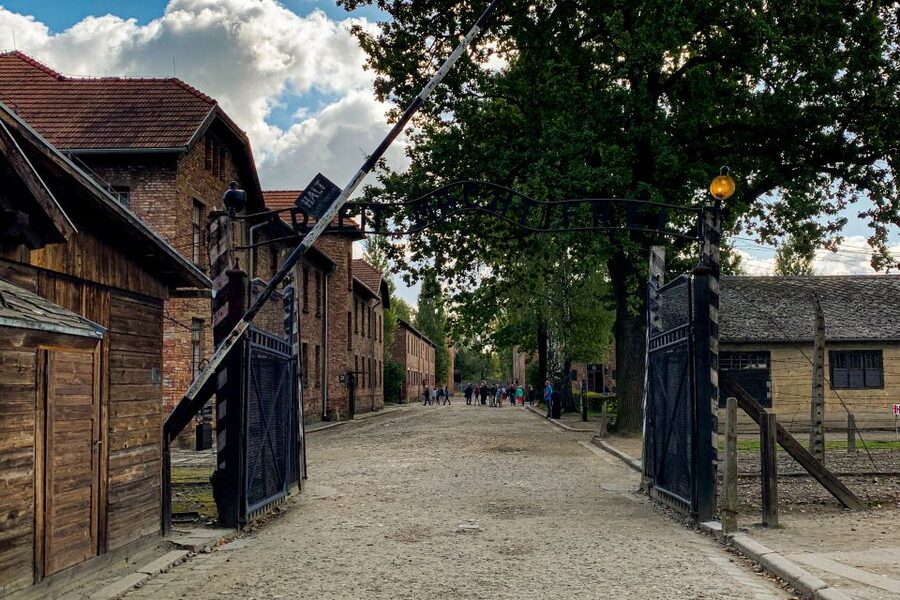
I would recommend it to adults and older teenagers who want a guided, organized visit from Krakow. The museum does not suit children under 15 according to the stated restrictions, and the subject matter can be upsetting even for adults.
It is a good fit if you want:
- A single day trip covering both Auschwitz I and Birkenau
- Transport from Krakow in an air-conditioned vehicle
- Historical explanation in one of five listed languages
- Help understanding prisoner stories, exhibitions, and memorials
- A planned visit rather than an independent day of navigation
It may not suit you if you use a wheelchair, since the activity is not suitable for wheelchair users. It is also a poor match if you dislike fixed schedules, extensive walking, outdoor exposure, or emotionally difficult historical sites.
Families with infants should note that infants must sit on laps. Anyone with dietary or medical needs should plan ahead because the break is only 15 minutes and food is not supplied.
Should you book the Auschwitz-Birkenau tour from Krakow?
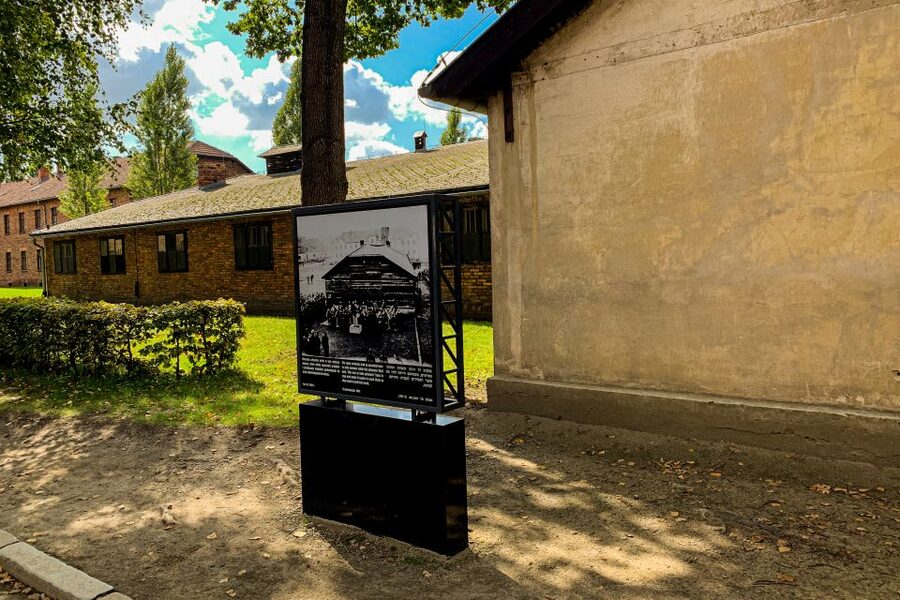
Book this tour if you want the practical ease of transport plus a serious guide who can connect the buildings to the people imprisoned and murdered there. The strongest reasons to choose it are the inclusion of both Auschwitz I and Birkenau, the thoughtful guiding, and the help with a place that can be difficult to understand on your own.
Skip it if you need a slow, private visit with plenty of time for photographs or long personal pauses. The route can feel crowded at Auschwitz I, and the schedule is firm.
For most visitors coming from Krakow, I see the $81 as fair value, provided you prepare properly. Bring a small snack, water, a warm layer, comfortable shoes, valid identification, and a respectful frame of mind. This is a demanding day, but the careful structure and informed guides make it a useful way to visit one of Europe’s most important memorial sites.
FAQ
How long does the Auschwitz-Birkenau tour from Krakow last?
The tour lasts seven hours, including transportation, the guided visit, a short break, and the visit to both Auschwitz I and Auschwitz II-Birkenau.
What languages are available for the live guide?
Live guides are available in English, French, Spanish, Dutch, and Italian.
Is hotel pickup included?
Pickup is optional and depends on the booking option. If you want complementary hotel pickup, contact the tour operator no later than 24 hours before the tour.
What should I bring to the museum?
Bring your passport or ID card, a snack, a reusable water bottle, and clothing suitable for the weather. Comfortable shoes are strongly advisable because the visit involves substantial walking.
Can I bring a large backpack?
No. Backpacks or handbags cannot exceed 30 by 20 by 10 centimeters. Larger bags must be left on the bus.
Can children or wheelchair users join?
Children under 15 are not considered suitable for this activity, and the tour is not suitable for wheelchair users. Infants must sit on laps.
Just added around Kraków
- Rynek Underground Museum & Wawel Castle, Cathedral – Cracow★ 5.0 · 3 reviews
- Schindler’s Factory, Ghetto and Plaszow Camp Guided Tour★ 4.7 · 3 reviews
- Nowa Huta – a guided tour of a utopian socialist city★ 5.0 · 3 reviews
- Krakow: Kazimierz by Golf Cart and Schindler’s Factory Tour★ 4.8 · 3 reviews
- Private Krakow City Tour by Car and Walk with private tour guide★ 5.0 · 3 reviews
- Krakow: Jewish Traces Private Electric Car Tour★ 4.1 · 3 reviews
- Discover the Jewish Quarter with a Bike Tour★ 5.0 · 3 reviews
- Krakow: Indoor Go-Karting (24-Minute Races)★ 4.8 · 3 reviews
Auschwitz-Birkenau Memorial Tours, compared.

Auschwitz-Birkenau Guided Tour & Hotel Pickup
Read our review →Auschwitz-Birkenau Guided Tour & Hotel Pickup
Read our review →
Auschwitz Guided Tour with Optional Hotel Pickup
Read our review →
Auschwitz-Birkenau Guided Tour with Pickup & Lunch
Read our review →
Auschwitz-Birkenau Guided Tour Pickup/Lunch Options
Read our review →
Krakow to Auschwitz Birkenau Guided Tour with Transfer and Ticket
Read our review →
Browse the lists this tour appears in