
REVIEW · MUSEUMS
Gdansk Private WWII Tour with Museum of the Second World War
Gdansk keeps its wartime scars in plain sight. I like the way this private tour joins the excellent Museum of the Second World War with the city streets where Poland’s fight began. I also like having a licensed guide who can explain difficult events in plain language, with past guides such as Krzysztof, Małgorzata, Luca, Elvira, and Magdalena earning especially warm praise.
The main thing to consider is time. The museum is huge, and an enthusiastic guide can easily spend three hours there, leaving little room for the outdoor sights. The $153 per person price is not cheap, but for a private guide, timed museum admission, hotel pickup within central Gdansk, and a tailored route, I find the value sound for visitors who want context rather than a quick look around.
In This Review
- Key points to know before booking
- Why Gdansk is the right place for this subject
- Starting at the Museum of the Second World War
- Inside the Museum of the Second World War
- The two-hour choice: focused, clear, and museum-heavy
- The Polish Post Office and the first fighting
- St. James Church and the city’s wartime memory
- The shipyard monuments and Poland’s later fight for freedom
- The air raid shelter and the less polished parts of the tour
- The guides and the value of private attention
- Is $153 per person fair?
- Who should book this Gdansk WWII tour?
- Should you book it?
- FAQ
- Where does the tour meet?
- Does the tour include skip-the-line museum admission?
- What is included in the two-hour option?
- What extra sites are included in the four-hour option?
- Is hotel pickup available?
- What should I wear for the four-hour tour?
Key points to know before booking
- The two-hour option focuses on the Museum of the Second World War, with skip-the-line ticket handling and a private licensed guide.
- The four-hour option adds important outdoor sites, including the Polish Post Office memorial, shipyard monuments, the European Solidarity Centre, BHP Hall, and an air raid shelter.
- The museum ticket skips the ticket-office queue, not the security or entrance queue, and it is valid only for your booked date and time.
- A private guide makes the museum easier to understand, especially when you want to ask about Poland’s occupation, resistance, or post-war Soviet influence.
- The four-hour route involves moderate walking, with uneven ground and some steps, so comfortable shoes matter.
- The tour is best for serious history fans, families with older children, and anyone who wants a focused introduction to Gdansk’s wartime past.
Why Gdansk is the right place for this subject
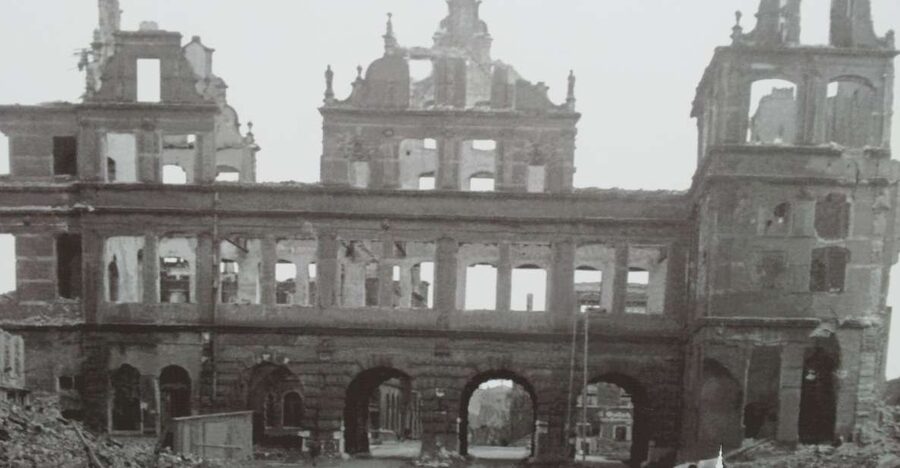
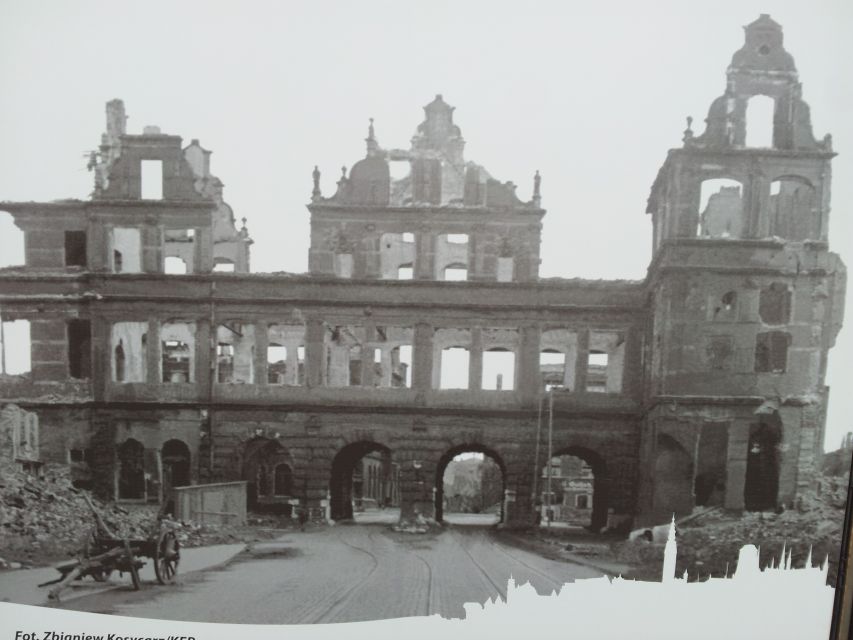
Gdansk is not just a convenient setting for a World War II museum. The city was tied directly to the war’s first days and later became a major center of Poland’s struggle against communist rule.
That gives this tour a useful two-part story. The first part deals with Nazi Germany’s invasion of Poland, occupation, resistance, and destruction. The second follows the long fight for freedom after 1945, when the war had ended but Poland still did not control its own political future.
I value that wider frame. A museum visit on its own can explain the global conflict, but the walking route shows how international events affected particular streets, workplaces, churches, and families in Gdansk.
More museum visits in Gdańsk:
- Gdansk: Private Communism Tour with Solidarity Center Museum
★ 5.0 · 28 reviews - Museum of the Second World War Gdansk Private Tour & Tickets
★ 5.0 · 24 reviews - Gdansk Private Communism Tour with Solidarity Center Museum
★ 5.0 · 14 reviews
Starting at the Museum of the Second World War
The meeting point is the Monument to Captain Witold Pilecki in front of the Museum of the Second World War at plac Władysława Bartoszewskiego 1. This is a practical location because you begin at the main attraction rather than spending time crossing the city to reach it.
If you stay in Gdansk Old Town, pickup is available from accommodation within about 1.5 kilometers of the meeting point. If you are staying farther away, you need to arrange your own way there. Check the operator’s message the day before, since the exact meeting instructions and starting time can change.
The timed ticket is useful, especially during busy periods. You avoid the line at the ticket office, but you do not automatically walk straight through the museum entrance. Arrive on time, since the admission is booked for a specific date and hour.
Inside the Museum of the Second World War
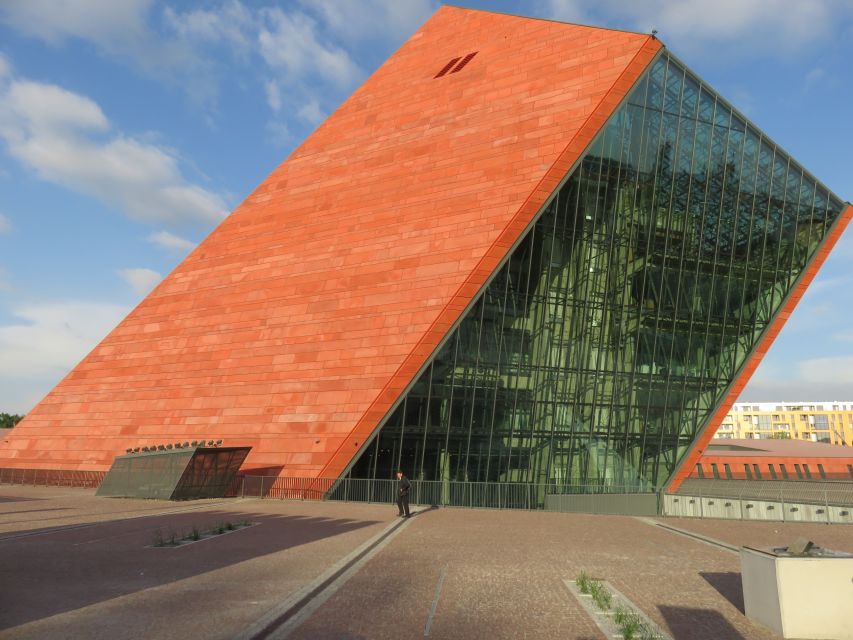
The museum is the heart of the two-hour tour. It covers the conflict from the outbreak in 1939 through occupation, mass violence, resistance, the defeat of Nazi Germany, and the difficult years that followed.
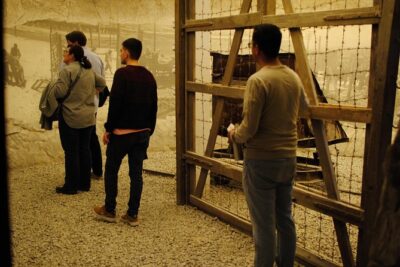
You can expect original weapons, uniforms, documents, photographs, and personal objects. Reconstructed wartime streets help turn dates and political decisions into something more concrete. The exhibits also show the war as a worldwide event while keeping Poland’s experience at the center.
That balance matters. Many museums explain World War II mainly through the campaigns of the major powers. Here, you get a clearer sense of what invasion and occupation meant for ordinary Polish people, as well as why resistance became such an important part of national memory.
I would not expect to see every section in two hours. The museum is large enough to reward a longer visit, and the guide has to make choices. Elvira, for example, was praised for answering questions and helping make sense of the many displays. That is exactly where a private tour earns its keep: you are not left to read every panel while trying to decide what matters most.
The private format also lets you ask about subjects that interest you. You might focus on the early attack on Poland, civilian life, resistance networks, the fate of Polish Jews, weapons, propaganda, or the post-war settlement. The guide can adjust the amount of time spent on each theme.
One practical warning: do not assume that a two-hour museum tour means two hours is enough for the whole museum. It is enough for a guided introduction, not a complete visit. If museums are your main reason for coming to Gdansk, ask about your priorities before the tour begins.
The two-hour choice: focused, clear, and museum-heavy
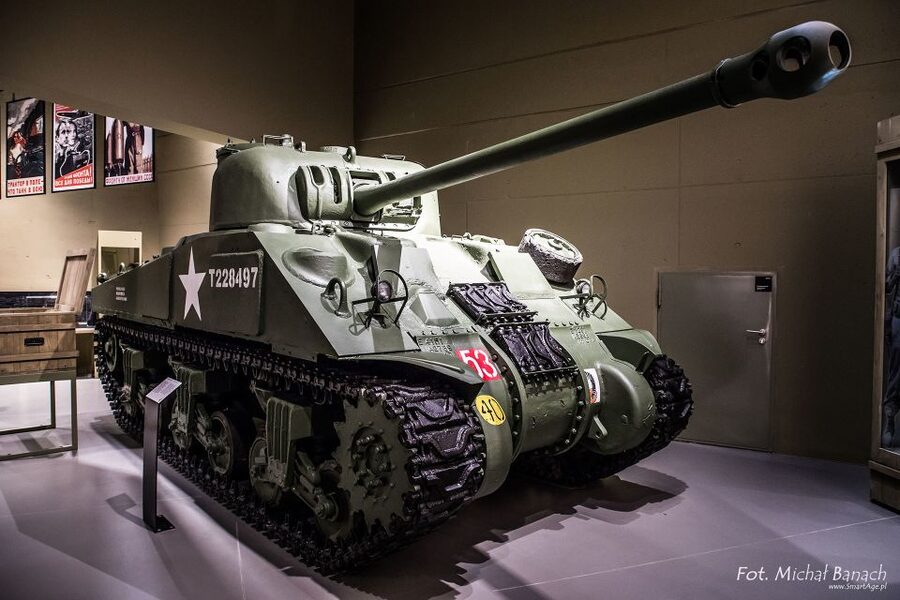
I would choose the two-hour option if you have limited time or already plan to explore Gdansk’s streets independently. It gives you the central museum experience without committing to a longer walking route.
This version suits you if you want a structured explanation rather than a self-guided visit. The museum can be emotionally heavy and visually dense. A guide helps connect separate rooms and objects into a clear story, which saves you from reading every label in order.
It also works well on a day when you have another activity booked. Still, keep some flexibility. One past tour extended to roughly three hours inside the museum, and the city walk had to be dropped. That is a useful lesson: history fans may find it hard to leave before they feel finished.
If you want both museum time and outdoor sites, the four-hour booking is the safer choice. Even then, tell your guide early that you want a balanced visit.
A few more Gdańsk trips worth weighing up
- Gdansk: City Cruise on Historical Polish Boat
★ 4.8 · 2,913 reviews - Gdańsk: Sunset Cruise on a Historic Polish Boat
★ 4.9 · 977 reviews - Gdańsk City Sights & History Guided Walking Tour in English
★ 4.8 · 876 reviews - Gdansk: Firearm Shooting Experience with Instructor
★ 4.8 · 866 reviews
The Polish Post Office and the first fighting
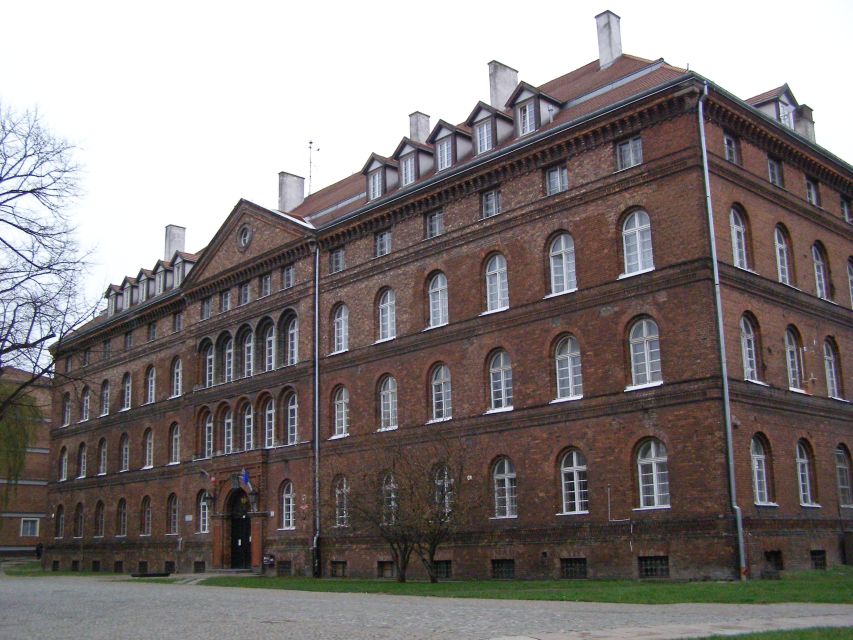
The four-hour tour adds the Defenders of the Polish Post Office memorial and the Polish Post Office area. This site helps explain the first armed resistance when Germany attacked Poland.
The post office was not simply an administrative building in a quiet city. It became associated with one of the early battles of the invasion, and the memorial honors the people who resisted. Your guide can place that event beside the museum’s wider account of September 1939.
I find this stop valuable because it brings the war down to a human scale. A large museum explains armies and governments. A local memorial helps you think about workers, communication, fear, and the decision to resist when the odds were terrible.
The route also includes the striking Obrońca mural, a tribute to those who defended Poland. Since the tour is private, you can ask how memorials and public art shape modern Polish memory rather than simply passing by for a photograph.
St. James Church and the city’s wartime memory
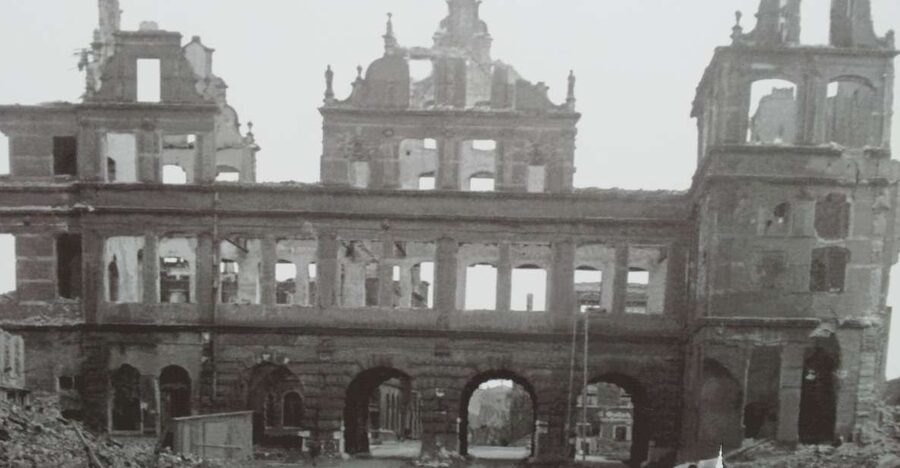
The Church of St. James is another outdoor stop on the extended route. The tour connects it with the resistance to Nazi occupation and with the religious and civic life of Gdansk during a period of severe pressure.
I appreciate stops like this because they interrupt the museum’s steady flow of displays. You get a chance to look at the city itself and understand that wartime history did not happen only on battlefields. Churches, post offices, workplaces, and homes all became part of the story.
The outdoor portion is not a sightseeing stroll in the usual sense. Your guide will be interpreting memorials and locations, so you should expect conversation and explanation rather than a long list of architectural facts.
The shipyard monuments and Poland’s later fight for freedom
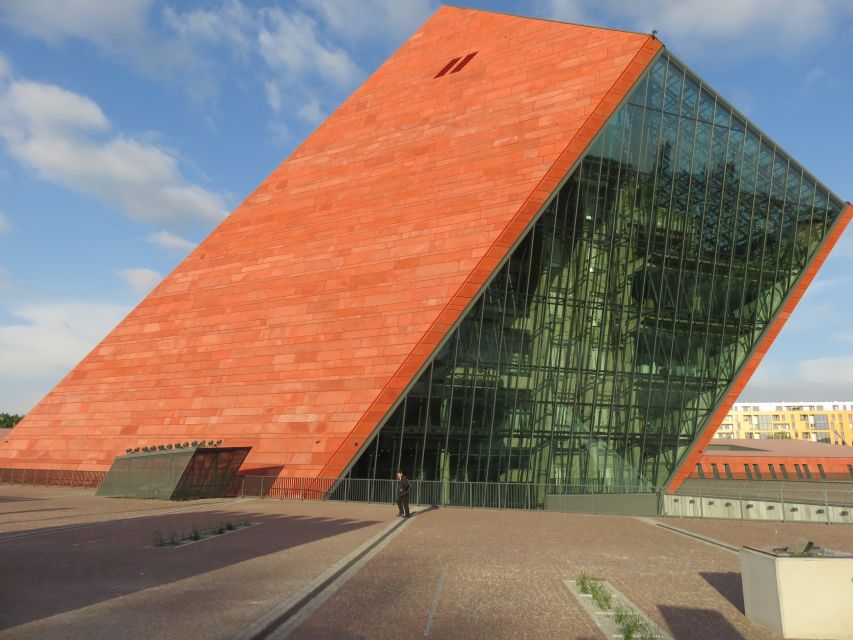
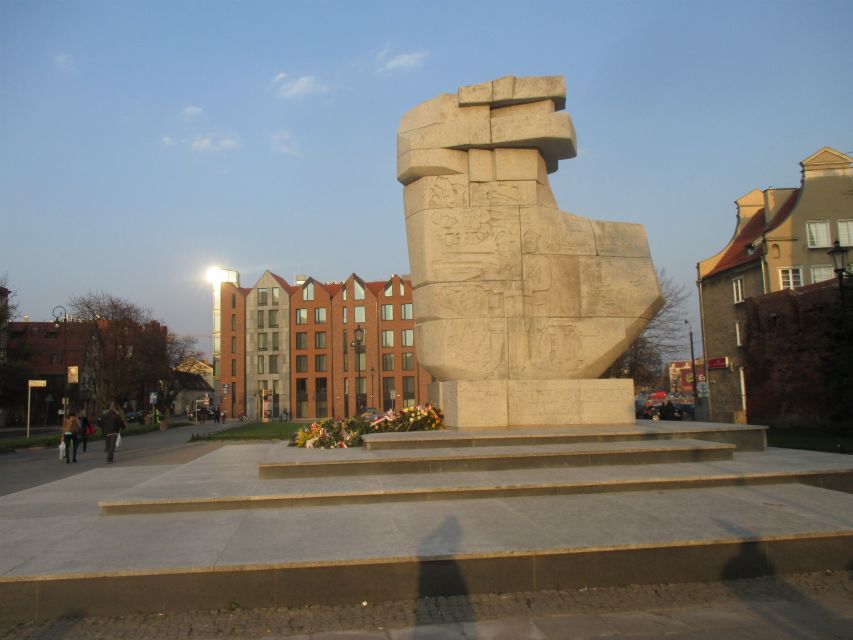
The Monument to the Fallen Shipyard Workers introduces a different chapter. It remembers workers killed during protests and links the wartime story to Poland’s later opposition to communist rule.
This is one of the strongest reasons to pick the four-hour option. If you study only 1939 to 1945, you can miss the fact that Poland’s struggle continued under a new political system. The shipyard became central to the fight for greater freedom, and the monument helps connect personal loss with national politics.
The European Solidarity Centre expands that story. It is dedicated to Poland’s path toward independence and helps explain how resistance developed after the war. The tour does not turn into a separate full museum visit there, but the stop adds useful context to the outdoor route.
At BHP Hall, you see the place connected with the signing of the August Agreements. That location gives the political story a physical setting. Instead of hearing only about negotiations and protest movements, you can stand where an important agreement was signed.
The Imperial Shipyard brings the route back to the working city. Its wartime industry and later political importance make it a fitting final area for a tour that moves from invasion to occupation, then from communist control toward freedom.
The air raid shelter and the less polished parts of the tour
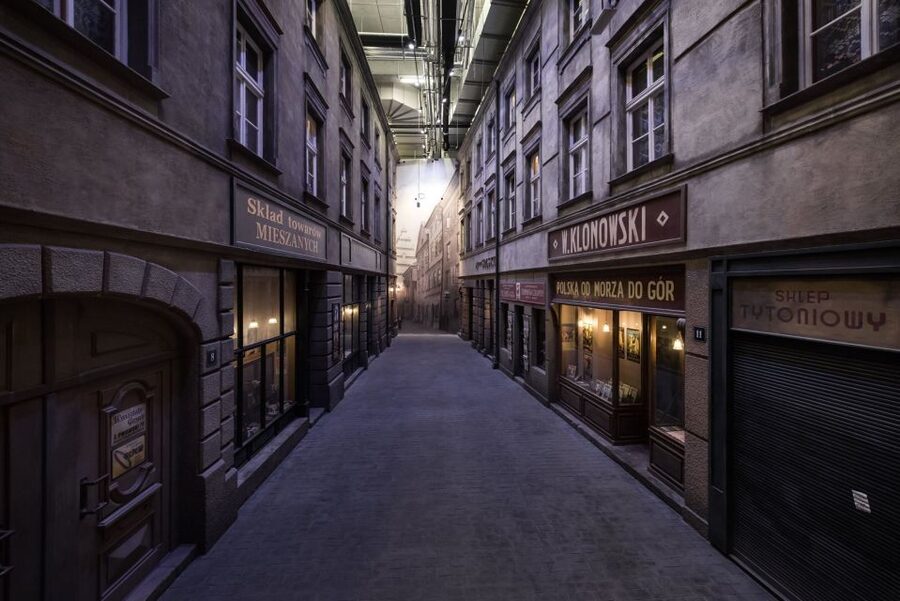
The preserved World War II air raid shelter is a smaller stop, but it can be one of the most evocative. It offers a sense of the protective spaces people relied on during attacks, though the experience depends on access and the guide’s explanation on the day.
The four-hour walk includes uneven surfaces and some steps. I would wear sturdy shoes and bring a rain layer, since the tour runs in wet weather as well as dry weather. Gdansk’s weather can change, and the outdoor section is not easily replaced with indoor stops.
The tour is described as wheelchair accessible, and the operator asks you to share disability-related needs in advance. That is important because the extended route includes outdoor areas, steps, and surfaces that may require adjustment. A private guide can adapt the pace, but you should confirm any specific access concern before booking.
The guides and the value of private attention
The strongest part of this experience is the guide. Past guides have included Krzysztof, Małgorzata, Margaret, Luca, Elvira, and Magdalena. The most praised qualities are enthusiasm, clear historical explanation, patience with questions, and consideration for the group’s needs.
That matters more here than on a simple city walk. World War II in Poland involves occupation, resistance, mass murder, shifting borders, and post-war Soviet control. A guide who can explain cause and effect is far more useful than someone who merely points at memorials.
I also like the chance to ask direct questions. You might want to know why Gdansk mattered in 1939, how resistance worked, why the war’s end did not mean full freedom for Poland, or how the shipyard movement developed. A private tour gives you room to shape the discussion.
Language choices are broad: English, German, Russian, Polish, Spanish, French, Italian, Norwegian, and Swedish are offered. Still, one English-language tour received only a good rather than top assessment because the guide’s English was somewhat broken. That does not cancel out the strong feedback about other guides, but it is a fair reminder to state your language needs clearly when booking.
Is $153 per person fair?
At $153 per person, this is a premium experience. The price makes more sense if you are traveling as a small private group and care about expert explanation, timed admission, and a route built around your interests.
The two-hour option offers the clearest value if the museum is your main goal. You get a licensed private guide and skip the ticket-office line, which removes much of the uncertainty from visiting a major museum.
The four-hour version gives you more for the money, but only if you want the outdoor history as well. You are paying for a longer guided route, not just extra museum time. If your interest is strictly the museum, you may prefer to spend the remaining hours there on your own.
Hotel pickup is included only for accommodation in central Gdansk within the stated distance. Outside that area, transport is your responsibility. Cancellation up to 24 hours before the tour and reserve-now, pay-later booking make the cost easier to manage while planning.
Who should book this Gdansk WWII tour?
I would recommend it to you if you want a serious introduction to Gdansk’s wartime past and prefer asking questions to reading displays alone. It is also a good fit for families with older children, history students, and anyone who wants to connect the Second World War with Poland’s later fight against communism.
The four-hour option is best for first-time visitors who want the broader story. You see the museum, memorials, shipyard sites, BHP Hall, the air raid shelter, and the European Solidarity Centre area.
I would choose the two-hour option if your schedule is tight, your group prefers less walking, or you want to save time for other Gdansk sights. Just remember that the museum is large, and a passionate guide may need to focus tightly on selected sections.
Should you book it?
Book this tour if you want the Museum of the Second World War explained by a private guide rather than tackled alone. The museum admission, focused commentary, and chance to ask questions make the two-hour version worthwhile.
Choose four hours if you want the full connection between Nazi occupation, Polish resistance, the shipyard movement, and the end of communist rule. Before starting, tell your guide how much museum time you want. That one conversation can prevent the outdoor route from disappearing under the weight of a very large museum.
FAQ
Where does the tour meet?
You meet the guide at the Monument to Captain Witold Pilecki in front of the Museum of the Second World War, plac Władysława Bartoszewskiego 1, 80-862 Gdansk.
Does the tour include skip-the-line museum admission?
Yes. The ticket lets you bypass the line at the museum ticket office. It does not guarantee that you skip the entrance line, and admission is valid for a pre-booked date and time.
What is included in the two-hour option?
The two-hour option includes a private visit to the Museum of the Second World War with a licensed guide and skip-the-line admission to the permanent exhibition.
What extra sites are included in the four-hour option?
The four-hour route adds a walking tour covering sites such as the Defenders of the Polish Post Office memorial, St. James Church, the Monument to the Fallen Shipyard Workers, the European Solidarity Centre area, BHP Hall, the Obrońca mural, a preserved air raid shelter, and the Imperial Shipyard.
Is hotel pickup available?
Pickup is available from hotels and accommodation in Gdansk Old Town within about 1.5 kilometers of the meeting point. Pickup outside that area is not included.
What should I wear for the four-hour tour?
Wear comfortable shoes and dress for the weather. The longer option is a moderate walking tour with uneven surfaces and some steps, and it operates in rain or shine.
Just added around Gdańsk
- Gdańsk: Boat Cruise from Gdańsk Old Town to Sopot Marina★ 4.4 · 3 reviews
- Stutthof Concentration Camp and Museum of WWII: Private Tour★ 4.7 · 3 reviews
- Gdansk: Bubble Football with Hotel Transfers★ 5.0 · 3 reviews
- Gdansk: Oliwa Zoo with Tickets and Roundtrip Transportation★ 5.0 · 3 reviews
- Segway Tour Gdańsk: Shipyard Tour – 1,5-Hour of Magic!★ 5.0 · 3 reviews
- Gdansk: Escape Room Adventure★ 4.0 · 3 reviews
- Gdańsk : Catamaran River Cruise (group)★ 4.3 · 3 reviews
- Szymbark: Kashubian Switzerland 5-Hour Private Tour★ 3.7 · 3 reviews
Museums, compared.
Auschwitz-Birkenau Museum and Memorial Guided Tour from Krakow
Read our review →
POLIN Museum of the History of Polish Jews Ticket
Read our review →


Krakow Schindler’s Factory Museum Guided Tour in English
Read our review →
Auschwitz Birkenau Museum Guided Tour with Pickup
Read our review →
Browse the lists this tour appears in