
REVIEW · AUSCHWITZ-BIRKENAU MEMORIAL TOURS
Krakow: Auschwitz-Birkenau Shared English Tour and Transfer
This is a day you will remember. This Krakow excursion combines round-trip transport with an English-speaking guide at Auschwitz and Birkenau, so you can focus on the memorial rather than arranging buses and museum entry. I especially like the door-to-door convenience and the chance to visit both camps in one day. The main drawback is the uncertain departure time, which may change by several hours the evening before.
I also like the generally thoughtful guiding. Guides named Mark, Marek, Anne, Mike, and Margaret have been praised for clear explanations and a calm, respectful manner. Still, you should expect a long day, plenty of walking, limited food choices, and a group pace that may feel too quick if you want to stop at every photograph or display.
In This Review
- Key points at a glance
- What this Auschwitz day trip actually offers
- The evening-before timing is the biggest catch
- Krakow transport and the long road to Oświęcim
- Auschwitz I: prison blocks, evidence, and a controlled route
- The short transfer to Birkenau
- Birkenau: scale, silence, and more walking
- Food, bags, clothing, and practical preparation
- Is $87.07 good value?
- Who should book this tour?
- Final verdict: a worthwhile visit with flexible planning
- FAQ
- How long does the Auschwitz-Birkenau tour take?
- Where does the tour start and finish?
- Is hotel pickup available?
- When will I learn the exact departure time?
- Is the entrance ticket included?
- What size bag can I bring?
- Is food included?
Key points at a glance
- Departure time can shift: The museum assigns the visiting time, and your exact pickup or meeting time arrives the evening before.
- Both camps are included: You visit Auschwitz I for about two hours, then Birkenau for roughly one hour and fifteen minutes.
- Transport saves effort: Air-conditioned round-trip travel from Krakow is included, with selected options offering hotel pickup.
- The day is physically demanding: Expect long walks, stairs, uneven surfaces, and a pace that may challenge anyone using a cane.
- Bring food and a small bag: The museum permits only a bag up to 30 by 20 by 10 centimeters, and food choices may be limited.
- English guiding is usually a strong point: The best guides explain difficult material with care, patience, and a quiet tone.
What this Auschwitz day trip actually offers
This is a shared excursion from Krakow lasting about seven to eight hours. You meet near Krakow’s Old Town, or select an option with hotel pickup if available for your booking. A private transfer option is also offered in some packages, with drop-off at a suitable address within the permitted area.
The attraction is not simply getting from Krakow to Oświęcim. The value comes from having the museum visit arranged as one connected day. Transport, museum access, and live English guiding are brought together, which removes several moving parts from a visit to a place where you probably do not want to spend your energy solving transport problems.
The group can contain up to 30 people. That is small enough to remain manageable, but it is not a personal tour. You may occasionally wait for others, and the guide must keep the whole group moving.
The overall rating is strong, at 4.7 from 729 ratings, with 93 percent recommending the experience. That points to a reliable core product, especially the camp guide and general organization, but the lower scores reveal a real weakness: communication about pickup times is not always smooth.
More Private Driver Tours in Kraków
- Krakow to Auschwitz Birkenau Guided Tour with Transfer and Ticket
★ 5.0 · 8,197 reviews - From Krakow: Auschwitz Birkenau Tour with Transfer
★ 4.0 · 6,134 reviews - Krakow: Auschwitz-Birkenau Guided Tour with Ticket and Transfer
★ 4.5 · 3,784 reviews
The evening-before timing is the biggest catch
Do not build a tightly packed schedule around the advertised morning departure. The Auschwitz-Birkenau Museum ultimately determines the visiting time, and the exact departure information is sent the evening before. A time described as roughly flexible may shift much more than you expect.
Some departures have moved from midmorning to very early morning. Others have been pushed into the afternoon. One cancellation followed a missed pickup and a later attempt to move the departure, though the payment was refunded quickly. These cases appear to be exceptions, not the normal result, but they show why you should reserve the entire day.
This matters if you have a flight, train, restaurant booking, or another paid activity in Krakow. It also matters for breakfast. An early departure may mean leaving before your hotel dining room opens, so prepare something the night before.
The pickup instructions can vary as well. Some bookings use a central Old Town meeting point instead of the hotel address, even when hotel pickup appears to be available. Read the final message carefully. If the meeting point changes, do not assume the original location still applies.
The positive side is that many departures run smoothly once the final time is confirmed. Drivers have been praised for arriving early, giving clear directions, and keeping the drive comfortable. Kamil, Karek, and Thomas are among the drivers singled out for polite service and helpful information.
Krakow transport and the long road to Oświęcim
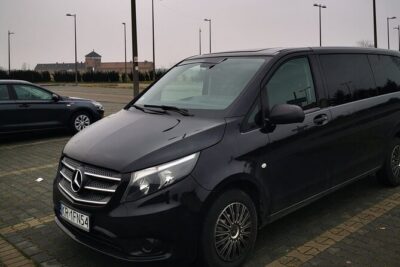
Your vehicle is air-conditioned, and two-way transport is part of the package. Depending on the option you choose, you may ride in a minibus with a shared group. The drive is not the main event, but it is useful preparation for a serious visit.
One driver played a roughly 45-minute historical video during the ride. This is not guaranteed on every departure, but it shows how the transfer can provide helpful background before you enter the museum. Several people found this introduction useful because it explained events and names that later appeared at the site.
The return to Krakow normally ends at a central drop-off near the Old Town and Market Square. A private transfer without tickets may offer a drop-off at a chosen address, including an accommodation, restaurant, cinema, theatre, or attraction within the allowed range. Pedestrian-only and traffic-restricted streets are excluded.
Transport quality can vary more than the museum guiding. Some rides have been described as comfortable and well handled. Others felt cramped, and one minibus parked farther from the Birkenau entrance than expected. Ask the driver where the group is heading before setting off on foot, especially if anyone in your party has limited stamina.
Auschwitz I: prison blocks, evidence, and a controlled route
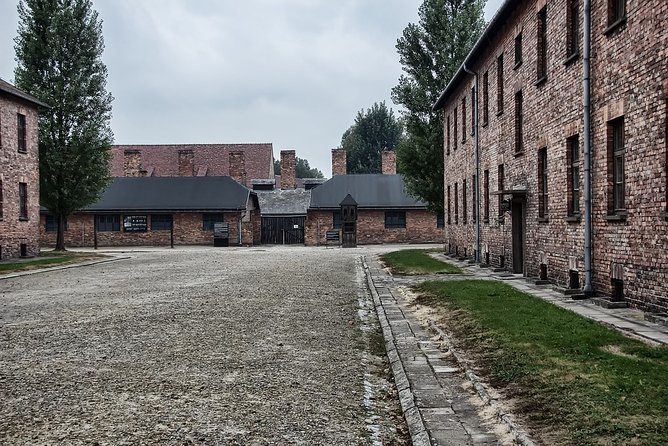
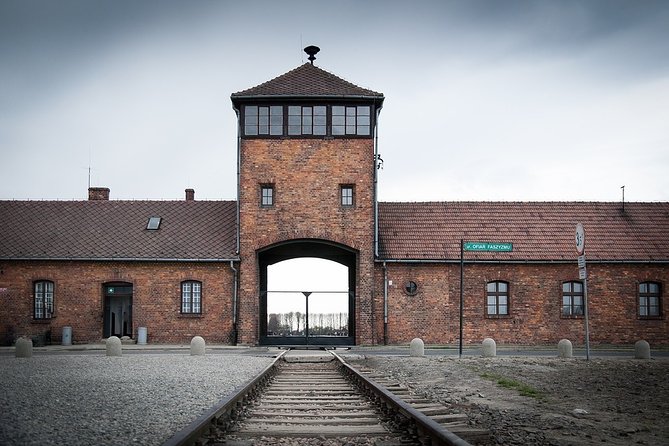
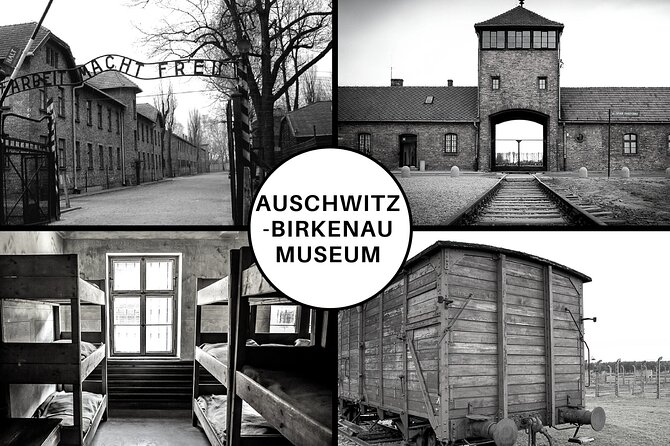
The first part of the visit takes place at Auschwitz I, the former main camp. This section contains the familiar entrance gate, original camp buildings, prisoner blocks, historical photographs, documents, and physical evidence presented by the museum.
The guided visit lasts about two hours. You enter several of the former blocks and visit the first crematorium. The setting is more enclosed and structured than Birkenau, with exhibits arranged inside the original buildings. That makes Auschwitz I information-heavy. You will see documents and photographs, then move through rooms that require quiet attention.
A guide adds essential context here. Without one, the displays can be difficult to connect into a clear account of how the camp operated and how prisoners were treated. The strongest guides do not rely on a loud, theatrical delivery. Mark and Marek have been praised for speaking clearly and calmly, giving the material the seriousness it requires.
English quality is generally good, but it is not identical on every departure. One guide spoke English well yet was sometimes difficult to understand, even for native speakers. If you miss a point, ask the guide to repeat it. A headset or group system can also make it harder to follow when the group is spread through a room.
Crowds are part of the experience. The route can feel controlled, and you may move through rooms soon after another group. That is practical for museum management, but it can leave little time to read every label or pause with each photograph. If you stop for extra material, the rest of the group may continue ahead.
More Auschwitz-Birkenau memorial tours:
- From Krakow: Auschwitz-Birkenau Guided Tour & Hotel Pickup
★ 4.5 · 33,358 reviews - From Krakow: Auschwitz-Birkenau Guided Tour & Hotel Pickup
★ 4.5 · 29,340 reviews - Krakow: Auschwitz Guided Tour with Optional Hotel Pickup
★ 4.5 · 15,280 reviews - Krakow: Auschwitz-Birkenau Guided Tour with Pickup & Lunch
★ 4.5 · 9,800 reviews
The short transfer to Birkenau
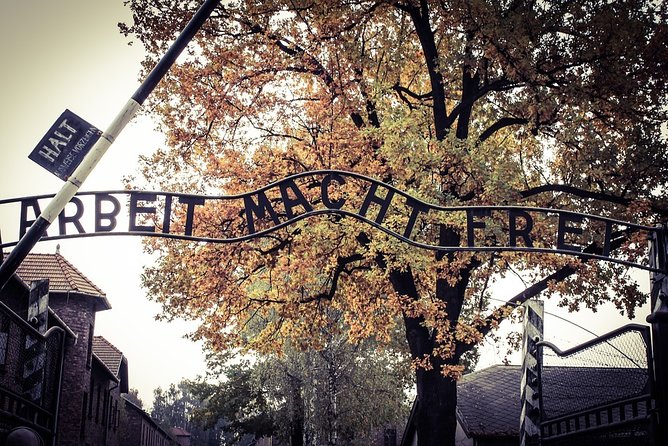
After Auschwitz I, you usually have a break of about 15 minutes. Then the driver takes you to the parking area near Auschwitz II Birkenau. This is a short transfer, but it is also your best chance to use the toilet, drink water, and check your belongings.
The parking area may not be right beside the main entrance. Some people have faced a long walk from the vehicle to the historic Birkenau Gate. You should expect more walking than the simple stop description suggests, and comfortable shoes are essential.
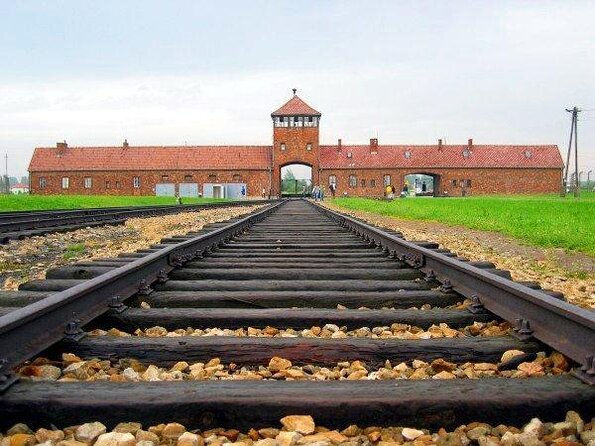
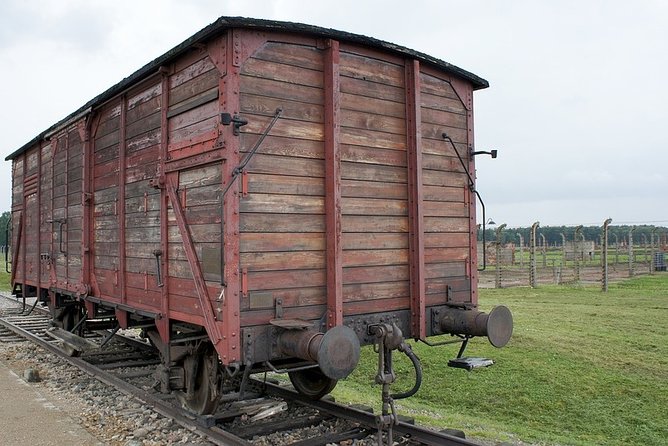
Birkenau is much larger and more open than Auschwitz I. From the famous gate, the scale becomes clearer. The railway platform, barracks, open ground, and remnants of the camp create a different experience from the museum rooms at Auschwitz I.
Birkenau: scale, silence, and more walking
The second guided section lasts about one hour and 15 minutes. You meet the guide at or near the historic gate, then walk through the site. The wide area and surviving structures help show the physical scale of the camp in a way that photographs alone cannot.
This is where pacing matters most. One guide may move at a brisk rate to keep the group together, while another may allow more pauses. Several accounts praise guides for stopping often enough to let people absorb the setting. Others describe the visit as rushed, with little time to read or reflect.
You should not expect a quiet private walk. Shared groups, museum schedules, and other guided parties shape the route. The guide’s job is to cover both camps within the assigned time, so you may need to choose between staying with the group and reading every display.
Birkenau also demands more from your body. The route includes a lot of walking, and the site may include stairs or uneven ground. One guide, Mike, was praised for helping a visitor who used a cane, but you should still judge your own ability before booking. A moderate level of physical fitness is expected.
Food, bags, clothing, and practical preparation
Food is not included. More important, food may not be easy to find during the day. Reports describe vending machines and a restaurant, but the available choices may be limited or crowded. Bring a packed lunch if your schedule allows.
A small snack and water can make a major difference, especially if your visit begins early or runs through lunchtime. You may get a short break, but there is no scheduled lunch stop in the stated itinerary.
The museum limits bags to 30 by 20 by 10 centimeters, approximately the size of an A4 sheet in footprint. That is a small allowance. Do not arrive with a large daypack, suitcase, or bulky purse. Leave luggage in Krakow, and pack only what you need.
Dress modestly. This is a memorial site, not a casual sightseeing stop. Comfortable walking shoes matter more than fashionable ones, and a light layer is sensible because you move between indoor blocks and open ground.
The visit is emotionally heavy. You will encounter evidence of mass suffering, so allow yourself time afterward before scheduling a cheerful meal, crowded attraction, or demanding evening plan. The calm style of guides such as Anne, Margaret, and Marek has helped make the experience respectful rather than sensational.
Is $87.07 good value?
At $87.07 per person, the tour is not the cheapest way to reach Oświęcim. Its value depends on how much you want the day arranged for you.
The price is reasonable if your priorities are simple transport, an English-speaking guide, and an entrance package that handles the two-part museum visit. You avoid figuring out the route from Krakow, coordinating transfers between Auschwitz I and Birkenau, and finding the correct museum entry point.
There is one detail worth checking carefully before payment. The package information says the entrance fee and Auschwitz-Birkenau State Museum ticket are included, while the Auschwitz I itinerary line says admission is not included. That may reflect different booking options or a display error. Confirm that your selected package includes the museum ticket before you travel.
A self-organized visit may offer more freedom, particularly if you want to read every panel or move at your own pace. But it also requires you to arrange transport and museum admission separately. The shared tour is paying for simplicity, not solitude.
The group size of up to 30 keeps the cost below a private tour, though it also explains why the schedule can feel firm. If a private transfer or private visit is important, check the option details rather than assuming the standard shared package includes it.
Who should book this tour?
I would choose this experience if you have one open day in Krakow and want a practical, guided visit to both parts of the memorial. It fits first-time visitors who prefer not to organize transport, families with older children who can manage a long day, and anyone who wants historical explanation in English.
It is also a good match if your Krakow accommodation is near the Old Town or if you can easily reach the assigned meeting point. The central return makes the evening simple, although traffic or city events can affect the final drop-off.
I would think twice if you have a strict evening appointment, a flight, or a train to catch. The museum controls the visiting slot, and the departure may change the day before. I would also look for a slower private option if you know you need time to read every exhibit.
If you have mobility concerns, contact the provider before booking and be realistic about the walking involved. The guides may help, but the route across both camps is not a short museum stroll.
Final verdict: a worthwhile visit with flexible planning
I recommend this tour for its practical transport, access to both Auschwitz I and Birkenau, and generally excellent English guiding. The most praised part is the human quality of the guides. The best ones explain painful material with restraint, answer questions, and keep the group moving without turning the visit into a performance.
The weak point is administration. Pickup times can change sharply, and communication about meeting points has not always been dependable. The fix is simple: keep the whole day open, check your messages the evening before, confirm the exact pickup location, and bring food.
Book it if convenience matters more than controlling every minute. Skip it in favor of a private or self-arranged visit if a flexible pace is your top priority. Either way, treat the day as a memorial visit first and a sightseeing stop second.
FAQ
How long does the Auschwitz-Birkenau tour take?
The full experience lasts approximately seven to eight hours, including transport from Krakow, the visits to both camp sites, and the return journey.
Where does the tour start and finish?
The standard meeting and drop-off area is in Krakow’s Old Town. The return is near the Market Square. Some options offer hotel pickup, and private transfers may allow drop-off at an approved address.
Is hotel pickup available?
Yes, hotel pickup is offered with selected options. The exact pickup arrangement depends on the package you book, so check the option details and the final message sent the evening before.
When will I learn the exact departure time?
The museum assigns the visiting time. The provider sends the exact departure information the evening before, and the approximate departure may change.
Is the entrance ticket included?
The package information lists the Auschwitz-Birkenau State Museum entrance ticket as included. However, one itinerary detail says admission is not included, so confirm the ticket arrangement for your specific option before booking.
What size bag can I bring?
The maximum stated size is 30 by 20 by 10 centimeters. Large luggage, large backpacks, and bulky purses are not suitable for the visit.
Is food included?
No. Food and drinks are not included. You should bring a packed lunch or snack because food choices at the site may be limited, with vending machines and a restaurant mentioned as possible options.
Just added around Kraków
- Rynek Underground Museum & Wawel Castle, Cathedral – Cracow★ 5.0 · 3 reviews
- Schindler’s Factory, Ghetto and Plaszow Camp Guided Tour★ 4.7 · 3 reviews
- Nowa Huta – a guided tour of a utopian socialist city★ 5.0 · 3 reviews
- Krakow: Kazimierz by Golf Cart and Schindler’s Factory Tour★ 4.8 · 3 reviews
- Private Krakow City Tour by Car and Walk with private tour guide★ 5.0 · 3 reviews
- Krakow: Jewish Traces Private Electric Car Tour★ 4.1 · 3 reviews
- Discover the Jewish Quarter with a Bike Tour★ 5.0 · 3 reviews
- Krakow: Indoor Go-Karting (24-Minute Races)★ 4.8 · 3 reviews
Auschwitz-Birkenau Memorial Tours, compared.

Auschwitz-Birkenau Guided Tour & Hotel Pickup
Read our review →Auschwitz-Birkenau Guided Tour & Hotel Pickup
Read our review →
Auschwitz Guided Tour with Optional Hotel Pickup
Read our review →
Auschwitz-Birkenau Guided Tour with Pickup & Lunch
Read our review →
Auschwitz-Birkenau Guided Tour Pickup/Lunch Options
Read our review →
Krakow to Auschwitz Birkenau Guided Tour with Transfer and Ticket
Read our review →
Browse the lists this tour appears in