
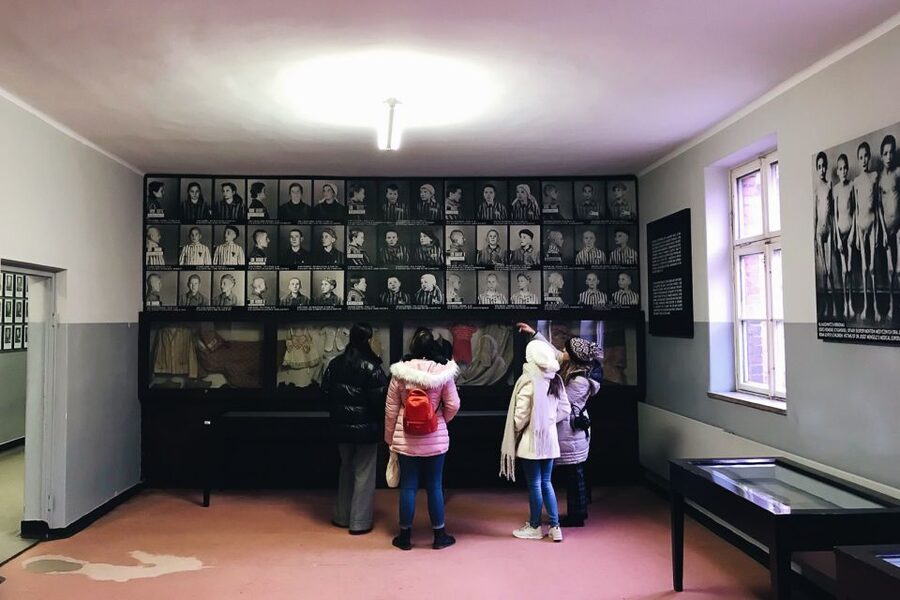
REVIEW · AUSCHWITZ-BIRKENAU MEMORIAL TOURS
Krakow: Auschwitz-Birkenau Tour Limited to 15 Visitors
Some places ask for your full attention. This Auschwitz-Birkenau tour pairs a 15-person limit with a sensitive local guide, making it easier to hear, keep up, and take in the history. I like the smooth hotel pickup and drop-off, and I like that your entry tickets are arranged so you avoid the long individual visitor line.
The main thing to consider is the pace. You cover Auschwitz I and Auschwitz II-Birkenau in about seven hours, with plenty of walking on uneven ground. The visit can feel rushed at times, especially if you want to read every plaque or pause quietly at each site.
In This Review
- Key points at a glance
- Why the 15-person group matters
- The morning pickup from Krakow
- Auschwitz I, the first camp
- The Death Wall and the memorial spaces
- Auschwitz II-Birkenau and the railway ramp
- Transport, lunch, and the seven-hour schedule
- Is $89 good value?
- Who should choose this tour?
- Should you book it?
- FAQ
- How long does the Auschwitz-Birkenau tour last?
- How many people are in the group?
- Is hotel pickup included?
- What language is the tour conducted in?
- Are entry fees included?
- Do I need to wait in the regular ticket line?
- Is lunch included?
- What should I bring to the tour?
Key points at a glance
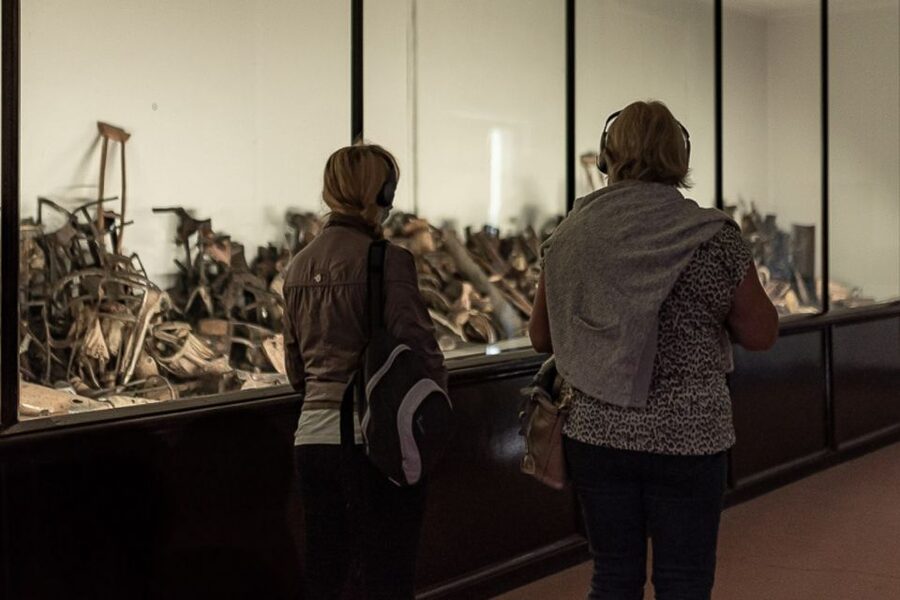
- A 15-person limit: The smaller van and group make the day more personal and help you stay close to the guide.
- Two major camp sites: You visit Auschwitz I, with preserved buildings and exhibitions, then Auschwitz II-Birkenau, with its vast barracks, railway ramp, ruins, and memorials.
- Hotel pickup in Krakow: Pickup and drop-off are available when you choose that option, with the exact time confirmed the day before.
- Tickets prepared in advance: The arrangement helps you avoid the long line for individual visitors and gets the day moving more smoothly.
- A seven-hour schedule: You have enough time to see the major parts of both sites, though not always enough time for extended reading or reflection.
- Practical extras: Air-conditioned van transport, an English-speaking licensed guide, headsets at the first camp, and optional packed lunch support are included or available as stated.
Why the 15-person group matters
Auschwitz is not a place where a large, noisy group works well. The advertised limit of 15 people is one of the strongest reasons to choose this outing over a cheaper, standard coach trip.
With fewer people, you can usually stay nearer the guide and hear explanations more clearly. The group also moves through entrances, paths, and rooms with less confusion. That matters at a site where the information is serious and detailed, not something you want to catch in fragments while standing at the back of a crowd.
The small group does not turn Auschwitz into a private visit. This is one of Poland’s most important historic sites, and many groups arrive at the same time. Still, the smaller format gives you a better chance to keep your bearings and ask a question when the schedule allows.
One limitation is that some parts of the visit may still feel tightly timed. You move through the main points rather than exploring every room at length. A few people would prefer less explanation from the guide and more time inside the barracks, exhibitions, or memorial areas. If you need long periods for personal reflection, this may not feel leisurely enough.
More Auschwitz-Birkenau memorial tours:
- From Krakow: Auschwitz-Birkenau Guided Tour & Hotel Pickup
★ 4.5 · 33,358 reviews - From Krakow: Auschwitz-Birkenau Guided Tour & Hotel Pickup
★ 4.5 · 29,340 reviews - Krakow: Auschwitz Guided Tour with Optional Hotel Pickup
★ 4.5 · 15,280 reviews
The morning pickup from Krakow
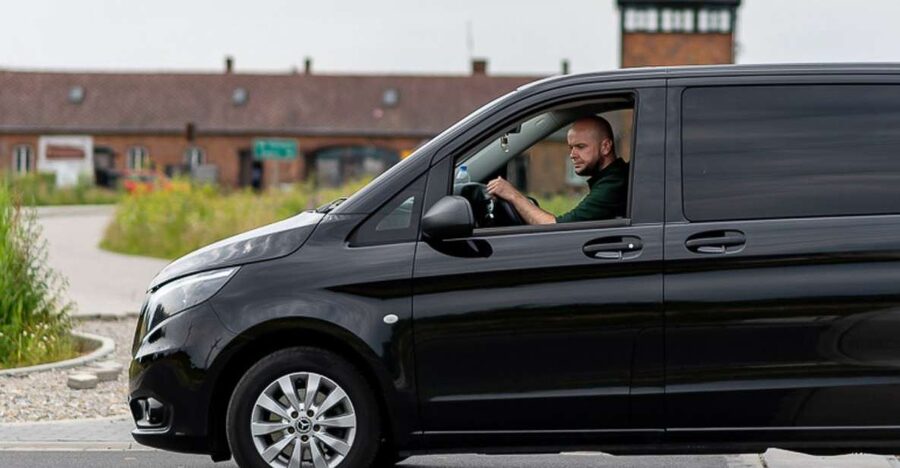
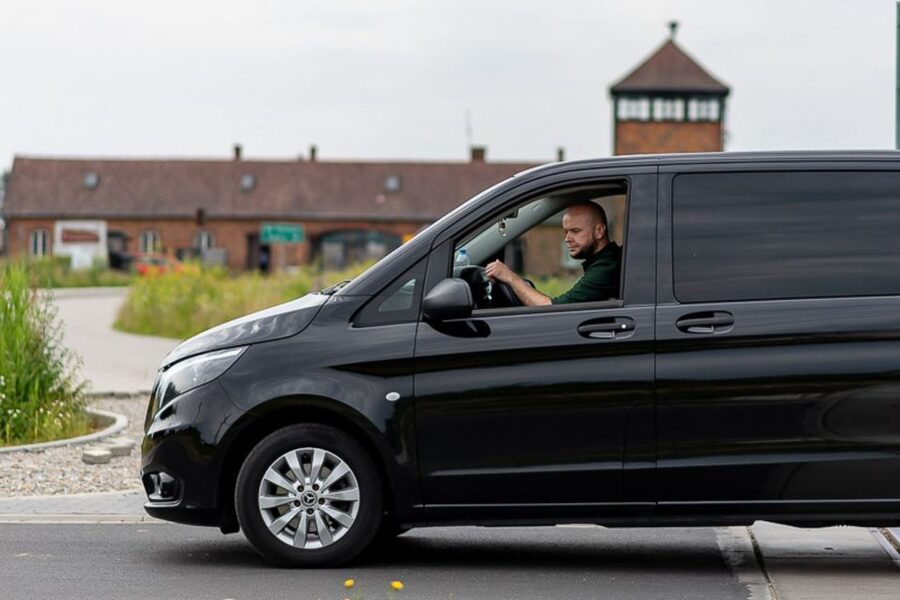
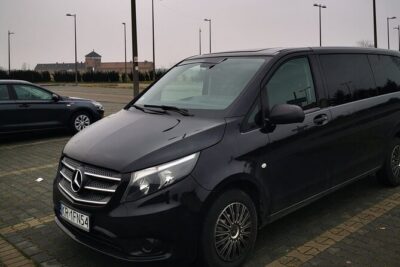
The day begins with transportation from Krakow in an air-conditioned van. Hotel pickup and drop-off are available if you select that option, which saves you the trouble of finding a separate meeting point early in the morning.
The exact pickup time is confirmed the day before, usually in the afternoon at the latest. Past pickup times have ranged from around 6:00 to 8:00 in the morning, depending on the day and arrangements, so you should keep your morning open rather than plan a late breakfast.
You are asked to wait outside your accommodation five minutes before pickup. Communication is a strong part of the service. Updates may come through WhatsApp, and the company has been praised for clearly confirming the time, itinerary, lunch arrangements, and meeting details.
Drivers such as Leszek, Norbert, Konrad, Patryk, Wiktor, Kuba, and Michal have been singled out for being punctual, friendly, helpful, and attentive. That consistency matters because a long historic visit is much easier when the transport side is calm and well managed.
The drive itself is mainly practical transport. Some drivers explain the route and local area, while others keep the ride quiet. If you would like information about the places you pass, ask. If you prefer to rest before the visit, the van gives you that chance.
Auschwitz I, the first camp
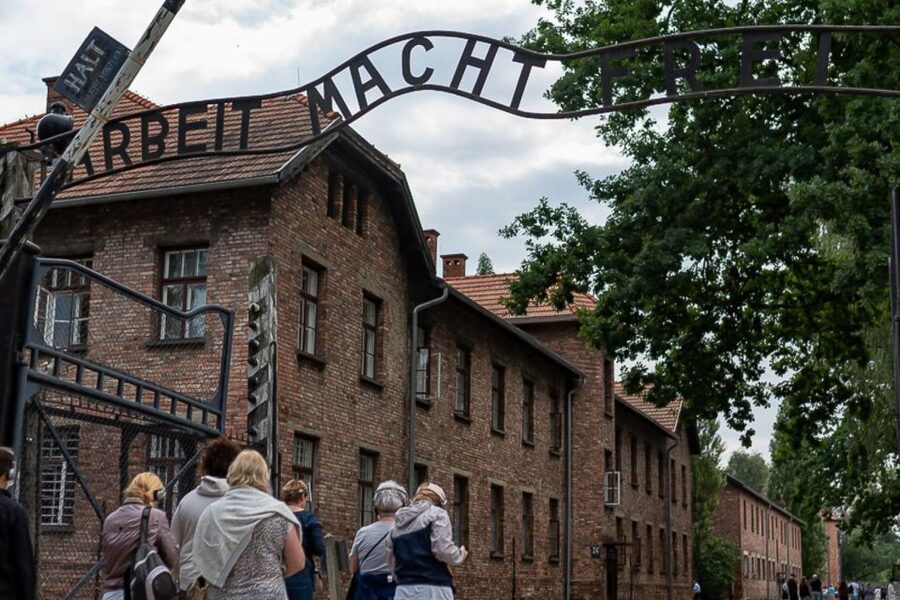
Your guided visit begins at Auschwitz I, the original camp complex. This section has preserved buildings, exhibitions, watchtowers, and the well-known entrance area. It gives you the first close look at how the camp operated and how prisoners were controlled.
The guide leads you through the site and explains the Nazi camp system, the persecution of Jews and other prisoners, World War II, and the liberation. At Auschwitz I, you receive a headset so you can hear the live guide even when other groups are nearby.
That headset is a small but important detail. The grounds can be busy, and gravel paths and nearby groups can make a quiet voice hard to follow. Most of the time, it helps you remain part of the explanation without needing to crowd around the guide.
The buildings and preserved material make this part especially difficult. The camp is not presented as an abstract history lesson. You see rooms, objects, structures, and spaces connected to real people who were imprisoned, abused, and killed.
The guide’s role is central here. Guides including Michael, Magda, Mateusz, Paweł, and others have been praised for clear English, strong historical understanding, compassion, and a serious approach. One guide was described as so engaging that you could listen all day, while another visitor felt the guide spoke too softly and moved on before everyone had caught up.
That mixed experience is worth keeping in mind. A licensed guide can give vital context, but the quality of the day also depends on pace, group control, and how clearly the guide speaks in noisy areas. If you cannot hear, move closer and politely say so.
The Death Wall and the memorial spaces
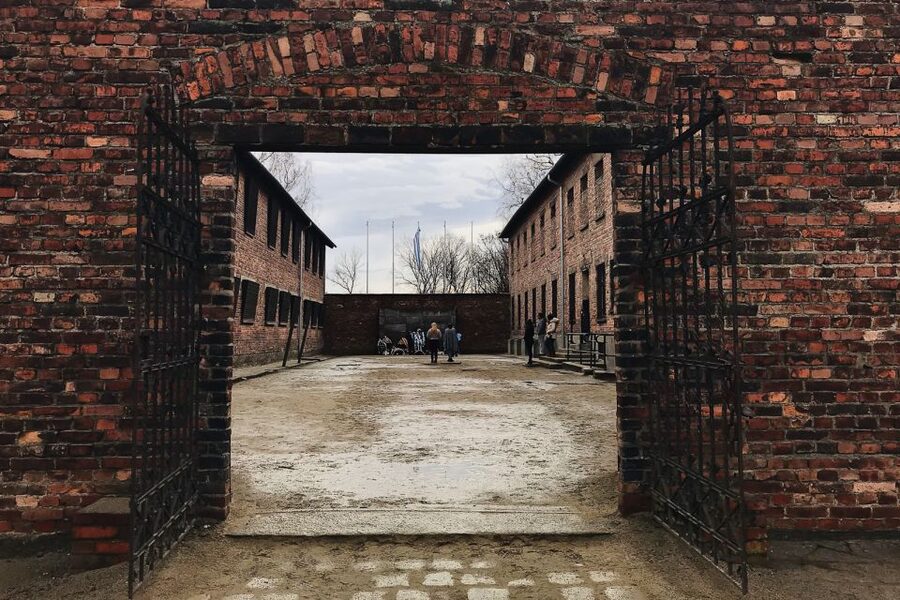
Among the most moving areas at Auschwitz I is the Death Wall, where prisoners were executed. The site is often marked with flowers and treated with great care. It is a place where the guide’s historical explanation and the physical setting come together with unusual force.
You may also see national memorials and other spaces created to honor those who died. These areas are not simply stops to check off. They require quiet attention, and the emotional weight can arrive suddenly.
The tour is designed to be respectful, but the schedule means you may not have unlimited time at each memorial. You can listen carefully, note the key information, and take a short moment to yourself, but you should not expect a long private meditation at every stop.
This is one reason comfortable shoes and water matter. You will be walking for much of the visit, often over uneven ground. A packed lunch is also useful because the break between camps can be brief, often around 15 to 20 minutes, and food options at Auschwitz-Birkenau are limited.
A few more Kraków trips worth weighing up
- Krakow–Zakopane: Cable Car, Chocholow Baths, Cheese & Vodka
★ 5.0 · 10,720 reviews - Krakow: Auschwitz-Birkenau Guided Tour with Pickup & Lunch
★ 4.5 · 9,800 reviews - From Krakow: Wieliczka Salt Mine Tour
★ 4.6 · 9,393 reviews - Krakow: Auschwitz-Birkenau Guided Tour Pickup/Lunch Options
★ 4.5 · 9,057 reviews
Auschwitz II-Birkenau and the railway ramp
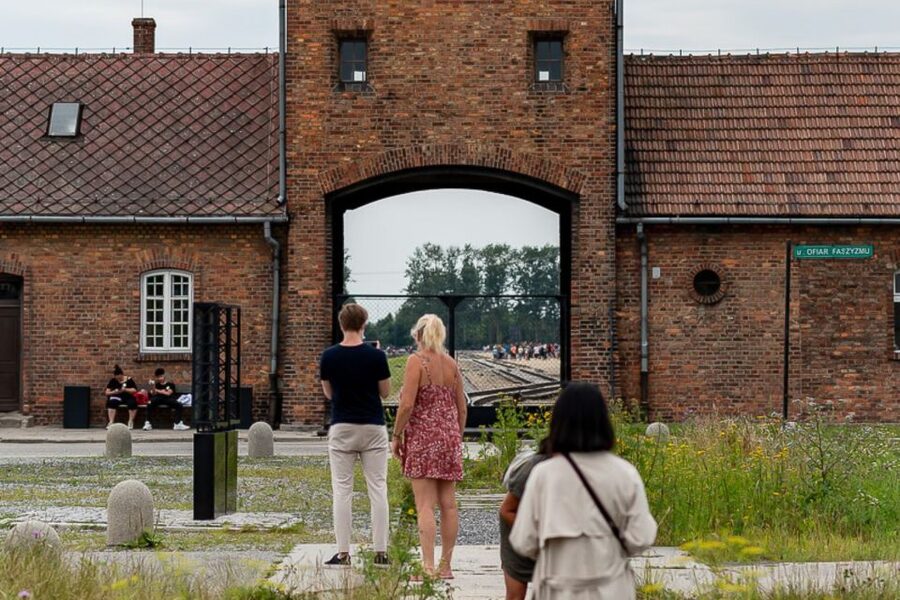
After Auschwitz I, the tour continues to Auschwitz II-Birkenau. The two sites are close enough to visit in one outing, but they offer different impressions.
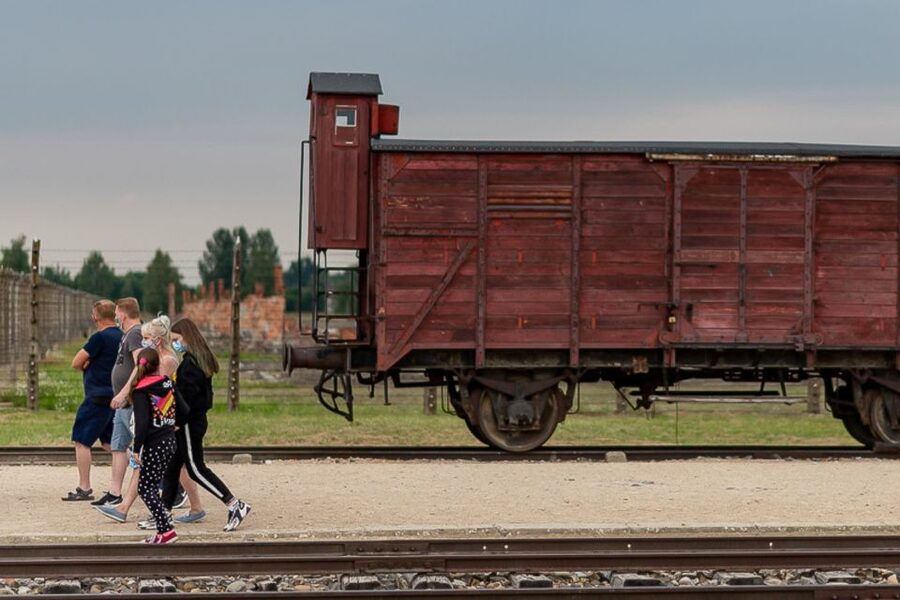
Birkenau is far larger and more open. The remains of hundreds of barracks, watchtowers, the railway line, and the ramp show the scale of the camp and the role of rail transport in the Nazi killing system. Preserved ruins of gas chambers and crematoriums help explain the destruction carried out there.
The physical size of Birkenau can be overwhelming. At Auschwitz I, buildings and exhibitions bring the history close to you. At Birkenau, the wide grounds and long lines of barracks show the machinery and reach of the camp system.
Your guide continues with the story of the prisoners, the Holocaust, the camp’s liberation, and the people who were murdered there. The best guides connect the large historical facts with individual lives and human choices. One useful criticism of the experience is that some visitors wanted more personal stories, since individual accounts can make the history easier to grasp.
The guide may keep the group moving to avoid bottlenecks. That helps the overall schedule, but it can leave little time to read inscriptions or remain alone with what you have seen. Go in expecting a structured guided visit, not an unhurried museum day.
Transport, lunch, and the seven-hour schedule
The total duration is about seven hours. That includes transport from Krakow, the guided visits at both camps, the transfer between Auschwitz I and Birkenau, and the return journey.
The van is air-conditioned, and the transport has generally been described as clean and comfortable. Drivers keep the day on schedule and explain what happens next. This is especially helpful because the visit involves several stages, including security, entry, the first guided section, the transfer, the second camp, and the ride home.
Food and drinks are not included in the standard activity. You should bring water and a packed lunch. A lunch pack can be ordered separately, and the option has been described as good value and convenient. You typically eat during the short break between the two camps.
I would choose the lunch option if you do not want to organize food before an early pickup. If you bring your own, keep it simple and easy to eat quickly. You should not count on having a long restaurant meal during the visit.
The schedule works well if you want to see both camps in one day and return to Krakow with time left in the evening. It is less suitable if you want to move slowly, study every display, or spend long stretches in silence.
Is $89 good value?
At $89 per person, this is not the cheapest way to visit Auschwitz-Birkenau. The price becomes easier to justify when you add up what it covers: transport from Krakow, entry fees to both camps, a licensed English-speaking guide, a headset at Auschwitz I, and support before the day begins.
You are also paying for coordination. The company handles the pickup, tickets, route between sites, and return journey. Avoiding the individual visitor line can save both time and stress, especially on busy dates when the queues are long.
The small group is the main value gain. A large coach may cost less, but a 15-person group gives you a better chance of hearing the guide and staying together. For a site this emotionally and historically important, that difference is meaningful.
The price is less attractive if you are already staying near the camps, have your own transport, or prefer to explore independently. It is also worth noting that food and drinks are not part of the base price, so budget separately for water and lunch.
Free cancellation up to 24 hours before departure and the reserve now, pay later option add useful flexibility. The starting time depends on availability, so check that before booking.
Who should choose this tour?
I would recommend this outing to first-time visitors to Krakow who want a clear, organized introduction to Auschwitz-Birkenau. It suits you if you value a small group, hotel transport, an English-speaking guide, and a full visit to both camp sites without having to plan the day yourself.
It is also a good fit if you want help with the history. The guide explains the Nazi Holocaust, World War II, the camp system, and liberation in a way that gives structure to an emotionally difficult place.
This is not suitable for children under 12. You should also think carefully about mobility. The walking is substantial, and the ground can be uneven. One visitor in their late seventies found the terrain difficult and needed to take extra care.
Bring identification, since a passport or ID card is required. Pets, smoking, alcohol, drugs, backpacks, flashlights, cellphones, and nudity are not allowed under the stated rules. The restrictions can feel strict, but they reflect the nature of the memorial site and its security requirements.
Should you book it?
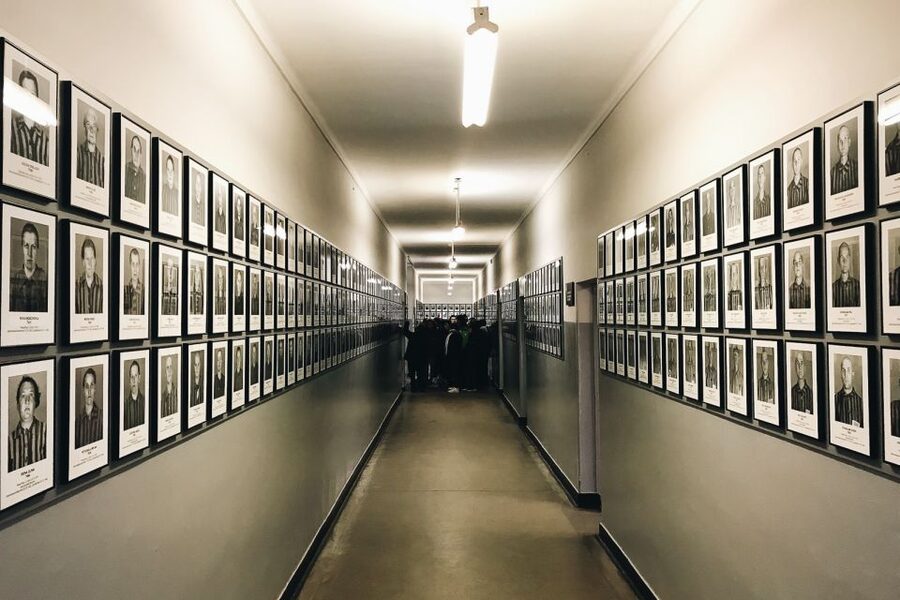
I would book this tour if you want the practical side handled for you and prefer a smaller group over the lowest possible price. The strongest points are the reliable communication, punctual drivers, ready tickets, comfortable van, and guides who are generally clear, serious, and well prepared.
Go in with realistic expectations. You will walk a lot, the day can feel rushed, and the group may not pause as long as you would like at every barracks or memorial. Bring water, wear sturdy comfortable shoes, arrange lunch, and leave room afterward to process what you have seen.
For a first visit from Krakow, this is a well-organized and respectful way to reach both Auschwitz I and Auschwitz II-Birkenau. The 4.8 rating from 141 reviews reflects a strong record, while the occasional concerns about pace, quiet guides, and limited reflection time give you the honest picture.
FAQ
How long does the Auschwitz-Birkenau tour last?
The tour lasts about seven hours, including transportation from Krakow, the guided visits, and the return journey.
How many people are in the group?
The tour is advertised as a small group limited to 15 participants.
Is hotel pickup included?
Hotel pickup and drop-off are included if you select that option when booking. The exact pickup time is confirmed the day before, usually in the afternoon at the latest.
What language is the tour conducted in?
The live tour guide speaks English.
Are entry fees included?
Yes. Entry fees for both Auschwitz I and Auschwitz II-Birkenau are included.
Do I need to wait in the regular ticket line?
The activity includes skip-the-ticket-line access. Tickets are prepared for the group, helping you avoid the long line for individual visitors.
Is lunch included?
Food and drinks are not included in the standard tour. You should bring a packed lunch and water. A packed lunch may also be available to order separately.
What should I bring to the tour?
Bring a passport or ID card, water, and a packed lunch. Wear comfortable shoes because the visit includes considerable walking on uneven ground.
Just added around Kraków
- Rynek Underground Museum & Wawel Castle, Cathedral – Cracow★ 5.0 · 3 reviews
- Schindler’s Factory, Ghetto and Plaszow Camp Guided Tour★ 4.7 · 3 reviews
- Nowa Huta – a guided tour of a utopian socialist city★ 5.0 · 3 reviews
- Krakow: Kazimierz by Golf Cart and Schindler’s Factory Tour★ 4.8 · 3 reviews
- Private Krakow City Tour by Car and Walk with private tour guide★ 5.0 · 3 reviews
- Krakow: Jewish Traces Private Electric Car Tour★ 4.1 · 3 reviews
- Discover the Jewish Quarter with a Bike Tour★ 5.0 · 3 reviews
- Krakow: Indoor Go-Karting (24-Minute Races)★ 4.8 · 3 reviews
Auschwitz-Birkenau Memorial Tours, compared.

Auschwitz-Birkenau Guided Tour & Hotel Pickup
Read our review →Auschwitz-Birkenau Guided Tour & Hotel Pickup
Read our review →
Auschwitz Guided Tour with Optional Hotel Pickup
Read our review →
Auschwitz-Birkenau Guided Tour with Pickup & Lunch
Read our review →
Auschwitz-Birkenau Guided Tour Pickup/Lunch Options
Read our review →
Krakow to Auschwitz Birkenau Guided Tour with Transfer and Ticket
Read our review →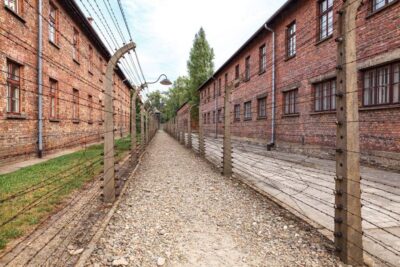
Browse the lists this tour appears in