
REVIEW · SCHINDLER FACTORY TOURS
Krakow: Oskar Schindler’s Factory Entry and Guided Tour
History feels close here. Set inside the former enamel factory made famous by Steven Spielberg’s Schindler’s List, this 90-minute tour explains how Krakow changed under Nazi occupation from 1939 to 1945. I especially like the carefully staged exhibits and the way photographs, films, objects, and personal accounts give the story a human scale. I also like that entry is included, so you can skip the ticket line and spend your limited time inside the museum.
The main concern is crowding. Some rooms and walkways are narrow, and a large group can make it hard to see the display or hear every word. A French-language tour, in particular, was praised for its friendly guide but criticized because the group was so large that people standing farther back struggled to follow the explanation. If you want quiet time with every display, plan to explore the museum on your own after the guided portion, if time allows.
In This Review
- Key points to know before you book
- Why Schindler’s Factory matters in Krakow
- Starting at Lipowa 4
- A museum built around everyday life
- Entering Schindler’s preserved office
- Riding through a recreated Krakow
- The Jewish apartment and camp artifacts
- The Hall of Choices
- What the 1.5-hour format does well
- Group size and hearing the guide
- Is the $45 price good value?
- Who should book this experience?
- Should you book Schindler’s Factory with a guide?
- FAQ
- Where does the tour begin?
- Where does the tour end?
- How long does the tour last?
- What is included in the price?
- What languages are available?
- Does the tour include skip-the-line entry?
- What museum does the tour visit?
- Does the tour include Schindler’s office?
- What historical period does the museum cover?
- Can I cancel for a refund?
Key points to know before you book
- The tour lasts 1.5 hours: It begins and ends at Lipowa 4, the museum’s main entrance.
- The focus is Krakow from 1939 to 1945: You learn about Polish and Jewish life, Nazi rule, and the destruction of long-standing local relationships.
- Schindler’s office is preserved: The former factory administration building includes the room associated with Oskar Schindler.
- The museum uses theatrical displays: A recreated city street, tram documentary, Jewish apartment, camp artifacts, and the Hall of Choices make the history more direct.
- Six languages are offered: You can book a live guide in English, French, German, Italian, Spanish, or Polish.
Why Schindler’s Factory matters in Krakow
Oskar Schindler’s Enamel Factory is not simply a museum about one industrialist. Its permanent exhibition uses the factory setting to tell the wider story of Krakow during the Second World War.
That wider focus matters. Schindler is the familiar name, thanks to the film, but the museum also follows the lives of Polish residents, Jewish families, and Nazi occupiers. You see how the occupation disrupted Krakow’s long Polish-Jewish connections and changed ordinary routines through fear, forced choices, and violence.
I find this approach more useful than a simple hero story. Schindler’s office is an important part of the visit, but the museum asks you to look beyond one man. The real subject is a city under occupation and the people forced to make decisions in conditions none of us would want to face.
The tour gives you a framework for reading the exhibits. You are not left to guess why a photograph matters or how one room connects to the next. That is valuable in a museum with a lot of material packed into a relatively short route.
More Schindler Factory tours:
- Krakow: Oskar Schindler’s Factory Entry Ticket & Guided Tour
★ 4.2 · 3,793 reviews - Krakow: Schindler’s Factory Tour with Entrance Ticket
★ 4.5 · 3,182 reviews - Krakow: Schindler’s Factory Skip-the-Line Ticket
★ 4.4 · 3,105 reviews
Starting at Lipowa 4
The meeting point is at the main entrance of the museum at Lipowa 4. Wait for the guide there and look for the excursions.city sign.
The activity returns to this same spot, so there is no separate transportation to arrange. That keeps the outing simple, especially if you are fitting it between other Krakow plans. The museum is the entire focus, and the 1.5-hour schedule gives you a clear block of time.
The guide leads the visit rather than handing you an audio device or sending you through alone. English, French, German, Italian, Spanish, and Polish are available. Check the selected departure time and language carefully when booking, since the start time depends on availability.
The skip-the-line entry is practical. It does not make the museum smaller or less crowded, but it can save time at the entrance. I would still arrive a little early, especially if you are meeting a guide at a busy museum entrance.
A museum built around everyday life
The permanent exhibition is strongest when it moves away from dates and famous names and shows how occupation affected daily life. Documentary photographs and eyewitness accounts help you see Krakow as a lived-in city, not just a place on a wartime map.
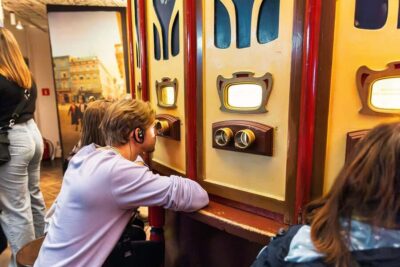
Films and multimedia displays add voices and movement to the visit. You might watch a short documentary, study an image from the period, then encounter an object that makes the larger event feel personal. The format is accessible, but the material is serious. This is not a light museum stop.
The exhibition presents Polish and Jewish experiences alongside the actions of the Nazi occupiers. That balance does not make every story equal. It gives you a clearer picture of who held power and who suffered under the occupation, while still showing that people faced different pressures and made different choices.
A guide helps prevent the displays from becoming a blur of wartime facts. The best moments come when the explanation links an object to the life around it. A pair of photographs can say more when you understand what changed between them.
Entering Schindler’s preserved office
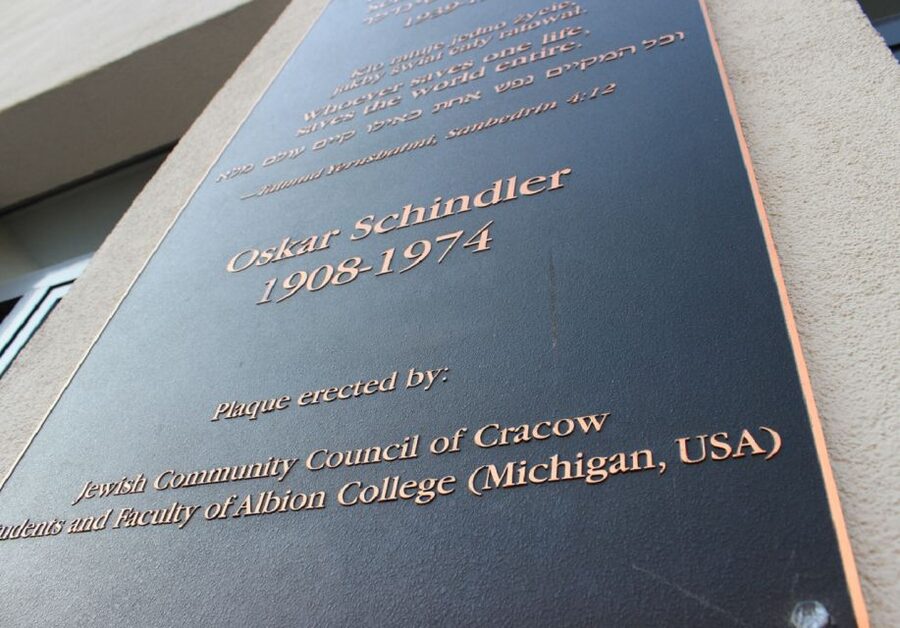
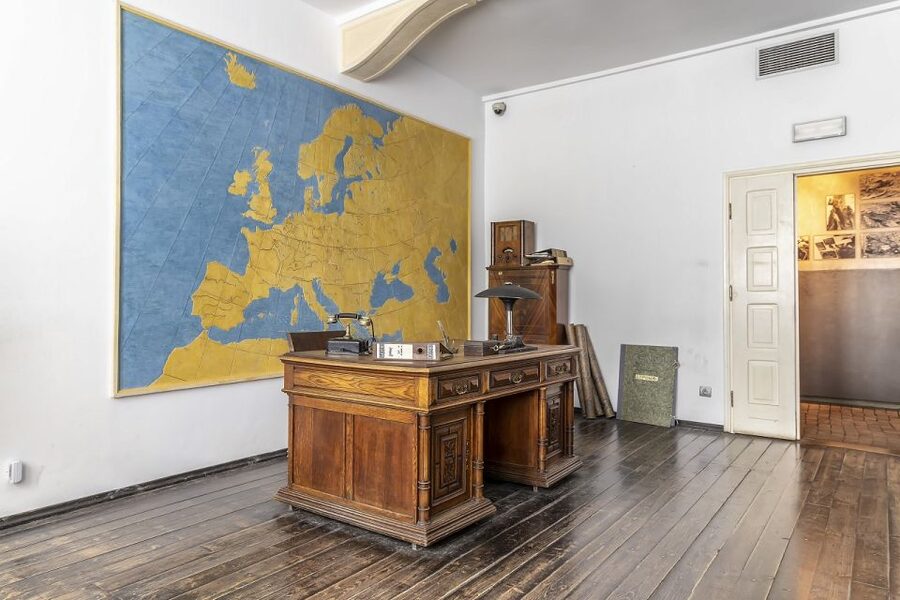
One of the most anticipated stops is Schindler’s office, preserved within the factory’s administrative building. The room connects the physical site to the story that many people first encountered through Schindler’s List.
It is worth keeping your expectations in check. This is not a film set, and the museum does not exist only to recreate scenes from the movie. The office has value because it is part of the actual factory setting and because it anchors the wider exhibition in a real place.
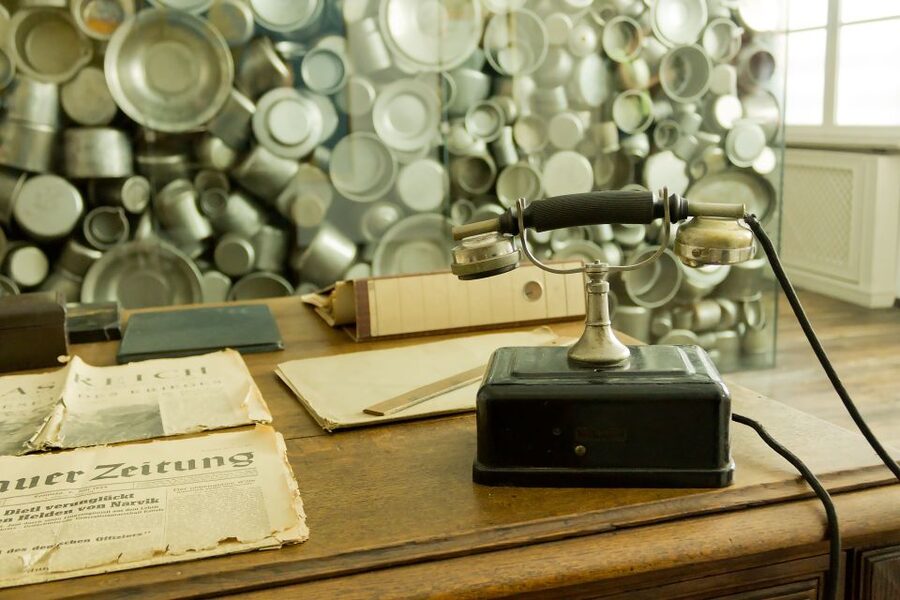
You can also see the Survivor’s Ark, made from thousands of enamel pots. The work recalls the factory’s production and the people connected with it. It is one of the museum’s most distinctive visual pieces, and your guide can place it within the exhibition’s larger message about survival and memory.
The factory connection gives the visit a physical quality that a general war museum cannot provide. You are not only reading about an industrial workplace. You are seeing how the site has been turned into a record of a city’s wartime experience.
A few more Kraków trips worth weighing up
- From Krakow: Auschwitz-Birkenau Guided Tour & Hotel Pickup
★ 4.5 · 33,358 reviews - From Krakow: Auschwitz-Birkenau Guided Tour & Hotel Pickup
★ 4.5 · 29,340 reviews - Krakow: Auschwitz Guided Tour with Optional Hotel Pickup
★ 4.5 · 15,280 reviews - Krakow–Zakopane: Cable Car, Chocholow Baths, Cheese & Vodka
★ 5.0 · 10,720 reviews
Riding through a recreated Krakow
The museum includes a theatrical recreation of Krakow’s historical city space. This is one of the more unusual parts of the tour because it changes the pace from traditional display cases and wall text.
You also board a tram and watch a documentary about everyday life in the city. The tram creates a sense of movement through Krakow, even though you remain inside the museum. It helps connect separate stories and places, giving the occupation a citywide context.
I like this kind of presentation when it supports the history rather than replacing it. Here, the recreation, film, and objects work together to show that occupation was not confined to one building. It reached streets, homes, workplaces, and public spaces.
The tradeoff is that theatrical exhibits can make the route feel crowded. If several groups are moving through at once, you may need to stand to one side or wait for a better view. Stay close to the guide when possible, but do not block other people in the room.
The Jewish apartment and camp artifacts
A typical Jewish apartment gives the exhibition an intimate scale. Instead of thinking only in terms of armies and governments, you see a domestic setting and the disruption of ordinary life.
The apartment is especially useful for understanding what was at stake. A home is familiar, which makes the loss of safety easier to grasp. The display does not require you to know every detail of Krakow’s wartime history before arriving.
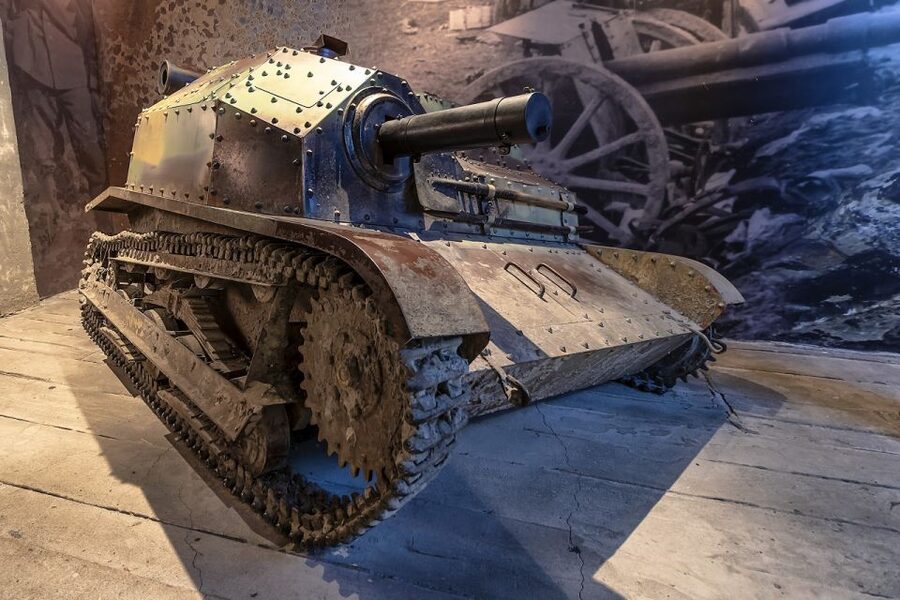
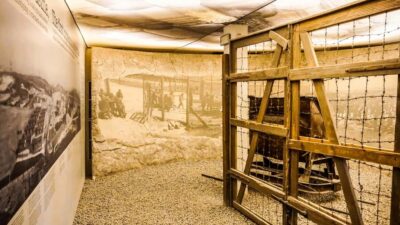
The tour also includes artifacts from the Plazow camp. These objects are difficult to see, but they are important. They connect the occupation of Krakow with the camp system and show how the story moved from city life to imprisonment, forced labor, and mass violence.
I would not rush through this section. The 90-minute tour is structured, so you may not control every pause, but take a moment when the group moves on. The subject needs attention, and the museum’s objects deserve more than a quick glance.
The Hall of Choices
The Hall of Choices is a sculptural installation about the moral decisions people faced during the war. It is less about one particular event and more about the pressure placed on individuals living under an unjust system.
This is where the museum’s title and larger purpose come together. The exhibition does not present the occupation as a simple story of heroes and villains with no uncertainty in between. It shows that people had to choose how to act, whom to help, when to remain silent, and how to survive.
A guide is useful here because the installation can be interpreted in several ways. The explanation gives the room a place within the route instead of leaving it as an isolated art display.
The Hall of Choices also gives you a quiet point for reflection after the more visual parts of the museum. It may be one of the stops you remember after leaving, not because it provides the most information, but because it asks you to consider the human cost of every decision.
What the 1.5-hour format does well
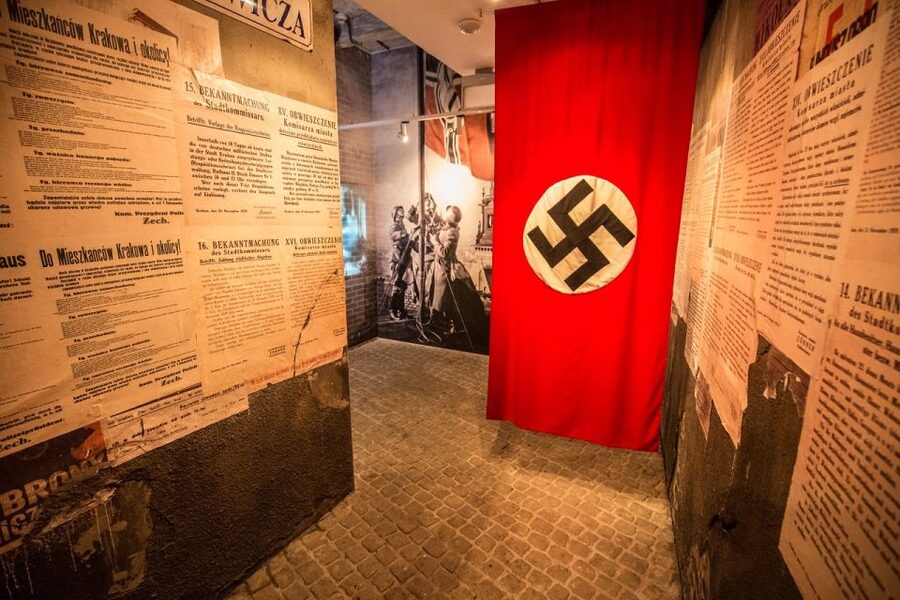
Ninety minutes is enough for a structured introduction to the museum. You will see the major areas, hear the central story, and gain a useful sense of Krakow during Nazi occupation.
It is not enough for an unhurried reading of every panel. One useful tip is to treat the guided tour as your first pass. After the guide finishes, spend extra time with the displays that matter most to you, if the schedule and museum rules permit. This is especially helpful because one person specifically wished for time to examine the cases afterward.
The short format works well for a busy Krakow itinerary. You can pair it with other plans without giving up half a day. It also suits people who prefer a guide to establish the context before they explore independently.
The drawback is that the pace may feel fixed. If a photograph or personal account catches your attention, the group may already be moving. Keep a note of anything you want to revisit rather than trying to stop the whole group.
Group size and hearing the guide
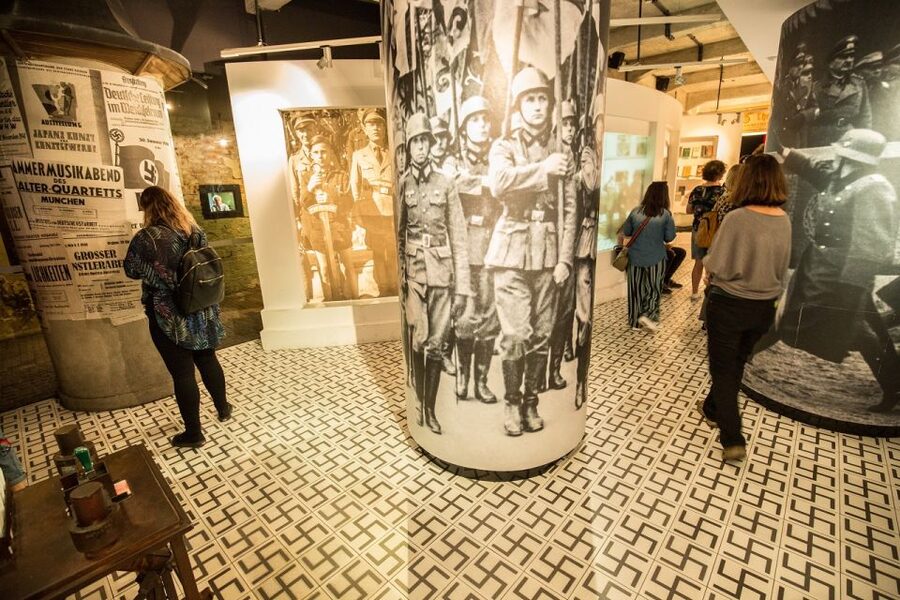
The quality of a guided museum visit depends heavily on how well you can hear and see. The tour has received a high overall rating of 4.7 out of 5 from 30 ratings, and the guide’s friendly manner has been praised, including on a French-language visit.
Still, group size can affect the experience. Narrow walkways become difficult when many people gather around one display. If you stand near the back, you may miss a photograph, a small artifact, or part of the guide’s explanation.
I would position myself close enough to see the guide and the exhibit without crowding anyone. If the group begins to spread out, move forward at the next transition. This simple choice can make a noticeable difference.
The language selection is a real benefit. A complex subject is easier to follow when the guide speaks your strongest language. French, German, Italian, Spanish, Polish, and English tours are available, though specific times depend on availability.
Is the $45 price good value?
At $45 per person, this is not the cheapest museum visit in Krakow. You are paying for entry and a professional live guide, not just access to the building.
The price makes sense if you want the museum explained in a clear sequence and prefer not to manage the history on your own. The skip-the-line entry adds practical value, especially when your sightseeing time is tight.
The value is weaker if you already know the subject well and want to spend a long time reading every display. In that case, an unguided visit may give you more control, though this experience is specifically designed around guided entry.
I see the tour as a good choice for a first visit to Schindler’s Factory. You get the site, the major installations, and the historical frame in a compact package. Just remember that the guide-led route may leave you wanting more time with the cases and photographs.
Who should book this experience?
I would recommend it to first-time visitors to Krakow, people interested in the Second World War, and anyone who has seen Schindler’s List and wants to understand the real setting behind the film.
It also suits families with older children and teenagers who may respond better to a tram documentary, reconstructed apartment, and preserved office than to a museum made up only of written panels. The material is serious, so parents should judge what their children are ready to see.
The tour is a good match for visitors who value structure. You meet at one place, follow a clear route, and finish back at the entrance after 1.5 hours. It is less suitable if you dislike group tours or need long, quiet pauses at individual exhibits.
You can cancel up to 24 hours before the start for a full refund, and reserve now while paying later. Those terms help if your Krakow schedule is still changing.
Should you book Schindler’s Factory with a guide?
Book this tour if you want the former enamel factory explained by a live guide and need a compact introduction to Krakow under Nazi occupation. The preserved office, Survivor’s Ark, tram film, Jewish apartment, Plazow artifacts, and Hall of Choices give the visit plenty of substance for its 90-minute length.
Skip it if your priority is complete independence and slow reading. Crowding can make narrow rooms harder to manage, and you may want extra time after the tour to study the displays.
For most first-time visitors, I think the guide and included entry justify the $45 price. Arrive at Lipowa 4 on time, stay near the guide, and plan to linger afterward if you can. That way, you get both the clear narrative and the quiet moments this museum deserves.
FAQ
Where does the tour begin?
The tour begins at the main entrance of the museum at Lipowa 4. Wait there for the guide holding an excursions.city sign.
Where does the tour end?
The activity ends back at the same meeting point at Lipowa 4.
How long does the tour last?
The guided tour lasts 1.5 hours.
What is included in the price?
Entrance fees and a professional guide are included.
What languages are available?
Live guided tours are available in English, French, German, Italian, Spanish, and Polish.
Does the tour include skip-the-line entry?
Yes. The experience includes skip-the-ticket-line entry.
What museum does the tour visit?
It visits the historical museum in Oskar Schindler’s former enamel factory.
Does the tour include Schindler’s office?
Yes. You enter the preserved office located in the factory’s administrative building.
What historical period does the museum cover?
The exhibition focuses on life in Krakow during the Nazi occupation from 1939 to 1945.
Can I cancel for a refund?
Yes. You can cancel up to 24 hours in advance for a full refund.
Just added around Kraków
- Rynek Underground Museum & Wawel Castle, Cathedral – Cracow★ 5.0 · 3 reviews
- Schindler’s Factory, Ghetto and Plaszow Camp Guided Tour★ 4.7 · 3 reviews
- Nowa Huta – a guided tour of a utopian socialist city★ 5.0 · 3 reviews
- Krakow: Kazimierz by Golf Cart and Schindler’s Factory Tour★ 4.8 · 3 reviews
- Private Krakow City Tour by Car and Walk with private tour guide★ 5.0 · 3 reviews
- Krakow: Jewish Traces Private Electric Car Tour★ 4.1 · 3 reviews
- Discover the Jewish Quarter with a Bike Tour★ 5.0 · 3 reviews
- Krakow: Indoor Go-Karting (24-Minute Races)★ 4.8 · 3 reviews
Schindler Factory Tours, compared.
Oskar Schindler’s Factory Entry Ticket & Guided Tour
Read our review →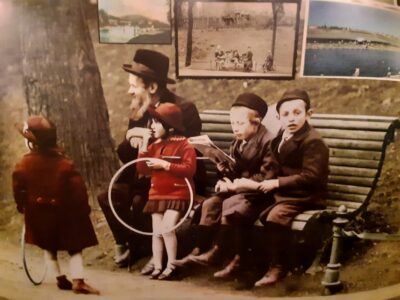
Schindler’s Factory Tour with Entrance Ticket
Read our review →
Schindler’s Factory Tour with Entrance Ticket
Read our review →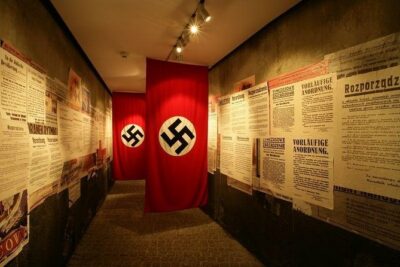
Schindler’s Factory in Krakow: Guided Tour & Skip the Line Ticket
Read our review →
Schindler’s Factory Ticket with Guided Tour Option
Read our review →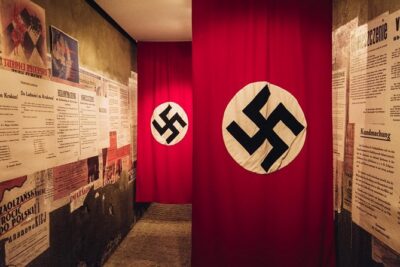
Krakow Schindler’s Factory Guided Tour with Admission Ticket
Read our review →Browse the lists this tour appears in