
REVIEW · SCHINDLER FACTORY TOURS
Krakow: Schindler’s Factory & Ghetto Guided Tour
History hits hard here. This three-hour Kraków experience combines the Schindler Factory Museum with a guided walk through the former Jewish ghetto, giving you both the broad wartime story and the physical places where it unfolded. I especially like the expert storytelling and the moving Chair Memorial at Ghetto Heroes Square. The main drawback is the pace: a group tour can leave you wanting more time with the museum displays.
The factory is a museum about wartime Kraków, not a working industrial site, and there is no original machinery to see. That matters if you arrive expecting a traditional factory tour. Still, the visit earns its $57 price for many people because admission, a live guide, and the ghetto walk are combined in one well-planned experience.
In This Review
- Key points to know before booking
- What this three-hour Kraków tour actually covers
- Inside Schindler’s Factory Museum
- Why a guide helps inside the museum
- Oskar Schindler’s story in its proper setting
- Walking to the former Kraków Ghetto
- Ghetto Heroes Square and the Chair Memorial
- The Under the Eagle Pharmacy
- Pace, group size, and the practical tradeoffs
- Is $57 a fair price?
- Who should book this experience?
- Should you book the Schindler Factory and Ghetto tour?
- FAQ
- How long does the Schindler Factory and Ghetto tour last?
- What languages are available?
- Does the tour include skip-the-line museum admission?
- Will I see original factory machinery?
- Where does the tour meet?
- What happens if I arrive late?
Key points to know before booking
- The museum covers more than Oskar Schindler: You learn how Nazi occupation changed daily life for Jewish and non-Jewish residents of Kraków.
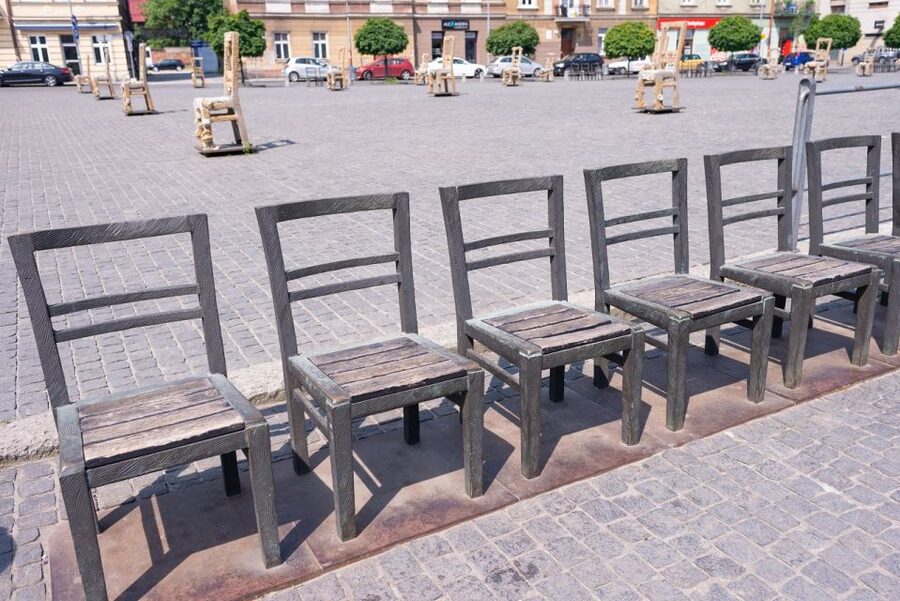
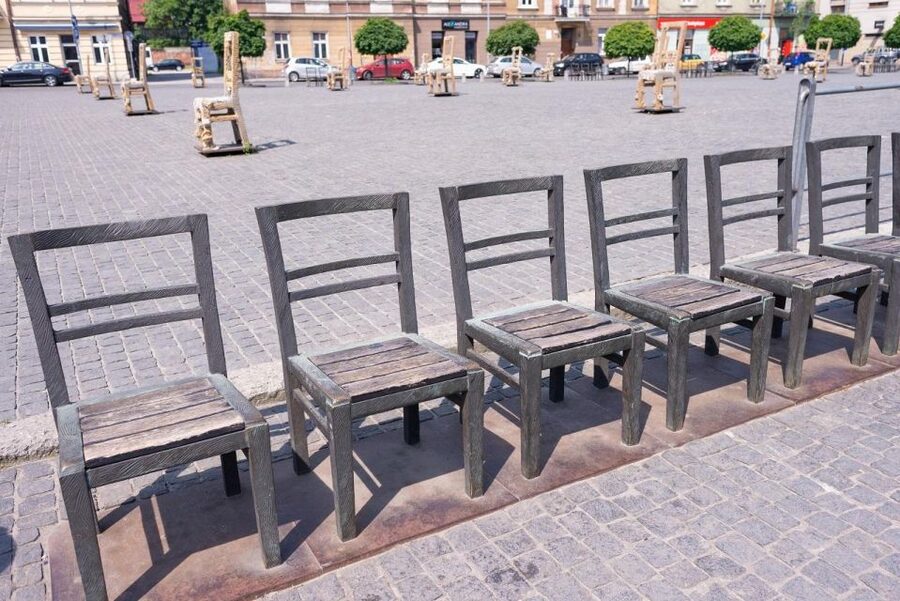
- The Chair Memorial is the emotional center: Ghetto Heroes Square uses empty chairs to represent people forced away during deportations.
- The guide adds real value: Guides such as Alexandra, Phil, Joanna, Alicja, Eva, and Helena have been praised for clear, personal explanations.
- Expect about two hours indoors: The museum is information-heavy, and a guide helps you understand the main story without getting lost in every caption.
- The second half is outdoors: The walk to the ghetto walls, pharmacy, and square takes place in all weather, so wear suitable shoes and layers.
- The group may feel large: Groups of around 20 people have been reported, and narrow museum rooms can make it harder to see everything.
What this three-hour Kraków tour actually covers
This is best understood as two connected experiences. First comes the museum inside Oskar Schindler’s former enamel factory. Then you walk through Podgórze, the district where the Kraków Jewish ghetto was created during the Nazi occupation.
That structure works well because the museum gives you the setting and the facts, while the outdoor portion puts you in the actual streets connected with the ghetto. You are not simply hearing Schindler’s personal story. You are learning about a city under German rule, the persecution of Kraków’s Jewish population, the pressure placed on Polish residents, and the choices people faced during the war.
The tour lasts three hours, though the exact balance between the museum and walking portion can vary. The museum generally takes close to two hours, followed by a short break and the ghetto walk. That is a useful amount of time for a first visit, but not enough if you want to read every panel at leisure.
More Schindler Factory tours:
- Krakow: Oskar Schindler’s Factory Entry Ticket & Guided Tour
★ 4.2 · 3,793 reviews - Krakow: Schindler’s Factory Tour with Entrance Ticket
★ 4.5 · 3,182 reviews - Krakow: Schindler’s Factory Skip-the-Line Ticket
★ 4.4 · 3,105 reviews
Inside Schindler’s Factory Museum
Meet your guide in front of the main entrance, on the right-hand side. Look for the excursions.city sign, and arrive at least 10 minutes early. Once the group has left, latecomers cannot join and the ticket cannot be refunded.
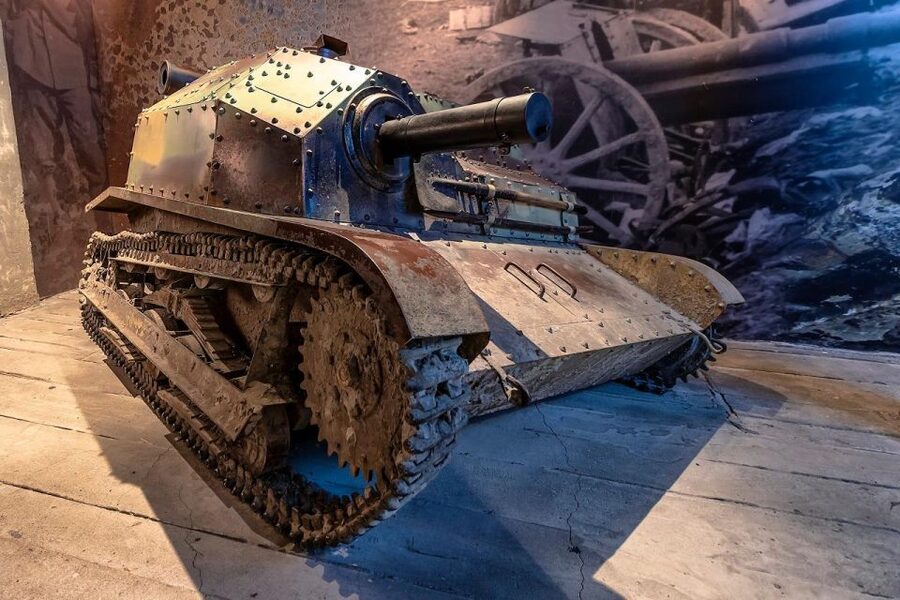
The museum exhibition is called Kraków under Nazi Occupation 1939 to 1945. Despite the famous name on the building, this is not mainly a museum about enamel production. The factory once belonged to Oskar Schindler, but the building now houses a historical exhibition without the original machinery.
That clarification is important. If you want factory equipment, production rooms, or a close look at industrial operations, you may feel disappointed. If you want to understand how occupation reshaped Kraków, the museum offers much more than its title suggests.
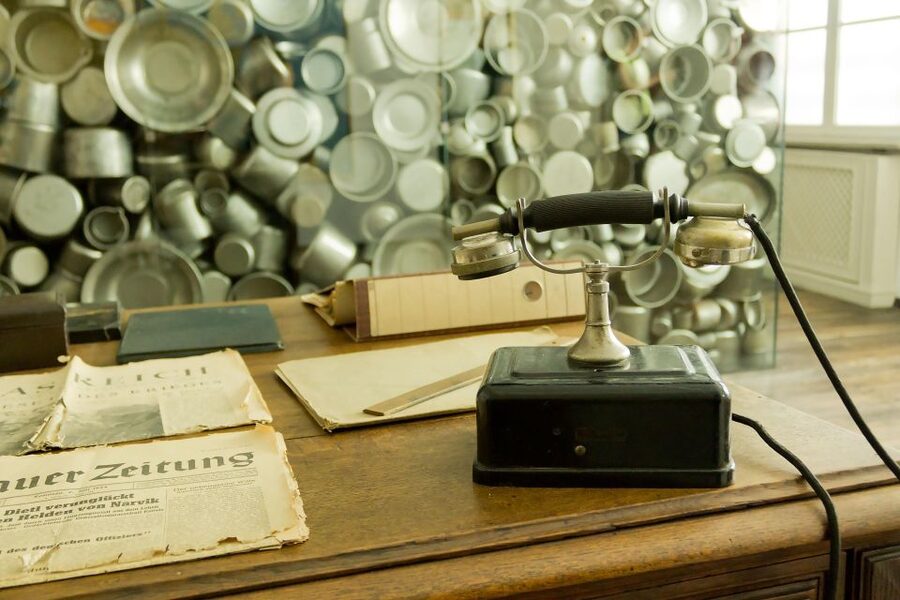
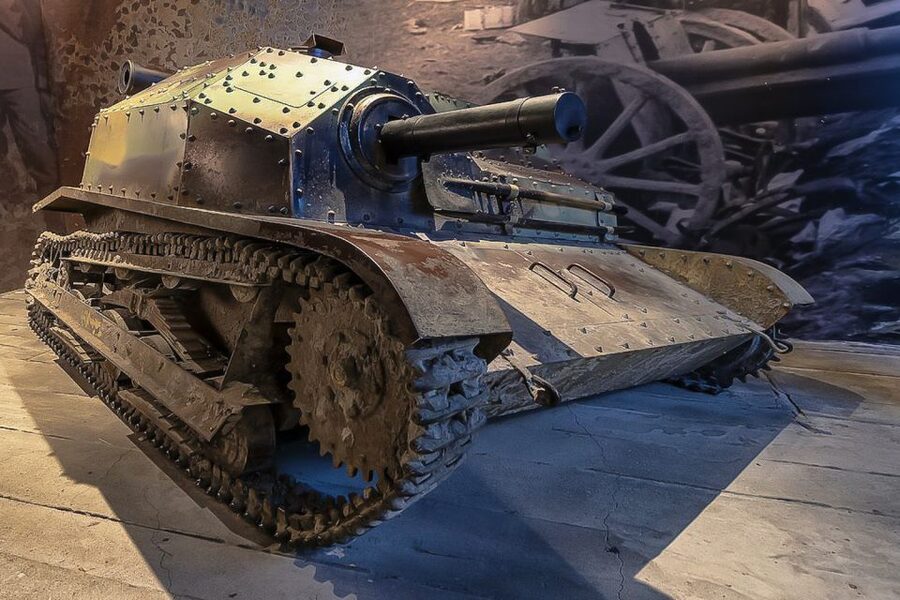
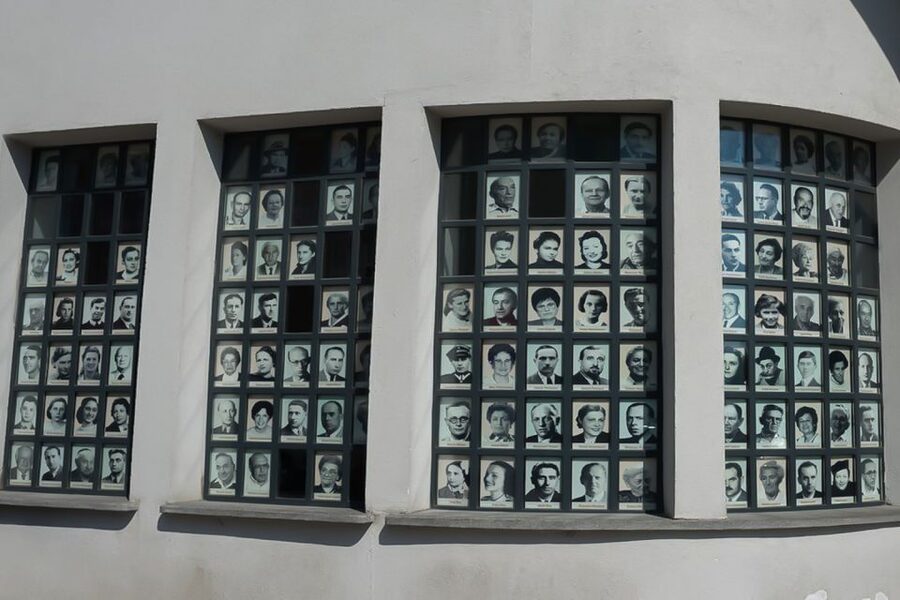
The exhibition uses photographs, original objects, reconstructed rooms, documents, uniforms, toys, weapons, flags, and other wartime material. The displays are arranged to create a sense of movement through the city and its changing political reality. You pass from prewar Kraków into occupation, repression, forced separation, deportation, and the destruction of the Jewish community.
Some galleries use narrow, dimly lit corridors and enclosed rooms. This design is intentional. It can make you feel pressured and confined, though it may also be uncomfortable for anyone who dislikes tight spaces. The atmosphere is serious from the start, and this is not a light sightseeing stop to squeeze between lunch and shopping.
Why a guide helps inside the museum
I would strongly favor the guided option here. The museum contains a large amount of written material, and you could spend hours reading it all. A good guide gives you the main thread, explains the significance of objects, and keeps the story from becoming a pile of disconnected dates.
The strongest praise for this tour has focused on guides who explain clearly rather than reciting a script. Alexandra has been singled out for handling a group of roughly 20 people while keeping the material understandable. Phil has received praise for combining precise facts with a strong sense of human feeling. Other highly regarded guides include Joanna, Alicja, Eva, and Helena.
Guide quality can vary from one departure to another, and no particular guide is guaranteed. Still, the repeated praise for clear explanations, good pacing, and thoughtful answers suggests that the guide is the heart of the experience.
The use of a microphone or closed-loop headset is another practical advantage. One guide wore a microphone for the entire tour, allowing the group to hear without straining. That is especially useful in crowded rooms or when the guide is speaking while the group is spread out.
The tradeoff is freedom. You will not always have time to stop at every display or take as many photographs as you would alone. If you are the kind of museum visitor who reads every label, you may want to return independently after the tour. The guided visit gives you structure and meaning, but not unlimited browsing time.
Oskar Schindler’s story in its proper setting
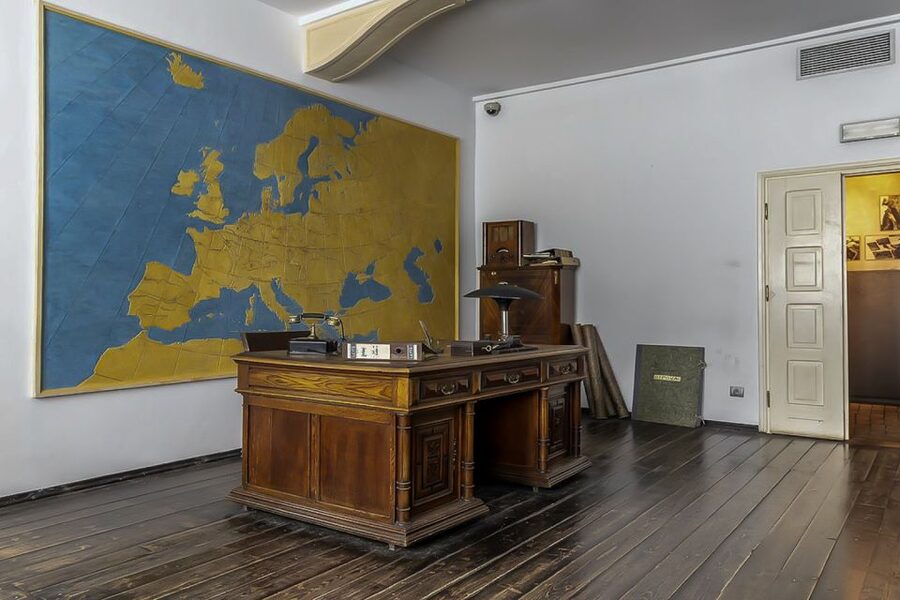
Schindler’s story is powerful, but the museum wisely places it within the much larger story of Nazi persecution. His enamel factory provided refuge and work for more than 1,000 Jewish workers. That act mattered enormously to the people he helped, yet the exhibition also makes clear how unusual such protection was within a system built around control, removal, and murder.
This wider setting is one of the tour’s greatest strengths. You learn about Schindler without turning the entire visit into a hero biography. The story includes the suffering of Jewish families, the German occupation, the pressures placed on Polish residents, and the gradual destruction of a community.
Several people who took the tour expected to learn only about Schindler and were pleased to receive a fuller account of Kraków during the war. That makes this experience a good choice if you want context rather than a narrow celebrity story.
The subject matter can be upsetting, especially when the guide discusses children, deportations, and the treatment of families. Give yourself a little quiet time afterward if needed. This is not a tour to rush straight into a loud restaurant or busy evening schedule.
More Jewish heritage tours in Kraków:
- Krakow: Jewish Quarter and Former Ghetto Tour
★ 4.9 · 1,441 reviews - Krakow: Bike Tour of Old Town, Jewish Quarter and the Ghetto
★ 4.9 · 1,155 reviews - Krakow: Kazimierz Jewish Quarter Walking Tour
★ 4.8 · 571 reviews - Krakow: Kazimierz, Schindler’s Factory & Ghetto Guided Tour
★ 4.8 · 460 reviews
Walking to the former Kraków Ghetto
After the museum, the tour moves outdoors into Podgórze, the area associated with the wartime Jewish ghetto. There may be a short break between the two parts, which is welcome after the dense museum visit. It gives you time to use the toilet, get a hot drink, and prepare for the walk.
The first important stop is the surviving section of the ghetto wall. It is a simple place, but that is part of its force. The wall makes the policy of confinement physical. Instead of hearing only about restrictions on movement, you can see the kind of barrier that separated ghetto residents from the rest of Kraków.
Your guide also points out important buildings and explains how the area was used during the occupation. This is where a local guide can add something that museum labels cannot: a sense of how the streets, buildings, and public spaces fit together.
The walk is not just a transfer from one attraction to another. It connects the museum’s general story to real locations. You begin to understand that the ghetto was not an abstract place from a history book. It occupied ordinary urban streets, near buildings that still form part of modern Kraków.
Ghetto Heroes Square and the Chair Memorial
The route continues to Ghetto Heroes Square, the emotional center of the outdoor portion. Deportations to extermination camps took place here. Today, the square is marked by rows of symbolic chairs.
The memorial is restrained but difficult to forget. Each chair represents a life lost or a person forced away. The empty furniture suggests homes abandoned in haste and families torn apart. You do not need a dramatic display to grasp the meaning.
A guide helps explain the square without reducing it to a photo stop. The stories connected with the place make the chairs more than an unusual piece of public art. They become a reminder of what was taken from people when the ghetto was cleared.
The square can feel different depending on the time of day. One person found an evening visit less satisfying because darkness made it harder to see the surroundings. If you have a choice of starting time, daylight may help you understand the street layout and notice the buildings around the square more clearly.
The Under the Eagle Pharmacy
Across from the square is the Under the Eagle Pharmacy. During the occupation, pharmacist Tadeusz Pankiewicz and his staff helped people in the ghetto by preserving medicine and offering a measure of hope under dangerous conditions.
The pharmacy adds a personal layer to the tour. You hear about people who resisted the machinery of persecution through practical acts of care. Medicine, information, and human contact could all become forms of courage when ordinary life had been stripped away.
This stop also helps keep the story from focusing only on major political figures. Schindler was one important person, but Pankiewicz and his staff show another kind of bravery, carried out in a local workplace rather than a factory office or government building.
The exact amount of time spent at the pharmacy and other outdoor points depends on the guide and the group. The walk is guided, so you receive explanations as you go, but you should not expect long private visits at every location.
Pace, group size, and the practical tradeoffs
The tour is physically straightforward in the sense that it combines museum walking with an outdoor city walk, but it is not a relaxed stroll. You are absorbing difficult material for three hours, and the mental fatigue can be greater than the physical effort.
Group size is worth considering. Some departures have included around 20 people. That is still manageable, especially with headsets, but narrow museum rooms can become crowded. A few people felt they could not see every display properly, while others found the museum layout handled several groups surprisingly well.
The guide usually keeps the group moving at a useful pace. That helps you get through the museum in the allotted time, but it can frustrate anyone who wants to stop and study every photograph. I would book this tour for interpretation and structure, not for a slow, self-directed museum session.
Wear comfortable footwear and bring layers, particularly in colder months. The tour runs in rain or shine, and weather affects the outdoor part. Food and drinks are not included, though the break between sections can be a good time to buy a hot drink.
The tour is offered in English, Italian, French, Spanish, and German. Group tours use one language only, so choose carefully when booking. Live explanation in your strongest language matters here because the material is detailed and emotionally serious.
Is $57 a fair price?
At $57 per person, this is not the cheapest way to visit a Kraków museum. You are paying for skip-the-line admission, a live guide, and a walking tour of the former ghetto. You also save the work of organizing two related visits and connecting the museum with the outdoor sites yourself.
The value depends on how you like to visit museums. If you prefer to read quietly and take your time, independent admission may suit you better. You will have greater control over the pace, though you will miss the guide’s explanations and the connection between the displays and the ghetto streets.
For a short Kraków stay, the price is easier to justify. The tour gives you a focused three-hour block and covers several major wartime sites. It is especially useful if you want a clear introduction before deciding whether to return to the museum on your own.
The strongest reason to pay for the tour is not the ticket shortcut. It is the interpretation. The exhibition can be dense, and a thoughtful guide turns a large amount of information into a story you can follow.
Who should book this experience?
I would recommend it to anyone with a serious interest in World War II, Jewish history, Kraków, or the moral choices people faced under occupation. It also suits first-time visitors who want a structured introduction and do not have time to plan several separate stops.
Families with older children and teenagers may find it useful, though the subject is painful and the narrow museum design may not suit everyone. The guide’s ability to explain events clearly can help younger visitors understand the setting, but parents should decide if the material is appropriate for their group.
You should think twice if you dislike guided groups, need lots of time for photographs, or want to see original factory machinery. You may also prefer a daytime departure if you want to see the outdoor sites clearly.
For most people, I would reserve this early in a Kraków visit, then return to the museum independently only if you want more time with the exhibits. The guided tour gives you the framework. A second visit lets you fill in the details.
Should you book the Schindler Factory and Ghetto tour?
Book it if you want the museum and ghetto sites explained as one connected story. The combination is more meaningful than visiting the factory alone, and the guides have repeatedly been praised for warmth, clarity, and strong command of the subject.
Do not book it expecting a factory floor or a leisurely museum browse. Expect a serious, tightly scheduled experience, possibly with a group of about 20 people and a fair amount of walking outdoors.
At $57, I consider it good value for a short stay, especially because admission and guiding are included. Arrive early, select your language carefully, wear suitable clothing, and leave yourself some quiet time afterward. This is one of those Kraków visits that stays with you, not because it is easy, but because it makes the city’s wartime past difficult to ignore.
FAQ
How long does the Schindler Factory and Ghetto tour last?
The tour lasts three hours. It includes time inside Schindler’s Factory Museum and a walking tour through the former Kraków Ghetto.
What languages are available?
The live tour guide is available in English, Italian, French, Spanish, and German. Each group tour is conducted in one language, so select your preferred language when booking.
Does the tour include skip-the-line museum admission?
Yes. The experience includes skip-the-line admission to Schindler’s Factory and a live guide.
Will I see original factory machinery?
No. The building once housed Schindler’s enamel factory, but it is now a museum and does not contain the original machinery.
Where does the tour meet?
Meet your guide in front of the main entrance to Schindler’s Factory Museum, on the right-hand side. The guide will hold an excursions.city sign.
What happens if I arrive late?
You should arrive 10 minutes before the start. Once the group has departed, latecomers cannot join the tour and the ticket cannot be refunded.
Just added around Kraków
- Rynek Underground Museum & Wawel Castle, Cathedral – Cracow★ 5.0 · 3 reviews
- Schindler’s Factory, Ghetto and Plaszow Camp Guided Tour★ 4.7 · 3 reviews
- Nowa Huta – a guided tour of a utopian socialist city★ 5.0 · 3 reviews
- Krakow: Kazimierz by Golf Cart and Schindler’s Factory Tour★ 4.8 · 3 reviews
- Krakow: Jewish Traces Private Electric Car Tour★ 4.1 · 3 reviews
- Private Krakow City Tour by Car and Walk with private tour guide★ 5.0 · 3 reviews
- Discover the Jewish Quarter with a Bike Tour★ 5.0 · 3 reviews
- Krakow: Indoor Go-Karting (24-Minute Races)★ 4.8 · 3 reviews
Schindler Factory Tours, compared.
Oskar Schindler’s Factory Entry Ticket & Guided Tour
Read our review →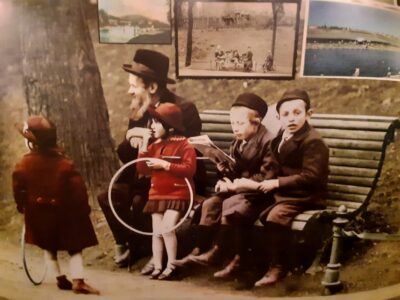
Schindler’s Factory Tour with Entrance Ticket
Read our review →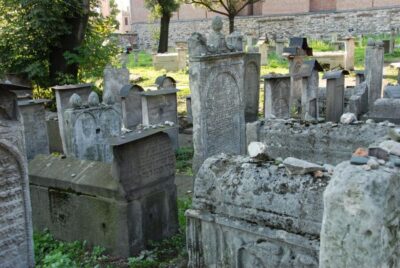
Schindler’s Factory Tour with Entrance Ticket
Read our review →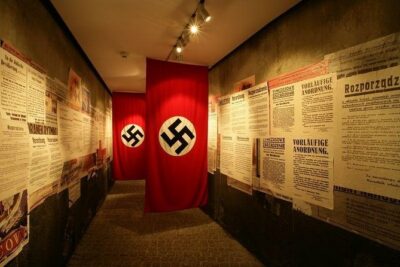
Schindler’s Factory in Krakow: Guided Tour & Skip the Line Ticket
Read our review →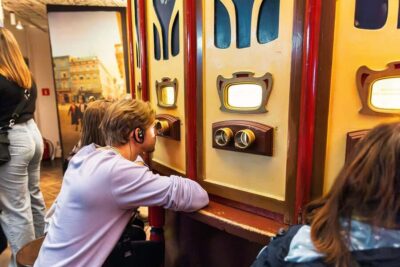
Schindler’s Factory Ticket with Guided Tour Option
Read our review →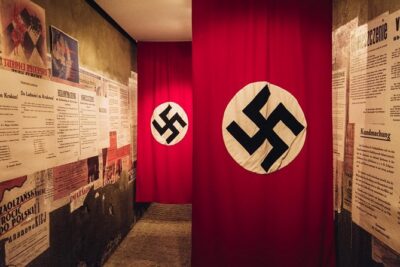
Krakow Schindler’s Factory Guided Tour with Admission Ticket
Read our review →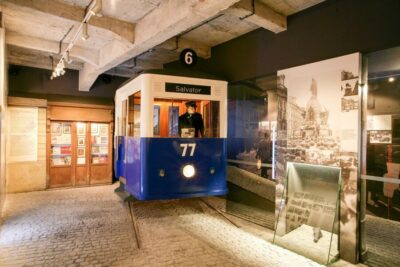
Schindler’s Factory Guided Tour with Entry Ticket
Read our review →Browse the lists this tour appears in