
REVIEW · SCHINDLER FACTORY TOURS
Krakow: Oskar Schindler’s Factory Skip-The-Line Ticket
History hits harder here. Krakow’s Oskar Schindler’s Factory Museum turns nearly six years of Nazi occupation into a personal, carefully staged account of daily life, persecution, survival, and rescue. I like the fast entry and the way the exhibition uses photographs, objects, survivor memories, and recreated spaces to make wartime Krakow easier to understand. I also like that it presents the story of Krakow’s Jewish community within the wider history of World War II, rather than treating Schindler as an isolated hero.
The main drawback is simple: this is not a museum devoted only to Oskar Schindler. You will learn about his factory and the people he helped, but much of the 90-minute visit follows the full wartime story of Krakow and Poland. The ticket also includes no guide, so you explore independently, with English explanations beside the displays.
In This Review
- Key points before you book
- Why the queue matters at Oskar Schindler’s Factory
- Starting with Krakow before Schindler
- A 90-minute walk through wartime Krakow
- The Schindler story and the Survivor’s Ark
- Personal stories make the museum work
- Crowds, tour groups, and the independent visit
- Planning for mobility and comfort
- Is $24 good value for 90 minutes?
- Who should book this ticket?
- Final booking advice
- FAQ
- How long does the Oskar Schindler’s Factory visit take?
- What does the ticket include?
- Is a guide included?
- How much does the ticket cost?
- How will I receive my museum ticket?
- Can I use my booking confirmation instead of the actual ticket?
- Can I arrive at any time on the selected day?
- Do I need identification?
- Is the museum wheelchair accessible?
- Are children under 14 allowed?
- Can I take photographs or record video?
Key points before you book

- Walk past the long public queue: Your digital ticket lets you go directly to the entrance at your assigned time.
- See the original enamel factory setting: The site began as Deutsche Emailwarenfabrik in 1937, before the Nazi invasion changed its purpose and place in history.
- Follow wartime Krakow in sequence: The exhibition leads you from the German invasion through occupation, persecution, resistance, and the war’s end.
- Expect more than a Schindler biography: The museum gives broad context about ordinary life, the Jewish community, and Nazi rule.
- Bring physical identification: Every person needs a passport or photo ID to enter.
- Allow time for serious walking and crowded rooms: Tour groups can make the compact museum harder to navigate.
Why the queue matters at Oskar Schindler’s Factory
At $24 per person, this is not the cheapest museum ticket in Krakow. I think the price makes sense mainly because entry to Oskar Schindler’s Factory can be tightly timed and the public line can be long. Several visitors have gone straight past a substantial queue and entered at the time printed on their ticket, which is the real benefit here.
Do not treat skip-the-line as skip-the-rules. You can arrive no more than 10 minutes early and no more than 10 minutes late. Staff are strict about the time window, and the date and time printed on your actual ticket are the only ones accepted.
Your admission ticket arrives by email or WhatsApp, normally the day before the visit. It comes from the local operator Krakowbooking, not as a standard GetYourGuide voucher. Enter your contact details carefully when booking, then check your spam and promotions folders if the message does not appear.
The ticket is non-refundable, so double-check the day, time, names, phone number, and email address before you pay. If the ticket is missing, the supplied contact details are [email protected] and a phone contact available from 9 a.m. to 6 p.m.
More Schindler Factory tours:
- Krakow: Oskar Schindler’s Factory Entry Ticket & Guided Tour
★ 4.2 · 3,793 reviews - Krakow: Schindler’s Factory Tour with Entrance Ticket
★ 4.5 · 3,182 reviews - Krakow: Schindler’s Factory Skip-the-Line Ticket
★ 4.4 · 3,105 reviews
Starting with Krakow before Schindler
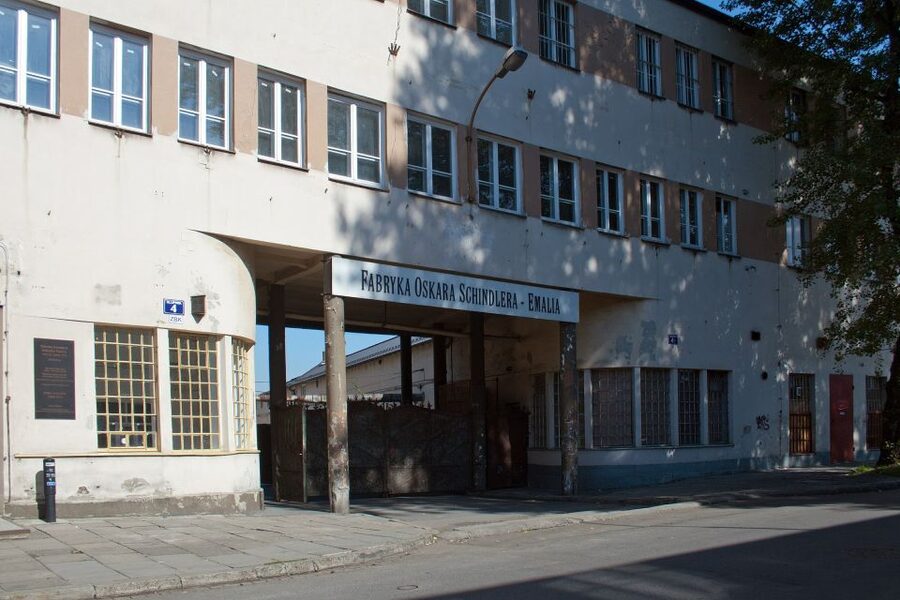
The museum is housed in Oskar Schindler’s former enamel factory, officially known as Deutsche Emailwarenfabrik, or DEF. The factory was established in 1937, before Germany invaded Poland on September 1, 1939.
Schindler was a Sudeten German, a member of the Nazi Party, and an Abwehr agent. He arrived in Krakow around September 6, when German troops entered the city. That background matters because the exhibition does not present him as a simple storybook figure. It places his actions inside the political system, racial persecution, and wartime economy that shaped the city.
You begin with Krakow as a living city, then see how occupation altered its institutions, streets, workplaces, and residents’ choices. The value of this approach is that it shows how major events filtered into ordinary routines. The museum is asking you to think not only about one rescuer, but also about the people forced to work, hide, obey, resist, or make impossible choices.
A 90-minute walk through wartime Krakow
The visit takes about 90 minutes, though the amount of material can tempt you to stay longer. The route moves through a timeline of World War II in Krakow and Poland, with displays that combine written information, images, objects, and personal accounts.
English explanations are available beside the displays, so you can visit without a guide. That is useful if you prefer to read at your own speed. It also means the experience depends on how much time you give each section. A quick visitor can finish near the stated duration, while someone who stops for photographs, documents, and recorded memories may want longer.
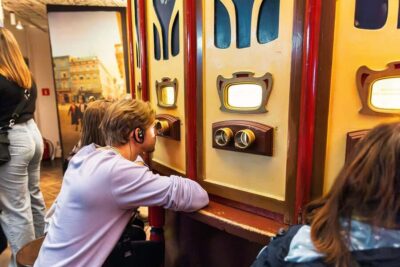
The exhibition’s compact layout helps you follow the story. You are not simply walking through empty factory rooms. The museum uses design and interactive sections to create a sense of movement through time, with each area adding another part of the occupation story.
The strongest sections are often the personal ones. Photographs and survivor interviews bring the broad political story down to individual lives. These accounts can be emotional, especially when you consider the daily effort required to survive persecution and forced displacement.
The museum also explains how the Nazi regime affected Krakow’s Jewish community. It does not reduce Jewish history to a single display or a short footnote. Instead, the community’s experience is set within the occupation of the whole city.
The Schindler story and the Survivor’s Ark
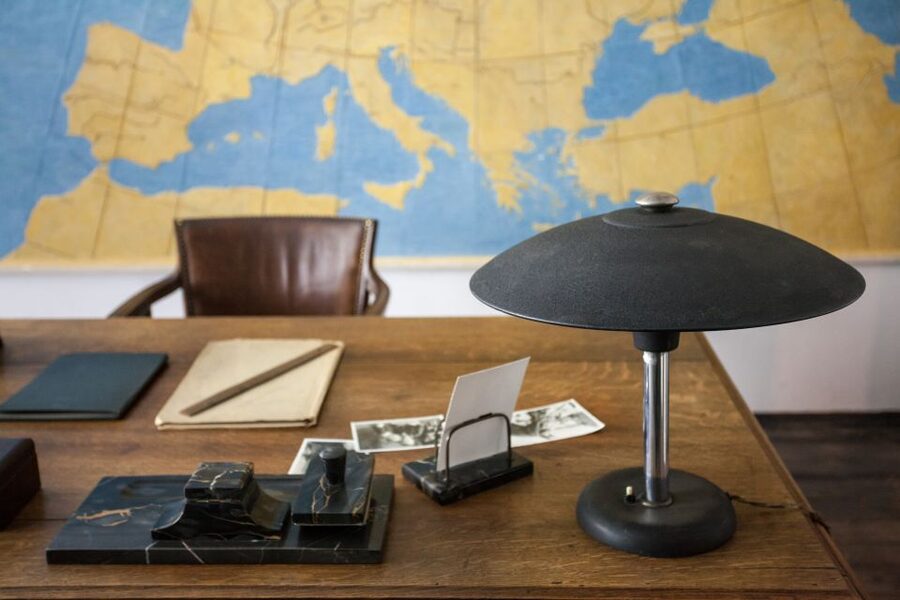
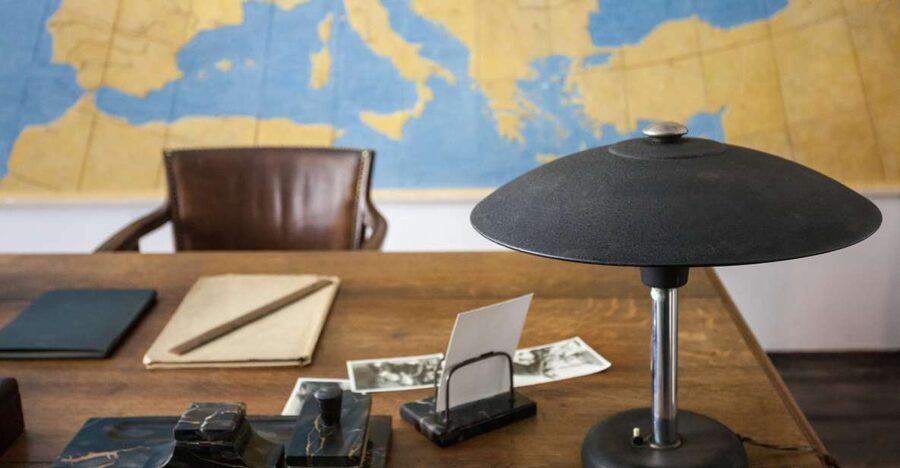
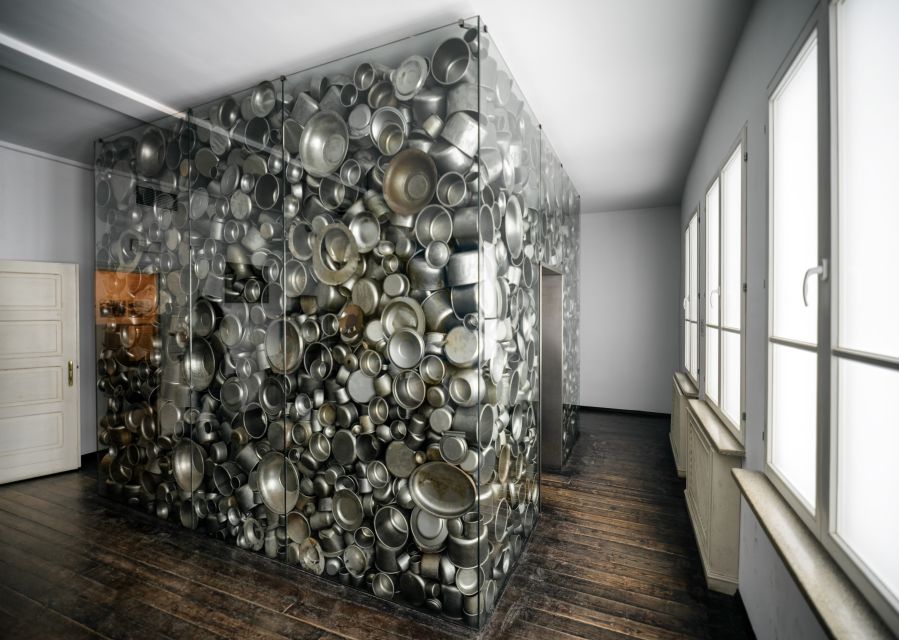
Schindler’s personal office is one of the most important stops. The symbolic Survivor’s Ark connects the factory to the more than 1,000 Jewish people he helped save.
This is the point many visitors expect to define the entire museum, but it is better understood as one part of a larger story. You get useful context about the man, the factory, and the people associated with it, yet the exhibition spends much of its time on Krakow’s wartime experience as a whole.
That wider approach is a strength if you want to understand the setting behind Schindler’s actions. It may disappoint you if you arrive expecting a detailed account of how he started the factory, how it operated day to day, or a long biography of Schindler himself.
I would set your expectations before entering. Think of this as a World War II museum centered on Krakow, with Schindler’s factory and rescue effort at its heart. It is not a factory tour in the industrial sense, and you should not expect a large collection of working machinery or a step-by-step guide to enamel production.
A few more Kraków trips worth weighing up
- From Krakow: Wieliczka Salt Mine Tour & Skip the Line Ticket
★ 4.4 · 3,925 reviews - Schindler’s Factory in Krakow: Guided Tour & Skip the Line Ticket
★ 4.5 · 1,714 reviews - Auschwitz-Birkenau: Skip-the-Line Ticket and Guided Tour
★ 4.2 · 1,034 reviews - Auschwitz Birkenau Guided Tour/Skip The Line/PickUp/Guide ENG
★ 4.5 · 930 reviews
Personal stories make the museum work
The exhibition is at its best when it links large events to named or remembered individuals. You see how the Nazi occupation affected employment, housing, identity, family life, and personal safety.
Recorded survivor memories are especially important. They add a human voice to photographs and documents, and they can make the visit more moving than a display of dates alone. If you want to listen carefully to every recording, 90 minutes may feel tight.
The museum also works well for people who find traditional museums hard to follow. The route gives you a clear story, and the changing rooms and interactive elements help maintain attention. I would still avoid rushing. The subject deserves time, and some of the smaller details are easy to miss when the rooms are full.
The emotional weight is real, so plan a calmer activity afterward. This is not a light sightseeing stop to squeeze between lunch and shopping. It asks you to think about persecution, forced labor, deportation, and survival.
Crowds, tour groups, and the independent visit
Skipping the ticket queue does not guarantee quiet galleries. Group tours can fill the compact rooms, block sections of the route, or make it difficult to hear a recording. At busy times, guides may move their groups through a display while independent visitors try to read the same material.
You receive an entrance ticket, not a guided tour. No guide, audio guide, transportation, hotel pickup, or drop-off is included. English text helps, but you are responsible for setting your own pace and taking in the information.
Some independent visitors have benefited from staying near the end of a guided group and hearing parts of the guide’s explanation. I would not rely on that as your plan, since it can add congestion and is not part of the ticket. A better approach is to arrive on time, move steadily, and pause when a room clears.
The skip-the-line arrangement itself can also cause confusion if you arrive with the wrong voucher. Show the digital ticket sent by Krakowbooking, not simply another booking confirmation or app barcode. If staff do not recognize your document, contact the local operator using the details supplied with your booking.
Planning for mobility and comfort
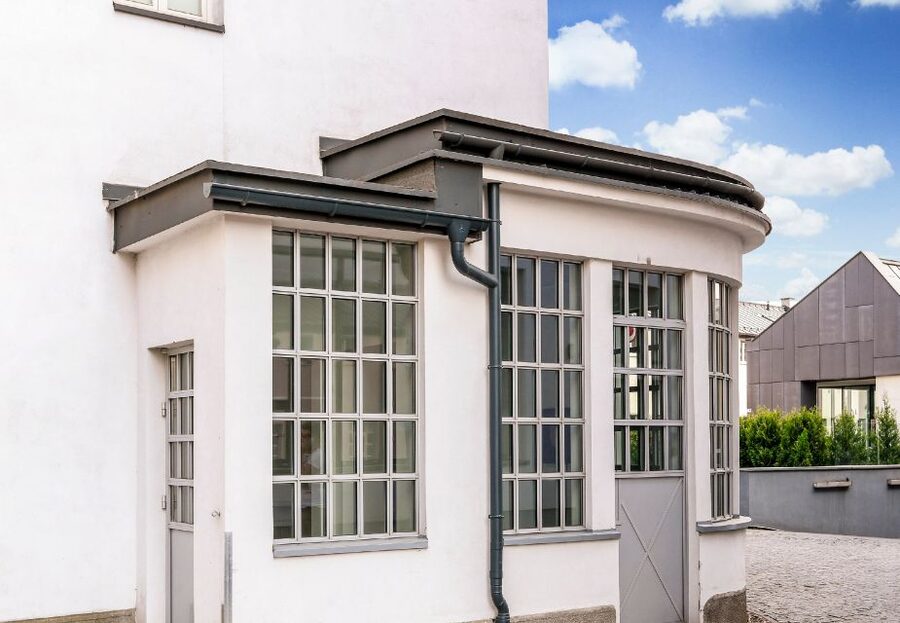
The activity is listed as wheelchair accessible, and the building has lifts. However, parts of the route include cobbled flooring, which can be difficult for some wheelchair users.
Large bags and luggage are not allowed. Pets, weapons, sharp objects, alcohol, drugs, and entry while intoxicated are also prohibited. Flash photography and video recording are not allowed.
Bring a physical passport or photo ID for every participant. This is not just a useful precaution. The entry instructions say you cannot enter without a physical photo ID, so do not rely only on a phone image or digital copy.
Children under 14 are not considered suitable for this activity. That fits the serious subject matter and the amount of reading, but families should follow the stated age guidance rather than assume the museum is designed for young children.
Is $24 good value for 90 minutes?
The value depends on how you measure it. If you want a long guided experience, transport, or a full Schindler biography, this ticket will feel limited. You pay for admission and queue avoidance, then explore the museum on your own.
If the outdoor line is long, the time saved can be worth a great deal during a short Krakow visit. Losing an hour in a queue can disrupt meals, other timed attractions, and your day in the Kazimierz and Podgórze area.
The museum itself is substantial for a 90-minute visit. It combines wartime history, Jewish community history, personal testimony, photographs, artefacts, and interactive presentation. I consider $24 fair for a first visit when the museum is busy, especially if you have limited time in Krakow.
The price is less compelling on a quiet day with no queue, since the main extra benefit is faster entry. Still, advance booking gives you a confirmed time and avoids the risk of arriving to find that admission is restricted.
Who should book this ticket?
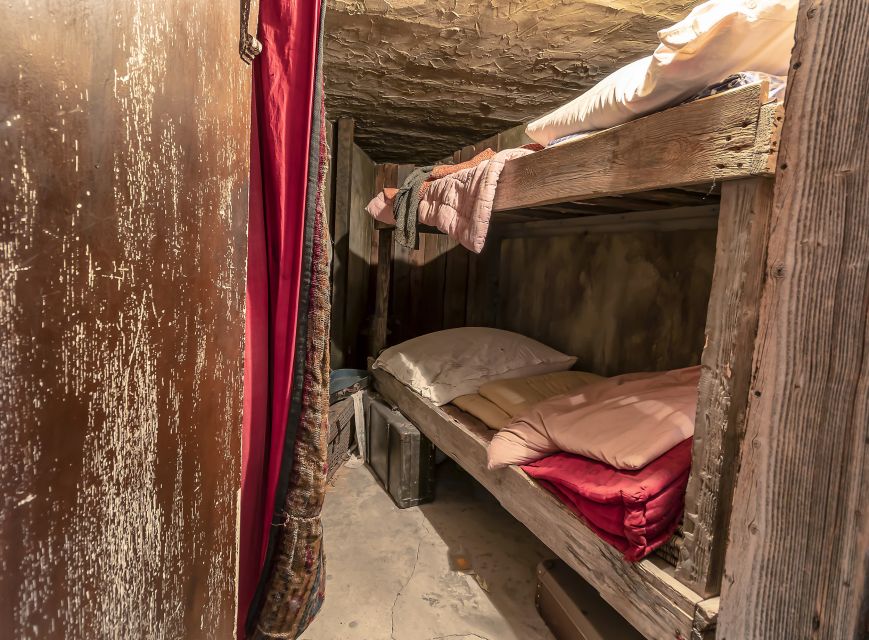
I would recommend it to adults and older teenagers with an interest in World War II, Nazi occupation, Krakow’s Jewish history, or personal stories of survival. It suits independent museum visitors who like reading and setting their own pace.
It is also a good pick if you dislike waiting in lines. The strongest praise goes to the simple entry process: receive the ticket, check the time, walk past the queue, and present it at the door.
I would be more cautious if your main goal is Schindler alone. You will see his office, learn about his rescue effort, and understand the factory’s place in the story, but the museum covers the wider occupation from the first day of the war to its end.
Final booking advice
Book this ticket if you want a serious, well-organized account of wartime Krakow and want to avoid a potentially long queue. Make sure your expectations are right: it is a self-guided museum visit, not a guided factory tour or a Schindler-only exhibition.
Choose your time carefully, keep the ticket message easy to find, and bring a physical passport or photo ID for each person. At $24, the ticket is best value when demand is high and your Krakow schedule is tight. If you want more personal explanation, look for a separate guided option, since this admission does not include one.
FAQ
How long does the Oskar Schindler’s Factory visit take?
The stated duration is 90 minutes. You may need more time if you want to read all the English explanations and listen carefully to the survivor recordings.
What does the ticket include?
It includes skip-the-line entrance to the exhibition at Oskar Schindler’s Factory.
Is a guide included?
No. The ticket does not include a guide. You explore the exhibition independently, with English information available beside the displays.
How much does the ticket cost?
The listed price is $24 per person.
How will I receive my museum ticket?
The local operator, Krakowbooking, sends the admission ticket by email or WhatsApp, normally one day before the visit. This is separate from a standard GetYourGuide voucher.
Can I use my booking confirmation instead of the actual ticket?
You should present the digital ticket sent by Krakowbooking at the exhibition entrance. Check your email and WhatsApp carefully before arriving.
Can I arrive at any time on the selected day?
No. The date and time printed on your ticket are the only times accepted. You may arrive no more than 10 minutes early or 10 minutes late.
Do I need identification?
Yes. Every participant must bring a physical passport or photo ID. Without it, you may not be admitted.
Is the museum wheelchair accessible?
The activity is listed as wheelchair accessible and the building has lifts. Some cobbled areas may be difficult for certain wheelchairs.
Are children under 14 allowed?
The activity is not suitable for children under 14.
Can I take photographs or record video?
Flash photography and video recording are not allowed. Large bags and luggage are also prohibited inside.
Just added around Kraków
- Rynek Underground Museum & Wawel Castle, Cathedral – Cracow★ 5.0 · 3 reviews
- Schindler’s Factory, Ghetto and Plaszow Camp Guided Tour★ 4.7 · 3 reviews
- Nowa Huta – a guided tour of a utopian socialist city★ 5.0 · 3 reviews
- Krakow: Kazimierz by Golf Cart and Schindler’s Factory Tour★ 4.8 · 3 reviews
- Private Krakow City Tour by Car and Walk with private tour guide★ 5.0 · 3 reviews
- Krakow: Jewish Traces Private Electric Car Tour★ 4.1 · 3 reviews
- Discover the Jewish Quarter with a Bike Tour★ 5.0 · 3 reviews
- Krakow: Indoor Go-Karting (24-Minute Races)★ 4.8 · 3 reviews
Schindler Factory Tours, compared.
Oskar Schindler’s Factory Entry Ticket & Guided Tour
Read our review →
Schindler’s Factory Tour with Entrance Ticket
Read our review →
Schindler’s Factory Tour with Entrance Ticket
Read our review →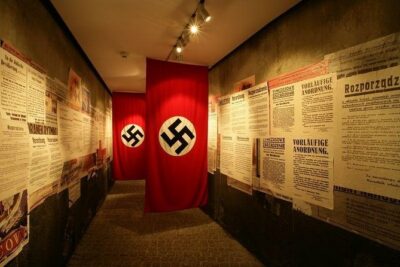
Schindler’s Factory in Krakow: Guided Tour & Skip the Line Ticket
Read our review →
Schindler’s Factory Ticket with Guided Tour Option
Read our review →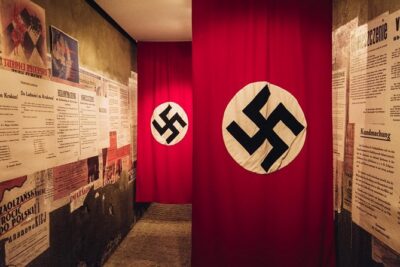
Krakow Schindler’s Factory Guided Tour with Admission Ticket
Read our review →Browse the lists this tour appears in