
REVIEW · SCHINDLER FACTORY TOURS
Krakow: Schindler’s Factory Guided Tour
History becomes personal here. Krakow’s Schindler’s Factory guided tour takes you through wartime life under Nazi rule, using the former administrative building of Oskar Schindler’s enamel factory as its setting. I especially like the firsthand focus on ordinary Krakow residents and the chance to see Schindler’s original desk in his office. The main drawback is that busy groups can leave you short of time with the exhibits.
The two-hour visit costs $42 per person and includes a guide, a ticket that lets you skip the regular ticket line, and a tour in English or Spanish. I think it works best for adults and older teenagers who want context rather than a quick museum stroll. Children under 14 cannot join, and the subject matter is naturally serious.
In This Review
- Key points before you book
- Why this museum matters in Krakow
- Entering the former enamel factory administration building
- Schindler’s desk and the personal side of the story
- Krakow under Nazi occupation, beyond one famous name
- How the two-hour guided route works
- Where the tour earns its $42 price
- Group size, crowding, and the pace of the visit
- Language, access, and simple rules to know
- Who will get the most from this experience
- Should you book the Schindler’s Factory tour?
- FAQ
- How long does the Schindler’s Factory guided tour last?
- How much does the tour cost?
- What languages are available?
- Is the entrance ticket included?
- Where is the meeting point?
- Do I need identification?
- Can children or pets join the tour?
Key points before you book
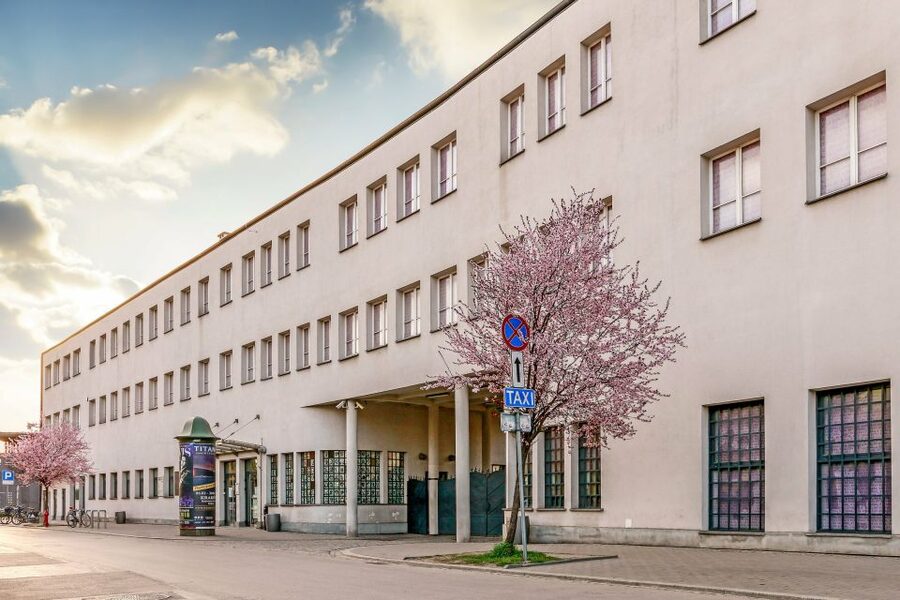
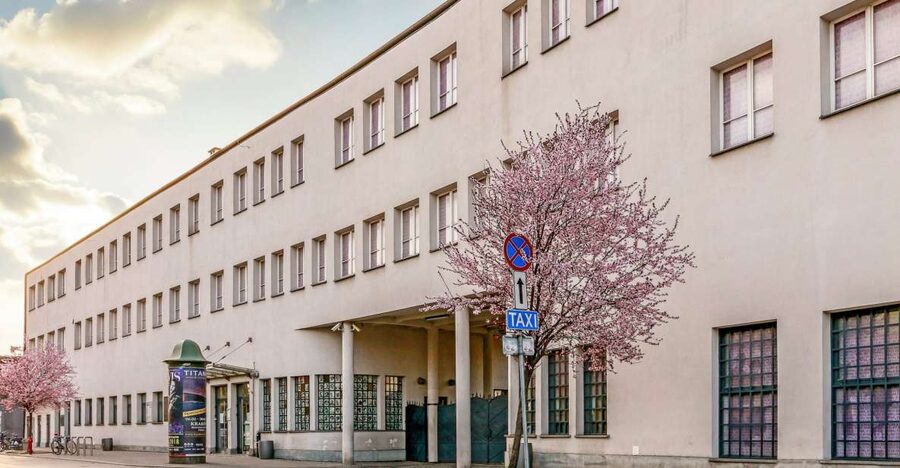
- The setting is genuine: You visit the former administration building connected with Oskar Schindler’s Deutsche Emailwarenfabrik, established in 1937.
- The focus is broader than Schindler: The tour explains daily life in Krakow from 1939 to 1945, not only the factory owner’s story.
- Schindler’s office still contains his desk: This is one of the most distinctive objects connected with the visit.
- Guides receive the highest praise: Barb is noted for her clear, engaging delivery, while other guides have added personal family links to the Second World War.
- The pace can be tight: Some groups have felt rushed and unable to spend enough time reading displays or entering every room.
- Bring physical identification: Every participant needs a passport or photo ID to enter the museum.
Why this museum matters in Krakow
Oskar Schindler’s factory is one of Krakow’s best-known Second World War sites, but the museum is not simply a shrine to one man. Its larger subject is the experience of Krakow under Nazi occupation, from the invasion in September 1939 through the end of the war in 1945.
That distinction matters. Schindler’s name draws you in, yet the museum’s strongest material concerns the people caught inside the occupation system: Jewish residents forced into the Krakow ghetto, Polish citizens living under German control, workers trying to survive, and families facing separation, fear, and loss.
The original factory was founded in 1937. When German forces invaded Poland on September 1, 1939, Oskar Schindler, a Sudeten German, arrived in Krakow around September 6, when German troops entered the city. He soon took control of the factory, where he employed more than 1,000 Jewish people from the Krakow ghetto.
The tour places that story inside the wider Nazi regime. You learn how government orders affected work, housing, movement, family life, and personal safety. That wider frame is important because it keeps the visit from becoming a simple tale of one heroic industrialist.
More Schindler Factory tours:
- Krakow: Oskar Schindler’s Factory Entry Ticket & Guided Tour
★ 4.2 · 3,793 reviews - Krakow: Schindler’s Factory Tour with Entrance Ticket
★ 4.5 · 3,182 reviews - Krakow: Schindler’s Factory Skip-the-Line Ticket
★ 4.4 · 3,105 reviews
Entering the former enamel factory administration building
The meeting point is directly in front of the entrance to Oskar Schindler’s Enamel Factory museum. Look for a greeter carrying a GetYourGuide banner. This is useful because the museum sits outside Krakow’s main Old Town sights, and a clear meeting point saves time and confusion.
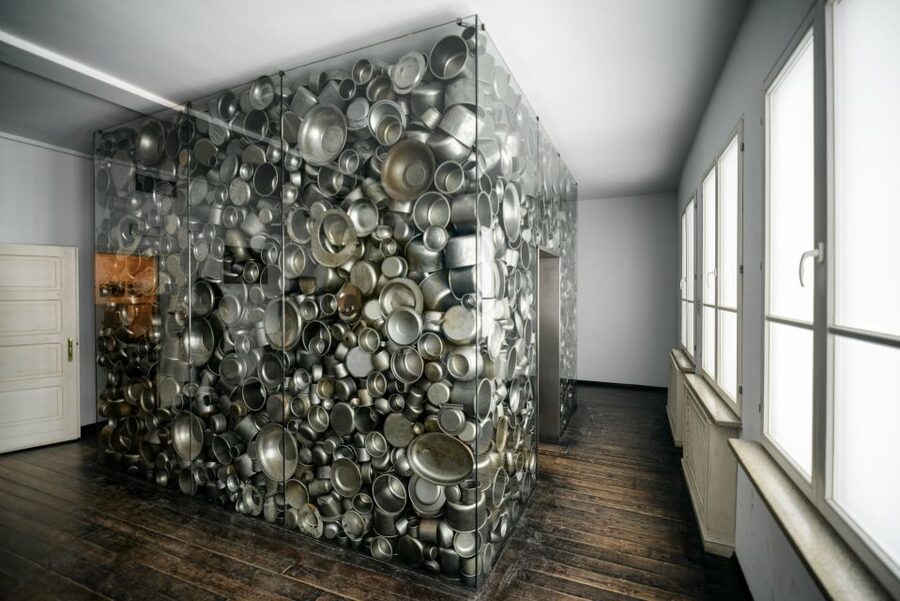
Once inside, the setting gives the visit a physical link to the past. You are not visiting a replica built solely for a museum display. You are entering a building once used for the administration of the enamel factory, the workplace associated with Schindler and the Jewish employees he protected.
Still, keep your expectations in check. This is not mainly a factory machinery tour. One criticism of the experience is that the presentation can spend more time on the occupation and the ghetto than on the production process itself. If your main interest is industrial history, you may want to see this as a wartime history museum in a former factory building, not as a detailed account of enamel manufacturing.
That is not a weakness for most people. The building gives the story a sense of place, while the museum explains how the occupation affected the city around it.
Schindler’s desk and the personal side of the story
One of the most memorable details is Schindler’s original desk, still located in his office. Small objects like this can do more work than a large display panel. A desk is ordinary, but its survival connects the broad story of war to the daily business decisions made inside this building.
The tour also examines how more than 1,200 Jewish people from Krakow were saved through Schindler’s efforts. The guide explains the complicated overlap between his business interests, his relationships with German officials, and his efforts to protect Jewish workers.
You should not expect a simple good-versus-evil story. The value of a live guide is that you can hear how individual choices fit into a brutal political system. The best guides make those choices understandable without turning the visit into a dry list of dates.
Several guides have been praised for bringing real feeling to the subject. Barb, in particular, has been described as clear, energetic, and very well prepared. Another guide connected the subject with his own family’s Second World War story, giving the account a personal tone rather than a rehearsed speech.
That personal approach can make the two hours more affecting. It can also vary from guide to guide. One visitor objected to comments that seemed to dismiss the suffering of Austrian and German civilians after the war. If you value a careful discussion of all civilian experiences, remember that a live tour reflects the guide’s own interpretation as well as the museum’s content.
Krakow under Nazi occupation, beyond one famous name
The museum’s most substantial subject is daily life during the occupation. You hear how the city changed after German control began and how Jewish residents were pushed into the ghetto.
The tour connects political decisions with personal drama. A law or order might seem abstract on a page, but here it is tied to people losing homes, jobs, freedom of movement, and contact with relatives. That is where a guide can help. Instead of simply moving from one date to another, the tour shows how the occupation entered kitchens, workplaces, streets, and families.
You also learn about the overlap between individual victims and the wider machinery of the Nazi regime. This is an important balance. The museum does not treat the war as a distant military event. It shows how civilians lived through systems designed to control, exploit, and kill.
At times, the information can feel heavy. This is not a light sightseeing stop to squeeze between lunch and shopping. You may want to leave space afterward rather than planning another demanding museum immediately.
The subject is also best suited to adults and children over 14. The age restriction is not a minor technical point. The material concerns persecution, violence, displacement, and death, so younger children are not admitted.
A few more Kraków trips worth weighing up
- From Krakow: Auschwitz-Birkenau Guided Tour & Hotel Pickup
★ 4.5 · 33,358 reviews - From Krakow: Auschwitz-Birkenau Guided Tour & Hotel Pickup
★ 4.5 · 29,340 reviews - Krakow: Auschwitz Guided Tour with Optional Hotel Pickup
★ 4.5 · 15,280 reviews - Krakow–Zakopane: Cable Car, Chocholow Baths, Cheese & Vodka
★ 5.0 · 10,720 reviews
How the two-hour guided route works
The advertised duration is two hours, although the actual pace may depend on the guide and the size of the group. The tour moves through the museum’s displays while the guide explains the history of Krakow, the occupation, the ghetto, and Schindler’s role.
You receive a headset, which is a real advantage in a crowded museum. Stephanie specifically praised the headsets because they made it easier to follow the guide. Without one, a large group gathered around a single display could make it hard to hear every word.
The guide-led format also gives you an order to the visit. You do not have to work out which rooms matter most or piece together the story from disconnected labels. That structure is especially helpful if you know little about Krakow during the war.
The tradeoff is freedom. Some people have found the tour rushed, with too little time to read displays or enter rooms set up for closer exploration. One group expected two hours but finished after roughly 90 minutes, then was not allowed to return for the unused time because the booking had been made through an outside company.
For that reason, I would treat the tour as a guided introduction, not a guaranteed two-hour independent museum visit. If you read every panel slowly or have a family connection to the period, you may want more time than the standard route allows.
Where the tour earns its $42 price
At $42 per person, this is not the cheapest way to see a Krakow museum. The cost includes a professional guide, a tour in your chosen language, and a skip-the-line entrance ticket.
The value depends on what you want from the visit. If you only need entry and prefer to read at your own pace, paying for a guided experience may feel expensive. You also cannot count on returning afterward to finish displays, so the price does not necessarily buy a long independent visit.
I think the fee makes more sense if you want the history explained in sequence. A strong guide can clarify the relationship between Schindler, the factory, the ghetto, and the occupation in a way that scattered labels may not. The headset also matters when several groups are moving through the same rooms.
The high rating of 4.6 from 91 ratings points to a generally dependable experience, especially for guide quality and historical explanation. The repeated praise centers on passion, detail, and a tour that feels personal. The repeated criticism concerns crowding and pace, not the importance of the museum itself.
Before paying, ask yourself one practical question: do I want a guided interpretation, or do I want time to study the museum alone? At this price, the tour is best value for the first choice.
Group size, crowding, and the pace of the visit
The group size is not specified, but the experience can include several groups in the museum at once. That affects how easily you can stand near an exhibit, read a panel, or pause in a small room.
A headset solves the basic problem of hearing the guide. It does not solve the problem of looking at everything. If your guide stops for a long explanation, you may need to choose between listening and reading.
I would stay close enough to see the guide and keep the group in view, but not so close that you block your own view of an exhibit. When the guide finishes, take a moment to look around before moving on. You may not have another chance to return to the same room.
The most useful guides seem to balance detail with movement. Barb has been praised for making the full two hours interesting, while other visitors have felt that their route ended too soon. That difference suggests you should not book the final activity of a tightly timed day. Give yourself a little breathing room.
If you have a personal family connection to the war, the time issue becomes even more important. The museum may contain material you want to read carefully, and a standard guided route might not allow that.
Language, access, and simple rules to know
Tours are offered in English and Spanish. A professional live guide leads the visit, and headsets help you follow along.
The museum is wheelchair accessible. Large bags and luggage are not permitted, so arrive without bulky belongings. Pets are not allowed, and the museum does not provide animal shelters.
Bring a physical passport or photo ID with a photograph for every participant. This is essential. Without the required identification, you will not be admitted.
Photography with flash and video recording are prohibited inside. Smoking, open fires, alcohol, drugs, weapons, and sharp objects are also forbidden. These rules are easy to follow, but knowing them in advance prevents a frustrating arrival.
The activity is non-refundable, so check your schedule carefully before booking. Starting times vary, and you need to check availability for the date you want.
Who will get the most from this experience

I would choose this tour if you want a serious introduction to Krakow during the Nazi occupation and prefer a guide to connect the displays. It is particularly suitable for adults, history-minded visitors, and anyone who wants to understand more than Schindler’s personal story.
It also suits you if you find museums easier to follow with a clear narrative. The occupation affected so many parts of life that a self-guided visit can feel fragmented. A good guide supplies the links between the rooms.
You may prefer another option if you dislike group tours, read every exhibit slowly, or want a narrow focus on the factory itself. In that case, the group pace could frustrate you, especially if you hope to spend time in every room.
I would also think carefully before bringing a teenager close to the minimum age. The museum does not admit children under 14, and the subject matter calls for maturity. This is a place for attention and respect, not a quick family diversion.
Should you book the Schindler’s Factory tour?
Yes, if you want the story explained by a passionate guide and can accept a group-paced visit. The setting, Schindler’s preserved desk, and clear focus on ordinary life under occupation make this one of Krakow’s most meaningful historical stops.
Book it with realistic expectations. You are paying for interpretation and skip-the-line entry, not unlimited time with every exhibit. Arrive with physical ID, leave large luggage behind, wear a mindset suited to serious history, and avoid scheduling the museum between two tightly timed activities.
If you need maximum time for reading or have a strong family reason to examine specific displays, booking directly with the museum may be worth considering. For a structured two-hour introduction in English or Spanish, though, this guided visit offers solid value and a human account of a difficult period.
FAQ
How long does the Schindler’s Factory guided tour last?
The stated duration is two hours. The actual time may vary, and some visitors have found that the guided portion ended earlier.
How much does the tour cost?
The price is $42 per person. This includes the professional guide, the selected tour language, and skip-the-line museum entry.
What languages are available?
The live tour is available in English and Spanish.
Is the entrance ticket included?
Yes. A skip-the-line entrance ticket to the museum is included.
Where is the meeting point?
Meet in front of the entrance to Oskar Schindler’s Enamel Factory museum. A greeter with a GetYourGuide banner will be there.
Do I need identification?
Yes. Every participant must bring a physical passport or photo ID. Without it, you will not be allowed to enter the museum.
Can children or pets join the tour?
Children under 14 are not permitted. Pets are also not allowed, and the museum does not offer animal shelters.
Just added around Kraków
- Rynek Underground Museum & Wawel Castle, Cathedral – Cracow★ 5.0 · 3 reviews
- Schindler’s Factory, Ghetto and Plaszow Camp Guided Tour★ 4.7 · 3 reviews
- Nowa Huta – a guided tour of a utopian socialist city★ 5.0 · 3 reviews
- Krakow: Kazimierz by Golf Cart and Schindler’s Factory Tour★ 4.8 · 3 reviews
- Private Krakow City Tour by Car and Walk with private tour guide★ 5.0 · 3 reviews
- Krakow: Jewish Traces Private Electric Car Tour★ 4.1 · 3 reviews
- Discover the Jewish Quarter with a Bike Tour★ 5.0 · 3 reviews
- Krakow: Indoor Go-Karting (24-Minute Races)★ 4.8 · 3 reviews
Schindler Factory Tours, compared.
Oskar Schindler’s Factory Entry Ticket & Guided Tour
Read our review →
Schindler’s Factory Tour with Entrance Ticket
Read our review →
Schindler’s Factory Tour with Entrance Ticket
Read our review →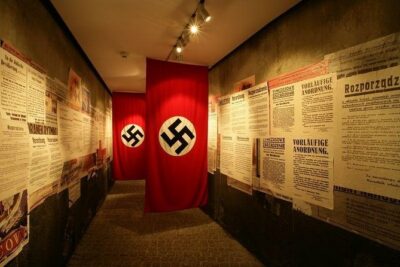
Schindler’s Factory in Krakow: Guided Tour & Skip the Line Ticket
Read our review →
Schindler’s Factory Ticket with Guided Tour Option
Read our review →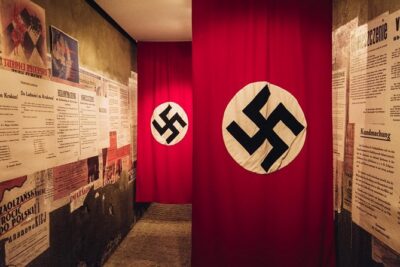
Krakow Schindler’s Factory Guided Tour with Admission Ticket
Read our review →Browse the lists this tour appears in