
REVIEW · SCHINDLER FACTORY TOURS
Schindler’s Factory -Guided Tour
History feels close here. This 90-minute guided visit explains Krakow during World War II, the persecution of the city’s Jewish population, and Oskar Schindler’s role in saving more than 1,000 people. I like the quick entry and the way a good guide connects the exhibits into one clear story.
I also like the included professional guide and the thoughtful museum displays, especially the film that sets the scene. The main catch is that this is more a museum about Krakow and Poland during the war than a tour of Schindler’s factory, and crowded rooms, weak headsets, or a rushed guide can reduce the experience.
In This Review
- Key points to know before you book
- What Schindler’s Factory really offers
- Starting at Lipowa 4 in Krakow
- The first 30 minutes: Krakow before and during the war
- The middle of the visit: Schindler, his workers, and survival
- The final section: exhibits, film, and difficult subjects
- Why the guide matters, and when the headset does not
- Handling the crowds and the 25-person limit
- Pairing it with Krakow’s wartime memory sites
- Who should book this guided visit?
- Is Schindler’s Factory Guided Tour worth $45.87?
- FAQ
- Where does the Schindler’s Factory guided tour start?
- Where does the tour end?
- How long does the guided tour last?
- What language is offered?
- Is admission to the museum included?
- Is transportation included?
- How many people can join the tour?
- Is the tour suitable for most people?
- What is the cancellation policy?
Key points to know before you book
- The museum covers far more than Schindler: Expect a broad account of Krakow under Nazi occupation, with Schindler’s story woven through it.
- Skip-the-line entry has real value: Long queues can form, so the included admission may save useful time.
- The tour lasts about 90 minutes: It starts and ends at Lipowa 4 in Krakow.
- Group size can reach 25 people: That is manageable in open areas, but cramped rooms can feel crowded.
- Headsets help, but quality may vary: They are useful when the guide speaks softly or the group spreads out, yet technical problems have been reported.
- The English tour suits history-minded visitors: Guides generally add context, but speaking speed and English fluency may differ.
What Schindler’s Factory really offers
The name creates a clear expectation. You may picture machinery, factory floors, and a close look at how Oskar Schindler ran his business. That is not the main experience here.
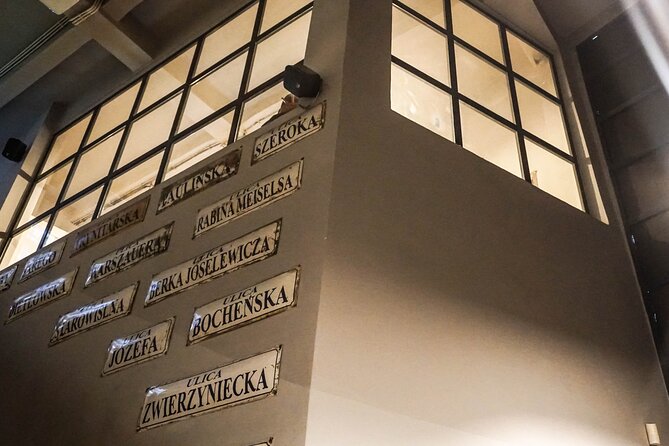
Fabryka Emalia Oskara Schindlera is now a museum focused on Krakow before and during World War II. Its story includes the city’s Jewish community, the Nazi occupation, forced labor, work camps, persecution, and daily life under a brutal regime. Schindler’s factory and the people he protected form an important part of that story, but they do not fill every room.
I think that broader focus makes the visit more useful for understanding Krakow. You see how Schindler’s actions fit into the larger system around him, rather than treating him as a lone movie hero. At the same time, you should adjust your expectations before paying for a guided visit. If your only goal is factory machinery or a detailed biography of Schindler, this may feel off target.
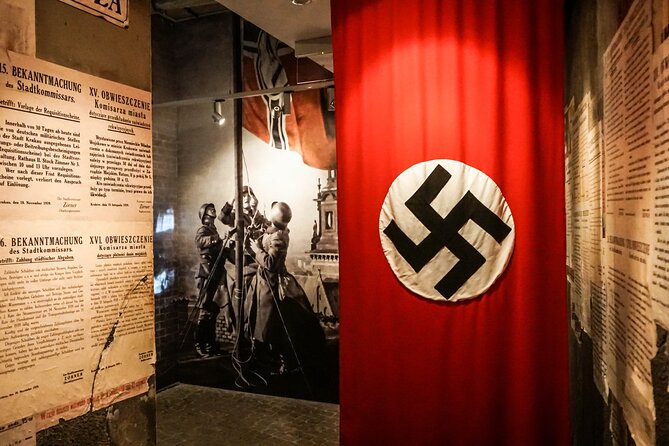
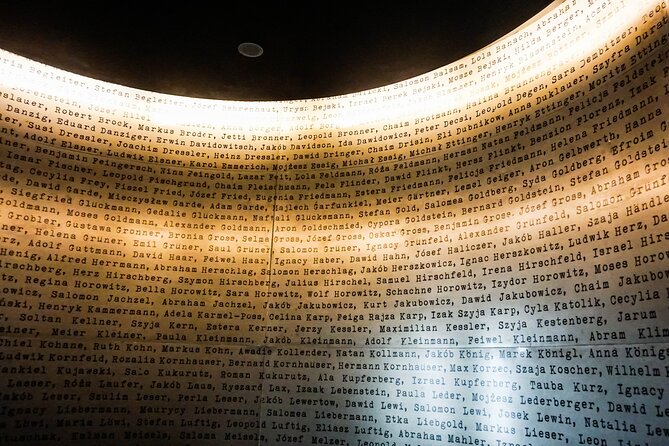
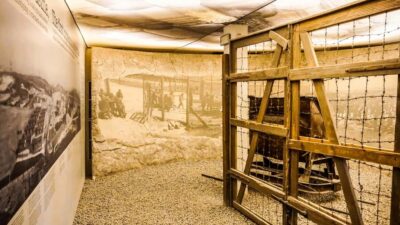
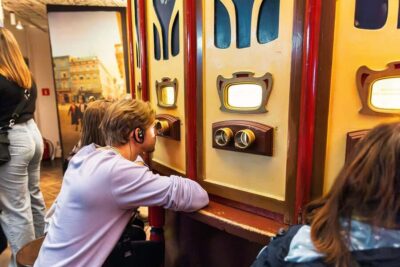
The museum tells the story through displays, photographs, newspaper material, films, objects, and recreated settings. One especially useful feature is a film shown in comfortable cinema seats. It helps establish the mood and events before you move through the rest of the museum.
The presentation is serious and often moving. The subject matter includes the suffering of Jewish residents and others caught in the war, so this is not a light sightseeing stop. I would give it the time and attention it deserves rather than trying to squeeze it between several casual attractions.
More Schindler Factory tours:
- Krakow: Oskar Schindler’s Factory Entry Ticket & Guided Tour
★ 4.2 · 3,793 reviews - Krakow: Schindler’s Factory Tour with Entrance Ticket
★ 4.5 · 3,182 reviews - Krakow: Schindler’s Factory Skip-the-Line Ticket
★ 4.4 · 3,105 reviews
Starting at Lipowa 4 in Krakow
The meeting point is Lipowa 4, 32-051 Kraków, at the museum itself. You arrange your own way there because transportation is not included. The site is near public transportation, which makes it practical to reach from other parts of Krakow.
Your mobile ticket and confirmation arrive at booking. Keep the ticket easy to find on your phone, since the entry process has caused confusion for some visitors who had to follow several links before locating the correct confirmation. That is a small point, but it matters when you are standing outside a busy museum with a scheduled start time.
The tour ends back at the same meeting point. There is no hotel pickup, city transfer, or separate return journey to organize.
A major benefit is the skip-the-line entrance. Queues can be long, particularly when the museum is busy, so the included ticket may save more than a few minutes. It also gives the visit a cleaner start, since you can focus on meeting the guide instead of sorting out standard admission.
The group can contain up to 25 people. That is not a huge number for a walking tour, but the museum’s narrow rooms make it feel larger than it sounds. If the guide is standing near an exhibit, people at the back may struggle to see the item or hear every explanation.
The first 30 minutes: Krakow before and during the war
The early part of the visit sets the city’s story in place. You learn about Krakow before and during World War II, then see how the Nazi invasion changed ordinary life. This broad introduction is one of the strongest parts of the experience because it gives Schindler’s choices a setting.
A good guide will explain how Nazi policies affected the city’s Jewish population and how persecution became more organized and severe. You are not simply shown a series of objects. You are given a timeline and a sense of how quickly public life, work, movement, and personal safety changed.
This is also where some visitors may feel the tour has drifted away from Schindler. The museum gives substantial attention to Poland’s wartime experience and the Nazi approach to handling Polish Jews. That material is important, but the title can lead you to expect a narrower subject.
I would treat this section as essential background rather than a detour. Without it, Schindler’s decision to protect his workers becomes a simple rescue tale. With it, you see the risks, the machinery of oppression, and the scale of the danger around his factory.
The middle of the visit: Schindler, his workers, and survival
The tour then brings Oskar Schindler into sharper focus. He was a member of the Nazi Party and worked with German intelligence, yet he eventually used his business position to protect many Jewish workers. The number most often connected with his rescue effort is more than 1,000 people.
That contradiction is part of what makes his story difficult and compelling. The guide can place his business methods, personal choices, and rescue work beside the wider events in Krakow. You also hear details that differ from the simplified version many people know from the film.
Do not expect every room to focus on Schindler himself. The museum uses his factory as the setting for a much larger account of occupation and survival. You may spend only part of the 90 minutes on the details of his factory life, while the rest examines Krakow’s wartime experience.
This is where a guide can add real value. Reading labels alone may give you dates and names, but a strong guide explains connections and points out details you might otherwise pass. Several guides have been praised for presenting complicated information clearly and keeping the tour lively without making the subject feel casual.
Guide quality is not perfectly consistent. One guide was described as speaking too fast and moving the group along before everyone could take in the displays. Another was informative but not fully confident in spoken English. I would pay attention at the start and politely ask the guide to slow down if needed.
A few more Kraków trips worth weighing up
- From Krakow: Auschwitz-Birkenau Guided Tour & Hotel Pickup
★ 4.5 · 33,358 reviews - From Krakow: Auschwitz-Birkenau Guided Tour & Hotel Pickup
★ 4.5 · 29,340 reviews - Krakow: Auschwitz Guided Tour with Optional Hotel Pickup
★ 4.5 · 15,280 reviews - Krakow–Zakopane: Cable Car, Chocholow Baths, Cheese & Vodka
★ 5.0 · 10,720 reviews
The final section: exhibits, film, and difficult subjects
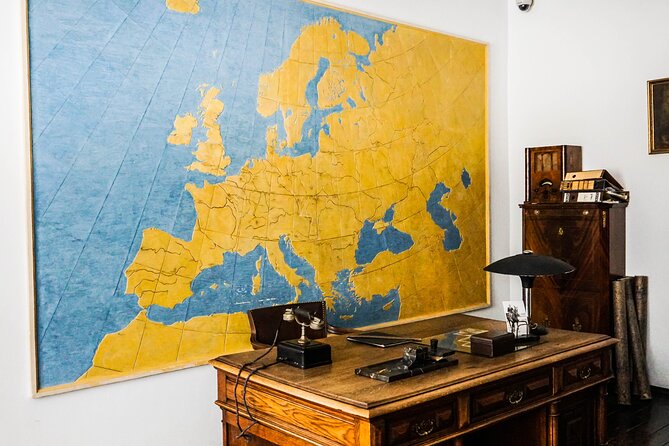
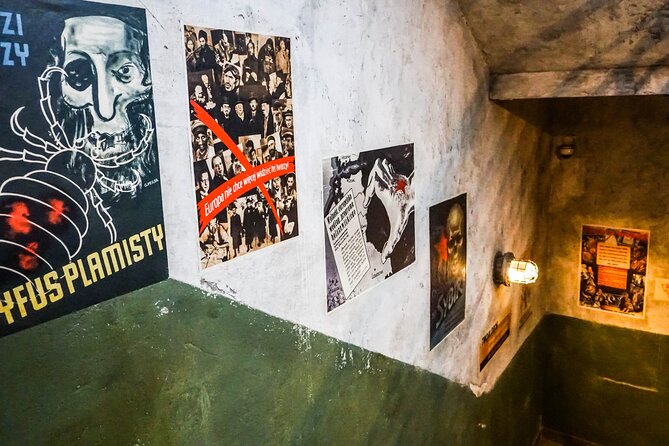
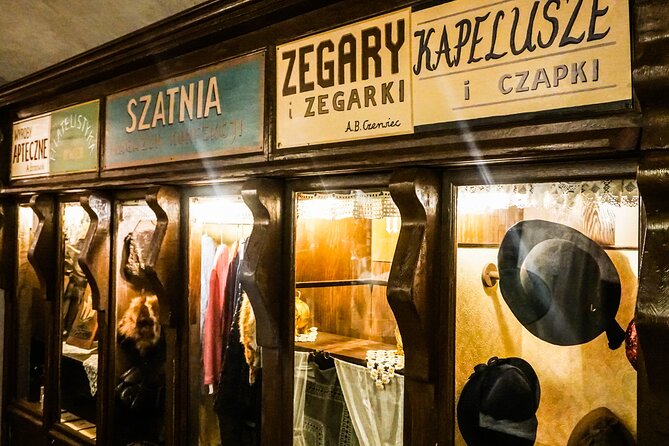
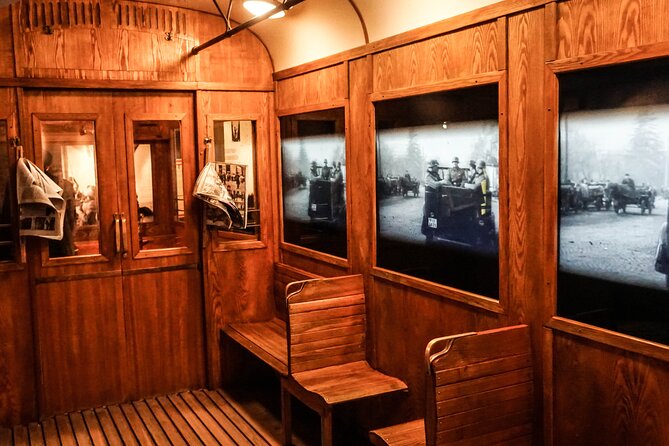
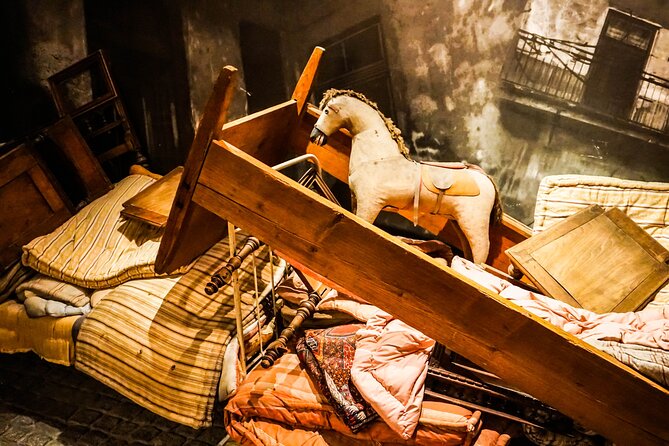
The museum’s displays are designed to show what life became like under occupation. You may encounter newspaper cuttings, photographs, objects, and rooms that use visual details to convey fear, control, and uncertainty. One visitor specifically noted changing floor surfaces and patterns, a small design choice that helps create a different feeling as you move through the exhibits.
The film near the beginning deserves your attention. It is shown in a comfortable cinema area and helps prepare you for what follows. If you arrive early enough to get settled, do not treat it as a throwaway introduction.
The museum can feel tight. There are few places to sit, and a group of 21 people has been enough to make some rooms feel claustrophobic. A guide with a headset can continue speaking while you move around, but poor audio equipment can make that system less useful.
This is an important tradeoff. A guide helps you understand the context, but you may have less time to read every caption. The tour works best if you listen to the main explanation, notice the displays that catch your attention, and accept that you will not study every label in detail.
If you prefer a slow, self-directed museum visit, standard admission at about 20 Polish złoty may be better value, based on the price noted by one visitor. If you want the story explained in English and want to bypass the queue, the guided ticket can justify its higher price.
Why the guide matters, and when the headset does not
At $45.87 per person, this is not a bargain museum admission. You are paying for the skip-the-line ticket, the English-speaking professional guide, and the convenience of having the visit organized for you.
I think the price makes the most sense for a first visit to Krakow, especially if you want the city’s World War II story explained rather than read from wall panels. The strongest tours provide a clear overview, explain Schindler’s complicated role, and keep the 90 minutes moving at a useful pace.
The price is harder to defend if you already know the history well, read quickly in English, and do not mind waiting in line. In that case, the lower-cost standard ticket may give you more freedom to linger.
Headsets are supplied, and they can be very helpful in crowded rooms. They let you hear the guide while standing at the edge of a group. Still, equipment problems have occurred, including headsets that stopped working for several people. The guide may acknowledge that the system is unreliable, but that does not make the lost explanations any less frustrating.
A sensible approach is to check the headset before the tour gets underway. If the sound is weak or cuts out, mention it right away. You should not spend the whole visit silently trying to lip-read a guide in a packed room.
Handling the crowds and the 25-person limit
The museum’s size and layout are the main practical weaknesses. A group of 25 may fit within the official limit, yet narrow rooms and display areas can make the experience feel crowded. People near the guide tend to get the clearest view, while those behind may need to move around after the explanation.
Some visitors have felt hurried through the museum. That can happen when the guide is trying to keep the tour to its promised 90 minutes, particularly when the group pauses at popular displays. You may need to choose between following every explanation and reading every caption.
I would visit on a weekday if your schedule allows. That suggestion comes directly from the practical reality of crowded rooms, not from any guarantee that the museum will be quiet. A smaller group would also improve the experience, but the advertised maximum is 25.
The tour starts on time and has been reported to last exactly an hour and a half. Plan your surrounding schedule with a little breathing room. You do not want to rush out halfway through the final rooms because you have booked another attraction immediately afterward.
Most people can participate, and the site is near public transportation. The available information does not provide detailed accessibility notes, so you should ask the provider directly if you have specific mobility or access needs.
Pairing it with Krakow’s wartime memory sites
If you have a full day for this subject, the nearby Eagle Pharmacy Museum is about a five-minute walk away. It was specifically recommended as a useful companion stop and costs about £4 according to the information provided.
The Gestapo museum can complete a three-site memory trail through Krakow’s World War II story. I like this pairing because Schindler’s Factory gives you the broad city setting, while the other museums can add different viewpoints and locations.
Do not force all three into one rushed morning. Schindler’s Factory already asks for concentration, and the subject matter is heavy. Give yourself time to pause, especially if you are visiting with children or teenagers.
The guided visit has worked well for families with children aged 12 and 15. Younger children may find the material difficult, and the narrow rooms can test patience. The museum is best for anyone ready to listen and think, not for a quick photo stop.
Who should book this guided visit?
I would choose this tour if you want a clear English introduction to Krakow during World War II and prefer a guide to explain the material as you go. It is also a sensible choice when the queue is long and your sightseeing time is limited.
History enthusiasts will likely get the most from it, especially if they want more than the film version of Schindler’s story. The guide can explain his links to the Nazi Party, his intelligence work, his business position, and the way he helped save his workers.
I would hesitate if you expect a hands-on factory tour. The building is now a museum, not a working industrial site, and the visit gives much more space to Krakow, Poland, Jewish life, Nazi occupation, and work camps than to factory machinery.
I would also think twice about the premium price if you prefer to stand quietly with each exhibit and read every label. The guide’s schedule, group movement, and possible headset problems can limit that freedom.
Is Schindler’s Factory Guided Tour worth $45.87?
For me, the tour is worth considering because it delivers a serious, well-organized 90-minute account of Krakow in wartime, with Schindler’s rescue effort at its center. The best part is the context. You understand not only who Schindler was, but also what his workers and the city faced.
The value depends on your expectations. Pay the premium for a guide, English explanations, and skip-the-line entry. Choose standard admission if you want a slower visit and are willing to manage the queue yourself.
Book it if the wider history of Krakow interests you and you can accept that Schindler is one part of the museum’s story. Skip it, or choose a self-guided visit, if you want a detailed factory tour or total control over your pace.
Free cancellation is available when you cancel at least 24 hours before the start time. Changes or cancellations inside that window are not accepted for a refund, and the cut-off follows local Krakow time.
FAQ
Where does the Schindler’s Factory guided tour start?
It starts at Fabryka Emalia Oskara Schindlera, Lipowa 4, 32-051 Kraków, Poland.
Where does the tour end?
The activity ends back at the meeting point at Lipowa 4.
How long does the guided tour last?
The tour lasts approximately 1 hour and 30 minutes.
What language is offered?
The tour is offered in English and includes a professional guide.
Is admission to the museum included?
Yes. The price includes a skip-the-line entrance ticket to the museum.
Is transportation included?
No. Transportation is not included, so you must make your own way to Lipowa 4.
How many people can join the tour?
The maximum group size is 25 people.
Is the tour suitable for most people?
The available information states that most people can participate. Detailed accessibility information is not provided, so contact the provider if you have specific access requirements.
What is the cancellation policy?
You can cancel at least 24 hours before the experience starts for a full refund. Cancellations or changes made less than 24 hours before the start time are not refunded or accepted.
Just added around Kraków
- Rynek Underground Museum & Wawel Castle, Cathedral – Cracow★ 5.0 · 3 reviews
- Schindler’s Factory, Ghetto and Plaszow Camp Guided Tour★ 4.7 · 3 reviews
- Nowa Huta – a guided tour of a utopian socialist city★ 5.0 · 3 reviews
- Krakow: Kazimierz by Golf Cart and Schindler’s Factory Tour★ 4.8 · 3 reviews
- Private Krakow City Tour by Car and Walk with private tour guide★ 5.0 · 3 reviews
- Krakow: Jewish Traces Private Electric Car Tour★ 4.1 · 3 reviews
- Discover the Jewish Quarter with a Bike Tour★ 5.0 · 3 reviews
- Krakow: Indoor Go-Karting (24-Minute Races)★ 4.8 · 3 reviews
Schindler Factory Tours, compared.
Oskar Schindler’s Factory Entry Ticket & Guided Tour
Read our review →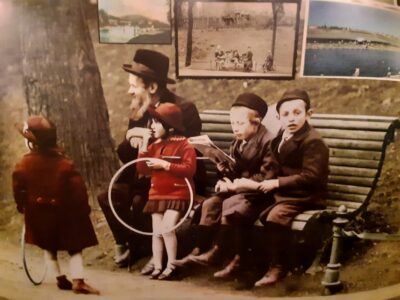
Schindler’s Factory Tour with Entrance Ticket
Read our review →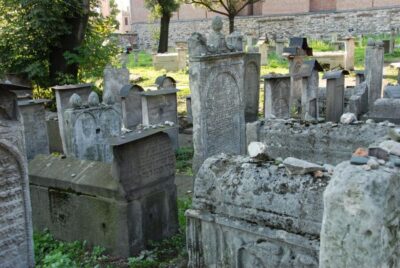
Schindler’s Factory Tour with Entrance Ticket
Read our review →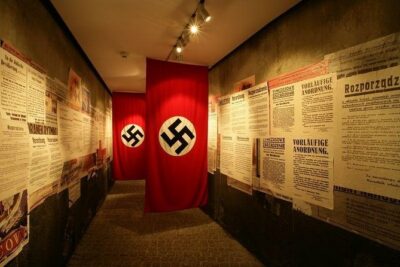
Schindler’s Factory in Krakow: Guided Tour & Skip the Line Ticket
Read our review →
Schindler’s Factory Ticket with Guided Tour Option
Read our review →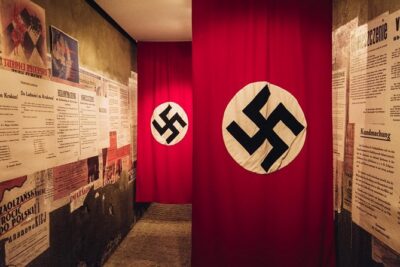
Krakow Schindler’s Factory Guided Tour with Admission Ticket
Read our review →Browse the lists this tour appears in