
REVIEW · SCHINDLER FACTORY TOURS
Schindler’s Factory Museum Guided Tour – Krakow
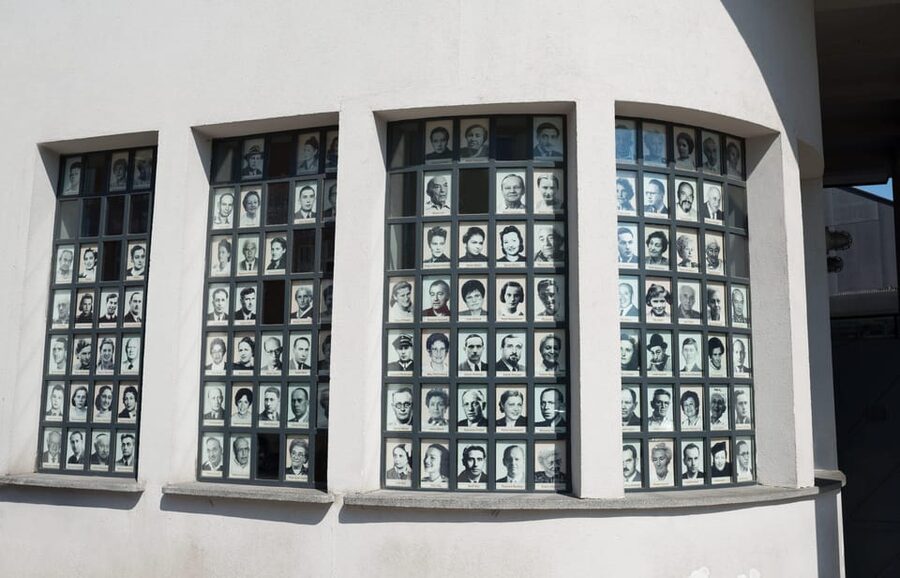
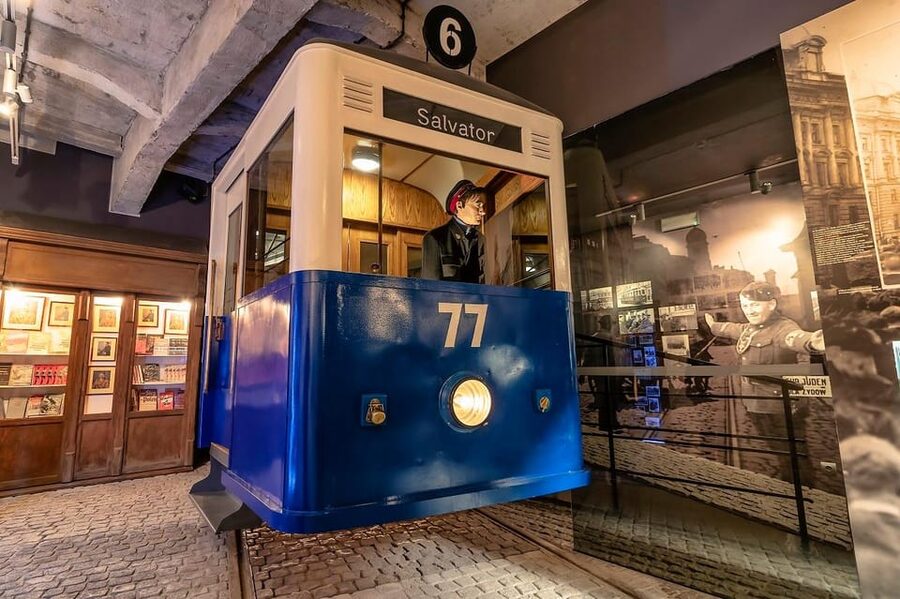
History hits harder here. Schindler’s Factory Museum turns Krakow’s World War II story into a walk through photographs, documents, objects, film, and reconstructed spaces. I especially like the tram sequence showing wartime city life and the preserved office with its striking ark of survivors made from thousands of pots. The main drawback is pace: 90 minutes is enough for a focused introduction, but not enough to study every part of the museum.
I also like that the tour treats Oskar Schindler as one part of Krakow’s larger wartime story, rather than making the entire visit a film-themed shrine. A guide adds vital context, particularly through the ghetto and Płaszów sections. Still, this is a group tour, so you may need to move on before you have finished reading an exhibit.
In This Review
- Key points before you book
- Why this museum matters in Krakow
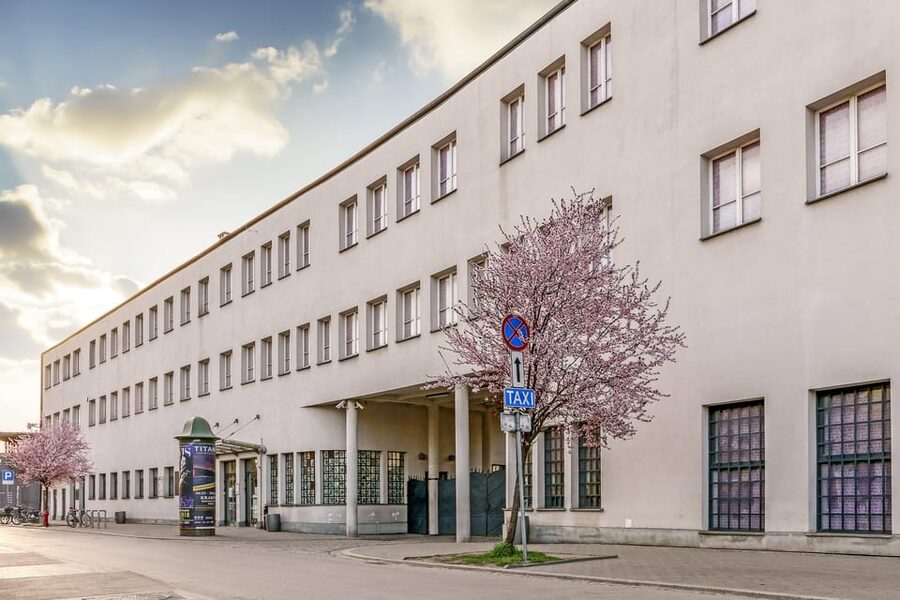
- Beginning at Oskar Schindler’s Enamel Factory
- A walk through occupied Krakow
- The tram and the changing city
- Entering the ghetto through a Jewish apartment
- The Płaszów camp section
- Oskar Schindler’s office and the ark of survivors
- What the guide adds in 90 minutes
- Is $50 a fair price?
- Who should book this museum tour?
- Final verdict: book it for context, not just Schindler
- FAQ
- How long does the Schindler’s Factory Museum guided tour last?
- What does the $50 price include?
- Where is the meeting point?
- Is this a private tour?
- Which languages are available?
- Does the tour include ticket-line access?
- Is the museum tour wheelchair accessible?
- Can I cancel for a full refund?
- Do I have to pay when I reserve?
- What identification is required from January 1, 2026?
Key points before you book
- The museum tells Krakow’s wartime story beyond Schindler: You learn about occupied Krakow, its Jewish population, Polish inhabitants, forced separation, and the camp at Płaszów.
- The 90-minute route uses powerful visual settings: A tram, a photographer’s studio, a tailor’s shop, a ghetto apartment, and original factory spaces help make the period easier to understand.
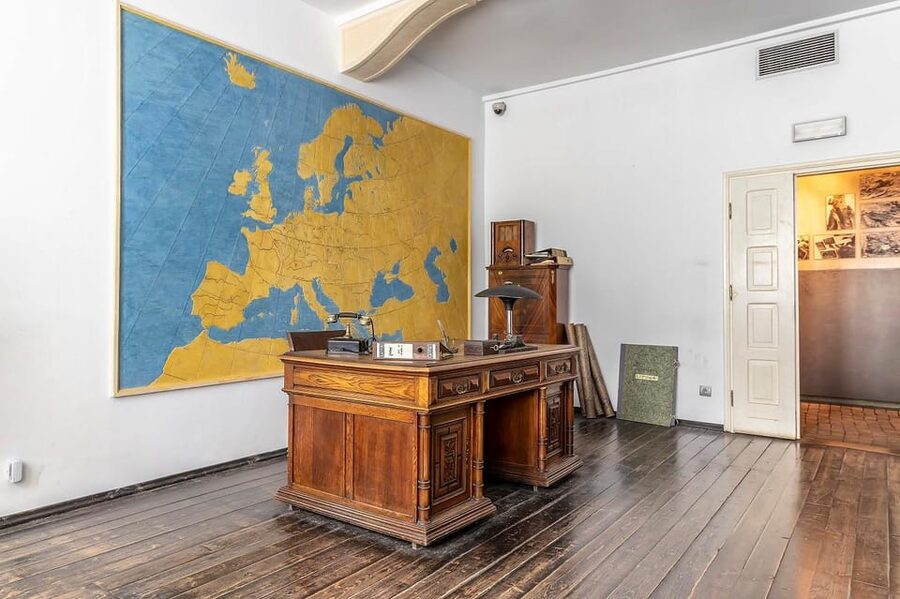
- Schindler’s preserved office is a highlight: The room recalls the factory owner who saved more than 1,000 Krakow Jews during the war.
- A live guide makes the difference: Commentary is offered in English, French, German, Italian, or Spanish, with historical details that are easy to miss alone.
- The $50 price includes entry: You receive the museum ticket and a professional guide, with ticket-line access included.
- Plan for a quick group visit: The tour is wheelchair accessible, but the group format may limit your time with individual displays.
Why this museum matters in Krakow
Schindler’s Factory Museum occupies the former enamel factory linked with Oskar Schindler. Its permanent exhibition is not simply a biography of the businessman made famous by the 1993 film. Instead, it presents the wartime experience of Krakow’s inhabitants, both as individuals and as a society under occupation.
That distinction matters. If you arrive expecting a museum devoted mainly to Schindler, you may find the focus broader and more serious. The factory owner appears within the city’s complicated wartime story, alongside the people who worked, lived, suffered, resisted, were displaced, or tried to survive.
I like this approach. It gives you a clearer sense of place. You are not looking at an isolated story about one man’s courage. You are tracing how war changed daily life across a city.
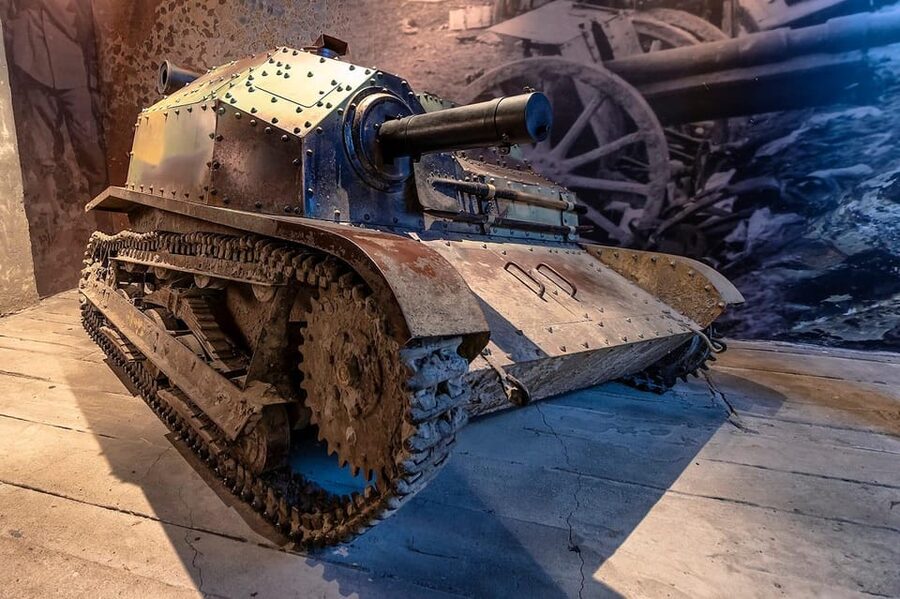
The exhibition uses ordinary objects, photographs, newspapers, personal papers, and official documents. These are not decorative extras. They show how large events entered kitchens, workplaces, homes, streets, and family decisions. A document can explain policy, but a household object can help you picture the person who had to live under that policy.
More Museum Visits in Kraków
- Auschwitz-Birkenau Museum and Memorial Guided Tour from Krakow
★ 4.5 · 1,510 reviews - Krakow: Rynek Underground Museum Guided Tour
★ 4.6 · 1,122 reviews - Krakow Schindler’s Factory Museum Guided Tour in English
★ 4.5 · 650 reviews
Beginning at Oskar Schindler’s Enamel Factory
Meet your guide in front of the museum entrance, looking for the person holding an excursions.city sign. That meeting point is simple, but allow enough time to find the entrance without rushing. The tour includes admission, so you do not need to arrange a separate museum ticket.
The experience begins in the former administrative and factory setting. The building itself gives the visit weight. You are entering a place connected to wartime production and to Schindler’s efforts to protect his Jewish workers.
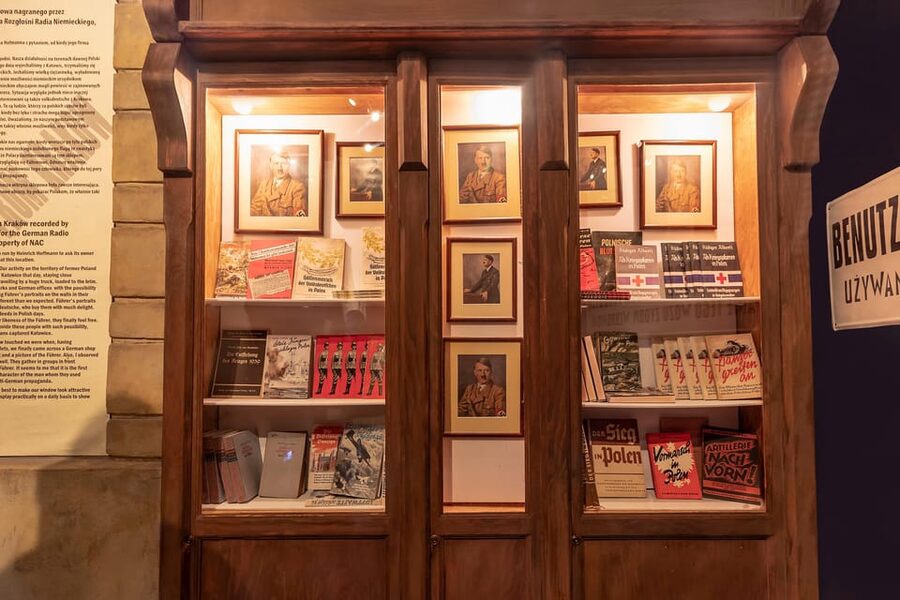
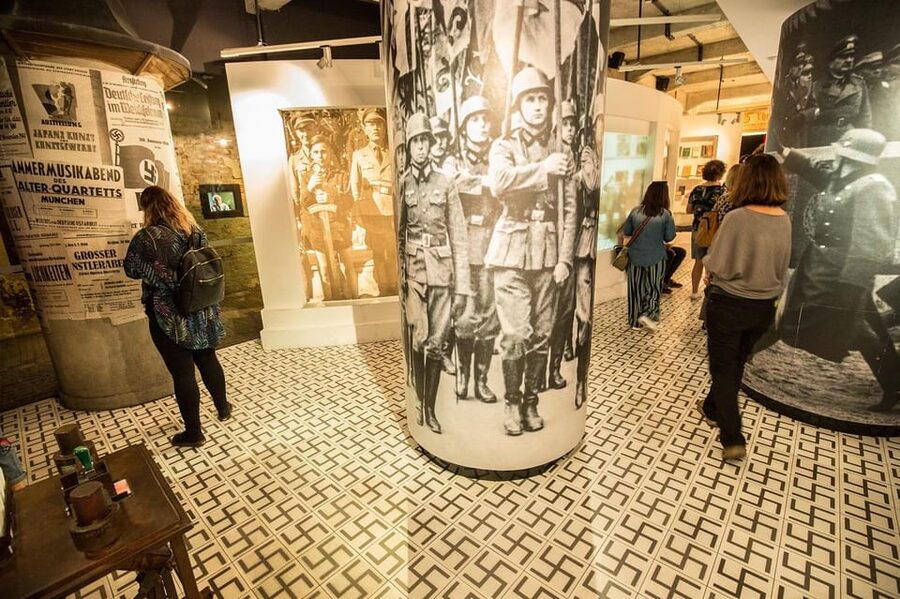
The museum does not ask you to rely on film memories alone. Instead, it uses the site, preserved rooms, objects, and multimedia displays to build a wider picture. The result is less like a standard collection of framed panels and more like a carefully arranged passage through the city between 1939 and 1945.
Your guide helps connect the rooms. That is important because the displays move between personal stories and citywide events. Without explanation, you might understand each object but miss how the pieces fit together.
A walk through occupied Krakow
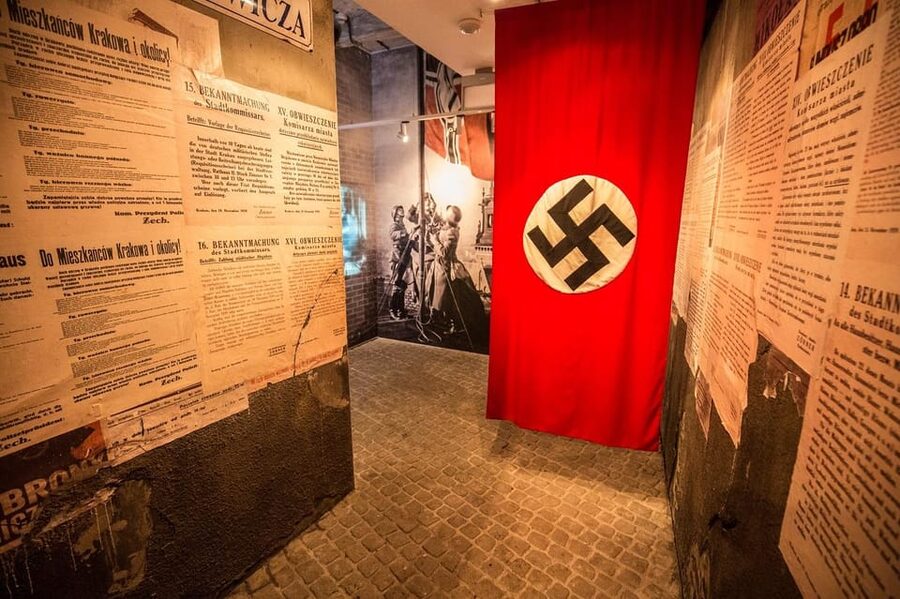
The route shows the everyday side of occupation. You may see ordinary objects, photographs, newspapers, and official papers that reveal how people navigated an abnormal life. The museum’s strength is its attention to daily routines, not only to major battles or political decisions.
You visit settings associated with a photographer and a tailor, including an authentic photo studio. These rooms help show working life and personal presentation during the period. They also make the material feel close to hand. A shop or studio can explain more about a city than a long list of dates because you can picture people entering, working, waiting, and trying to carry on.
The guide’s commentary is especially useful here. One of the strongest reasons to choose a guided visit is that you receive connections you might otherwise miss. A newspaper, photograph, or official document may have a short caption, while a guide can explain its place in Krakow’s wartime sequence.
The displays are emotionally heavy, but the route is not built only around shock. It also shows the structures of ordinary life. That balance gives you a more useful understanding of the period.
The tram and the changing city
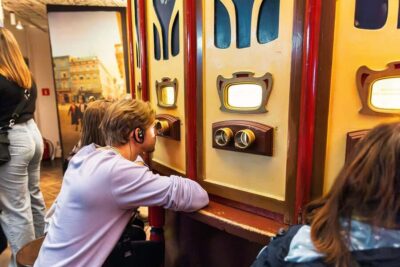
One of the most memorable sections places you inside a tram. Through its windows, you see film showing life in the wartime city. It is a clever museum device because it changes your position from someone looking at history to someone watching the city pass by.
The tram also helps explain movement and separation. Krakow was not a collection of unrelated rooms. It was a working city whose streets, neighborhoods, and public spaces were reshaped by occupation. The moving images give you a sense of that citywide setting without requiring a separate walking tour.
I would pay close attention during this part. It is easy to treat a multimedia display as a brief visual break, but it helps link the personal objects inside the museum with the streets beyond the building.
The attraction of this feature is also its limitation. You see a condensed presentation, not a complete film archive. If you want to linger over every image, the group schedule may not allow it.
More Schindler Factory tours:
- Krakow: Oskar Schindler’s Factory Entry Ticket & Guided Tour
★ 4.2 · 3,793 reviews - Krakow: Schindler’s Factory Tour with Entrance Ticket
★ 4.5 · 3,182 reviews - Krakow: Schindler’s Factory Skip-the-Line Ticket
★ 4.4 · 3,105 reviews - Krakow: Schindler’s Factory Tour with Entrance Ticket
★ 4.6 · 1,737 reviews
Entering the ghetto through a Jewish apartment
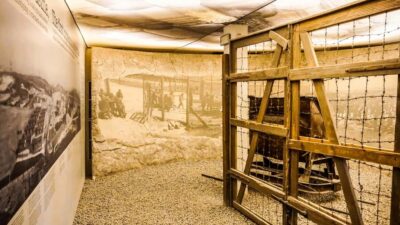
The route then takes you through a tight labyrinth representing the ghetto, including a Jewish apartment located within it. This is one of the more intimate parts of the visit. Rather than discussing the ghetto only as a boundary on a map, the exhibition places you among domestic surroundings.
That setting helps make forced confinement easier to grasp. The ghetto was not merely a marked area. It was a place where families had to live with crowding, uncertainty, and imposed restrictions. The apartment setting brings the story down to the scale of rooms and possessions.
You may find this section more difficult than the larger displays because it feels enclosed and personal. That is intentional. The narrow route and apartment setting create a different mood from the open, informational areas of the museum.
Your guide can provide the context that makes this portion more than a recreated room. Listen for the connection between the physical space and the policies that shaped life there. The museum’s strength is the combination of setting and explanation.
The Płaszów camp section
From the ghetto, the exhibition leads you toward the camp in Płaszów. The transition is part of the museum’s larger story about how Krakow’s Jewish population was displaced and subjected to increasingly harsh conditions.
The section is not presented as a separate, isolated topic. It follows the route of people whose lives had already been disrupted. That progression gives the exhibition its force. You see how the city’s wartime story moved from occupation and restrictions toward deportation, imprisonment, and mass suffering.
This part requires attention. The subject is grave, and the material may feel compressed because the whole tour lasts only 90 minutes. Still, the guide’s spoken explanation gives shape to the route and helps you understand why Płaszów belongs in this museum.
If you have a strong interest in the camp itself, you should treat this visit as an introduction rather than a complete study. The museum connects Płaszów to Krakow’s wartime experience, but the guided route cannot cover every aspect of the camp’s history.
Oskar Schindler’s office and the ark of survivors
Schindler’s office is the visit’s clearest link with the factory owner and the film that brought this place international attention. The office has been preserved in the factory’s administrative building, giving you a direct connection to the man whose actions helped save more than 1,000 Krakow Jews.
The exhibition handles his role with care. Schindler’s courage is acknowledged, but the museum does not turn the entire visit into a tribute to one personality. That is a strength. You leave with a sense of Schindler’s importance without losing sight of the many people affected by the war.
Inside the office is a symbolic ark of survivors, made from thousands of pots resembling those produced by the factory’s workers during the war. It is one of the museum’s most distinctive objects. The pots connect factory production with the people whose survival became part of Schindler’s story.
I find this more effective than a room filled with film memorabilia would be. The object is symbolic, but it is also tied to the work done in the factory. It brings the industrial setting and the human story together.
What the guide adds in 90 minutes
A guide is not essential because the museum lacks information. The displays provide plenty to see. A guide is useful because the exhibition contains many layers, and you have limited time to sort them.
The strongest guide commentary should help you track the city from 1939 to 1945, explain the role of ordinary objects, and place Schindler within the broader events. The best feedback about this tour has focused on the guides’ ability to explain Krakow during those years, not simply to praise Schindler.
That is exactly what I would want. A good visit should leave you with a clearer picture of the city, not only a memorable name.
The group format keeps the tour moving. One visitor found the museum’s full content too much for the available time, which is a fair criticism. You gain interpretation and a planned route, but you give up some freedom to stop at every document.
If you are the sort of person who reads every panel, consider returning independently after the tour if your schedule permits. The guided visit can give you the framework, while a second visit would let you set your own pace. The available information does not promise a second-entry arrangement, so check the museum’s current terms before planning this.
Is $50 a fair price?
At $50 per person, this is not the cheapest way to see a Krakow museum. The price includes the entrance ticket, a professional live guide, and access to the museum without waiting in the ticket line.
The value depends on how you like to visit museums. If you prefer to read quietly and move at your own speed, paying for a group guide may feel less worthwhile. You will have less control over the pace, and 90 minutes can feel short for the permanent exhibition.
If you want a clear introduction to Krakow’s World War II story, the price is easier to justify. You receive a route through the most important settings, commentary in one of five languages, and historical connections that can be hard to build alone.
I would consider it good value for a first visit, especially if you have limited time in Krakow. It is less convincing as your only visit if you want a slow, detailed study of every display.
Who should book this museum tour?
I would recommend it to first-time visitors who want historical context without arranging several separate stops. It suits adults, students, and anyone drawn to the human stories behind wartime events.
It also works well for people who know Schindler from the film but want the Krakow story placed on firmer historical ground. The museum is not a movie attraction in the simple sense. The film connection brings people here, but the exhibition asks you to look beyond the screen.
You may prefer an independent visit if you need a slow pace, dislike group tours, or want to spend a long time with written documents. The German feedback about moving too quickly is worth keeping in mind, even though the same visit still provided information that would be difficult to gain alone.
The tour is wheelchair accessible. Live commentary is available in English, French, German, Italian, and Spanish. For a $50 experience, those language choices add practical value, particularly when the subject depends on precise historical explanation.
Booking offers free cancellation up to 24 hours before the start time, and you can reserve without paying immediately. From January 1, 2026, provide the full names of everyone in your party and bring a passport or ID. Museum scheduling may also change the exact start time, even if you choose a preferred time.
Final verdict: book it for context, not just Schindler
Book this tour if you want a guided, emotionally serious introduction to Krakow during World War II. The tram, ghetto apartment, Płaszów section, and preserved office give the visit a strong sense of place, while the guide helps connect individual objects to the city’s larger story.
Do not book it expecting a leisurely examination of the whole museum. Ninety minutes and a group schedule mean you will move quickly. Still, for a first visit, the live commentary and included admission make $50 a reasonable price for a focused historical experience.
My practical choice would be to take the tour early in your Krakow stay. It can give you a better understanding of the city’s wartime sites and prepare you for further independent visits. Just arrive ready to listen, keep an eye on the pace, and remember that the museum’s story is much bigger than the movie.
FAQ
How long does the Schindler’s Factory Museum guided tour last?
The guided tour lasts 90 minutes.
What does the $50 price include?
The price includes a professional guide and the entrance ticket to Schindler’s Factory Museum.
Where is the meeting point?
Meet in front of the entrance to Oskar Schindler’s Enamel Factory. Look for the person holding an excursions.city sign.
Is this a private tour?
No. This is a group tour.
Which languages are available?
Live guiding is available in English, French, German, Italian, and Spanish.
Does the tour include ticket-line access?
Yes. Skip-the-ticket-line access is included.
Is the museum tour wheelchair accessible?
Yes. The activity is wheelchair accessible.
Can I cancel for a full refund?
Yes. You can cancel up to 24 hours in advance for a full refund.
Do I have to pay when I reserve?
No. The reserve-now, pay-later option lets you book without paying immediately.
What identification is required from January 1, 2026?
You must provide the full names of all participants when reserving and bring a passport or ID for entry. Without these documents, entry may be denied.
Just added around Kraków
- Rynek Underground Museum & Wawel Castle, Cathedral – Cracow★ 5.0 · 3 reviews
- Schindler’s Factory, Ghetto and Plaszow Camp Guided Tour★ 4.7 · 3 reviews
- Nowa Huta – a guided tour of a utopian socialist city★ 5.0 · 3 reviews
- Krakow: Kazimierz by Golf Cart and Schindler’s Factory Tour★ 4.8 · 3 reviews
- Krakow: Jewish Traces Private Electric Car Tour★ 4.1 · 3 reviews
- Private Krakow City Tour by Car and Walk with private tour guide★ 5.0 · 3 reviews
- Krakow: Indoor Go-Karting (24-Minute Races)★ 4.8 · 3 reviews
- Discover the Jewish Quarter with a Bike Tour★ 5.0 · 3 reviews
Schindler Factory Tours, compared.
Oskar Schindler’s Factory Entry Ticket & Guided Tour
Read our review →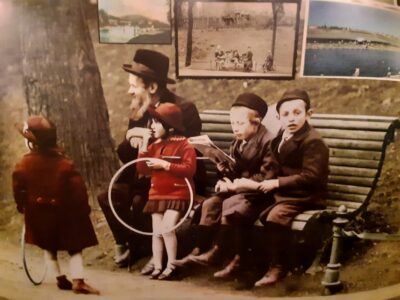
Schindler’s Factory Tour with Entrance Ticket
Read our review →
Schindler’s Factory Tour with Entrance Ticket
Read our review →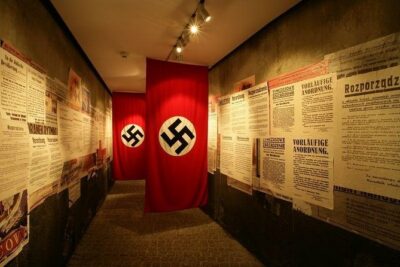
Schindler’s Factory in Krakow: Guided Tour & Skip the Line Ticket
Read our review →
Schindler’s Factory Ticket with Guided Tour Option
Read our review →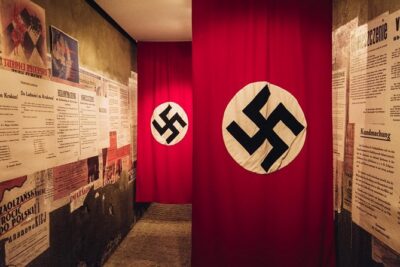
Krakow Schindler’s Factory Guided Tour with Admission Ticket
Read our review →Browse the lists this tour appears in