
REVIEW · HISTORICAL TOURS
Small-Group Historical Guided Tour of Warsaw with pick up/drop off. Public Tour.
Warsaw rewards a careful first look. This three-hour small-group tour links royal gardens, wartime memorials, and the rebuilt Old Town, giving you a useful overview without making you solve the city’s geography alone. I like the hotel pickup in an air-conditioned minivan, and I like the mix of short walks and vehicle transfers. The main drawback is pace: some people found the guide walked too quickly, while others wanted more free time in Old Town.
The strongest part is the guiding. Chris, George, Olaf, Alice, Les, and other guides have been praised for clear explanations and personal ties to Warsaw. I also like that the tour tackles both beauty and grief: Łazienki’s calm gardens sit in the same schedule as the Warsaw Ghetto memorials and the Uprising Monument. Old Town time is limited, so think of this as an orientation tour, not a leisurely afternoon with café stops.
In This Review
- Key points at a glance
- Why this tour works as a Warsaw introduction
- Łazienki Królewskie: a quiet royal opening
- The Ghetto Heroes Monument and POLIN
- Umschlagplatz and the weight of wartime memory
- The Royal Castle and the rebuilt Old Town
- St. John’s Cathedral and the Market Square
- The Barbican and Warsaw Uprising Monument
- Transport, walking, and group size
- The guides are the main strength
- What the $60.49 price really buys
- Cancellations and the minimum group issue
- Who should book this Warsaw tour?
- Should you book it?
- FAQ
- How long does the tour last?
- What time does the tour start?
- Is hotel pickup included?
- Is transport provided between the stops?
- Is the tour offered in English?
- What is the maximum group size?
- Are entrance tickets included?
- Can I visit POLIN after the tour?
- Can I stay in the Old Town after the tour?
- What is the cancellation policy?
Key points at a glance
- Royal gardens first: Spend about 45 minutes in Łazienki Królewskie, where many 18th-century monuments survived because this district escaped wartime destruction.
- Warsaw’s hardest history: Visit the Ghetto Heroes Monument and Umschlagplatz, then hear how Jewish people were deported to Treblinka.
- A rebuilt Old Town: See the Royal Castle from outside, St. John’s Cathedral, the Market Square, the Barbican, and the Warsaw Uprising Monument.
- Hotel pickup included: Collection and return are offered from hotels, hostels, apartments, and B&Bs in central Warsaw.
- Useful for a short stay: The tour connects areas that would take more planning and transport time on your own.
- Plan for a moving pace: The maximum group size is 20, and much of the Old Town portion is on foot.
Why this tour works as a Warsaw introduction
Warsaw is not a city you understand from one pretty square. Its center was almost destroyed in the Second World War, then rebuilt with extraordinary care. A good first tour needs to show you the royal city, the Jewish quarter’s memorial sites, and the wartime destruction without treating them as unrelated sights.
This route does that in a compact way. You begin in Łazienki, continue to the Warsaw Ghetto memorial area, and finish in the Old Town. The minivan helps connect these districts, while walking time is saved for places where being on foot matters.
I would choose this tour early in a Warsaw visit. One person described it as a good way to decide which parts of the city deserved more attention later, and that is exactly the point. After three hours, you can return to the Old Town, visit POLIN on your own, or plan a longer visit to Łazienki.
The tour is offered in English and costs $60.49 per person. That is not the cheapest way to wander Warsaw, but the price includes a professional guide, hotel pickup and drop-off, transport, bottled still water, Coca-Cola, and Polish chocolate candies. For a first visit, the saved planning time gives the fee a fair case, particularly if your accommodation is not close to the historic center.
More History Tours in Warsaw
- Warsaw: POLIN Museum of the History of Polish Jews Ticket
★ 4.7 · 1,142 reviews - Warsaw: Chopin Concert at Historical Venue in Old Town
★ 4.7 · 445 reviews - Warsaw: Jewish History Guided Walking Tour in English
★ 4.7 · 324 reviews
Łazienki Królewskie: a quiet royal opening
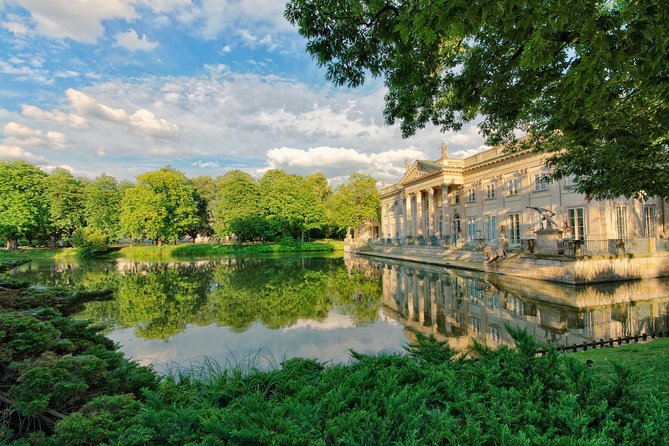
The first stop is Łazienki Królewskie, Warsaw’s royal garden. You have about 45 minutes here, with no separate admission charge listed for the tour.
This is a smart opening. The park offers a calm contrast to the difficult sites later in the day, and it shows you a part of Warsaw that retains original 18th-century monuments. The district was not destroyed in the Second World War, so much of what you see here is genuinely old rather than reconstructed after 1945.
The time is enough for an introduction and a walk, but not enough for a full exploration of the garden complex. If you want to see the park at a slow pace, photograph every monument, or spend time inside buildings, you will need to return independently.
One practical issue comes from the schedule. A few people felt too much time was assigned to the park compared with Old Town. I can understand that view if your main goal is medieval streets and the Royal Castle. Still, Łazienki gives the tour breathing room and shows a side of Warsaw that a simple Old Town walk would miss.
The Ghetto Heroes Monument and POLIN
From Łazienki, the group travels to the Monument to the Warsaw Ghetto Heroes. The stop lasts about 20 minutes and has no separate admission charge.
This is one of the tour’s most important moments. The monument commemorates the Warsaw Ghetto Uprising, and the guide’s explanation gives the surrounding area its proper weight. This is not just another photo stop. It is a place to pause and consider the people who resisted Nazi occupation under impossible conditions.
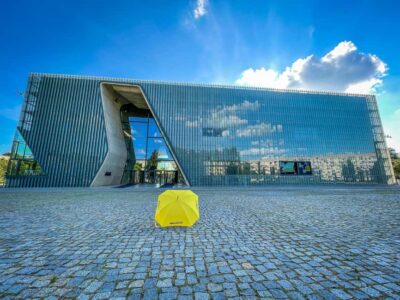
The POLIN Museum of the History of Polish Jews is next to the monument. Admission is not included, but the tour gives you the option of being dropped there after the city tour so you can visit independently. The museum is interactive and does not require you to have a guide, making it a sensible add-on if you have several hours free.
I would not try to squeeze a full POLIN visit into this three-hour schedule. Instead, treat the museum as a separate visit. The tour gives you the setting and essential context, then lets you choose how much more time you want.
Umschlagplatz and the weight of wartime memory
The next stop is Umschlagplatz, with about five minutes scheduled. This is a brief visit, but the subject is painful and significant.
Umschlagplatz was the square where the Nazis loaded Jewish people onto railway carriages for deportation to Treblinka. The short timing means you will hear an explanation and take in the memorial space rather than receive a long site visit.
Some people may find the sequence of the Ghetto Heroes Monument followed by Umschlagplatz emotionally heavy. That is not a flaw in the route, but you should know the tour does not present Warsaw only as a cheerful collection of restored buildings. Its serious sections are central to understanding the city.
A completely different kind of day out in Warsaw:
- Warsaw: Chopin Concert in the Old Town
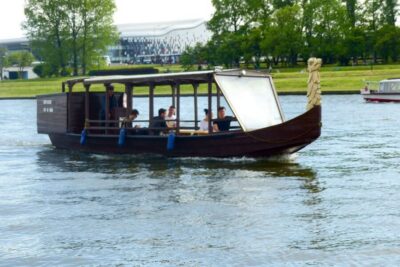
★ 4.8 · 2,287 reviews - Warsaw: Traditional Galar Cruise on The Vistula River
★ 4.6 · 1,640 reviews - Warsaw: Old Town Highlights Walking Tour in English
★ 4.7 · 1,516 reviews - Warsaw Concert: Chopin – Painted by Candlelights with Wine
★ 4.8 · 1,442 reviews
The Royal Castle and the rebuilt Old Town
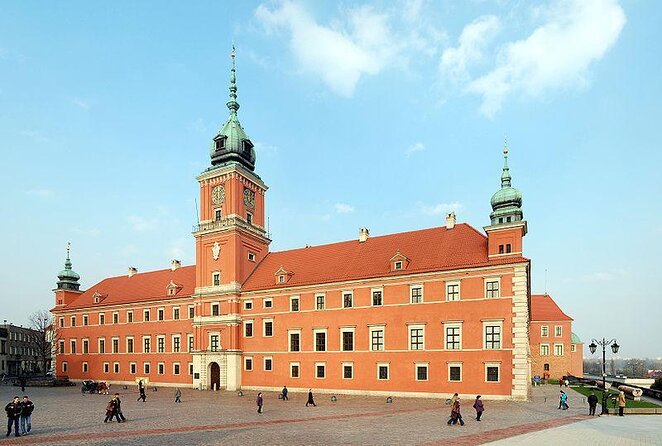
The tour then reaches the Old Town, where the guide points out the Royal Castle from outside. The castle was the property of Poland’s kings, was destroyed during the Warsaw Uprising in 1944, and was rebuilt in 1984.
Seeing it from the outside keeps the tour moving, but it also limits the experience. If the castle interiors are important to you, arrange a separate visit. This tour is about orientation and external landmarks, not museum entry.
The Old Town itself receives about 15 minutes at first, followed by several focused stops. That can feel fragmented, but it allows the guide to explain the area while keeping the group together. You get the broad picture before moving into the cathedral, square, defensive walls, and uprising memorial.
The most striking fact is that this attractive center was also destroyed during the Warsaw Uprising. Much of what looks medieval today was rebuilt, yet the reconstruction is part of the city’s story rather than a reason to dismiss it as artificial. The tour is at its best when the guide connects the colorful façades to the destruction and rebuilding that followed.
St. John’s Cathedral and the Market Square
The Archcathedral Basilica of St. John the Baptist receives about 10 minutes. It was built in the Masovian Gothic style, completely demolished during the Warsaw Uprising, and rebuilt in 1960.
Ten minutes is enough to step inside if conditions permit and hear the main explanation, but not enough for a slow architectural study. The cathedral is valuable here because it makes the city’s damage visible in a building that was reconstructed rather than preserved intact.
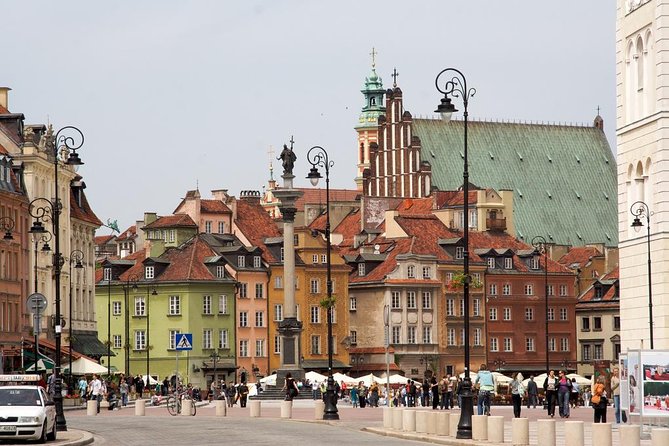
Next comes the Old Town Market Square, with about 20 minutes for a walk. This is likely to be one of your favorite portions if you enjoy architecture, urban views, and the atmosphere of a traditional European square. You can see the colorful buildings and feel how carefully the center has been restored.
Do not expect a long meal break. One person wanted more time in Old Town for a snack, and that is a fair warning. If you want coffee, shopping, or a relaxed look around the square, plan to remain there after the tour ends.
The Barbican and Warsaw Uprising Monument
The Warsaw Barbican gets about five minutes. This defensive structure, made from handmade red brick in Gothic style, is a compact stop along the Old Town walls.
It is more of a passage and explanation than a full visit. The guide will lead the group through the area, point out its defensive role, and keep the route moving toward the final memorial.
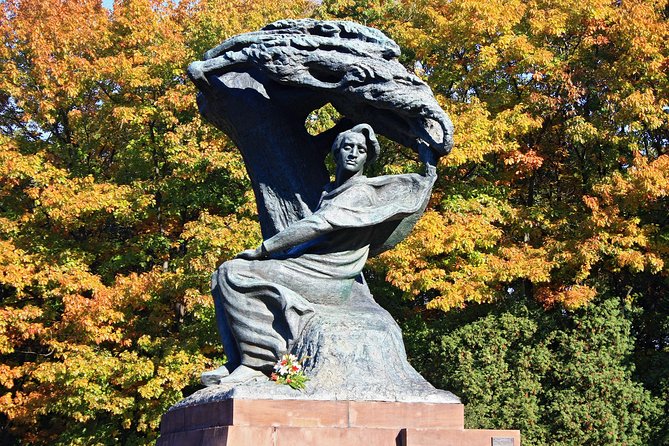
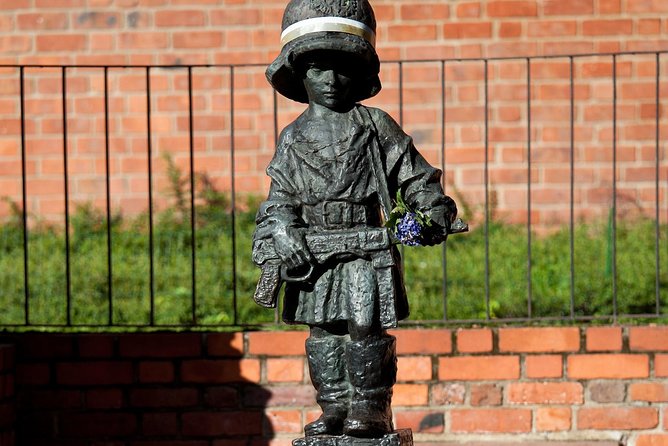
The Warsaw Uprising Monument follows after a short walk. The monument honors the fighters of the 1944 uprising and is one of the most expressive memorials in Warsaw. Its placement at the end of the historical route gives the tour a strong final note: you have moved from royal Poland through occupation, destruction, resistance, and reconstruction.
Afterward, you can remain in the Old Town or ask to be taken back to your accommodation. That flexibility is useful. I would stay in the center if you still have energy, since the official tour time is not designed for a relaxed evening there.
Transport, walking, and group size
Pickup begins at 10:00 a.m. from central hotels, hostels, apartments, and B&Bs. The air-conditioned minivan links the stops, so you are not walking between every district. The vehicle also gives your legs a break, which matters because the Old Town section includes several walks.
Do not mistake the minivan for a fully seated sightseeing ride. You will walk in Łazienki and through the Old Town, and one person specifically described the walking as substantial but worthwhile. Another found the guide’s pace too quick. Wear comfortable shoes and stay alert when the group moves through crowded streets.
The public tour can include up to 20 people. That is still manageable, but it is not an intimate private tour. In a crowded Old Town, keep the guide in sight and listen for instructions. One person lost the group near the end and suggested that a visible flag would have helped. That is practical advice, especially if you are traveling with children or anyone who walks slowly.
Children must be accompanied by an adult, and most people can take part. The tour is near public transport as well, though the main convenience is the included hotel transfer.
The guides are the main strength
The clearest pattern in the experience is the quality of the guiding. Chris was praised for long experience and for being born and raised in Warsaw. George was described as willing to answer questions and provide extra help. Olaf received praise for explaining Polish history and culture clearly.
Alice added quizzes and unexpected details to keep the conversation lively. Les was described as energetic and well informed. Leonidas was praised for his passion for Polish history and pride in his country. These differences matter because the experience depends heavily on who leads your particular departure.
The best guides do more than recite dates. They explain how Warsaw changed, why the rebuilt center looks the way it does, and how Polish resilience shaped the modern city. One guide even suggested books for further reading, which is a useful touch if you want to continue studying after the tour.
There is a small trade-off. A passionate guide may pack in a lot of information, and some people felt the pace was too fast. Ask questions when you can, stay near the guide, and say something early if you need a slower walking speed.
What the $60.49 price really buys
At $60.49, you are paying for more than entrance to sights, because the listed stops are viewed from public spaces and no attraction admissions are included. The value lies in the guide, transfers, route planning, and the ability to cover several parts of Warsaw in about three hours.
For a solo visitor or first-time couple staying outside the center, that can be good value. A minivan picks you up, carries you between distant areas, and returns you to your accommodation or leaves you in the Old Town. You also get drinks and Polish chocolate candies, a small but welcome extra.
The price is less attractive if you already know Warsaw, prefer slow independent walks, or want inside visits to the Royal Castle and POLIN. In that case, you may prefer to spend the same time exploring one district at your own speed.
The rating is 4.5 from 343 reviews, with many five-star accounts praising the guides, transport, and amount covered. The main concerns are limited Old Town free time, occasional fast walking, and uncertainty when the minimum number of participants is not reached.
Cancellations and the minimum group issue
Free cancellation is available up to 24 hours before the local start time for a full refund. Changes or cancellations made less than 24 hours before departure are not accepted for a refund.
The tour requires a minimum number of people. If that minimum is not met, the company may cancel and offer another date or experience, or provide a full refund. This matters most in winter or on quieter dates. One person was informed close to departure that the public tour might be canceled or changed to a more expensive private option, while another still found the private alternative worthwhile.
If your day is tightly scheduled, check the tour status before relying on it as your only Warsaw plan. The departure is often booked well ahead, with an average booking time of 35 days, so early reservations make sense during busy periods.
Who should book this Warsaw tour?
I would recommend it to a first-time visitor who wants a clear introduction, has limited time, or is staying outside the Old Town. It suits people who want serious historical context along with major sights, rather than a tour devoted only to pretty buildings.
It is also a good choice if arranging several taxi rides feels like a nuisance. The pickup and drop-off save time, and the route covers Łazienki, the former Ghetto area, and the Old Town in one outing.
I would be more cautious if you have mobility concerns, dislike group pacing, or want long interior visits. The tour is not described as strenuous, but it includes walking, crowded streets, and several brief stops. If you want a relaxed Old Town lunch, plan to stay after the formal tour.
Should you book it?
Book this tour if you want Warsaw’s main story in one efficient morning. The mix of royal gardens, Jewish memorials, reconstructed streets, and Uprising sites is thoughtful, and the guides are the reason the experience receives such strong praise.
Skip it if you already have a detailed plan for Łazienki, POLIN, the Royal Castle, and Old Town, or if you want to linger at each place. For most first visits, though, the $60.49 fee is reasonable for the transport, planning, and strong historical guidance. Book early, especially outside the high season, and keep the rest of your day open for the Old Town or POLIN.
FAQ
How long does the tour last?
The advertised duration is approximately three hours. Individual departures may run longer, as one account described a tour lasting about three hours instead of two.
What time does the tour start?
The stated start time is 10:00 a.m.
Is hotel pickup included?
Yes. Pickup and drop-off are offered from hotels, hostels, apartments, and B&Bs located in central Warsaw.
Is transport provided between the stops?
Yes. Transport is provided in an air-conditioned minivan.
Is the tour offered in English?
Yes. English is the listed language.
What is the maximum group size?
The public tour has a maximum of 20 people.
Are entrance tickets included?
No attraction admission fees are listed as included. The described stops are viewed from public areas, and POLIN and the Royal Castle are not included as interior visits.
Can I visit POLIN after the tour?
Yes. You can be dropped off at POLIN after the city tour and visit the museum independently.
Can I stay in the Old Town after the tour?
Yes. After the tour, you can remain in the Old Town or request drop-off at your accommodation.
What is the cancellation policy?
You can cancel at least 24 hours before the local start time for a full refund. Cancellations or changes made less than 24 hours before the start are not accepted for a refund.
Just added around Warsaw
- Jewish heritage in Warsaw★ 4.5 · 3 reviews
- Warsaw Outdoor Paintball with Transfers (all year round)★ 5.0 · 3 reviews
- World War II Warsaw Old Town, Military Cemetery Walking Tour★ 4.7 · 3 reviews
- Warsaw: Wolf’s Lair & Swieta Lipka Small-Group Tour + Lunch★ 5.0 · 3 reviews
- Sunset Boat Tour with Unlimited Drinks in Warsaw★ 3.5 · 3 reviews
- Majdanek – German camp from II World War – Private Tour – 1 DAY TRIP FROM WARSAW★ 5.0 · 3 reviews
- From Warsaw: Guided Tour to Wieliczka Salt Mine and Krakow★ 4.5 · 3 reviews
- Warsaw Sightseeing with NEW Mercedes Sclass !!!★ 5.0 · 3 reviews
Historical Tours, compared.


POLIN Museum of the History of Polish Jews Ticket
Read our review →

Gdańsk City Sights & History Guided Walking Tour in English
Read our review →

Browse the lists this tour appears in