
REVIEW · MUSEUMS
Wroclaw: WW2 Tour to Project Riese & Gross-Rosen Museum
History gets underground here. This private day trip from Wroclaw combines the eerie tunnels of Project Riese with the sobering grounds of Gross-Rosen Concentration Camp. I like the easy hotel pickup and the scenic 1.5-hour drive through the mountains and countryside. I also like that the day joins two very different parts of World War II history in one well-planned outing. The main drawback is the pace: with eight hours to cover both sites, your time at each place is limited.
The tour costs $171 per person and includes private transport, entrance fees, bottled water, and audio guides. That is a fair price if you value door-to-door service and do not want to arrange a rental car or piece together regional transport. Bring a jacket, since the underground sections remain around 8 to 10°C, even when Wroclaw is warm.
In This Review
- Key Points Before You Book
- Leaving Wroclaw for the Owl Mountains
- Project Riese and the Unfinished Underground City
- Why Osówka Works Best With an Audio Guide
- Lunch, Timing, and the Choice to Keep Moving
- Gross-Rosen Concentration Camp
- Two Sites, Two Different Kinds of History
- Is $171 Per Person Good Value?
- Who Should Take This Tour?
- Practical Advice for a Better Day
- Should You Book Project Riese and Gross-Rosen?
- FAQ
- How long does the tour last?
- Where does pickup take place?
- How long is the drive to Project Riese?
- Is the tour private?
- What vehicle is used?
- Are entrance fees included?
- Which languages are available for the audio guides?
- Is lunch included?
- How much time is available at Gross-Rosen?
- Can children or wheelchair users take this tour?
Key Points Before You Book
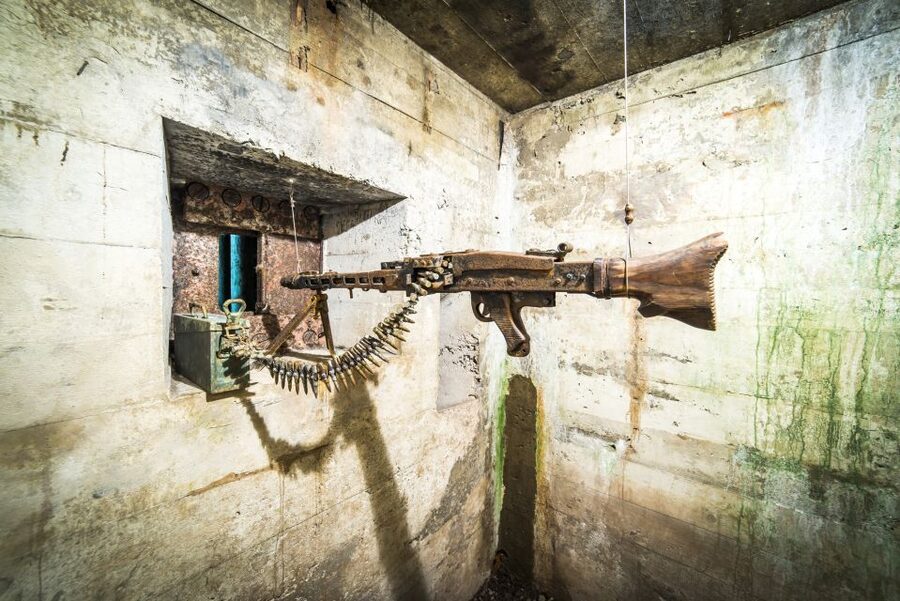
- Project Riese includes Osówka, the so-called Underground City, with unfinished tunnels built under Nazi Germany between 1943 and 1945.
- The 1.5-hour drive is part of the experience, taking you from Wroclaw through mountain and countryside scenery toward Lower Silesia.
- Gross-Rosen adds an essential human dimension, moving the day beyond military construction and into the history of Nazi camp imprisonment and forced labor.
- You receive audio guides at both major stops, with English, German, French, Spanish, and Italian listed as available languages.
- The tour is private, so your group has a driver, hotel pickup, and round-trip transport without sharing a minivan with strangers.
- The day is not suitable for children under five, wheelchair users, or anyone uncomfortable in enclosed spaces.
Leaving Wroclaw for the Owl Mountains
Your driver collects you from your hotel or other accommodation within Wroclaw. The vehicle is an air-conditioned minivan, and the drive to Project Riese takes about 1.5 hours.
I like this opening because it gives the day a sense of place before the history begins. You leave the city and travel through the countryside toward the Owl Mountains, part of the Lower Silesian setting tied to Project Riese. The drive also gives you time to prepare for a day that shifts between military mystery and the grim reality of a concentration camp.
The driver speaks English and acts as your driver and guide, though local guides are not included. That distinction matters. You get assistance with the route, timing, and basic orientation, but the main interpretation comes through the audio guides at the sites.
Communication appears to be a strength of the operation. One recent booking described the driver as exceptionally friendly, clear, and reassuring behind the wheel, while another praised the punctual organization and strong English. I would still confirm the language arrangements before booking if you need Spanish or another language. The tour lists several audio guide languages, but one Spanish-speaking customer found that the guide was not available in Spanish on the day.
More museum visits in Poland:
- Auschwitz-Birkenau Museum and Memorial Guided Tour from Krakow
★ 4.5 · 1,510 reviews - Warsaw: POLIN Museum of the History of Polish Jews Ticket
★ 4.7 · 1,142 reviews - Krakow: Rynek Underground Museum Guided Tour
★ 4.6 · 1,122 reviews
Project Riese and the Unfinished Underground City
Project Riese was the codename for a major Nazi German construction effort carried out between 1943 and 1945. It involved seven underground structures in the Owl Mountains and at Książ Castle, though the individual sites were left in different states of completion.
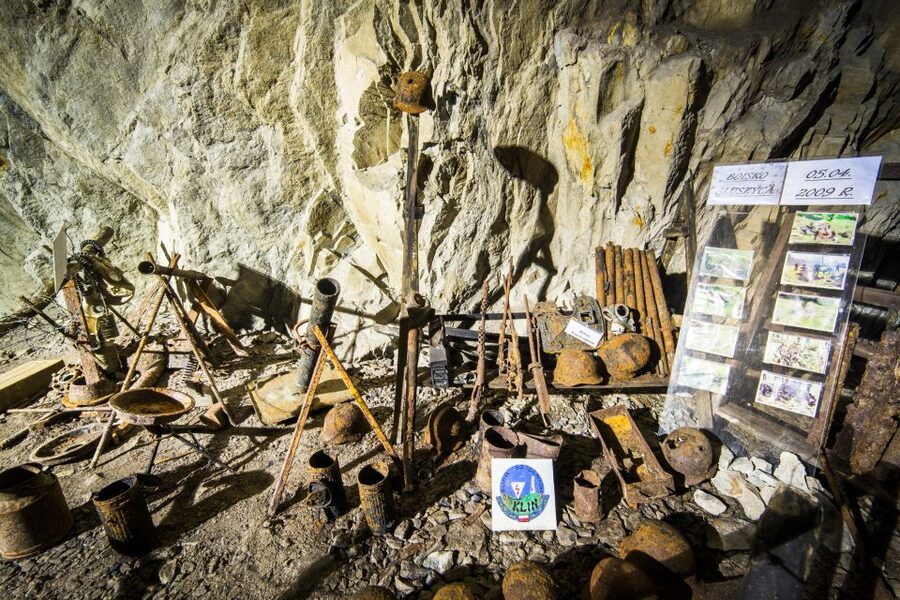
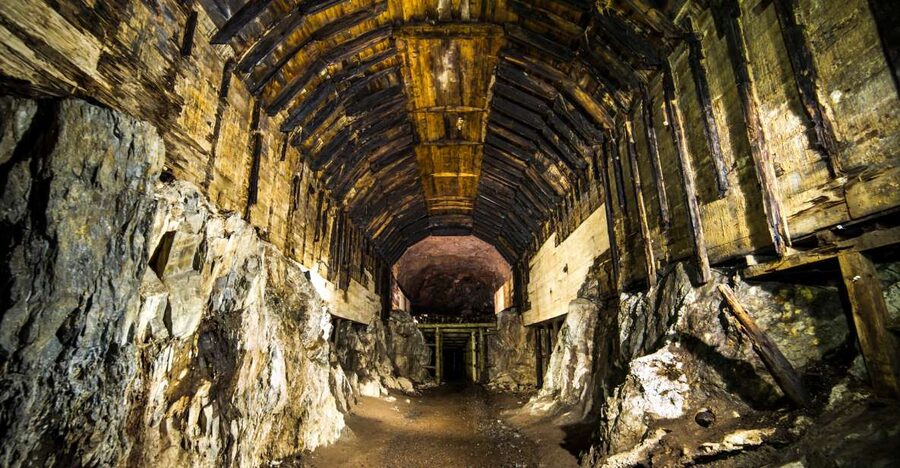
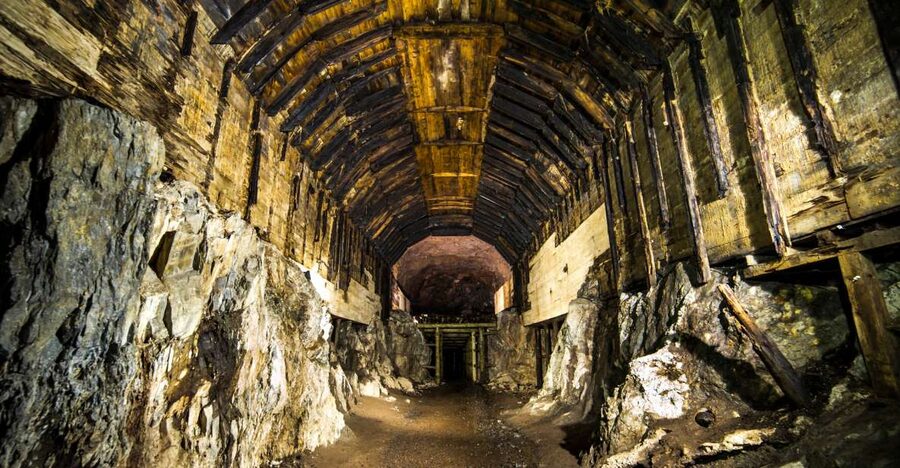
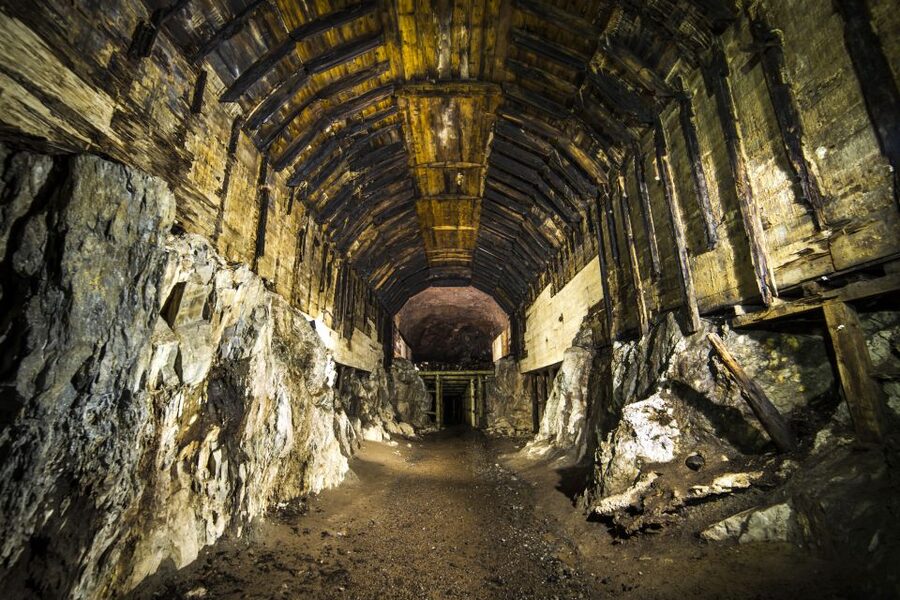
You visit the Riese complex and see the Osówka site, known as the Underground City. Here, the interest comes partly from what is visible and partly from what remains unresolved. The tunnels are not a polished museum attraction. They are unfinished underground works that show the scale of the construction effort without giving you a neat, complete picture of its intended final purpose.
That unfinished quality is exactly what makes the site compelling. You walk through enclosed passages and underground chambers while the audio guide provides the historical framework. Instead of viewing a finished military building, you see a vast project interrupted by the end of the war.
The underground temperature stays at about 8 to 10°C. Even in summer, you will want a sweater or jacket. Comfortable shoes are just as important, since the visit involves walking through an underground complex rather than simply viewing displays in a level exhibition hall.
Project Riese is also the part of the day most likely to trouble anyone with claustrophobia. The tunnels are not suitable for people who feel uneasy in enclosed spaces, and children younger than five are not allowed to enter. The site is not wheelchair accessible, so you should take those limits seriously rather than treating them as minor booking notes.
Why Osówka Works Best With an Audio Guide
The audio guide gives you the freedom to move at your own pace while still receiving background about the construction project. You can pause, listen, and look around rather than trying to keep up with a live group.
That is useful in a place where the physical setting can be hard to interpret on its own. Concrete, rock, unfinished chambers, and dark passageways do not automatically explain their purpose. The recorded commentary helps connect the structures to Nazi Germany’s wartime building plans.
You should not expect a conventional castle tour or a tidy sequence of grand rooms. Project Riese is about scale, labor, secrecy, and incomplete construction. The experience is strongest if you enjoy historic sites that leave questions open and require you to use your imagination carefully.
The visit also benefits from being private. You are not locked into another group’s pace, and your driver can help keep the day moving. Still, private transport does not mean unlimited time. The whole excursion lasts about eight hours, including the long return drive, lunch or a meal pause, and the Gross-Rosen visit.
Lunch, Timing, and the Choice to Keep Moving
After Project Riese, you can pause for lunch, or your driver can take you directly to Gross-Rosen. Food and drinks are not included, so you should plan to pay for lunch separately.
This flexible point in the day is practical, but it also highlights the tour’s time limits. A proper meal uses part of an eight-hour schedule. If you are especially focused on the historical sites, going directly onward may give you more breathing room. If you prefer a slower day, taking a break can help you stay attentive during the second half.
I would decide based on your priorities. Project Riese requires concentration, and Gross-Rosen is emotionally demanding. A short pause may make the day easier to manage. On the other hand, you should not expect a leisurely restaurant outing plus long, unhurried visits at both sites.
A completely different kind of day out in Poland:
- From Krakow: Auschwitz-Birkenau Guided Tour & Hotel Pickup
★ 4.5 · 33,358 reviews - From Krakow: Auschwitz-Birkenau Guided Tour & Hotel Pickup
★ 4.5 · 29,340 reviews - Krakow: Auschwitz Guided Tour with Optional Hotel Pickup
★ 4.5 · 15,280 reviews - Krakow–Zakopane: Cable Car, Chocholow Baths, Cheese & Vodka
★ 5.0 · 10,720 reviews
Gross-Rosen Concentration Camp
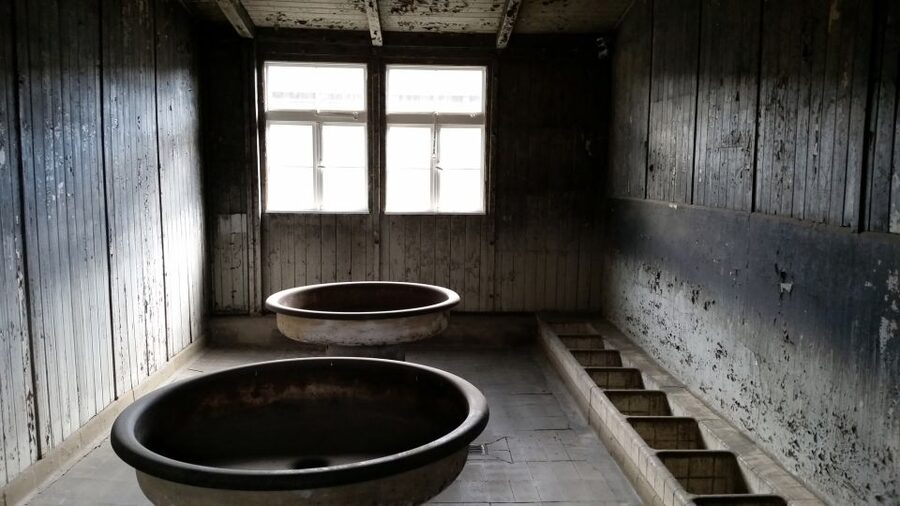
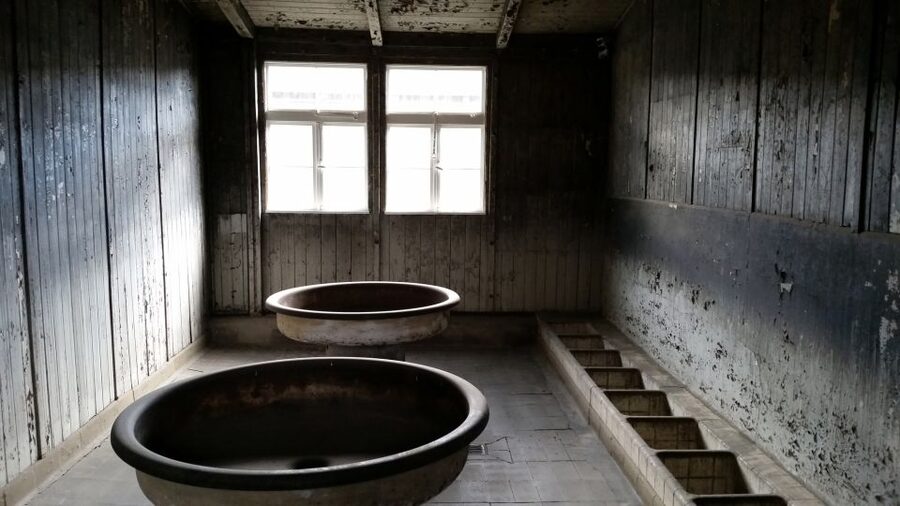
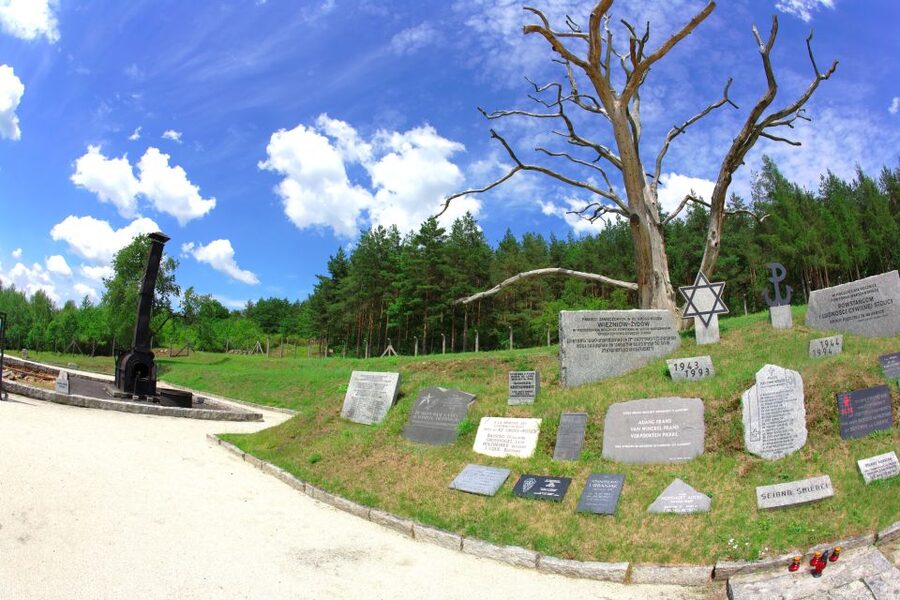
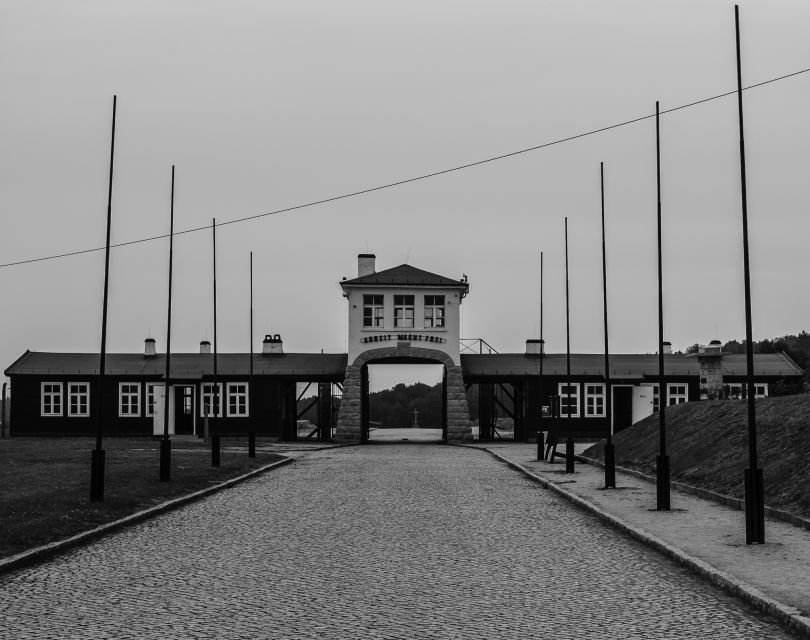
The second major stop is Gross-Rosen Concentration Camp, a German network of Nazi concentration camps operated during World War II. The main camp was located in the German village of Gross-Rosen, and the wider complex eventually included as many as 100 sub-camps in eastern Germany, Czechoslovakia, and occupied Poland.
At its height in 1944, the Gross-Rosen network accounted for around 11 percent of all inmates held in the Nazi concentration camp system. That figure gives you a sense of the network’s scale, but the visit is not only about statistics. The museum and outdoor grounds place human suffering at the center of the day.
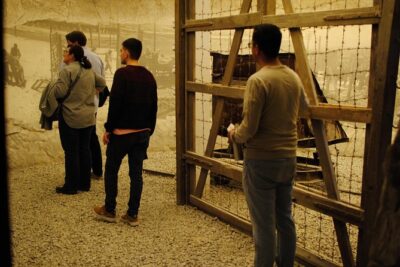
You begin with a short film about the camp’s history. This is a useful introduction before you walk through the indoor and outdoor exhibitions. It gives you basic context, then allows the remaining visit to become more personal and reflective.
You have up to two hours to explore the museum and grounds before returning to Wroclaw. That is enough time for a meaningful visit, but you will need to watch the clock. The tour does not offer an open-ended afternoon, and the return journey still takes time.
I recommend treating Gross-Rosen with patience and respect. This is not a stop to rush through simply because it follows an unusual tunnel visit. Project Riese may appeal to curiosity about wartime construction, while Gross-Rosen confronts you with the consequences of Nazi persecution and the camp system.
Two Sites, Two Different Kinds of History
The value of this tour comes from the contrast between its stops. Project Riese focuses on secret underground construction and military ambition. Gross-Rosen focuses on imprisonment, camp organization, and human loss.
Seen together, the sites provide a broader look at wartime Lower Silesia. You move from a remote mountain project to a concentration camp museum, from unfinished structures to preserved evidence and historical explanation.
I find that contrast more useful than visiting two similar military attractions in one day. The first stop may spark questions about why the tunnels were built and how the project was organized. The second makes clear that World War II history cannot be reduced to engineering, weapons, or strategic plans.
The tone also changes sharply. Project Riese is atmospheric and physically unusual. Gross-Rosen is solemn and morally heavy. You should be ready for that shift rather than expecting a light sightseeing trip.
Is $171 Per Person Good Value?
At $171 per person, this is not a budget excursion. The price includes private round-trip transport from your Wroclaw accommodation, fuel surcharge, tax, bottled water, entrance fees, and audio guides.
The strongest value comes from convenience. You do not need to find your way to the Owl Mountains, arrange a second connection to Gross-Rosen, or organize your return to Wroclaw. For a private group, that door-to-door service can justify the cost, especially if you want one full day devoted to both sites.
The price is less attractive if you already have a car, prefer public transport, or want to spend several hours at only one location. It is also worth remembering that lunch and other food are extra, and local guides are not included.
A well-organized private day trip can still be good value when the sites are spread out and the route is not simple. Here, the driver handles the long distances while you focus on the visit. Recent feedback also points to reliable timing, friendly service, and quick communication from the tour company.
Who Should Take This Tour?
I would recommend this experience to adults and older children with a serious interest in World War II, Nazi Germany, military construction, and memorial history. It suits you especially well if you want to see both an unusual underground site and a concentration camp museum without changing hotels or arranging several separate journeys.
The tour is also a good match for small private groups. You get hotel pickup, your own vehicle, and a schedule that can adjust slightly around lunch. The driver can take you directly from one site to the next rather than sending you through a series of connections.
I would think twice if you dislike enclosed spaces, struggle with extended driving days, or want a relaxed schedule. The underground temperature is cold, the day includes substantial road time, and the subject matter at Gross-Rosen is difficult.
Families should note that children must be accompanied by an adult, children under five cannot enter Project Riese, and the tour is not wheelchair accessible. If language is important, check the available audio guide at booking time, particularly if you need Spanish.
Practical Advice for a Better Day
Wear comfortable shoes and bring a warm layer even if the forecast in Wroclaw is sunny. The underground section can feel cold, and a jacket is specifically recommended.
Keep some flexibility around lunch. Since food is not included, you should be prepared to pay separately and decide whether you want a pause or a more direct transfer to Gross-Rosen.
Use the audio guides rather than rushing through the sites. English is the driver’s language, and the audio guide system is intended to provide the detailed site information. The listed audio languages are English, German, French, Spanish, and Italian, but it is sensible to confirm your preferred option in advance.
Give Gross-Rosen the time and attention it deserves. The short film comes first, followed by indoor and outdoor exhibitions, with up to two hours available. You may find the second stop more emotionally demanding than the first, so plan your energy accordingly.
Free cancellation is available up to 24 hours before departure, and you can reserve now while paying later. That is useful if your Wroclaw plans are still shifting, though the main decision remains your comfort with the itinerary and subject matter.
Should You Book Project Riese and Gross-Rosen?
Book this tour if you want an efficient, private way to connect two important World War II sites outside Wroclaw. The combination of secret tunnels, mountain scenery, a concentration camp museum, hotel transport, and audio guides gives you a full historical day without the stress of driving and route planning.
Skip it if you need wheelchair access, dislike enclosed underground spaces, or prefer a slow visit focused on one site. Also confirm the audio guide language if you are counting on Spanish or another non-English option.
For the right audience, the $171 price buys more than admission tickets. It buys time saved on transport, a private vehicle, and a carefully connected route through Lower Silesia’s wartime past.
FAQ
How long does the tour last?
The tour lasts about 8 hours, including transport from Wroclaw, the visits to Project Riese and Gross-Rosen, and the return journey.
Where does pickup take place?
Pickup and drop-off are included from your hotel or other accommodation within the city of Wroclaw.
How long is the drive to Project Riese?
The drive from Wroclaw to Project Riese takes around 1.5 hours.
Is the tour private?
Yes. It is arranged as a private group tour with private round-trip transport.
What vehicle is used?
Transport is provided in an air-conditioned minivan.
Are entrance fees included?
Yes. Entrance fees and use of audio guides are included in the price.
Which languages are available for the audio guides?
The listed audio guide languages are English, German, French, Spanish, and Italian.
Is lunch included?
No. Food and drinks are not included. You can pause for lunch after Project Riese, or continue directly to Gross-Rosen.
How much time is available at Gross-Rosen?
You have up to 2 hours to see the indoor and outdoor exhibitions after watching a short film about the camp’s history.
Can children or wheelchair users take this tour?
Children must be accompanied by an adult, and children under five cannot enter Project Riese. The tour is not wheelchair accessible and is not suitable for people with claustrophobia.
Just added around Poland
- Rynek Underground Museum & Wawel Castle, Cathedral – Cracow★ 5.0 · 3 reviews
- Schindler’s Factory, Ghetto and Plaszow Camp Guided Tour★ 4.7 · 3 reviews
- Jewish heritage in Warsaw★ 4.5 · 3 reviews
- Poznan Old Town and Croissant Museum Private Walking Tour★ 5.0 · 3 reviews
- Warsaw Outdoor Paintball with Transfers (all year round)★ 5.0 · 3 reviews
- Nowa Huta – a guided tour of a utopian socialist city★ 5.0 · 3 reviews
- Half-Day Chelmno Kulmhof Concentration Camp Private Tour★ 4.5 · 3 reviews
- 4 hours skitour trip in Tatra Mountains for beginners with renting equipment★ 5.0 · 3 reviews
Museums, compared.
Auschwitz-Birkenau Museum and Memorial Guided Tour from Krakow
Read our review →
POLIN Museum of the History of Polish Jews Ticket
Read our review →


Krakow Schindler’s Factory Museum Guided Tour in English
Read our review →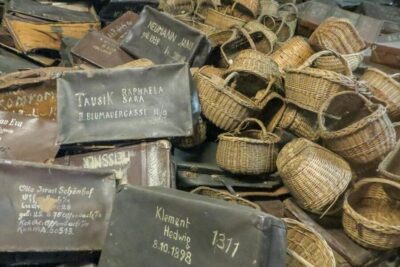
Auschwitz Birkenau Museum Guided Tour with Pickup
Read our review →
Browse the lists this tour appears in