
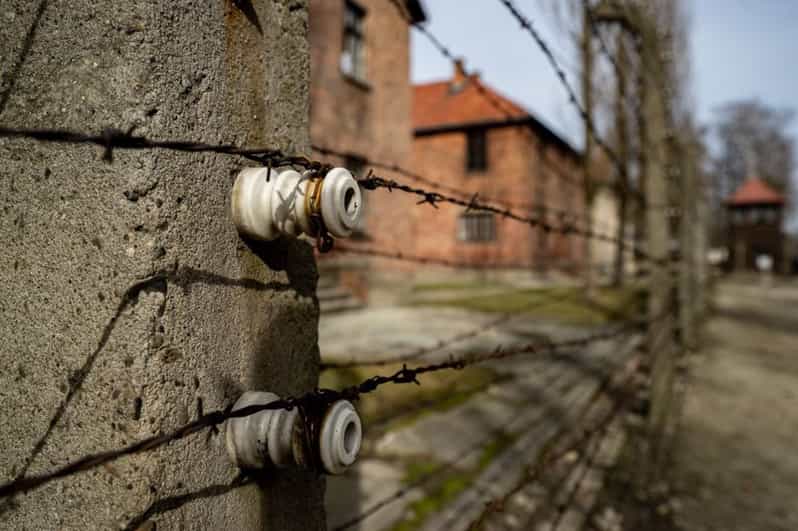
REVIEW · AUSCHWITZ-BIRKENAU MEMORIAL TOURS
Auschwitz-Birkenau Skip-the-Line Ticket and Guided Tour
Auschwitz demands your full attention. This four-hour visit combines both camps with an official museum guide, so you get context instead of simply walking among buildings and fences. I like the pre-booked entry and the included transfer between Auschwitz I and Birkenau. I also like the headsets, which matter in a group of up to 30 people. The main drawback is that your start time can change, sometimes with less than a day to adjust your plans.
The experience costs $55 per person and focuses on Auschwitz I and Auschwitz II-Birkenau, not transportation from Krakow or another city. Guides speak English, French, or German. Names praised in the feedback include Jakob, Mary, Magdalena, Oskar, Aga, and Mike, though your guide will depend on the date and language.
Plan for plenty of walking, cold or wet weather, and very little downtime. The subject is painful, and the tour moves at the memorial’s pace. This is not a casual sightseeing stop. It is a structured visit to a place of mass murder and remembrance, and respectful behavior matters.
In This Review
- Key points to know before you go
- Why this Auschwitz-Birkenau tour is worth considering
- Meeting the host and finding your group
- Auschwitz I: the first 90 to 120 minutes
- The short transfer to Birkenau
- Birkenau: 60 to 75 minutes across an open site
- Guide quality is the biggest strength
- Timing changes can disrupt your day
- Is $55 a fair price?
- What to bring and what to leave behind
- A respectful way to visit
- Who will get the most from this tour?
- Should you book the Auschwitz-Birkenau guided tour?
- FAQ
- How long does the Auschwitz-Birkenau tour last?
- Does the tour visit both Auschwitz camps?
- Is transportation from Krakow included?
- Does the ticket let me skip every queue?
- What languages are available?
- How large can the tour group be?
- Can the tour start time change?
- Can I get a refund if the time changes?
- What identification should I bring?
- What items and clothing are not allowed?
Key points to know before you go
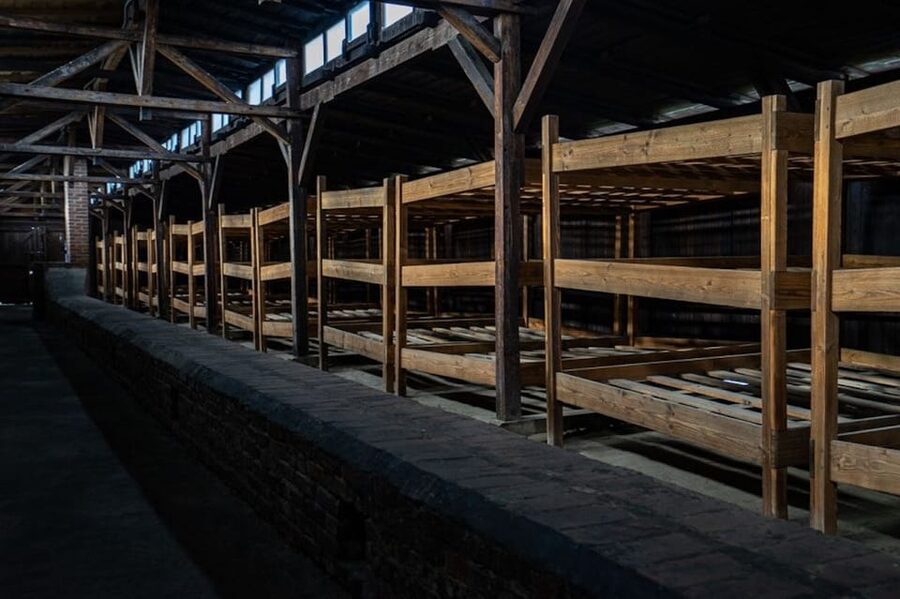
- Two camps in one visit: Spend about 1.5 to 2 hours at Auschwitz I, then 60 to 75 minutes at Birkenau.
- Official museum guide: Your guide leads the visit inside both parts of the memorial and explains the history of the Holocaust and World War II.
- Transfer between camps included: You do not need to arrange the connection between Auschwitz I and Birkenau, but transport from Krakow is not included.
- Skip-the-line entry saves effort: Your admission is booked in advance, which is especially useful during busy periods.
- Expect a hard walking day: Reviews point to several kilometers of walking, limited seating, and only a short break between camp visits.
- Your name must match your ID: Bring a passport or identity card, and enter your details exactly as they appear on it.
Why this Auschwitz-Birkenau tour is worth considering
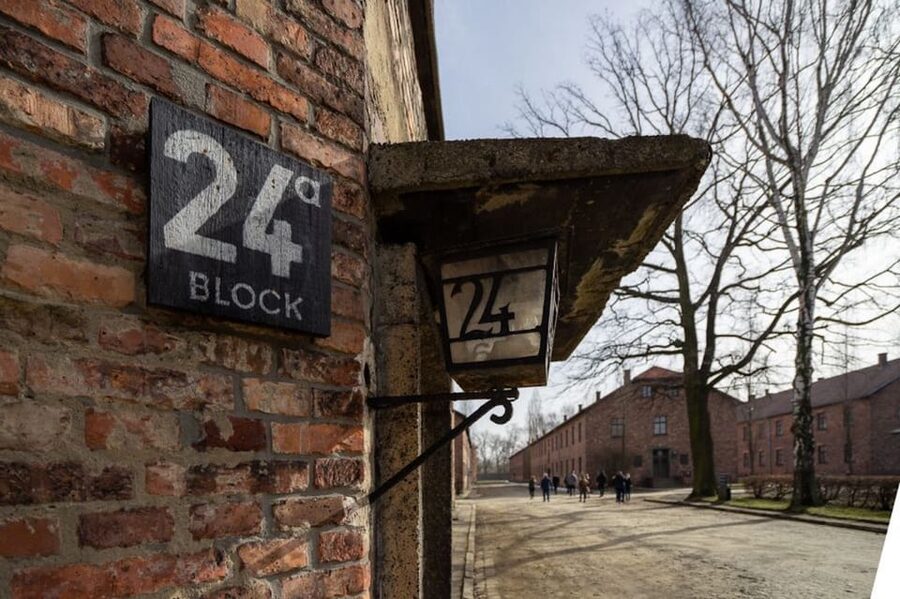
Auschwitz-Birkenau is not a place where a quick look tells you much. The grounds, buildings, objects, and railway tracks carry meaning that can be missed without explanation. A licensed museum guide gives the visit a clear path and helps connect what you see with the system of imprisonment, forced labor, deportation, and murder carried out there.
I think the guided format is the strongest reason to choose this experience. You follow an authorized guide through Auschwitz I and Auschwitz II-Birkenau rather than trying to piece together the story alone. The guide explains what happened in each setting, answers questions, and helps you understand why particular buildings and objects matter.
The tour has an average rating of 4.4 from 1,241 reviews, with especially strong praise for guide quality. People repeatedly describe the guides as clear, respectful, passionate, and easy to follow. That matters here. A poor guide could make a serious visit feel rushed or confusing, while a good one can provide a measured explanation without turning the place into a spectacle.
The skip-the-line ticket is useful, but it needs a little explanation. It does not mean you walk straight through every security check or ignore the memorial’s visitor procedures. It means your admission is booked in advance, helping you avoid the ticket-buying queue. You still need to arrive on time, pass through entry controls, and follow the museum’s rules.
More Auschwitz-Birkenau memorial tours:
- From Krakow: Auschwitz-Birkenau Guided Tour & Hotel Pickup
★ 4.5 · 33,358 reviews - From Krakow: Auschwitz-Birkenau Guided Tour & Hotel Pickup
★ 4.5 · 29,340 reviews - Krakow: Auschwitz Guided Tour with Optional Hotel Pickup
★ 4.5 · 15,280 reviews
Meeting the host and finding your group
The meeting point is marked by a logo board on the main building. The local host meets you there, gives basic advice, and helps you connect with the official museum guide. This extra handoff is useful because the memorial can feel confusing when several groups gather at once.
Still, this is one area where you should pay attention. Some people had difficulty identifying the exact meeting point, especially when the operator name or sign was not easy to spot. One group waited for further instructions after receiving tickets, while another had trouble finding the right place after arriving by public transport.
Give yourself plenty of time to locate the building and meeting point. Do not arrive at the last minute. Late arrivals cannot be accommodated, and the museum schedule is not flexible in the way a private walking tour might be.
The host is also not your Krakow transfer. The tour includes transport between Auschwitz and Birkenau, but you must arrange your own way to the first camp. Transportation from Krakow or another Polish city is not included, and parking fees are separate.
One person arrived at the wrong meeting point after using public transport and suggested hotel pickup as a better choice. Based on the information provided here, however, this specific experience does not include transport from Krakow. Check your booking carefully so you know exactly where you must begin.
Auschwitz I: the first 90 to 120 minutes
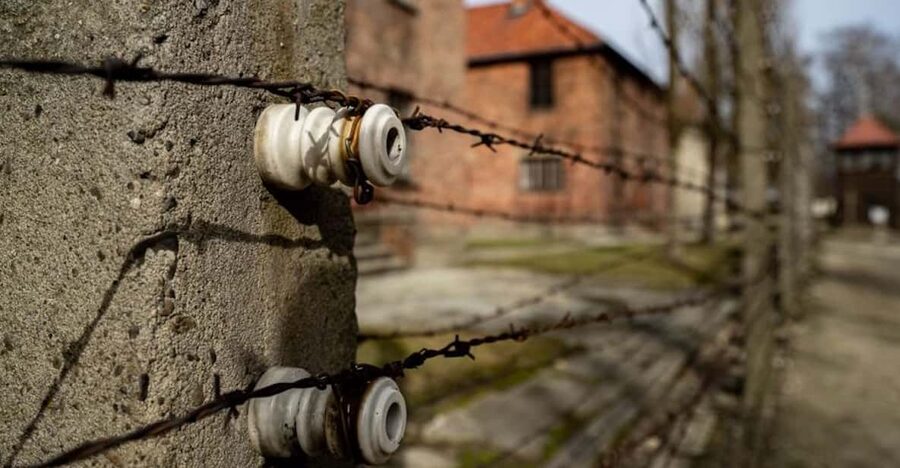
The tour begins at Auschwitz I, the older camp complex. You spend roughly 1.5 to 2 hours here with the museum guide. This part of the visit includes former camp buildings, exhibitions, and objects connected with the people imprisoned there.
The enclosed brick buildings create a more concentrated and formal setting than Birkenau. Your guide leads you from one section to another, explaining how the camp functioned and how prisoners experienced it. The point is not simply to see old structures. It is to understand the organized nature of the crimes committed here.
This is where the guide’s delivery becomes important. The strongest feedback describes guides who speak slowly, explain events step by step, and answer questions without rushing. Magdalena, Oskar, Aga, and others were praised for combining facts with a respectful sense of the place. One guide was singled out for making the story easy to follow, while another was appreciated for speaking clearly enough for the whole group.
You will use a headset during the tour. In a group of up to 30 people, that makes it easier to hear while standing outside buildings or moving from room to room. It also lets you remain focused on the guide instead of crowding close to hear every word.
The subject matter is difficult. You may see personal belongings and evidence of the scale of the persecution. The emotional response varies from person to person, but you should expect the visit to be upsetting, particularly if your family has a connection to the Holocaust or World War II.
This section can feel fast simply because there is so much to explain. One person described the tour as shorter and focused on the main points, which was acceptable but left a desire to learn more. If you want time for every display, a four-hour guided visit may not be enough. Its strength is structure and clarity, not an unhurried study of every room.
The short transfer to Birkenau
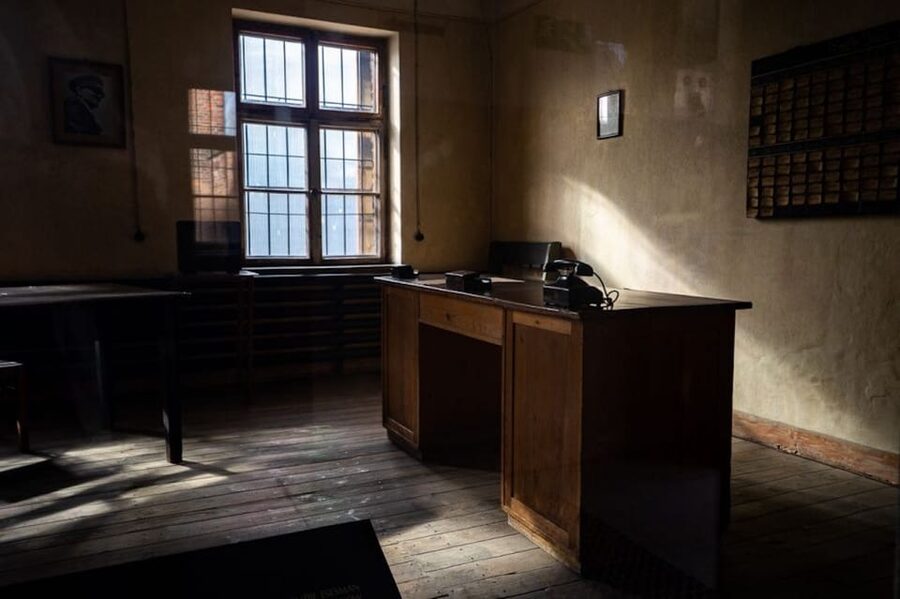
After Auschwitz I, the group travels to Auschwitz II-Birkenau using the included transport. This is an important practical benefit. You do not need to find your own way between the two sites, and the transfer keeps the visit together.
Do not expect a long meal stop or a relaxed rest period here. The break between the two parts can be very short, sometimes only enough time to use the bathroom. Several people wanted more time to sit down after the first camp, especially because the walking and concentration required at Auschwitz I can be tiring.
Use the break efficiently. Carry water, visit the facilities, and adjust your clothing if needed. Food and drinks are not included, so bring what you need if permitted by the memorial’s rules. Do not bring large bags, alcohol, drugs, weapons, or sharp objects.
A few more Poland trips worth weighing up
- From Krakow: Wieliczka Salt Mine Tour & Skip the Line Ticket
★ 4.4 · 3,925 reviews - Auschwitz-Birkenau Skip-the-Line Guided Tour
★ 4.3 · 3,617 reviews - Krakow: Schindler’s Factory Skip-the-Line Ticket
★ 4.4 · 3,105 reviews - Auschwitz-Birkenau: Skip-the-Line Entry Ticket & Guided Tour
★ 4.4 · 3,052 reviews
Birkenau: 60 to 75 minutes across an open site
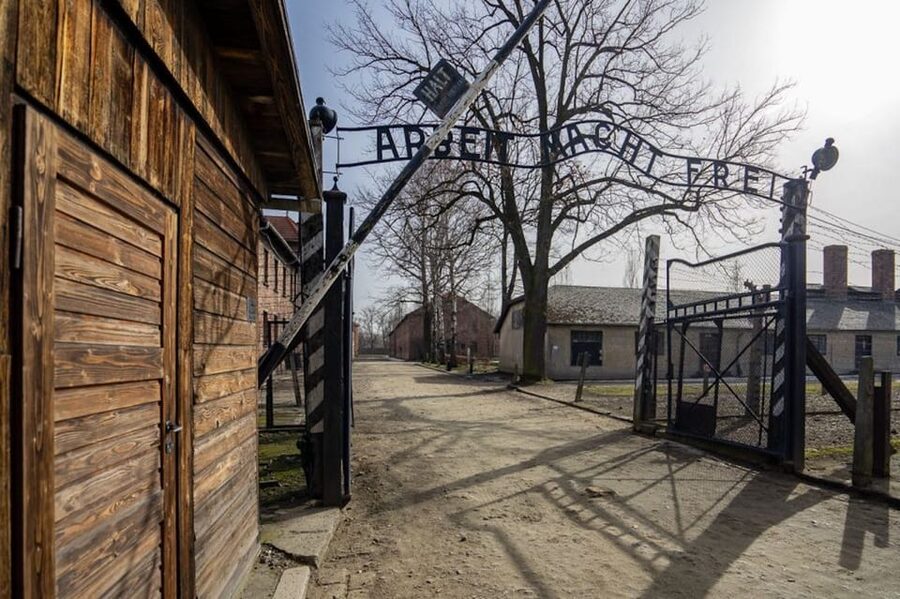
Auschwitz II-Birkenau is larger and more exposed. The tour spends about 60 to 75 minutes here, showing you the railway approach and the broad camp grounds. The scale of the site makes a different impression from the tighter arrangement at Auschwitz I.
The open setting can also be physically demanding. There is little shade or cover, so rain and sun can affect your comfort. Winter can be bitterly cold, and one January visitor wished the tour had given clearer advice to dress for extreme cold. Wear warm layers in winter and bring rain protection when the forecast looks unsettled.
You should be ready to walk on uneven outdoor paths and remain standing for long stretches. One review specifically warned of several kilometers of walking, few places to sit, and no real rest stops. Comfortable shoes are essential. This is not a suitable outing if you need frequent seating or an easy, flat route.
The guide’s explanation helps you read the site as more than an enormous field. The railway tracks, barracks, fences, and remaining structures are tied to the movement and confinement of prisoners. The open space also makes the scale of the camp easier to grasp, even during a relatively short visit.
The tour does not promise time to wander independently. You remain with the group and follow the museum’s visitor schedule. That can feel restrictive if you want to pause often, but it keeps the visit focused and helps the memorial manage the many groups moving through the grounds.
Guide quality is the biggest strength
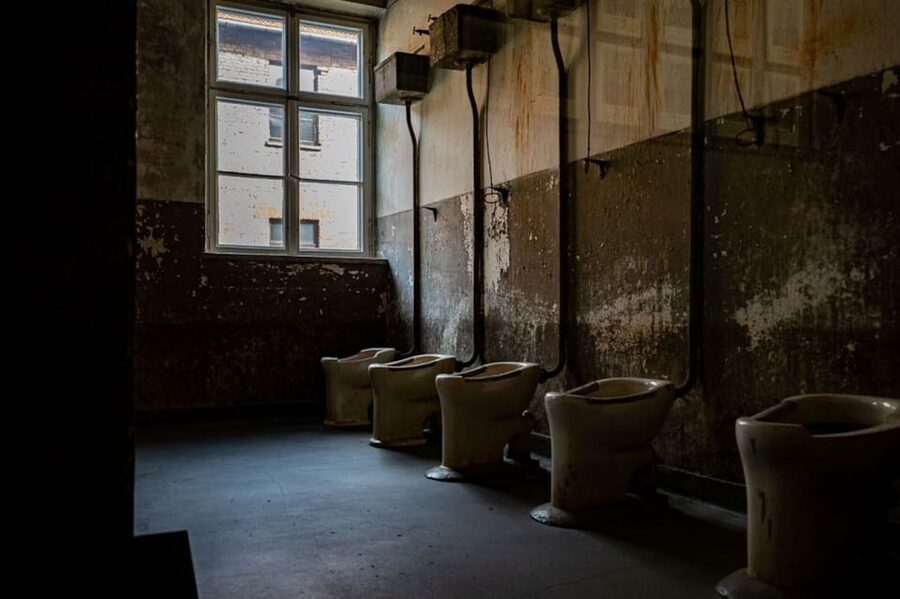
The strongest part of this experience is the guide. Again and again, the guides are praised for clear English, strong subject knowledge, patience, and respect. Names that received particularly warm comments include Jakob, Mary, Magdalena, Oskar, Aga, and Mike.
That does not guarantee a particular guide on your date. It does show what to expect from the better guides assigned to this service: a serious tone, careful explanations, and willingness to answer questions. One guide was praised for speaking slowly and clearly, while another was described as passionate without rushing the group.
Language options are English, French, and German. Make sure you select the language you need when booking and check your messages before the visit. A guide’s accent or speaking speed can affect how much you take in, especially with historical terms and names.
The group can contain up to 30 people. That is not intimate, but the headset helps. If you prefer a private, slow-paced visit with many personal questions, this may feel too large. If you want the security of a clear route and an official guide, the group format is practical.
Timing changes can disrupt your day
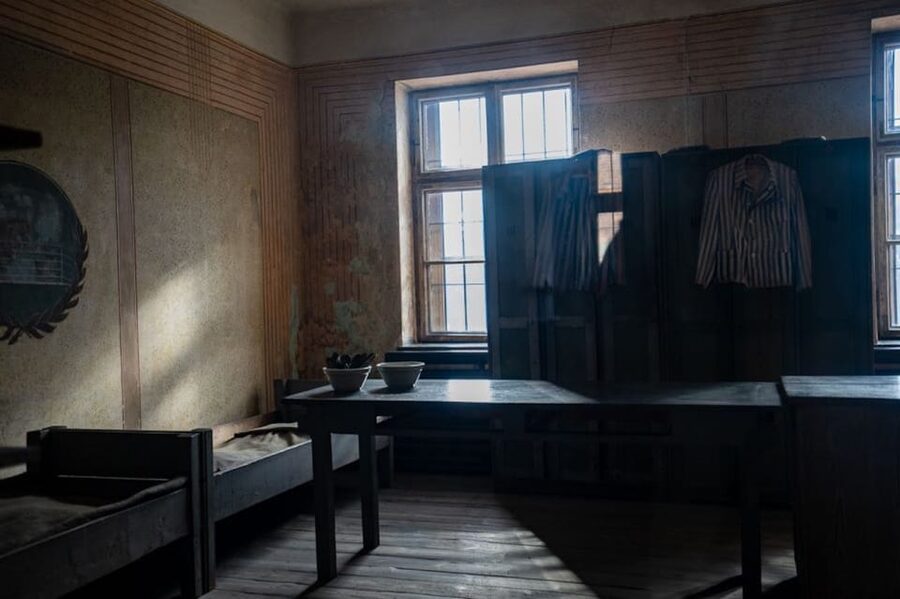
The most important warning concerns the scheduled start time. The preferred tour time is not guaranteed because the museum controls its visitor schedule. The operator may contact you the day before with a new time, and the change does not qualify for a refund.
Several people received a new time that disrupted transport and other plans. In some cases, a late change meant leaving Krakow before dawn or buying new train tickets. Another person had a tour moved from late morning to midafternoon, with enough warning to prepare but still a major change to the day.
Do not book this experience beside a fixed evening reservation, train, or flight unless you have a generous margin. Keep the day flexible. Check your phone and booking messages the day before, and make sure your contact details are correct.
The tour operator and guide do not control the memorial’s breaks or exact duration. The full experience is advertised at four hours, with the guided portion lasting around 3.5 hours. The visitor service at the memorial determines the pace and rest periods.
Is $55 a fair price?
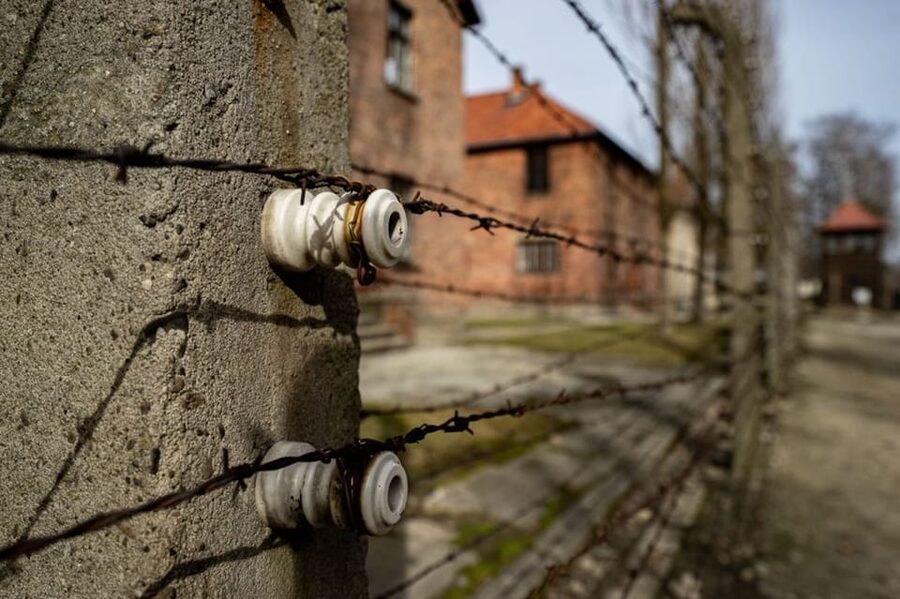
At $55 per person, this costs more than buying admission at the basic retail price, assuming you can obtain an official ticket directly. The premium pays for advance booking, handling, a local host, an official museum guide, headsets, and transport between the two camps.
I think the value depends on your priorities. If you are already in the area and are comfortable arranging admission well ahead of time, the price may feel high. Official tickets can sell out, and finding a suitable time or language can be difficult. The extra cost then buys convenience and reduces the risk of traveling to the memorial without a confirmed place.
The included camp transfer also saves effort. You still need to pay for your own transport to the first camp, but you do not have to work out the connection between Auschwitz I and Birkenau. For many people, that makes the price easier to justify.
The non-refundable rule is important. Your full name and contact details must be supplied during booking, and the name must match your passport or identity card exactly. If the information does not match, entry may be refused. Check every spelling before you pay.
What to bring and what to leave behind
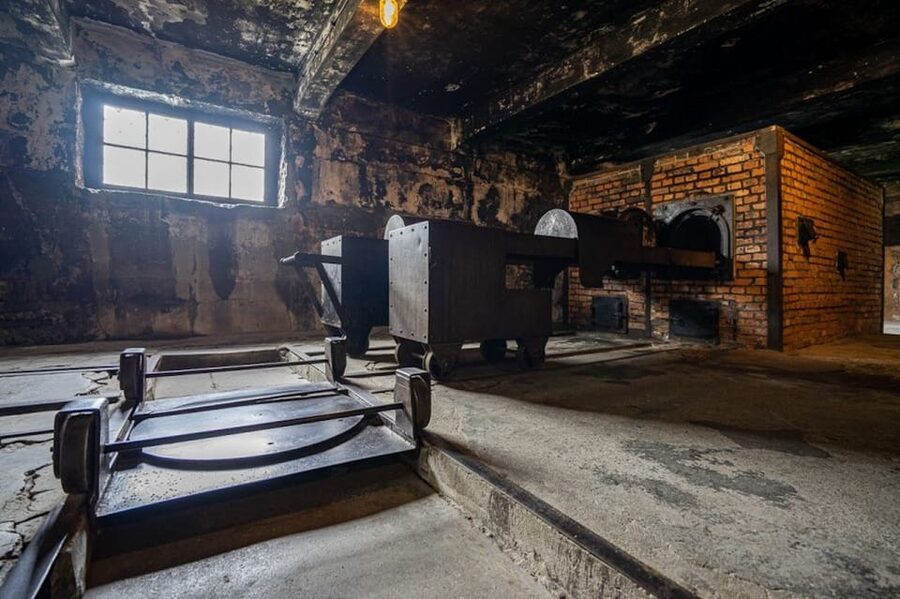
Bring your passport or identity card. You need it for entry, and the memorial requires the booking name to match the document.
Pack light. Large bags and luggage are not allowed, along with weapons, sharp objects, alcohol, and drugs. Sleeveless shirts are also prohibited, so choose clothing that meets the memorial’s dress rules.
For comfort, I would add warm layers, weather protection, water if permitted, and sturdy walking shoes. These suggestions follow directly from the conditions described by people who found the tour cold, rainy, tiring, and short on places to rest.
Wheelchair users should know that the camps are not adapted for wheelchair use. If you decide to attend, the stated advice is to go with someone who can provide help. The walking demands and outdoor conditions make this a visit to plan carefully.
A respectful way to visit
Auschwitz-Birkenau is a memorial and cemetery, not a backdrop for playful photographs. One person was upset by another visitor posing against barbed wire and lying on the railway track. Treat the grounds, objects, and other people with care.
The guide sets the tone, but your behavior matters just as much. Keep your voice low, listen to instructions, and avoid treating the visit like an ordinary attraction. The seriousness of the place is part of the experience, not an extra feature added by the tour.
I also recommend allowing yourself quiet time afterward, if your schedule permits. The tour is emotionally demanding, and the final section at Birkenau can leave you with a lot to process. You may appreciate not having to rush straight into another busy activity.
Who will get the most from this tour?
This tour suits you if you want a guided introduction to both camps, need help securing official admission, and prefer having the transfer between sites arranged. It is also a good fit if you value historical explanation more than free time.
It is less suitable if you need a slow pace, regular breaks, or full control over the schedule. The possible time changes are a real concern for tightly planned itineraries. The group size can also feel impersonal if you are hoping for a private conversation with the guide.
Families and younger visitors should consider the emotional weight before booking. The experience teaches important history, but the subject is severe. Prepare children honestly and decide what level of detail is appropriate for them.
Should you book the Auschwitz-Birkenau guided tour?
I would book it if you want a clear, serious visit to both camps and do not want to gamble on finding an official ticket on your own. The excellent guide feedback, headsets, pre-booked admission, and camp-to-camp transport make this a practical choice at $55.
I would not book it without leaving your schedule flexible. Confirm the meeting point, watch for a time-change message, arrange your own transport to the first camp, and bring matching identification. If you can handle the walking and the subject matter, this tour offers a well-organized way to pay attention, learn, and remember.
FAQ
How long does the Auschwitz-Birkenau tour last?
The activity lasts about four hours. The guided visit takes around 3.5 hours, with approximately 1.5 to 2 hours at Auschwitz I and 60 to 75 minutes at Birkenau.
Does the tour visit both Auschwitz camps?
Yes. The tour visits Auschwitz I and Auschwitz II-Birkenau.
Is transportation from Krakow included?
No. Transportation to and from Krakow or another city is not included. Transport between Auschwitz I and Birkenau is included.
Does the ticket let me skip every queue?
The booking includes skip-the-line admission and pre-booked tickets. You must still follow the memorial’s entry and security procedures.
What languages are available?
The live guide is available in English, French, and German.
How large can the tour group be?
The group can include up to 30 people. A headset is provided so you can hear the guide more clearly.
Can the tour start time change?
Yes. The preferred tour time is not guaranteed because the memorial controls its visitor schedule. The operator may contact you the day before with a different time.
Can I get a refund if the time changes?
No. The activity is non-refundable, and a change to the tour time does not qualify for a refund.
What identification should I bring?
Bring your passport or identity card. The name on your booking must exactly match the name on your identification.
What items and clothing are not allowed?
Weapons, sharp objects, luggage, and large bags are not allowed. Alcohol and drugs are prohibited, and sleeveless shirts are not permitted.
Just added around Poland
- Rynek Underground Museum & Wawel Castle, Cathedral – Cracow★ 5.0 · 3 reviews
- Schindler’s Factory, Ghetto and Plaszow Camp Guided Tour★ 4.7 · 3 reviews
- Jewish heritage in Warsaw★ 4.5 · 3 reviews
- Poznan Old Town and Croissant Museum Private Walking Tour★ 5.0 · 3 reviews
- Warsaw Outdoor Paintball with Transfers (all year round)★ 5.0 · 3 reviews
- Nowa Huta – a guided tour of a utopian socialist city★ 5.0 · 3 reviews
- Half-Day Chelmno Kulmhof Concentration Camp Private Tour★ 4.5 · 3 reviews
- 4 hours skitour trip in Tatra Mountains for beginners with renting equipment★ 5.0 · 3 reviews
Auschwitz-Birkenau Memorial Tours, compared.

Auschwitz-Birkenau Guided Tour & Hotel Pickup
Read our review →Auschwitz-Birkenau Guided Tour & Hotel Pickup
Read our review →
Auschwitz Guided Tour with Optional Hotel Pickup
Read our review →
Auschwitz-Birkenau Guided Tour with Pickup & Lunch
Read our review →
Auschwitz-Birkenau Guided Tour Pickup/Lunch Options
Read our review →

Krakow to Auschwitz Birkenau Guided Tour with Transfer and Ticket
Read our review →
Browse the lists this tour appears in