
REVIEW · SCHINDLER FACTORY TOURS
Krakow: Kazimierz, Schindler’s Factory & Ghetto Guided Tour
Three places, one difficult story. This five-hour walking tour links Kazimierz, Schindler’s Factory Museum, and the former Kraków Ghetto in a way that makes each stop easier to understand. I like the strong historical sequence, from prewar Jewish life to Nazi occupation and deportation, and I like that a local guide adds the human stories often missed when you visit alone.
The main drawback is the pace and length. You will walk for about five hours, often outdoors, and the subject is painful. On a hot or rainy day, this can feel tiring. Still, the tour’s skip-the-line museum entry and consistently praised guides make the $81 price reasonable for visitors who want serious historical context rather than a quick sightseeing stroll.
In This Review
- Key points to know before booking
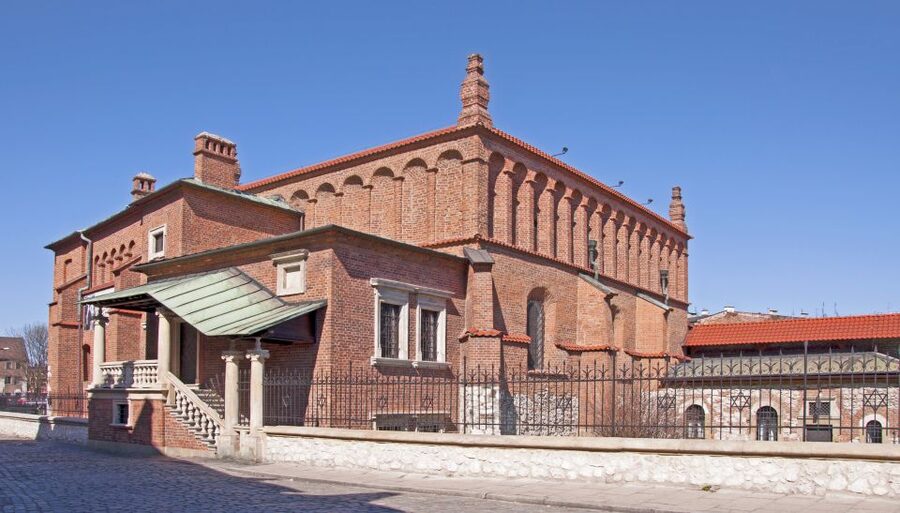
- Starting at the Old Synagogue in Kazimierz
- What makes the Kazimierz walk worthwhile
- Entering Schindler’s Factory Museum
- The Schindler connection, without the Hollywood shortcut
- Walking through the former Krakow Ghetto
- Ghetto Heroes Square and the Chair Memorial
- Under the Eagle Pharmacy and everyday courage
- Guide quality is the main reason to choose this tour
- Is $81 good value for five hours?
- Who should book this Krakow tour?
- FAQ
- How long does the Krakow tour last?
- How much does the experience cost?
- Where does the tour begin?
- Is admission to Schindler’s Factory included?
- Which languages are available?
- Does the tour include hotel pickup?
- Do I need identification for the museum?
- Can I cancel the booking?
- Should you book it?
Key points to know before booking
- Kazimierz comes first: Begin at the steps of the Old Synagogue and learn about Jewish life in Krakow before World War II.
- The tour connects three major sites: Kazimierz, Schindler’s Factory Museum, and the former Kraków Ghetto form one clear historical journey.
- The museum visit is guided: Skip the ticket line and follow the exhibition Kraków under Nazi Occupation 1939 to 1945 with a licensed local guide.
- The Chair Memorial is a powerful stop: Empty chairs on Ghetto Heroes Square recall the people forced from their homes and sent away.
- Expect substantial walking: Wear comfortable shoes and prepare for sun, rain, cold, or wet cobblestones.
- The guide matters greatly: Guides such as Helena, Phil, Barbara, Alice, Eva, Magdalena, and Dominika have been praised for clear explanations, compassion, and careful pacing.
Starting at the Old Synagogue in Kazimierz
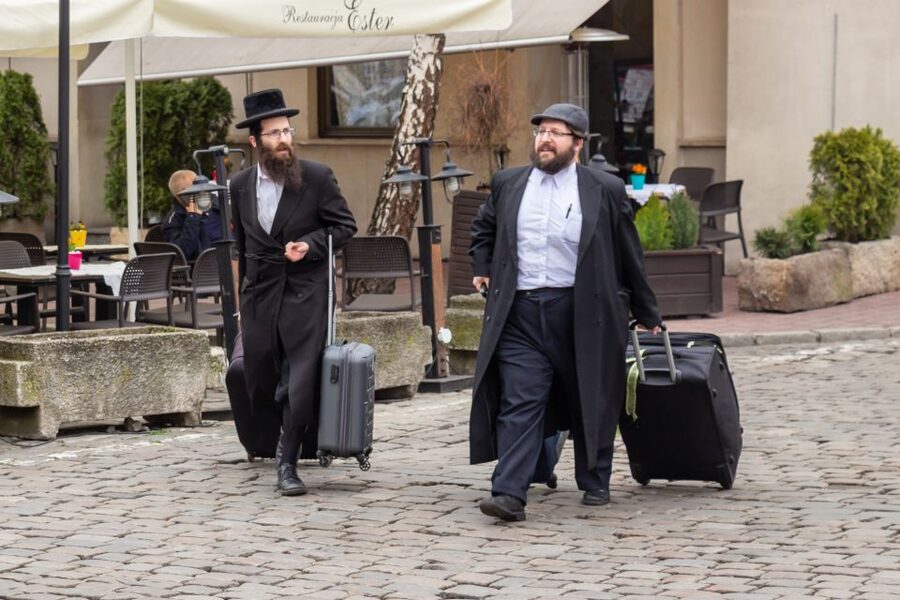
Your meeting point is easy to identify: the steps of the Old Synagogue, where the guide holds an excursions.city sign. Arrive 10 minutes early. Once the group leaves, late arrivals cannot join, and the ticket is not refundable.
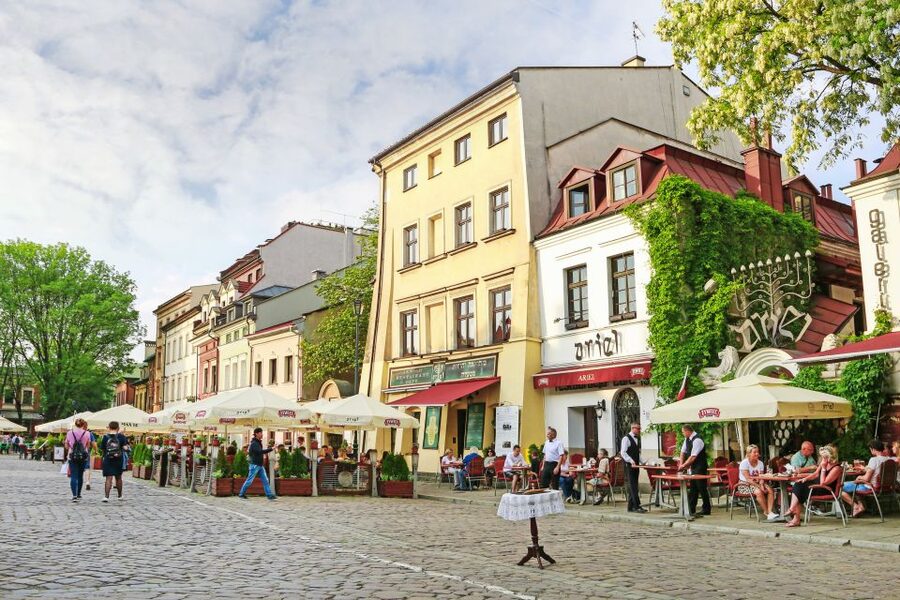
Kazimierz was the center of Jewish life in Krakow for centuries. This opening section gives you the setting that the later war history depends on. You will walk among old synagogues, prayer houses, narrow lanes, and townhouses while hearing about rabbis, merchants, families, worship, education, and daily routines.
That order matters. Without it, the former ghetto can feel like a series of tragic sites with little connection between them. In Kazimierz, you first learn what was here before the destruction: a functioning community with religious institutions, businesses, family homes, and long-established customs.
The district is not a museum frozen in time. It is an active part of Krakow, and some historic buildings have been restored or repurposed. Much of the earlier Jewish world is no longer visible at first glance, which is why the guide’s explanations are so useful. As one guide explained in a highly praised tour, the area is not always visually obvious without someone pointing out what you are seeing.
This is likely to be the favorite section for visitors who enjoy architecture, local culture, and social history. It also gives the tour emotional balance. You are not introduced to Jewish Krakow only through persecution. You first encounter the community as a living part of the city.
More Schindler Factory tours:
- Krakow: Oskar Schindler’s Factory Entry Ticket & Guided Tour
★ 4.2 · 3,793 reviews - Krakow: Schindler’s Factory Tour with Entrance Ticket
★ 4.5 · 3,182 reviews - Krakow: Schindler’s Factory Skip-the-Line Ticket
★ 4.4 · 3,105 reviews
What makes the Kazimierz walk worthwhile
I would pay close attention to the smaller details here. A guide may connect a quiet courtyard, a synagogue facade, or an ordinary-looking street to people who once lived and worked there. Those links are difficult to make from a guidebook alone.
The best guides use stories instead of simply reciting dates. Helena was praised for adding personal stories and book recommendations. Phil was noted for explaining not only the Jewish victims but also Polish people who helped save Jewish lives. These details broaden the story beyond Oskar Schindler, whose name naturally dominates this tour.
The walking portion also gives you time to ask questions. Several guides are praised for making room for questions and adjusting their pace. That is especially valuable if you already know a fair amount about Jewish history in Poland and want more than a basic introduction.
The limitation is that this is a group walking tour, not a private seminar. The amount of time you receive at each place can depend on the group and the guide. You may also be listening while standing on a busy street or moving between locations, so bring your attention as well as your camera.
Entering Schindler’s Factory Museum
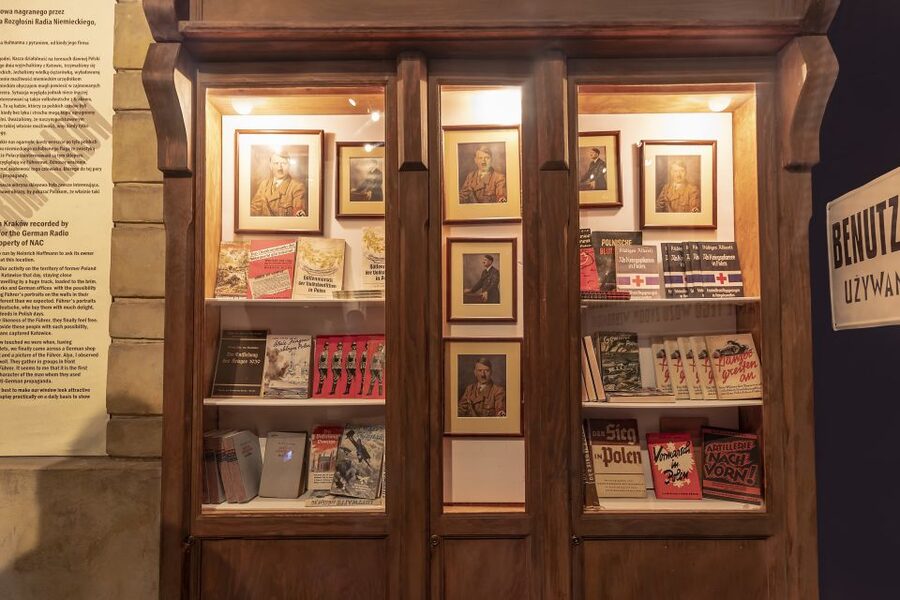
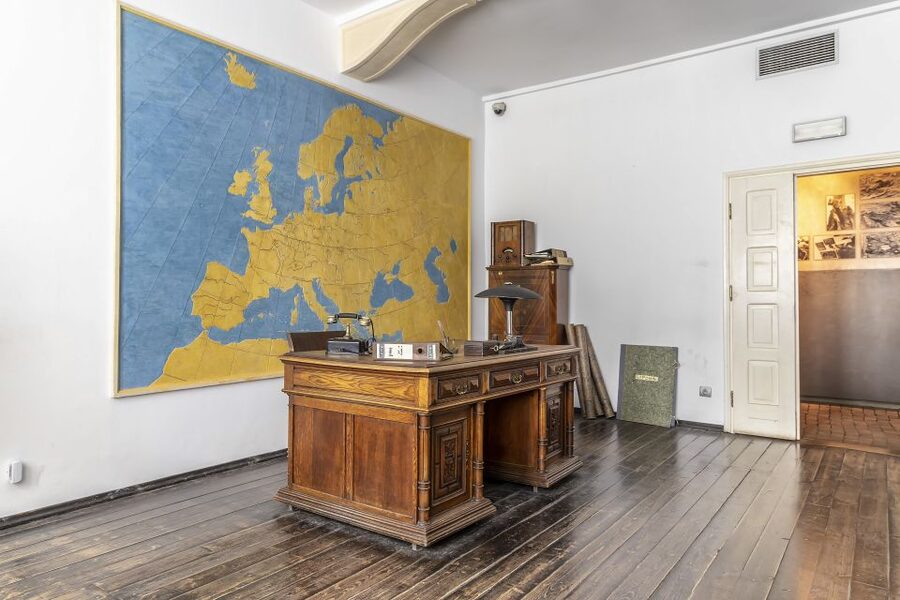
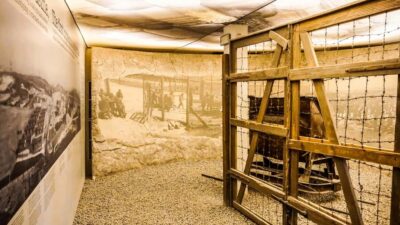
The next major stop is Schindler’s Enamel Factory, now home to the exhibition Krakow under Nazi Occupation 1939 to 1945. The building once housed Schindler’s factory, but it is not presented as a working factory today. You should not expect rows of original machinery or a traditional industrial museum.
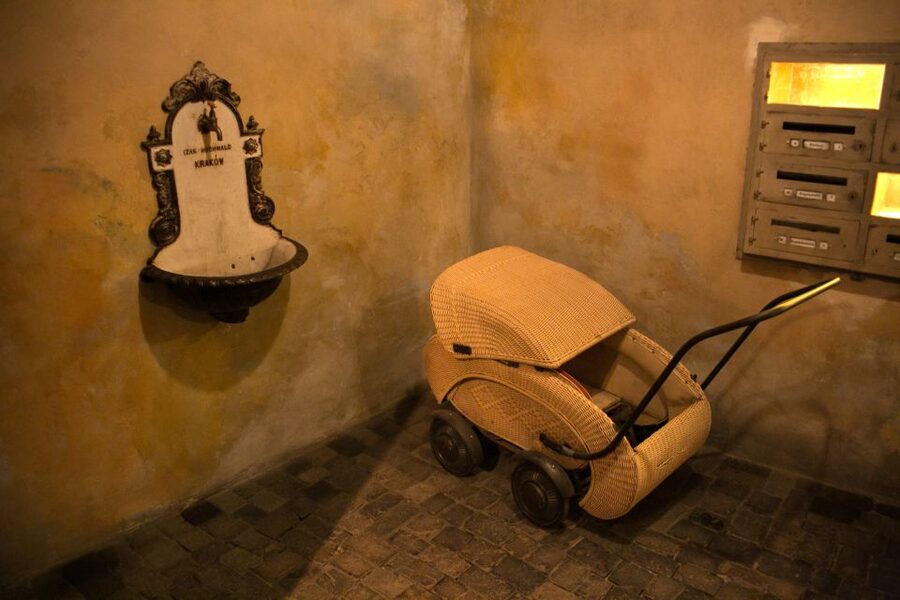
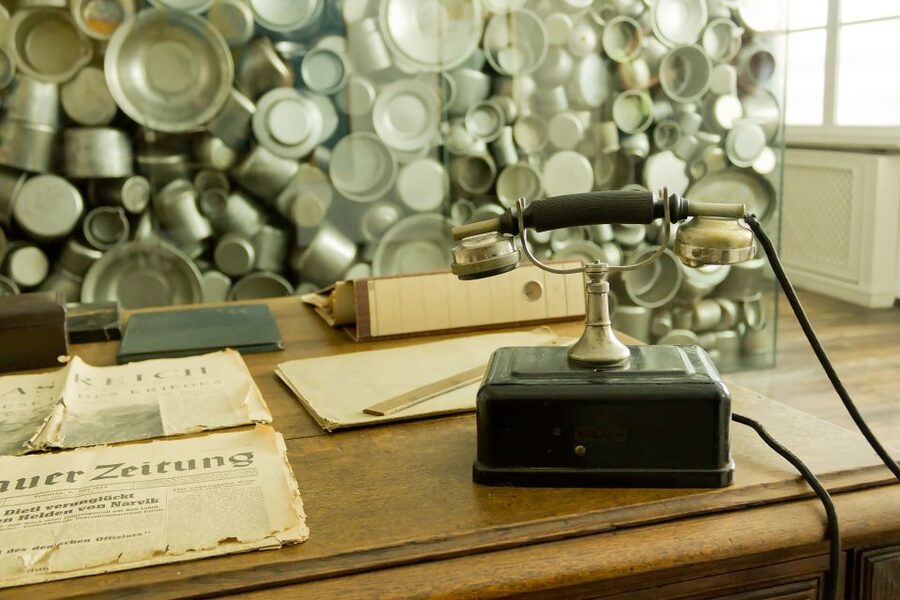
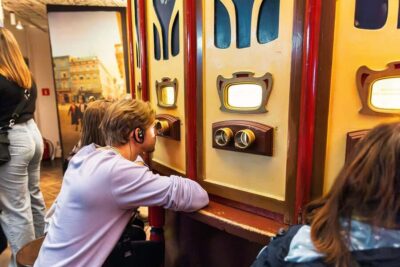
Instead, the museum tells the story of Krakow under Nazi rule through photographs, objects, documents, sound, and reconstructed interiors. The design uses narrow, dim corridors and enclosed rooms to create a sense of wartime pressure and uncertainty. This can be effective, but it is also intense. If you prefer bright, spacious museums, the layout may feel confining.
A guided visit is a real advantage. The exhibition contains a great deal of material, and the guide helps you understand how individual objects fit into the wider story. You will learn about Oskar Schindler and the more than 1,000 Jewish workers he helped protect, but the museum also examines the lives of Jewish and non-Jewish residents under occupation.
That broader focus is important. The museum is not simply a film location or a shrine to one famous rescuer. Schindler’s actions are part of a larger account of persecution, forced labor, fear, bureaucracy, resistance, and moral choices.
Several guides have been praised for making the museum easier to follow than it would be alone. One visitor specifically appreciated the extra explanations because some displays are not easy to understand for every international visitor. If you want time to read every panel at your own speed, however, a guided group may feel restrictive.
The Schindler connection, without the Hollywood shortcut
The museum’s name draws many people because of the film Schindler’s List. The tour does not depend on having seen the movie, but the connection can help you recognize some of the locations and characters.
The guide places Schindler in the setting of occupied Krakow and explains how he used his factory and influence to protect Jewish workers. Just as important, the tour makes clear that many other people faced dangerous decisions during the war. That is why guides who discuss local rescuers, pharmacists, neighbors, and ordinary workers add so much value.
Do not book this expecting a tour of Schindler’s personal home or a factory floor filled with original equipment. The most accurate expectation is a guided museum visit inside the former factory building, focused on Krakow during Nazi occupation.
The skip-the-line entry saves time, especially when the museum is busy. It does not mean you will have the entire building to yourself. You are still visiting as part of a group, and the museum controls entry times.
More Jewish heritage tours in Kraków:
- Krakow: Schindler’s Factory & Ghetto Guided Tour
★ 4.7 · 1,694 reviews - Krakow: Jewish Quarter and Former Ghetto Tour
★ 4.9 · 1,441 reviews - Krakow: Bike Tour of Old Town, Jewish Quarter and the Ghetto
★ 4.9 · 1,155 reviews - Krakow: Kazimierz Jewish Quarter Walking Tour
★ 4.8 · 571 reviews
Walking through the former Krakow Ghetto
After the museum, the tour continues through the former Krakow Ghetto. The physical remains are limited, but that does not make the area unimportant. In fact, the ordinary appearance of the streets can make the history more difficult to grasp without a guide.
You may see sections of the original ghetto wall, preserved as a physical reminder of the forced confinement of Jewish residents. The wall is not a grand monument. Its power comes from its scale and simplicity, especially when you consider what it represented to the people trapped behind it.
This part of the tour is especially strong when the guide explains how the ghetto worked as a place of control, separation, fear, and deportation. Stories about individuals help prevent the visit from becoming an abstract lesson. You are encouraged to notice the surviving buildings and fragments, then connect them to the people who lived through those events.
The walking route can be physically demanding. A five-hour program with outdoor sections is a lot, particularly in summer. One guide was praised for looking for shade during a hot day, while another kept the pace moving during a warm-weather visit. In rain, the streets can be uncomfortable, and one visitor found the long walk tiring despite enjoying the tour.
Wear sturdy shoes. Bring water, weatherproof clothing, and protection from the sun when needed. There is no hotel pickup or drop-off, and food and drinks are not included, so plan those needs yourself.
Ghetto Heroes Square and the Chair Memorial
Ghetto Heroes Square is one of the tour’s most memorable locations. During the war, it was connected with mass deportations. Today, the square is marked by rows of empty chairs, a memorial that recalls the possessions and lives left behind when people were forced from their homes.
The chairs are simple and unsettling. They do not present a long explanation in stone. Instead, they create a visual pause in the middle of the city. Your guide can explain the square’s wartime function and help you read the memorial with more care.
This is a place where the tour’s pace should slow down. You will likely have time to take in the design, but the exact rhythm depends on the group. The memorial is outdoors, so rain and poor weather can affect your comfort.
I find this stop most useful after the museum and earlier ghetto explanations. By then, you have a clearer sense of what deportation meant, and the empty chairs become more than a striking photograph. They represent absence on a human scale.
Under the Eagle Pharmacy and everyday courage
The Under the Eagle Pharmacy adds another personal angle to the ghetto story. Pharmacist Tadeusz Pankiewicz risked his life to provide medicine, shelter, and hope to people living under Nazi persecution.
This stop shows how help could take practical forms. Medicine, information, a place to hide, or a moment of human kindness could matter enormously in a system built to remove dignity and safety. The guide’s role is to explain the risks involved and place Pankiewicz’s actions within the wider events around the ghetto.
The pharmacy is valuable because it shifts the focus from famous figures to local acts of courage. Schindler is central to the museum, but the ghetto walk shows that survival and resistance involved many people, each making choices in frightening conditions.
The tour’s treatment of these stories is often compassionate rather than theatrical. Guides such as Alice, Eva, Christopher, and Helena have been praised for combining clear facts with sensitivity. That tone matters on a subject where dramatic presentation can easily become uncomfortable.
Guide quality is the main reason to choose this tour
The strongest feature of this experience is the guide. Names praised across different dates include Helena, Phil, Barbara, Alice, Eva, Magdalena, Dominika, Joanna, Anna, Christopher, and Bartolomiew. The repeated strengths are clear explanations, strong historical preparation, warmth, patience, and the ability to answer questions.
That does not guarantee a particular guide on your date. Still, the consistency of the praise suggests that the company places real weight on guide quality. One guide even helped arrange a taxi for visitors at the end of a rainy evening, a small act of practical kindness after a long day.
The experience may use different group sizes during different sections. One visitor described a smaller group in Kazimierz and a larger group for the factory and ghetto. That arrangement can change the feel of the day. A smaller group makes questions easier, while a larger museum group may be less personal.
The tour is offered in English, French, Spanish, Italian, or German. Group tours operate in one language only, so choose your preferred language when booking. This is not a multilingual tour where the guide repeats every explanation several times.
Is $81 good value for five hours?
At $81 per person, this is not the cheapest way to see Krakow. You are paying for a five-hour guided program, a licensed local guide, walking tours in two historic districts, skip-the-line museum entry, and guided time inside Schindler’s Factory.
The value is strongest if you want one connected lesson rather than three separate visits. You do not need to work out how Kazimierz relates to the ghetto, or how Schindler’s factory fits into the city’s wartime story. The guide builds those links for you.
The price is less attractive if you prefer slow, independent museum visits, long photo stops, or reading every display at your own pace. You may also find the walking tiring, especially because there is no transport included.
Flexible booking helps reduce the risk. You can cancel up to 24 hours ahead for a full refund, and the reserve-now, pay-later option lets you hold a place without paying immediately. From January 1, 2026, museum scheduling may change the exact start time, even if you select a preferred time. Full names for all participants and a passport or ID are required for museum entry under those personalized ticket rules.
Who should book this Krakow tour?
I would recommend it to first-time Krakow visitors who want a structured introduction to Jewish Krakow and the Nazi occupation. It also suits anyone who knows the subject is important but wants a guide to explain the details with care.
It is a good choice if you value stories, context, and questions more than free time. It is also useful for visitors who might otherwise walk through Kazimierz or the former ghetto without recognizing what they are seeing.
Think twice if you dislike long walks, enclosed museum spaces, or emotionally difficult subjects. Families can take part, but the five-hour duration and wartime material may be demanding for younger children. Comfortable footwear and suitable clothing are essential in every season.
FAQ
How long does the Krakow tour last?
The tour lasts five hours and includes walking in Kazimierz, the former Krakow Ghetto, and a guided visit to Schindler’s Factory Museum.
How much does the experience cost?
The listed price is $81 per person.
Where does the tour begin?
Meet your guide on the steps of the Old Synagogue. The guide will hold an excursions.city sign.
Is admission to Schindler’s Factory included?
Yes. The tour includes skip-the-line admission and a guided visit inside Schindler’s Factory Museum.
Which languages are available?
The tour is offered in English, French, Spanish, Italian, and German. Each group tour operates in one language.
Does the tour include hotel pickup?
No. Hotel pickup and drop-off are not included.
Do I need identification for the museum?
From January 1, 2026, you must provide the full names of all participants when booking and bring a passport or ID for entry. Without these documents, entry may be refused.
Can I cancel the booking?
Yes. You can cancel up to 24 hours before the tour for a full refund. The reserve-now, pay-later option is also available.
Should you book it?
Book this tour if you want Krakow’s Jewish quarter, Schindler’s Factory, and the former ghetto explained as one connected story. The guides are the great strength, and the carefully ordered route gives real meaning to places that can otherwise seem ordinary.
Skip it if you want a short outing or complete freedom inside the museum. For most history-minded visitors, though, the five-hour commitment is justified. Bring good shoes, prepare for a serious subject, arrive early at the Old Synagogue, and let the guide do the work of connecting Krakow’s past.
Just added around Kraków
- Rynek Underground Museum & Wawel Castle, Cathedral – Cracow★ 5.0 · 3 reviews
- Schindler’s Factory, Ghetto and Plaszow Camp Guided Tour★ 4.7 · 3 reviews
- Nowa Huta – a guided tour of a utopian socialist city★ 5.0 · 3 reviews
- Krakow: Kazimierz by Golf Cart and Schindler’s Factory Tour★ 4.8 · 3 reviews
- Krakow: Jewish Traces Private Electric Car Tour★ 4.1 · 3 reviews
- Private Krakow City Tour by Car and Walk with private tour guide★ 5.0 · 3 reviews
- Krakow: Indoor Go-Karting (24-Minute Races)★ 4.8 · 3 reviews
- Discover the Jewish Quarter with a Bike Tour★ 5.0 · 3 reviews
Schindler Factory Tours, compared.
Oskar Schindler’s Factory Entry Ticket & Guided Tour
Read our review →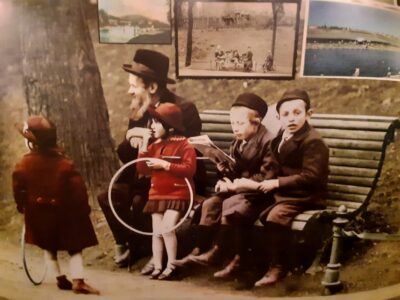
Schindler’s Factory Tour with Entrance Ticket
Read our review →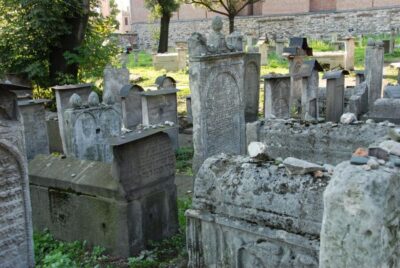
Schindler’s Factory Tour with Entrance Ticket
Read our review →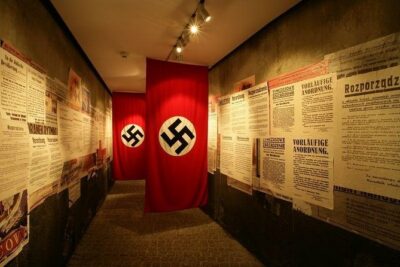
Schindler’s Factory in Krakow: Guided Tour & Skip the Line Ticket
Read our review →
Schindler’s Factory Ticket with Guided Tour Option
Read our review →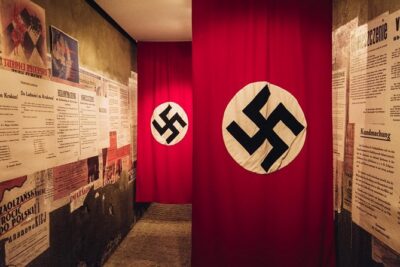
Krakow Schindler’s Factory Guided Tour with Admission Ticket
Read our review →Browse the lists this tour appears in