
REVIEW · SCHINDLER FACTORY TOURS
Krakow Schindler’s Factory & Ghetto & Plaszow Camp Guided Tour
History here is never behind glass. This five-hour Krakow tour links Schindler’s Enamel Factory with the former Jewish ghetto and Plaszow Camp, giving you a clear path through the city’s wartime story. I like the included museum ticket, and I like having a guide explain places that can otherwise feel confusing or painfully bare. The main drawback is the long walking day, with one person reporting sore feet after the full route.
I also like the small-group format, which should make it easier to hear the guide and ask questions. The itinerary is well paced on paper, but the five hours are real, and one person could not complete all three parts after starting at noon. I would book an earlier start if you want to give each stop the attention it deserves.
In This Review
- Key points before you book
- Why this Krakow wartime tour matters
- Inside Schindler’s Factory for 90 minutes
- The ghetto wall fragment and its difficult message
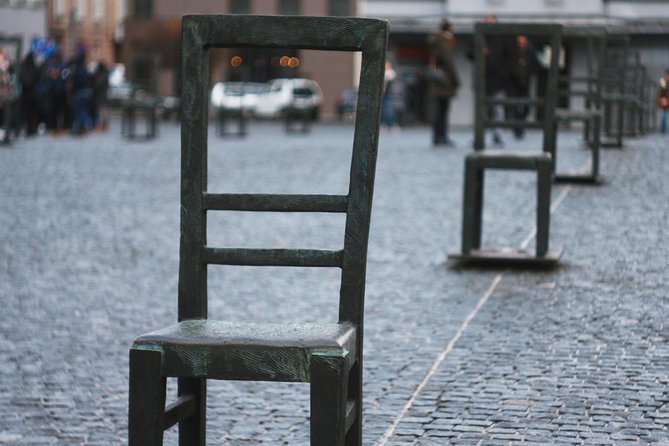
- Ghetto Heroes Square and the chairs memorial
- Plaszow Camp, where the ground demands context
- How the five-hour schedule works
- The guide is the main reason to book
- Price, value, and who should choose it
- Should you book this Krakow tour?
- FAQ
- How long does the Krakow Schindler’s Factory and Plaszow tour last?
- What is included in the price?
- Is the tram ticket included?
- Where does the tour begin?
- Where does the tour end?
- What is the cancellation policy?
Key points before you book
- Schindler’s Factory takes 90 minutes: The museum focuses on Krakow under Nazi occupation from 1939 to 1945, not on Oskar Schindler’s life alone.
- Plaszow receives another 90 minutes: This former forced labor and concentration camp site is the most open-ended and emotionally demanding stop.
- The ghetto visit uses three connected sites: You see a surviving wall fragment, Ghetto Heroes Square, and the chairs memorial.
- A guide adds real value: The sites require context, especially Plaszow, where the physical remains can be difficult to interpret.
- Plan for transport and walking: A tram ticket costs 4 PLN and is not included. The tour starts at Lipowa 4 and ends at Henryka Kamieńskiego 57.
- The group-size information needs checking: The experience is described as a small group capped at 15 in one place and up to 25 in another.
Why this Krakow wartime tour matters
Krakow’s World War II story is spread across several districts. If you visit only Schindler’s Factory, you get an excellent museum but not the full connection between the factory, the ghetto, deportations, forced labor, and Plaszow.
This tour joins those pieces in a sensible order. You begin at the factory on Lipowa Street, then move through the Podgórze district to places connected with the Krakow ghetto, before finishing at Plaszow in the southern part of the city.
That sequence matters. The museum gives you the wider setting. The ghetto stops bring that story onto city streets. Plaszow then shows where imprisonment and forced labor continued after the ghetto was liquidated.
I would not treat this as a light sightseeing outing. It deals with Nazi occupation, Jewish persecution, deportation, forced labor, and murder. The guide’s role is especially important because some locations have few visible remains. Without explanation, you might see an ordinary square or a grassy area and miss what happened there.
The tour costs $76.35 per person. That is not a cheap city walk, but the price includes professional guiding and admission to Schindler’s Factory Museum. The value comes from the linked visits and the explanation between them, rather than from the number of attractions alone.
More Schindler Factory tours:
- Krakow: Oskar Schindler’s Factory Entry Ticket & Guided Tour
★ 4.2 · 3,793 reviews - Krakow: Schindler’s Factory Tour with Entrance Ticket
★ 4.5 · 3,182 reviews - Krakow: Schindler’s Factory Skip-the-Line Ticket
★ 4.4 · 3,105 reviews
Inside Schindler’s Factory for 90 minutes
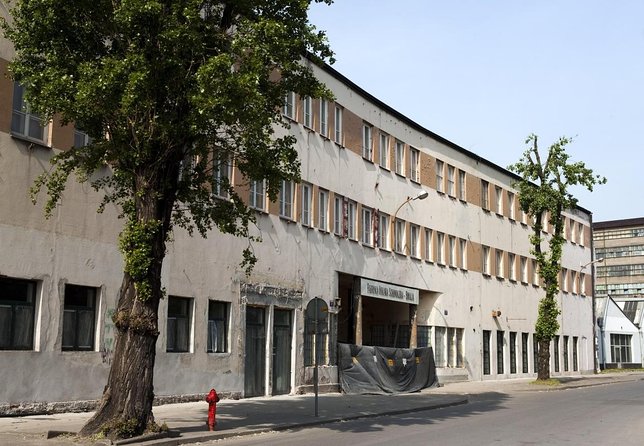
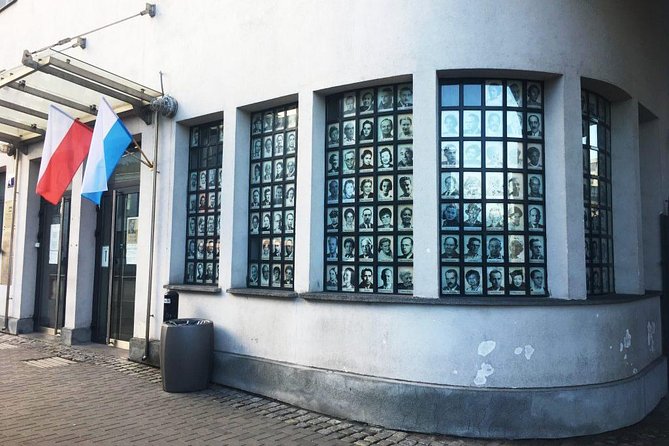
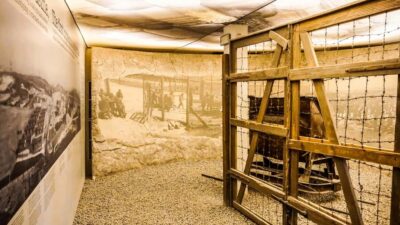
The first stop is Fabryka Emalia Oskara Schindlera at 4 Lipowa Street. It is part of the Historical Museum of Krakow, and the main exhibition is titled Krakow under Nazi Occupation 1939 to 1945.
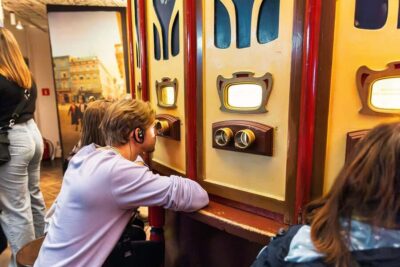
A key point: this is not a biographical museum devoted mainly to Schindler. The exhibition uses the factory setting to tell the wider story of Krakow during German occupation. You should expect displays about daily life, repression, the Jewish population, and the changing city, rather than a simple retelling of the film associated with Schindler.
I like this approach. Schindler is an important entry point, but Krakow’s wartime experience was much larger than one industrialist. The museum helps you understand how occupation affected people across the city and why the factory became connected to such a significant chapter.
The 90-minute visit is long enough to go beyond a quick look, but short enough to keep the overall tour moving. A guide can help you separate the famous story from the museum’s broader purpose and point out details you might otherwise pass without noticing.
Admission is included, which saves you from arranging a separate museum ticket. It also removes one practical chore at the start of the day. The guide handles the visit as part of the larger route, so you are not left to work out how the museum fits with the ghetto and Plaszow.
Still, do not expect the entire tour to take place indoors. Schindler’s Factory is the most structured museum visit, while the later stops depend much more on spoken explanation and your ability to picture the past in the present-day city.
The ghetto wall fragment and its difficult message
After the museum, the route visits a 12-meter fragment of the original Krakow ghetto wall. The stop lasts about 15 minutes and admission is not required.
This is a brief stop, but it carries unusual weight. The surviving wall is physical proof that the ghetto was not an abstract administrative zone. It enclosed people, restricted movement, and marked a forced separation within the city.
A commemorative plaque in Hebrew and Polish records that people lived, suffered, and died there before beginning their final journey to the death camps. You do not need a long visit to understand why the wall matters, but you do need the guide to place it within the larger sequence of events.
The short timing is both a strength and a limit. It keeps the tour from becoming repetitive, yet you may want more time for quiet reflection. If the group is large, listening closely will matter. The information about group size is not entirely consistent, with the experience described as capped at 15 in one place and allowing up to 25 elsewhere, so I would confirm the expected number before booking.
Ghetto Heroes Square and the chairs memorial
The next stop is Plac Bohaterow Getta, or Ghetto Heroes Square, in Krakow’s Podgórze district. The tour allows about 15 minutes here.
From 1941 to 1943, this square was inside the ghetto and served as a place where Jewish residents were concentrated before transport to camps. Today, the square contains rows of individual cast-iron chairs. The chairs represent furniture and personal belongings left behind after the ghetto was cleared.
This memorial works because it is simple. Empty chairs suggest absence without needing a long inscription or elaborate structure. You can look across the square and think about the ordinary objects people had to abandon, and the homes that were emptied.
The guide’s explanation helps you understand that this was not simply a meeting place. It was connected to the removal and deportation of Krakow’s Jewish population. The stop also connects naturally with the wall fragment, turning two short visits into one larger picture.
Fifteen minutes is enough to hear the main explanation and see the memorial. It is not enough for an extended museum-style visit, so you should come prepared to listen rather than wander. The tour does not include an admission charge here, which keeps the route simple.
More Jewish heritage tours in Kraków:
- Krakow: Schindler’s Factory & Ghetto Guided Tour
★ 4.7 · 1,694 reviews - Krakow: Jewish Quarter and Former Ghetto Tour
★ 4.9 · 1,441 reviews - Krakow: Bike Tour of Old Town, Jewish Quarter and the Ghetto
★ 4.9 · 1,155 reviews - Krakow: Kazimierz Jewish Quarter Walking Tour
★ 4.8 · 571 reviews
Plaszow Camp, where the ground demands context
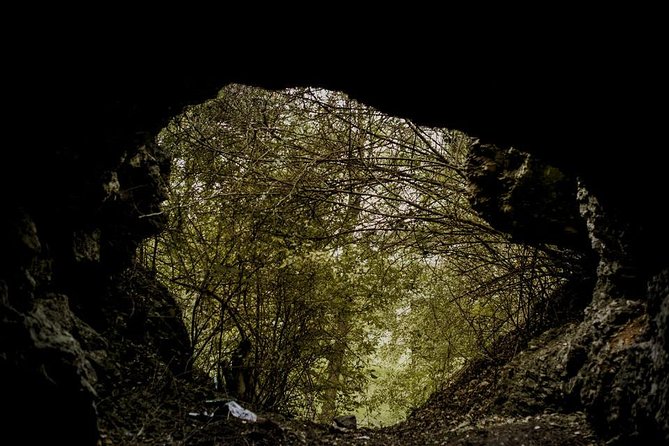
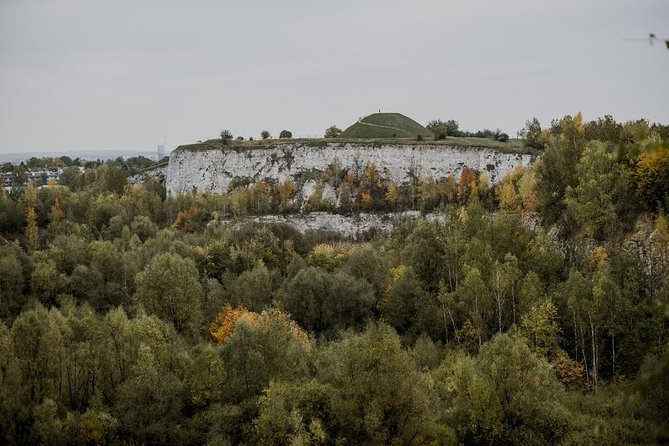
The final major stop is Plaszow, a former Nazi camp in the southern suburbs of Krakow. The visit lasts about 90 minutes, and no admission ticket is charged.
Plaszow began in 1940 as a forced labor camp. In 1941, it expanded and became a concentration camp. Deportations of Jewish people from the Krakow ghetto began on October 28, 1942. The camp supplied labor to military factories and a quarry.
This is likely to be the most demanding part of the tour. A museum gives you labels, photographs, and a planned route. At Plaszow, the setting itself may not explain what you are seeing. The guide’s commentary is therefore not an optional extra. It is what turns the site from an open area into a place you can understand.
The 90-minute allocation is useful because the camp requires time. You are not being rushed through a single viewpoint before moving on. The guide can explain how the camp developed, how it related to the ghetto, and why forced labor was central to its operation.
I would save enough energy for this final stop. The route is described as a long walking day, and one person who took the full set of visits found the distance tiring. Comfortable shoes are sensible, though the supplied information does not specify the exact walking surface or terrain.
Plaszow is also where expectations matter most. If you want a polished museum with extensive indoor displays, this part may feel sparse. If you want to understand how the Nazi camp system occupied real space near a living city, the visit adds something that a museum alone cannot provide.
How the five-hour schedule works
The stated duration is approximately five hours. The museum takes 90 minutes, the wall fragment 15 minutes, Ghetto Heroes Square 15 minutes, and Plaszow another 90 minutes. The remaining time covers movement, meeting the guide, and transitions between districts.
That timetable is reasonably full. One person who began at noon was unable to finish all three parts, despite finding the sessions excellent. My practical advice is simple: choose an earlier start if that option is available, and do not add another major appointment immediately afterward.
The start point is Lipowa 4, the address of Schindler’s Factory. The tour ends at Henryka Kamieńskiego 57. A tram ticket costs 4 PLN and is not included, so keep that small transport expense separate from the tour price.
The different start and end points are useful to know before you go. This is not a circular walk that returns you to the factory. You should plan your next move from Kamieńskiego 57 rather than assuming you will finish back in central Krakow.
Public transportation is nearby, and the experience is listed as suitable for most people. Even so, the walking time and emotional weight make this a poor choice for anyone hoping for a relaxed half-day with minimal effort.
The guide is the main reason to book
The strongest part of this experience is the guided connection between the sites. Schindler’s Factory can be visited independently, and the square and wall fragment are accessible without a paid ticket. Plaszow, however, is much harder to understand without someone explaining what happened there.
The guide also keeps the day organized. The person who joined a series of three tours praised the check-in and explanations, while another described both guides as excellent and informative from beginning to end. No guide names are provided, but the feedback points to a well-managed experience with clear handoffs between the different parts.
That matters because this subject is easy to approach badly. A guide should provide facts without turning the day into a rushed lecture. The best moments will likely come when the spoken explanation links a museum display to the wall, the square, or the camp site you see later.
The small-group format should help. The experience is presented as a group of up to 15 in the highlights, though the additional information gives a maximum of 25. I would ask for the current group limit if personal attention is important to you.
Price, value, and who should choose it
At $76.35, this is best value for someone who wants a connected, guided visit rather than separate museum tickets and independent research. You receive professional guiding and the Schindler’s Factory entrance, while the ghetto sites and Plaszow do not require admission tickets.
The price is less appealing if you only want to see Schindler’s Factory. In that case, a shorter museum visit may suit you better. You are paying for the route, the historical framing, and the time spent moving between places tied to the same story.
I would choose this tour if you:
- Want a clear introduction to Krakow under Nazi occupation
- Prefer a guide at difficult or poorly marked historic sites
- Have about five hours available
- Can manage a substantial amount of walking
- Want to connect the film-related Schindler story with the wider history of Krakow’s ghetto and Plaszow
I would think twice if you dislike emotionally heavy subjects, have limited walking energy, or need a tightly predictable schedule. The tour is also less suitable if you expect every stop to offer a large indoor exhibition.
Free cancellation is available if you cancel at least 24 hours before the local start time. A minimum group size is required, and if the operator cancels because that minimum is not reached, you are offered another date or experience, or a full refund.
Should you book this Krakow tour?
Book it if you want the city’s World War II story explained as one connected chain, from occupation to ghettoization, deportation, and forced labor. I especially recommend it for someone who has seen the film about Schindler and wants to sort fact from popular storytelling, or for anyone who found Auschwitz meaningful but wants more context about Krakow itself.
The best reason to go is Plaszow. The site is difficult to read without a guide, and the 90-minute visit gives it the attention it deserves. The biggest warning is time: start early, wear practical shoes, and leave room in your day for a serious, five-hour experience.
FAQ
How long does the Krakow Schindler’s Factory and Plaszow tour last?
The tour lasts approximately five hours.
What is included in the price?
The price includes a professional guide and admission to Schindler’s Factory Museum.
Is the tram ticket included?
No. A tram ticket costs 4 PLN and is not included.
Where does the tour begin?
The tour begins at Lipowa 4, 32-051 Krakow, Poland, at Schindler’s Factory.
Where does the tour end?
The tour ends at Henryka Kamieńskiego 57, 30-644 Krakow, Poland.
What is the cancellation policy?
You can cancel for a full refund up to 24 hours before the experience start time. Cancellations or changes made less than 24 hours before the start are not refunded or accepted.
Just added around Kraków
- Rynek Underground Museum & Wawel Castle, Cathedral – Cracow★ 5.0 · 3 reviews
- Schindler’s Factory, Ghetto and Plaszow Camp Guided Tour★ 4.7 · 3 reviews
- Nowa Huta – a guided tour of a utopian socialist city★ 5.0 · 3 reviews
- Krakow: Kazimierz by Golf Cart and Schindler’s Factory Tour★ 4.8 · 3 reviews
- Krakow: Jewish Traces Private Electric Car Tour★ 4.1 · 3 reviews
- Private Krakow City Tour by Car and Walk with private tour guide★ 5.0 · 3 reviews
- Discover the Jewish Quarter with a Bike Tour★ 5.0 · 3 reviews
- Krakow: Indoor Go-Karting (24-Minute Races)★ 4.8 · 3 reviews
Schindler Factory Tours, compared.
Oskar Schindler’s Factory Entry Ticket & Guided Tour
Read our review →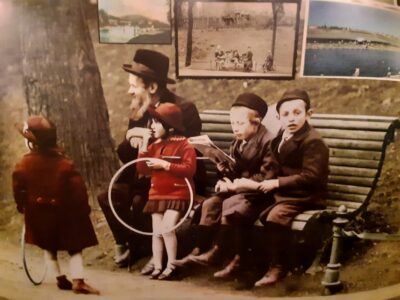
Schindler’s Factory Tour with Entrance Ticket
Read our review →
Schindler’s Factory Tour with Entrance Ticket
Read our review →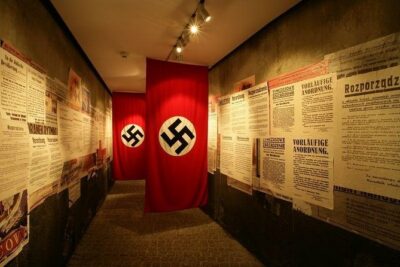
Schindler’s Factory in Krakow: Guided Tour & Skip the Line Ticket
Read our review →
Schindler’s Factory Ticket with Guided Tour Option
Read our review →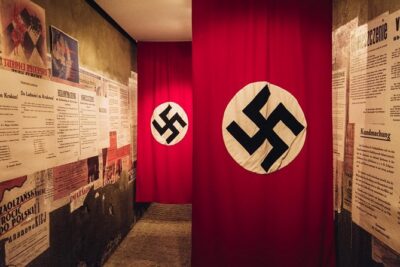
Krakow Schindler’s Factory Guided Tour with Admission Ticket
Read our review →Browse the lists this tour appears in