
REVIEW · SCHINDLER FACTORY TOURS
Krakow: Schindler’s Factory & Ghetto & Plaszow Camp Guided Tour
Krakow’s hardest stories are found beyond its postcard center. I like this tour for its clear focus on occupied Krakow and for taking you to Plaszow, a quiet, difficult site that is easy to miss on your own. The included Schindler Museum ticket is another strong point, though the five-hour route involves plenty of walking and uneven ground.
You will see the ghetto wall, Ghetto Heroes Square, the former Plaszow camp, Liban Quarry, and Krakus Mound before exploring the museum at your own pace. The main consideration is that the factory museum is not a simple Oskar Schindler biography, and the open-air camp visit can be muddy, hilly, and emotionally heavy.
In This Review
- What makes this Krakow history tour worth your time
- Why this route tells Krakow’s wartime story well
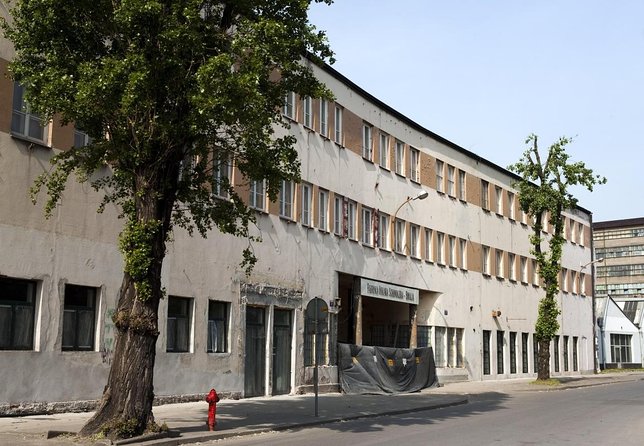
- Inside Schindler’s Factory at Lipowa 4
- The 12-metre ghetto wall fragment
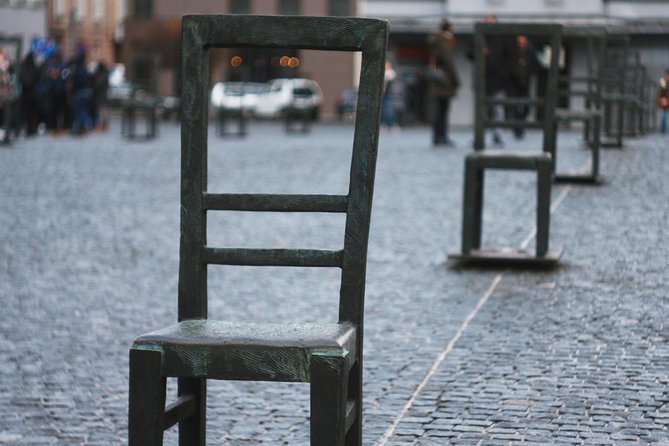
- Ghetto Heroes Square and its 70 metal chairs
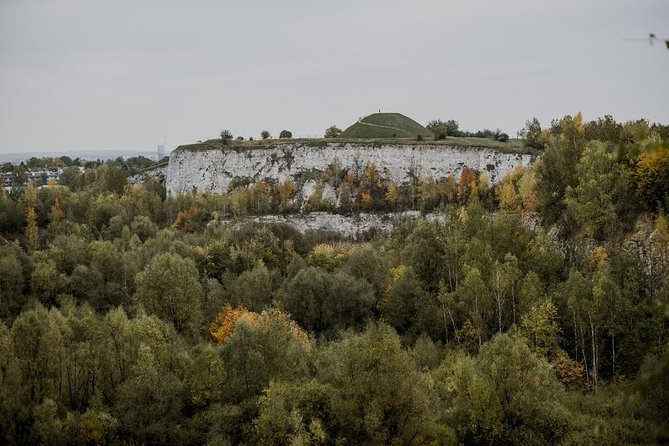
- Plaszow Camp, Liban Quarry, and Krakus Mound
- The guides make or break the experience
- The $76.33 price and what it covers
- Who should book this half-day tour
- Should you book Schindler’s Factory and Plaszow?
- FAQ
- How long does the Krakow Schindler’s Factory and Plaszow tour last?
- Is admission to Schindler’s Factory included?
- Is the Plaszow concentration camp entrance free?
- Do I need to buy public transportation tickets?
- Where does the tour start and finish?
- Can I cancel for a full refund?
What makes this Krakow history tour worth your time
- A wider story than Schindler alone: The museum explains life in Krakow under Nazi occupation, not just one famous industrialist.
- The original ghetto wall: A surviving 12-metre section gives you a direct physical link to the former Jewish ghetto.
- Ghetto Heroes Square’s empty chairs: Seventy large metal chairs represent belongings left behind after the ghetto was cleared.
- Plaszow beyond the movie connection: The former camp, Liban Quarry, and nearby remains reveal a site with little polished interpretation.
- A local guide adds essential context: Guides such as Dominika and Matthew have been praised for making the ghetto and camp easier to understand.
- A useful small-group format: With a maximum of 25 people, the tour is more manageable than a large coach outing.
Why this route tells Krakow’s wartime story well
This is not a general Krakow sightseeing walk. It concentrates on the Nazi occupation of the city, the persecution of Krakow’s Jews, and the machinery of forced labor and deportation.
That focus gives the route a useful shape. You begin with the museum, then move through physical traces of the ghetto, and finish at Plaszow, where the remains are less obvious and a guide matters most.
The experience lasts about five hours. That is long enough to connect the separate locations, but not so long that the subject becomes an all-day commitment. You begin at Lipowa 4, where Schindler’s Enamel Factory is located, and finish at Henryka Kamieńskiego 57.
Public transport is part of the practical picture. A tram ticket is not included, so you should allow for that extra cost and follow the meeting instructions carefully.
The maximum group size is 25 people. That is not an intimate private tour, but it is still more workable than a large group spread across busy streets and museum rooms.
More Schindler Factory tours:
- Krakow: Oskar Schindler’s Factory Entry Ticket & Guided Tour
★ 4.2 · 3,793 reviews - Krakow: Schindler’s Factory Tour with Entrance Ticket
★ 4.5 · 3,182 reviews - Krakow: Schindler’s Factory Skip-the-Line Ticket
★ 4.4 · 3,105 reviews
Inside Schindler’s Factory at Lipowa 4
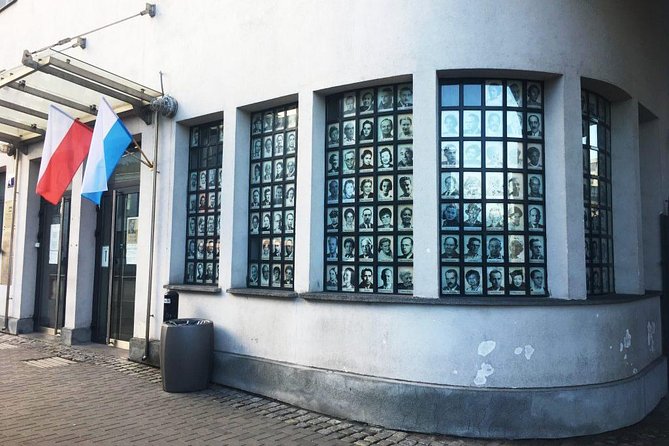
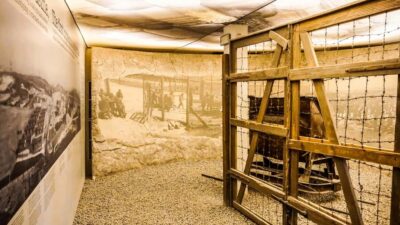
The first stop lasts about 90 minutes and includes admission to the Oskar Schindler Factory Museum. The museum belongs to the Historical Museum of Krakow, and its main exhibition is titled Krakow under Nazi Occupation 1939 to 1945.
The most important thing to know before you go is that this is not primarily a biographical museum about Schindler. His life and courage form part of the story, but the exhibition’s larger subject is Krakow under German rule.
That distinction matters. If you arrive expecting a room-by-room account of the film Schindler’s List, you may be disappointed. One person found the factory itself less impressive than expected, and that reaction makes sense if your interest is narrowly focused on Schindler as an individual.
I prefer the broader approach. You get a better sense of how occupation affected the city and its residents. The exhibition looks at many aspects of daily life under Nazi rule, rather than presenting one heroic figure as the entire story.
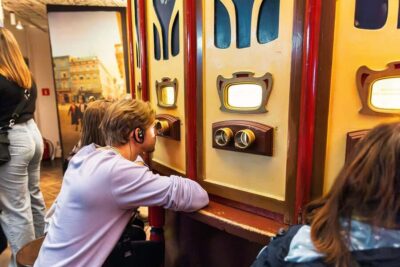
Your guide accompanies you into the museum, but you keep your own sightseeing pace. That gives you a little breathing room in a place where you may want to pause, read, and absorb the material without listening every second.
The guide’s introduction is especially useful here. A good explanation helps you understand what you are seeing before you enter the displays. Dominika has been praised for speaking clearly and presenting difficult material with care, even in poor weather elsewhere on the route.
Allow yourself to be mentally ready for serious material. This is a Holocaust and occupation museum, not a light cultural stop between cafes. The subject is presented through the experience of Krakow and its people, which can make the visit feel immediate and personal.
The 12-metre ghetto wall fragment
The next stop is a surviving 12-metre section of Krakow’s original ghetto wall. You spend about 15 minutes here, and there is no separate admission ticket included.
The wall is valuable because it is plain and physical. Rather than looking at a map alone, you are standing beside part of the structure that enclosed the ghetto.
A commemorative plaque in Hebrew and Polish explains that people lived, suffered, and died there, and that their final journey to the death camps began from that place. The wording is stark. It helps connect the wall to the deportations that followed.
Do not expect a long museum visit at this stop. Fifteen minutes is enough for the guide to explain its role and for you to take in the site, but the value comes from the context rather than from the size of the remains.
This is one reason the guided format earns its keep. Without explanation, a short fragment of wall can look like an ordinary old structure. With the story attached, it becomes one of the clearest surviving markers of the former ghetto.
Ghetto Heroes Square and its 70 metal chairs
Ghetto Heroes Square, in the Podgórze district, is another short stop of about 15 minutes. During the occupation, the square was inside the ghetto and served as a place where Jewish residents were gathered before being transported to camps.
Today, seventy large metal chairs are spaced across the square. They represent furniture and personal belongings left on the streets after the ghetto was liquidated.
The design is simple, almost severe. The chairs leave much of the square open, so you see the empty space around them. That emptiness does some of the work of the memorial.
This stop is not about a grand monument or a long list of dates. It asks you to picture ordinary possessions abandoned during a forced removal. A chair is familiar. Seeing so many of them scattered through the square turns an abstract historical event into something easier to grasp.
The guide’s explanation is important here. One negative experience involved a guide who was able to discuss the Holocaust but offered only a general account of the ghetto. That is a useful warning: the quality of the interpretation matters most at places like this, where the physical remains need careful explanation.
The majority of comments about the guides have been strongly positive, with Dominika and Matthew receiving particular praise. Still, no guide can remove the emotional weight of the site, and you should give yourself a quiet moment before moving on.
More Jewish heritage tours in Kraków:
- Krakow: Schindler’s Factory & Ghetto Guided Tour
★ 4.7 · 1,694 reviews - Krakow: Jewish Quarter and Former Ghetto Tour
★ 4.9 · 1,441 reviews - Krakow: Bike Tour of Old Town, Jewish Quarter and the Ghetto
★ 4.9 · 1,155 reviews - Krakow: Kazimierz Jewish Quarter Walking Tour
★ 4.8 · 571 reviews
Plaszow Camp, Liban Quarry, and Krakus Mound
The longest outdoor section takes about 90 minutes at the former Plaszow concentration camp. There is no admission charge, but this is where you should pay the most attention to footwear and weather.
Plaszow was created by the Nazis after the German invasion of Poland. It began as a forced labor camp in 1940, expanded in 1941, and became a concentration camp. From October 28, 1942, Jews from the Krakow ghetto were deported there.
The camp supplied labor for military factories and a quarry. That link between imprisonment and industrial work is central to understanding the site. Plaszow was not simply a holding place. It was part of a system that used people as forced labor under brutal conditions.
Today, the site does not offer the same clearly preserved structures you might find at a major museum complex. One person described it as visually sparse, with little left after the camp was destroyed. That is both a drawback and part of the experience.
You may find the site difficult to read without a guide. There are fewer obvious buildings and displays to tell you what happened in each place. A guide supplies the missing framework, points out remains, and explains how the area functioned.
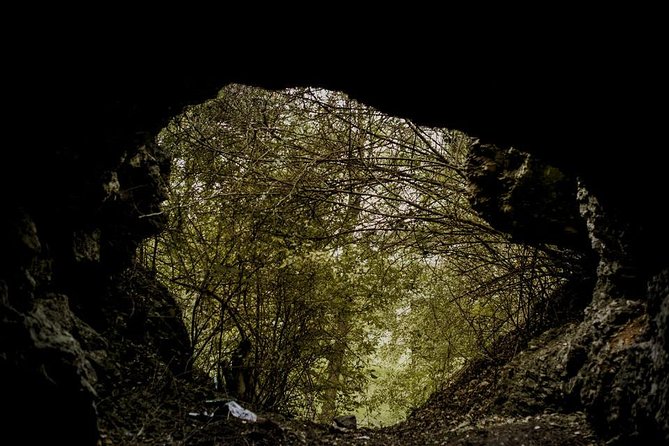
The route also includes Liban Quarry. The quarry formed part of the forced labor system, and its presence helps show the physical work imposed on prisoners. The exact condition of the remains can make the stop feel less like a conventional attraction and more like a place of remembrance.
The itinerary also takes you up toward Krakus Mound. This adds a panoramic view and a chance to see the area from higher ground. The view does not make the subject lighter, but it helps you understand the setting around the former camp and the southern part of Krakow.
You should expect hills and muddy patches. Comfortable shoes are not optional advice here. The route is less polished than the Auschwitz museum complex, and that means you need to be ready for a more natural, uneven walk.
This lack of polish can be meaningful. You are not moving through a fully reconstructed attraction with every detail labeled. You are walking through a place where the absence of remains is itself part of the story, while relying on the guide to connect the terrain with the past.
The guides make or break the experience
The strongest praise has gone to the guides’ ability to explain difficult material clearly and respectfully. Dominika has been singled out for her friendly manner, strong command of English, and detailed explanation of the ghetto and Plaszow.
Matthew, another named guide, has been praised for linking World War II history with present-day local life. That approach can help keep the tour from becoming a string of dates and tragic facts.
The guide is particularly important at Plaszow. At the museum, you have exhibits and written material to support the story. At the camp, much of what you see may appear quiet or ordinary. The guide supplies the connections you cannot get from the ground alone.
There has been at least one very poor experience, with a guide described as rushed and too general about the ghetto. I would not ignore that criticism. The route covers serious, complicated subjects, and a rushed explanation can leave the first half feeling thin.
Still, the overall rating is 4.6 out of 5, with 93 percent recommending the experience. The balance of feedback suggests that guide quality is usually a strength, but it is also the main variable you cannot fully control.
Some practical positives are worth noting. One guide waited patiently for a late arrival while staying in contact with the group. That sort of basic care matters when a meeting point is in an unfamiliar part of Krakow.
The $76.33 price and what it covers
At $76.33 per person, this is not the cheapest way to see Krakow’s wartime sites. The price makes more sense when you consider the number of locations, the included museum admission, and the time required to connect them.
You are paying for a professional guide and the entrance ticket to Schindler’s Factory Museum. The tour also saves you from working out how to link the museum, ghetto remains, Ghetto Heroes Square, and Plaszow in one half-day.
The included museum ticket is useful because the museum is one of Krakow’s most popular. The tour also offers a way to avoid the long line faced by individual visitors, which can be valuable during a busy city break.
Public transportation is not included. You will need a tram ticket, so factor that into the total cost. The meeting and ending points are different, with the tour beginning at Lipowa 4 and finishing at Henryka Kamieńskiego 57.
For me, the strongest value is not transportation. It is the interpretation at Plaszow and the chance to see less obvious sites without spending part of your holiday studying maps and transit routes.
If you are happy to visit only the museum, you may find the price high. If you want a connected half-day about the ghetto and camp as well, the cost is easier to justify.
Who should book this half-day tour
I would choose this tour if you want a serious look at Krakow during World War II and prefer local explanation over a self-guided visit. It suits adults and older children who can handle the subject matter and the walking.
It is also a good choice if you have already seen Krakow’s main Old Town sights and want something less familiar. Plaszow is not as straightforward to visit as the central attractions, and the tour gives it a clear place in your plans.
You should skip it if you want a relaxed sightseeing outing, a purely personal story about Oskar Schindler, or a route with little walking. The museum is serious, the ghetto sites are sobering, and Plaszow can be muddy and steep.
Wear comfortable shoes. Plan for changing weather. Keep some attention for the guide, especially at Plaszow, where the site itself may not explain what you are seeing.
Free cancellation is available up to 24 hours before the start time for a full refund. Changes or cancellations made later are not accepted for a refund, and the tour requires a minimum number of participants.
Should you book Schindler’s Factory and Plaszow?
Book it if you want the broader Krakow story, not just the film connection. The museum, ghetto wall, Ghetto Heroes Square, and Plaszow form a useful sequence, and the guide adds the context that the outdoor remains often lack.
My main caution is to keep your expectations realistic. Schindler’s Factory is an occupation museum rather than a pure biography, and Plaszow is sparse, hilly, and sometimes muddy. Those limits do not make the tour weak, but they do shape the experience.
For a five-hour introduction to Krakow’s wartime history, the route offers unusual places, strong guide potential, and a more personal sense of the city beyond its handsome center. If you are ready for difficult subject matter and solid walking, I would book it.
FAQ
How long does the Krakow Schindler’s Factory and Plaszow tour last?
The tour lasts approximately five hours. The museum visit takes about 90 minutes, the ghetto wall and Ghetto Heroes Square each take about 15 minutes, and the Plaszow section takes about 90 minutes.
Is admission to Schindler’s Factory included?
Yes. The entrance ticket to Schindler’s Factory Museum is included in the tour price.
Is the Plaszow concentration camp entrance free?
Yes. Admission to the Plaszow Concentration Camp stop is listed as free.
Do I need to buy public transportation tickets?
Yes. Public transportation is not included, so you need to pay separately for the tram ticket.
Where does the tour start and finish?
The tour starts at Lipowa 4, 32-051 Kraków, Poland. It finishes at Henryka Kamieńskiego 57, 30-644 Kraków, Poland.
Can I cancel for a full refund?
You can cancel at least 24 hours before the experience start time for a full refund. Cancellations or changes made less than 24 hours before the start time are not refunded.
Just added around Kraków
- Rynek Underground Museum & Wawel Castle, Cathedral – Cracow★ 5.0 · 3 reviews
- Schindler’s Factory, Ghetto and Plaszow Camp Guided Tour★ 4.7 · 3 reviews
- Nowa Huta – a guided tour of a utopian socialist city★ 5.0 · 3 reviews
- Krakow: Kazimierz by Golf Cart and Schindler’s Factory Tour★ 4.8 · 3 reviews
- Private Krakow City Tour by Car and Walk with private tour guide★ 5.0 · 3 reviews
- Krakow: Jewish Traces Private Electric Car Tour★ 4.1 · 3 reviews
- Discover the Jewish Quarter with a Bike Tour★ 5.0 · 3 reviews
- Krakow: Indoor Go-Karting (24-Minute Races)★ 4.8 · 3 reviews
Schindler Factory Tours, compared.
Oskar Schindler’s Factory Entry Ticket & Guided Tour
Read our review →
Schindler’s Factory Tour with Entrance Ticket
Read our review →
Schindler’s Factory Tour with Entrance Ticket
Read our review →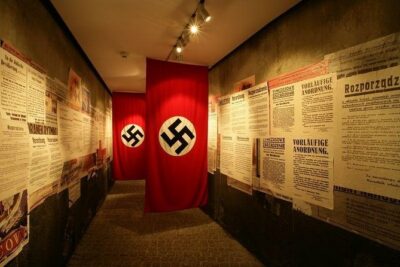
Schindler’s Factory in Krakow: Guided Tour & Skip the Line Ticket
Read our review →
Schindler’s Factory Ticket with Guided Tour Option
Read our review →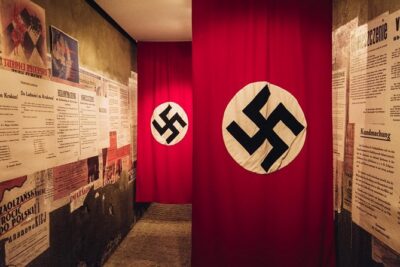
Krakow Schindler’s Factory Guided Tour with Admission Ticket
Read our review →Browse the lists this tour appears in