
REVIEW · SCHINDLER FACTORY TOURS
Schindler’s Factory and Jewish Ghetto Guided Tour
History here arrives through rooms, streets, and silence. This three-hour Kraków tour links Schindler’s Factory with the former Jewish Ghetto, giving you both a carefully built museum story and a walk through places where wartime events happened. I like the licensed guides, who explain difficult material clearly, and the way the factory visit gives useful context before you reach Ghetto Heroes Square. The main drawback is pace: some people feel rushed inside the museum, especially when the group reaches busy exhibits.
I also like the balance between Oskar Schindler’s personal story and the wider experience of Kraków’s Jewish and non-Jewish residents. You will see original artifacts, photographs, and 1940s reconstructions, then walk beside preserved Ghetto Wall fragments. Just remember that the former factory is now a museum, not a preserved production floor, and the Under the Eagle Pharmacy is viewed from outside rather than entered.
In This Review
- Key points to know before booking
- Starting at Schindler’s Factory Museum
- Seeing Schindler’s story in its proper setting
- Original objects and reconstructed streets
- Walking through the former Jewish Ghetto
- The Under the Eagle Pharmacy and Tadeusz Pankiewicz
- How the three hours usually feel
- Is $57 a fair price?
- Who should book this experience?
- Practical tips for a better visit
- FAQ
- How long does the Schindler’s Factory and Jewish Ghetto tour last?
- What languages are available?
- Where is the meeting point?
- Is admission to Schindler’s Factory included?
- Does the tour enter the Under the Eagle Pharmacy?
- Is the original factory equipment still inside?
- What happens if I arrive late?
- Should you book it?
Key points to know before booking
- Two-part experience: The tour combines Schindler’s Factory Museum with a walking route through the wartime Jewish Ghetto.
- Schindler is part of a larger story: The exhibition looks beyond the famous industrialist to daily life, persecution, forced labor, and survival in occupied Kraków.
- Preserved Ghetto Wall fragments: At Józefińska 41, you see physical reminders of the enclosure and the separation imposed on Jewish residents.
- A strong guide matters: Past guides including Joanna, Alicja, Magda, Bartholomew, and Phil have been praised for clear explanations and warm presentation.
- Museum groups can reach 25 people: That keeps the tour manageable, but the narrow exhibition rooms may still feel crowded.
- Plan for outdoor weather: The Ghetto portion is on foot, and cold or wet conditions can affect comfort.
Starting at Schindler’s Factory Museum
Your meeting point is in front of the main entrance to Schindler’s Factory Museum. Look on the right-hand side for the guide holding a Schindler’s Factory Guided Tour sign. Arrive at least 10 minutes early. Once the group has entered, late arrivals cannot be accommodated, and the ticket is not refundable.
The museum occupies the building associated with Oskar Schindler’s enamel factory, but it is important to set your expectations correctly. You will not see the original production equipment or a factory floor preserved exactly as it operated during the war. The building now houses the exhibition Kraków under Nazi Occupation 1939 to 1945.
That distinction matters. If you expect machinery, industrial demonstrations, or a preserved workplace, you may feel disappointed. If you want a carefully designed account of life in wartime Kraków, the museum delivers something more useful than a simple memorial to one man.
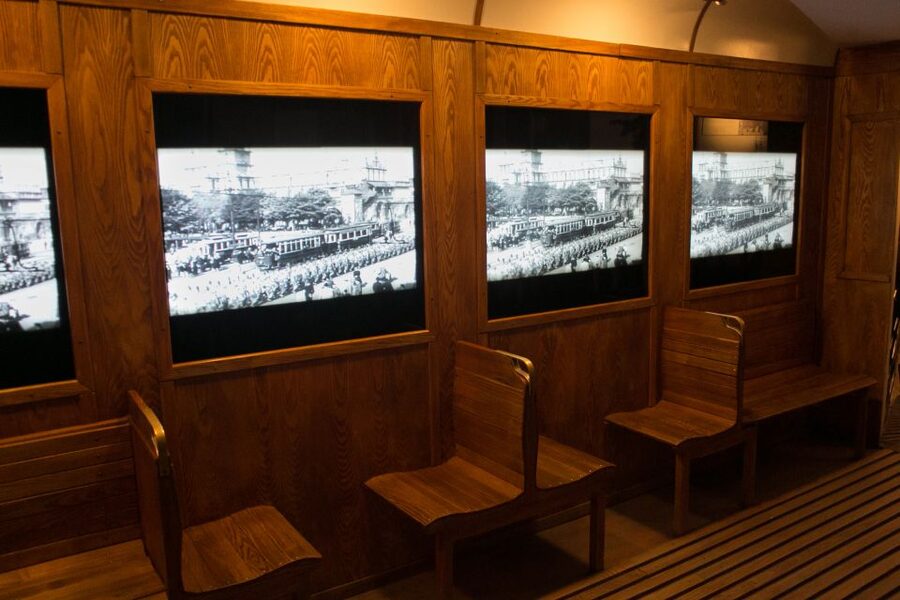
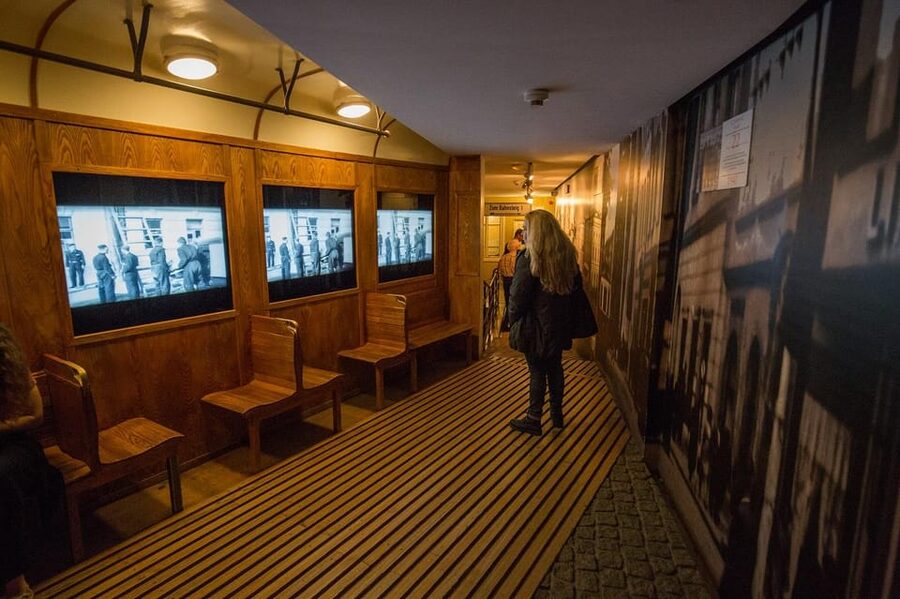
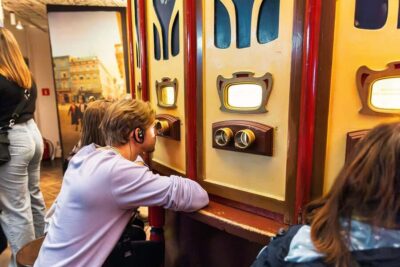
The exhibition uses photographs, objects, documents, reconstructed streets, and period-style rooms to show how the city changed after the German invasion. The layout is intentionally atmospheric, with narrow passageways and an immersive design that can make the visit feel physically confined. This approach helps communicate the pressure and uncertainty of the period, but it also means you will not always have a wide, quiet space to stop and read.
More Schindler Factory tours:
- Krakow: Oskar Schindler’s Factory Entry Ticket & Guided Tour
★ 4.2 · 3,793 reviews - Krakow: Schindler’s Factory Tour with Entrance Ticket
★ 4.5 · 3,182 reviews - Krakow: Schindler’s Factory Skip-the-Line Ticket
★ 4.4 · 3,105 reviews
Seeing Schindler’s story in its proper setting
The name Schindler draws most people here, helped in part by the famous film about his actions. The museum gives you that story, but it does not treat him as the only subject.
Schindler employed Jewish workers and used his position, influence, and resources to protect them from deportation. More than 1,000 men and women survived through his efforts. The people he saved are often called Schindlerjuden, and their experiences help turn a famous wartime story into something personal.
A good guide helps you understand the difficult choices behind that record. You will hear how practical decisions, connections, money, and risk could affect a worker’s chance of survival. The story is moving, but the tour also places Schindler inside a wider system of occupation, racial persecution, forced labor, and mass deportation.
That wider focus is one of the tour’s strongest features. You learn about Kraków before the war, the city during the German occupation, and some of what happened afterward. The exhibition shows how quickly ordinary routines could be replaced by restrictions, fear, hunger, separation, and the constant threat of removal.
The strongest guides do not simply recite dates. They explain how photographs, personal possessions, and reconstructed spaces connect to daily life. Past guide feedback has singled out Bartholomew for clear English and detailed explanations, Joanna for an excellent presentation, and Alicja for making the history and culture of Polish people and Polish Jews understandable during a painful period. These names do not guarantee who will lead your tour, but they show the level of guide quality this experience can offer.
Original objects and reconstructed streets
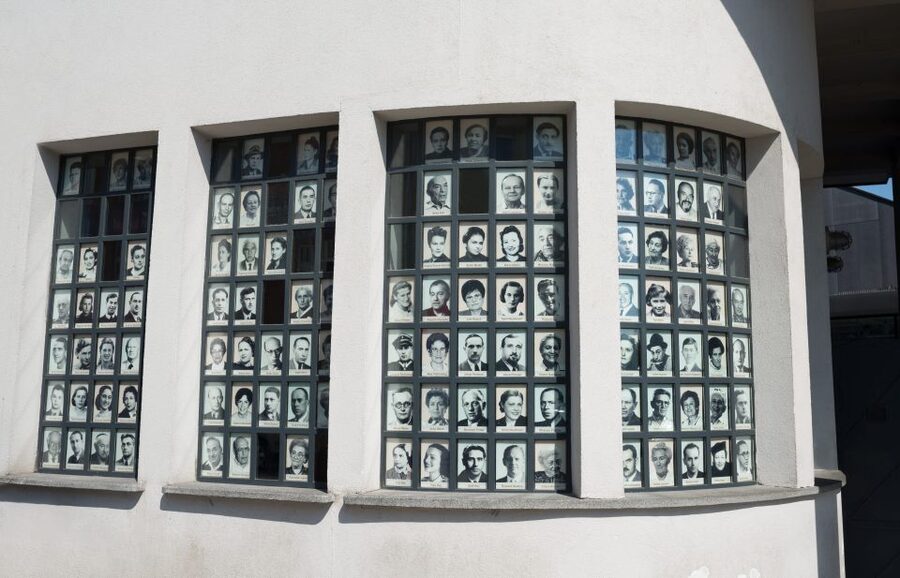
The museum’s power comes from the combination of real objects and recreated surroundings. A photograph can show who lived through the occupation, while a personal object can suggest the scale of loss in a more direct way. Reconstructed streets help you picture the city as it was reshaped by Nazi rule.
The exhibition is not a quiet collection where you can always linger at your own pace. Group tours must keep moving, and the museum can be very busy. One person may want to stop at every photograph, while another wants the guide to continue explaining the main story.
That creates the chief trade-off. You gain a strong narrative and a guide who can point out details you might miss alone, but you give up some freedom to read every panel. Two separate experiences have been reported: some people felt the tour moved too quickly through the museum, while others found the structure and explanation very helpful.
If you read slowly or care about detailed museum displays, keep this in mind. The guide’s explanation may be more valuable than trying to absorb every label, but you may leave with a list of exhibits you wish you had examined longer.
The group limit is 25 people. A group of around 20 can work well, though narrow rooms and popular displays may still make movement awkward. The museum’s layout is part of the experience, but it is not designed for relaxed wandering during a timed group visit.
Walking through the former Jewish Ghetto
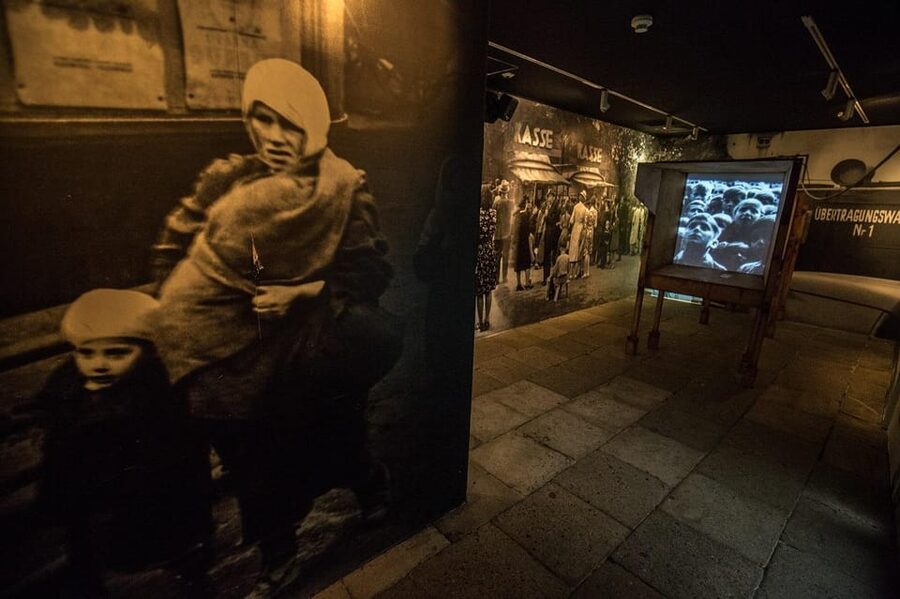
After the museum, the tour moves outdoors into the remnants of Kraków’s Jewish Ghetto. This shift from reconstructed interiors to actual streets changes the mood. You are no longer only looking at a museum interpretation. You are walking through places connected with confinement, forced relocation, and deportation.
The guide stops at Józefińska 41, a building that once housed an orphanage, welfare offices, and a hospital. These were essential services inside the Ghetto. Their presence reminds you that residents were not simply placed behind walls and abandoned. They tried to maintain care, medical support, and community life under conditions designed to strip away dignity and control.
The preserved fragments of the Ghetto Walls are among the most important physical reminders on the route. Their shape and surviving sections make the boundary feel real. A wall can explain separation more forcefully than a paragraph in a display case, especially when you are standing beside it in the neighborhood where the enclosure existed.
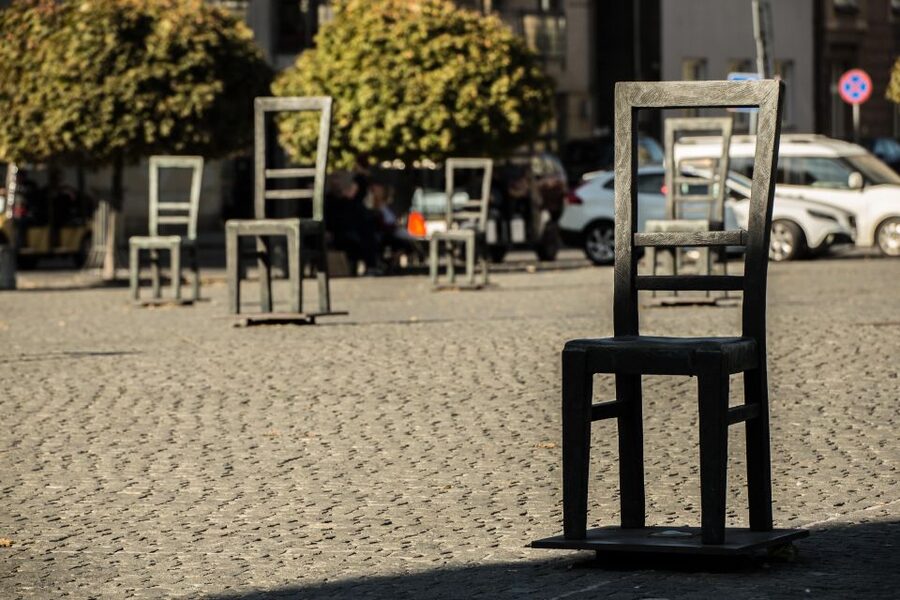
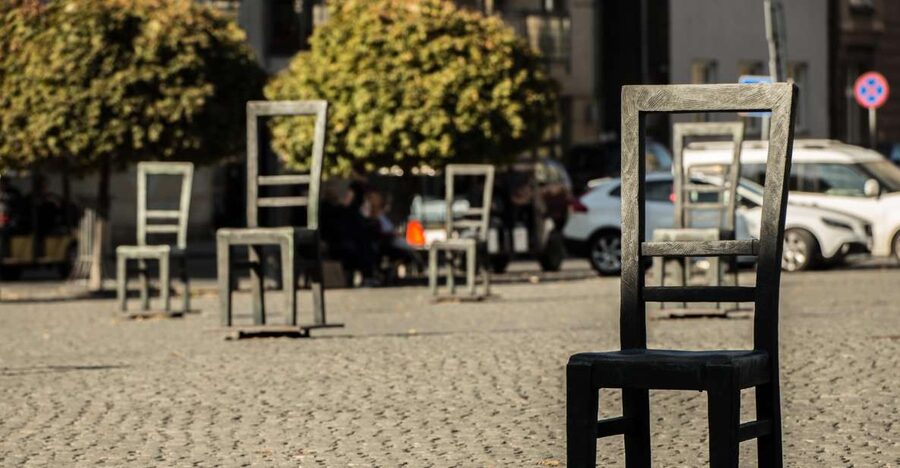
Your guide will also explain what happened at Ghetto Heroes Square, now marked by the Chair Memorial. The square became a site of round-ups and deportations to concentration camps. The chairs are a stark symbol of abandoned belongings and disrupted homes, though the emotional effect depends partly on how well the guide links the memorial to the people and events behind it.
Some people would like more time and more individual family stories during this walking section. If that is important to you, ask questions when the guide pauses. The route gives you the broad framework and several important locations, but three hours cannot provide a full family-by-family account of the Ghetto.
More Jewish heritage tours in Kraków:
- Krakow: Schindler’s Factory & Ghetto Guided Tour
★ 4.7 · 1,694 reviews - Krakow: Jewish Quarter and Former Ghetto Tour
★ 4.9 · 1,441 reviews - Krakow: Bike Tour of Old Town, Jewish Quarter and the Ghetto
★ 4.9 · 1,155 reviews - Krakow: Kazimierz Jewish Quarter Walking Tour
★ 4.8 · 571 reviews
The Under the Eagle Pharmacy and Tadeusz Pankiewicz
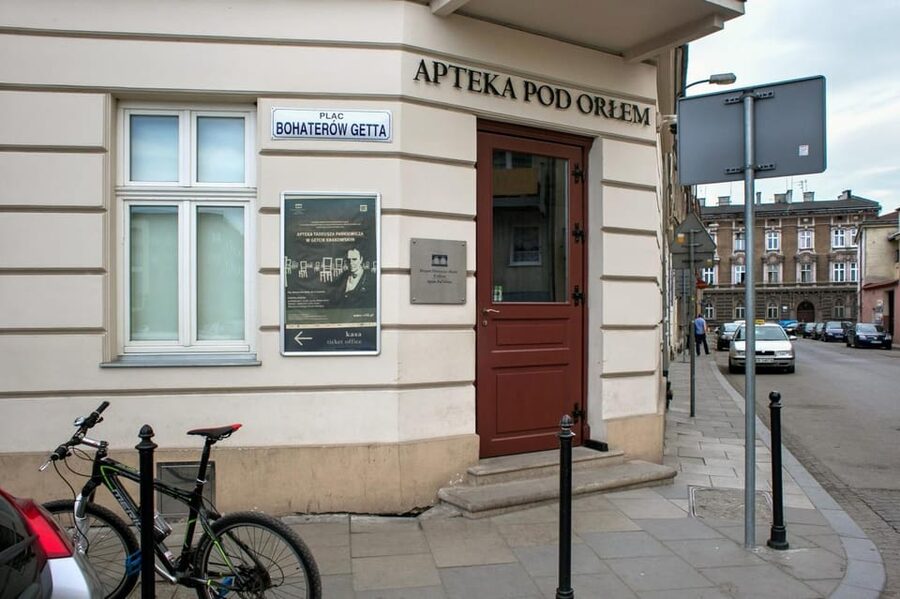
The tour pauses outside the Under the Eagle Pharmacy. You do not enter, so treat this as a stop for explanation rather than a pharmacy museum visit.
The pharmacy was run by Tadeusz Pankiewicz, a non-Jewish pharmacist who, along with his staff, helped Jewish residents during the occupation. Medicine, shelter, information, and basic human kindness could carry enormous weight inside the Ghetto. The pharmacy became a place of aid and hope when normal forms of protection had collapsed.
This stop broadens the story again. Schindler was not the only person who took risks, and survival depended on many acts of help. The guide can connect Pankiewicz’s work with the broader pattern of Polish residents and Jewish residents facing different but overlapping dangers under Nazi rule.
Because there is no entry, you will not get a full interior visit or an extended museum stop. For some people, that will feel too brief. For others, the exterior location and the guide’s explanation are enough, particularly after the museum and the other Ghetto sites.
How the three hours usually feel
The format is compact but serious. The museum takes the first major part of the experience, followed by the walking tour in the wartime district. The order works well because the museum establishes the political and social setting before you reach the Ghetto locations.
You will spend part of the time standing in narrow indoor spaces and part walking outdoors. Wear comfortable shoes and bring clothing suited to the forecast. Cold weather has not prevented people from finding the tour worthwhile, but it can make the outdoor explanations less comfortable.
The emotional pace is also worth considering. This is not a light sightseeing activity with a few historical facts added on. You will hear about persecution, deportation, the destruction of Kraków’s Jewish population, and the hardships faced by Polish people under occupation. The difficult material is balanced by stories of courage and assistance, but the subject remains heavy.
The single-language format is helpful. Tours are offered in English, French, Spanish, German, and Italian, and each group is conducted in one selected language. You will get a clearer presentation than you would from a mixed-language arrangement.
Museum scheduling can alter exact timings, so do not plan another tightly timed activity immediately afterward. The advertised duration is three hours, but site schedules and group movement can affect the rhythm.
Is $57 a fair price?
At $57 per person, this is not the cheapest way to see Schindler’s Factory. The value comes from combining admission, fast-track entry, a licensed guide, and the Ghetto walk in one organized visit.
The fast-track element matters because Schindler’s Factory is one of Kraków’s most popular museums. A timed group entry reduces the uncertainty of trying to arrange access yourself. You also avoid having to research the Ghetto route and work out how the museum connects to the surrounding sites.
The price is easier to justify if you want the story explained as you go. A guide can point out why Józefińska 41 matters, explain the Chair Memorial, and give the Under the Eagle Pharmacy its proper place in the history. You are paying for context and organization, not only for a ticket.
The value is less clear if you prefer complete control inside museums. Independent visitors can move at their own pace, read every panel, and pause at the exhibits that interest them most. A self-guided visit may suit you better if you are patient with advance planning and do not need the outdoor route explained.
For a first visit to Kraków, I think the combined format earns its price, particularly if your time is limited. You see the museum and the Ghetto in one meaningful block rather than treating them as unrelated stops.
Who should book this experience?
I would recommend it to anyone who wants more than the film version of Schindler’s story. The tour gives you the man, the people he helped, the city under occupation, and the physical remains of the Ghetto.
It is especially suitable if you appreciate clear storytelling and want help with difficult historical material. Past guide feedback repeatedly praises strong English, detailed answers, patience, and personal presentation. Magda has been praised for being especially helpful, while Phil was remembered for answering every question and making the group feel well cared for.
You may want another plan if your priority is slow museum study. The 25-person limit is reasonable, but busy galleries and narrow passageways can make the visit feel hurried. The Ghetto walk also provides a broad account rather than an extended study of particular families.
Families with older teenagers may find the subject worthwhile, but the material is serious. The experience suits people prepared to listen, ask questions, and spend time with wartime history rather than rush from one photo opportunity to the next.
Practical tips for a better visit
- Arrive 10 minutes early: The guide waits by the main entrance on the right-hand side, holding the tour sign. Late entry is not accommodated after the group goes inside.
- Enter every participant’s full name when booking: The museum issues personalized tickets, and missing names can lead to denied entry.
- Choose your language carefully: English, French, Spanish, German, and Italian are available, with one language used per group.
- Wear shoes for walking: The second half takes place outdoors in the former Ghetto district.
- Dress for the forecast: Weather affects the comfort of the walking portion.
- Expect a museum, not a working factory: There is no original production equipment.
- Ask questions during the Ghetto section: This is the best way to request more detail about particular people or sites.
- Do not schedule a tight follow-up: Museum and site timing can shift.
FAQ
How long does the Schindler’s Factory and Jewish Ghetto tour last?
The tour lasts three hours. Exact timings may change because of museum or site scheduling.
What languages are available?
The tour is offered in English, French, Spanish, German, and Italian. Each group is conducted in one language, selected when booking.
Where is the meeting point?
Meet in front of the main entrance to Schindler’s Factory Museum, on the right-hand side. The guide will hold a Schindler’s Factory Guided Tour sign.
Is admission to Schindler’s Factory included?
Yes. The experience includes fast-track admission to Schindler’s Factory and a professional licensed guide.
Does the tour enter the Under the Eagle Pharmacy?
No. The route stops at the pharmacy and explains the work of Tadeusz Pankiewicz and his staff, but entry is not included.
Is the original factory equipment still inside?
No. The former factory building now operates as a museum and does not contain the original production equipment.
What happens if I arrive late?
You should arrive at least 10 minutes before the start time. Once the group has entered, late arrivals cannot be accommodated, and tickets are non-refundable.
Should you book it?
Book this tour if you want a guided, emotionally serious introduction to Kraków under Nazi occupation, with Schindler’s Factory and the Jewish Ghetto connected in one route. The best reason to choose it is the guide: a strong presenter can turn the museum’s objects, walls, and memorials into a clear human story.
Skip it if you prefer to read every museum panel at your own speed or want to enter the Under the Eagle Pharmacy. At $57, the tour is worthwhile for fast-track access, structure, and historical explanation, but you should accept the group pace. Arrive early, dress for the walk, and come ready for a thoughtful three hours rather than a casual city outing.
Just added around Kraków
- Rynek Underground Museum & Wawel Castle, Cathedral – Cracow★ 5.0 · 3 reviews
- Schindler’s Factory, Ghetto and Plaszow Camp Guided Tour★ 4.7 · 3 reviews
- Nowa Huta – a guided tour of a utopian socialist city★ 5.0 · 3 reviews
- Krakow: Kazimierz by Golf Cart and Schindler’s Factory Tour★ 4.8 · 3 reviews
- Private Krakow City Tour by Car and Walk with private tour guide★ 5.0 · 3 reviews
- Krakow: Jewish Traces Private Electric Car Tour★ 4.1 · 3 reviews
- Discover the Jewish Quarter with a Bike Tour★ 5.0 · 3 reviews
- Krakow: Indoor Go-Karting (24-Minute Races)★ 4.8 · 3 reviews
Schindler Factory Tours, compared.
Oskar Schindler’s Factory Entry Ticket & Guided Tour
Read our review →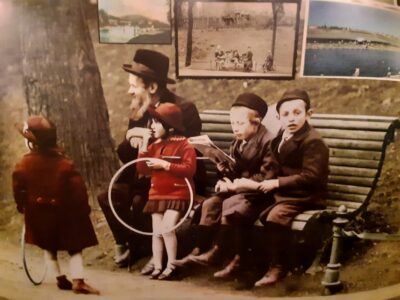
Schindler’s Factory Tour with Entrance Ticket
Read our review →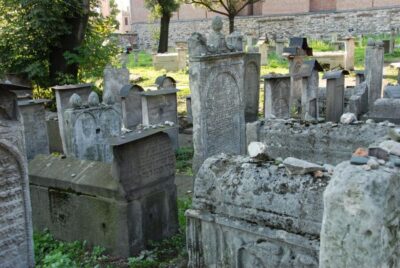
Schindler’s Factory Tour with Entrance Ticket
Read our review →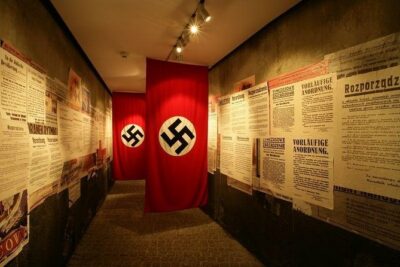
Schindler’s Factory in Krakow: Guided Tour & Skip the Line Ticket
Read our review →
Schindler’s Factory Ticket with Guided Tour Option
Read our review →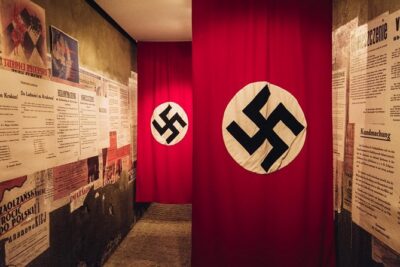
Krakow Schindler’s Factory Guided Tour with Admission Ticket
Read our review →Browse the lists this tour appears in