

REVIEW · HISTORICAL TOURS
Warsaw: Jewish Heritage & Holocaust Walking Tour
History feels different when you walk through it. This 150-minute tour connects Warsaw’s Jewish past, from medieval settlement to the Holocaust, with the streets and memorials that remain today. I especially like the use of pre-war photographs, and I like that more than half the tour focuses on the Warsaw Ghetto and its uprising. The main consideration is emotional weight: this is serious material, not a light city stroll.
At $20 per person, the tour offers strong value for anyone who wants context before visiting POLIN Museum or Warsaw’s Jewish memorials. Guides such as Magda, Gawel, Albert, Martin, and Goska have been praised for clear English, warmth, and careful treatment of painful subjects. Still, groups can reach about 30 people, and winter weather can make the final part tough.
In This Review
- Key points to know before you go
- Starting at Castle Square and crossing into Jewish Warsaw
- Medieval origins and the first Jewish settlements
- The jurydki and the Jewish Enlightenment
- The 19th-century district through photographs
- Entering the Warsaw Ghetto story
- Deportations to Treblinka and the human cost
- The Big Ghetto and the Warsaw Ghetto Uprising
- How the guides shape the experience
- Price, pace, and practical comfort
- Who should book this Warsaw walk?
- Final verdict: a serious walk with real value
- FAQ
- Where does the Warsaw Jewish Heritage and Holocaust Walking Tour meet?
- How long does the walking tour last?
- What language is the tour offered in?
- What historical periods does the tour cover?
- Does the tour include the Holocaust and Treblinka deportations?
- Is the tour suitable for children?
- What should I bring?
- Are entrance fees included?
Key points to know before you go
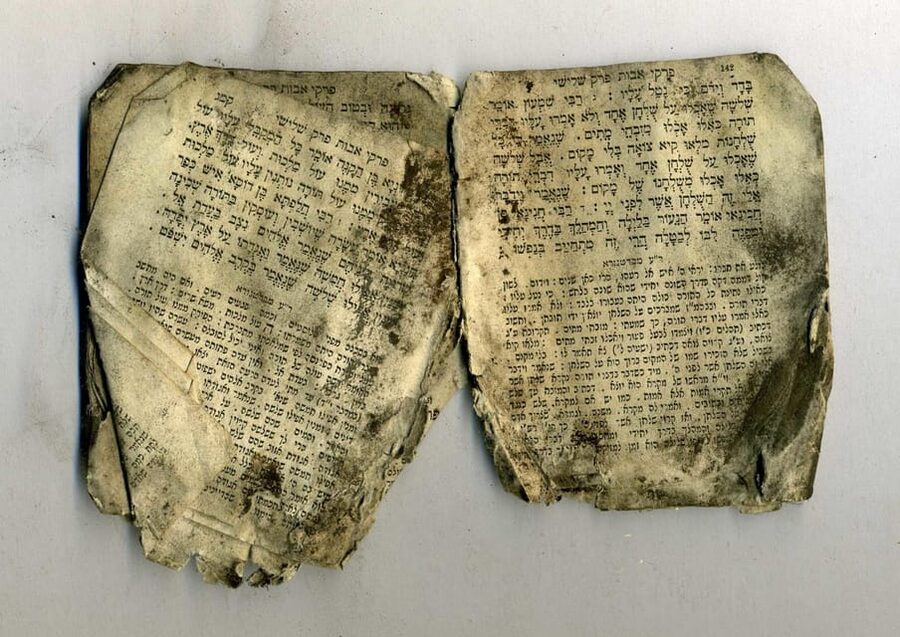
- Six centuries in 150 minutes: The tour moves from medieval Jewish life through the 18th-century jurydki, the 19th-century Jewish district, the pre-war community, and the Holocaust.
- Old photographs do real work: Pre-war images help you see how much of Warsaw was erased or reshaped by war.
- The Holocaust takes center stage: Expect detailed discussion of the ghetto wall, daily conditions, deportations to Treblinka, and the Warsaw Ghetto Uprising.
- A meeting point that is easy to spot: Find Sigismund’s Column in Castle Square and look for an orange umbrella with a British flag.
- Guide quality is a major strength: Magda, Gawel, Albert, Martin, Goska, and others have been praised for strong research, clear English, compassion, and enthusiasm.
- Wear shoes for the city, not the catwalk: Bring comfortable shoes, water, and a head covering or kippah. Smoking is not allowed.
Starting at Castle Square and crossing into Jewish Warsaw
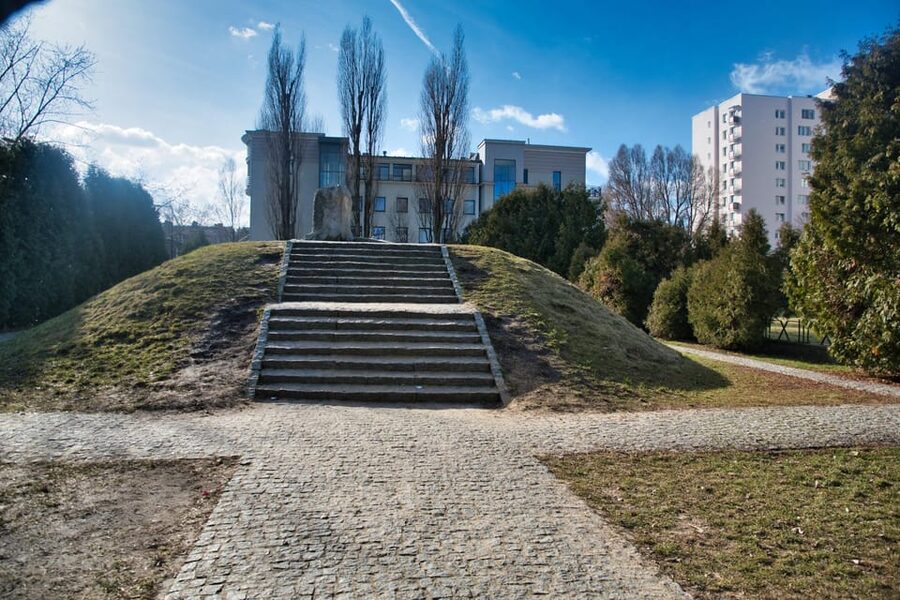
The meeting point is in Castle Square, beside Sigismund’s Column, the 20-meter column topped by a statue. The orange umbrella with a British flag makes the group easier to find in a busy central square.
Starting here gives you a useful contrast. Castle Square is one of Warsaw’s best-known historic areas, while much of the Jewish district farther west was destroyed and rebuilt in radically different form. The tour uses that contrast well. You begin in a familiar part of the city, then shift toward places where absence is part of the story.
The guide speaks English throughout. This matters on a subject filled with names, dates, political changes, and unfamiliar terms. The strongest guides do not simply recite facts. They explain how Jewish life developed in relation to Polish society and Warsaw’s changing borders and authorities.
I would arrive a little early. The meeting point is specific, but Castle Square can be busy, and finding the correct umbrella is easier before the walk begins. You should also bring water, since the tour lasts two and a half hours and includes extended outdoor commentary.
More History Tours in Warsaw
- Warsaw: POLIN Museum of the History of Polish Jews Ticket
★ 4.7 · 1,142 reviews - Warsaw: Chopin Concert at Historical Venue in Old Town
★ 4.7 · 445 reviews - Small-Group Historical Guided Tour of Warsaw with pick up/drop off. Public Tour.
★ 4.5 · 343 reviews
Medieval origins and the first Jewish settlements
The opening historical section reaches back to the Middle Ages. You learn about the origins of Polish Jews, the growth of Jewish communities, life in Warsaw’s medieval Jewish quarter, and the first expulsions.
This part is important because it gives the Holocaust section a human and historical frame. The Jewish community did not appear suddenly before the Second World War. It developed over centuries, with religious life, family networks, work, education, and local institutions shaped by the opportunities and restrictions of each period.
The guide also explains how Jewish settlement changed as Warsaw grew. You are not only looking at a list of old dates. You are learning why Jewish communities formed in particular areas and how government and local power affected where people could live.
Expect the guide to use maps, photographs, and spoken explanation to make vanished neighborhoods easier to picture. Several guides have been praised for explaining difficult material in simple, connected terms. That is especially helpful here, when the early history can otherwise feel remote.
The jurydki and the Jewish Enlightenment
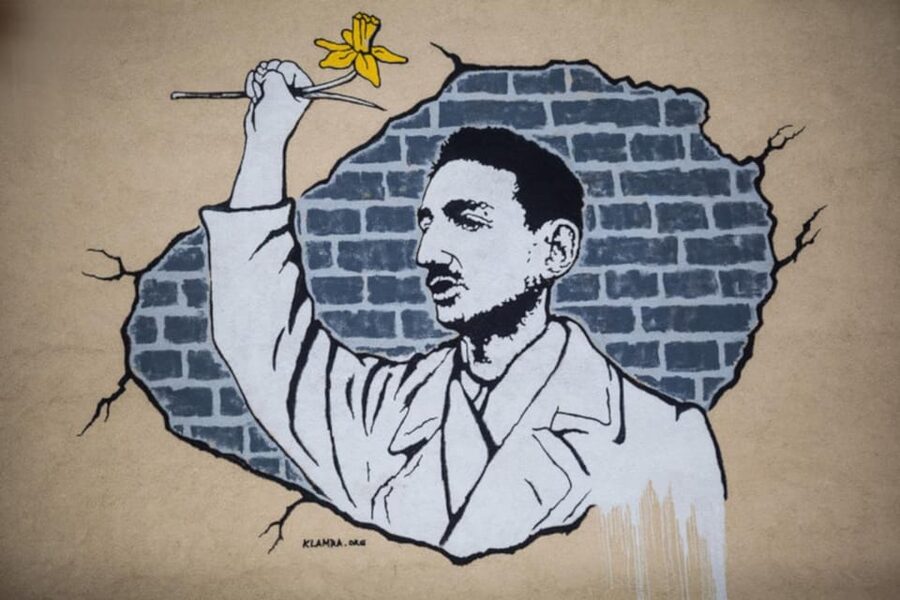
The tour then moves to the 18th-century Jewish settlements within the jurydki. These were areas under the jurisdiction of Warsaw’s magnates rather than the city authorities.
That detail may sound technical, but it helps explain how Warsaw worked before the modern city took shape. Different authorities controlled different pieces of urban life. Jewish settlement patterns were tied not just to religion, but also to law, land ownership, taxation, and political power.
You also hear about the Haskalah, or Jewish Enlightenment. This section shows Jewish life changing from within as well as from outside. Education, ideas, religious debate, and contact with wider European society all affected the community.
I like this part because it avoids reducing Jewish Warsaw to a story that begins and ends with destruction. The tour presents a community with arguments, ambitions, cultural changes, and everyday concerns. That makes the later loss more understandable, and more painful.
The 19th-century district through photographs
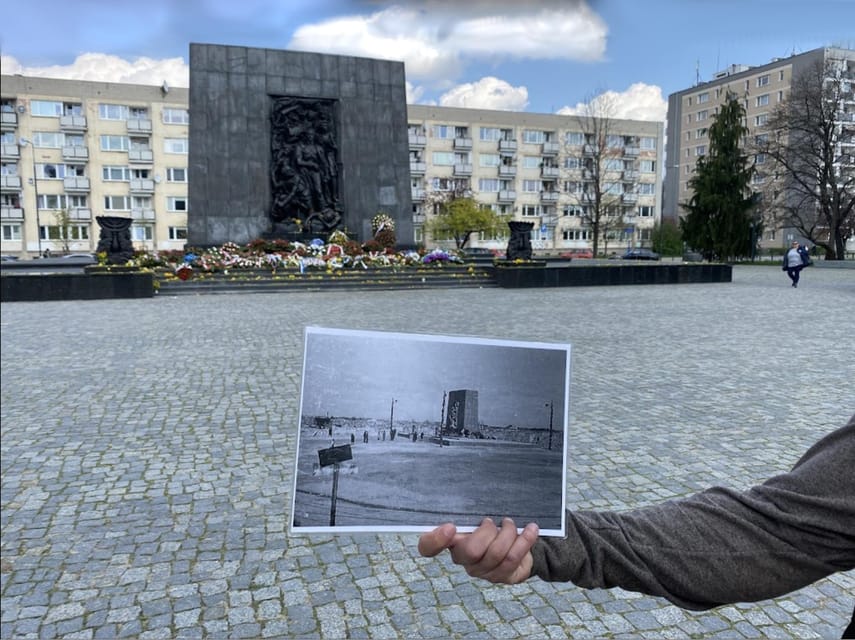
Old photographs become especially useful when the tour reaches the 19th century and the pre-war Jewish district. Warsaw today cannot always show you what once occupied the ground beneath your feet. A photograph can.
The guide holds up images of streets, buildings, shops, and people, then relates them to the present-day setting. You see how the district looked before wartime destruction and how later rebuilding altered the city. The result is a kind of visual double exposure: the modern street in front of you, and the earlier Warsaw placed over it.
Several guides have been praised for bringing photographs and maps to the walk. This is one of the strongest features of the experience. Instead of asking you to imagine an entire neighborhood from a few plaques, the images offer something concrete.
The photographs also help keep the focus on ordinary life. A pre-war Jewish district was not only a future site of suffering. It was a place where people lived, worked, raised children, worshipped, argued, and built communities. That fuller picture gives the walk dignity and balance.
More Walking Tours in Warsaw
- Warsaw: Old Town Highlights Walking Tour in English
★ 4.7 · 1,516 reviews - Warsaw: Old Town Guided Walking Tour
★ 4.9 · 599 reviews - Half-Day Polish Food Walking Tour with Guide and Dinner
★ 4.5 · 381 reviews - Warsaw: Warsaw Ghetto Private Walking Tour with Hotel Pickup
★ 4.9 · 369 reviews
Entering the Warsaw Ghetto story
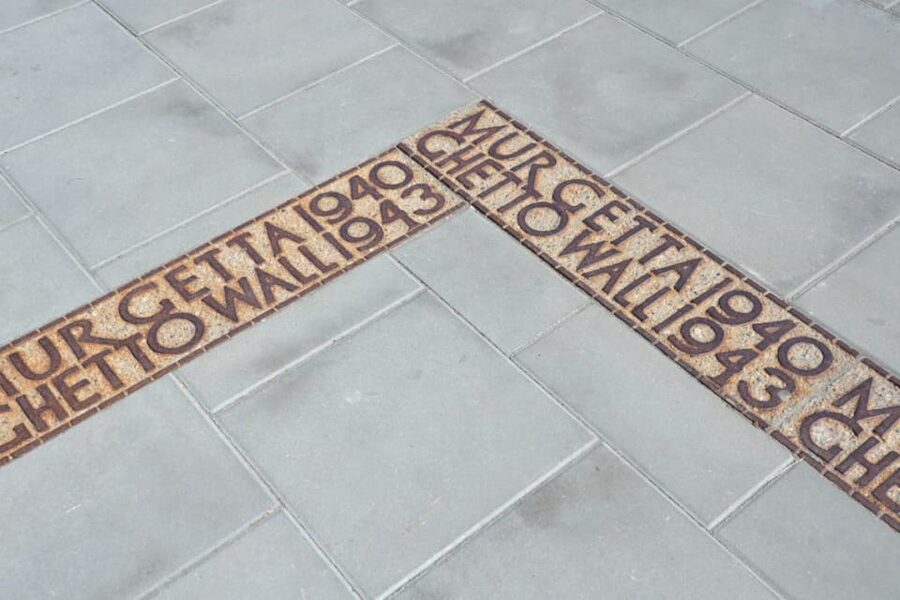
More than half of the tour is devoted to the Holocaust of Warsaw’s Jews. The guide explains the creation of the Warsaw Ghetto, the wall, the conditions behind it, and the system that led to mass deportation.
This is the point where the walk becomes much heavier. You learn how Nazi policy concentrated Warsaw’s Jewish population behind the wall, how daily life was shaped by overcrowding and deprivation, and how people tried to survive under impossible conditions.
The value of hearing this outdoors is that the subject is tied to real locations. You are not only inside a museum gallery reading a timeline. You are standing in a city that was reshaped by the events being discussed. At the same time, you should understand that many original buildings and streets are gone, so the guide’s explanation and visual material carry much of the story.
The best guides handle this section with restraint. Magda has been praised for clear English and a compassionate manner. Martin has been described as human and thoughtful in his presentation. Albert has earned praise for careful preparation and for separating documented facts from uncertainty. Those qualities matter when the subject includes both established evidence and painful questions about what can no longer be fully known.
Deportations to Treblinka and the human cost
The deportations to Treblinka death camp form a central part of the Holocaust section. The guide explains how the ghetto’s population was sent away and how this process fit into the Nazi murder of Warsaw’s Jews.
You should expect this part to be direct and upsetting. It is not softened into a general wartime story. The guide connects the policies, the locations, and the people affected by them.
That directness is one reason the tour works best for adults and older teenagers. It is not suitable for children under 10. Parents should also consider the maturity of older children before booking, since the material is presented as a serious historical account rather than a simplified introduction.
If you have already visited the POLIN Museum, this walk can add physical context. If you have not, it can prepare you for the museum by giving you a sequence of events and places first. The tour does not include entrance fees, so museum admission is separate.
The Big Ghetto and the Warsaw Ghetto Uprising
The final section focuses on the Big Ghetto, the area connected with the Warsaw Ghetto Uprising. You see major places related to the fighting and learn how the uprising unfolded.
This is not presented as a conventional battlefield tour. Much of the original urban fabric was destroyed, and the modern city does not always make the wartime geography obvious. The guide’s maps, photographs, and explanations help you understand where the ghetto stood and how the surviving sites relate to one another.
The uprising is treated as a major act of resistance, but the tour also places it within the broader conditions that made resistance so difficult. You learn about the people trapped behind the wall, the destruction around them, and the choices made under extreme pressure.
I like that the walk takes you to specific monuments and locations instead of discussing the uprising only in general terms. Seeing those places can make the story more immediate. One practical point: the latter part may be outdoors for an extended period, and a December start can mean cold temperatures and darkness before the walk ends. Check the time of day and dress warmly in winter.
How the guides shape the experience
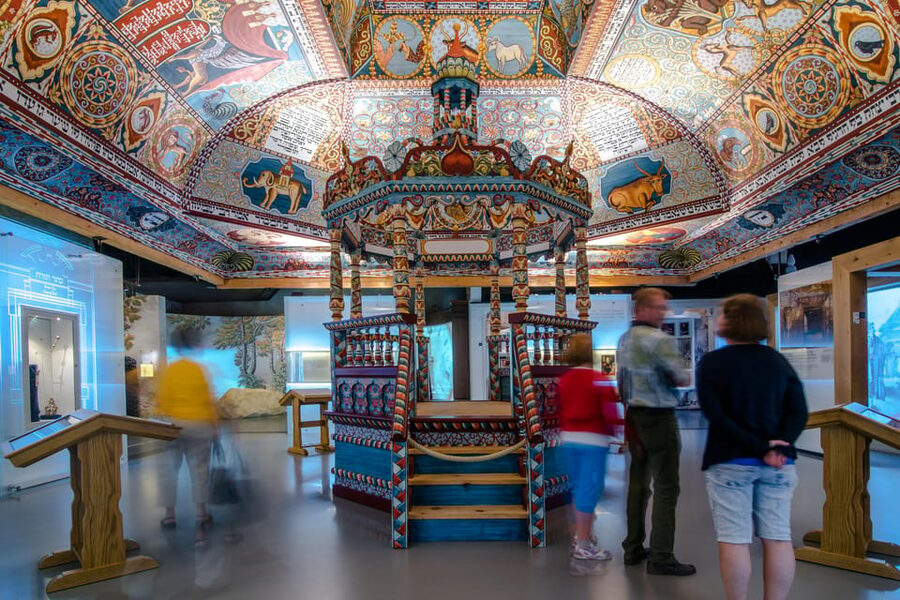
The guide is the heart of this tour. The content is serious and broad, so delivery matters as much as the route.
Magda has been praised for enthusiasm, charm, clear English, and attention to detail. Gawel has been described as engaging and well informed, with a talent for making the subject interesting without losing its seriousness. Albert has drawn praise for organization, research, and thoughtful answers to questions.
Martin’s approach has been noted for its human and compassionate tone. Goska has been praised for personal warmth and for making difficult material easier to absorb. Peter Hardy has been remembered not only for his presentation, but also for helping with directions after the tour when transportation became difficult.
These names are useful because the experience can vary slightly with the guide. The route and subject remain the same, but one guide may rely more on maps, another on photographs, and another on discussion. The common thread is strong preparation and a willingness to answer questions.
I would ask questions as you go, especially during the pre-war and uprising sections. The guides are described as approachable, and the small-group experience can be particularly rewarding. Group size is not fixed at a tiny number, however. One account described a group of up to 30, which can make it harder to hear or stay close to the guide.
Price, pace, and practical comfort
At $20 per person, this is a good-value walking tour. You receive a professional English-speaking guide and two and a half hours of focused historical interpretation. That is a modest price for the amount of preparation needed to explain six centuries and the Holocaust with care.
The value is strongest if you want a clear introduction to Warsaw’s Jewish history. You get more than a list of memorials, but you do not pay for museum admission or a private tour. If you prefer quiet, individual reflection, a large group may feel less comfortable.
The pace is shaped by the subject. You will spend time listening at key places rather than racing from one sight to the next. Comfortable shoes are essential, and water is sensible even in cool weather. In winter, add warm layers, gloves, and a hat. One person on a December tour found the later portion particularly cold and dark.
The tour is wheelchair accessible, which is useful information when planning. Because it is a walking experience, you should still check the route and conditions for your own needs when booking.
Free cancellation is available up to 24 hours before the start, and you can reserve now and pay later. Those policies make it easier to fit the walk into a changing Warsaw schedule. If the guide gives you a worthwhile personal experience, tipping is encouraged. The booking information notes that commissions, agency charges, and taxes consume a large share of the $20 payment.
Who should book this Warsaw walk?
I recommend it most strongly to first-time visitors who want an informed introduction to Jewish Warsaw and the Holocaust. It also suits anyone who plans to visit the Jewish cemetery, POLIN Museum, or the city’s memorials and wants more context before going.
You should book it if you value photographs, maps, specific locations, and a guide who can answer questions. You should also be ready for a long, serious discussion of persecution, deportation, and mass murder.
I would think twice if you want a casual sightseeing walk, dislike standing outdoors for long periods, or are traveling with young children. A group of 30 may also feel too large if you want close conversation with the guide.
Final verdict: a serious walk with real value
This tour earns its strong reputation through its guides and its careful progression from Jewish beginnings to wartime destruction and resistance. The old photographs are particularly effective, while the visits to the Big Ghetto and uprising sites give the subject a physical setting.
Book it if you want Warsaw’s Jewish story explained clearly, compassionately, and in person. Bring good shoes, water, a head covering or kippah, and enough emotional space for a difficult afternoon. For $20, it is one of the better ways to begin understanding a part of Warsaw that the modern city can no longer show on its own.
FAQ
Where does the Warsaw Jewish Heritage and Holocaust Walking Tour meet?
It meets in Castle Square beside Sigismund’s Column, the 20-meter column with a statue on top. Look for a guide holding an orange umbrella with a British flag.
How long does the walking tour last?
The tour lasts 150 minutes, or two and a half hours.
What language is the tour offered in?
The tour is conducted in English with a live English-speaking guide.
What historical periods does the tour cover?
It covers around 600 years of Jewish life in Warsaw, from the Middle Ages through the 18th-century jurydki, the Haskalah, the 19th century, the pre-war Jewish district, the Holocaust, and the Warsaw Ghetto Uprising.
Does the tour include the Holocaust and Treblinka deportations?
Yes. More than half of the tour focuses on the Holocaust, including the creation of the Warsaw Ghetto, conditions behind the wall, deportations to Treblinka, and the uprising.
Is the tour suitable for children?
The experience is not suitable for children under 10 years old.
What should I bring?
Bring comfortable shoes, water, and a head covering or kippah. Smoking is not allowed during the experience.
Are entrance fees included?
No. The price includes the professional guide and walking tour, but entrance fees to attractions are not included.
Just added around Warsaw
- Jewish heritage in Warsaw★ 4.5 · 3 reviews
- Warsaw Outdoor Paintball with Transfers (all year round)★ 5.0 · 3 reviews
- World War II Warsaw Old Town, Military Cemetery Walking Tour★ 4.7 · 3 reviews
- Warsaw: Wolf’s Lair & Swieta Lipka Small-Group Tour + Lunch★ 5.0 · 3 reviews
- Sunset Boat Tour with Unlimited Drinks in Warsaw★ 3.5 · 3 reviews
- Majdanek – German camp from II World War – Private Tour – 1 DAY TRIP FROM WARSAW★ 5.0 · 3 reviews
- From Warsaw: Guided Tour to Wieliczka Salt Mine and Krakow★ 4.5 · 3 reviews
- Warsaw Sightseeing with NEW Mercedes Sclass !!!★ 5.0 · 3 reviews
Historical Tours, compared.


POLIN Museum of the History of Polish Jews Ticket
Read our review →

Gdańsk City Sights & History Guided Walking Tour in English
Read our review →


Small-Group Historical Guided Tour of Warsaw with pick up/drop off. Public Tour.
Read our review →Browse the lists this tour appears in