
REVIEW · STUTTHOF MEMORIAL TOURS
From Gdansk: Stutthof Concentration Camp Museum Day Tour
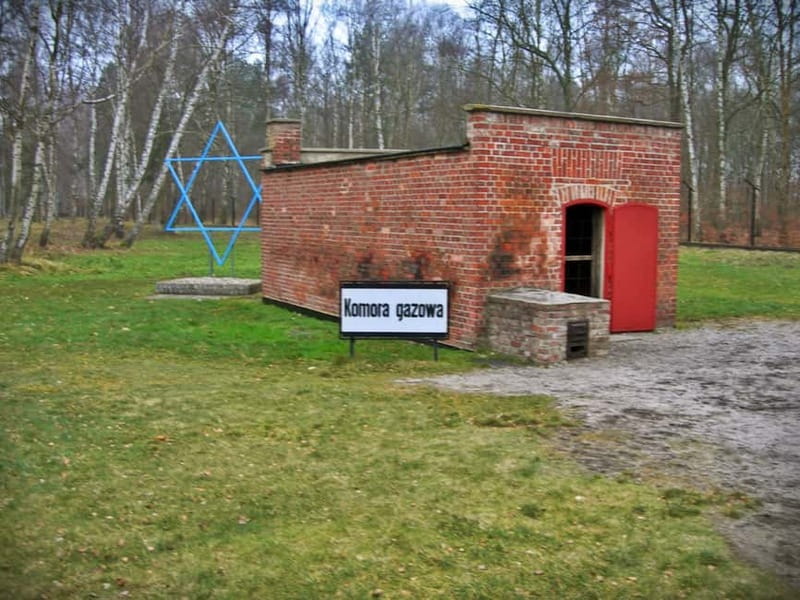
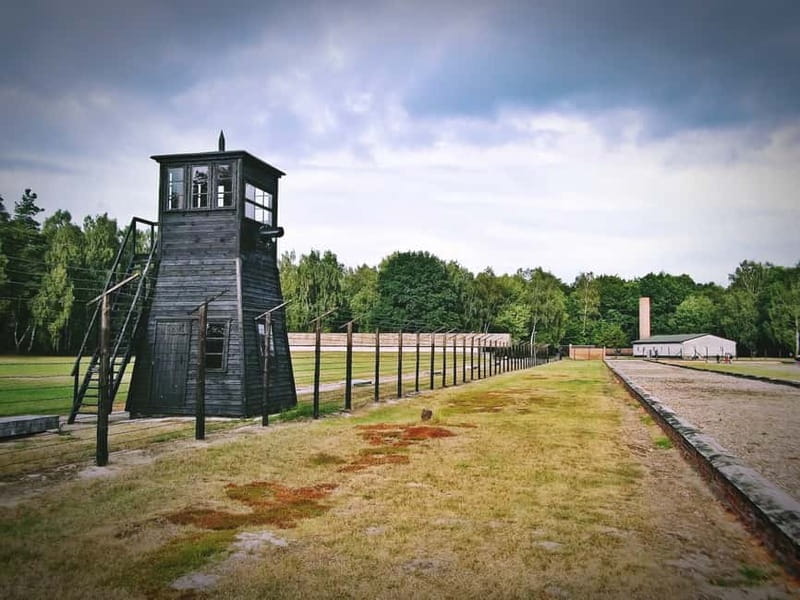
The past is impossible to ignore here. This four-hour private trip from Gdansk visits Stutthof Concentration Camp, where preserved barracks, the gas chamber, crematorium, and guard tower give physical weight to the story of Nazi persecution in Poland. I like the hotel pickup and return, and I like the choice of eight guide languages. The main consideration is that the visit is not suitable for children under 12 and can be emotionally difficult.
I also like that the tour is limited to a private group, so you are not simply being herded from one point to another. Anna, one of the guides used on this experience, has been praised for clear, detailed storytelling and smooth transport. Still, check your language choice carefully when booking, since a guide in a language your group does not fully understand can lessen the impact of the visit.
In This Review
- Key points at a glance
- Why Stutthof belongs on a Gdansk history day
- The ride from Gdansk to Sztutowo
- Entering the Stutthof Museum grounds
- The barracks and daily prisoner life
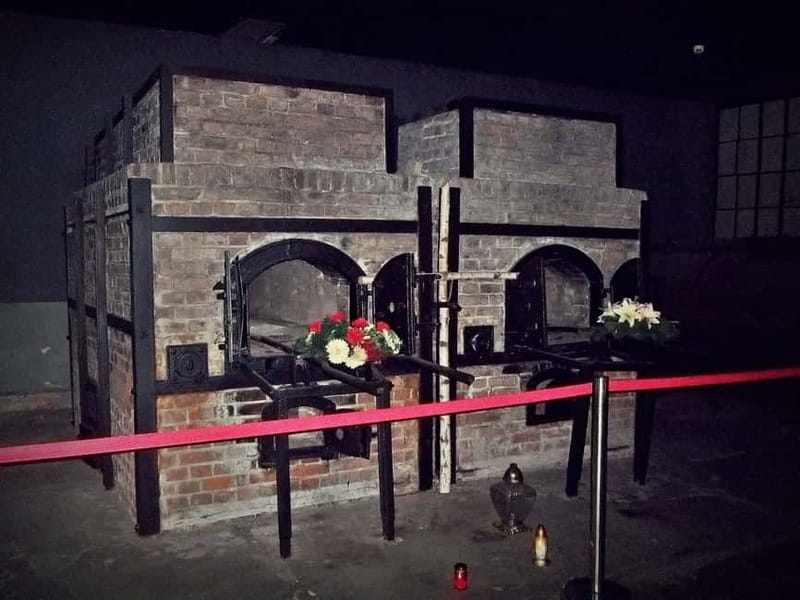
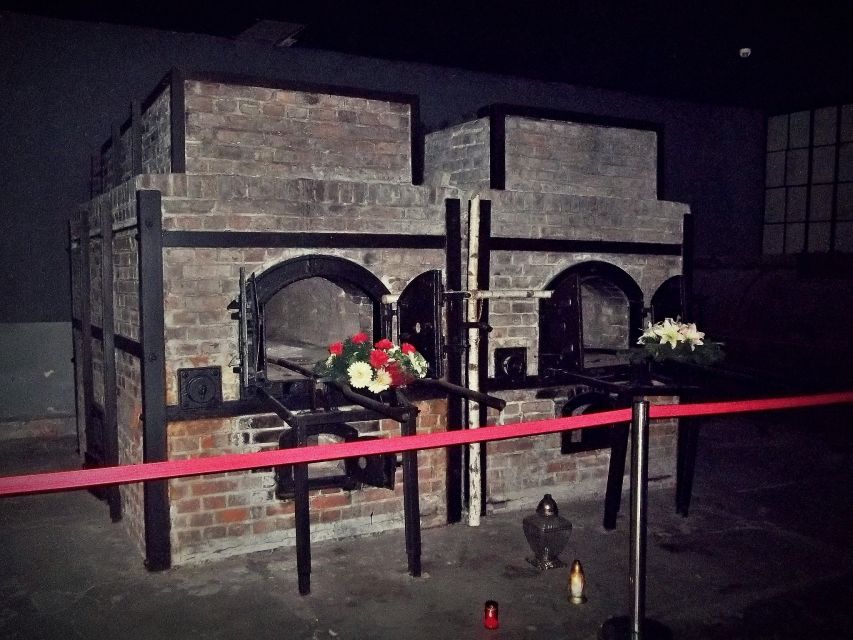
- The gas chamber and crematorium
- The guard tower and the camp’s physical layout
- Liberation by the Soviet Army in 1945
- What the $68 price includes
- Choosing the right guide language
- Who should book this experience
- Booking details worth checking
- Should you book the Stutthof tour from Gdansk?
- FAQ
- How long does the Stutthof tour from Gdansk last?
- How far is Stutthof from Gdansk?
- Is hotel pickup included?
- What does the price include?
- Which languages are available?
- Is the tour private?
- Are children allowed on the tour?
- Can I cancel for a refund?
Key points at a glance
- Stutthof is about 25 miles from Gdansk, making this a practical half-day trip beyond the city.
- The camp opened in 1939 and was liberated in 1945 by the Soviet Army, giving the visit a clear historical frame.
- The gas chamber, crematorium, barracks, and guard tower remain central stops on the museum visit.
- Hotel pickup and drop-off are included, with your guide waiting in the lobby under your name.
- Eight languages are available, including English, Spanish, German, Polish, Russian, French, Italian, and Portuguese.
- The $68 price includes transport, guide service, and museum admission, but not personal expenses.
Why Stutthof belongs on a Gdansk history day
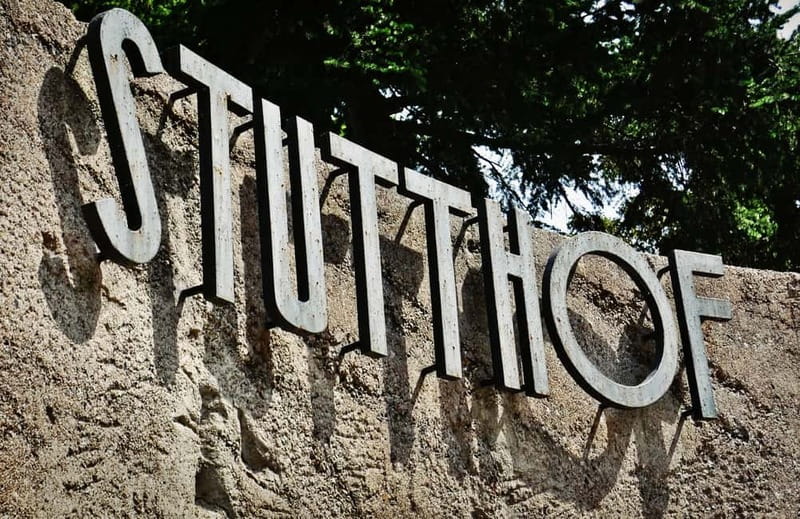
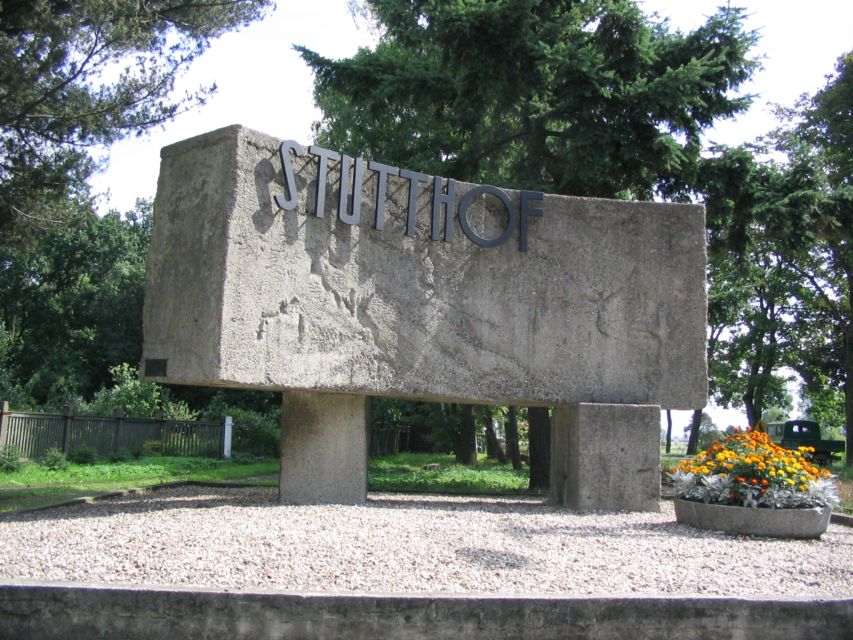
Gdansk is easy to enjoy as a handsome port city, but its wartime story reaches far beyond the old center. Stutthof, near the small town of Sztutowo, offers a direct look at the machinery of Nazi imprisonment and genocide in occupied Poland.
The camp was built in 1939, making it the first concentration camp established by the Nazis in Poland. It remained in operation until 1945 and was the last concentration camp to be liberated, by the Soviet Army. Up to 110,000 people were deported there, and about 85,000 became victims of genocide.
Those figures are difficult to grasp in the abstract. The value of visiting the museum is that the numbers are tied to actual buildings and spaces. The barracks show the stripped-down conditions of camp life. The gas chamber and crematorium show the organized nature of mass murder. The guard tower and the secluded setting help you understand how the camp was separated from ordinary life.
I would not treat this as a casual sightseeing stop. It is a place for quiet attention, and you should allow yourself time to process what you see. The tour is structured and efficient, but the subject matter calls for a slower personal response than the four-hour schedule might suggest.
More Stutthof memorial tours:
- Gdansk: Stutthof Concentration Camp Regular Tour
★ 4.7 · 361 reviews - Stutthof Concentration Camp English Tour with Gdansk Hotel pickup
★ 4.5 · 73 reviews - Stutthof Concentration Camp:Guided Tour with Transportation
★ 4.7 · 57 reviews
The ride from Gdansk to Sztutowo
Stutthof is roughly 40 kilometers, or 25 miles, from Gdansk. That distance makes private transport especially useful. You do not need to arrange a separate connection to Sztutowo, work out local transport, or find your way around an unfamiliar area.
Your driver and guide meet you in your hotel lobby with a sign bearing your name. Pickup and return are included, which is a real benefit for a serious museum visit. You can focus on the history instead of watching the clock or worrying about the route back to Gdansk.
The stated duration is four hours. The description also calls the outing a full-day excursion, so I would rely on the listed four-hour duration when planning the rest of your day. The actual schedule can depend on pickup time, driving conditions, and the amount of time spent inside the museum.
A private group also changes the feel of the journey. You can ask questions, request clarification, and keep the pace suited to your party more easily than in a large coach group. That matters here because the historical details are heavy and sometimes complex.
Entering the Stutthof Museum grounds
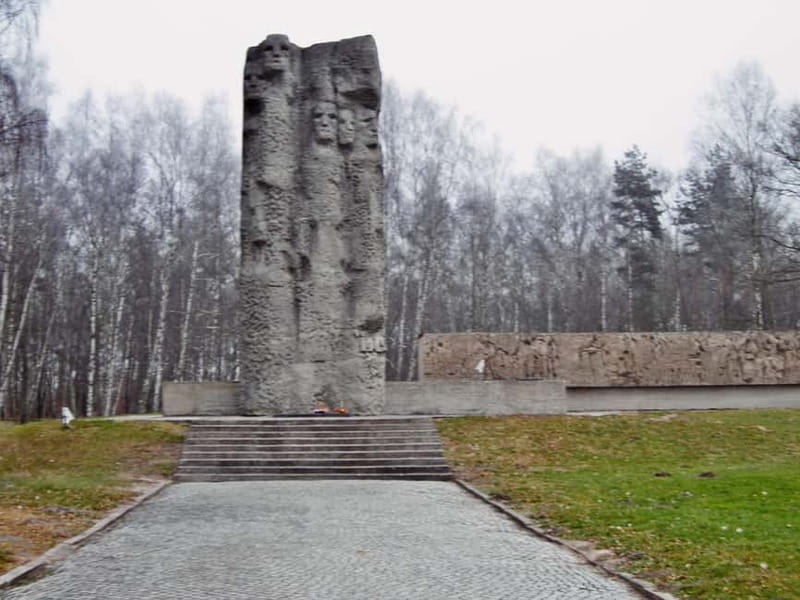
The camp was located in a wet, wooded area west of Sztutowo. Its secluded position was not accidental. The setting helps explain how the camp could operate away from the ordinary view of nearby communities.
Your museum admission is included in the price. The visit focuses on the surviving or preserved camp structures that help explain how Stutthof functioned. You should expect the guide to connect the buildings with the people imprisoned there, the Nazi occupation of Poland, and the final liberation of the camp.
This is not a museum visit built around polished displays or entertainment. The power comes from the directness of the site. You are looking at places used for imprisonment, forced labor, persecution, and murder. For many people, that physical connection is more affecting than reading the same facts in a city museum.
The secluded setting can also make the visit feel removed from the pleasant rhythm of a Gdansk holiday. That is part of its value, but it can make the transition emotionally sharp. I recommend avoiding a tightly packed schedule immediately afterward if you know you need time after difficult historical sites.
The barracks and daily prisoner life
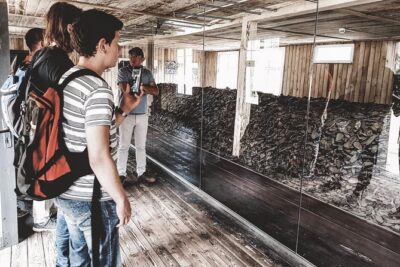
The prisoner barracks are among the most important parts of the visit because they move the story away from statistics. A camp is not only a place of killing. It is also a place where people were confined, deprived, watched, and forced to live under brutal conditions.
Inside and around the barracks, your guide can help explain how the camp was organized and what the buildings meant within the system. The quality of the guiding matters greatly here. A clear explanation can help you understand the difference between the camp’s physical layout and the human experience of those held there.
Anna has been praised for giving a large amount of information in a clear and interesting way, while also handling the pickup and return smoothly. That combination is useful at Stutthof. You need facts, but you also need them presented in a way that allows the setting to make sense.
The private format should make it easier to ask for a pause or a fuller explanation. If someone in your party has limited English, book a language that everyone can follow well. A large school group once used an English guide because another language would have cost considerably more, and the language gap made it harder for some people to understand the visit. The guide was considered capable, but the group still felt that a shared native language would have improved the experience.
More museum visits in Poland:
- Auschwitz-Birkenau Museum and Memorial Guided Tour from Krakow
★ 4.5 · 1,510 reviews - Warsaw: POLIN Museum of the History of Polish Jews Ticket
★ 4.7 · 1,142 reviews - Krakow: Rynek Underground Museum Guided Tour
★ 4.6 · 1,122 reviews - Warsaw: Polish Vodka Museum Tour with Tasting
★ 4.6 · 788 reviews
The gas chamber and crematorium
The gas chamber and crematorium are the most difficult stops for many people. They are also central to understanding that the camp was part of a system designed not only to imprison people, but to destroy them.
Your guide can place these structures within the wider story of Nazi genocide. You may find that the physical rooms are less visually dramatic than expected. That is precisely why the explanation matters. The buildings do not need theatrical presentation. Their meaning comes from what happened there and from the evidence that connects them to the camp’s operation.
I would approach this section without trying to rush through it. You do not need to photograph every building or collect a long list of facts. Listen carefully, look at the spaces, and give yourself permission to be quiet.
The museum visit is suitable for adults and older teenagers, but it is not intended for children under 12. That restriction is sensible given the subject matter. Parents of older children should still decide based on maturity, family circumstances, and how prepared the child is for an honest account of genocide.
The guard tower and the camp’s physical layout
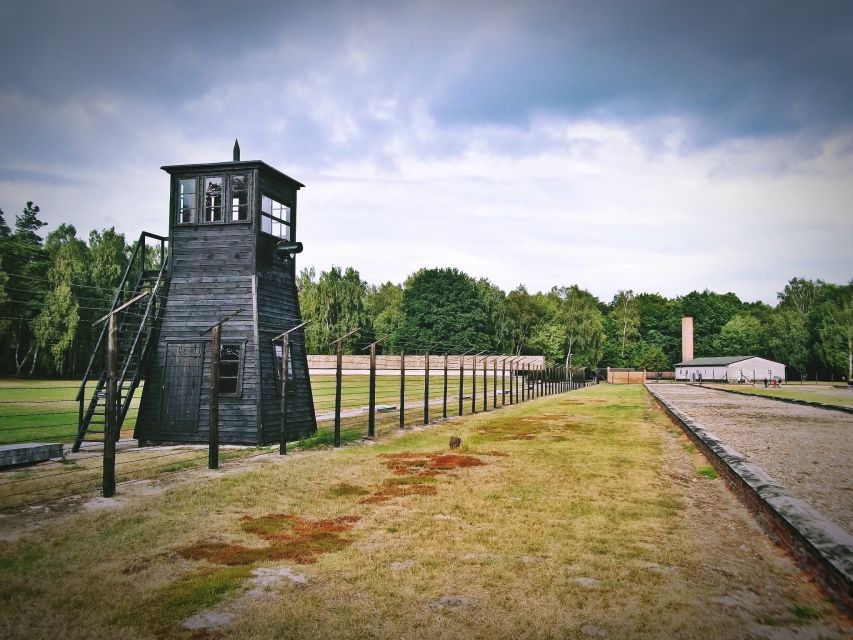
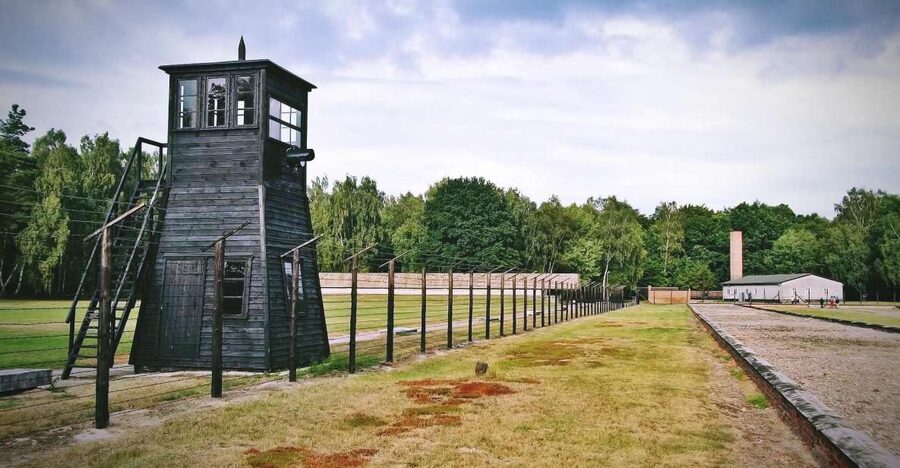
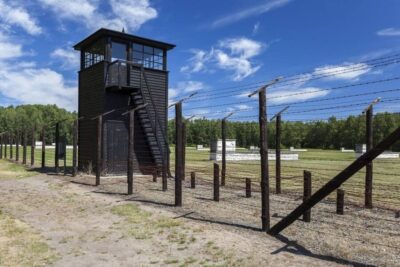
The guard tower helps you understand control. From a high position, guards could monitor movement through the camp and reinforce the sense that prisoners had little privacy or freedom.
The buildings are not isolated exhibits. Their relationship to one another matters. Barracks, towers, the gas chamber, and the crematorium formed part of an organized site. Walking between them can help you understand how imprisonment and murder were connected within the camp system.
The setting near Sztutowo also adds a difficult contrast. The area is wooded and wet rather than an obvious battlefield or urban ruin. That quiet physical setting can make the history feel even more disturbing. There is no dramatic city skyline to explain the site for you. The museum and guide must do that work.
This is where a private guide can offer real value. You can ask why a building was placed where it was, how the camp changed over time, or what happened during liberation. The tour is not simply a transfer from Gdansk to a set of ruins.
Liberation by the Soviet Army in 1945
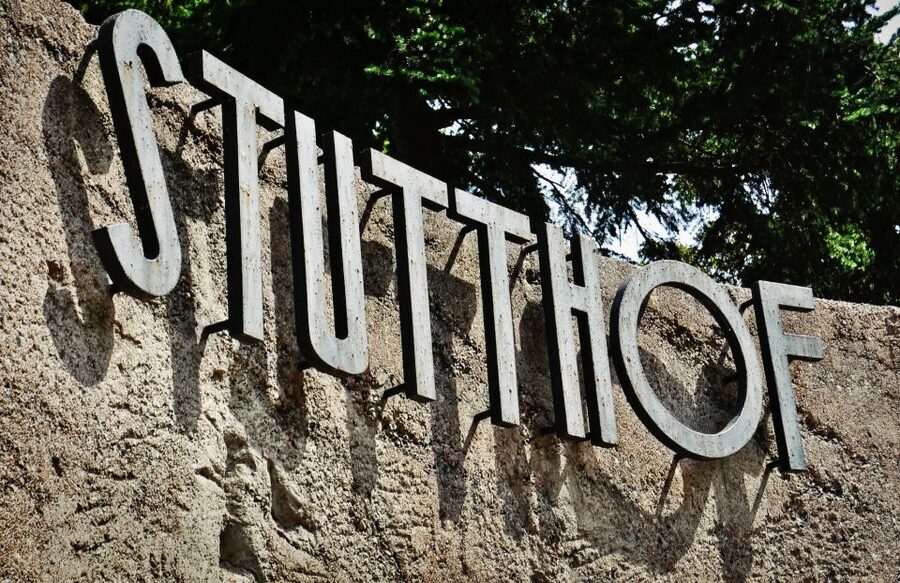
Stutthof was liberated in 1945 by the Soviet Army, making it the last Nazi concentration camp to be freed. The liberation story gives the visit a final historical marker, but it does not turn the experience into a simple ending.
The camp’s history includes the people deported there, the many who were murdered, and those who survived. A good guide should help you keep those human stories in view rather than reducing the visit to dates and military movements.
I especially value this part because it places Stutthof within the final phase of World War II. The camp did not simply disappear when the war ended. Its prisoners had already endured years of persecution, and the liberation came after enormous loss.
You should ask your guide questions if you want more detail about the final period. Since guide quality can vary by language and individual, the private setting gives you a useful chance to request clarification rather than leaving with an incomplete picture.
What the $68 price includes
At $68 per person, this is not the cheapest way to visit a museum near Gdansk. The price includes the multilingual driver and guide, entrance to the Stutthof Museum, and hotel pickup and drop-off.
That package has practical value. You are paying for transport to a site outside the city, admission, and a guide who can explain the camp in your selected language. If you would otherwise need to organize transport and museum entry yourself, the difference may be reasonable.
The private group format is another part of the calculation. The price may be easier to justify for a small party that values a personal guide and direct hotel service. Larger families or groups should compare the per-person total with other transport options before booking.
Personal expenses are not included. The provided information does not list additional paid stops or meals, so bring anything you may need for your own comfort, but do not expect lunch or personal purchases to be covered.
The strongest value here is not convenience alone. It is the chance to visit a difficult historical site with transportation and interpretation arranged together. A self-guided visit may cost less, but it could leave you with less context.
Choosing the right guide language
You can choose from Spanish, English, German, Polish, Russian, French, Italian, and Portuguese. Select the language during booking rather than assuming it can be changed later.
This is one of the most important decisions you will make. Stutthof contains many historical details, and missing part of the explanation can affect your understanding of the entire visit. If your group includes people with different language abilities, choose the language that everyone can follow comfortably.
The available feedback points to friendly, clear guiding. Anna was singled out for giving detailed explanations and managing the transport well. Another guide was praised for being friendly and explaining the subject clearly.
Do not confuse a friendly manner with a light treatment of the subject. At a place like Stutthof, the best guide is one who can communicate clearly while keeping the tone respectful. You should expect seriousness, not entertainment.
Who should book this experience
I would recommend this tour to adults, older teenagers, history students, and anyone who wants to understand Poland’s World War II story beyond the center of Gdansk. It suits people who value context and prefer a guide to explain what they are seeing.
The tour is also a good fit if you want a simple half-day plan. Hotel pickup removes much of the transport work, and the four-hour duration leaves room for other Gdansk activities if your schedule permits.
I would think twice if you want a light excursion or a cheerful break from city sightseeing. Stutthof is not an easy attraction. The gas chamber, crematorium, and prisoner barracks can be upsetting, and the subject is not softened for comfort.
It may also be less suitable for groups that cannot agree on a guide language. The earlier school group found that an English-language visit was harder for some members to follow, even though the guide performed well. Pay for the language your group can understand if the cost fits your budget.
Booking details worth checking
Cancellation is free up to 24 hours before the activity for a full refund. You can also reserve now and pay later, which gives you some flexibility while arranging a Gdansk stay.
Check the available starting times before you commit, since the tour lasts four hours and the pickup time affects the rest of your day. The guide waits in your hotel lobby with a sign showing your name, so make sure the accommodation details you provide are accurate.
The tour is private, but the exact vehicle size and the precise order of the museum stops are not specified. If someone in your party has special transport needs, ask the provider before booking rather than assuming the vehicle will suit you.
Should you book the Stutthof tour from Gdansk?
Book it if you want a serious, well-organized visit to one of Poland’s most important World War II sites, and if transport, admission, and a private guide are worth $68 per person to you. The clear guiding, hotel service, language range, and direct access to the camp make this a practical choice.
Skip it if you are looking for a relaxed outing, have young children, or cannot give the subject your full attention. Stutthof asks more of you than a normal day trip.
For most adults interested in the history of Nazi-occupied Poland, I think the tour offers good value. Choose your language carefully, leave some quiet time afterward, and treat the visit as a memorial and place of learning rather than just another stop outside Gdansk.
FAQ
How long does the Stutthof tour from Gdansk last?
The activity lasts four hours. The description also uses the phrase full-day excursion, so check the available starting time and allow for the four-hour schedule when planning your day.
How far is Stutthof from Gdansk?
Stutthof is about 25 miles, or 40 kilometers, from Gdansk. It is located near the town of Sztutowo in Pomerania Province.
Is hotel pickup included?
Yes. Hotel pickup and drop-off are included. Your guide waits in the hotel lobby with a sign displaying your name.
What does the price include?
The $68 price includes a multilingual driver and guide, entrance to the Stutthof Museum, and hotel pickup and drop-off.
Which languages are available?
You can choose Spanish, English, German, Polish, Russian, French, Italian, or Portuguese. Select your preferred language while booking.
Is the tour private?
Yes. This is offered as a private group experience.
Are children allowed on the tour?
Children under 12 are not permitted on this activity.
Can I cancel for a refund?
Yes. You can cancel up to 24 hours in advance for a full refund. You can also reserve now and pay later.
Just added around Poland
- Rynek Underground Museum & Wawel Castle, Cathedral – Cracow★ 5.0 · 3 reviews
- Schindler’s Factory, Ghetto and Plaszow Camp Guided Tour★ 4.7 · 3 reviews
- Jewish heritage in Warsaw★ 4.5 · 3 reviews
- Poznan Old Town and Croissant Museum Private Walking Tour★ 5.0 · 3 reviews
- Warsaw Outdoor Paintball with Transfers (all year round)★ 5.0 · 3 reviews
- Nowa Huta – a guided tour of a utopian socialist city★ 5.0 · 3 reviews
- Half-Day Chelmno Kulmhof Concentration Camp Private Tour★ 4.5 · 3 reviews
- 4 hours skitour trip in Tatra Mountains for beginners with renting equipment★ 5.0 · 3 reviews
Stutthof Memorial Tours, compared.
Stutthof Concentration Camp English Tour with Gdansk Hotel pickup
Read our review →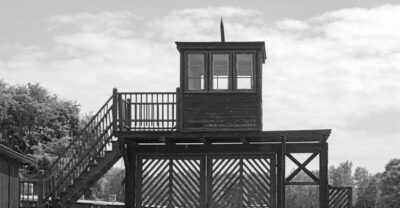
Stutthof Concentration Camp:Guided Tour with Transportation
Read our review →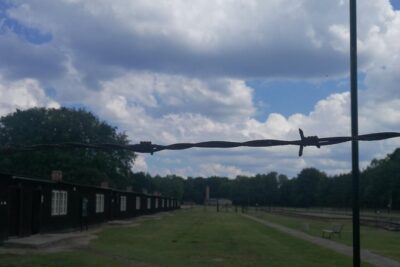
Stutthof Concentration Camp tour including transfer from Gdansk
Read our review →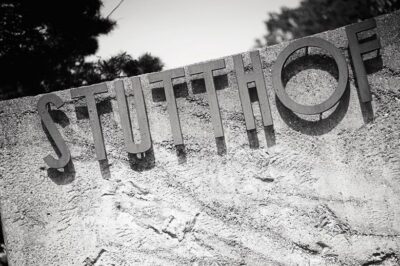
Stutthof Concentration Camp Half-Day Private Tour
Read our review →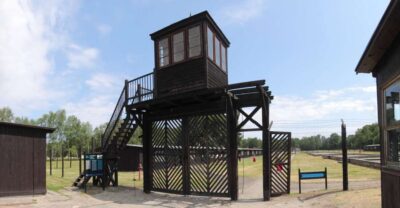
Private transportation to the Stutthof Concentration Camp 4h
Read our review →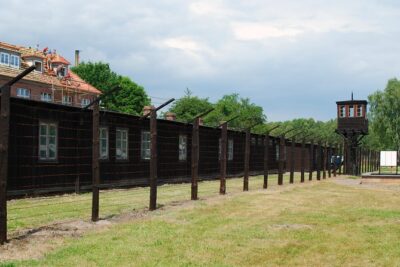
Stutthof Concentration Camp: Private Guided Tour with Transport
Read our review →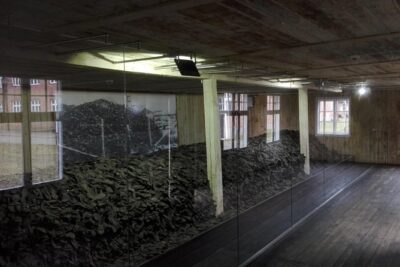
Stutthof Concentration Camp Regular Tour from Gdansk
Read our review →Browse the lists this tour appears in