
REVIEW · JEWISH QUARTER & GHETTO TOURS
Tour of the Warsaw Ghetto
History feels different on foot. This three-hour Warsaw Ghetto tour links surviving streets, wall fragments, memorials, and photographs to explain how the ghetto was created, how people lived, and how the 1943 uprising unfolded. I especially like the use of old maps and large historical photographs, which help you picture streets that were destroyed. I also like the private format, since your group can ask questions and set the pace with the guide.
The main drawback is the amount of walking. You spend about two and a half hours on foot, with roughly 30 minutes on public transport, and the subject is emotionally heavy. The Nożyk Synagogue visit is also not guaranteed on Friday afternoons, Saturdays, or Jewish holidays, so check the date before booking.
In This Review
- Key points to know before booking
- Why this tour matters in modern Warsaw
- Beginning at Próżna and Nożyk Synagogue
- Waliców and the last traces of the ghetto wall
- Chłodna Street and the famous bridge
- Umschlagplatz and the machinery of deportation
- POLIN Museum and Willy Brandt’s gesture
- Miła 18 and the Warsaw Ghetto Uprising
- Pawiak Prison and the wider occupation
- How the walking and transport work
- Guide quality and the private format
- Is $102.78 good value?
- Practical advice for a better visit
- Who should book this Warsaw Ghetto tour?
- Should you book it?
- FAQ
- How long does the Warsaw Ghetto tour last?
- What language is the tour offered in?
- Is hotel pickup available?
- Where does the tour start?
- Where does the tour end?
- Is Nożyk Synagogue admission included?
- Can I visit Nożyk Synagogue on every tour?
- Does the tour include the main POLIN Museum exhibition?
- Is this a private tour?
- Is the tour suitable for children?
- Can I cancel for a full refund?
Key points to know before booking
- Original places, not just museum displays: You visit Próżna, Waliców, Chłodna Street, Umschlagplatz, Miła 18, and Pawiak Prison.
- Strong visual storytelling: Guides use photographs and maps to show how the prewar streets looked and how the ghetto changed.
- Private English tour: Only your group participates, with hotel pickup available in central Warsaw.
- Mostly a walking experience: Plan for about 2.5 hours on foot, plus travel by bus, tram, or underground.
- A separate POLIN visit is needed: This tour stops at the museum area but does not include the main exhibition.
- Best for serious history travelers: The pace and subject suit adults and older teens more than young children.
Why this tour matters in modern Warsaw
Warsaw’s wartime Jewish district was largely destroyed, so the experience can be difficult to read from the present-day city alone. A modern street may look ordinary until a guide shows you a photograph of the same place packed with people, bordered by walls, or marked by wartime damage.
That is where this tour earns its price. It does not rely only on monuments or a lecture. It connects places to a sequence of events, beginning with the German invasion and the creation of the ghetto, then moving through daily life, deportations, resistance, and the uprising.
I particularly value the historical photographs and maps used by guides such as Marzena, Marzena Swirska-Molenda, and Olivia. They give you a visual frame for streets that no longer look as they did. Several guides have also been praised for answering questions carefully and explaining difficult subjects with warmth and respect.
This is not a light sightseeing outing. The material includes forced confinement, starvation, deportation, mass murder, and the destruction of Warsaw’s Jewish community. You should allow yourself some quiet time afterward.
More Jewish Heritage Tours in Warsaw
- Warsaw: Warsaw Ghetto Private Walking Tour with Hotel Pickup
★ 4.9 · 369 reviews - Warsaw: Ghetto, Jewish Cemetery & POLIN Museum Private Tour
★ 4.8 · 132 reviews - Warsaw: 2-Hour Tour of Daily Life in the Ghetto Warsaw
★ 4.9 · 26 reviews
Beginning at Próżna and Nożyk Synagogue
The route begins around Próżna Street, one of the last surviving fragments of the former ghetto area. This is a useful starting point because the buildings and street plan offer a physical link to the past, even though the wider neighborhood has changed greatly.
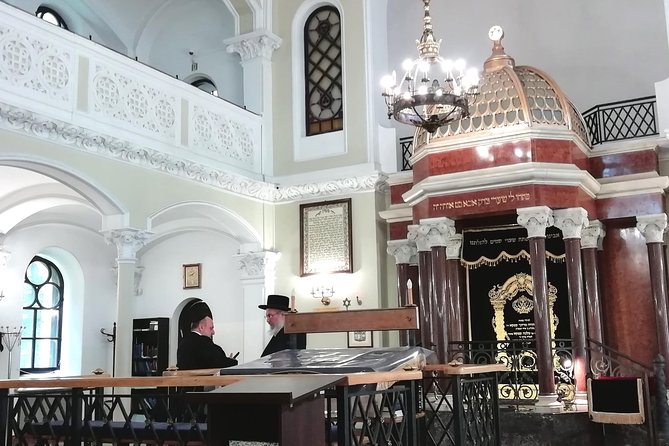
The tour also visits Nożyk Synagogue, the only synagogue in Warsaw to survive the Second World War and remain in operation. The stop lasts about 15 minutes, and admission costs €5 per person. That fee is not included in the tour price.
The synagogue visit has an important limitation. On Friday after 1 p.m., Saturdays, and Jewish holidays, the tour runs without entering the synagogue. If this stop matters to you, avoid those times or confirm the schedule before paying.
The meeting point is listed at Próżna 11, but central hotel pickup is offered. A guide arrives with a PolinTours sign and meets you at your hotel reception. If you are staying in an apartment, you wait outside. The order of the route may change to suit the location of your hotel.
Waliców and the last traces of the ghetto wall
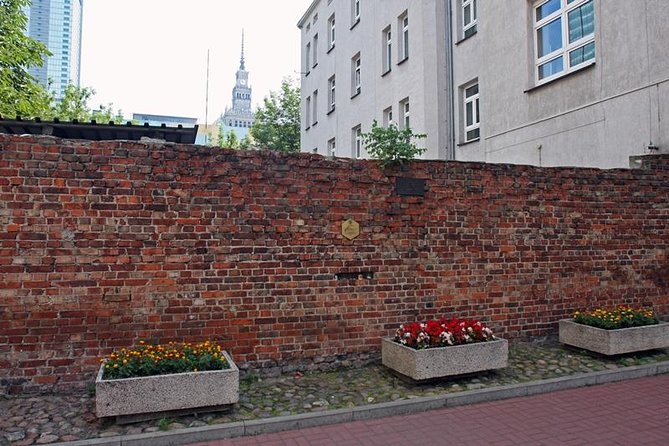
At Waliców, the guide points out fragments of the ghetto wall and explains how the enclosed district came into being. This is one of the places where Warsaw’s present-day streets and wartime evidence sit close together.
The value of the stop is scale. It can be hard to understand the size and structure of the ghetto from a monument alone. A surviving wall fragment gives you something concrete to look at while the guide explains the boundaries, the separation of the small and large ghettos, and the conditions imposed on Jewish residents.
The stop lasts about 15 minutes. It is short, but the guide’s photographs and maps add much more than the physical remains can provide on their own.
Chłodna Street and the famous bridge
Chłodna Street marks the former location of the footbridge connecting the small and large sections of the ghetto. The bridge became one of the most recognizable images of the Warsaw Ghetto, and standing at the site helps explain why movement through the district was so controlled.
The tour also brings in the story of Władysław Szpilman, the pianist whose life was later portrayed in Roman Polański’s film. This part adds an individual voice to the broader account of occupation and survival.
You spend about 20 minutes here. I like the way this stop links a recognizable image to the practical mechanics of the ghetto. It is not only a famous photograph. It shows how the divided district worked and how ordinary streets were turned into instruments of control.
A completely different kind of day out in Warsaw:
- Warsaw: Chopin Concert in the Old Town
★ 4.8 · 2,287 reviews - Warsaw: Traditional Galar Cruise on The Vistula River
★ 4.6 · 1,640 reviews - Warsaw: Old Town Highlights Walking Tour in English
★ 4.7 · 1,516 reviews - Warsaw Concert: Chopin – Painted by Candlelights with Wine
★ 4.8 · 1,442 reviews
Umschlagplatz and the machinery of deportation
Umschlagplatz is among the most difficult stops. This was the place where Jewish residents were assembled before deportation as the Nazi plan to murder Europe’s Jews was put into action.
The guide explains the symbolic meaning of the site and the process that operated there. The setting can appear quiet, which makes the historical account even harder to absorb. You are asked to picture people being forced from their homes, gathered at this point, and transported away under brutal conditions.
The stop takes about 15 minutes. It is not a site for casual photographs or quick sightseeing. Listen closely, and give yourself space to process what you hear.
POLIN Museum and Willy Brandt’s gesture
The route continues toward the POLIN Museum of the History of Polish Jews. The tour discusses life in the ghetto, the reasons people resisted, the 1943 uprising, and the people who offered help.
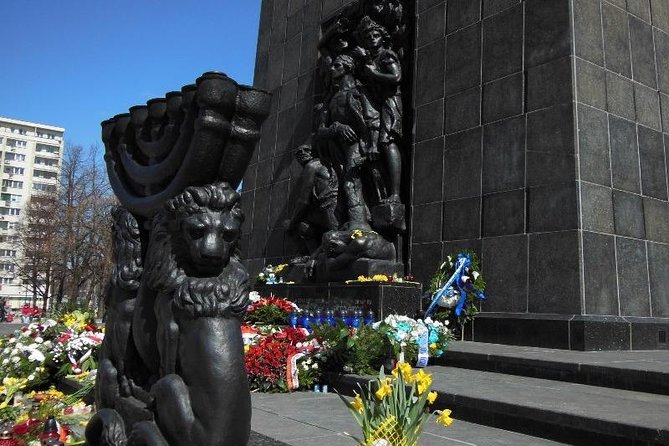
You also learn about the nearby Ghetto Heroes Memorial and the symbolism of Willy Brandt’s famous kneeling gesture. The tour stops at the location where Brandt knelt, a moment associated with German recognition of the crimes committed against Polish Jews.
The tour does not include entry to POLIN’s main exhibition. That is both a limitation and a useful planning point. If you want the full museum experience, allow about two and a half hours separately.
The museum’s listed opening hours are Monday and Thursday through Friday from 10 a.m. to 6 p.m., Wednesday and Saturday through Sunday from 10 a.m. to 8 p.m., and closed Tuesday. The supplied schedule uses abbreviated day labels, so check the museum directly before planning the extra visit.
Miła 18 and the Warsaw Ghetto Uprising
At Miła 18, you see the former location of the bunker used by Jewish resistance fighters during the uprising. The site is tied to the final days of the revolt and to the people who chose armed resistance despite overwhelming odds.
This stop lasts about 10 minutes, but its meaning is large. The guide explains what happened at the bunker and places the uprising within the larger story of ghetto life, deportation, and organized resistance.
One useful feature of this tour is that it does not treat the uprising as an isolated episode. You first learn how the ghetto was created and how people tried to survive. By the time you reach Miła 18, you understand more clearly why resistance developed and what the fighters faced.
If the uprising is your main interest, tell the guide early. One person who took the tour wanted more time devoted to that subject, so the private format may let you steer the conversation toward it.
Pawiak Prison and the wider occupation
The final historical stop is Pawiak Prison Museum. The prison was part of the German occupation system, and the guide explains its role in the story of Warsaw during the war.
This stop broadens the tour beyond the ghetto itself. You learn how imprisonment, repression, and violence affected the wider city, not only the Jewish district. It also helps place the ghetto’s story within the broader history of occupied Warsaw.
The stop lasts around 10 minutes. The tour ends near Mordechaja Anielewicza 6, in the POLIN Museum area. This is convenient if you plan to continue at POLIN, but the main exhibition requires a separate ticket and several additional hours.
How the walking and transport work
The tour is a mix of walking and public transport. You spend about 2.5 hours walking and around 30 minutes on a bus, tram, or underground train.
That split matters. Comfortable shoes are essential, and you should be ready for pauses outdoors rather than a series of indoor museum rooms. Public transport helps connect the separated sites, but it also means the experience is not a fully private vehicle tour.
The tour is listed at approximately three hours, though some experiences have lasted closer to four hours when questions and explanations run long. If you have a timed museum booking or another appointment, leave a generous buffer.
Most people can participate, but the tour is not suitable for children. The subject matter is one reason, and the long walking route is another. Older teenagers with an interest in history may find it meaningful, especially when the guide uses photographs to explain the city before and after the war.
Guide quality and the private format
The strongest part of the experience is the guiding. Marzena receives especially high praise for her storytelling, historical command, clear English, patience, and ability to handle a painful subject with care. She has been described as someone who can keep the three hours moving without rushing the group.
The guides also bring a useful human touch. They answer questions, show photographs, explain maps, and connect large events to daily life. One guide was praised for explaining the size of the small and large ghettos with visual material, which is helpful because the modern city can hide the original boundaries.
Because this is a private activity, only your own group participates. That gives you more room to ask about family history, resistance, religious life, Warsaw’s prewar Jewish community, or the uprising. It also means the quality of the experience depends heavily on the assigned guide and on how actively you take part.
The tour is offered in English. Pickup is available from hotels in central Warsaw, with the exact order of stops adjusted to your location.
Is $102.78 good value?
At $102.78 per person, this is not a bargain walking tour. Yet the price includes a licensed city guide, hotel pickup in the city center, and a private experience rather than a large shared group.
I think the value is strongest if you have limited time in Warsaw and want a clear explanation of the ghetto sites without researching every location yourself. Several of the remains are easy to miss, especially wall fragments and former locations that do not look dramatic today.
The cost is harder to justify if you prefer to explore quietly with a guidebook or if you mainly want museum interiors. You still pay the €5 synagogue admission, and POLIN’s main exhibition is separate.
Group discounts are listed, though no discount amount is provided. Since this is a private tour, larger groups may want to ask how the pricing works before booking.
Practical advice for a better visit
Book ahead if your Warsaw dates are fixed. The tour is booked an average of 64 days in advance, which suggests that popular dates can fill early.
Wear shoes suited to several hours of walking. Bring water and clothing for changing weather, since much of the experience takes place outside.
Check the day carefully if Nożyk Synagogue is important to you. Friday afternoons after 1 p.m., Saturdays, and Jewish holidays exclude that visit.
Consider visiting POLIN on a separate day or allowing at least two and a half hours after the tour. Trying to squeeze the full exhibition into the three-hour route would leave you rushing through both experiences.
Free cancellation is available up to 24 hours before the start time. Changes or cancellations made less than 24 hours before the start are not accepted for a refund.
Who should book this Warsaw Ghetto tour?
I recommend this tour to adults who want serious historical context, especially if you have only a short stay in Warsaw. It suits anyone interested in Jewish life before the war, Nazi occupation, resistance, memorials, and the physical traces still visible in the city.
It is also a good choice if you learn best through stories, maps, and photographs rather than reading labels alone. The private format is useful for families with older teenagers and for anyone with detailed questions.
I would skip it if you want a relaxed city walk, a mostly indoor activity, or a tour focused only on the Warsaw Ghetto Uprising. The experience covers a wide timeline, and the emotional weight is real.
Should you book it?
Yes, if you want to understand Warsaw’s ghetto sites as connected parts of one story. The combination of Próżna, Waliców, Chłodna Street, Umschlagplatz, Miła 18, Pawiak, and the POLIN area gives you a fuller picture than a single memorial visit.
Book it with comfortable shoes, an open schedule, and realistic expectations. This is not cheerful sightseeing, but it is a careful, useful way to meet Warsaw’s past directly. For the best version of the day, request a guide such as Marzena if that option is available, confirm the synagogue schedule, and reserve separate time for POLIN.
FAQ
How long does the Warsaw Ghetto tour last?
The tour lasts approximately three hours. About 2.5 hours are spent walking, with roughly 30 minutes using public transport.
What language is the tour offered in?
The tour is offered in English.
Is hotel pickup available?
Yes. Pickup is offered from hotels in central Warsaw. The guide meets you at the reception with a PolinTours sign. If you stay in an apartment, you wait outside.
Where does the tour start?
The listed starting point is Próżna 11, 00-107 Warsaw, Poland. The order of the route may be changed according to your hotel location.
Where does the tour end?
The tour ends at Mordechaja Anielewicza 6, near the POLIN Museum of the History of Polish Jews.
Is Nożyk Synagogue admission included?
No. Admission costs €5 per person and is paid separately.
Can I visit Nożyk Synagogue on every tour?
No. The synagogue is not visited on Friday afternoons from 1 p.m., Saturdays, or Jewish holidays.
Does the tour include the main POLIN Museum exhibition?
No. The route stops at the POLIN Museum area but does not include the main exhibition. A separate visit is recommended, with about 2.5 hours allowed for it.
Is this a private tour?
Yes. Only your group participates in the tour.
Is the tour suitable for children?
No. The tour is not suitable for children.
Can I cancel for a full refund?
Yes, if you cancel at least 24 hours before the experience start time. Cancellations or changes made less than 24 hours before the start are not refunded.
Just added around Warsaw
- Jewish heritage in Warsaw★ 4.5 · 3 reviews
- Warsaw Outdoor Paintball with Transfers (all year round)★ 5.0 · 3 reviews
- World War II Warsaw Old Town, Military Cemetery Walking Tour★ 4.7 · 3 reviews
- Warsaw: Wolf’s Lair & Swieta Lipka Small-Group Tour + Lunch★ 5.0 · 3 reviews
- Sunset Boat Tour with Unlimited Drinks in Warsaw★ 3.5 · 3 reviews
- Majdanek – German camp from II World War – Private Tour – 1 DAY TRIP FROM WARSAW★ 5.0 · 3 reviews
- From Warsaw: Guided Tour to Wieliczka Salt Mine and Krakow★ 4.5 · 3 reviews
- Warsaw Sightseeing with NEW Mercedes Sclass !!!★ 5.0 · 3 reviews
Jewish Quarter & Ghetto Tours, compared.

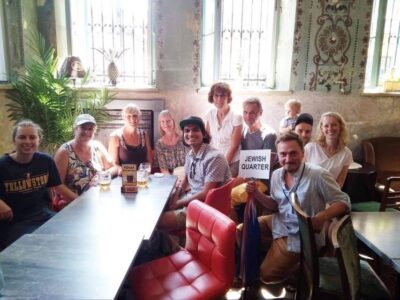

Bike Tour of Old Town, Jewish Quarter and the Ghetto
Read our review →
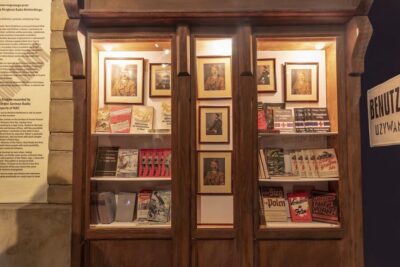
Kazimierz, Schindler’s Factory & Ghetto Guided Tour
Read our review →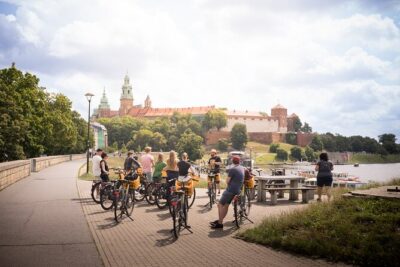
Full Bike Tour – the Old Town, Jewish Qtr & the Ghetto NEW BIKES
Read our review →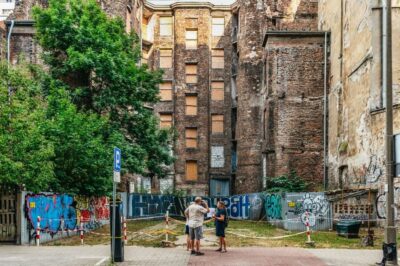
Warsaw Ghetto Private Walking Tour with Hotel Pickup
Read our review →
Bike Tour of the Old Town, Kazimierz, and the Ghetto
Read our review →Browse the lists this tour appears in