
REVIEW · JEWISH QUARTER & GHETTO TOURS
Warsaw: 2-Hour Tour of Daily Life in the Ghetto Warsaw
The past is still visible here. This two-hour walking tour makes Warsaw’s destroyed Jewish quarter easier to understand through preserved streets, wall fragments, and places tied to the 1943 uprising. I especially like the focus on ordinary daily life, not only major monuments, and the chance to see real locations connected with Władysław Szpilman, the central figure in Roman Polanski’s The Pianist. The main consideration is that this is a serious history tour, taken mostly on foot and partly by public transport, so it may feel demanding for younger children or anyone expecting a light sightseeing outing.
I also like the clear route through key sites, including Mila 18, the former footbridge over Chłodna Street, and Umschlagplatz. Guides such as Marzena have earned praise for calm, detailed explanations and thoughtful answers. At $76 per person, the tour is not cheap for two hours, but the value improves if you want a focused introduction before visiting the POLIN Museum on your own.
In This Review
- Key points at a glance
- Why this Warsaw Ghetto tour matters
- Walking the last streets of the ghetto
- Finding the ghetto wall fragments
- The footbridge over Chłodna Street
- Mila 18 and the 1943 uprising
- Umschlagplatz and the road to Treblinka
- The Oneg Shabbat archive
- Finishing near POLIN Museum
- Guide quality, language, and group comfort
- Is $76 a fair price?
- Practical advice before you go
- Should you book this tour?
- FAQ
- How long is the Warsaw Ghetto tour?
- What languages are available?
- Is the POLIN Museum entrance included?
- How long should I allow for the POLIN Museum?
- Is public transport included in the price?
- Are children allowed on the tour?
Key points at a glance
- Mila 18 bunker: Visit the site linked to the Jewish underground during the 1943 Warsaw Ghetto Uprising.
- The last preserved street: See one of the few remaining sections that helps you picture the prewar ghetto area.
- Ghetto wall remains: Small fragments carry unusual weight because so little of the original district survived.
- The Chłodna Street footbridge: Learn how a bridge once linked two sections of the sealed ghetto.
- Oneg Shabbat archive: Hear how secret records were hidden in metal boxes and milk cans.
- POLIN Museum finish: The tour usually ends near the Jewish Museum, making it easy to continue with the core exhibition.
Why this Warsaw Ghetto tour matters
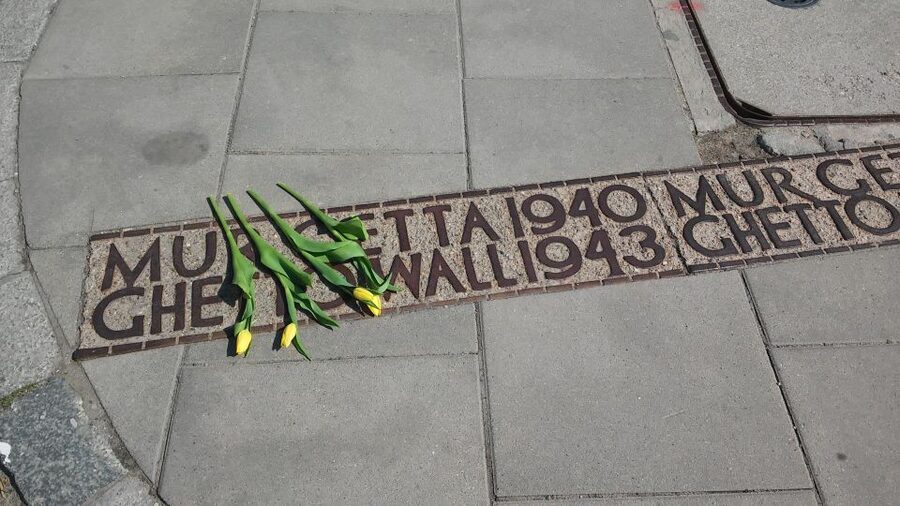
The Warsaw Ghetto was created by the Nazis in 1940 in the center of Warsaw. Around 460,000 Jewish people from Warsaw and nearby areas were forced into roughly four square kilometers. That figure is hard to picture until you connect it with the practical problems the tour explains: food shortages, disease, overcrowding, exhaustion, forced labor, and the constant fear of deportation.
About 100,000 people died inside the ghetto from hunger, illness, and exhaustion. More than 300,000 were sent to the Treblinka extermination camp. In 1943, residents launched an uprising when the Nazis tried to destroy the ghetto completely. The German response left much of the district in ruins.
I find the tour valuable because it links those large numbers to street-level choices. You hear how people tried to find food, care for the sick, pass information, preserve religious life, and maintain some form of dignity. The story is not reduced to one dramatic battle. It also deals with fear, blackmail, indifference, destruction, and resistance.
That approach makes this a better choice for you if you want context rather than a quick memorial stop. It is also why the subject calls for quiet attention. The guide is discussing mass death and persecution, so plan your day around the tour rather than squeezing it between loud, fast-paced attractions.
More Jewish Heritage Tours in Warsaw
- Warsaw: Warsaw Ghetto Private Walking Tour with Hotel Pickup
★ 4.9 · 369 reviews - Warsaw: Ghetto, Jewish Cemetery & POLIN Museum Private Tour
★ 4.8 · 132 reviews - Tour of the Warsaw Ghetto
★ 5.0 · 119 reviews
Walking the last streets of the ghetto
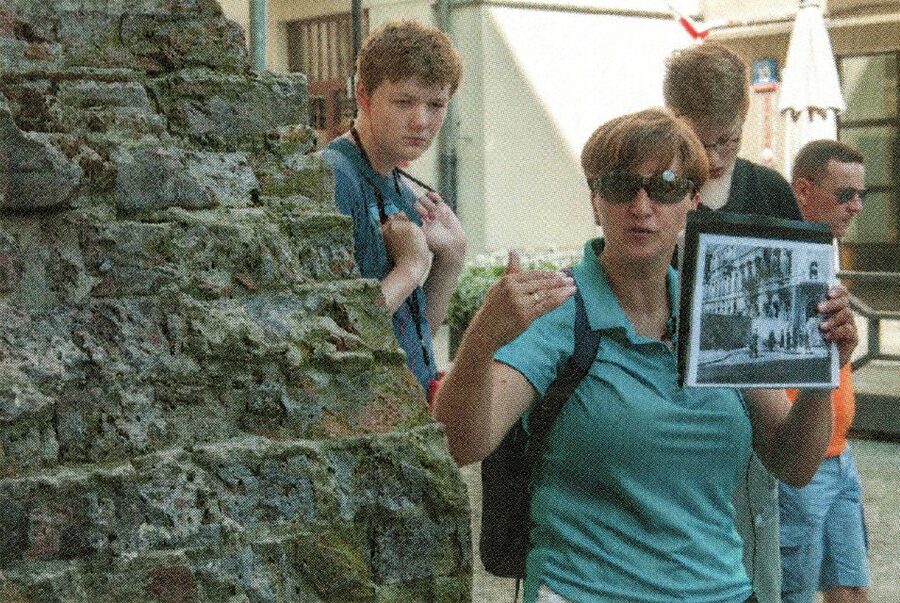
The route includes the last preserved street of the former ghetto. This is one of the most useful stops because streets give history a scale. A map can show you the boundaries, but standing on a surviving section helps you understand how little remains of the district that once held hundreds of thousands of people.
You should expect the guide to explain how the ghetto was organized and how daily movement was controlled. The tour also covers the problems of living behind the walls, where hunger and disease were not side issues but part of every day.
The remains are limited, and that is important to understand before booking. You are not entering a preserved neighborhood with intact homes and shops. Much of the original area was destroyed, rebuilt, or absorbed into modern Warsaw. The experience depends on the guide connecting the surviving traces with photographs, records, and clear explanations.
This is where the licensed guide matters. Several comments about Marzena describe her as warm, professional, and detailed. One German-speaking booking praised the simple communication and a pleasant atmosphere throughout the walk. Those details suggest a tour that aims for care and clarity rather than theatrical storytelling.
Finding the ghetto wall fragments
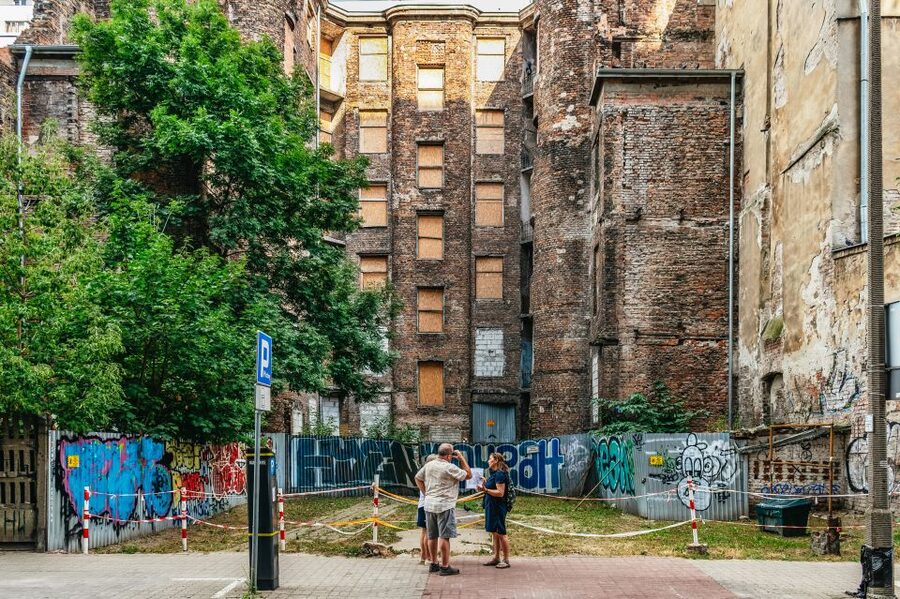
The remaining wall sections are easy to overlook without guidance. They are not grand ruins. They sit among the modern city, which can make them feel almost too small for the history they represent.
That contrast is part of the lesson. Warsaw’s wartime destruction and postwar rebuilding changed the setting so thoroughly that you need someone to point out what survived. At these fragments, I would pay attention to the guide’s explanation of the ghetto’s size and boundaries. The physical remains help you grasp the system of confinement, while the narration fills in what has vanished.
The stop also shows why a guided walk works better here than a self-guided search. You could locate a wall fragment alone, but you might miss its connection to the wider network of streets and to the people forced to live inside it.
The walking element has a practical downside. You should wear comfortable shoes and be ready to move between sites. Public transport is part of the tour, and your transport ticket is not included in the $76 price.
The footbridge over Chłodna Street
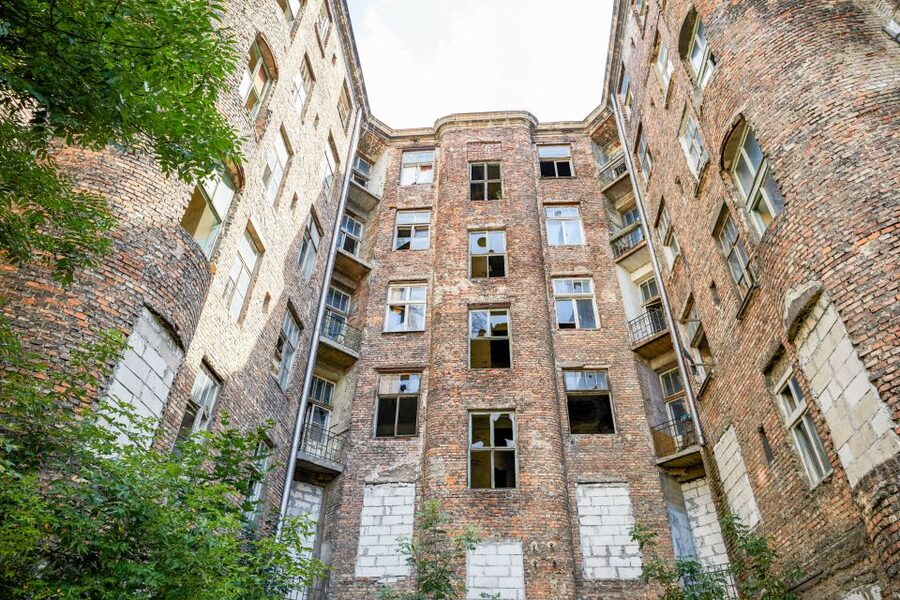
One of the most striking locations is the former footbridge over Chłodna Street. The bridge connected two sections of the ghetto, allowing people to cross above a street that separated them.
The site is especially memorable because it shows how the ghetto was not one simple enclosed block. Internal divisions affected movement and daily routines. A bridge that might sound like a small piece of infrastructure becomes a symbol of a city cut apart by Nazi policy.
You will not see the original bridge itself. The tour takes you to its former location and explains what happened there. That distinction matters. This is a historical site marked through location and interpretation, not a preserved structure you can walk across.
For me, this is the kind of stop that earns its place on the route. It gives you a strong visual image without pretending that the past remains intact. The modern city is still around you, and the gap between present-day Warsaw and wartime Warsaw is impossible to ignore.
A completely different kind of day out in Warsaw:
- Warsaw: Chopin Concert in the Old Town
★ 4.8 · 2,287 reviews - Warsaw: Traditional Galar Cruise on The Vistula River
★ 4.6 · 1,640 reviews - Warsaw: Old Town Highlights Walking Tour in English
★ 4.7 · 1,516 reviews - Warsaw Concert: Chopin – Painted by Candlelights with Wine
★ 4.8 · 1,442 reviews
Mila 18 and the 1943 uprising
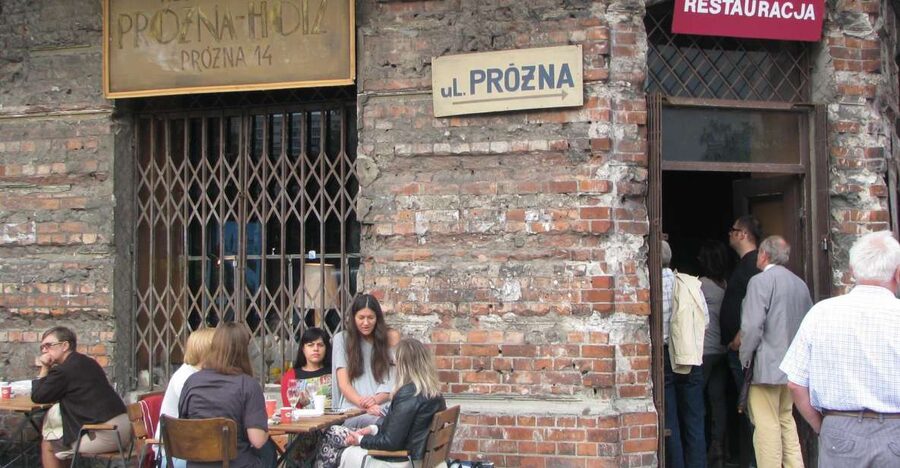
The stop at 18 Mila Street takes you to the location of the bunker connected with the Jewish underground. During the Warsaw Ghetto Uprising, fighters used bunkers and hidden spaces as the Nazis moved to liquidate the ghetto.
Mila 18 is central to the story of resistance. The guide explains why the uprising began, what conditions led to it, and how the destruction unfolded. This is not presented as a conventional military victory. The uprising was an act of resistance against an attempt to deport and kill the remaining population.
The physical site is not a dramatic underground attraction. You are visiting the location and learning what happened there. That may disappoint you if you want an accessible bunker interior or a large museum display. It works better if you value the connection between an unassuming place and the people who made a final stand there.
I would listen closely to how the guide handles the difference between survival, resistance, and revenge. The tour’s stated themes include blackmail, indifference, destruction, and underground activity, so the account should be broader than a simple heroic story.
Umschlagplatz and the road to Treblinka
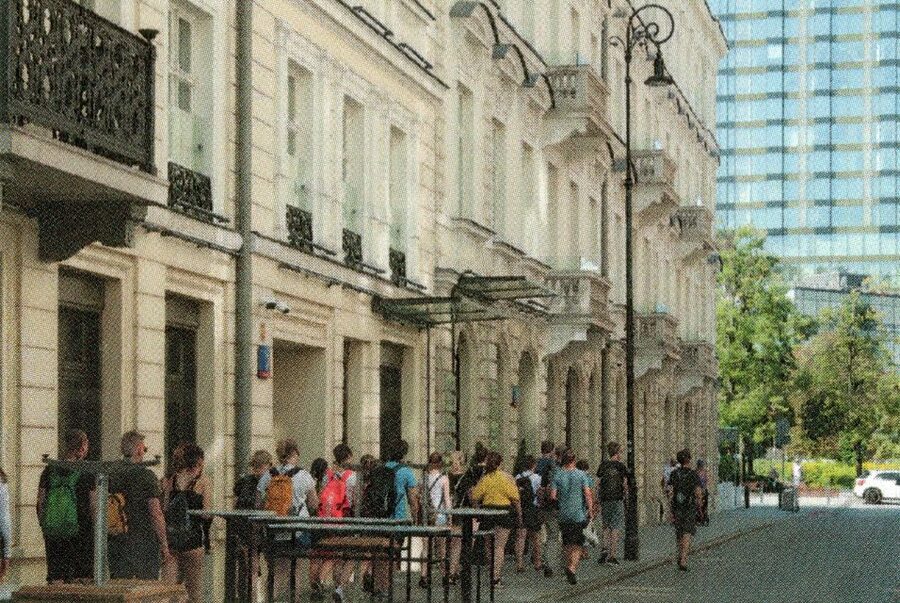
Umschlagplatz was the deportation point from which Jewish people were transported out of the ghetto, including to Treblinka. More than 300,000 people were sent to the extermination camp, making this one of the most painful locations on the route.
The site helps connect the ghetto’s daily suffering with the organized deportations. Hunger and disease killed many people inside the district, but the Nazi system also used forced transfers to carry out mass murder elsewhere.
This stop can be emotionally difficult. I would not plan an immediate celebratory meal or crowded attraction right afterward if you know that heavy subjects affect you. The tour is only two hours, but the material needs time to settle.
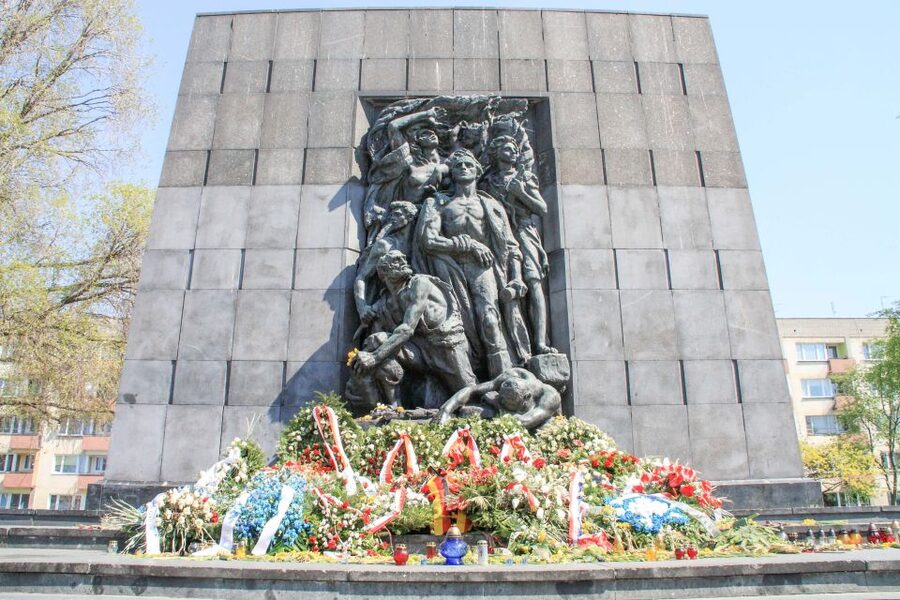
The guide also discusses the Monument to the Ghetto Heroes and the symbolism connected with it. That adds a public memorial layer to the route. You see how later generations chose to remember the uprising and the people who fought, suffered, and died.
The Oneg Shabbat archive
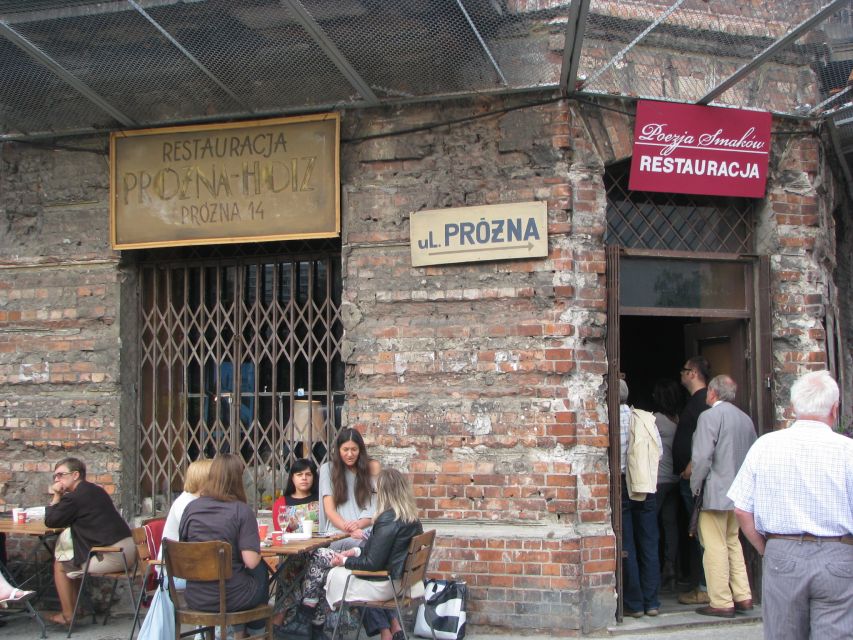
One of the most distinctive parts of the tour is the story of the Underground Archive of the Warsaw Ghetto. The secret organization Oneg Shabbat documented life inside the ghetto, gathering records about persecution, hunger, deportation, and resistance.
Members hid the archive in metal cases and milk cans. The collection survived the war and was later entered into UNESCO’s Memory of the World register, which recognizes major documentary records preserved by humanity.
I value this part because it shifts the focus from victims as statistics to people recording their own reality. The archive was an effort to make sure the world would know what happened, even if the people creating the record did not survive.
You will not spend the two hours studying original documents in a reading room. Instead, the guide introduces the archive as part of the wider route. If this subject catches your interest, the POLIN Museum is the natural next step.
Finishing near POLIN Museum
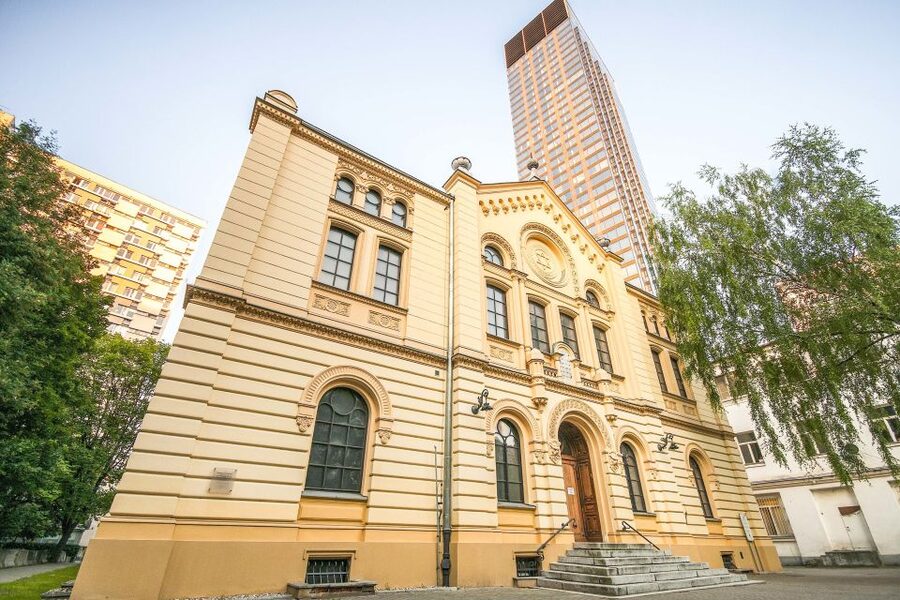
The tour usually ends at the Museum of the History of Polish Jews, commonly called POLIN. Entrance to the museum is not included, and the tour does not replace a visit to its core exhibition.
You should allow at least two and a half hours for the core exhibition if you plan to continue. The museum is open from 10 a.m. to 6 p.m. on Monday, Wednesday, Thursday, Friday, and Sunday, with last entry at 4 p.m. It is closed Tuesday. Saturday hours run from 10 a.m. to 8 p.m., with last entry at 6 p.m.
Check the museum schedule before choosing your tour time. A late tour could leave you with too little time for the exhibition, while a morning or early afternoon tour may fit better with a longer museum visit.
This pairing works well because the walking tour gives you the geography first. At POLIN, you can then spend more time with the wider history of Jewish life in Poland and the museum’s detailed displays. If you only have two hours in Warsaw, choose the tour for a concentrated introduction. If you can spare most of a day, combine it with the museum.
Guide quality, language, and group comfort
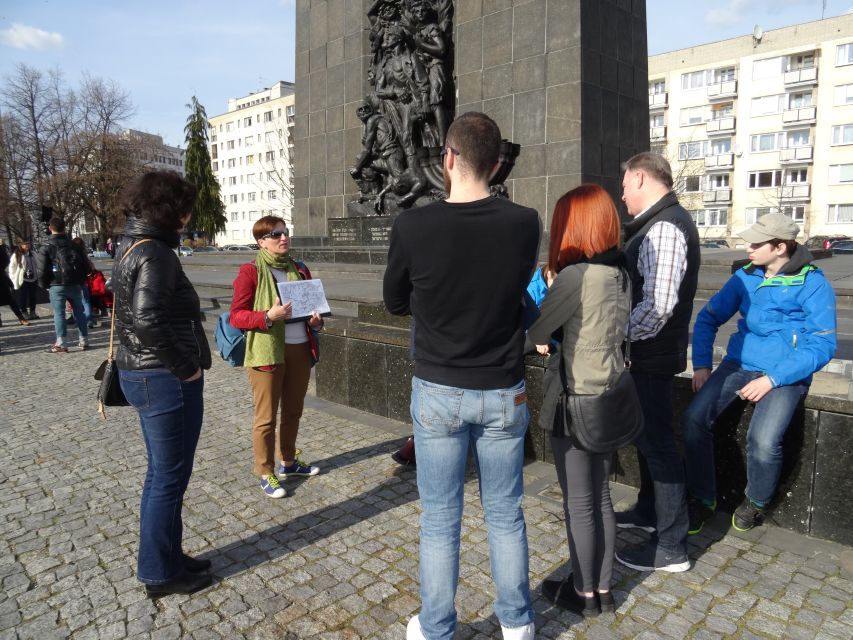
The experience includes a licensed guide in English or German. Groups of up to 20 people receive headsets, which should make it easier to hear while walking between busy city streets and memorial sites.
Guide quality is the strongest part of this experience. Marzena receives repeated praise for her clear explanations, detailed answers, warmth, and willingness to respond to questions. One French-language booking described the guide as excellent and able to hold attention throughout. That matters on a subject with many names, dates, locations, and difficult details.
The tour is suitable for people aged 12 and older. That age limit makes sense given the subject matter and the amount of walking. I would choose something else for younger children, especially if they are not ready for an honest account of persecution and mass murder.
The meeting point is identified by a guide holding a PolinTours sign. Look for that sign rather than assuming the guide will be obvious in a busy area.
Is $76 a fair price?
At $76 per person, this is a premium price for a two-hour tour. You also need to pay for public transport, and any museum entrance is extra. Lunch is not included.
The price can still make sense if you want a private-feeling, tightly organized history lesson with a licensed guide and group headsets. You are paying for interpretation, not admission to a large attraction. The surviving physical remains are modest, so the guide’s ability to explain them is central to the value.
I would book it if the Warsaw Ghetto is a major reason for your visit and you want help locating the important sites. I would hesitate if you prefer to explore memorials quietly at your own pace or if your budget is tight and you are happy using a map and museum audio guide.
The rating of 4.9 from 26 ratings supports the strong impression of guide quality, though the sample is not huge. The repeated praise centers on clear, professional, attentive guiding, with Marzena named several times. That is the feature most likely to make the price worthwhile.
Practical advice before you go
Wear comfortable shoes and bring a ticket or payment method for Warsaw public transport. The tour combines walking with public transport, so do not bring large bags, oversize luggage, alcohol, or other prohibited items.
A two-hour route can pass quickly, especially if you ask questions. I would read a short introduction to the Warsaw Ghetto before arriving, then use the tour to place events on the ground. You do not need to memorize dates, but knowing that the ghetto was established in 1940 and the uprising began in 1943 will help you follow the explanation.
The experience offers free cancellation up to 24 hours before the start, and you can reserve now and pay later. Those options help if your Warsaw schedule is still shifting, but the more important planning point is the POLIN Museum timetable.
Should you book this tour?
Book it if you want a serious, focused introduction to the Warsaw Ghetto, especially if you plan to visit POLIN afterward. The route covers the last preserved street, wall fragments, the former footbridge, Mila 18, Umschlagplatz, the Ghetto Heroes Monument, and the Oneg Shabbat archive. That is a lot of ground and context in two hours.
I would especially recommend it for adults and teenagers aged 12 or older who want a guide to explain what is easy to miss. The main tradeoff is cost: at $76, this is not a casual sightseeing bargain, and transport plus museum admission add to the total.
For a meaningful first look at the ghetto’s history, the strong guide feedback and carefully chosen sites make it a sensible choice. Just arrive ready for a sober walk, not a conventional city tour.
FAQ
How long is the Warsaw Ghetto tour?
The tour lasts two hours.
What languages are available?
The live guide conducts the tour in English or German.
Is the POLIN Museum entrance included?
No. Museum entrance fees are not included. The tour usually ends at the Jewish Museum, and you can visit the core exhibition separately.
How long should I allow for the POLIN Museum?
Allow at least two and a half hours for the core exhibition.
Is public transport included in the price?
No. The tour uses walking and public transport, but public transport tickets are not included.
Are children allowed on the tour?
The tour is not suitable for children under 12 years old.
More 2-Hour Experiences
- Warsaw: 2-Hour Guided Segway Tour
★ 4.8 · 34 reviews - Warsaw: 2-Hour Chopin’s Life Walking Tour
★ 5.0 · 19 reviews - Warsaw: 2-Hour Praga Walking Tour
★ 4.5 · 18 reviews - Warsaw: 2-Hour Old Town Walking Tour
★ 5.0 · 17 reviews
Just added around Warsaw
- Jewish heritage in Warsaw★ 4.5 · 3 reviews
- Warsaw Outdoor Paintball with Transfers (all year round)★ 5.0 · 3 reviews
- World War II Warsaw Old Town, Military Cemetery Walking Tour★ 4.7 · 3 reviews
- Warsaw: Wolf’s Lair & Swieta Lipka Small-Group Tour + Lunch★ 5.0 · 3 reviews
- Sunset Boat Tour with Unlimited Drinks in Warsaw★ 3.5 · 3 reviews
- Majdanek – German camp from II World War – Private Tour – 1 DAY TRIP FROM WARSAW★ 5.0 · 3 reviews
- From Warsaw: Guided Tour to Wieliczka Salt Mine and Krakow★ 4.5 · 3 reviews
- Warsaw Sightseeing with NEW Mercedes Sclass !!!★ 5.0 · 3 reviews
Jewish Quarter & Ghetto Tours, compared.


Bike Tour of Old Town, Jewish Quarter and the Ghetto
Read our review →
Kazimierz, Schindler’s Factory & Ghetto Guided Tour
Read our review →
Full Bike Tour – the Old Town, Jewish Qtr & the Ghetto NEW BIKES
Read our review →
Warsaw Ghetto Private Walking Tour with Hotel Pickup
Read our review →
Bike Tour of the Old Town, Kazimierz, and the Ghetto
Read our review →Browse the lists this tour appears in