
REVIEW · JEWISH QUARTER & GHETTO TOURS
Warsaw: Ghetto, Jewish Cemetery & POLIN Museum Private Tour
Warsaw’s vanished ghetto still speaks through stone. I like the way this private walking tour uses boundary markers, monuments, and photographs to explain a place that was almost erased. I also like the choice of lengths: two hours for the main sites, three hours with the Jewish Cemetery, or five hours with the cemetery and POLIN Museum. The main drawback is that the shortest tour can feel tightly packed, and cemetery and museum tickets are not included in that option.
This is a serious, moving history tour, not a quick photo stop. Your guide explains hunger, disease, deportation, daily life, and resistance in clear detail, then links the streets to real people and events. Guides have earned strong praise for their language skills, including Iwona’s clear German and another guide’s careful French explanations, but you should expect a sober subject and a fair amount of walking.
In This Review
- Key details before you book
- Why this Warsaw history tour matters
- Starting at Długa Street and finding the former ghetto
- The monuments that carry the story
- Extending the route to the Jewish Cemetery in Muranow
- What the five-hour POLIN option adds
- Guide quality and language support
- Is $112 per person good value?
- Which version should you choose?
- Should you book this Warsaw tour?
- FAQ
- Where does the tour meet?
- Is hotel pickup available?
- What languages are available?
- Is this a private group tour?
- What is included in the two-hour option?
- Is the Jewish Cemetery included?
- Is POLIN Museum admission included?
- Which sites are included in the five-hour tour?
- Can I cancel the booking?
Key details before you book
- Mila 18 and the Ghetto Heroes Monument: See the former resistance shelter and the memorial to the 1943 Warsaw Ghetto Uprising.
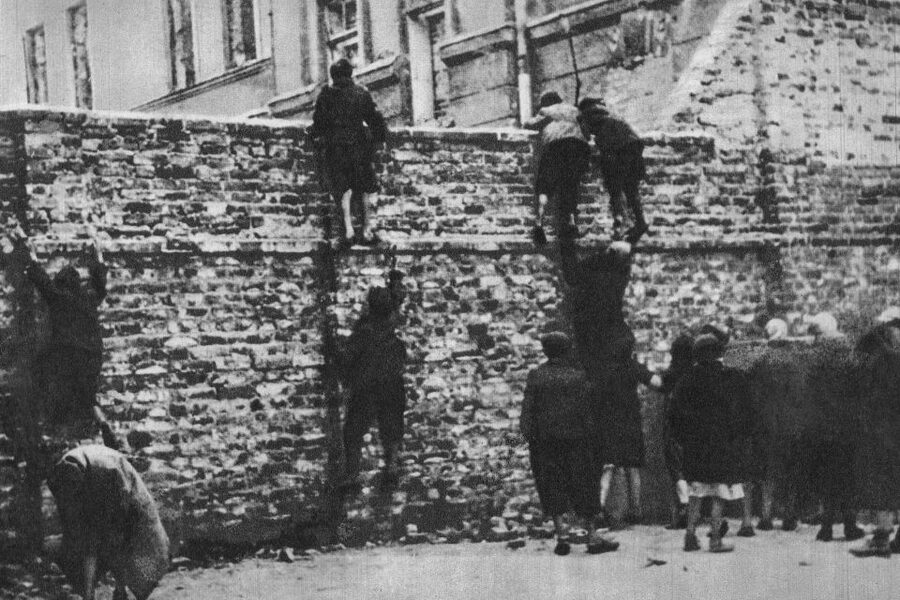
- Boundary markers reveal what disappeared: Only fragments of the ghetto remain, so the guide uses street lines, markers, and images to rebuild the setting.
- The two-hour route ends at Umschlagplatz: This memorial marks where Jews were sent away to Treblinka.
- The three-hour option adds a major cemetery: One public transport ticket is provided to reach the Jewish Cemetery in Muranow.
- The five-hour option makes POLIN the centerpiece: Skip the ticket-office line and explore the main and temporary exhibitions plus the Heritage Gallery.
- This is a private group tour: You receive commentary in English, Spanish, French, German, Italian, Polish, or Russian.
Why this Warsaw history tour matters
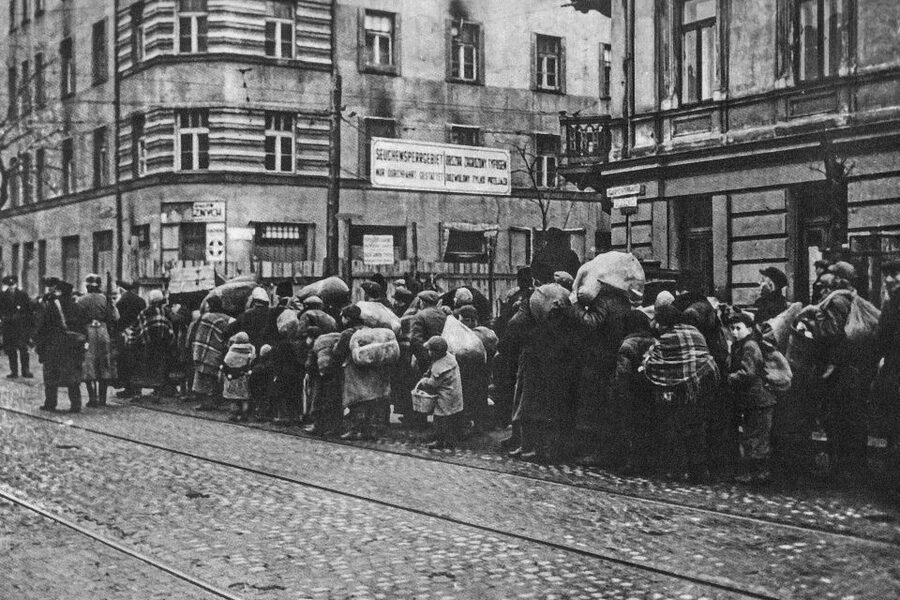
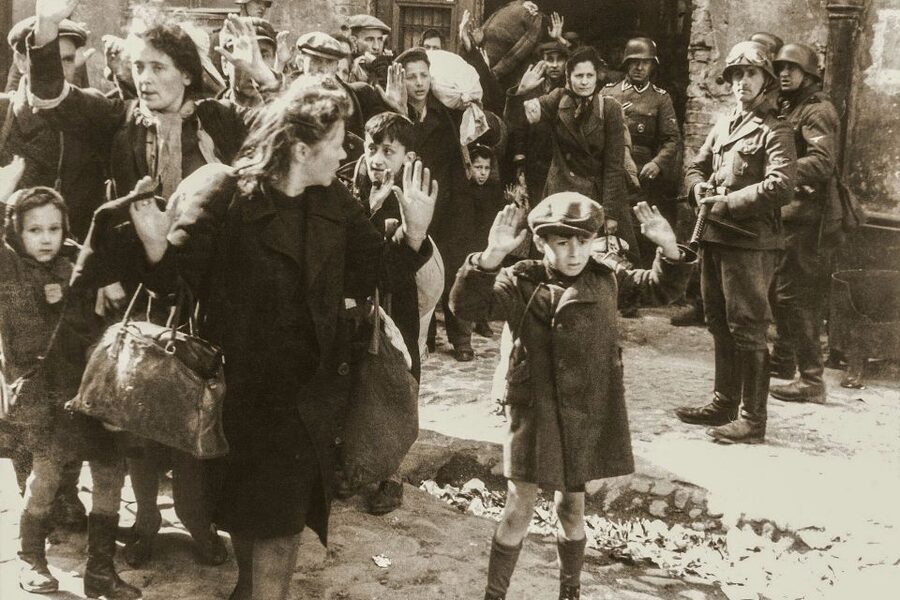
Warsaw’s Jewish history did not begin with the Second World War. For centuries, Jewish communities helped shape the city’s religious, cultural, political, and commercial life. The Nazi occupation shattered that world, first through forced confinement and then through deportation and murder.
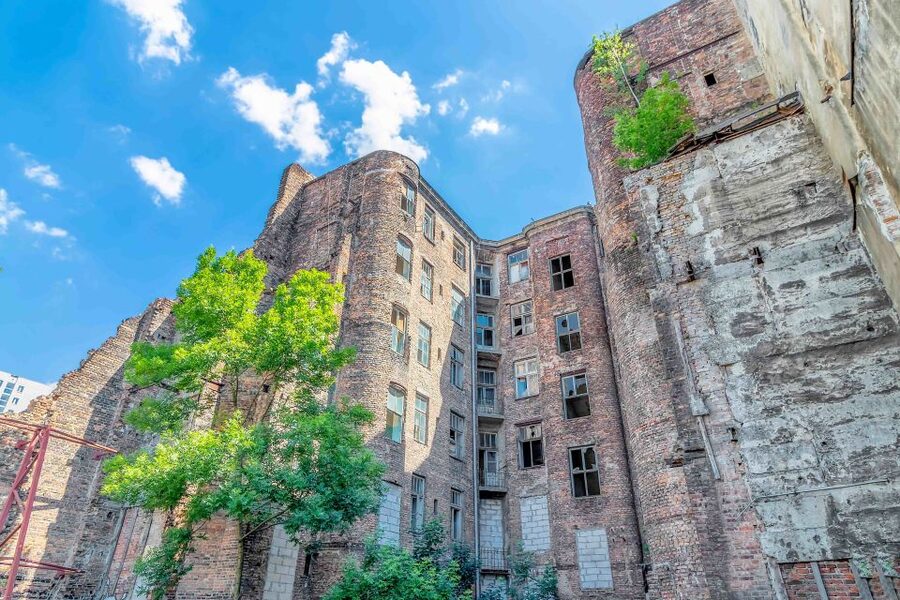
The former ghetto is difficult to understand if you only look for old walls. Much of the district was destroyed, rebuilt, or altered after the war. That is why a guide matters here. You need someone to point out where the boundary ran, explain what once occupied an ordinary-looking street, and show photographs of buildings that no longer exist.
I value the tour’s focus on both suffering and resistance. You learn about hunger, disease, overcrowding, and death, but also about underground networks and the decision to fight when the odds were hopeless. That balance keeps the tour from reducing Jewish life in Warsaw to a story of victimhood alone.
The guide speaks in your chosen language and leads a private group, so you can ask questions as the route develops. This is especially useful for families, couples, and small groups who want to spend more time on a particular subject instead of following a fixed public-group pace.
More Jewish Heritage Tours in Warsaw
- Warsaw: Warsaw Ghetto Private Walking Tour with Hotel Pickup
★ 4.9 · 369 reviews - Tour of the Warsaw Ghetto
★ 5.0 · 119 reviews - Warsaw: 2-Hour Tour of Daily Life in the Ghetto Warsaw
★ 4.9 · 26 reviews
Starting at Długa Street and finding the former ghetto
The meeting point is next to the anchor monument in front of the main entrance to the Field Cathedral of the Polish Army at Długa 13/15. Pickup is available only from accommodations within 1.5 kilometers of this point, mainly in or near the Old Town. If you are staying farther away, plan to reach the meeting point yourself.
The exact opening route can vary with the selected option and guide, but the tour takes you into the area of the former Warsaw Ghetto. Your guide explains how German occupation authorities sealed in more than 400,000 Jews from Warsaw and nearby areas, creating one of Europe’s largest ghettos.
The first surprise for many people is how little remains in a simple, obvious form. You may walk along streets that look modern and see only a small marker or plaque. This is not a weakness of the tour. It is the point. The destruction was so extensive that the surviving traces need explanation.
Your guide may use photographs and street lines to show where buildings and roads once were. One particularly useful feature is the attention given to the ghetto boundary markers. They help you understand the physical limits of the district and the way residents were cut off from the rest of Warsaw.
Wear comfortable shoes. Even the two-hour option is a walking tour, and the subject demands concentration as well as physical attention. A quiet, respectful attitude is appropriate because the route passes memorials connected with mass death.
The monuments that carry the story
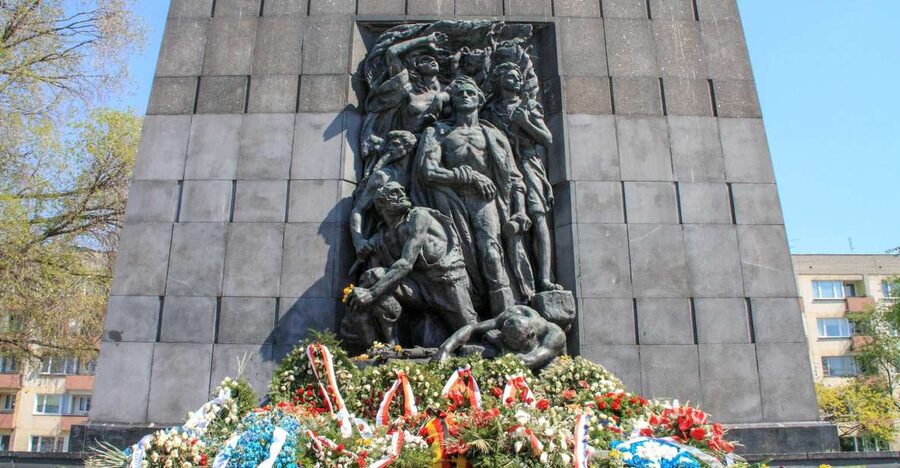
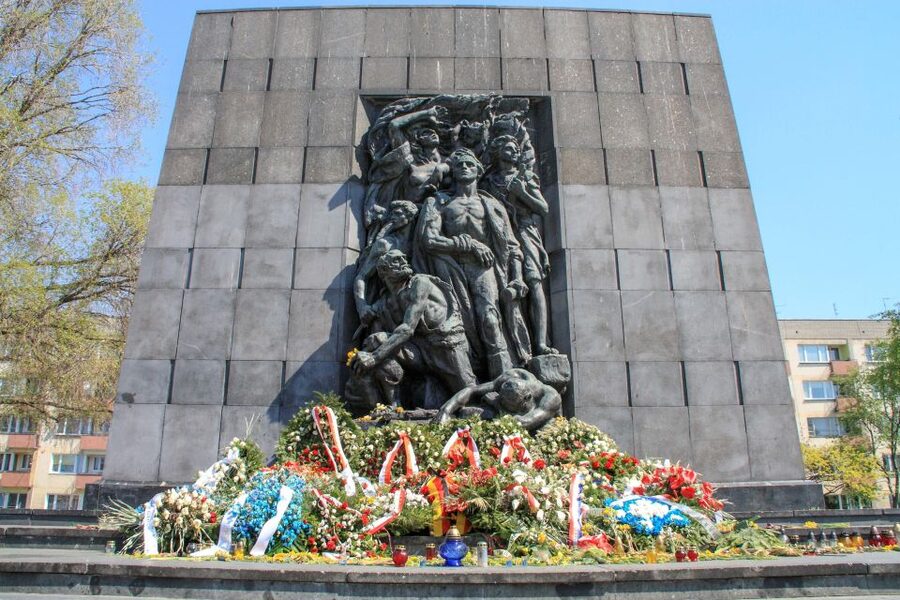
The Monument to the Ghetto Heroes is one of the tour’s central stops. It commemorates the Warsaw Ghetto Uprising of 1943, when Jewish resistance fighters rose against the German forces despite having very limited weapons and little hope of survival.
The monument is powerful partly because it does not need much decoration around it. Your guide gives the setting and explains why the uprising began, how the resistance operated, and what the fighters were facing. This turns a large memorial into a human story of courage, fear, and defiance.
The route also includes the Anielewicz Mound at Mila 18. This marks the site of a hidden shelter used by a Jewish resistance group. The name refers to Mordechai Anielewicz, a leader of the uprising, and the site helps connect the wider rebellion to a particular place.
You will also encounter a monument associated with the Warsaw Uprising. Be sure to listen closely to the guide’s explanation of the different wartime uprisings and memorials, since the Warsaw Uprising of 1944 and the Jewish Ghetto Uprising of 1943 are separate events. The distinction matters, and the city’s monuments can otherwise blur together during a fast visit.
The final stop on the two-hour route is the Umschlagplatz Monument. This marks the departure point where Jews were loaded onto trains bound for Treblinka. More than 300,000 Jewish people from Warsaw were murdered there, making this a sober ending to the shorter itinerary.
That endpoint gives the two-hour tour a clear shape. You begin with the boundaries of confinement, move through resistance and remembrance, and finish at the place connected with deportation. It is an efficient introduction, but it leaves little time for extended reflection.
Extending the route to the Jewish Cemetery in Muranow
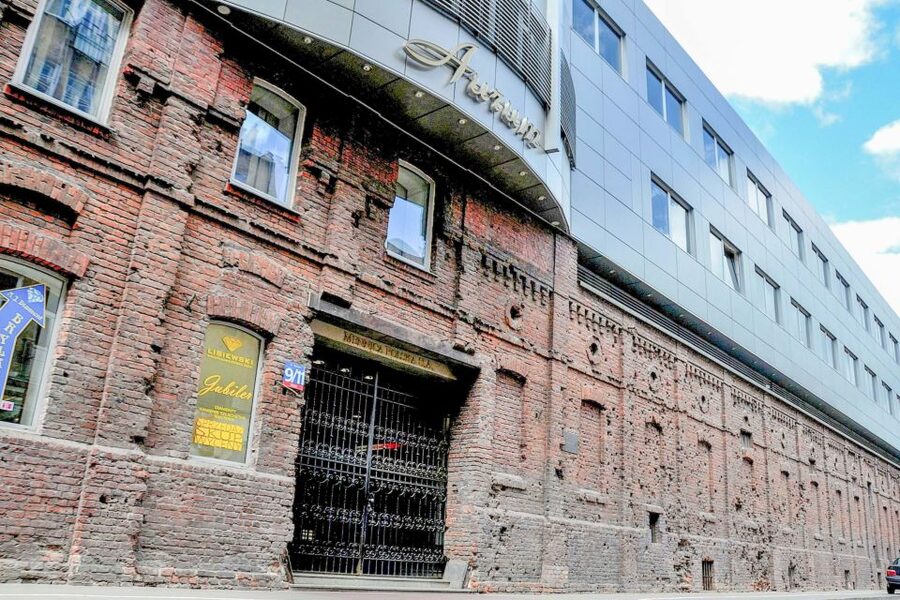
The three-hour tour adds the old Jewish Cemetery in Muranow. Founded in 1809, it is one of Europe’s largest Jewish cemeteries and the resting place of more than 200,000 people.
The cemetery adds an important layer that the former ghetto streets cannot provide. Here, the focus shifts from wartime destruction to the people and institutions of Jewish Warsaw before the Holocaust. Your guide points out graves of spiritual leaders, political activists, creators of Jewish culture, and many unnamed victims of the war.
A cemetery visit also gives you a stronger sense of continuity. The ghetto was not an isolated wartime event. It was imposed on a living community with schools, religious traditions, political movements, cultural figures, families, and generations of local memory.
The cemetery is outside the central area, so the tour provides a one-way public transport ticket for the journey. That is a useful practical touch. You do not have to make a long walk just to fit the cemetery into the afternoon, although you should still expect time on your feet once you arrive.
The three-hour option is probably the best balance for many people. The two-hour route covers the main wartime memorials, while the cemetery adds a broader view of Jewish life and loss without committing half a day to museum galleries.
The tradeoff is pace. You cannot expect a lengthy cemetery visit and an unhurried ghetto walk within three hours. If you want time to ask many questions or read every memorial carefully, the five-hour option gives you more breathing room.
More Museum Visits in Warsaw
- Warsaw: POLIN Museum of the History of Polish Jews Ticket
★ 4.7 · 1,142 reviews - Warsaw: Polish Vodka Museum Tour with Tasting
★ 4.6 · 788 reviews - Warsaw: Museum World of Illusion Entry Ticket
★ 3.9 · 666 reviews - World of Illusion Museum Skip-the-Line Ticket
★ 4.0 · 55 reviews
What the five-hour POLIN option adds
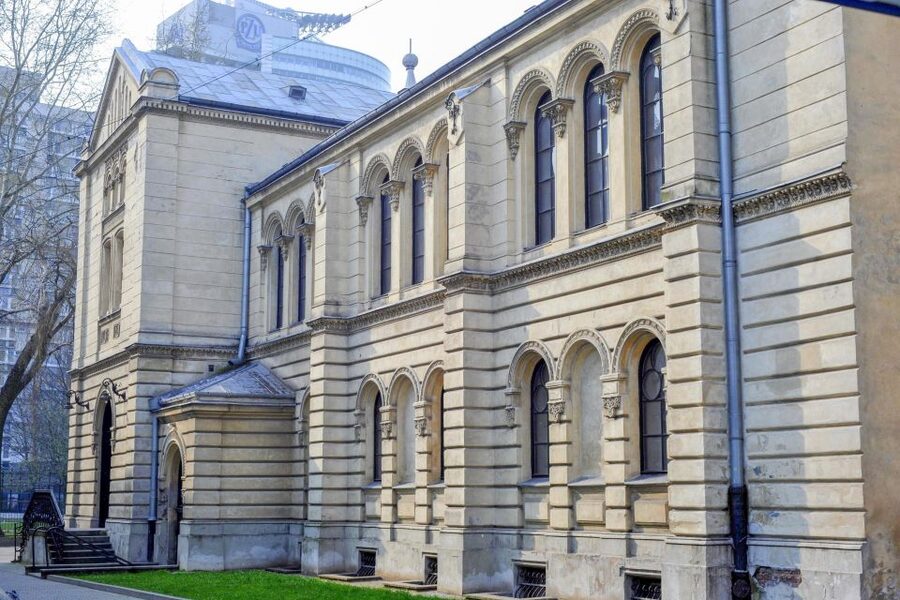
The longest itinerary combines the former ghetto, the Jewish Cemetery, and the POLIN Museum of the History of Polish Jews. Skip-the-line tickets are included for the museum’s ticket office, though they do not bypass entrance or security checks.
POLIN is especially valuable because it covers much more than the Holocaust. The museum explains Polish Jewish history, culture, and heritage before, during, and after the war. That wider frame helps you understand what Nazi persecution destroyed.
You receive admission to the main exhibition, the ongoing temporary exhibition, and the Heritage Gallery. The museum is large and detailed, so five hours does not mean five hours inside the galleries. It includes the walking route, cemetery, transport, and museum visit.
I would choose this option if you have a strong interest in Jewish history or only limited time in Warsaw. The guide gives you a foundation on the streets, then the museum supplies the broader chronology and cultural context. That pairing makes more sense than visiting POLIN without first seeing the places tied to the ghetto.
Be careful with your timing. A museum of this scale can easily take several hours by itself, especially if you read extensively. One French-speaking visitor spent more than three hours at POLIN because the displays were so detailed and instructional. The five-hour tour may therefore feel like an introduction rather than a complete museum visit.
If you prefer a slower museum experience, ask yourself if you want the guide-led combination or a separate POLIN visit on another day. The package saves planning time and includes the ticket-office line benefit, but the schedule may feel full.
Guide quality and language support
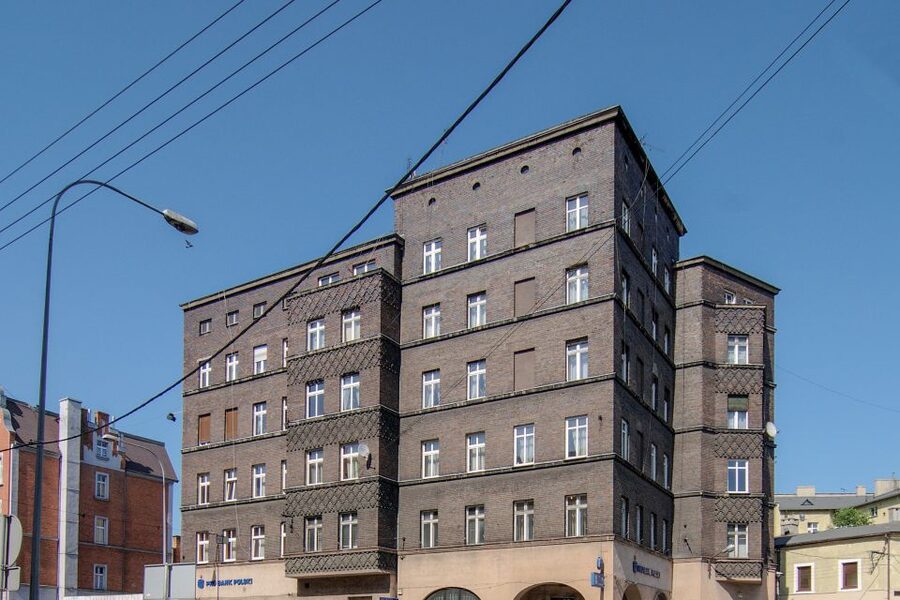
The guide is one of the most important parts of this experience because the physical remains are limited. A good explanation turns a marker in the pavement into evidence of a vanished neighborhood.
The tour provides a licensed five-star guide in the language selected at booking. Available languages are English, Spanish, French, German, Italian, Polish, and Russian.
The feedback about communication is particularly encouraging. Iwona received praise for her strong, clear German, while a French-speaking guide was noted for making an extra effort to explain the subject well. Another guide was praised for answering questions spontaneously and using photographs and street patterns to show places lost during the war.
That flexibility matters on a private tour. You can ask about a monument, a family story, the difference between the two Warsaw uprisings, or the way the ghetto boundary changed. The guide is not simply reciting dates while leading you from one plaque to the next.
Still, guide quality can vary from person to person, as it can on any language-based tour. When booking, select the language in which you can discuss difficult historical subjects comfortably. If your language is not English, the reported strength of the French, German, and other language options is a useful reason to choose the tour.
Is $112 per person good value?
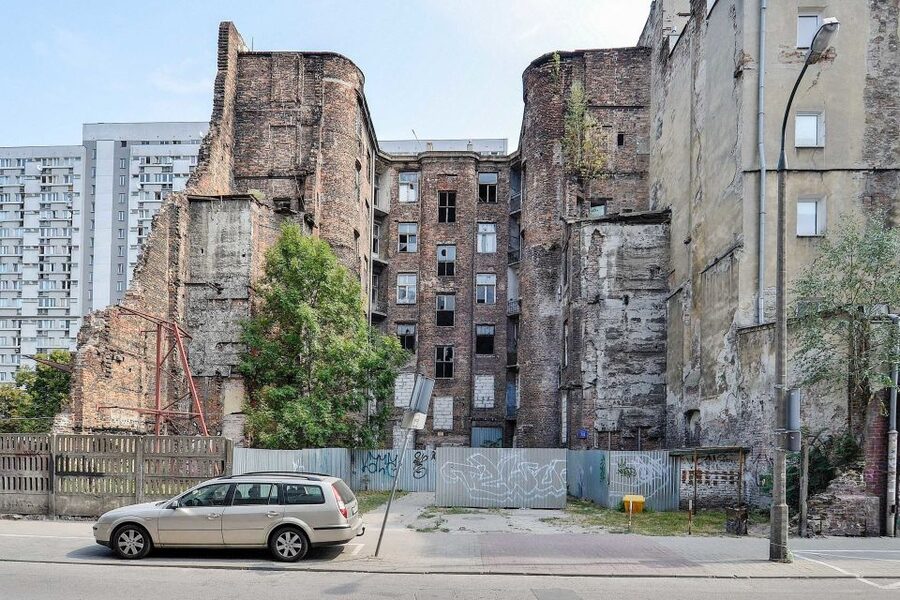
At $112 per person, this is not a budget walk. The value depends on the option you choose and the size of your private group.
For two hours, you are mainly paying for a private guide and focused interpretation of the former ghetto. That can be worthwhile if you care about the subject, want commentary in a specific language, or prefer to ask questions without a large group around you. It is less attractive if you only want a quick look at the monuments.
The three-hour option improves the value by adding cemetery admission and public transport. You get a broader history lesson and avoid arranging the trip to Muranow yourself.
The five-hour option offers the strongest overall value for a first visit to Warsaw’s Jewish heritage sites. It combines three major elements and includes POLIN admission with the ticket-office line benefit. You still need to pass entrance and security checks, so do not mistake skip-the-line access for immediate entry.
The private format is best shared by a couple, family, or small group. If you are alone, the per-person cost may feel high. If several people are splitting the guide fee, the price becomes easier to justify, especially for the longer option.
Free cancellation up to 24 hours before the start and reserve-now, pay-later booking also make planning less risky. Check your email the day before, since important meeting information is sent then.
Which version should you choose?
Choose the two-hour tour if you want a focused introduction to the former ghetto and its main memorials. It includes the boundary markers, Ghetto Heroes Monument, Mila 18, and Umschlagplatz, but cemetery and museum tickets are not included.
Choose the three-hour tour if you want the best middle ground. The Jewish Cemetery adds prewar Jewish life, religious leadership, culture, and wartime remembrance. A one-way public transport ticket is provided.
Choose the five-hour tour if POLIN is high on your list or you want the broadest historical picture in one booking. It is the fullest route, but it is also the most demanding and may not allow enough time for a relaxed museum visit.
This experience suits adults, older children, students, history-focused visitors, and anyone who wants Warsaw’s wartime story explained with care. It may not suit young children who cannot manage a quiet memorial visit or people looking for light sightseeing.
Should you book this Warsaw tour?
Book it if you want context, not just monuments. The city has few visible remains of the ghetto, and the guide’s photographs, street references, and explanations are what make the places understandable.
For most people, I would choose the three-hour option. It adds the Jewish Cemetery without making the day too long. Choose five hours if you have the time and want POLIN to complete the picture, but keep in mind that the museum itself deserves patience.
The tour is sober, personal, and well suited to a private group. Its strongest feature is the guide’s ability to connect ordinary streets with the lives, resistance, and suffering that once filled them. Just arrive prepared for walking, difficult history, and a schedule that may feel full, especially on the museum day.
FAQ
Where does the tour meet?
Meet your guide next to the anchor monument in front of the main entrance to the Field Cathedral of the Polish Army, at Długa 13/15, 00-238 Warsaw.
Is hotel pickup available?
Pickup is available only from accommodations within 1.5 kilometers of the designated meeting point. You should provide your address when booking.
What languages are available?
The tour can be provided in Spanish, English, French, German, Italian, Polish, or Russian.
Is this a private group tour?
Yes. The experience is arranged for a private group rather than a shared public group.
What is included in the two-hour option?
The two-hour option includes a private guided walking tour of the former Warsaw Ghetto. Jewish Cemetery admission, public transport, and POLIN Museum tickets are not included in this option.
Is the Jewish Cemetery included?
The Jewish Cemetery is included in the three-hour and five-hour options. Admission and a one-way public transport ticket are provided for those options.
Is POLIN Museum admission included?
POLIN Museum admission is included only with the five-hour option. Skip-the-line access applies to the ticket office, not to entrance or security checks.
Which sites are included in the five-hour tour?
The five-hour tour includes the former Warsaw Ghetto, the old Jewish Cemetery in Muranow, and the POLIN Museum of the History of Polish Jews.
Can I cancel the booking?
You can cancel up to 24 hours in advance for a full refund. Reserve-now, pay-later booking is also available.
Just added around Warsaw
- Jewish heritage in Warsaw★ 4.5 · 3 reviews
- Warsaw Outdoor Paintball with Transfers (all year round)★ 5.0 · 3 reviews
- World War II Warsaw Old Town, Military Cemetery Walking Tour★ 4.7 · 3 reviews
- Warsaw: Wolf’s Lair & Swieta Lipka Small-Group Tour + Lunch★ 5.0 · 3 reviews
- Sunset Boat Tour with Unlimited Drinks in Warsaw★ 3.5 · 3 reviews
- Majdanek – German camp from II World War – Private Tour – 1 DAY TRIP FROM WARSAW★ 5.0 · 3 reviews
- From Warsaw: Guided Tour to Wieliczka Salt Mine and Krakow★ 4.5 · 3 reviews
- Warsaw Sightseeing with NEW Mercedes Sclass !!!★ 5.0 · 3 reviews
Jewish Quarter & Ghetto Tours, compared.


Bike Tour of Old Town, Jewish Quarter and the Ghetto
Read our review →
Kazimierz, Schindler’s Factory & Ghetto Guided Tour
Read our review →
Full Bike Tour – the Old Town, Jewish Qtr & the Ghetto NEW BIKES
Read our review →
Warsaw Ghetto Private Walking Tour with Hotel Pickup
Read our review →
Bike Tour of the Old Town, Kazimierz, and the Ghetto
Read our review →Browse the lists this tour appears in